
Grapefruit brings a very specific flavor to a recipe: tart, lightly bitter, and bright with a sweetness that lands anywhere from mild to moderate depending on the variety.

Grapefruit sweetness ranges 8 to 11 on the Brix scale, which means the gap between a ruby red and a white grapefruit is real enough to matter in a carefully balanced dish.
The challenge with substituting grapefruit is that most swaps fix one quality and miss another.
A good replacement needs to match the acidity and brightness more than the sweetness, since that citrus tang is what holds dressings, marinades, and cocktails together. Sweetness can be nudged up or down with a small sugar adjustment.
Acidity is harder to fake.
This guide covers five substitutes that actually work: blood orange, orange juice, lemon juice, lime juice, and pineapple juice. For lime juice used in savory and drink applications, the same principles of acidity-first substitution apply across citrus swaps.
Each option below includes an exact ratio, the best-use case, and the tradeoffs you need to know before you commit.
Use the quick summary below to orient yourself, then read each substitute's section based on what you are cooking or mixing.
The five best grapefruit substitutes are blood orange, orange juice, lemon juice, lime juice, and pineapple juice. Each works at a 1:1 ratio (pineapple starts 1:1, adjust to 1:1.5). Match acidity first, then tweak sweetness to keep citrus balance intact across baking, cooking, and drinks.
Grapefruit Substitutes at a Glance
Use this table to compare all five options side by side before committing to one. Ratios, best uses, and flavor match are summarized for quick scanning.
| # | Substitute | Ratio | Best For | Taste Match |
|---|---|---|---|---|
| 1 | Blood Orange | 1:1 | Dressings, desserts, cocktails | Close |
| 2 | Orange Juice | 1:1 | Vinaigrettes, marinades, baking | Mild |
| 3 | Lemon Juice | 1:1 | Bright, tart applications; dressings | Different |
| 4 | Lime Juice | 1:1 | Salsas, ceviche, light cocktails | Mild |
| 5 | Pineapple Juice | 1:1 to 1:1.5 | Tropical drinks, fruit-forward sauces | Different |
Save This for Later
Pin this 5 best grapefruits substitutes to consider guide so you always have it when you need it.
Pin This GuideGrapefruit Substitutes in Detail
Each substitute below includes the ratio, the flavor profile shift, and specific contexts where it performs best. Read the section that matches your recipe type.
1. Blood Orange
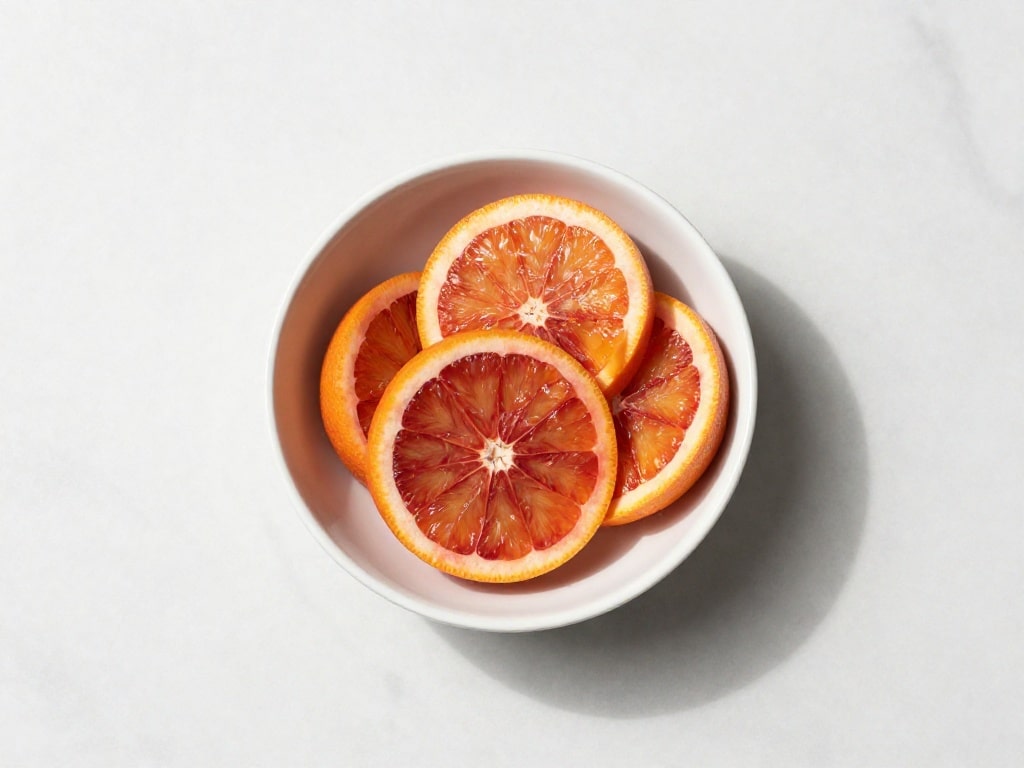
Blood orange is the closest match to grapefruit in terms of citrus structure. Use it at a 1:1 ratio in salad dressings, citrus-forward desserts, and cocktails where you want brightness without grapefruit's bitter edge.
The main tradeoff is sweetness. Blood orange juice runs 20 to 30% sweeter than pink grapefruit juice, and it carries a subtle berry-like note that deepens the citrus profile rather than sharpening it.
In a vinaigrette or a citrus curd, that shift is pleasant. In a recipe where grapefruit bitterness is the whole point, blood orange will feel noticeably rounder.
That berry quality can also affect the overall citrus brightness of a dish. Where grapefruit delivers a clean, sharp finish, blood orange lingers a bit longer with a softer, more complex aftertaste.
For cocktails like a Paloma or a greyhound-style drink, blood orange keeps the citrus character intact while making the drink more approachable to people who find grapefruit too sharp.
Blood orange zest works as a 1:1 swap for grapefruit zest in baking and glazes. The color shifts noticeably toward deep red-orange, so expect visual changes in pale batters or light-colored icings.
In darker preparations like a chocolate citrus tart or a spiced glaze, the color change is invisible and the flavor is a genuine upgrade.
- Sweetness: Noticeably sweeter than grapefruit, so reduce added sugar by about 1 teaspoon per ¼ cup of juice used.
- Color impact: Deep crimson to ruby hue; affects pale sauces, batters, and drinks visually.
- Zest swap: Use blood orange zest 1:1 for grapefruit zest in baked goods and marinades.
- Bitterness: Mild to none, which is an advantage in most everyday cooking contexts.
Blood orange is the top choice for bright, slightly sweeter citrus notes in dressings, desserts, and cocktails. It matches grapefruit's structure more closely than any other swap on this list.
2. Orange Juice
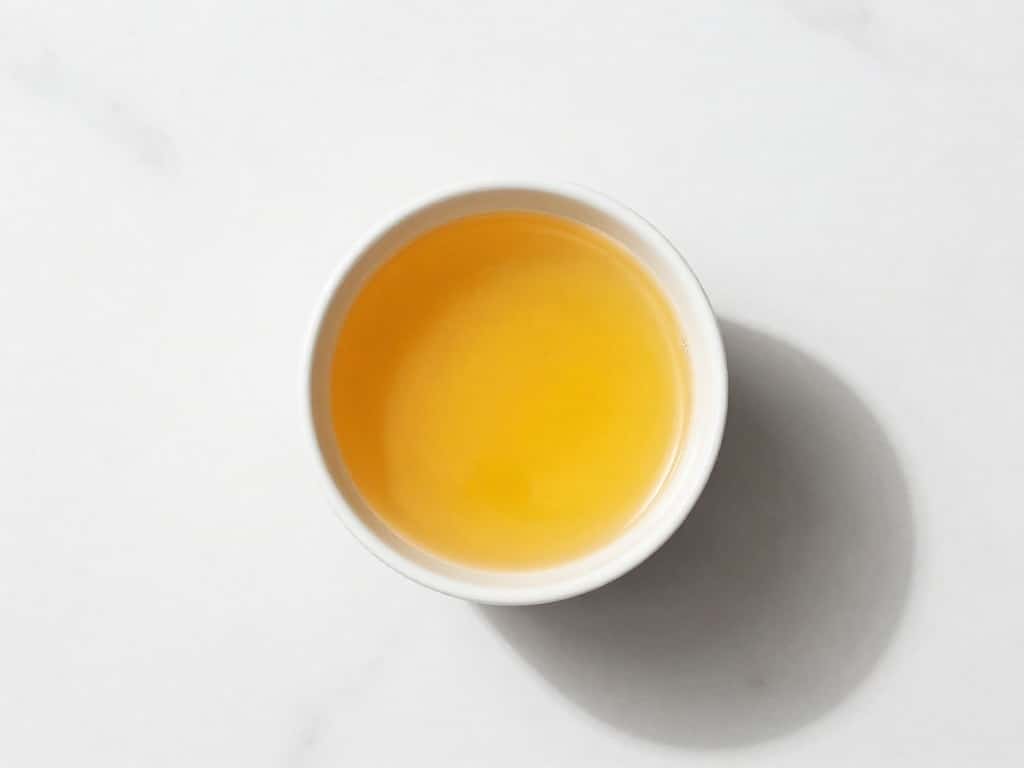
Orange juice is the most accessible grapefruit substitute and works at a 1:1 ratio across vinaigrettes, marinades, baked goods, and casual drinks. Most households have it on hand, and it requires almost no adjustment for everyday cooking.
The key difference is acidity. Orange juice runs 1.2 to 1.5% acidity, while grapefruit averages 0.9 to 1.0%.
That sounds like a small gap, but in a tightly balanced citrus dressing or a reduction sauce, the sharper edge of orange juice comes through. Orange juice is also meaningfully sweeter, so reduce added sugar in your recipe by about 1 to 2 teaspoons per half cup when making the swap.
In baking, the higher density of orange juice can affect batter moisture slightly. The difference is minor in muffins or quick breads, however in a delicate chiffon or a citrus soufflé, it may shift the final texture by a small margin.
Stick to the 1:1 ratio and check for doneness a couple of minutes early.
For orange-based flavor pairings in baking, orange juice integrates naturally into most grapefruit-forward cake and glaze recipes without any additional bridging ingredient. The citrus profile is familiar, and the sweetness is easier to dial back than to add in.
- Acidity: Slightly higher than grapefruit; may sharpen sauces more than expected.
- Sweetness: Higher than grapefruit; reduce sugar when the recipe already calls for a sweetener.
- Baking impact: Minimal moisture shift at 1:1; check texture in delicate batters.
- Bitterness: None; if bitterness is part of the recipe's identity, orange juice will feel flat in that role.
Orange juice is the best everyday swap for casual cooking and drinks where a classic citrus profile works fine. It is widely available, requires minimal adjustment, and integrates smoothly into most recipes.
3. Lemon Juice
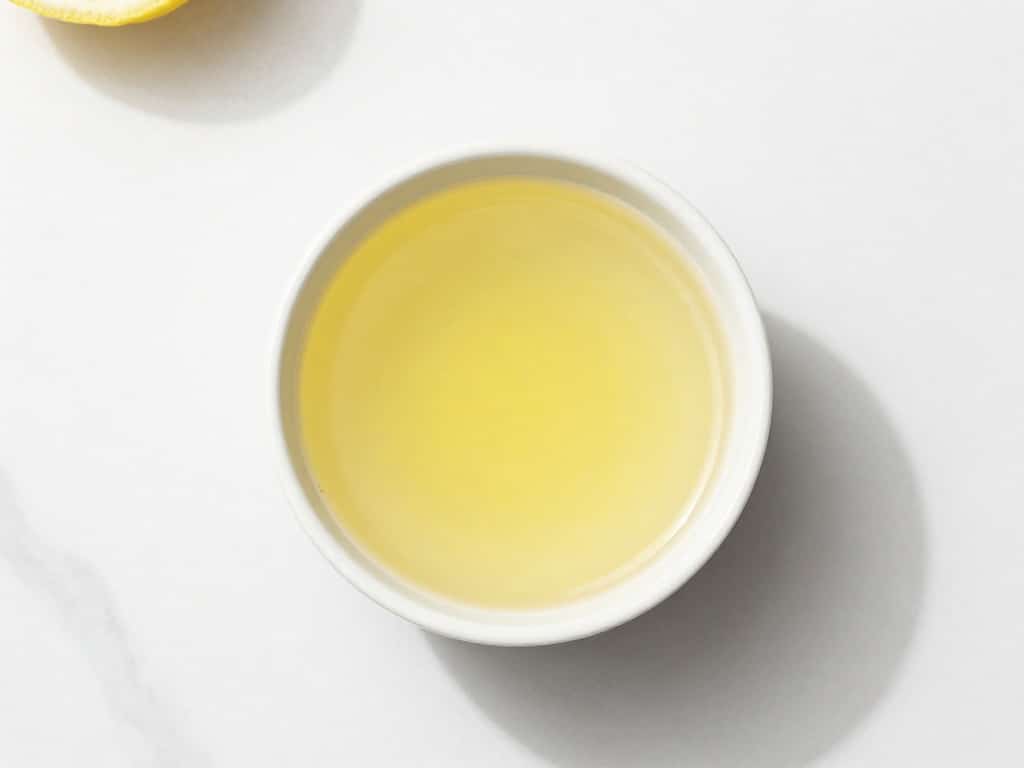
Lemon juice is a sharper, more assertive substitute for grapefruit. Use it at a 1:1 ratio when you want citrus brightness without any of grapefruit's bitterness, or when the recipe needs a more pronounced tart edge.
Acidity is the biggest variable here. Lemon juice has a pH of roughly 2.0 to 2.6, while grapefruit sits closer to 3.0 to 4.0 depending on the variety.
That lower pH means lemon juice is noticeably more acidic, which can over-tenderize proteins in a marinade or create a sharper finish in a dressing than intended. Taste as you go and start with three-quarters of the stated amount if you are uncertain.
In baked goods, the higher acidity of lemon juice reacts more aggressively with baking soda, which can cause extra lift or slight over-browning in the crust. If your recipe relies on grapefruit juice for its leavening reaction, lemon juice will amplify that effect.
Reduce the baking soda by a small pinch or swap in baking powder to moderate the reaction.
Lemon juice does not dramatically shift color in most recipes, though it can brighten pale sauces and keep cut fruit from oxidizing faster than grapefruit juice would. For recipes that rely on sugar adjustments alongside citrus swaps, lemon juice usually requires more added sweetener than any other substitute on this list.
Increase honey, sugar, or agave by about 1 teaspoon per ¼ cup to compensate for the tartness.
- Acidity: Significantly higher than grapefruit; start at ¾ of the stated amount and adjust.
- Bitterness: None; delivers brightness without any bitter notes.
- Baking chemistry: More reactive with baking soda; reduce slightly if leavening is part of the formula.
- Sweetness adjustment: Add 1 teaspoon of sweetener per ¼ cup of lemon juice to balance tartness.
Lemon juice delivers brightness without bitterness, however its higher acidity means you should taste before committing to the full 1:1 amount. A small sweetener addition almost always improves the balance.
4. Lime Juice
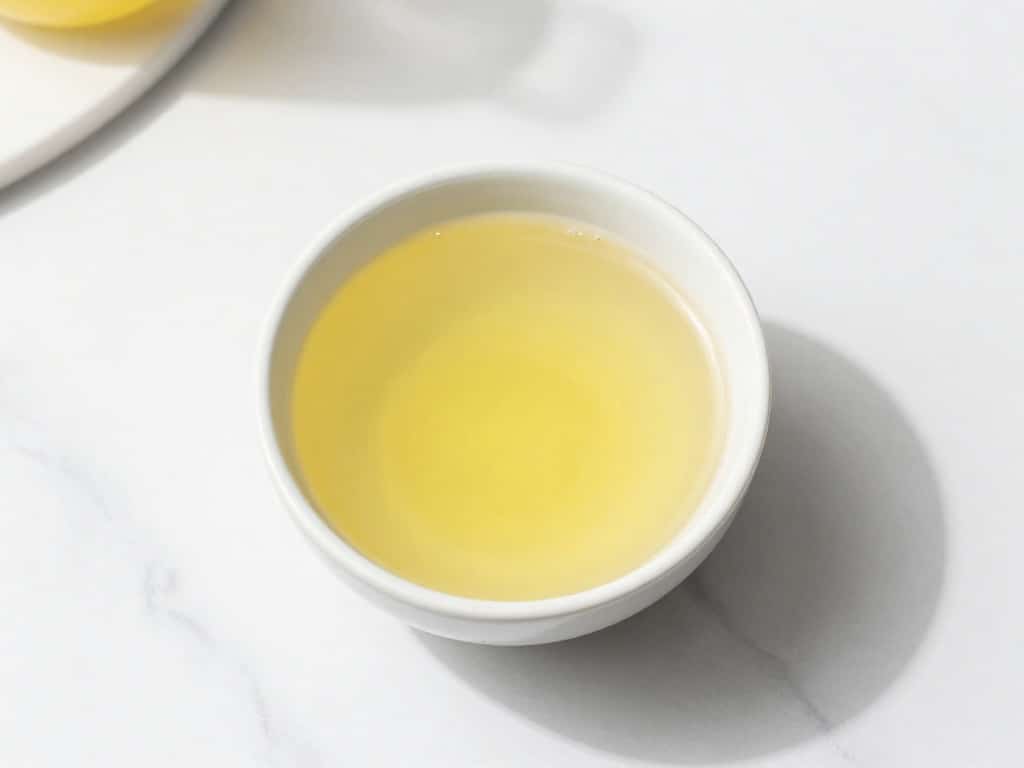
Lime juice is a solid 1:1 substitute for grapefruit when you need tangy, fresh citrus character. It works especially well in salsas, ceviche, dressings, and light cocktails where a clean, sharp bite is the goal.
Lime and grapefruit share similar acid profiles, however lime is less sweet and carries a more vegetal-sour quality that some describe as greener or grassier than grapefruit's clean citrus finish. In a fresh salsa or a ceviche, that green quality reads as brightness and pairs naturally with cilantro and chili.
In a dessert or a syrup, it can taste slightly out of place compared to grapefruit's rounder profile.
In cocktails, lime juice is one of the most effective grapefruit swaps. A Paloma made with lime instead of grapefruit loses some sweetness and gains a sharper, more classic margarita-adjacent character.
Add a small splash of simple syrup or agave to bring the balance back toward what a grapefruit-based version would deliver. For herbal and aromatic garnishes in citrus drinks, lime pairs cleanly with botanicals in a way grapefruit does not always.
Lime juice does shift color very slightly toward a pale greenish tint in clear or white preparations, though the effect is minor in most recipes.
Aroma changes are more noticeable than visual ones; lime has a distinctly floral-citrus scent that reads differently from grapefruit's more muted fragrance.
- Sweetness: Lower than grapefruit; add 1 teaspoon of sweetener per ¼ cup to balance if needed.
- Vegetal quality: Slightly green and grassy; most noticeable in delicate desserts and pale sauces.
- Cocktails: Works well at 1:1; a touch of simple syrup restores the sweetness lost from skipping grapefruit.
- Color: Minor pale green tint in clear liquids; negligible in cooked or darker preparations.
Lime juice is the best substitute for tangy, fresh profiles in salsas, ceviche, and light cocktails. It matches grapefruit's acidity well and requires only a small sweetness adjustment to stay balanced.
5. Pineapple Juice
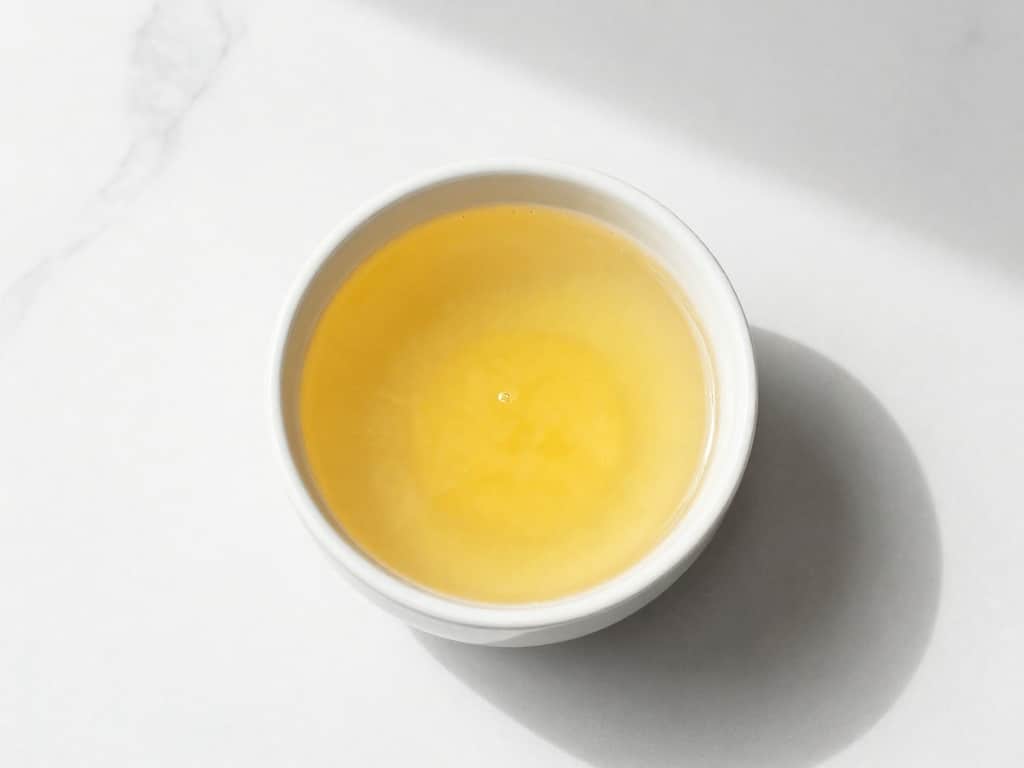
Pineapple juice is the most departure-forward option on this list, and it earns its place when grapefruit bitterness is the problem you are trying to solve.
Start at a 1:1 ratio and adjust up to 1:1.5 (pineapple to grapefruit) if the dish needs more volume or fruitiness to compensate for the flavor shift.
The acid profile is lower than grapefruit. Pineapple juice typically contains 0.5 to 1% acidity with strong tropical aromatics that change the character of a recipe more than any other substitute on this list.
That is a feature, not a flaw, in the right context. A tropical citrus punch, a fruit-forward marinade for pork or chicken, or a non-alcoholic mocktail all benefit from pineapple's fruity brightness.
In a delicate vinaigrette or a classic grapefruit tart, the tropical aromatics will feel out of place.
For baking, pineapple juice contains bromelain, a natural enzyme that breaks down proteins. This matters in meat marinades (it tenderizes quickly) and can affect gluten structure in bread doughs if used in large amounts.
In muffins or quick breads, the effect is negligible at 1:1, however in yeasted doughs, avoid pineapple juice as your liquid base. For non-yeasted baking like recipes where pineapple juice is itself the ingredient being replaced, the enzymatic activity is well understood and manageable.
Sweetness is the other major adjustment point. Pineapple juice is significantly sweeter than grapefruit, so reduce added sugar by at least 1 tablespoon per ½ cup of juice when baking, and taste cocktails or sauces before adding any syrup or honey.
- Sweetness: Much higher than grapefruit; reduce sugar in the recipe by 1 tablespoon per ½ cup.
- Bitterness: None; this is the right swap when you need fruity brightness with zero bitter edge.
- Bromelain: Tenderizes proteins; avoid in yeasted doughs and long marinating times over 30 minutes.
- Aroma: Strong tropical notes; best in fruit-forward, casual, or tropical-themed recipes.
Pineapple juice is the right call when a tropical twist is acceptable or even welcome. Start at 1:1, reduce sugar, and avoid yeasted doughs to keep the texture clean.
How to Choose the Right Substitute?
The fastest way to pick a substitute is to ask two questions: does the recipe need bitterness, and what is the dish's sweetness level already? If bitterness matters, none of these swaps will fully replicate it.
If acidity and brightness are the priority, you have solid options at every sweetness level.
- For dressings and vinaigrettes: Blood orange or lemon juice. Blood orange keeps the citrus structure close; lemon adds tartness without altering the base flavor dramatically.
- For baking: Orange juice is the safest swap. It integrates quietly and does not disrupt leavening the way lemon juice can.
- For cocktails and mocktails: Lime juice for sharp, clean drinks; blood orange for sweeter, more complex ones. Pineapple juice for tropical-style drinks where grapefruit is more of a brightness vehicle than a flavor statement.
- For salsas and fresh sauces: Lime juice is the natural fit. Its acidity and vegetal freshness pair well with chili and herbs in ways the other substitutes do not.
- For savory marinades: Orange juice or lime juice both work. Avoid pineapple juice for anything marinating longer than 30 minutes.
If you are also adjusting other flavor-forward ingredients in the recipe, consider how botanical and herbal substitutes interact with citrus swaps in compound sauces and liqueurs. In most home-cooking applications, the five substitutes above cover every scenario where grapefruit would typically appear.
For deeper guidance on swapping other liquid flavor agents, the same acidity-first logic applies whether you are replacing tomato juice or a citrus base in a cooked sauce.
Blood orange is the most versatile substitute across recipes. For a quick decision: use blood orange in anything delicate or complex, orange juice in everyday cooking, lime juice in fresh and savory dishes, lemon juice when tartness is the goal, and pineapple juice when tropical fruitiness fits the dish.
Frequently Asked Questions
Can I substitute grapefruit zest for juice in a recipe?
No, zest and juice perform different functions. Zest adds aromatic oils and bitterness without acidity or moisture; juice provides liquid, acidity, and brightness. Use zest only when the recipe calls for it specifically.
Will substitutes work in cocktails as well as baking?
Yes, all five substitutes work in cocktails, however lime and blood orange are the strongest performers in drinks. For baking, orange juice integrates most cleanly without disrupting texture or leavening chemistry.
How does acidity affect texture when substituting citrus?
Higher acidity reacts more aggressively with baking soda, causing extra lift or browning. Lemon juice, with a pH of 2.0 to 2.6, produces the strongest leavening reaction of all five substitutes on this list.
Are there substitutions that alter color?
Yes. Blood orange juice turns preparations deep ruby-red. Lime juice adds a faint green tint to clear liquids. Orange juice and pineapple juice shift color toward yellow; lemon juice has the least color impact overall.
What if I need the grapefruit flavor without bitterness?
Blood orange is your best option. It captures grapefruit's citrus brightness and structure while contributing virtually no bitterness, and its mild berry note keeps the flavor profile complex without being sharp.
5 Best Grapefruits Substitutes to Consider
Ingredients
Method
- Choose your substitute based on the dish type and desired flavor match.
- Prepare the substitute as directed: adjust ratios and prep as noted for each option.
- Apply the substitution ratio carefully. Start with the stated amount and adjust to taste.
- Taste and adjust seasoning. Some substitutes shift flavor or texture slightly.
Notes
- Match acidity first when substituting grapefruit; sweetness is easier to adjust after the fact.
- Reduce added sugar by 1 to 2 teaspoons per half cup when using orange juice or pineapple juice, as both are significantly sweeter than grapefruit.
Tried this recipe?
Let us know how it was!
Carrie is a food writer and editor with more than 15 years of experience. She has worked for some of the biggest names in the food industry, including Bon Appétit, Food & Wine, and Martha Stewart Living.
As the Editor in Chief of EpicureDelight, Carrie oversees all of the content on the site. She also manages the team of contributing writers and editors, who help to create delicious recipes, helpful tips, and informative articles that you’ll find on the site.
A native of the Chicago area, Carrie is passionate about all things food. She loves trying new restaurants and experimenting with new recipes in her kitchen. She’s also a graduate of the Culinary Institute of America, so she knows a thing or two about food!



