
Substitutes guide
The Complete Guide to Ingredient Substitutes
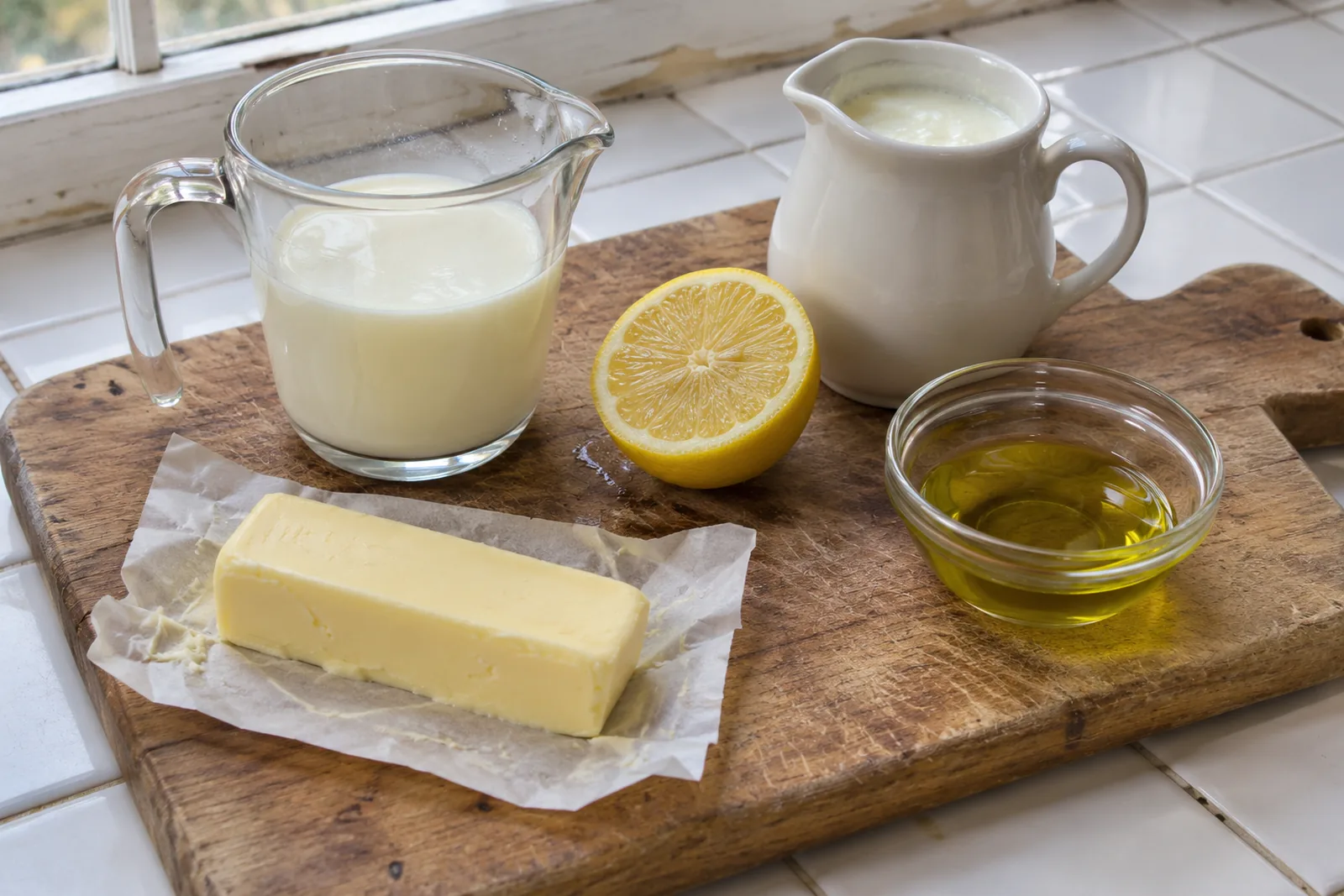
The recipe calls for buttermilk and the carton is empty. One cup of milk with a tablespoon of lemon juice or white vinegar, rested 5 to 10 minutes, fills in. 735 guides here give the same kind of answer for other ingredients, with the amounts to use.
Start here
What this hub covers
Every guide starts from one question: what does the missing ingredient do in the recipe?
Name the job first. Butter supplies fat, buttermilk supplies acid, and cornstarch supplies thickening. Once the job is clear, the choice drops to a few swaps that do the same work, and each guide lists them with amounts.
The sections below follow the order a cook usually needs them: a four-step method, a matrix of common swaps with ratios, then ingredient families from dairy to proteins, each linking to the full guides.
Choose by function first, then adjust salt and liquid.
Method
How to pick a substitute
Four steps that work for any ingredient on this page.
- Name the jobSay what the ingredient does in the recipe: fat, acid, binding, thickening, sweetness or moisture.
- Match the traitChoose a swap with the same texture, fat, acid or sweetness. Arrowroot or tapioca starch, for example, gives a clear, glossy sauce like cornstarch.
- Adjust the ratioMany swaps run 1:1, and some do not. Oil for butter is ¾ cup per 1 cup, and flour for cornstarch is 1.5:1.
- Taste and correctAdd salt, acid or liquid in small steps. A vinegar swap that tastes flat can go up ½ teaspoon at a time.
Swap matrix
Common swaps, by the job they do
Amounts come from the linked guide in each row. Treat them as starting points and adjust to the recipe.
| Job | Recipe calls for | Swap with | Amount | Full guide |
|---|---|---|---|---|
| Fat | Butter, 1 cup | Neutral oil | ¾ cup oil | Butter substitutes |
| Fat | Butter | Margarine | 1:1 | Butter substitutes |
| Fat | Vegetable shortening | Unsalted butter | 1:1 | Vegetable shortening substitutes |
| Acid | Lemon juice | Bottled lemon juice or lime juice | 1:1 | Lemon juice substitutes |
| Acid | White vinegar | Apple cider vinegar | 1:1 | White vinegar substitutes |
| Binder | 1 egg | Ground flaxseed gel | 1 tablespoon ground flaxseed plus 3 tablespoons water, rested 10 minutes | Vegan egg substitutes |
| Binder | 1 egg (for lift) | Aquafaba, whipped | 3 tablespoons | Vegan egg substitutes |
| Leavener | Baking powder, 1 teaspoon | Baking soda plus cream of tartar | ¼ teaspoon soda plus ½ teaspoon cream of tartar | Baking powder substitutes |
| Leavener | Self-rising flour, 1 cup | All-purpose flour, baking powder and salt | 1 cup flour plus 1 ½ teaspoons baking powder plus ¼ teaspoon salt | Self-rising flour substitutes |
| Thickener | Cornstarch | Arrowroot, tapioca starch or potato starch | 1:1 | Cornstarch substitutes |
| Thickener | Cornstarch | All-purpose flour (slurry) | 1.5:1, with a longer simmer | Cornstarch substitutes |
| Sweetener | Brown sugar, 1 cup | White sugar plus molasses | 1 cup sugar plus 1 tablespoon molasses | Brown sugar substitutes |
| Sweetener | Corn syrup | Honey or agave | 1:1 | Corn syrup substitutes |
| Sweetener | Molasses, 1 cup | Dark maple syrup | ¾ cup | Molasses substitutes |
| Dairy | Heavy cream, 1 cup | Whole milk plus melted butter | ¾ cup milk plus ¼ cup butter | Heavy cream substitutes |
| Dairy | Buttermilk, 1 cup | Milk plus lemon juice or white vinegar | 1 cup milk plus 1 tablespoon acid, rested 5 to 10 minutes | Buttermilk substitutes |
| Dairy | Whole milk | Half-and-half | 1:1 | Whole milk substitutes |
Two cautions from the guides: butter holds roughly 15 to 20 percent water, so oil and shortening swaps change moisture, and most heavy cream swaps will not whip to stiff peaks.
How much of the swap to use
Many swaps run 1:1, which fills the whole bar below. A few call for less of the stand-in, and the bar shows how much less. Each row comes from the guide linked on its label.
Amount of swap for each 1 of the original (full bar = 1:1)
Featured
Featured swap guides
Pantry gaps in sauces and grains, with the amounts to use.
Ingredient families, part 1
Dairy, fats and oils, flours and thickeners
Each link opens the full substitutes guide for that ingredient.
Dairy and eggs
Milk, cream, cheese and eggs usually supply fat, tang or structure. For cream, whole milk plus melted butter recreates the fat. For buttermilk, milk plus lemon juice or white vinegar recreates the tang. For eggs, the right swap depends on whether the egg binds, lifts or sets a custard.
More dairy and egg guides
- Milk
- Whole milk
- Skim milk
- Soy milk
- Almond milk
- Cashew milk
- Coconut milk
- Milk powder
- Light cream
- Double cream
- Clotted cream
- Whipped cream
- Creme fraiche
- Vegan half and half
- Sweetened condensed milk
- Kefir
- Greek yogurt
- Cream cheese
- Vegan cream cheese
- Cottage cheese
- Ricotta cheese
- Mascarpone
- Quark cheese
- Labneh cheese
- Goat cheese
- Feta cheese
- Cheddar cheese
- Gruyere cheese
- Swiss cheese
- Gouda cheese
- Brie cheese
- Blue cheese
- Provolone cheese
- Halloumi cheese
- Queso fresco
- Pepper Jack cheese
- Muenster cheese
- Manchego cheese
- Romano cheese
- Asiago cheese
- Edam cheese
- Fontina cheese
- Camembert cheese
Fats and oils
Fat carries flavor and sets texture. Butter holds roughly 15 to 20 percent water, which is why oil, shortening and margarine behave differently in the same recipe, and why oil runs at ¾ cup per 1 cup of butter.
More fat and oil guides
- Margarine
- Unsalted butter
- Vegetable oil
- Olive oil
- Canola oil
- Coconut oil
- Sesame oil
- Sunflower oil
- Safflower oil
- Corn oil
- Soybean oil
- Grapeseed oil
- Almond oil
- Hazelnut oil
- Walnut oil
- Truffle oil
- MCT oil
- Rice bran oil
- Flaxseed oil
- Hemp oil
- Macadamia oil
- Mustard oil
- Chili oil
- Duck fat
- Beef tallow
- Bacon grease
- Schmaltz
- Suet
- Nonstick cooking spray
- Peanut butter
- Cashew butter
- Sunflower seed butter
- Coconut butter
- Hazelnut butter
Flours, grains and thickeners
Flour swaps change structure as well as flavor. Match the starch or flour to the job. Self-rising flour is all-purpose flour plus baking powder and salt, coconut flour is very absorbent and runs at 1:4 in gluten-free swaps, and starches such as arrowroot and tapioca thicken at 1:1 where flour needs 1.5:1.
More flour, grain and thickener guides
- Bread flour
- Whole wheat flour
- Pastry flour
- Rice flour
- Brown rice flour
- Rye flour
- Spelt flour
- Semolina flour
- Durum flour
- Barley flour
- Tapioca flour
- Arrowroot powder
- Xanthan gum
- Guar gum
- Agar agar
- Psyllium husk
- Gluten-free flour
- Cassava flour
- Soy flour
- Teff flour
- Sorghum flour
- Quinoa flour
- Amaranth flour
- Tigernut flour
- Lupin flour
- Peanut flour
- Hazelnut flour
- Wheat germ
- Wheat bran
- Oat bran
- Cornmeal
- Corn flour
- Polenta
- Grits
- Farina
- Matzo meal
- Potato flakes
- Custard powder
- Bisquick
- Tempura flour
- Wondra flour
- Baking powder
- Baking soda
- Couscous
- Farro
- Arborio rice
- Basmati rice
- Jasmine rice
- White rice
- Egg noodle
- Acini di pepe
- Campanelle
- Cavatappi pasta
- Ditalini pasta
- Wheat berries
- Baguette
- Brioche bread
- Challah bread
- Ciabatta
- Focaccia
- Naan bread
- Pita bread
- Rye bread
- Puff pastry
Ingredient families, part 2
Sweeteners, sauces, herbs and spices
Find the ingredient, then open its guide for the full list of swaps and amounts.
Sweeteners
Sugars and syrups differ in moisture as much as sweetness. White sugar plus molasses rebuilds brown sugar, and liquid swaps such as maple syrup call for about 3 tablespoons less of other liquid per cup used.
More sweetener guides
- Molasses
- Agave nectar
- Caster sugar
- Icing sugar
- Demerara sugar
- Turbinado sugar
- Refined sugar
- Sucanat
- Jaggery
- Piloncillo
- Rock sugar
- Vanilla sugar
- Date syrup
- Brown rice syrup
- Cane syrup
- Coconut nectar
- Malt syrup
- Maltose syrup
- Light corn syrup
- Black treacle
- Treacle
- Jam sugar
- Apple butter
- Fig jam
- Apricot jam
- Lime marmalade
- Orange marmalade
- Medjool dates
- Marzipan
- Almond paste
- Marshmallow
- Vanilla bean paste
Sauces, vinegars and condiments
Sauces and acids are swapped for salt, umami or tang. Tamari is the safest 1:1 swap for soy sauce, reduced tomato puree stands in for tomato paste at 1:1 after 5 to 8 minutes of simmering, and most vinegars trade at 1:1.
More sauce, vinegar and condiment guides
- Lemon juice
- Lime juice
- White vinegar
- Apple cider vinegar
- Red wine vinegar
- Balsamic vinegar
- Champagne vinegar
- Malt vinegar
- Tomato sauce
- Tomato puree
- Canned tomato
- Fire roasted tomato
- Stewed tomatoes
- Tomato juice
- Ketchup
- Mayonnaise
- Dijon mustard
- Yellow mustard
- Brown mustard
- Whole grain mustard
- Ground mustard
- Hot sauce
- Tabasco sauce
- Sweet chili sauce
- Hoisin sauce
- Oyster sauce
- Fish sauce
- Teriyaki sauce
- Ponzu sauce
- Plum sauce
- Coconut aminos
- Liquid aminos
- Miso paste
- Gochujang
- Harissa paste
- Sambal oelek
- Barbecue sauce
- BBQ sauce
- Taco sauce
- Enchilada sauce
- Marinara sauce
- Pesto sauce
- Alfredo sauce
- Bechamel sauce
- Tzatziki sauce
- Cranberry sauce
- Horseradish
- Tamarind puree
- Shrimp paste
- Black bean sauce
- Chicken broth
- Vegetable broth
- Fish stock
- Mushroom stock
- Chicken base
- Chicken bouillon granules
- Demi glace
- Dashi powder
- White wine
- Red wine
- Dry sherry
- Marsala wine
- Sake
- Shaoxing wine
- Orange juice
- Apple juice
- Grapefruit juice
Herbs and spices
Ground spices are concentrated, so many swaps start at half the amount: ground coriander for cumin and cayenne for chili powder. Dried stand-ins for basil also start at half. Taste, then add more.
More herb and spice guides
- Garlic powder
- Onion powder
- Smoked paprika
- Paprika
- Cayenne pepper
- Black pepper
- White pepper
- Red pepper flakes
- Allspice
- Clove
- Mace
- Ground cinnamon
- Apple pie spice
- Pumpkin pie spice
- Garam masala
- Old Bay seasoning
- Cajun seasoning
- Taco seasoning
- Herbs de Provence
- Poultry seasoning
- Za'atar
- Sumac
- Saffron
- Fennel seed
- Fenugreek seed
- Coriander seed
- Cumin seed
- Celery seed
- Celery salt
- Nigella seed
- Sesame seed
- Poppy seed
- Sichuan peppercorn
- Pink peppercorn
- Green peppercorn
- Juniper berries
- Chinese five-spice powder
- Berbere spice
- Baharat spice blend
- Lemon pepper
- Jerk seasoning
- Madras curry powder
- Pickling spice
- Sazon seasoning
- Mrs. Dash seasoning
- Tandoori masala
- Aleppo pepper
- Gochugaru
- Kashmiri chili powder
- Ancho chili powder
- Chipotle powder
- Sea salt flakes
- Rosemary
- Sage
- Mint
- Tarragon
- Thai basil
- Bay leaf
- Dill weed
- Kaffir lime leaf
- Curry leaf
- Lemongrass
- Anise seed
- Carom seed
- File powder
- Furikake
Ingredient families, part 3
Produce and proteins
Texture and water content decide most of these swaps.
Produce
Vegetable swaps are matched on texture and water content first. Baby kale or Swiss chard replaces spinach 1:1 by volume, yam is the closest texture match for sweet potato, and portobello or cremini stand in for shiitake.
More produce guides
- Yellow onion
- Red onion
- Green onion
- Scallion
- Leek
- Cipollini onion
- Onion flakes
- Bell pepper
- Jalapeno pepper
- Serrano pepper
- Poblano pepper
- Habanero pepper
- Anaheim pepper
- Shishito pepper
- Thai chili pepper
- Tuscan kale
- Swiss chard
- Collard greens
- Bok choy
- Watercress
- Endive
- Escarole
- Broccoli
- Broccolini
- Broccoli rabe
- Asparagus
- Brussels sprouts
- Green cabbage
- Red cabbage
- Napa cabbage
- Savoy cabbage
- Romaine lettuce
- Iceberg lettuce
- Butternut squash
- Acorn squash
- Spaghetti squash
- Kabocha squash
- Yukon Gold potato
- Beet
- Carrot
- Parsnip
- Turnip
- Rutabaga
- Daikon radish
- Jicama
- Kohlrabi
- Cucumber
- Eggplant
- Artichoke heart
- Green peas
- Snow peas
- Sugar snap peas
- Plum tomato
- Sun dried tomatoes
- Button mushroom
- Cremini mushroom
- Portobello mushroom
- Oyster mushroom
- Porcini mushroom
- Maitake mushroom
- Banana
- Fuji apple
- Honeycrisp apple
- Grapefruit
- Cantaloupe
- Pomegranate
- Prune
- Kumquat
- Cranberries
- Blueberries
- Raspberries
- Blackberries
- Fig
- Apricot
- Meyer lemon
- Tangerine
- Clementine
- Preserved lemon
Proteins
Protein swaps are matched on texture and on what the original adds, such as the salt and smoke in bacon. Tempeh and tofu cover for each other, and soy curls or TVP need about 10 minutes of hydration before cooking.
More protein guides
Editorial note
How the ratios on this page are sourced
Where the numbers come from, and what they cannot promise.
FAQ
Frequently asked questions
Short answers to common questions about swapping ingredients.
Can I substitute butter with oil in baking?
Yes, but use about three-quarters the amount of oil compared to butter (details in the butter substitutes guide). Butter contains water and milk solids that affect texture, so the swap works best in moist recipes like muffins and quick breads. In cookies, you'll lose some of that crisp edge.
What is the best egg substitute for binding?
A flax egg is reliable for binding in baked goods. Mix one tablespoon of ground flaxseed with three tablespoons of water and rest it ten minutes, as in the vegan egg substitutes guide. Chia seeds work the same way, with a mild nuttiness that's barely noticeable once baked.
Do ingredient substitutes change the flavor?
Honestly, sometimes yes. Coconut milk adds a slight sweetness. Almond flour brings nuttiness. The key is knowing which substitutes stay neutral and which ones shift the dish's character. In most savory recipes, the other seasonings cover the difference well enough that you won't care.
What can I use instead of heavy cream?
Whole milk plus butter replaces one cup of heavy cream in most cooked recipes (more in the heavy cream substitutes guide). Use three-quarters cup of milk and one-quarter cup of melted butter. For whipping it won't hold peaks, so chilled full-fat coconut cream is your best bet.
Are gluten-free flour swaps always 1:1?
Rarely. Most single gluten-free flours absorb liquid differently and lack the protein structure that gluten provides. A pre-made gluten-free baking blend is usually closer to 1:1 (see the gluten-free flour substitutes guide). Even then, you may need a binding agent like xanthan gum if your blend doesn't already include it.
Full list
All substitute guides
Every guide in the Substitutes category, in one list.
 11 Best Fig Substitutes for Fresh Figs, Dried Figs and Fig Jam
 4 BEST Pisco Substitutes in Pisco Sour Drink
 5 Best Absinthe Substitutes (Pantry Swaps)
 5 Best Acai Berries Substitutes for Better Results
 5 Best Achiote Paste Substitutes Worth Trying
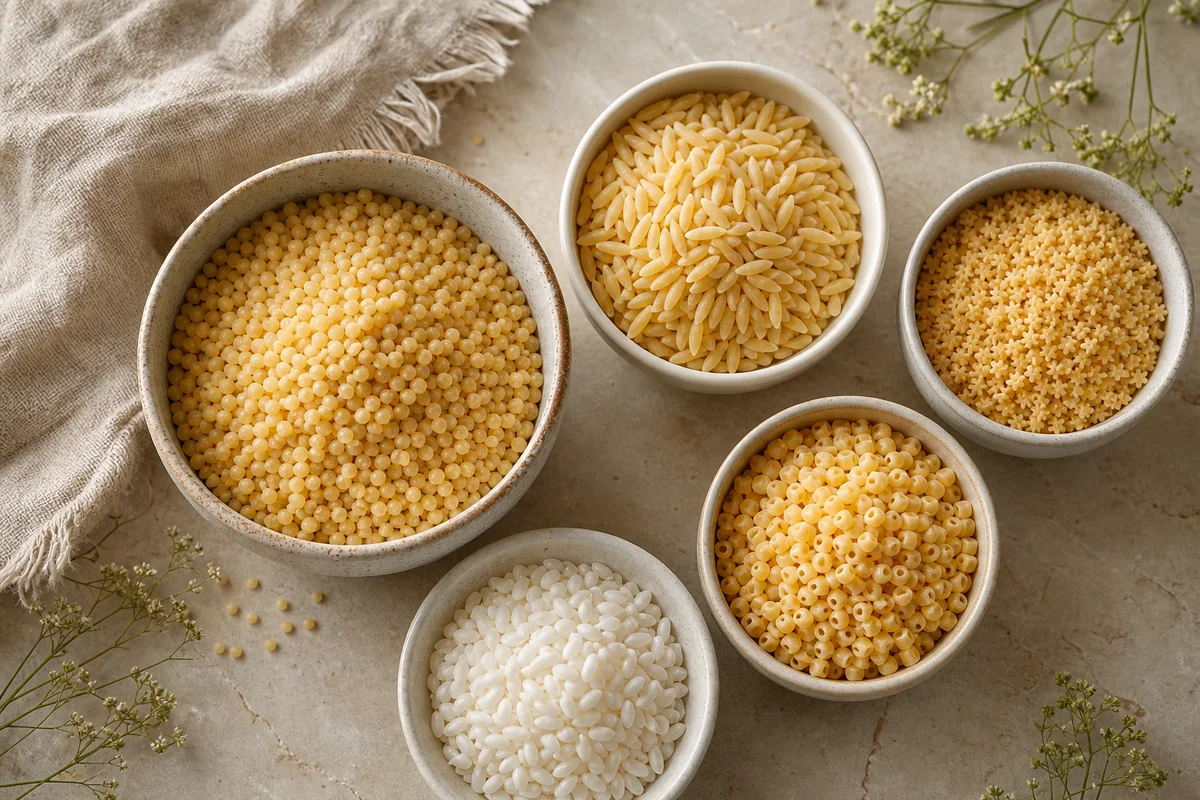 5 Best Acini Di Pepe Substitutes (with Ratios)
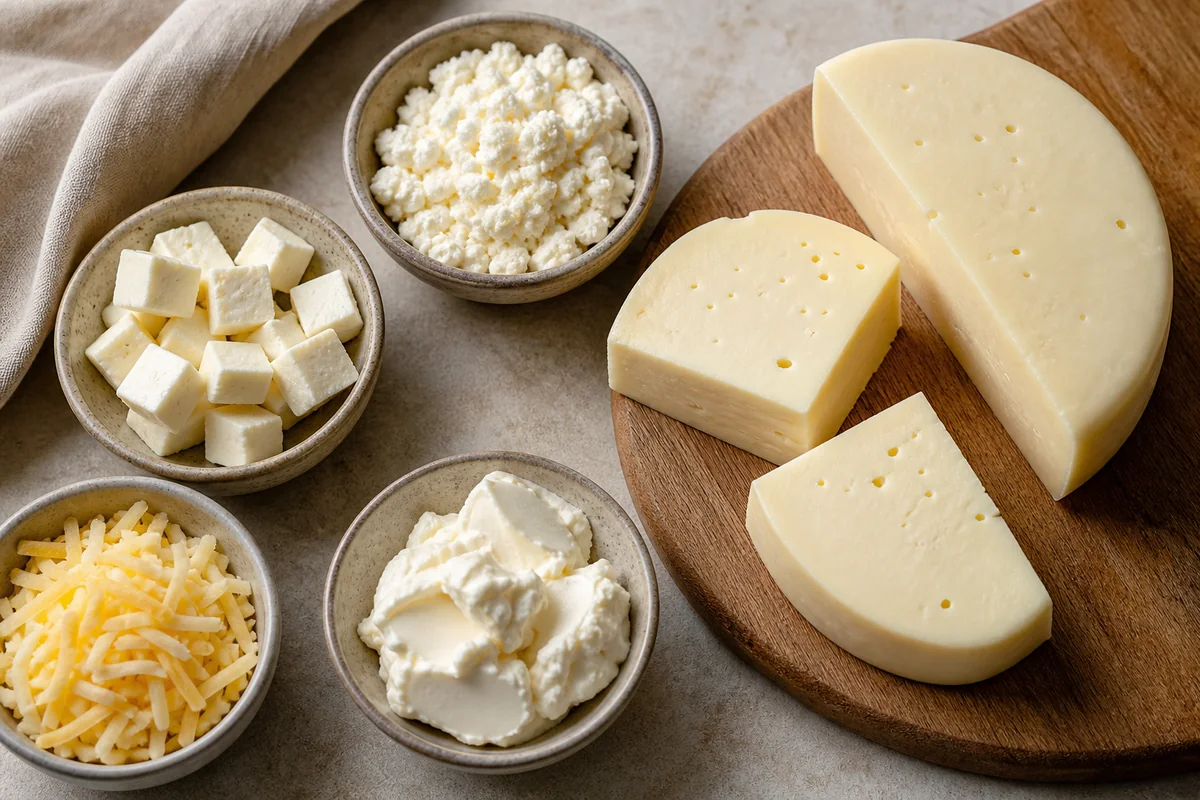 5 Best Ackawi Cheese Substitutes for Home Cooks
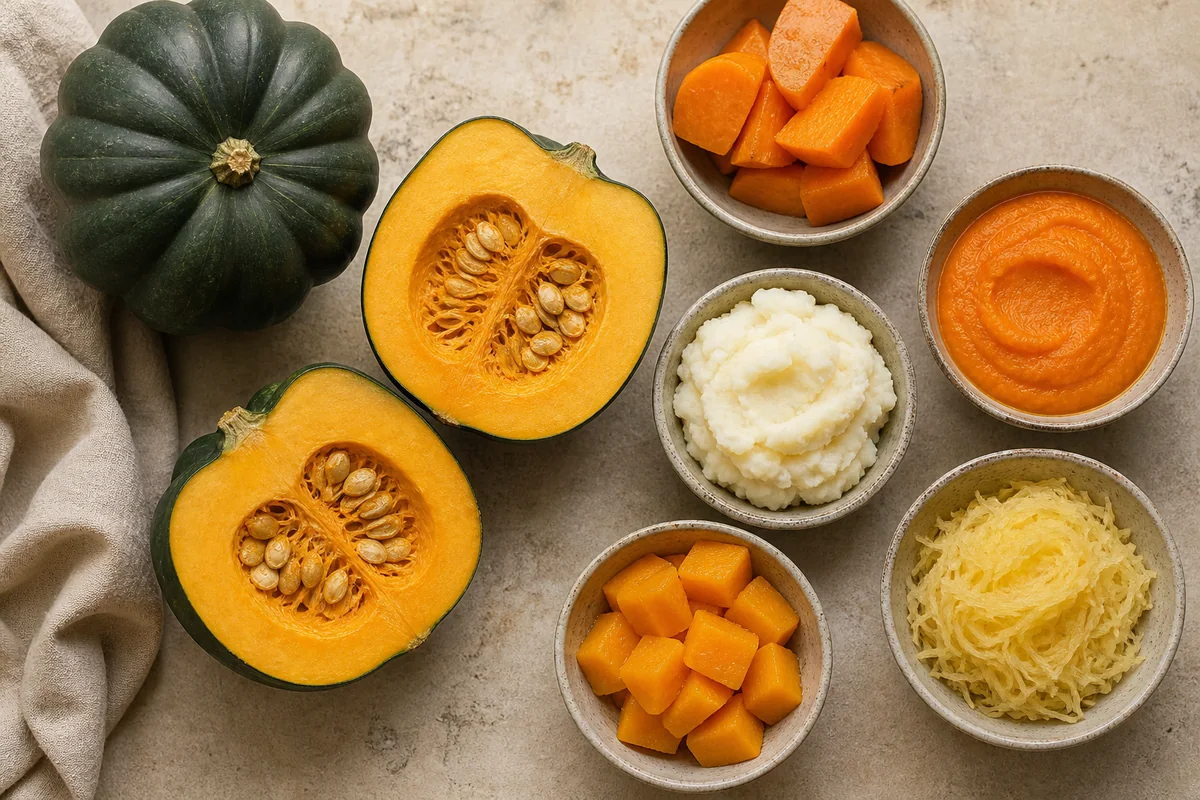 5 Best Acorn Squash Substitutes (Flavor-Matched)
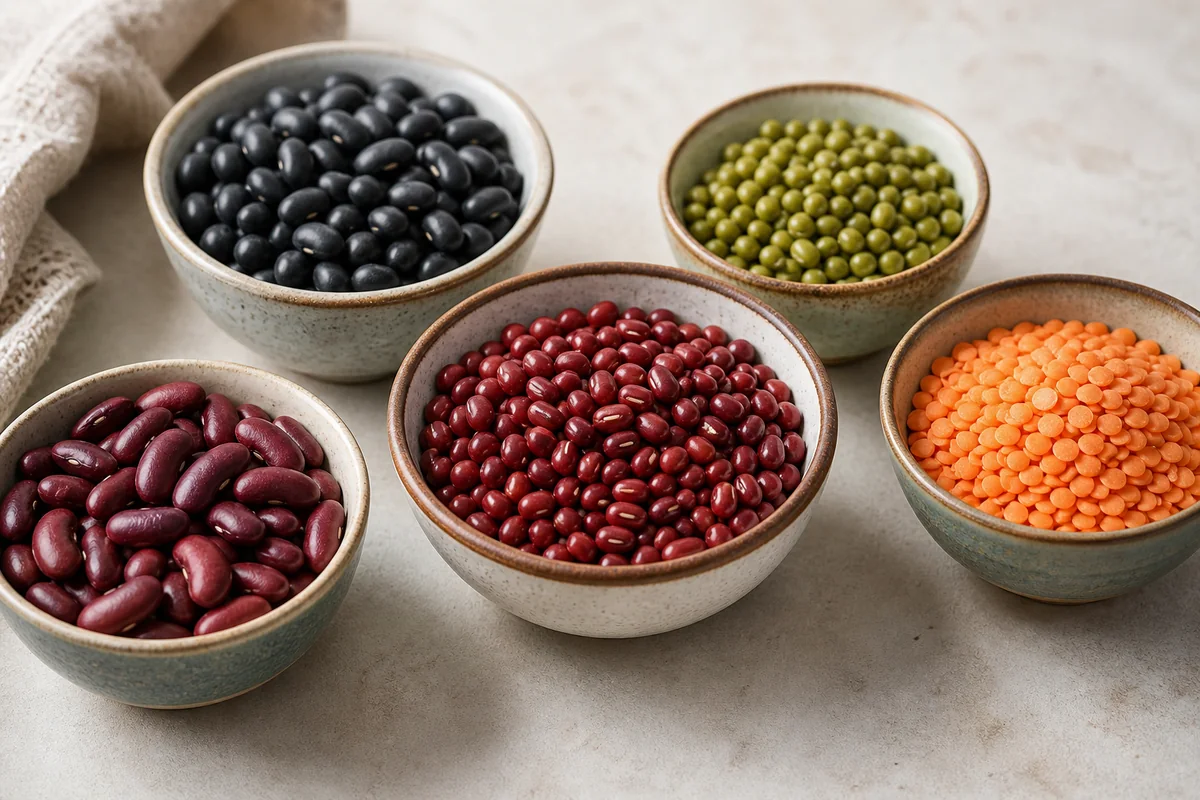 5 Best Adzuki Bean Substitutes
 5 Best Agar Agar Substitutes Worth Trying
 5 Best Agave Nectar Substitutes (With Ratios)
 5 Best Aji Amarillo Substitutes for Any Recipe
 5 Best Aleppo Pepper Substitutes (with Ratios)
 5 Best All Purpose Flour Substitutes Worth Trying
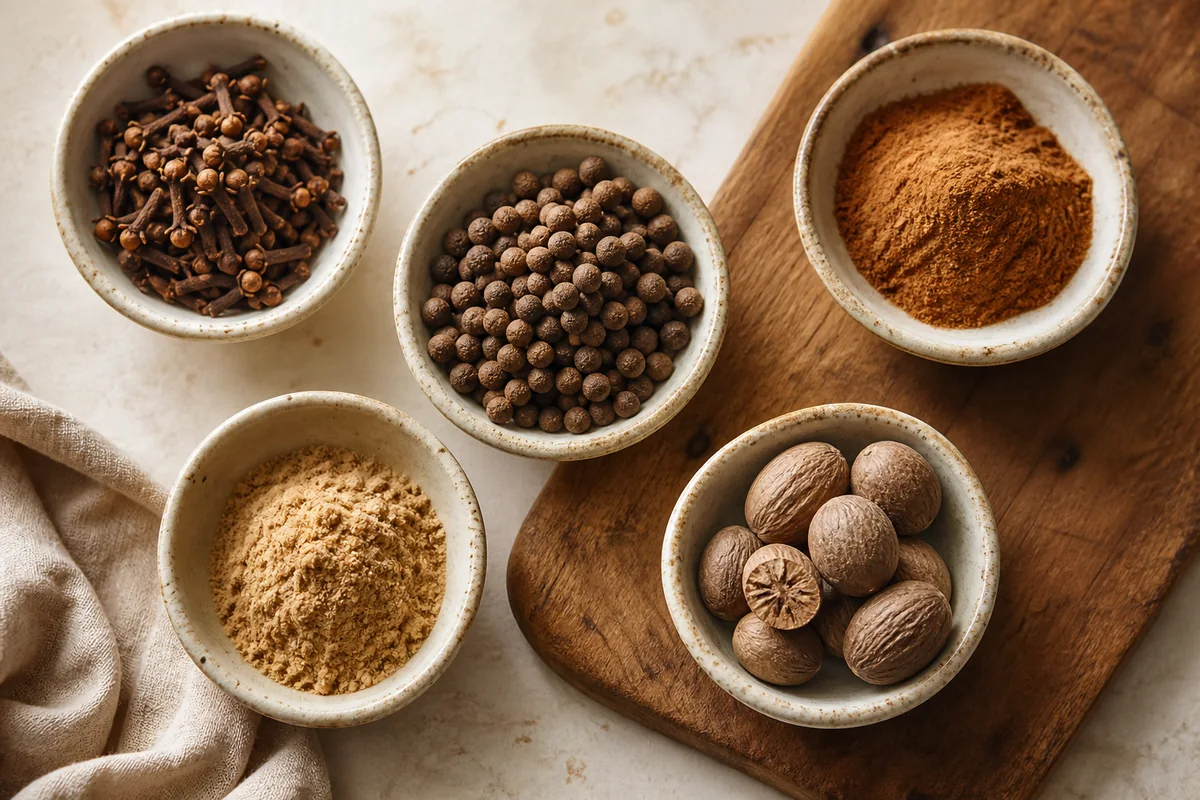 5 Best Allspice Substitutes for Better Results
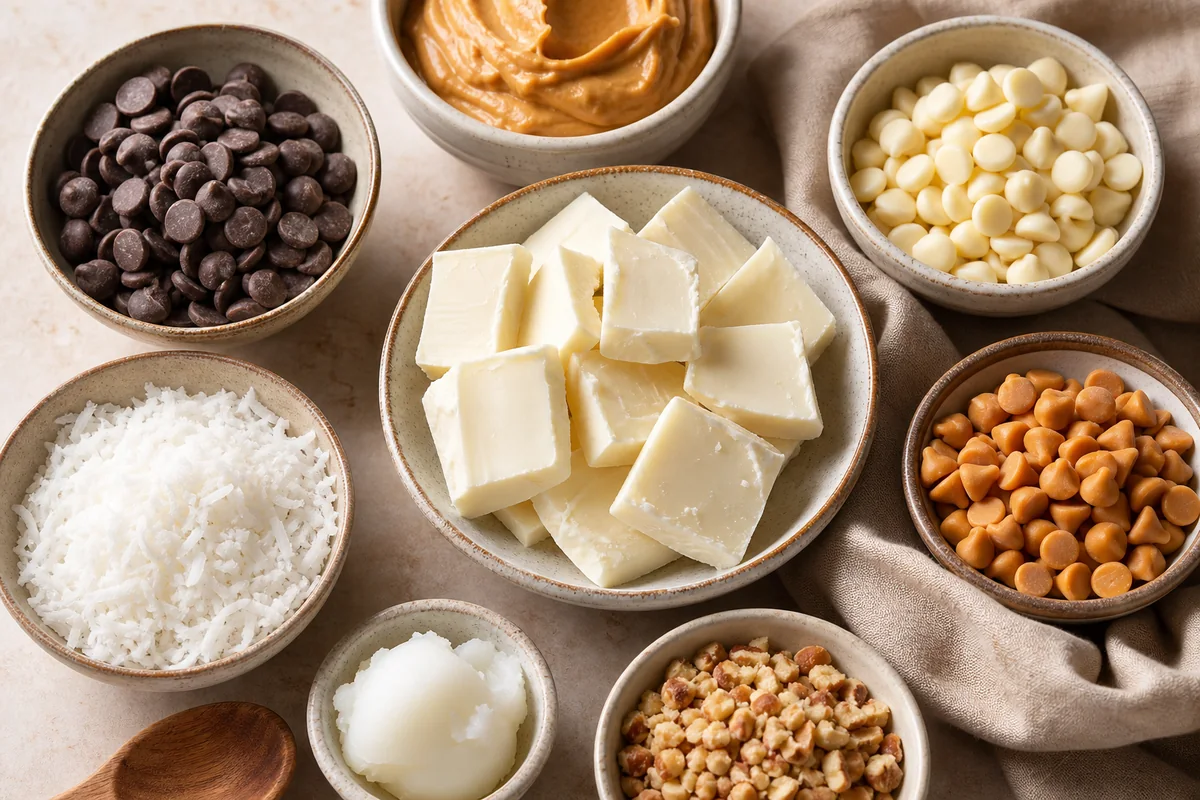 5 Best Almond Bark Substitutes (Easy Swaps)
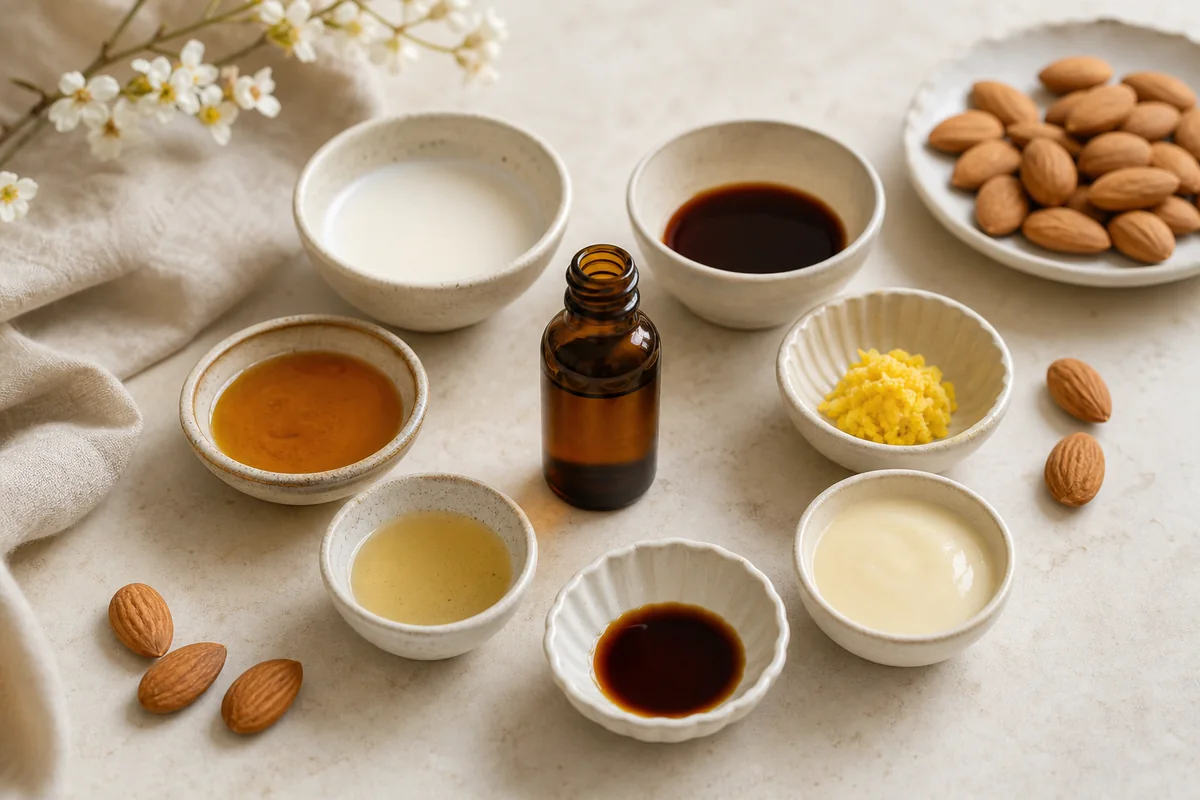 5 Best Almond Extract Substitutes Worth Trying
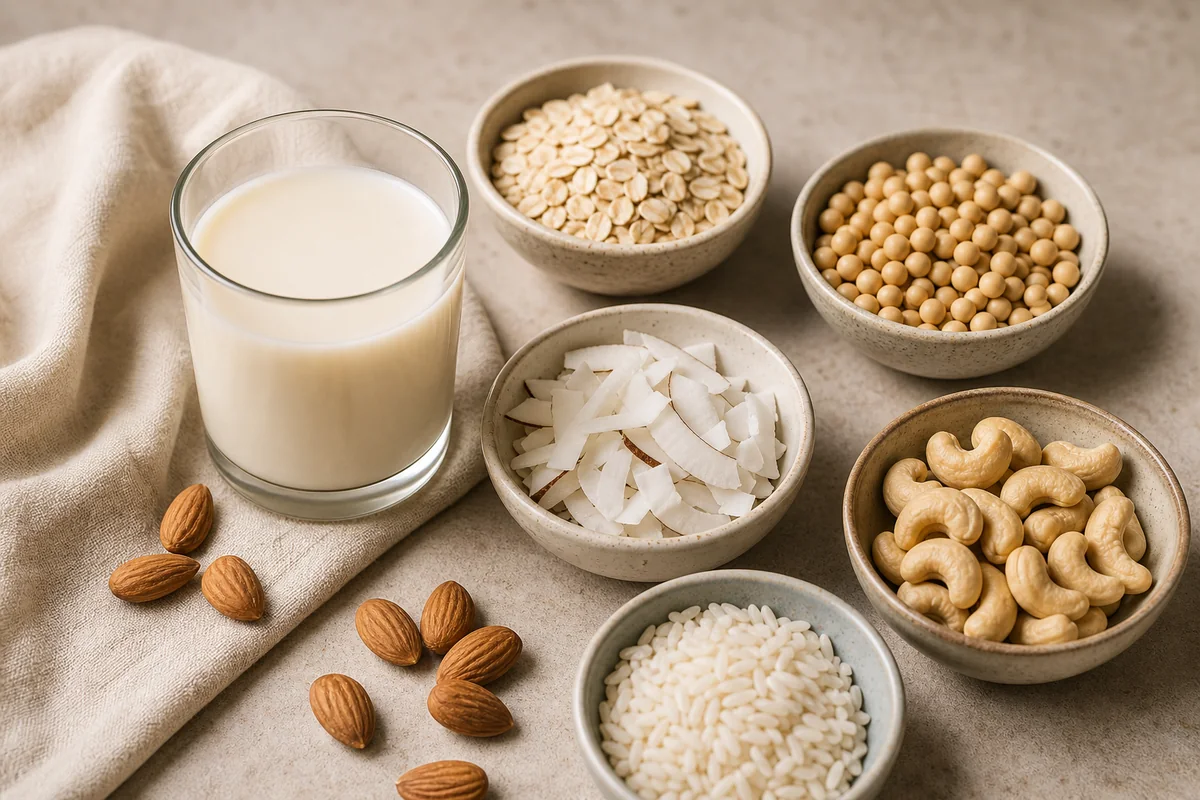 5 Best Almond Milk Substitutes in Every Recipe
 5 Best Almond Oil Substitutes You Can Trust
 5 Best Almond Paste Substitutes (Flavor-Matched)
 5 Best Almonds Substitutes in Every Recipe
 5 Best Amaranth Flour Substitutes (Easy Swaps)
 5 Best Amaranth Substitutes (Quick Swaps)
 5 Best Amaretto Substitutes
 5 Best Amaro Averna Substitutes for Home Cooks
 5 Best Amaro Meletti Substitutes for Home Cooks
 5 Best Amaro Montenegro Substitutes (with Ratios)
 5 Best Amaro Nonino Substitutes (Pantry Swaps)
 5 Best Amer Picon Substitutes for Home Cooks
 5 Best Anaheim Pepper Substitutes
 5 Best Ancho Chile Pepper Substitutes That Taste Right
 5 Best Ancho Chili Powder Substitutes in Every Recipe
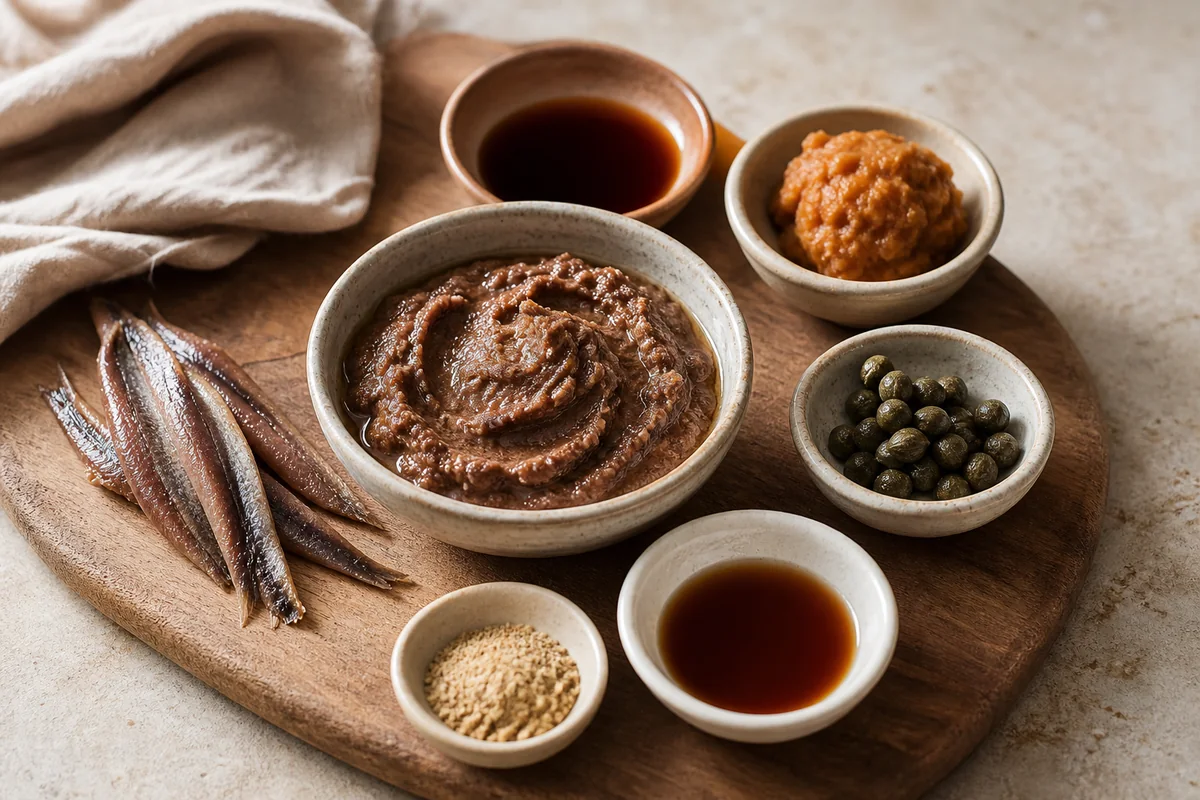 5 Best Anchovy Paste Substitutes (Ranked)
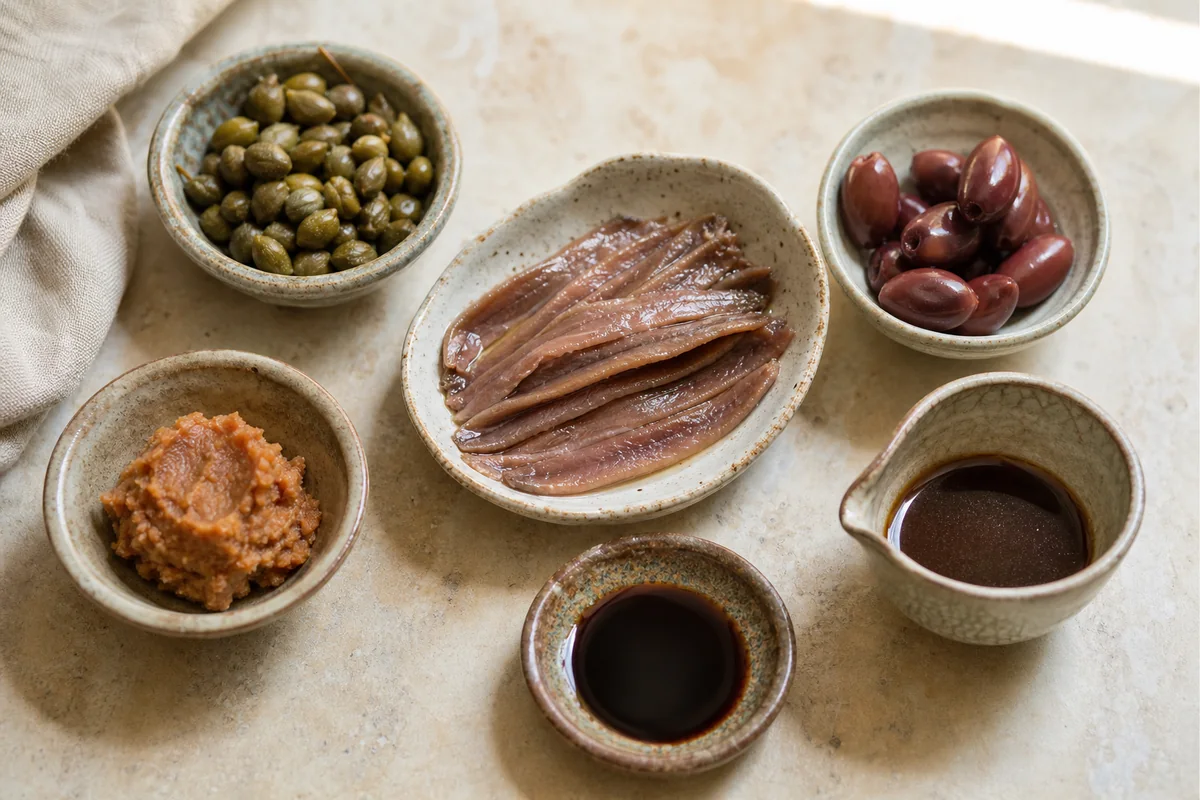 5 Best Anchovy Substitutes Worth Trying
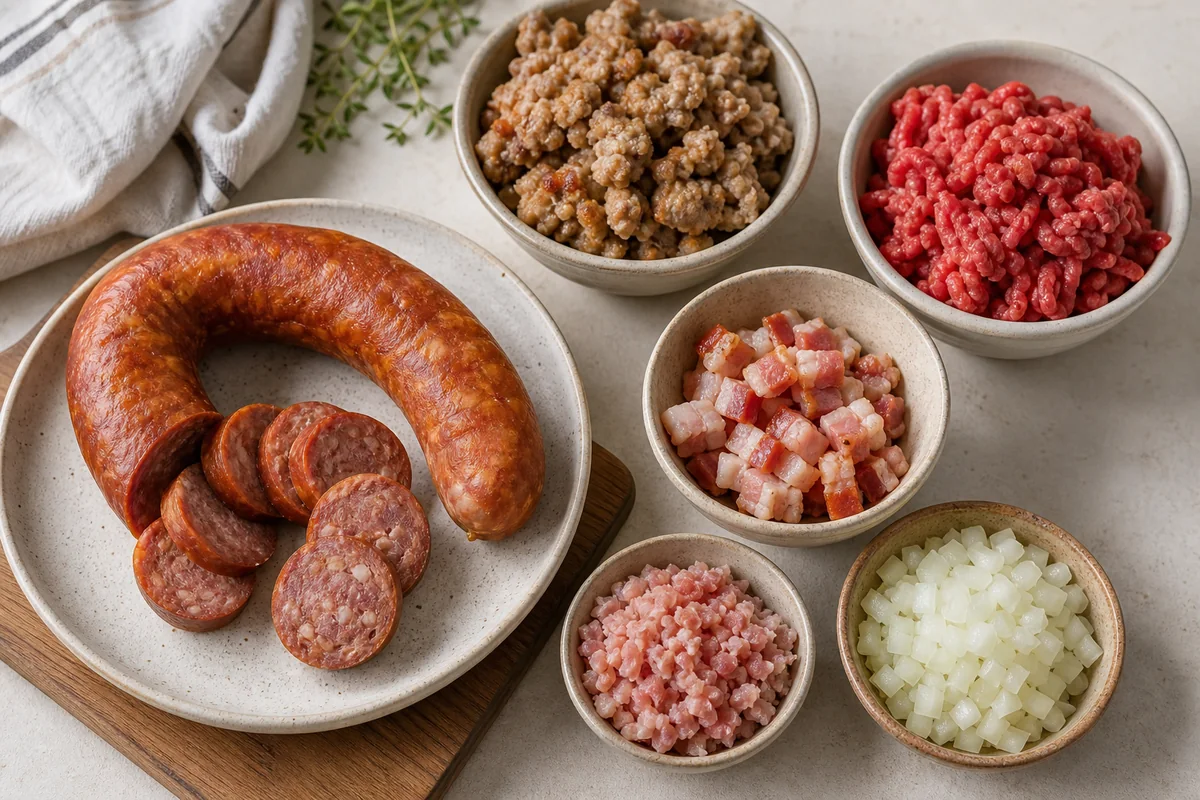 5 Best Andouille Sausage Substitutes (Easy Swaps)
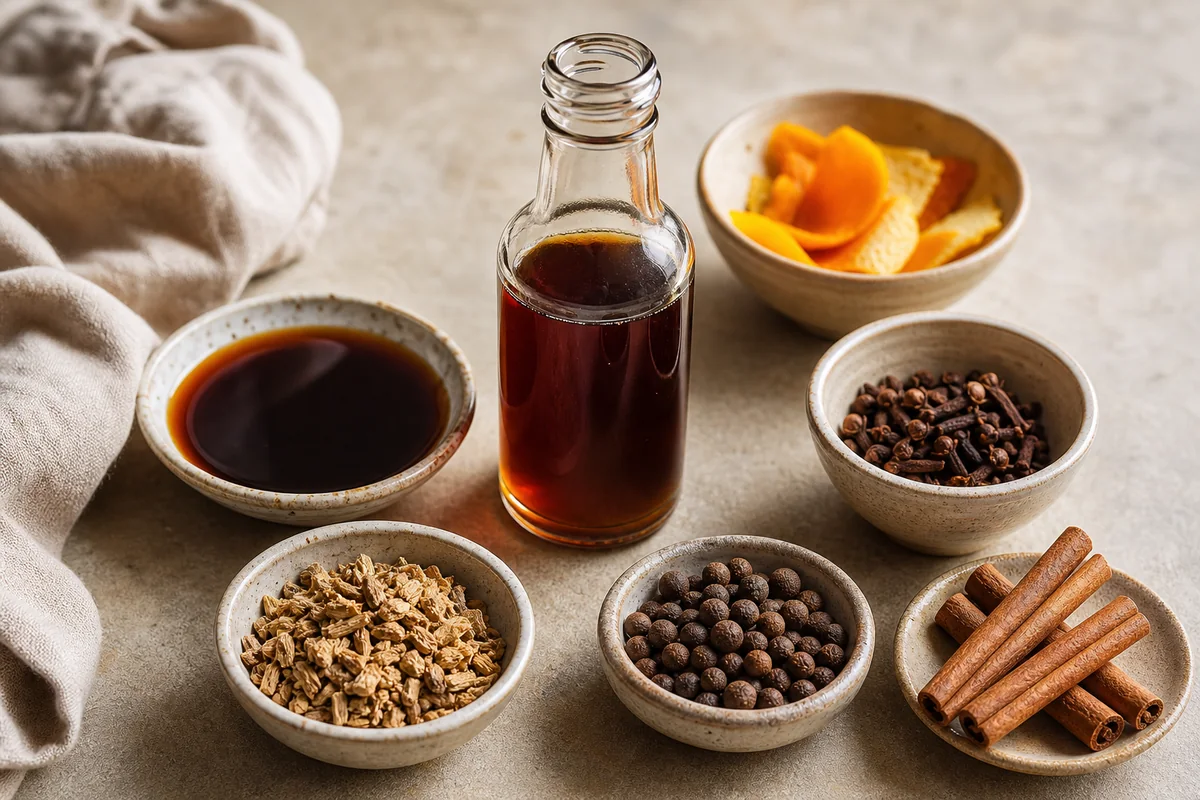 5 Best Angostura Bitters Substitutes (Quick Swaps)
 5 Best Anise Seed Substitutes That Taste Right
 5 Best Anise Substitutes That Taste Right
 5 Best Annatto Oil Substitutes (Easy Swaps)
 5 Best Annatto Seed Substitutes (Honest Picks)
 5 Best Aperol Substitutes (Quick Swaps)
 5 Best Appenzeller Cheese Substitutes for Better Results
 5 Best Apple Butter Substitutes for Better Results
 5 Best Apple Cider Substitutes for Baking and Cooking
 5 Best Apple Cider Vinegar Substitutes
 5 Best Apple Pie Spice Substitutes
 5 Best Applesauce Substitutes In Baking with Ratios and Tips
 5 Best Apricot Jam Substitutes with Ratios and Cooking Tips
 5 Best Apricot Substitutes (Ranked)
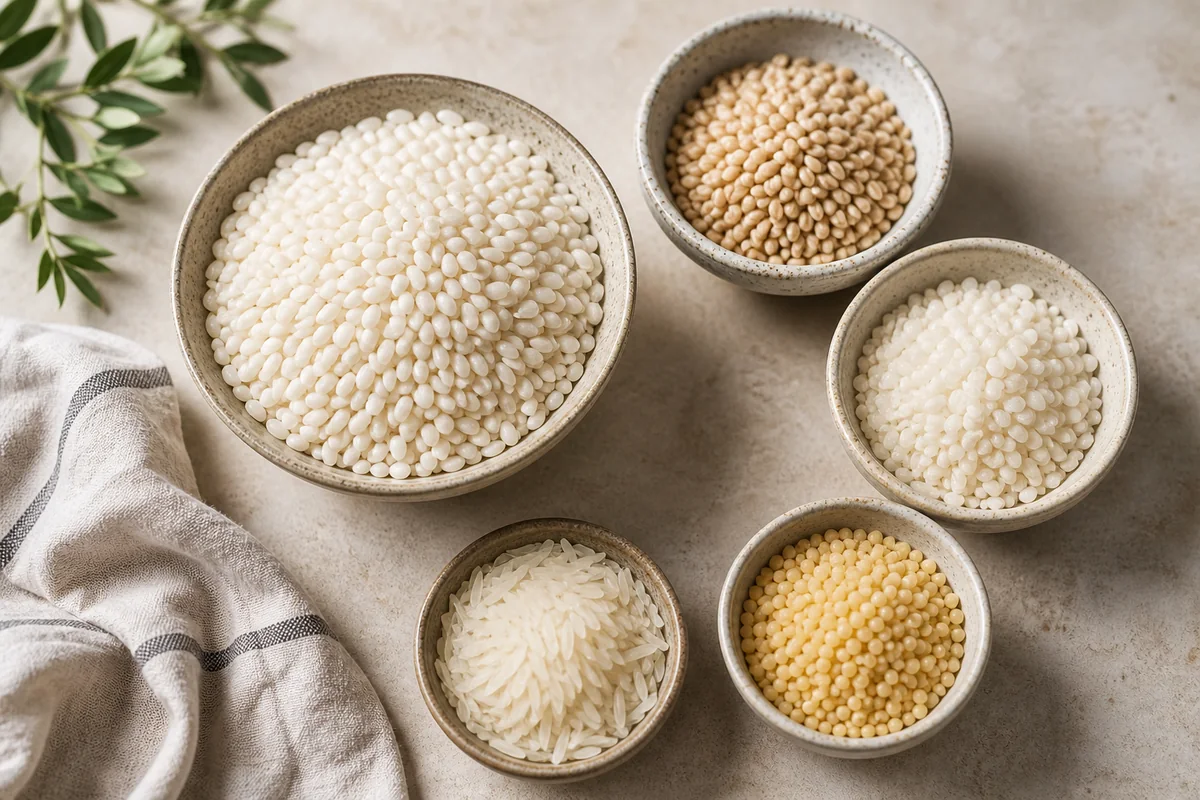 5 Best Arborio Rice Substitutes (Ranked)
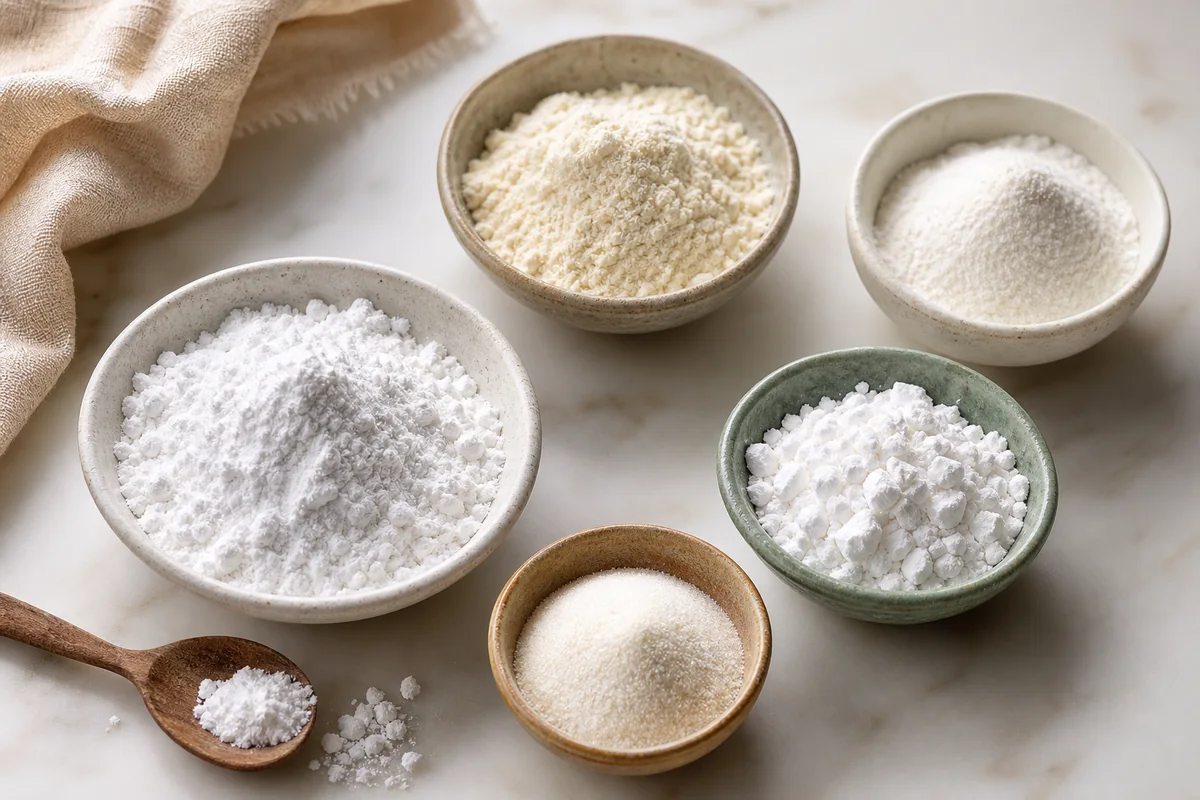 5 Best Arrowroot Powder Substitutes That Taste Right
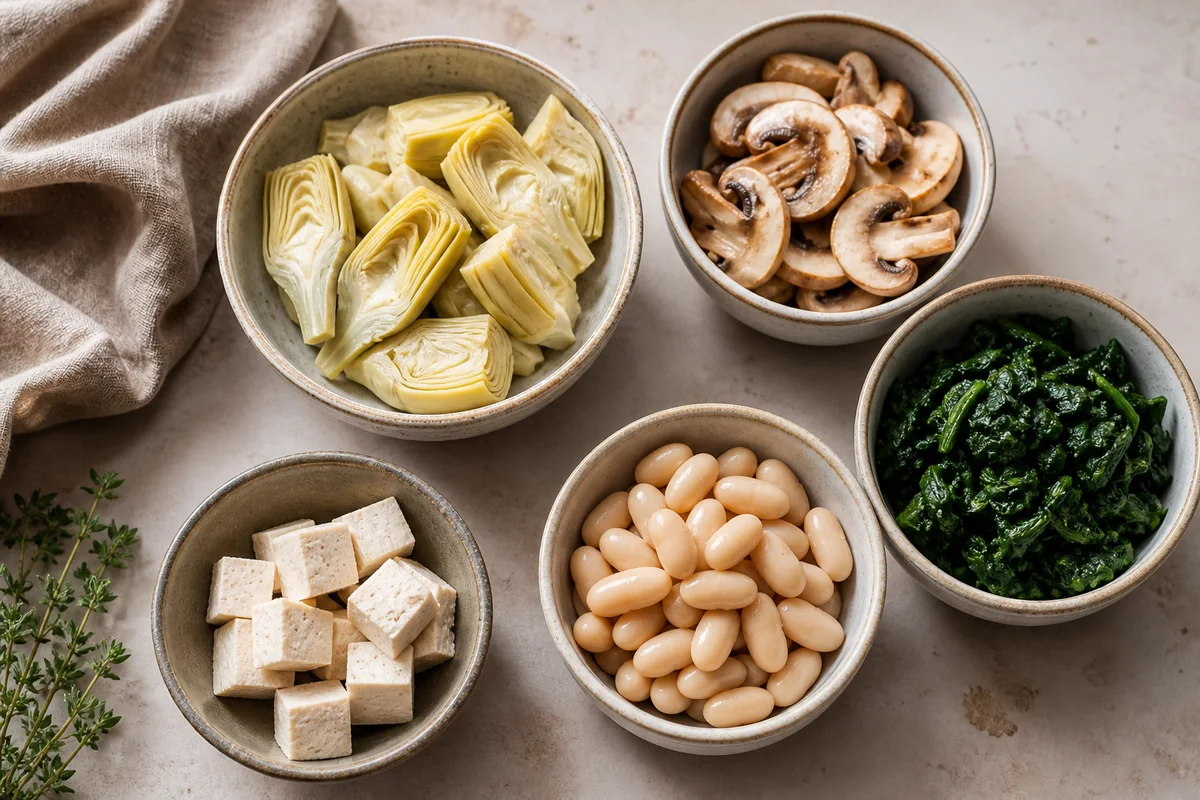 5 Best Artichoke Heart Substitutes (Easy Swaps)
 5 Best Asiago Cheese Substitutes for Home Cooks
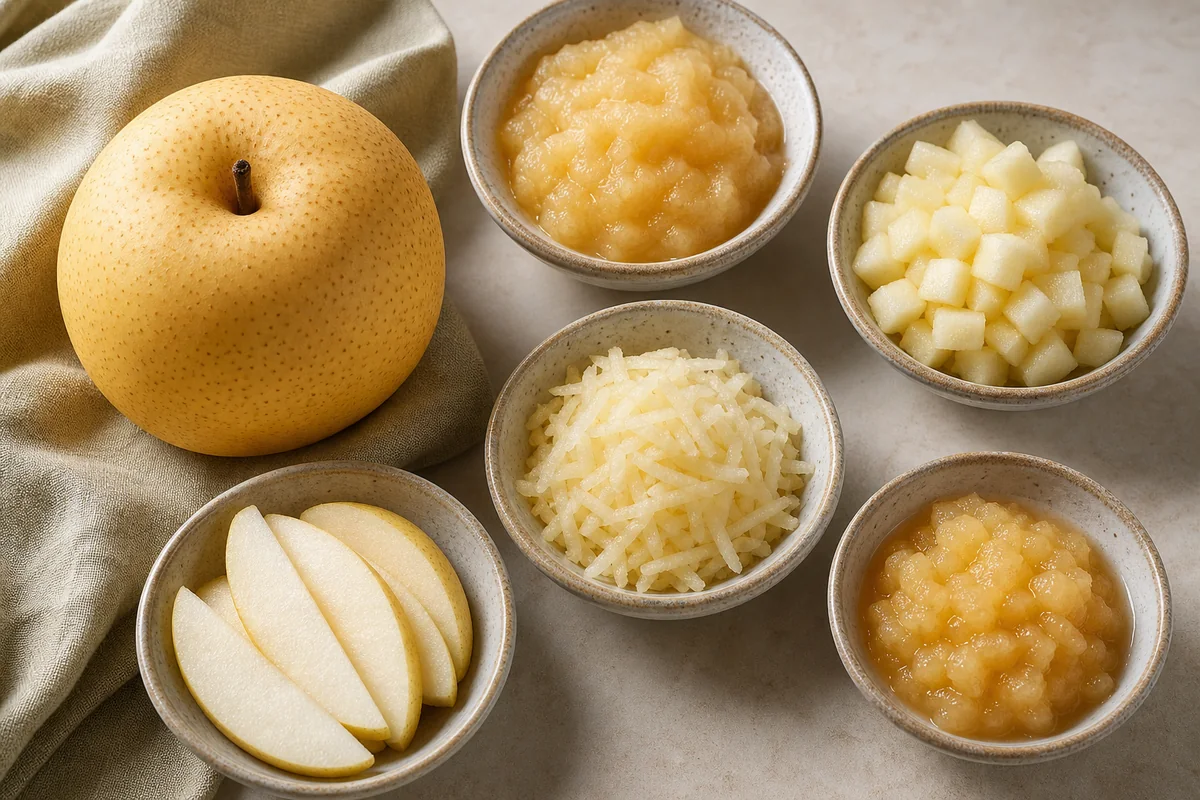 5 Best Asian Pear Substitutes You Can Trust
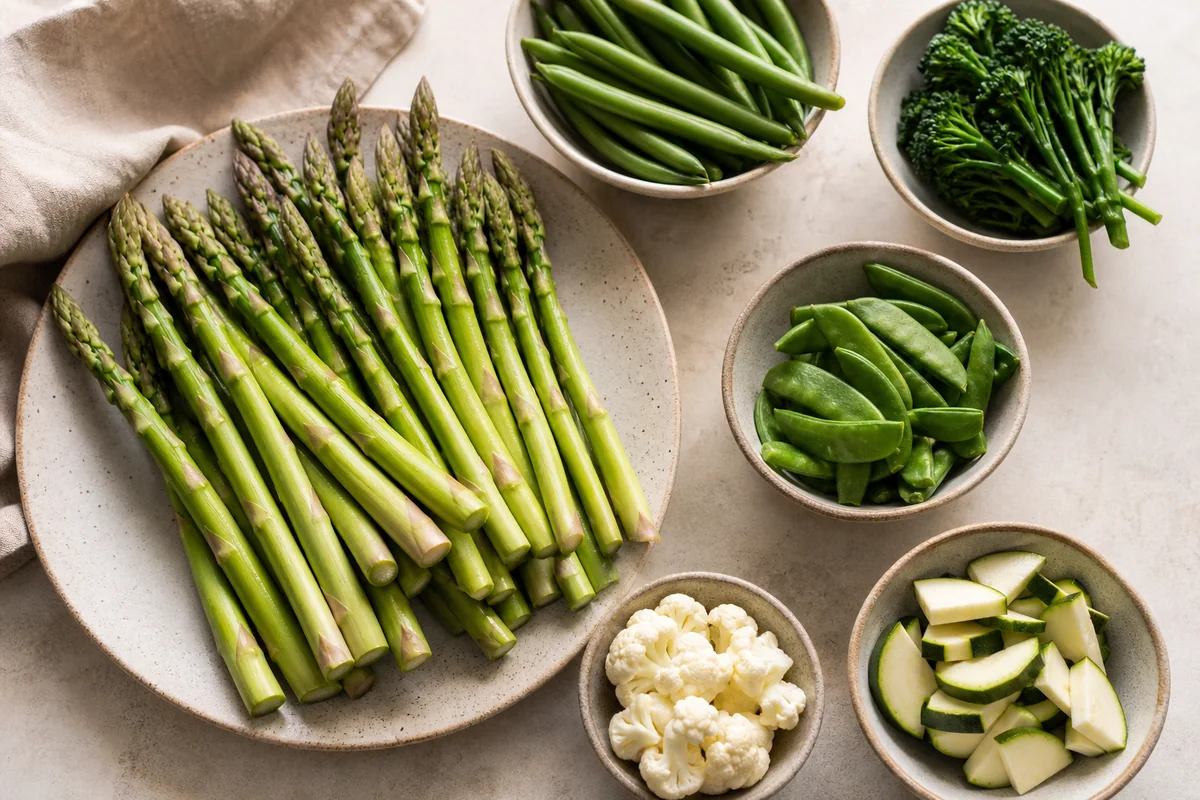 5 Best Asparagus Substitutes
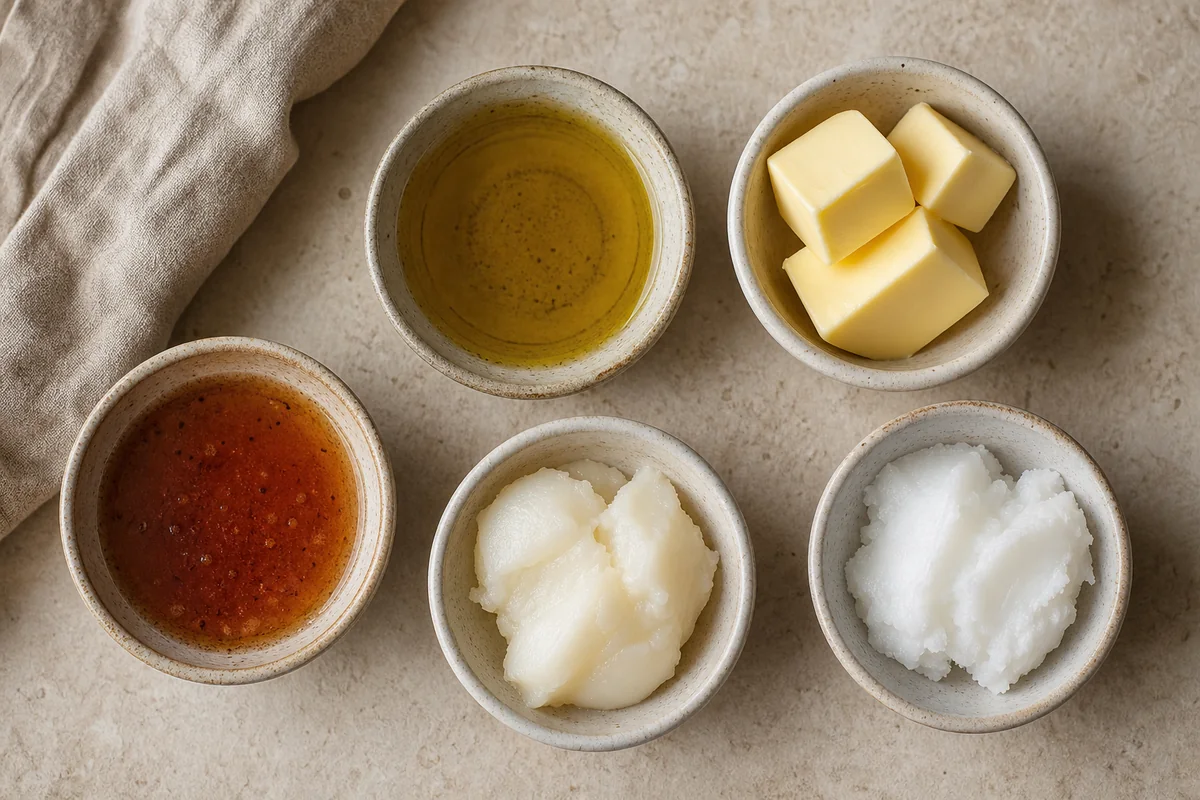 5 Best Bacon Grease Substitutes That Taste Right
 5 Best Bacon Substitutes in Every Recipe
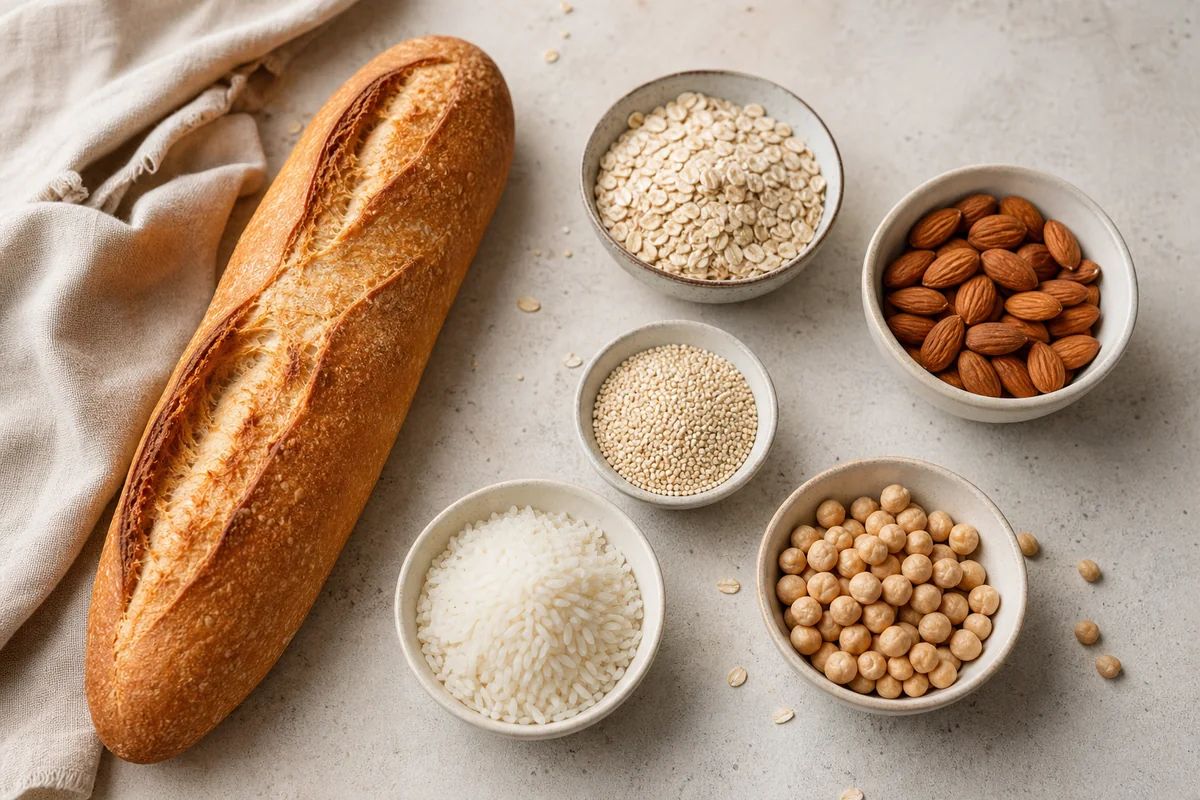 5 Best Baguette Substitutes (Flavor-Matched)
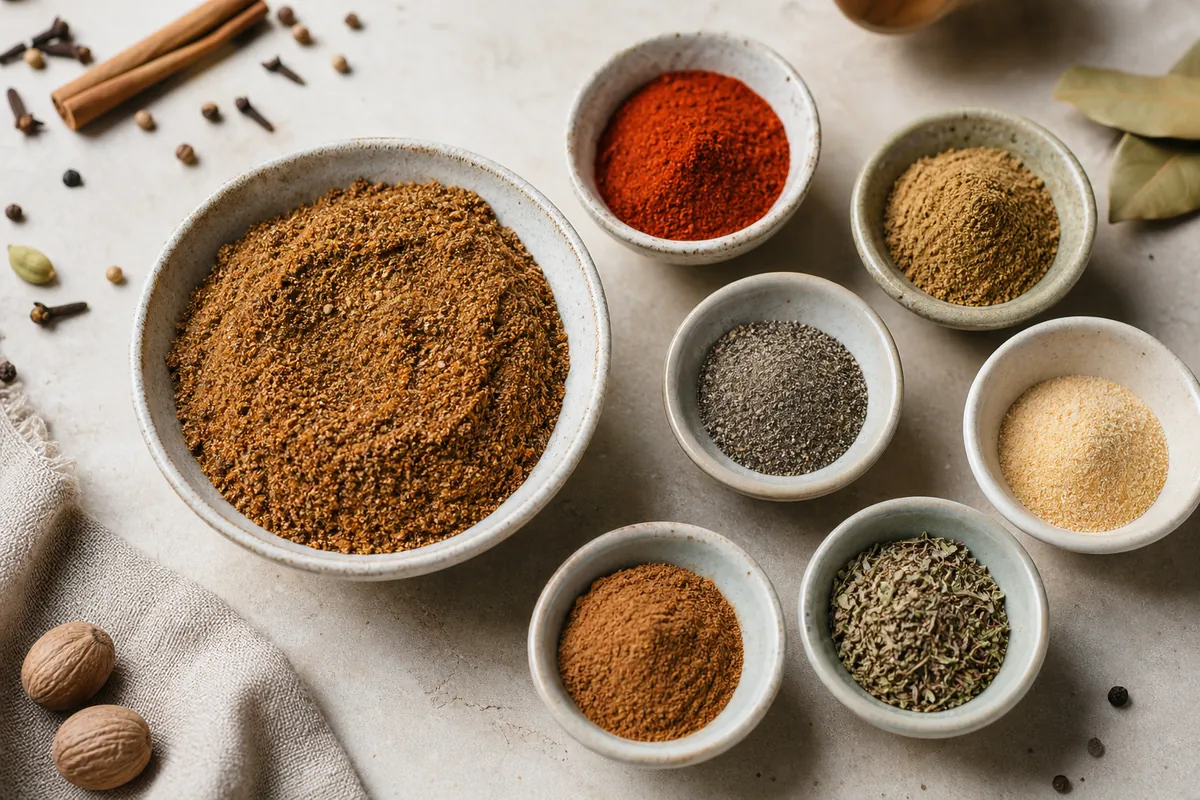 5 Best Baharat Spice Blend Substitutes for Better Results
 5 Best Baking Powder Substitutes
 5 Best Baking Soda Substitutes (Easy Swaps)
 5 Best Balsamic Vinegar Substitutes (with Ratios)
 5 Best Bamboo Shoot Substitutes (Ranked)
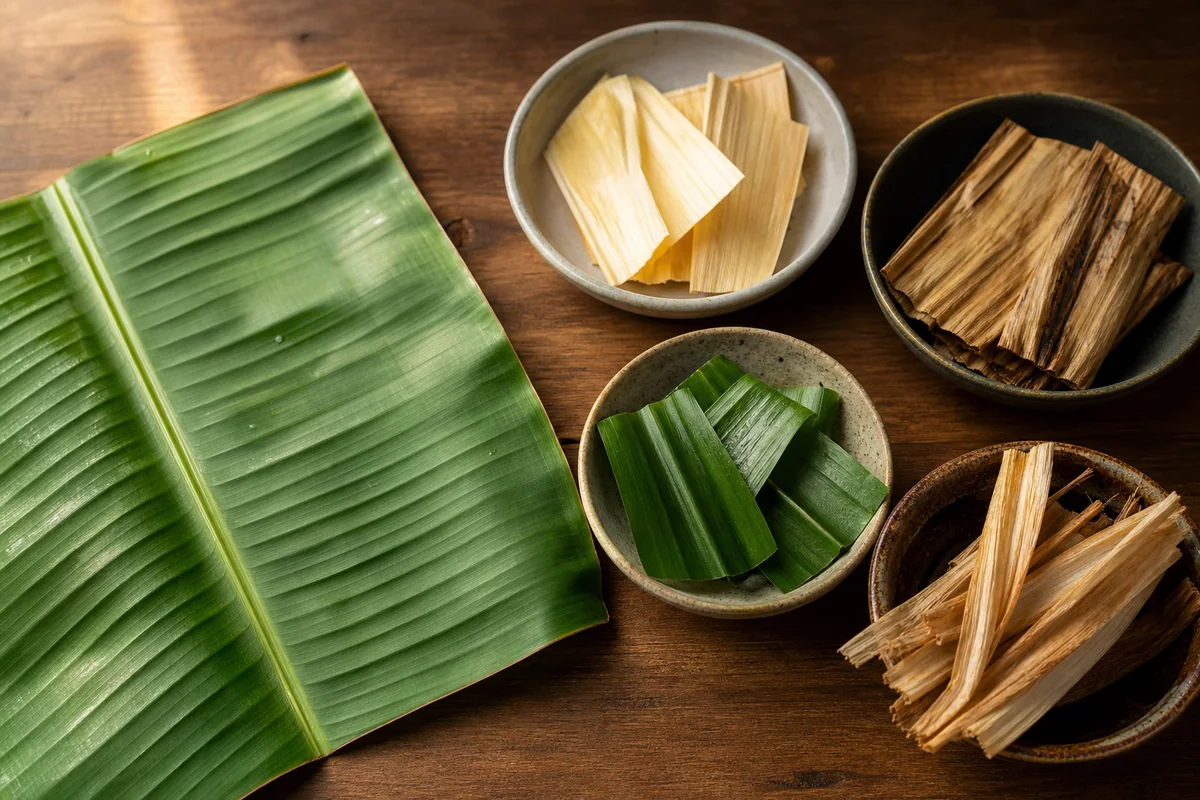 5 Best Banana Leaf Substitutes
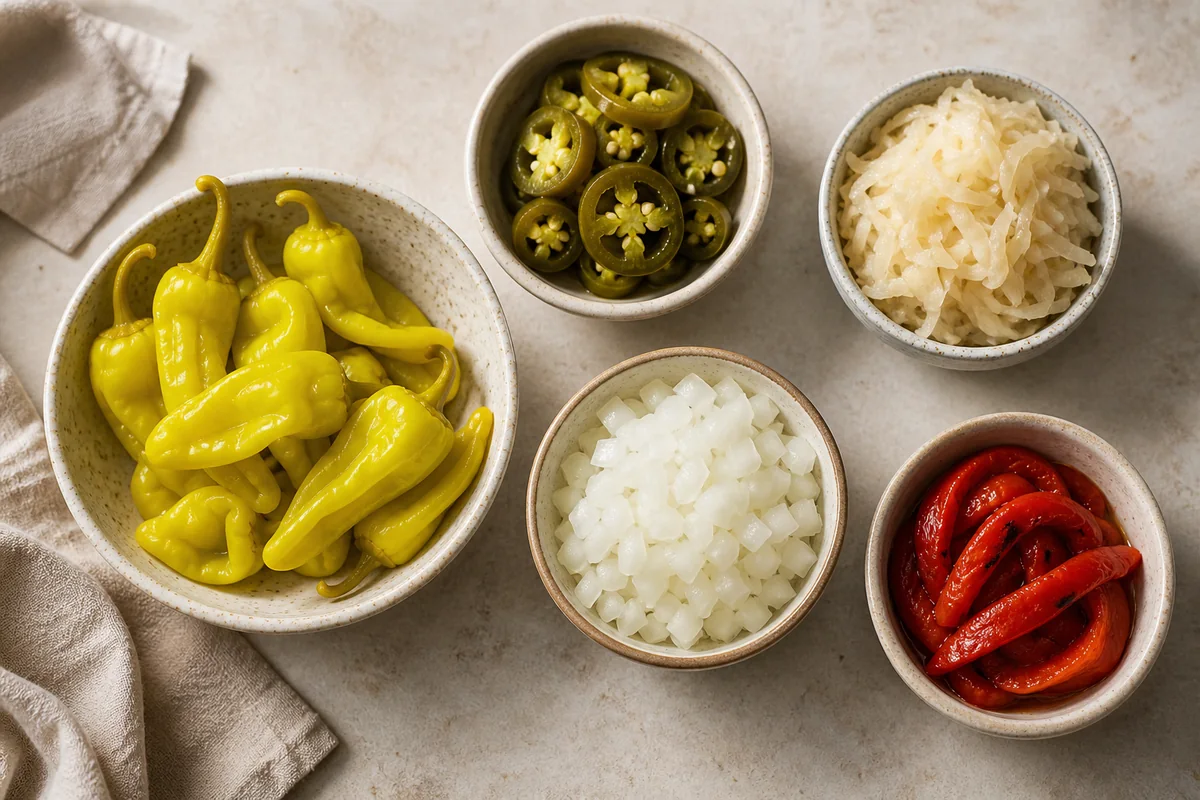 5 Best Banana Pepper Substitutes (Easy Swaps)
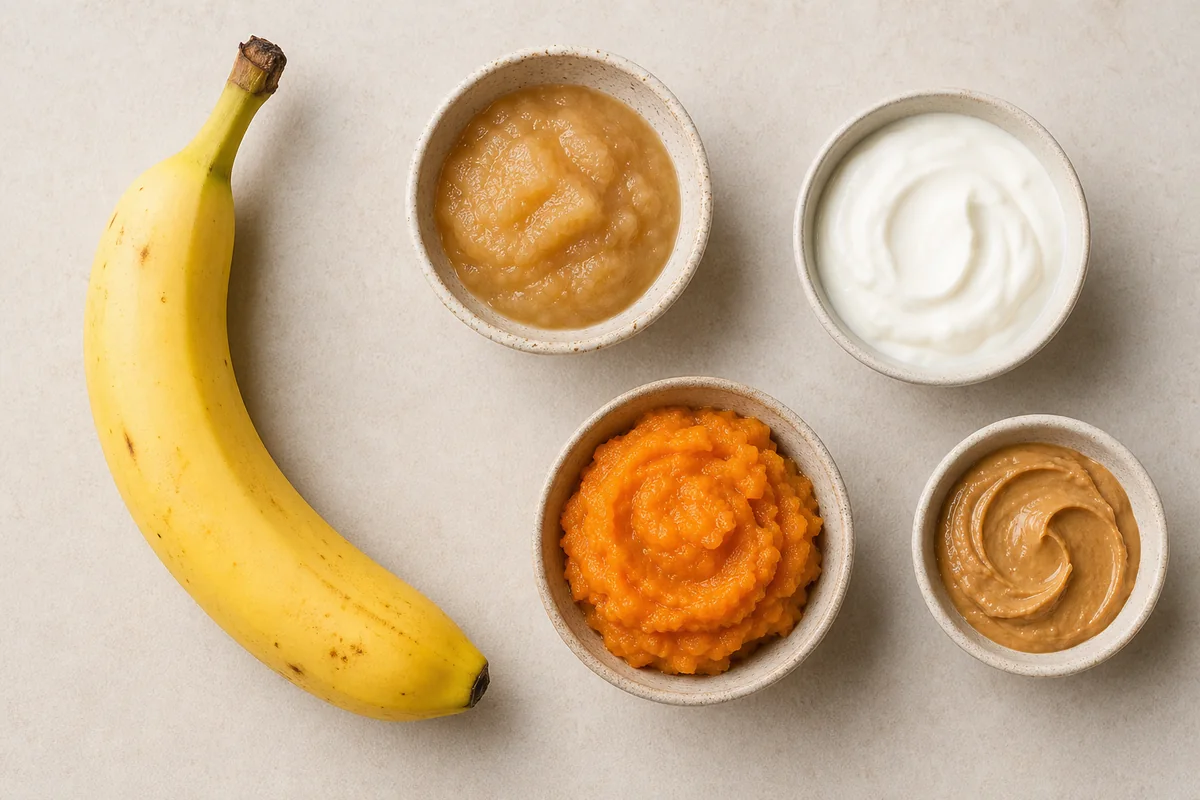 5 Best Banana Substitutes You Can Trust
 5 Best Barberry Substitutes for Any Recipe
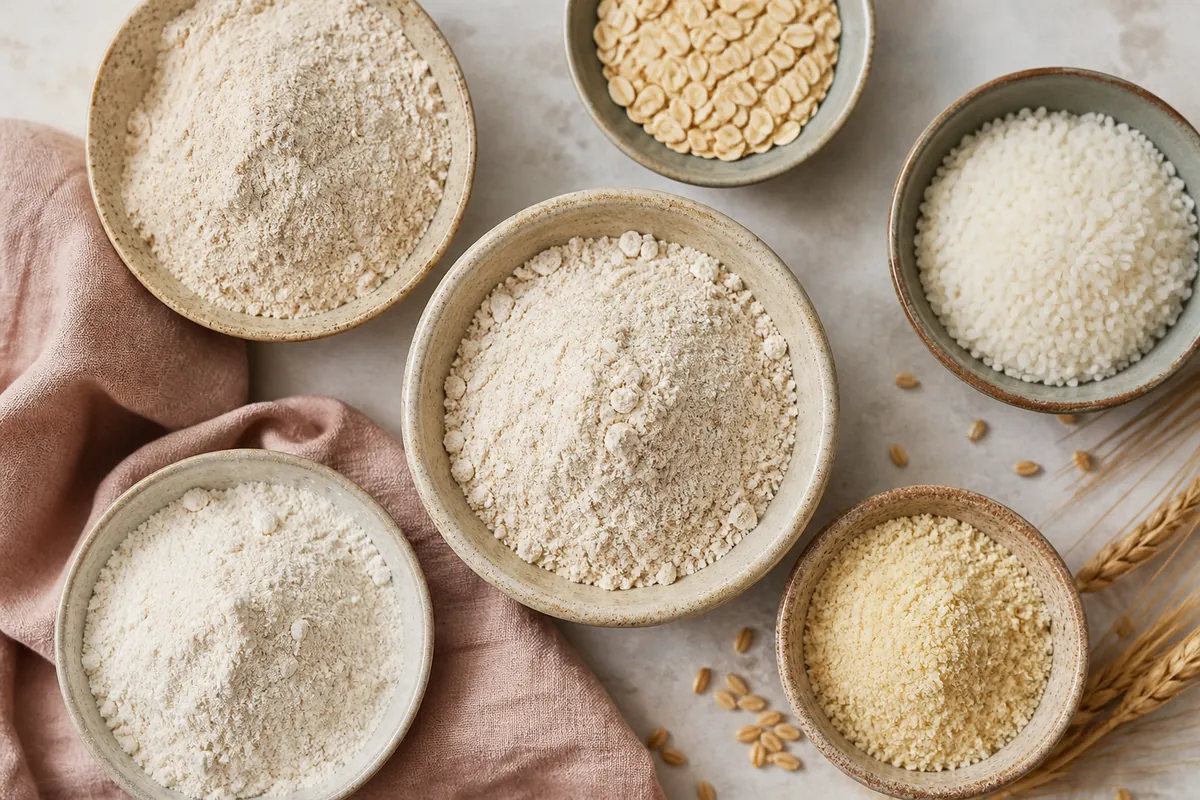 5 Best Barley Flour Substitutes
 5 Best Barramundi Substitutes That Taste Right
 5 Best Basmati Rice Substitutes (with Ratios)
 5 Best Bay Leaf Substitutes (Flavor-Matched)
 5 Best Bbq Sauce Substitutes (with Ratios)
 5 Best Beau Monde Seasoning Substitutes to Consider
 5 Best Beaufort Cheese Substitutes (Closest Match)
 5 Best Beef Tallow Substitutes
 5 Best Beer Substitutes in Chili
 5 Best Beet Substitutes (Flavor-Matched)
 5 Best Bell Pepper Substitutes You Can Trust
 5 Best Benedictine Liqueur Substitutes (Ranked)
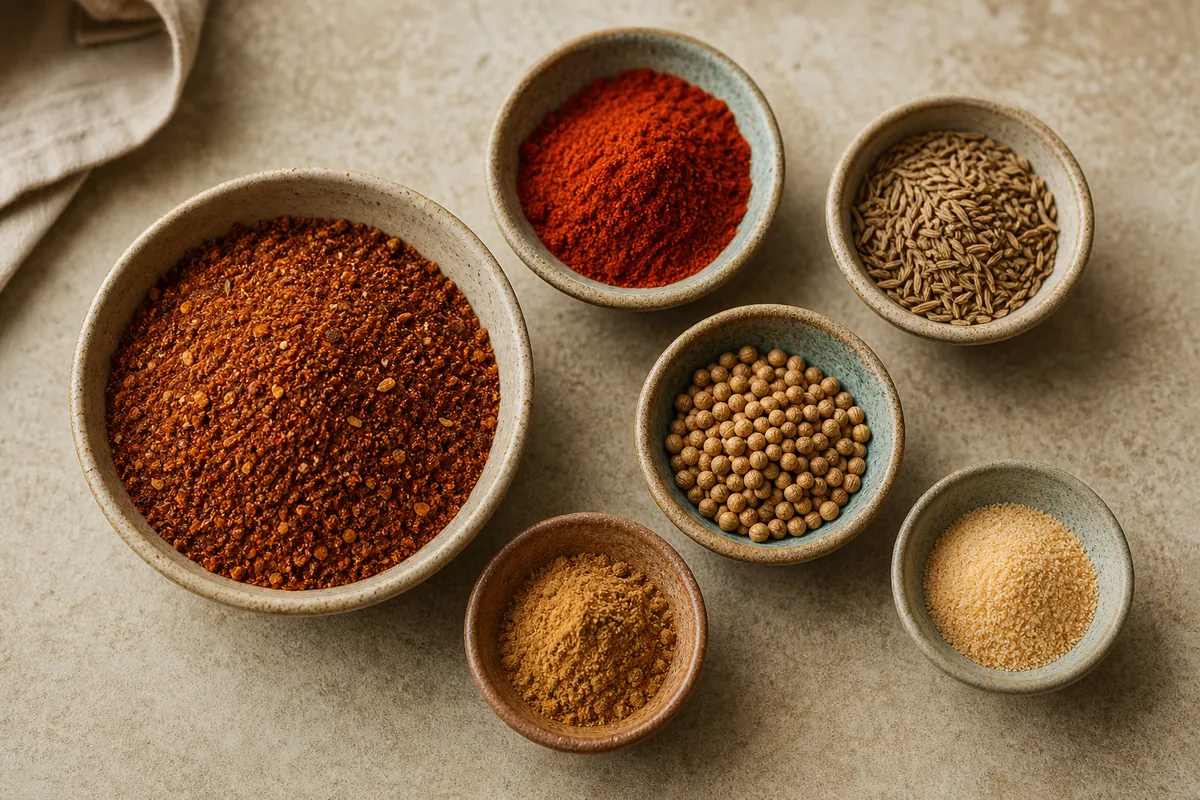 5 Best Berbere Spice Substitutes (That Actually Work)
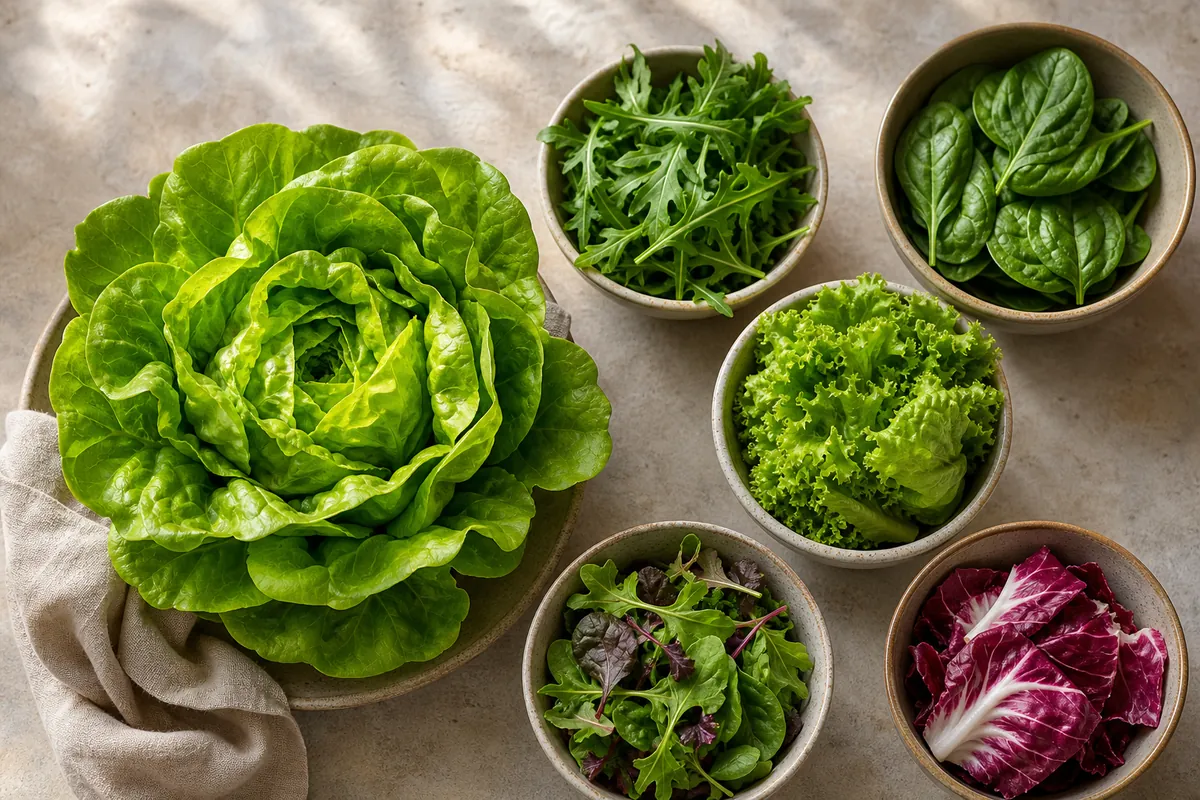 5 Best Bibb Lettuce Substitutes Worth Trying
 5 Best Bisquick Substitutes (Closest Match)
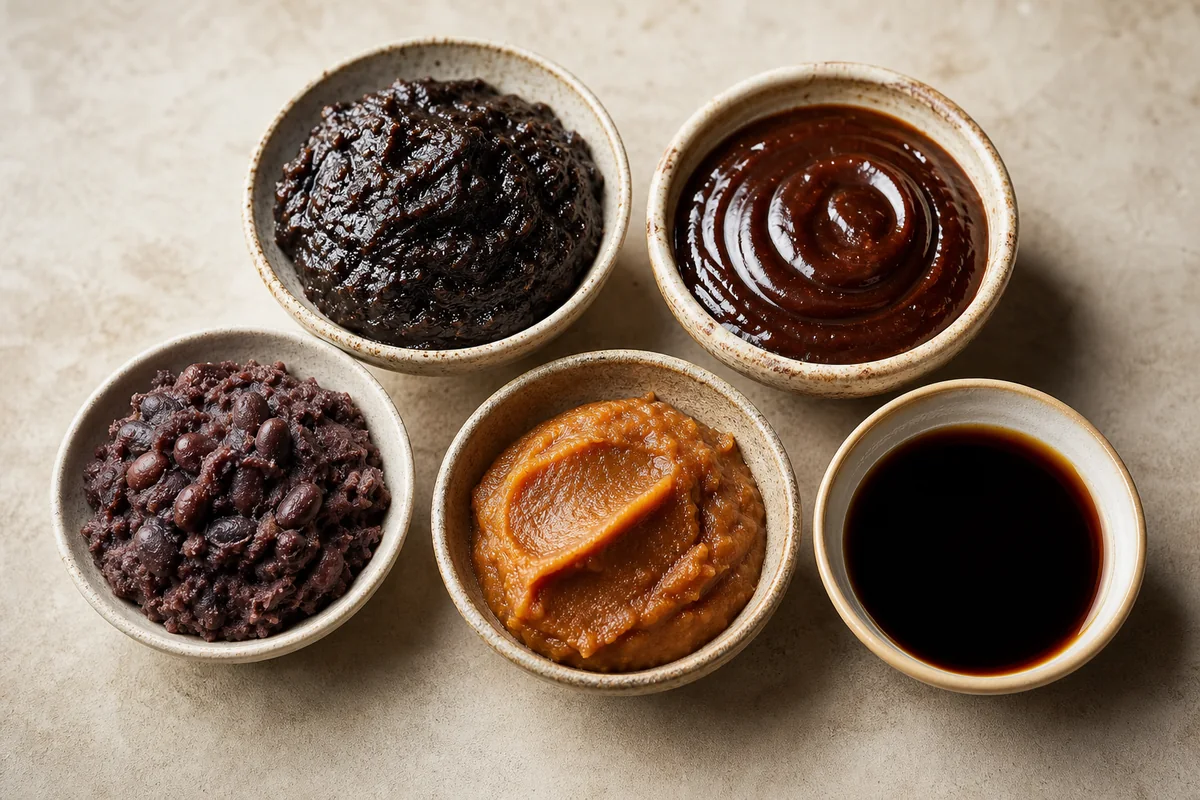 5 Best Black Bean Paste Substitutes Worth Trying
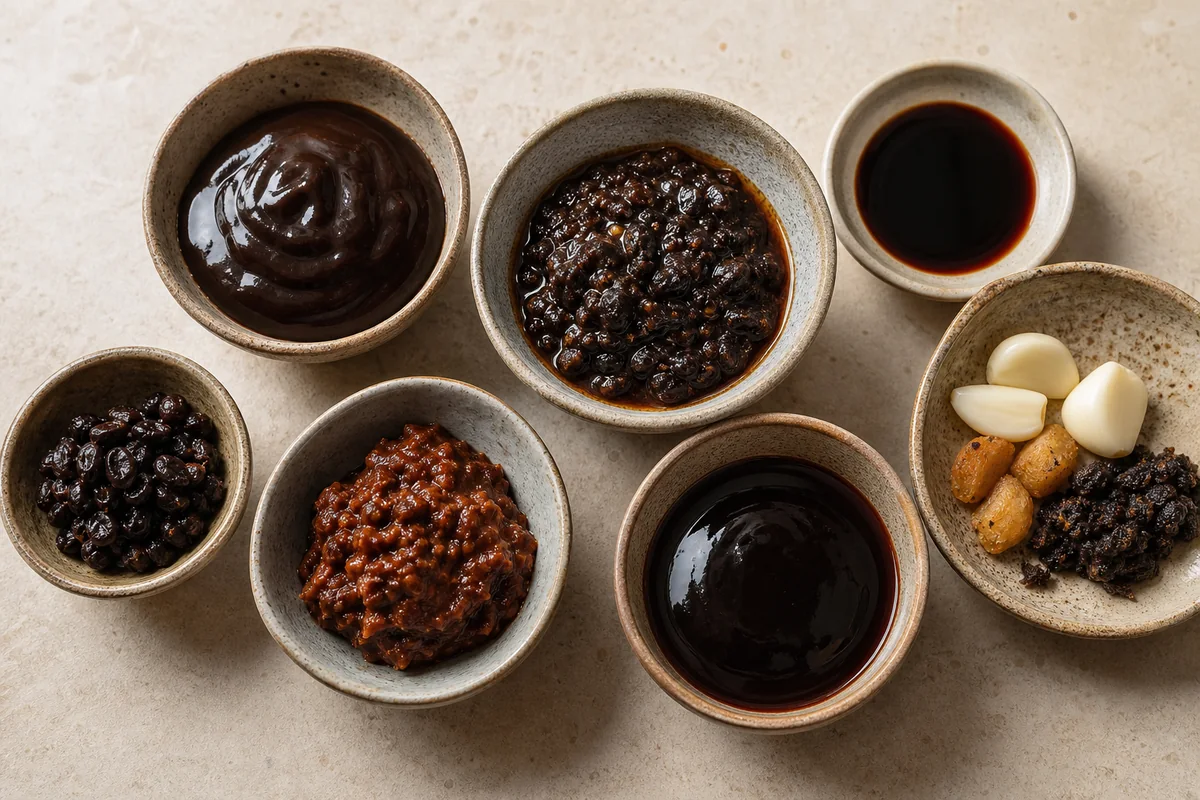 5 Best Black Bean Sauce Substitutes (Flavor-Matched)
 5 Best Black Pepper Substitutes for Any Recipe
 5 Best Black Treacle Substitutes (Flavor-Matched)
 5 Best Blackberries Substitutes (Quick Swaps)
 5 Best Blood Orange Substitutes to Consider
 5 Best Blue Cheese Substitutes (Quick Swaps)
 5 Best Blueberries Substitutes for Any Recipe
 5 Best Bok Choy Substitutes (Pantry Swaps)
 5 Best Bourbon Substitutes (Easy Swaps)
 5 Best Boursin Cheese Substitutes and How to Season Them
 5 Best Brandy Substitutes You Can Trust
 5 Best Bread Flour Substitutes and How to Use Each
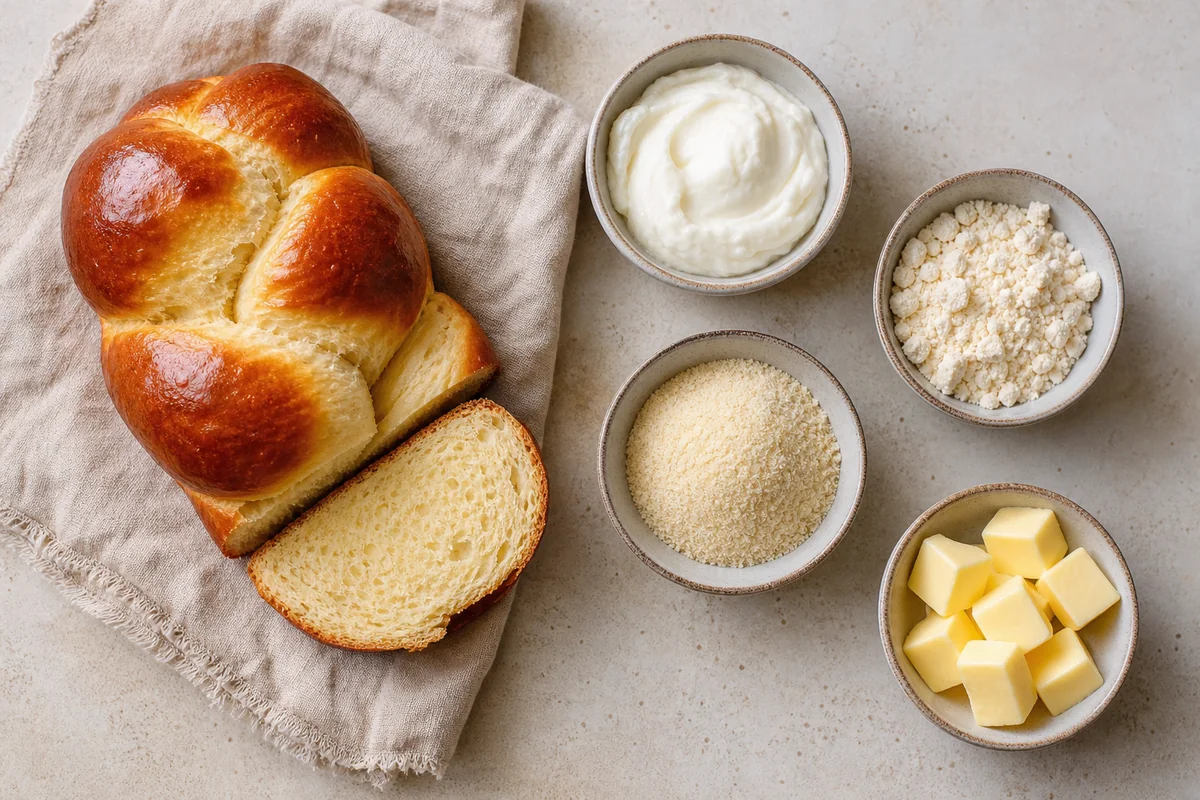 5 Best Brioche Bread Substitutes (Ranked)
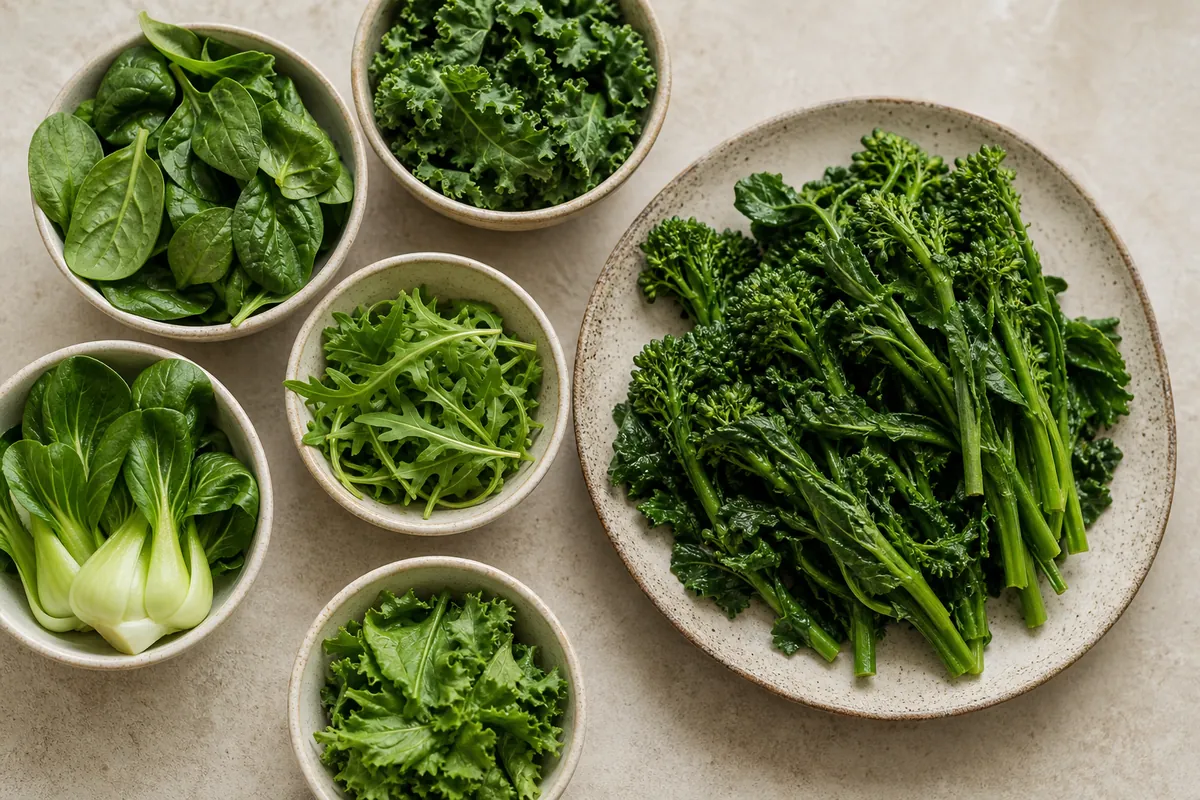 5 Best Broccoli Rabe Substitutes (with Ratios)
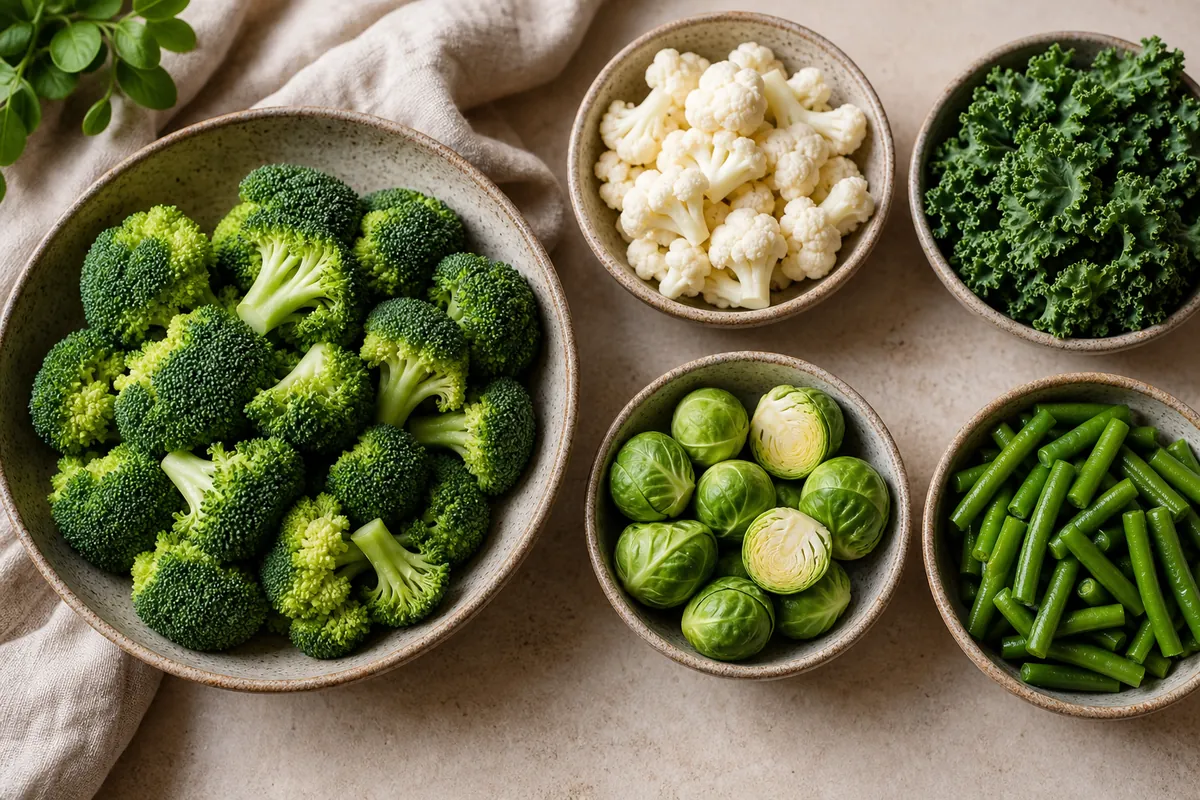 5 Best Broccoli Substitutes You Can Trust
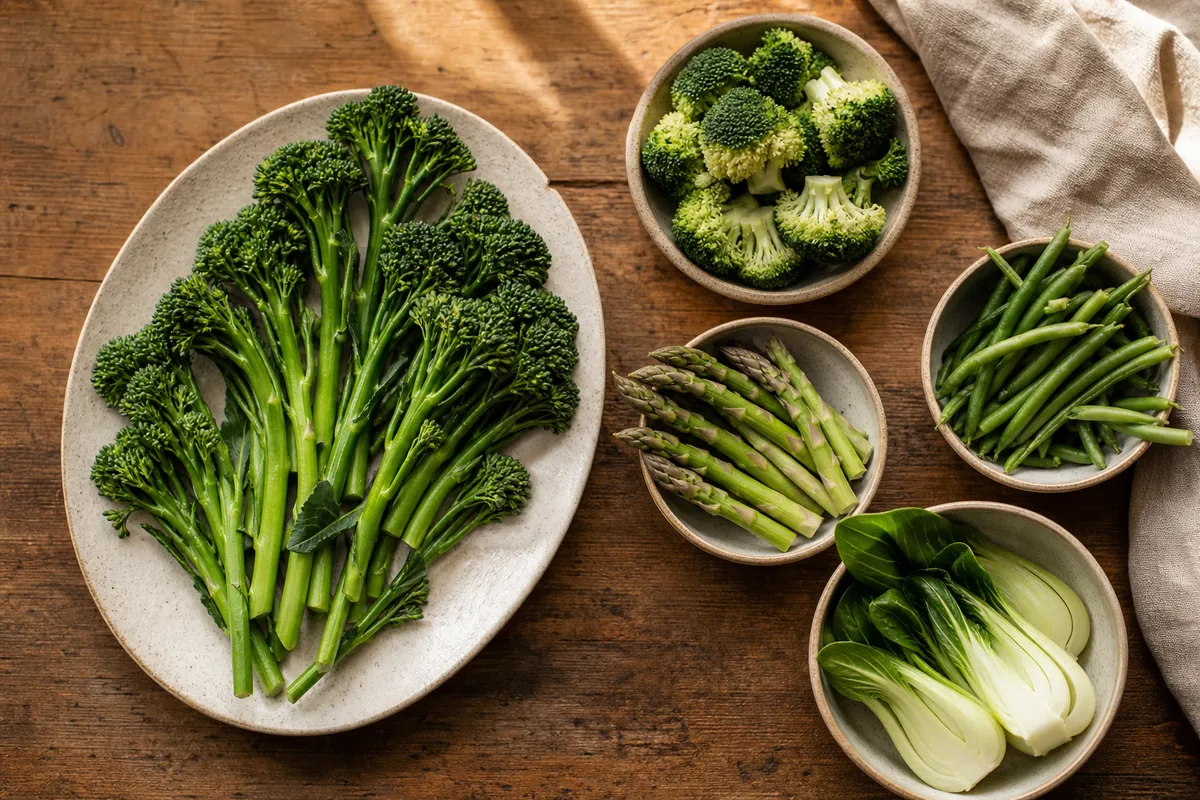 5 Best Broccolini Substitutes (Flavor-Matched)
 5 Best Broiler Pan Substitutes (Ranked)
 5 Best Brown Mustard Substitutes That Taste Right
 5 Best Brown Rice Syrup Substitutes (Honest Picks)
 5 Best Brown Sugar Substitutes You Can Trust
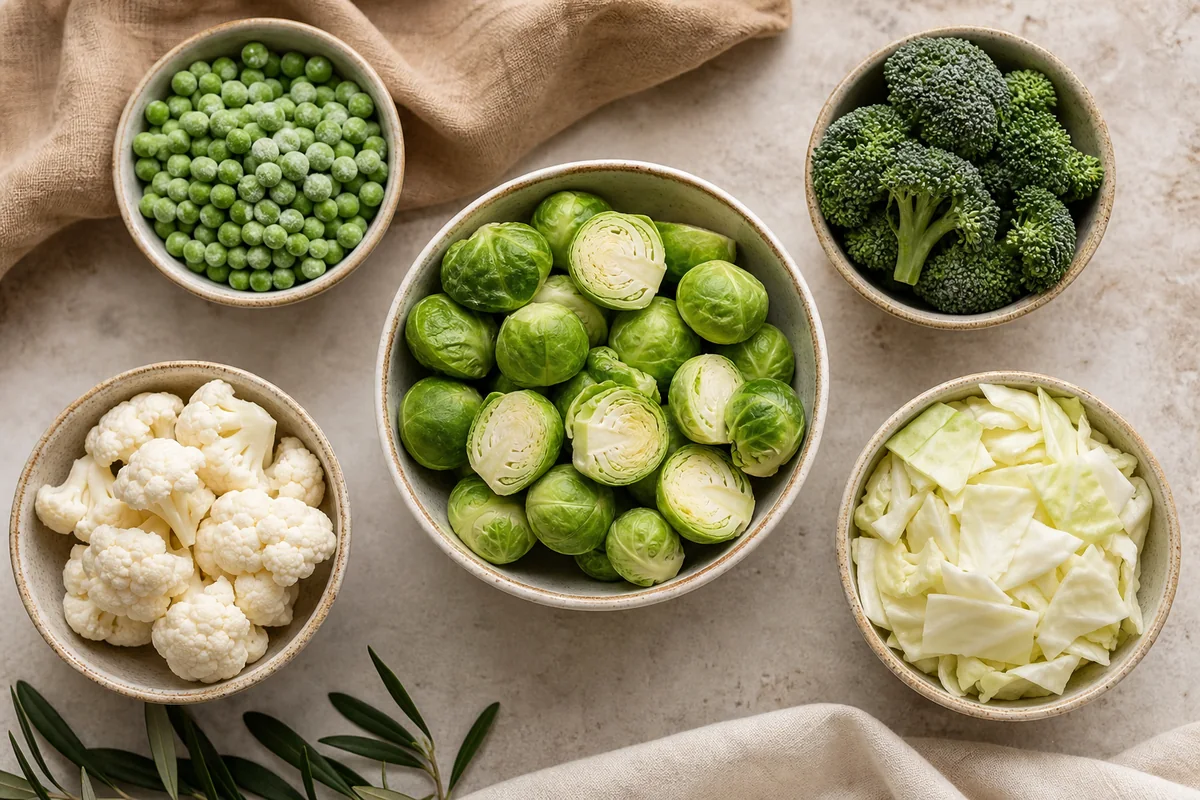 5 Best Brussels Sprout Substitutes (Closest Match)
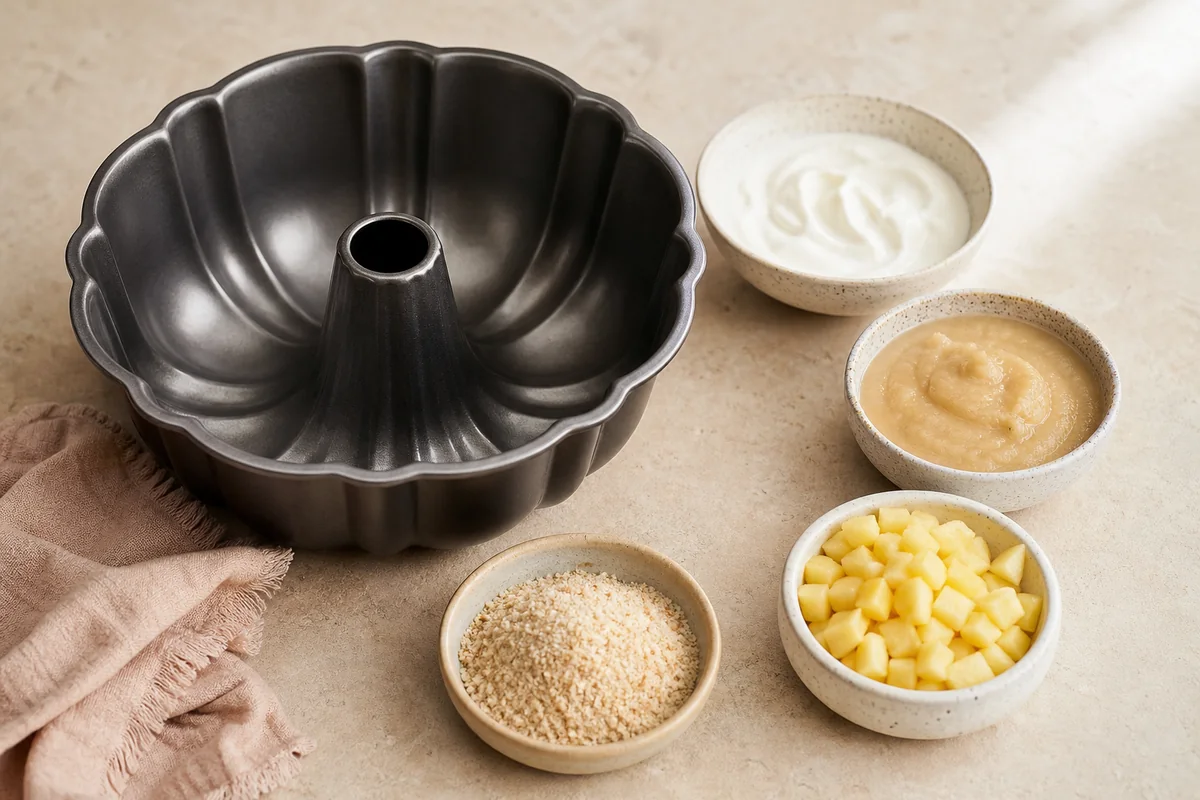 5 Best Bundt Pan Substitutes (Flavor-Matched)
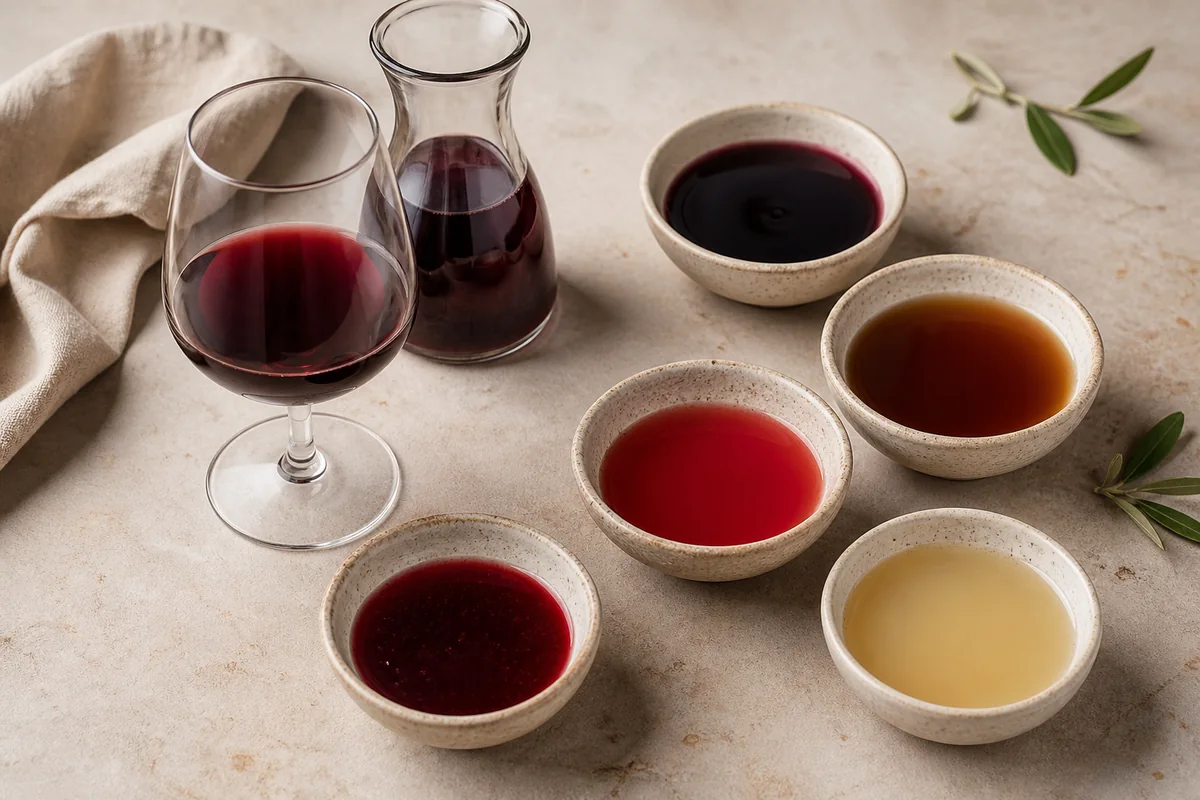 5 Best Burgundy Wine Substitutes (Flavor-Matched)
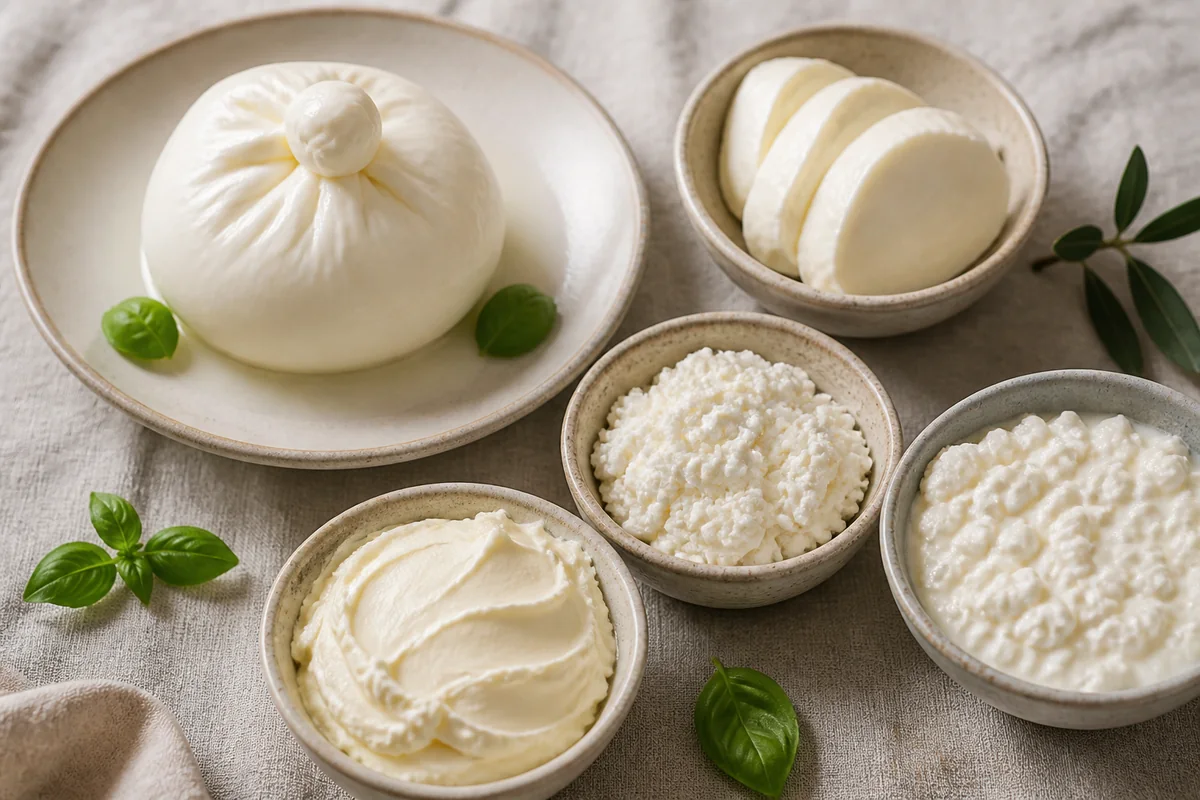 5 Best Burrata Cheese Substitutes with Ratios and Tips
 5 Best Butter Extract Substitutes That Taste Right
 5 Best Buttermilk Powder Substitutes for Better Results
 5 Best Butternut Squash Substitutes (Pantry Swaps)
 5 Best Button Mushroom Substitutes in Every Recipe
 5 Best Cachaca Substitutes (Quick Swaps)
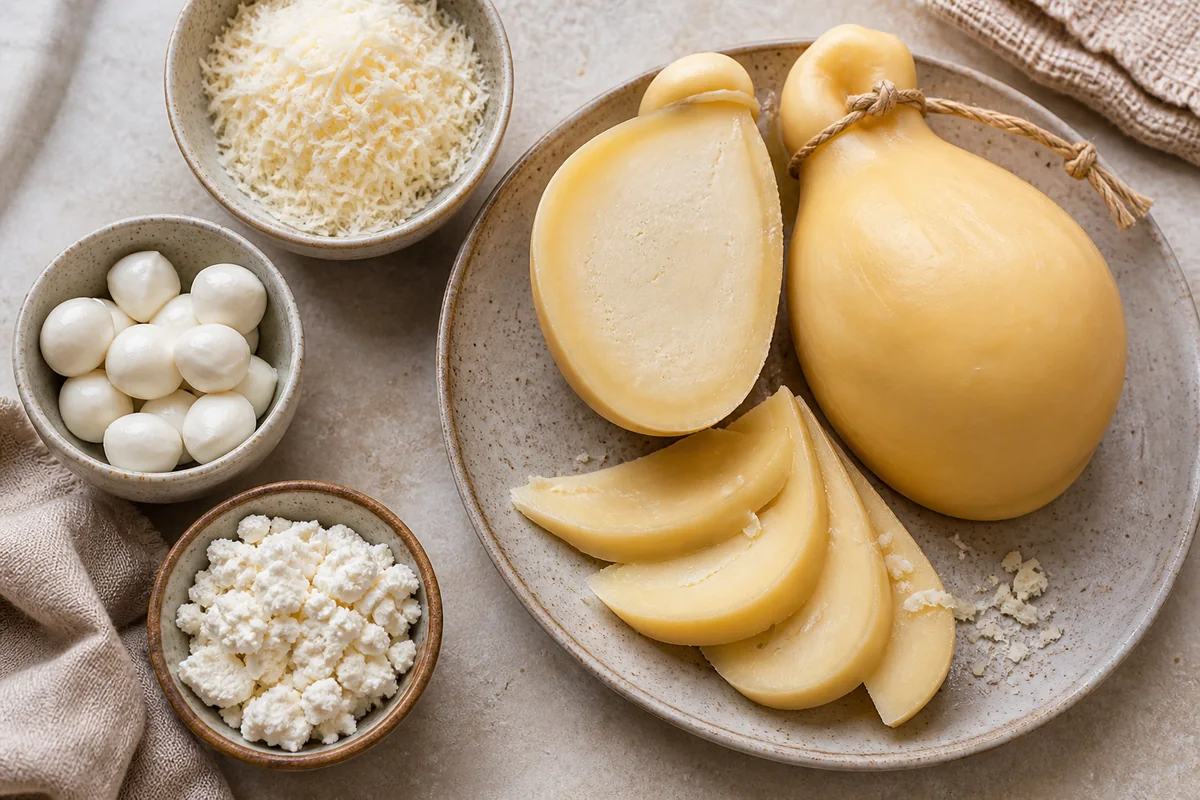 5 Best Caciocavallo Cheese Substitutes in Every Recipe
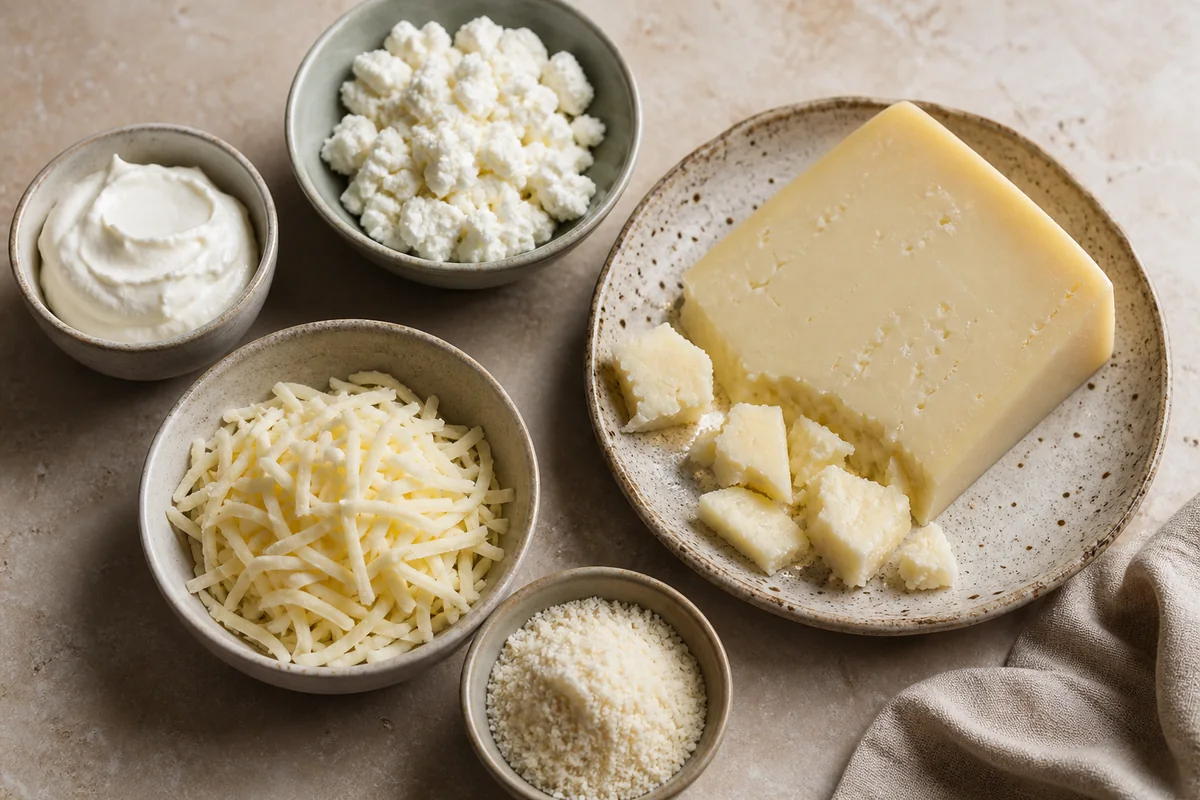 5 Best Caerphilly Cheese Substitutes for Home Cooks
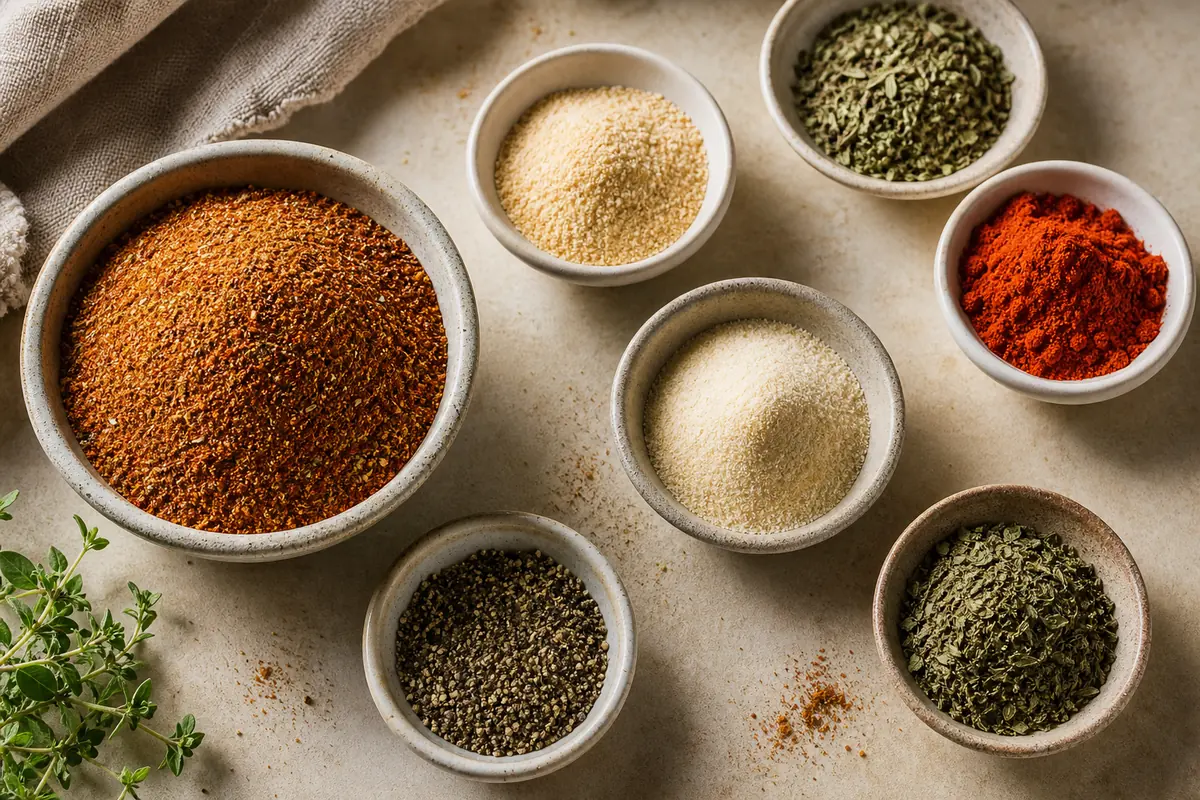 5 Best Cajun Seasoning Substitutes for Any Recipe
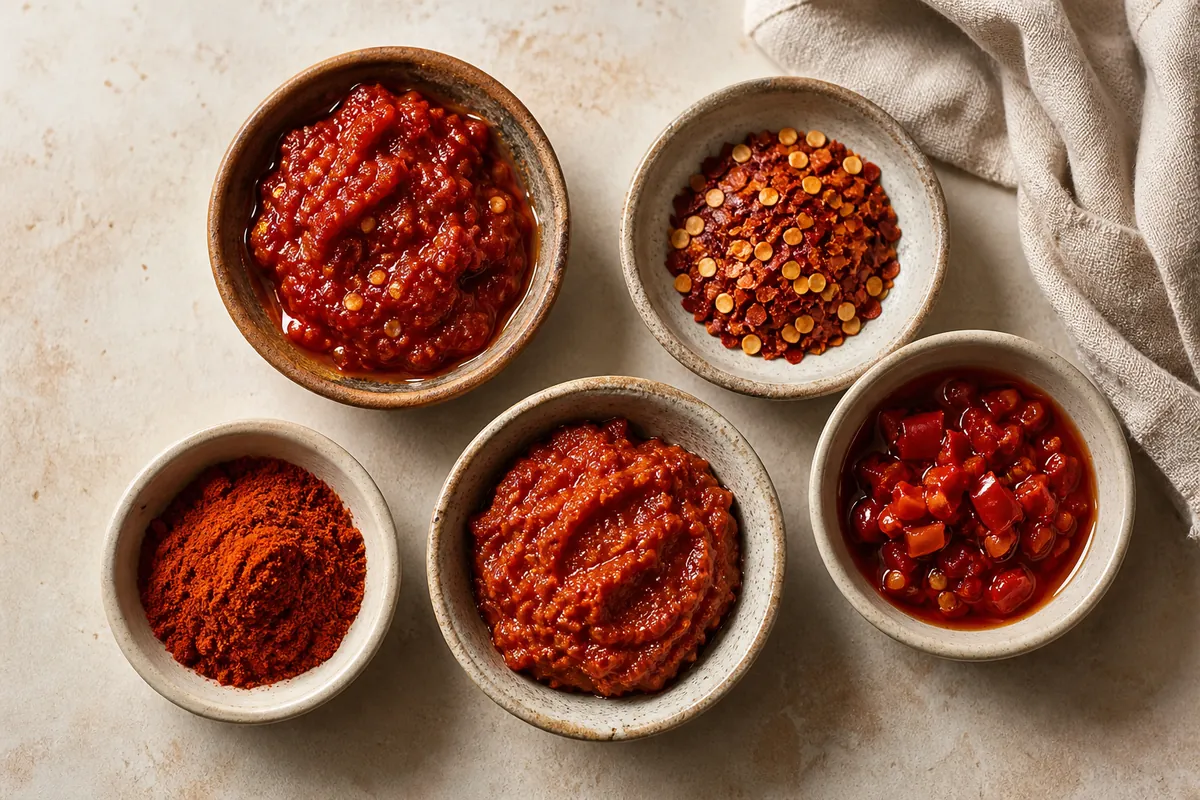 5 Best Calabrian Chili Substitutes in Every Recipe
 5 Best Calamansi Substitutes You Can Trust
 5 Best Cambozola Cheese Substitutes Worth Trying
 5 Best Camembert Cheese Substitutes (Pantry Swaps)
 5 Best Campanelle Substitutes for Any Recipe
 5 Best Campari Substitutes (Ranked)
 5 Best Cane Syrup Substitutes (Quick Swaps)
 5 Best Canned Tomato Substitutes (Ranked)
 5 Best Cantal Cheese Substitutes (Closest Match)
 5 Best Cantaloupe Substitutes
 5 Best Carob Powder Substitutes (Pantry Swaps)
 5 Best Carom Seed Substitutes (with Ratios)
 5 Best Carrot Substitutes for Home Cooks
 5 Best Cascabel Chili Substitutes (Closest Match)
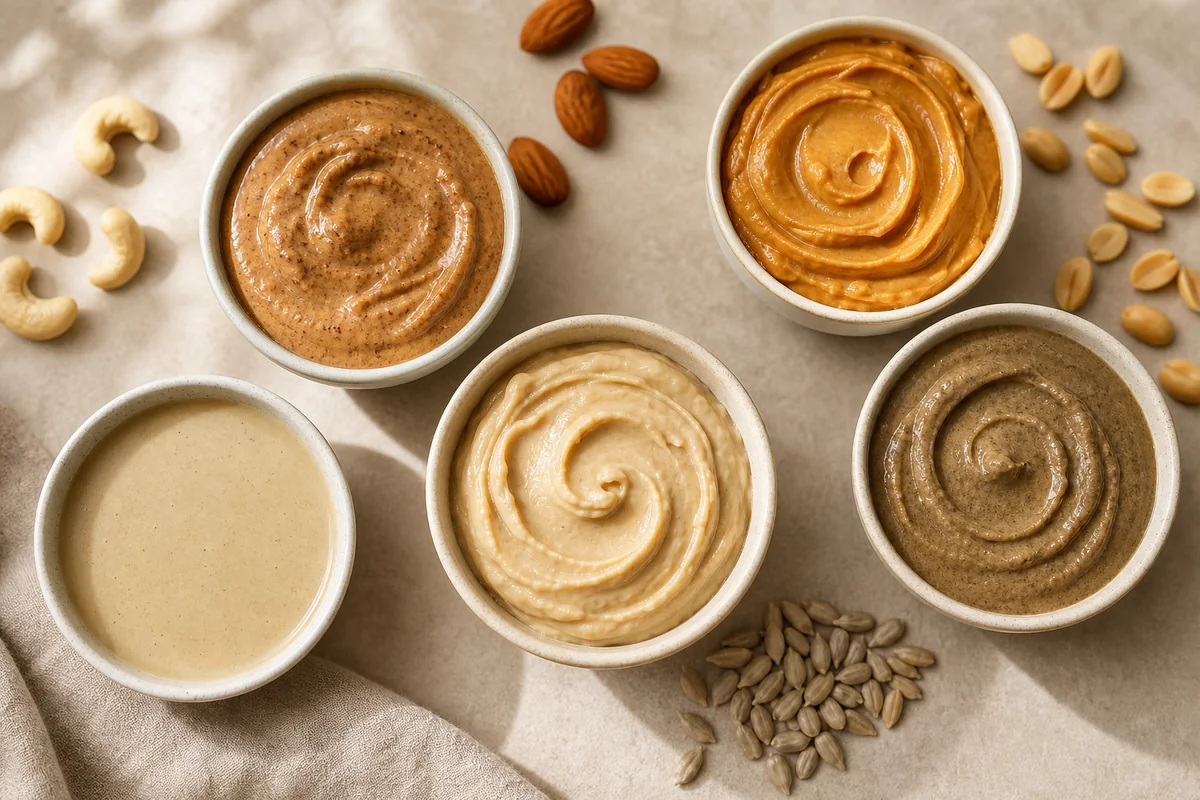 5 Best Cashew Butter Substitutes (That Actually Work)
 5 Best Cashew Milk Substitutes to Consider
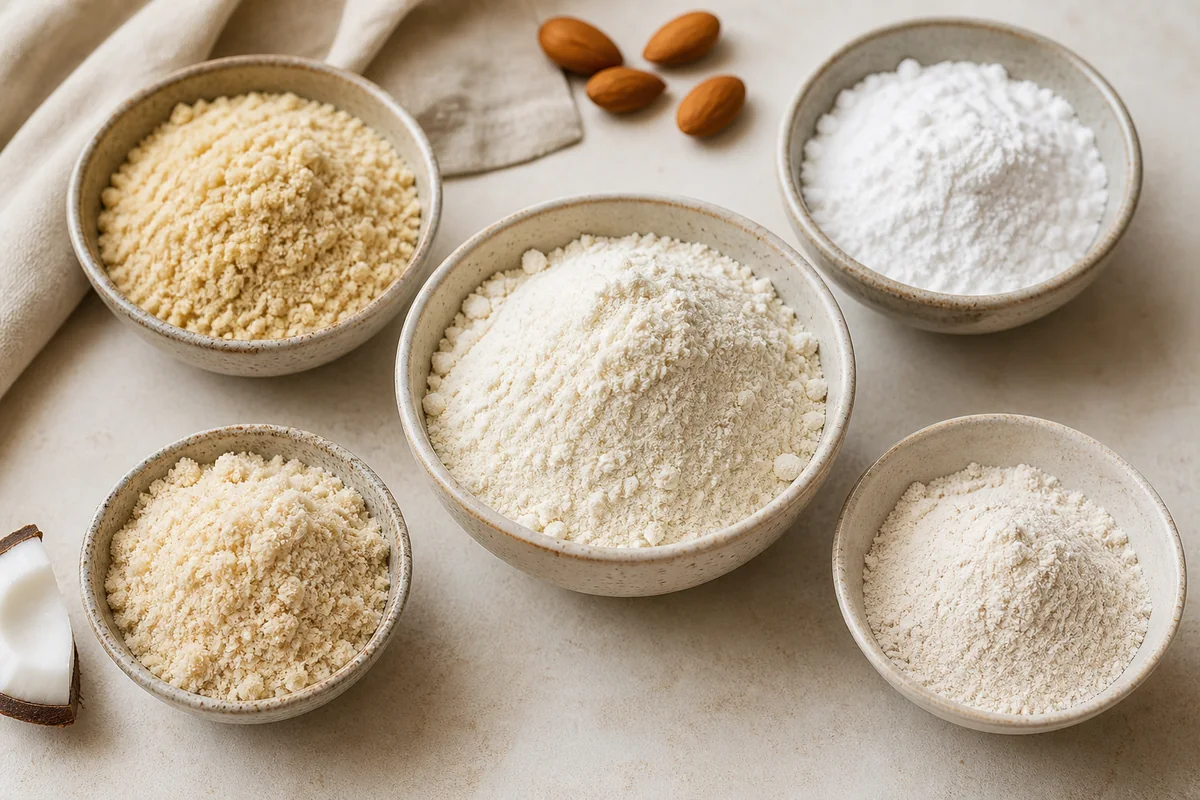 5 Best Cassava Flour Substitutes Worth Trying
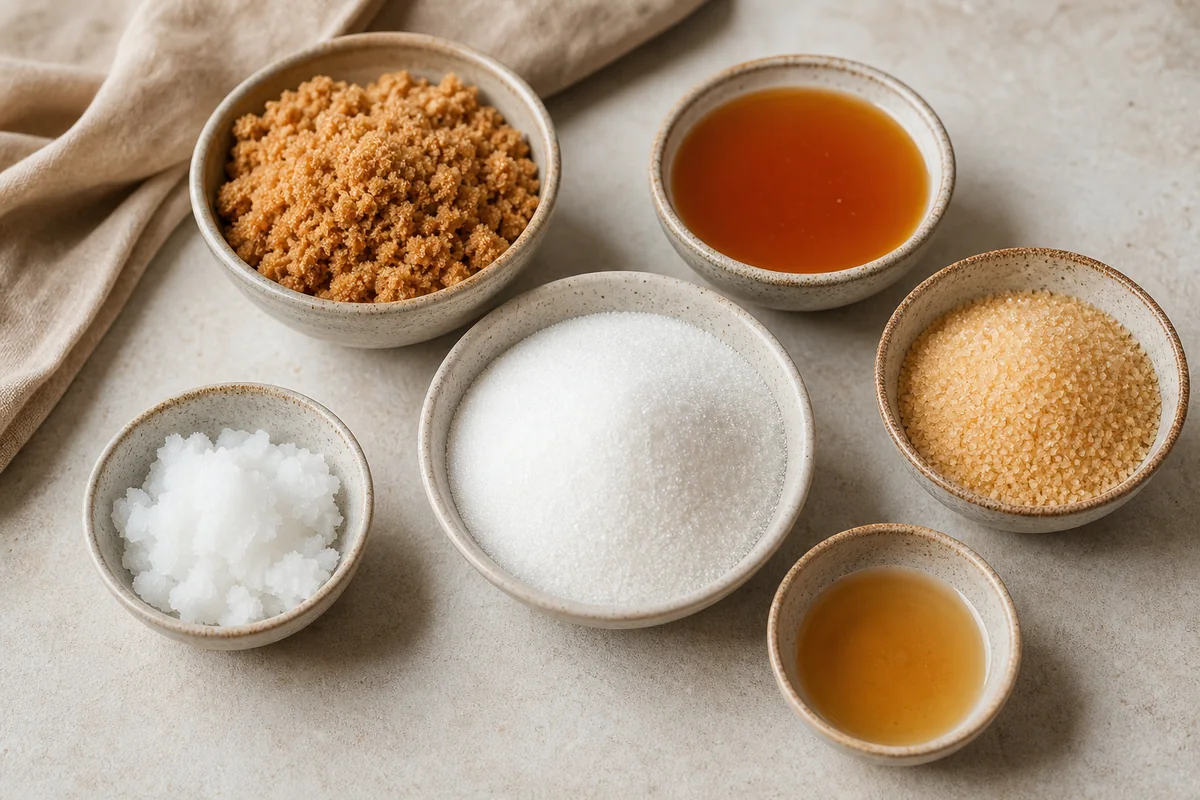 5 Best Caster Sugar Substitutes for Better Results
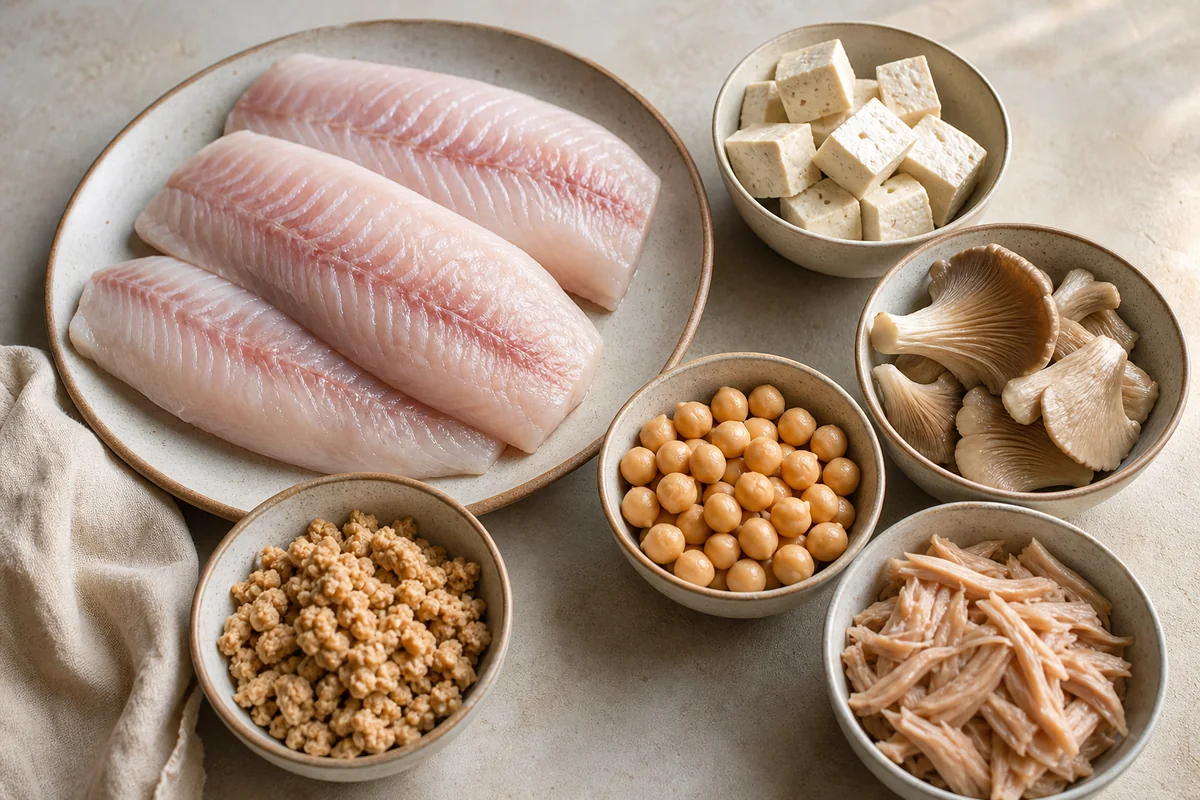 5 Best Catfish Substitutes (Closest Match)
 5 Best Cavatappi Pasta Substitutes (Flavor-Matched)
 5 Best Cayenne Pepper Substitutes and How Much to Use
 5 Best Celery Flakes Substitutes (Flavor-Matched)
 5 Best Celery Powder Substitutes in Every Recipe
 5 Best Celery Salt Substitutes in Every Recipe
 5 Best Celery Seed Substitutes That Taste Right
 5 Best Challah Bread Substitutes (Quick Swaps)
 5 Best Chambord Substitutes (Honest Picks)
 5 Best Champagne Vinegar Substitutes You Can Trust
 5 Best Chanterelle Mushroom Substitutes in Every Recipe
 5 Best Chapati Flour Substitutes That Taste Right
 5 Best Cheddar Cheese Substitutes in Every Recipe
 5 Best Cheese Curds Substitutes (Easy Swaps)
 5 Best Cherry Pepper Substitutes (with Ratios)
 5 Best Chestnut Mushroom Substitutes for Any Recipe
 5 Best Chicken Base Substitutes in Every Recipe
 5 Best Chicken Bouillon Granules Substitutes (Pantry Swaps)
 5 Best Chicken Broth Substitutes You Can Trust
 5 Best Chicory Coffee (Caffeine-Free) Substitutes
 5 Best Chihuahua Cheese Substitutes That Taste Right
 5 Best Chile De Arbol Substitutes for Better Results
 5 Best Chili Bean Sauce Substitutes Worth Trying
 5 Best Chili Paste Substitutes (Flavor-Matched)
 5 Best Chili Powder Substitutes (Easy Swaps)
 5 Best Chinese Black Vinegar Substitutes (with Ratios)
 5 Best Chinese Broccoli Substitutes (Quick Swaps)
 5 Best Chipotle Powder Substitutes for Home Cooks
 5 Best Choy Sum Substitutes for Home Cooks
 5 Best Ciabatta Substitutes
 5 Best Cipollini Onion Substitutes That Taste Right
 5 Best Clementine Substitutes Worth Trying
 5 Best Clotted Cream Substitutes (Honest Picks)
 5 Best Clove Substitutes
 5 Best Coconut Aminos Substitutes You Can Trust
 5 Best Coconut Butter Substitutes Worth Trying
 5 Best Coconut Cream Substitutes (That Actually Work)
 5 Best Coconut Nectar Substitutes (Honest Picks)
 5 Best Coconut Oil Substitutes (Easy Swaps)
 5 Best Coconut Vinegar Substitutes
 5 Best Cod Substitutes (Quick Swaps)
 5 Best Cognac Substitutes (Honest Picks)
 5 Best Cointreau Substitutes (Honest Picks)
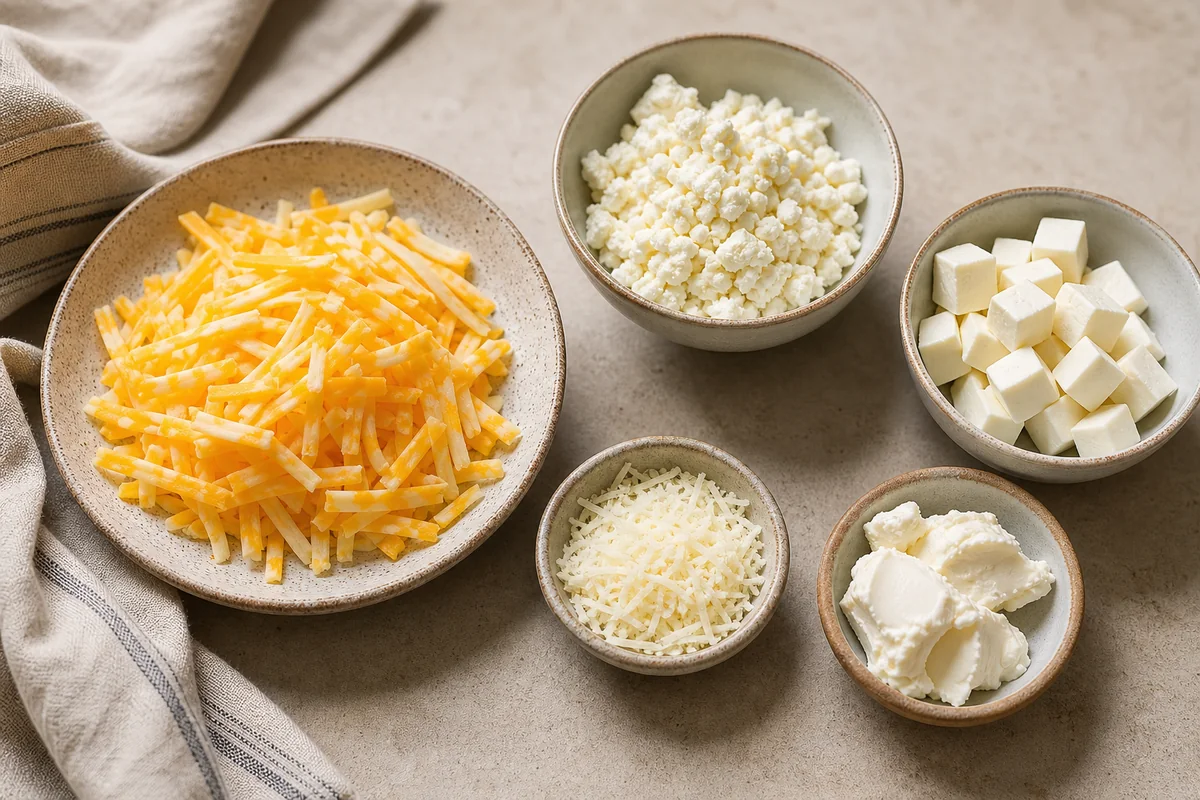 5 Best Colby Jack Cheese Substitutes (Honest Picks)
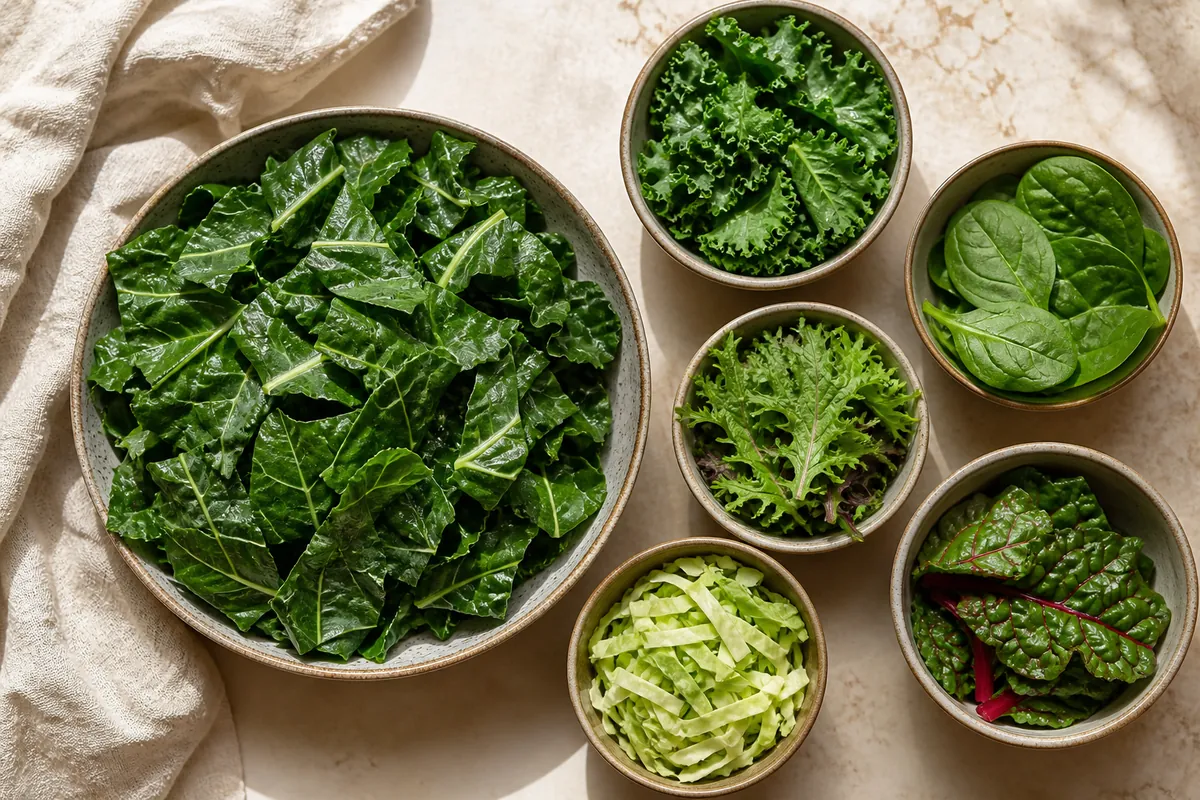 5 Best Collard Green Substitutes for Any Recipe
 5 Best Cool Whip Substitutes with Ratios for Every Recipe
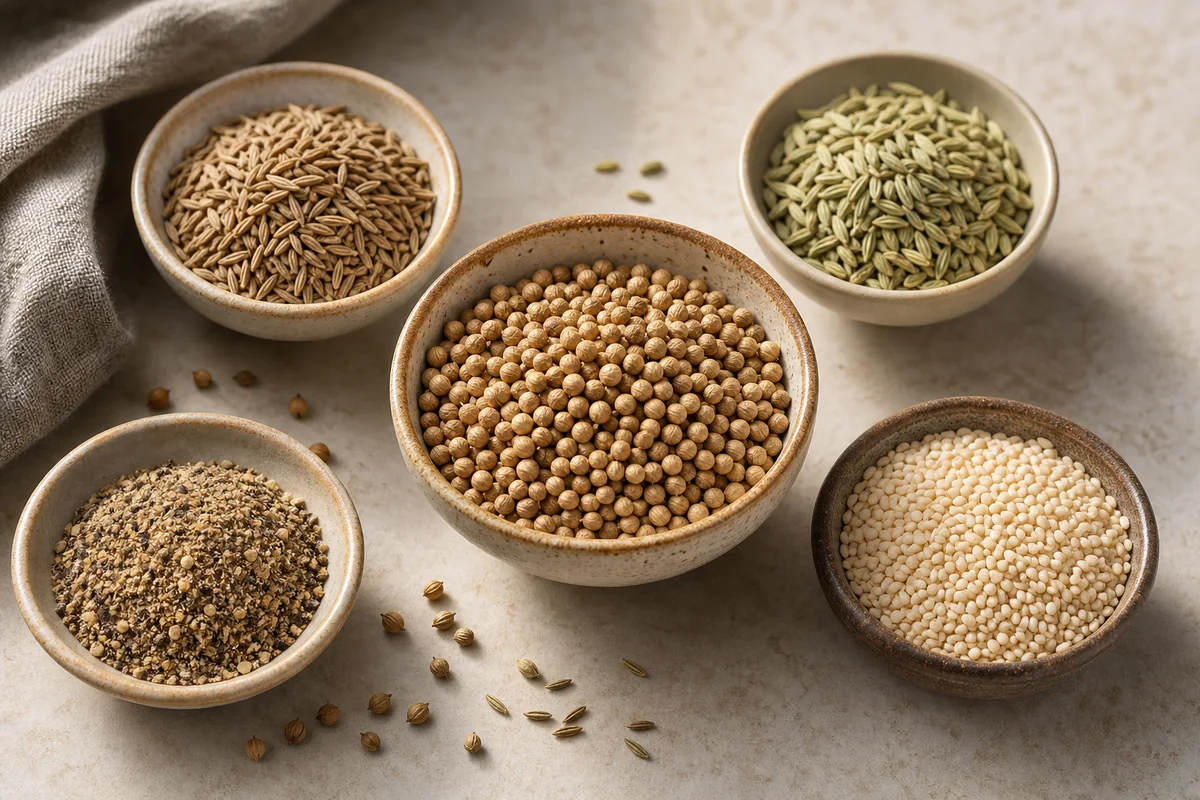 5 Best Coriander Seed Substitutes for Home Cooks
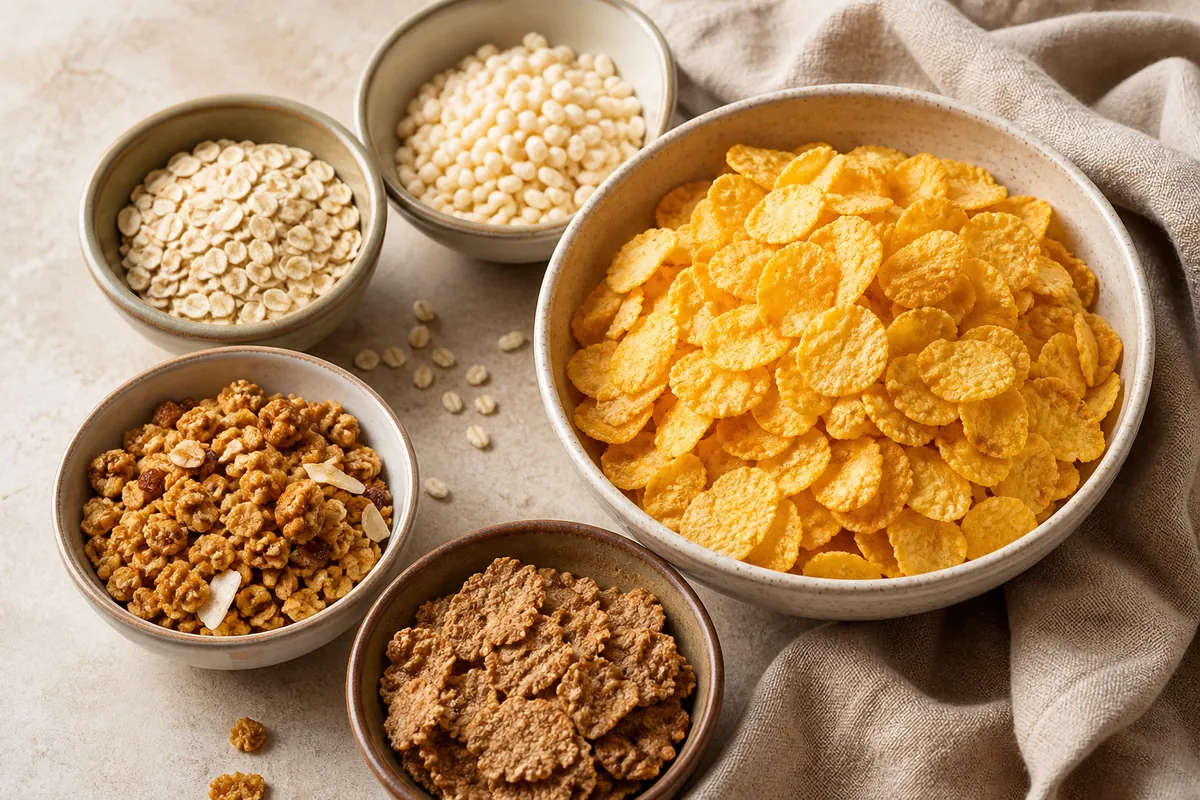 5 Best Corn Flakes Substitutes (with Ratios)
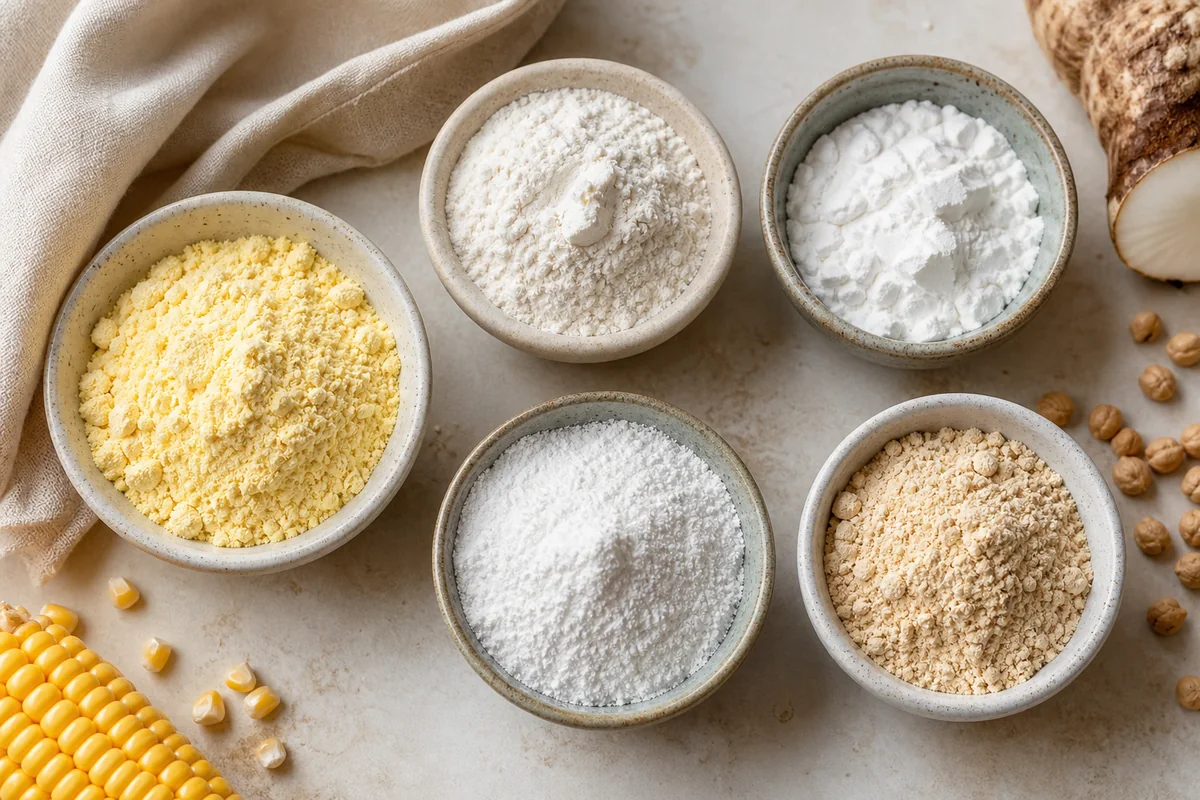 5 Best Corn Flour Substitutes for Home Cooks
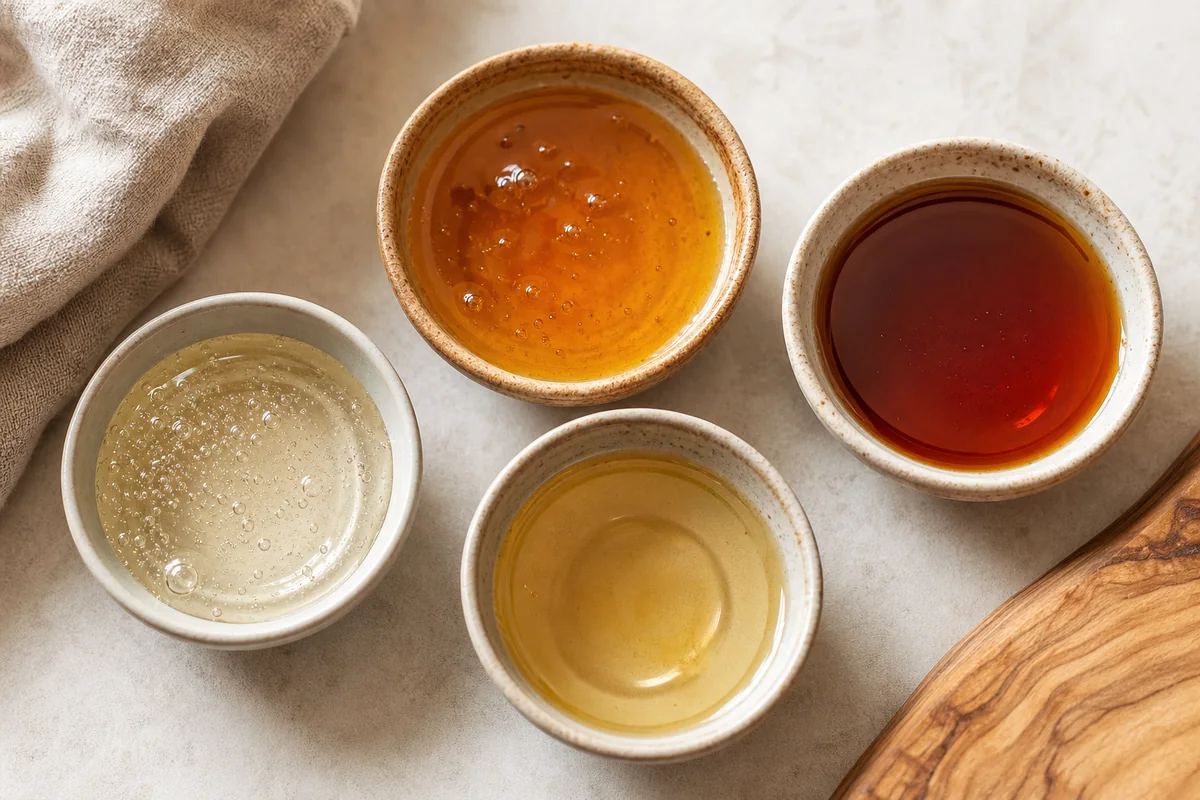 5 Best Corn Syrup Substitutes Worth Trying
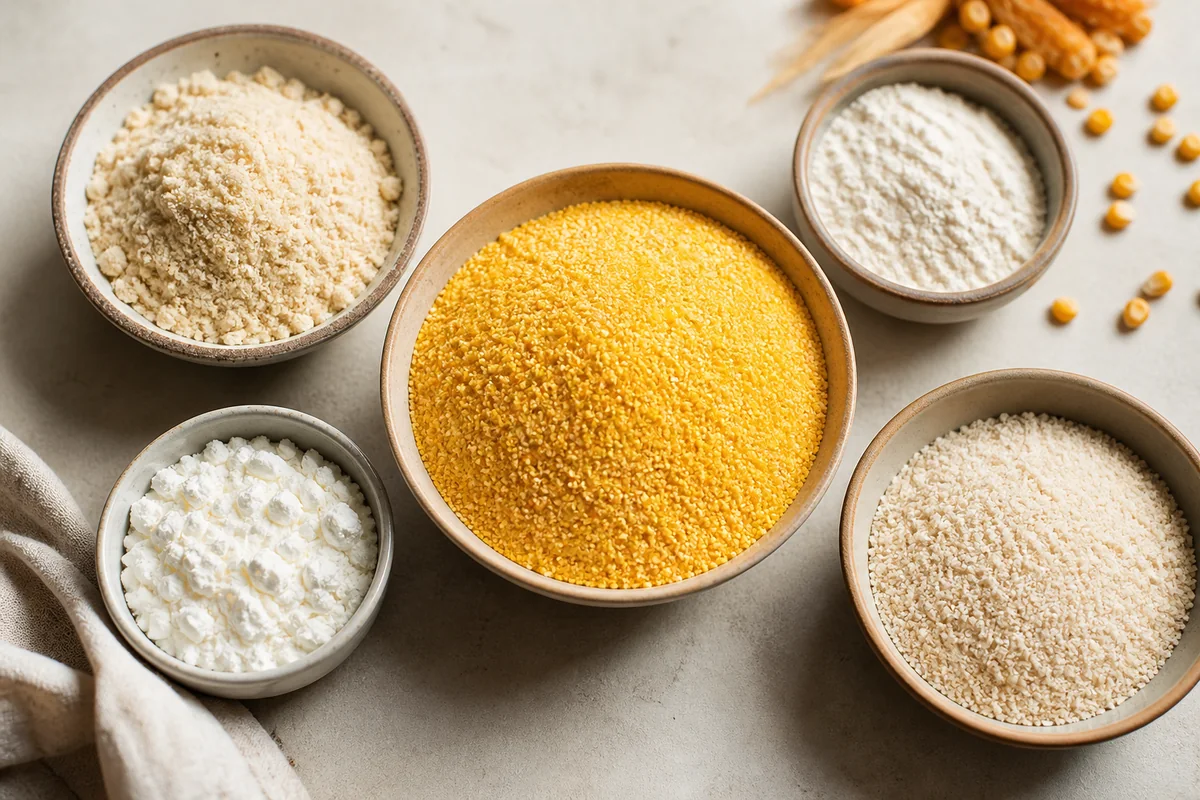 5 Best Cornmeal Substitutes in Every Recipe
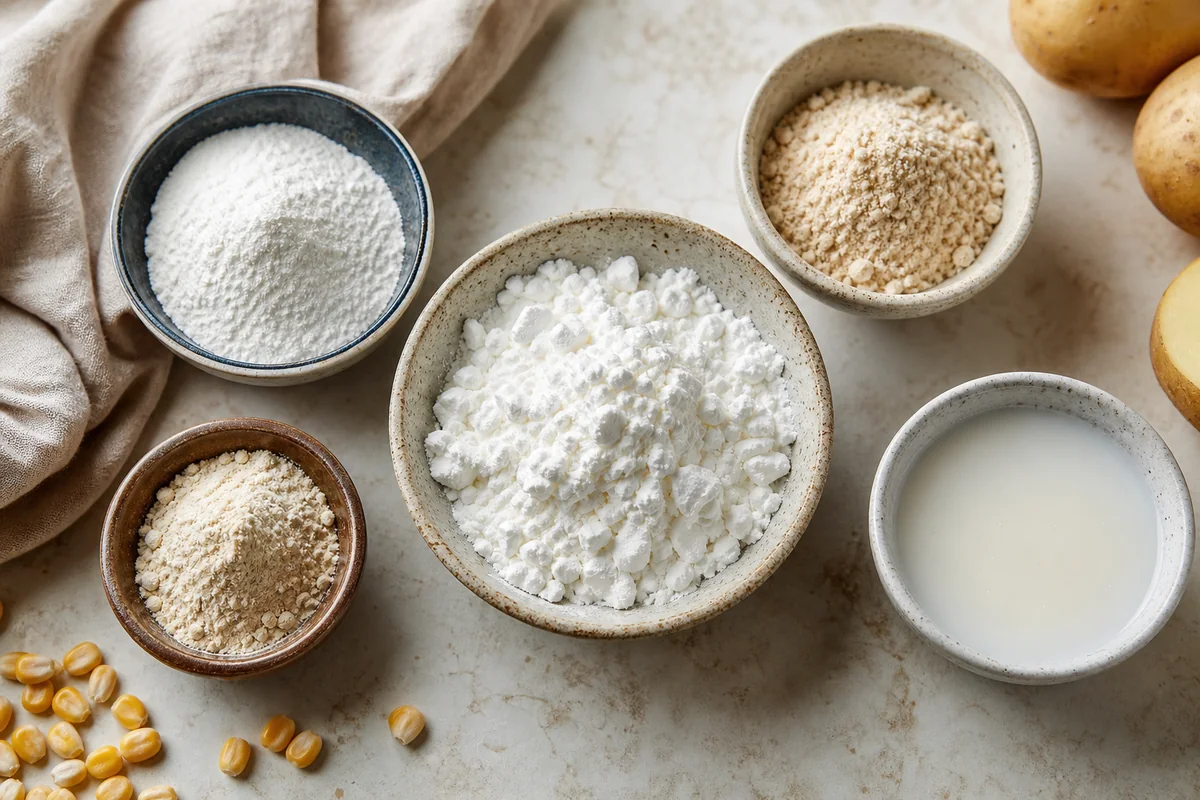 5 Best Cornstarch Substitutes (Honest Picks)
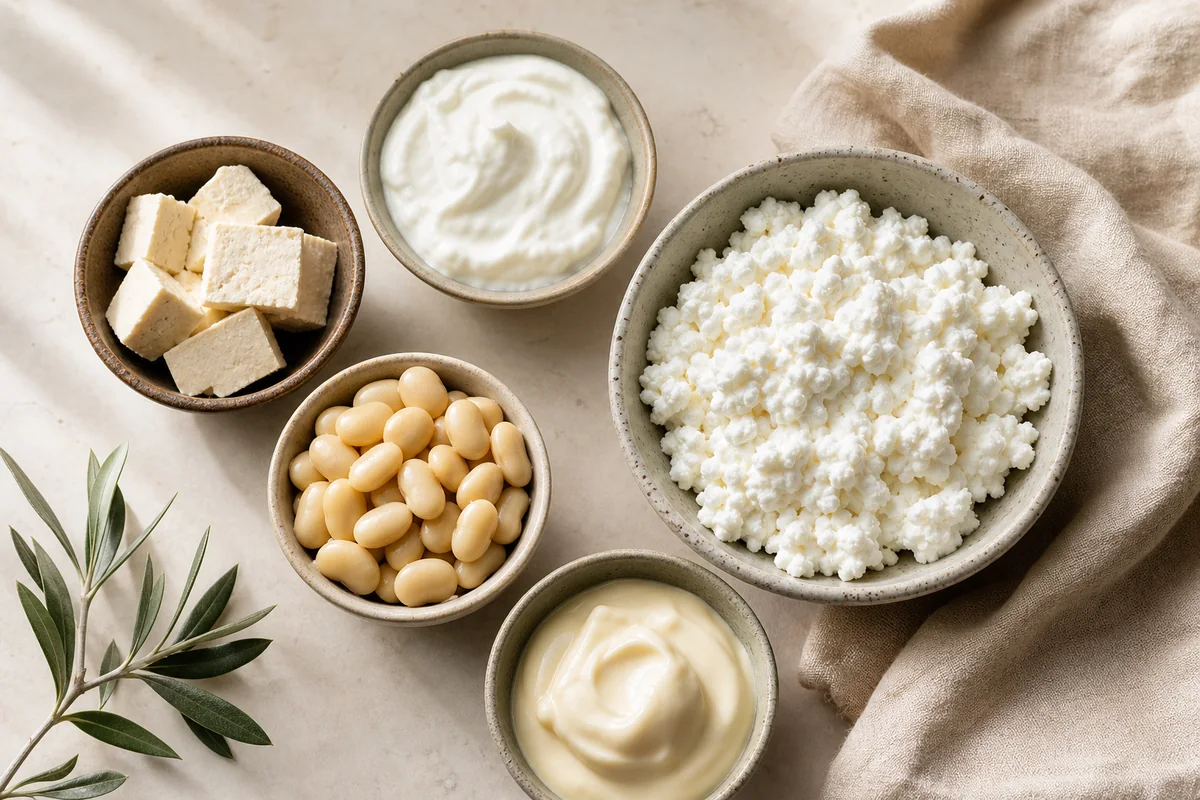 5 Best Cottage Cheese Substitutes (Ranked)
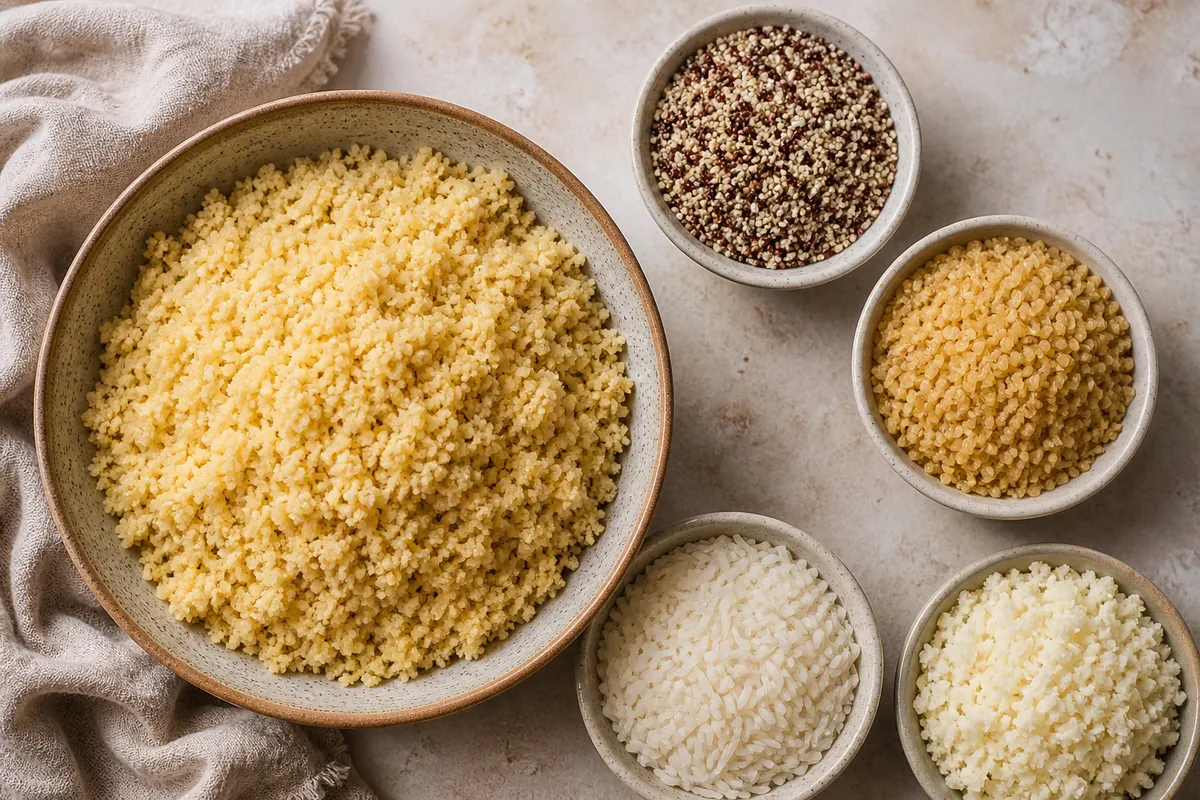 5 Best Couscous Substitutes That Taste Right
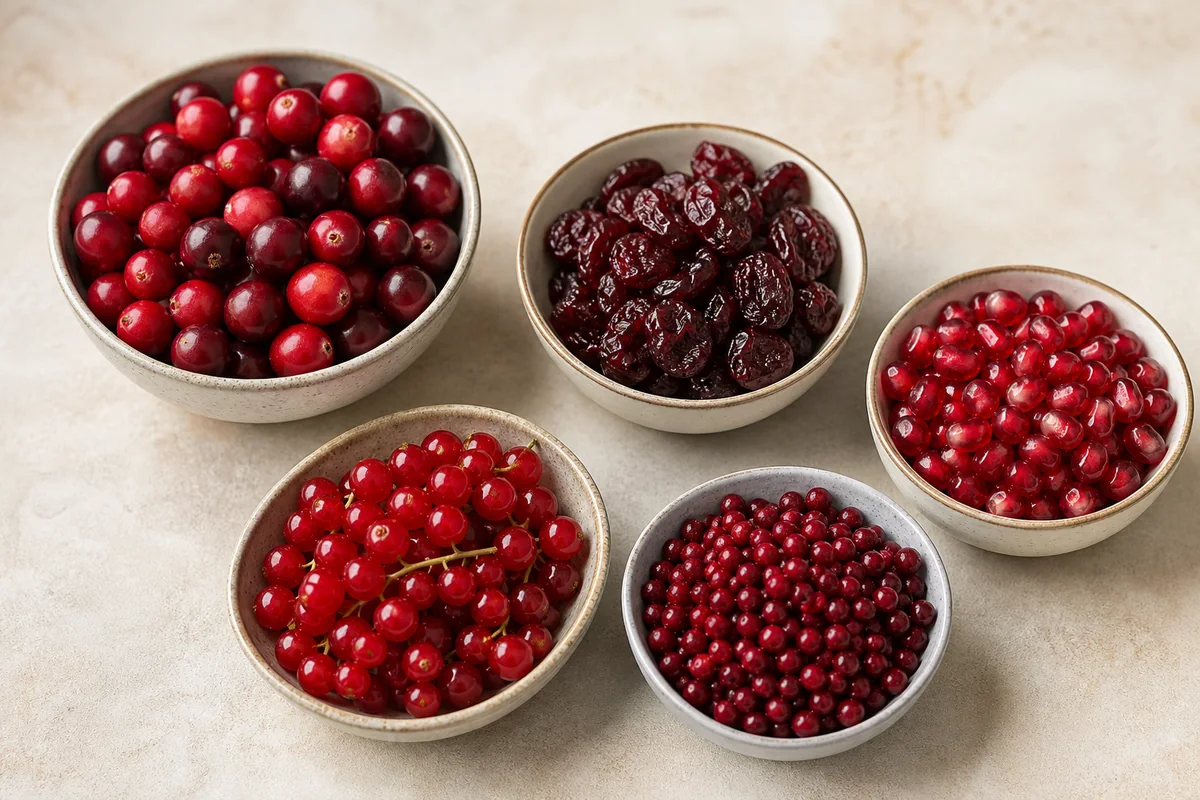 5 Best Cranberries Substitutes (Honest Picks)
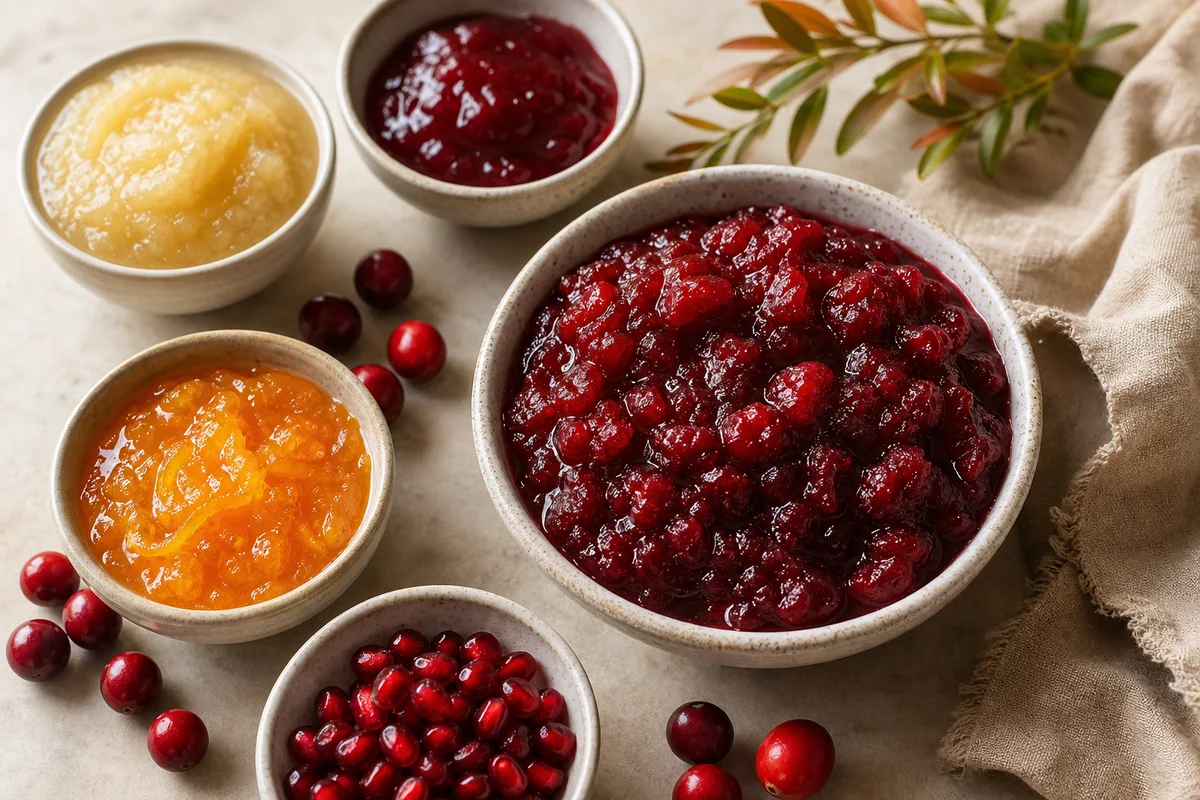 5 Best Cranberry Sauce Substitutes for Home Cooks
 5 Best Cream Cheese Substitutes (Closest Match)
 5 Best Cream Cheese Substitutes for Cheesecake
 5 Best Cream Sherry Substitutes That Taste Right
 5 Best Creme De Cacao Substitutes You Can Trust
 5 Best Creme De Cassis Substitutes You Can Trust
 5 Best Creme De Menthe Substitutes
 5 Best Creme Fraiche Substitutes Worth Trying
 5 Best Cremini Mushroom Substitutes (Pantry Swaps)
 5 Best Crouton Substitutes (Quick Swaps)
 5 Best Cuban Bread Substitutes (Pantry Swaps)
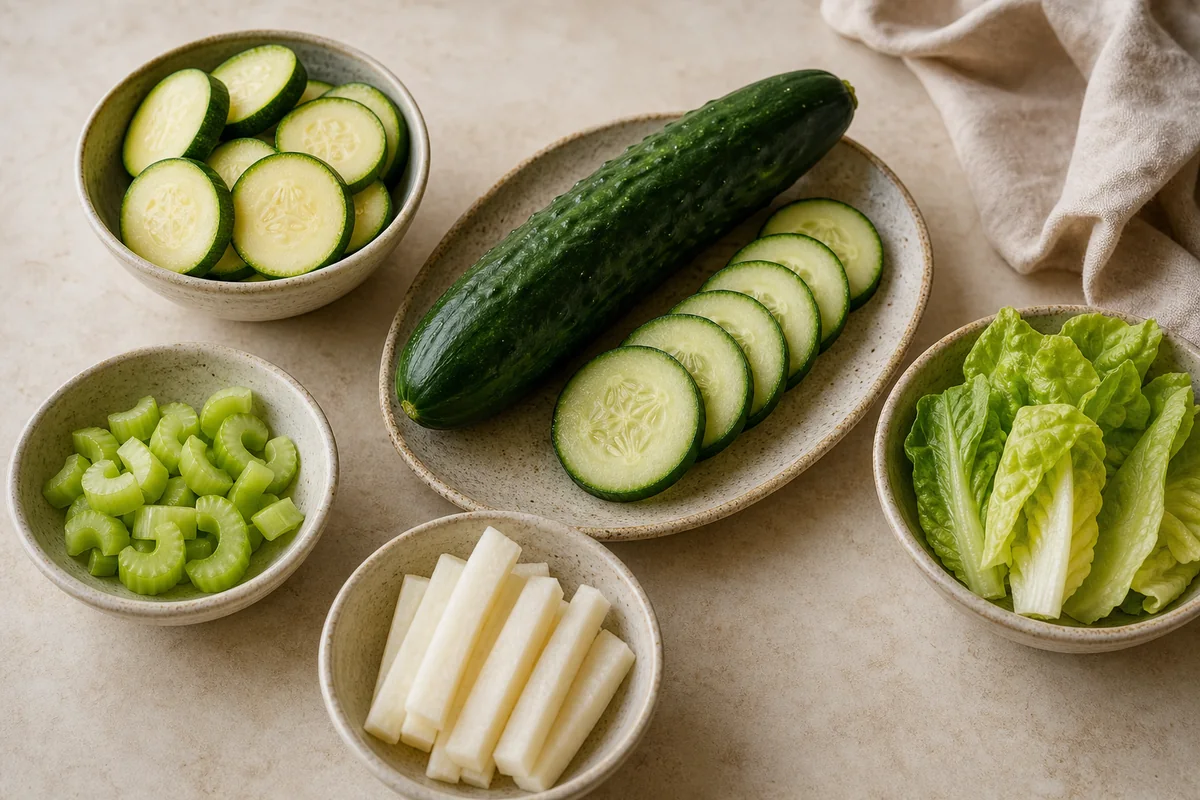 5 Best Cucumber Substitutes
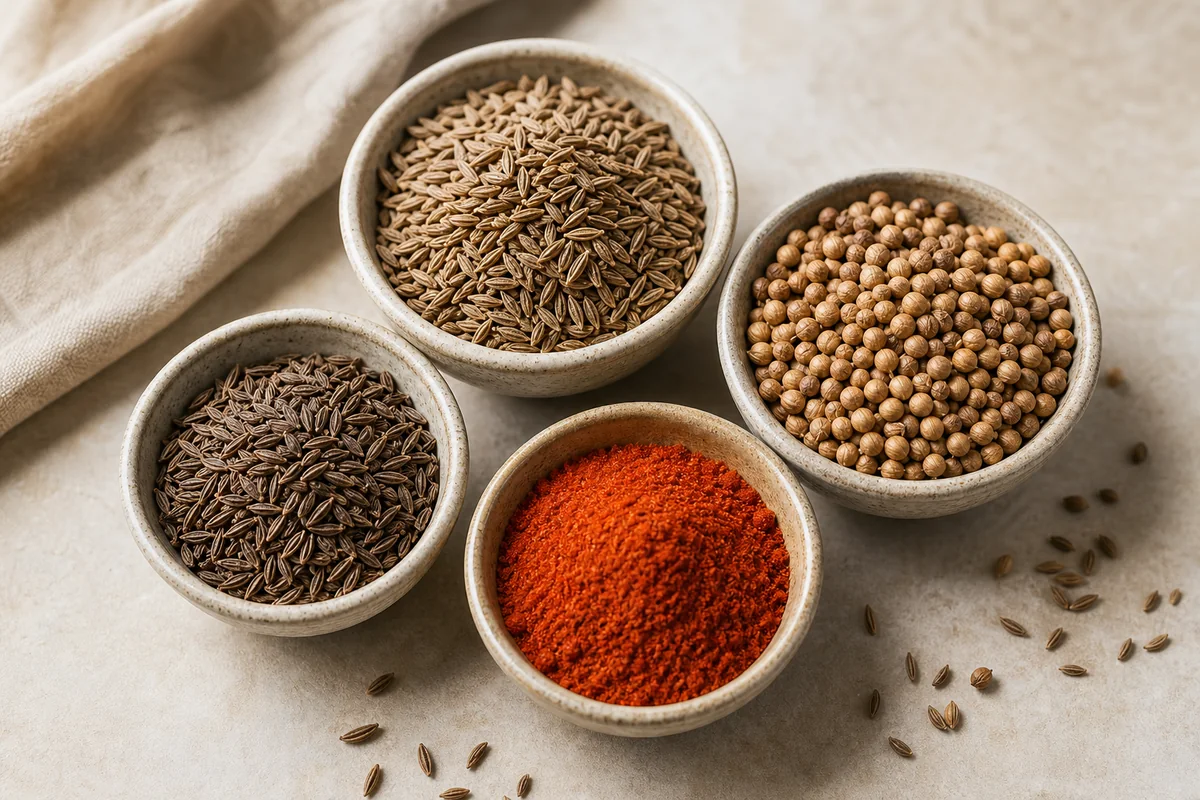 5 Best Cumin Seed Substitutes
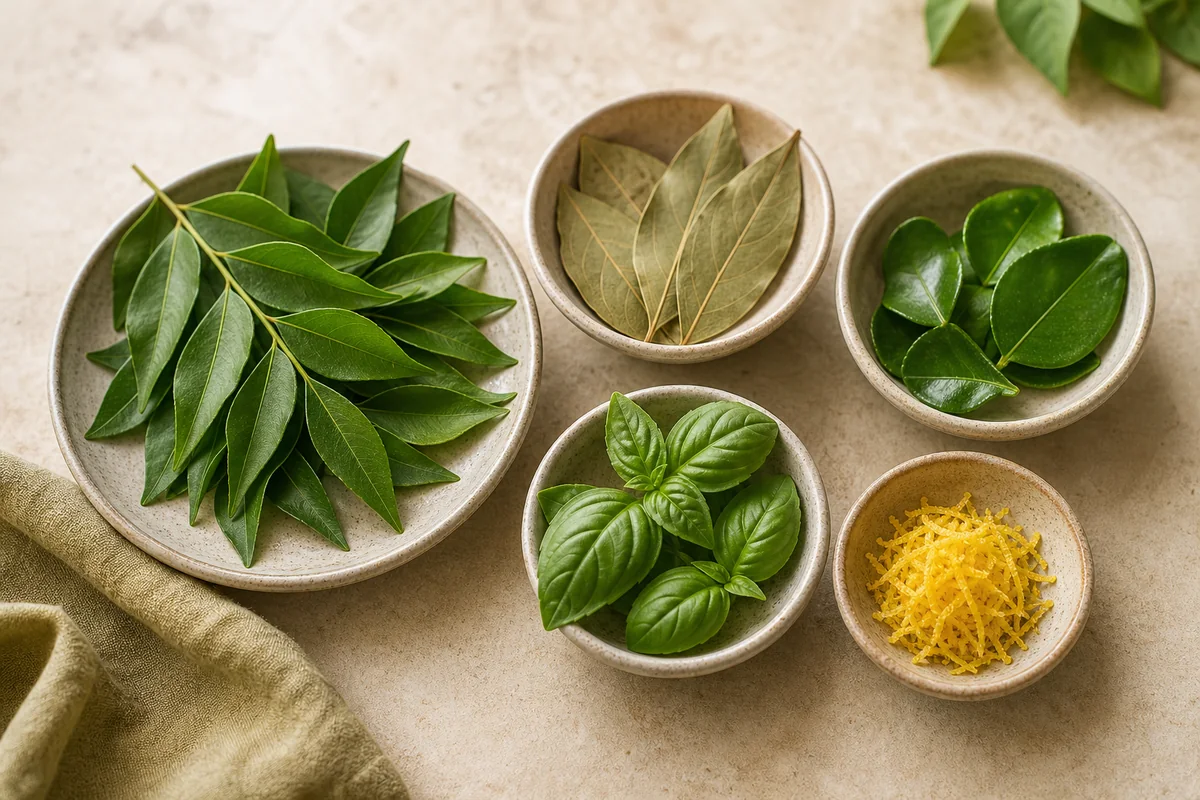 5 Best Curry Leaf Substitutes That Work in Any Recipe
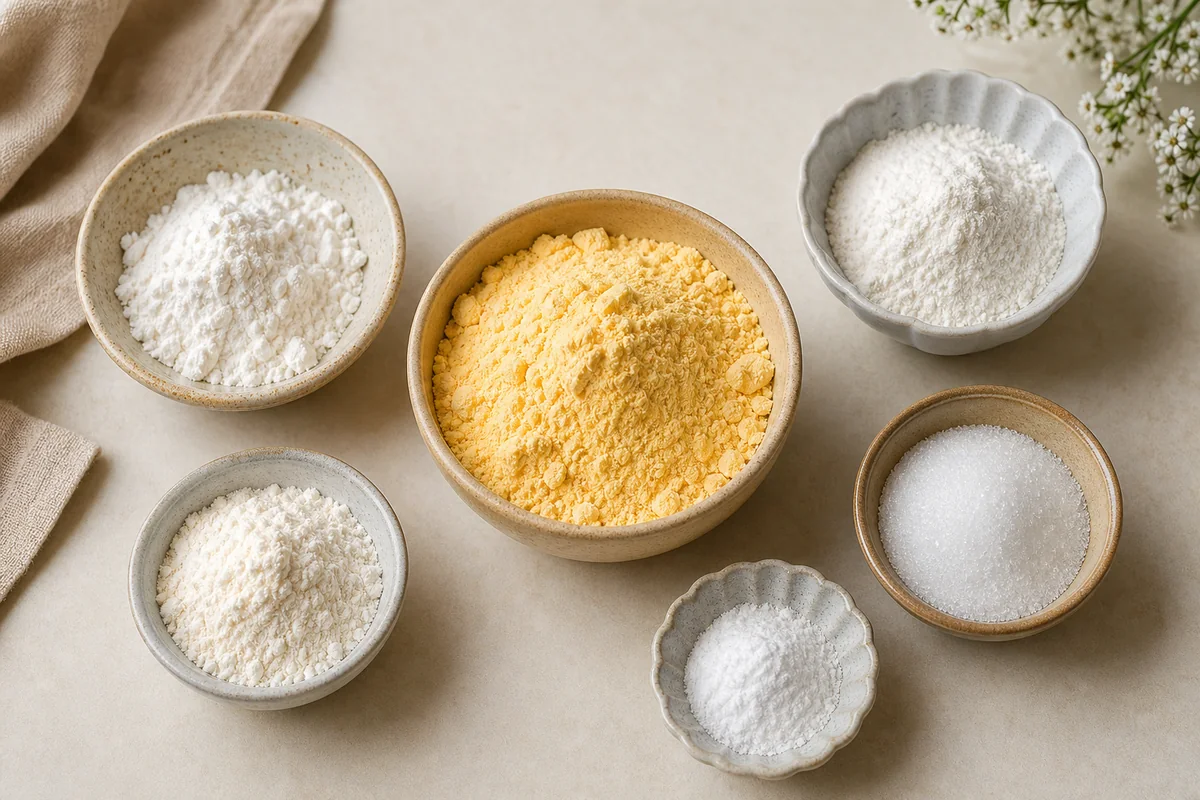 5 Best Custard Powder Substitutes (with Ratios)
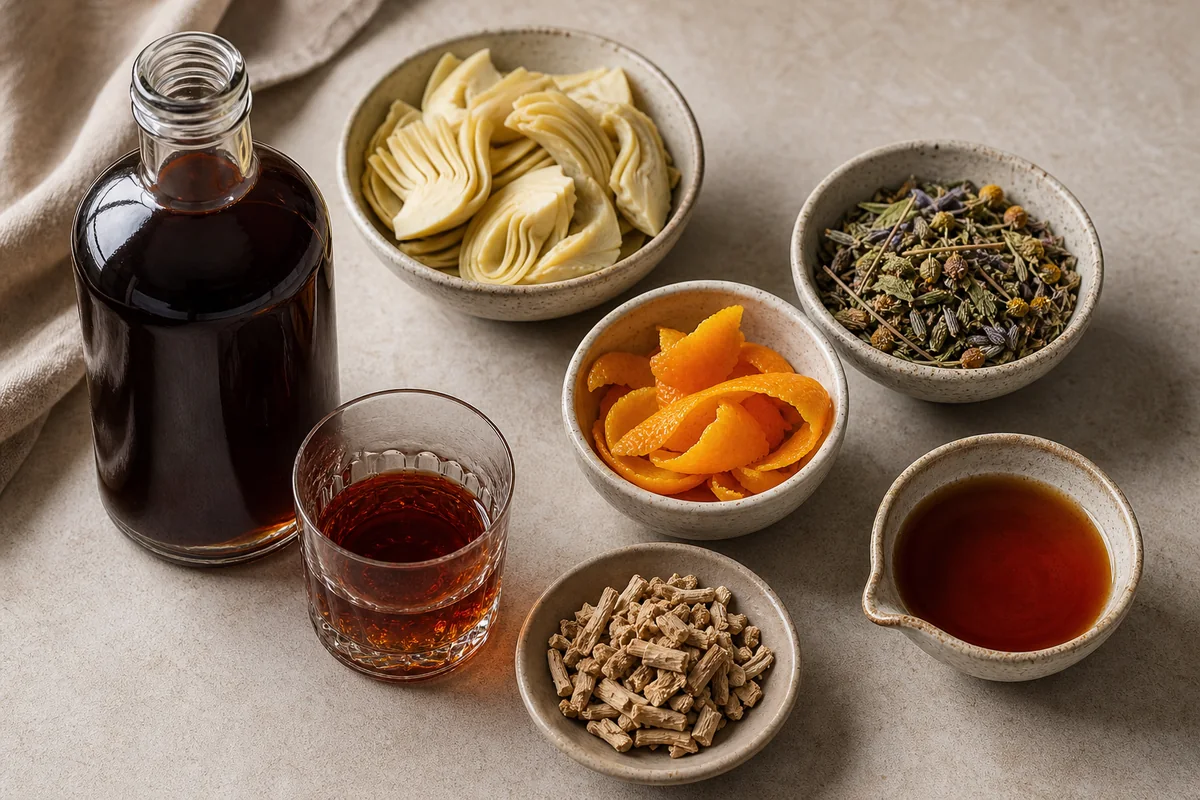 5 Best Cynar Substitutes for Better Results
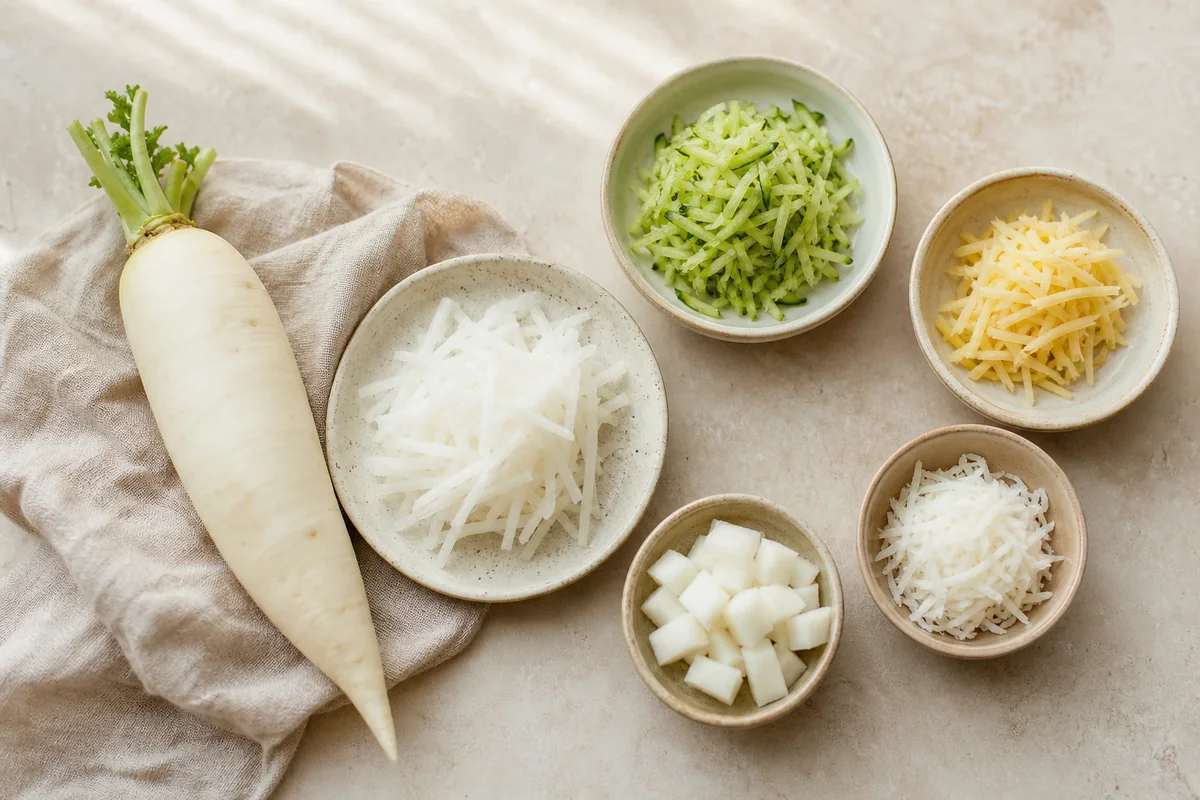 5 Best Daikon Radish Substitutes (Pantry Swaps)
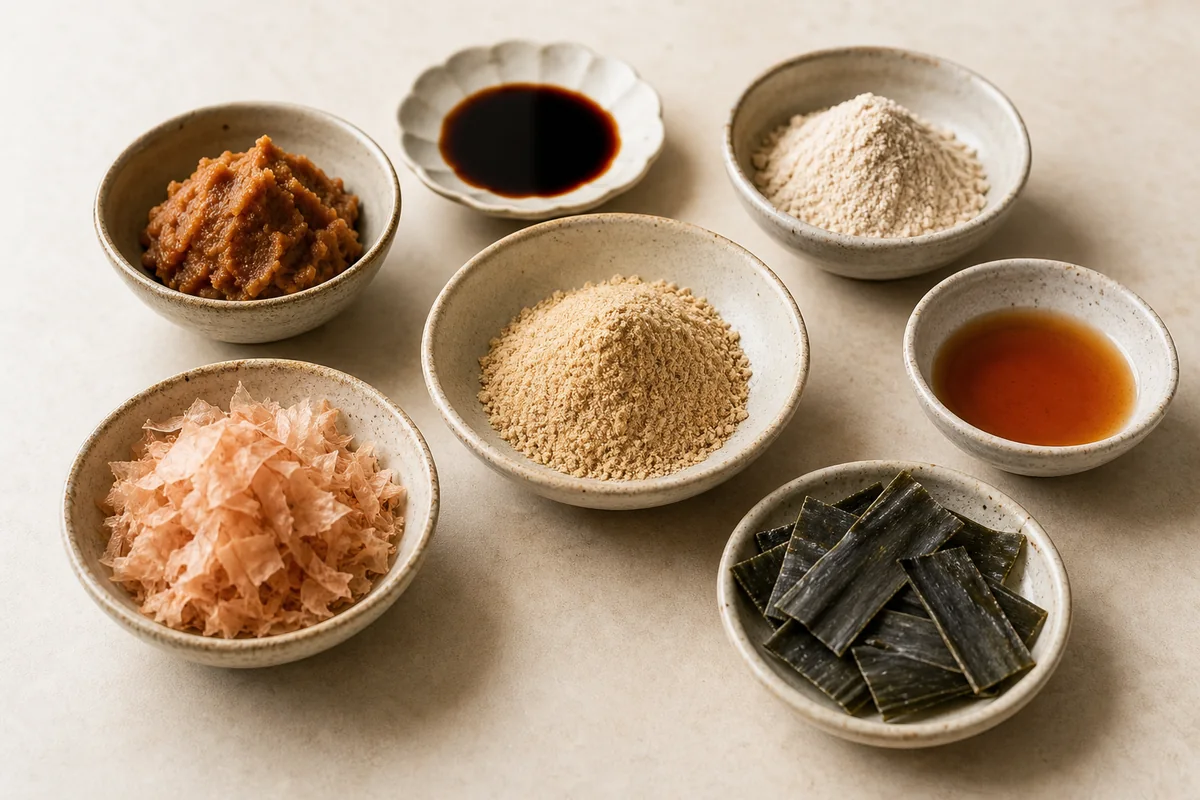 5 Best Dashi Powder Substitutes with Ratios and Tips
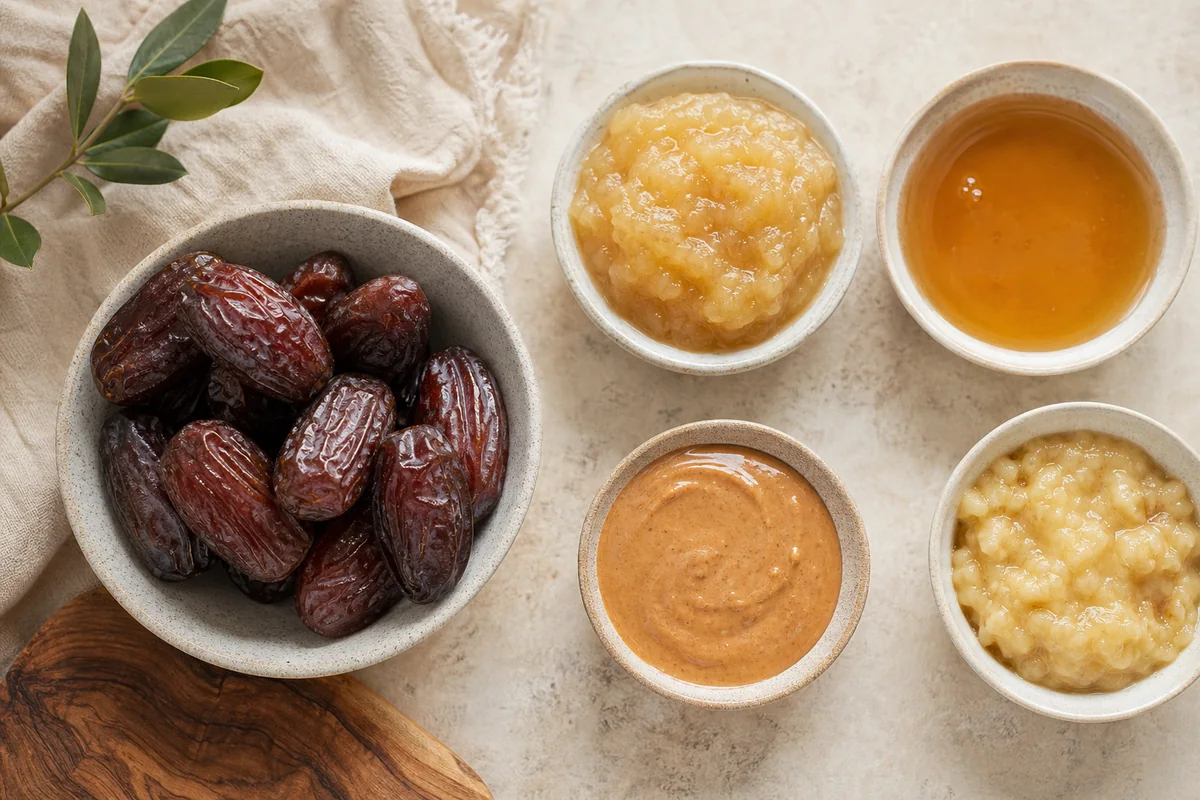 5 Best Date Substitutes
 5 Best Date Syrup Substitutes That Taste Right
 5 Best Delicata Squash Substitutes Worth Trying
 5 Best Demerara Sugar Substitutes (Easy Swaps)
 5 Best Demi Glace Substitutes for Better Results
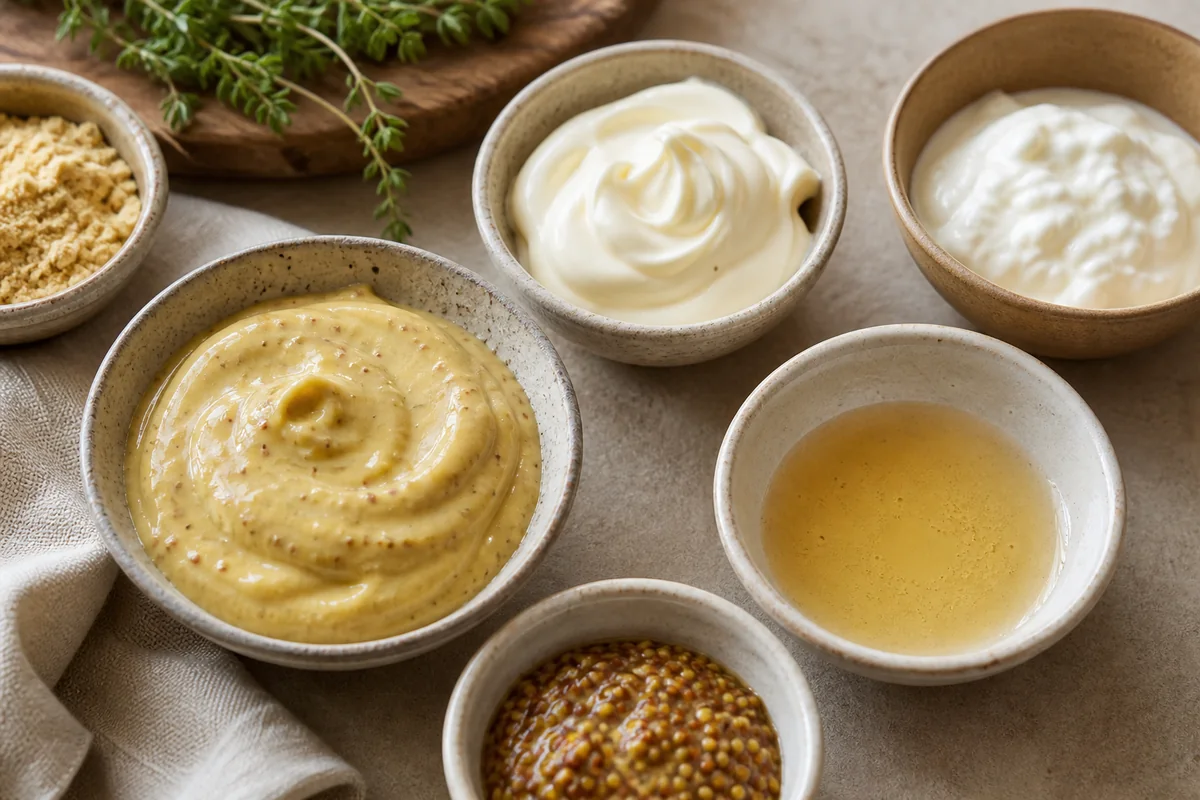 5 Best Dijon Mustard Substitutes
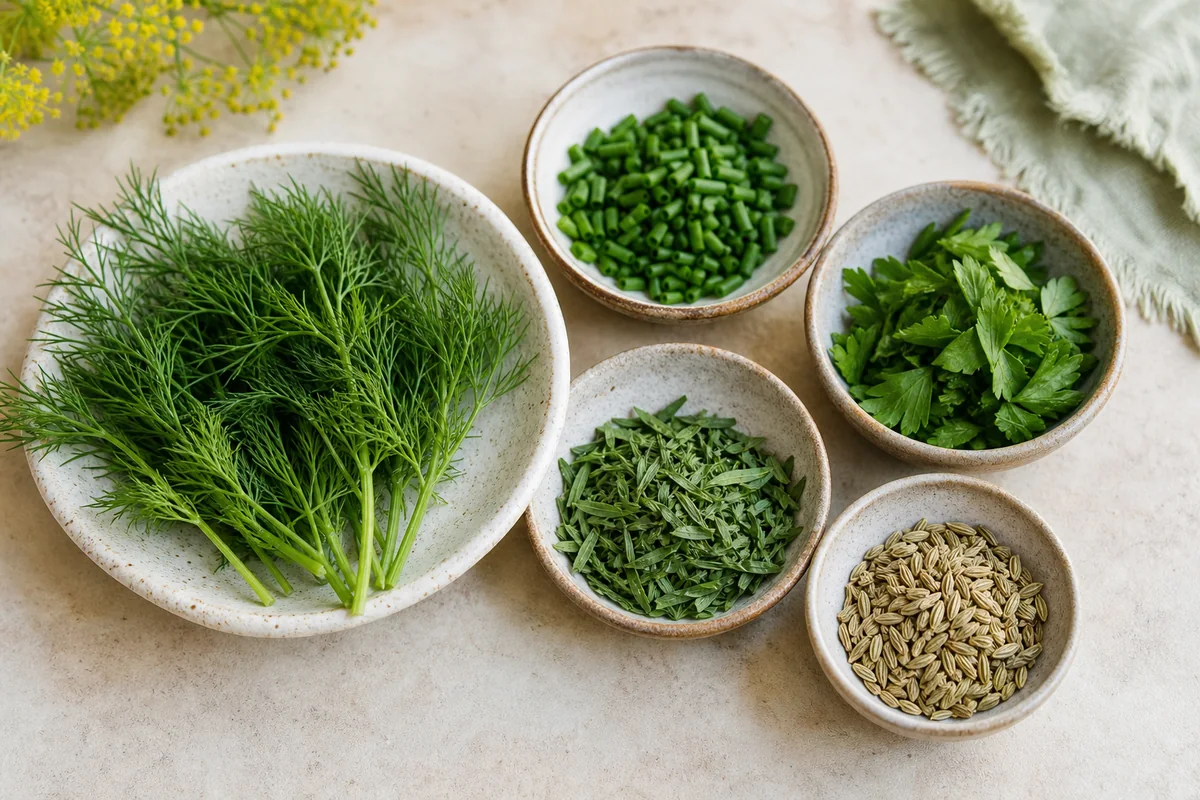 5 Best Dill Weed Substitutes in Every Recipe
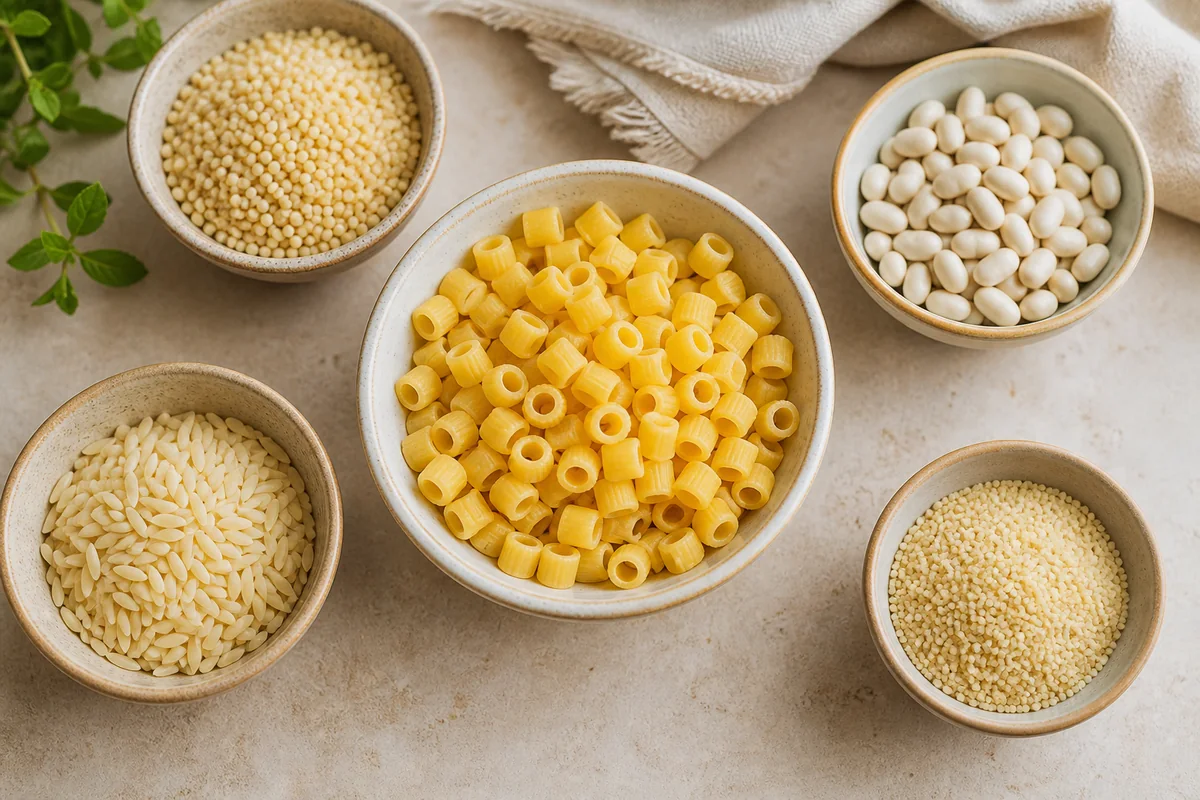 5 Best Ditalini Pasta Substitutes for Home Cooks
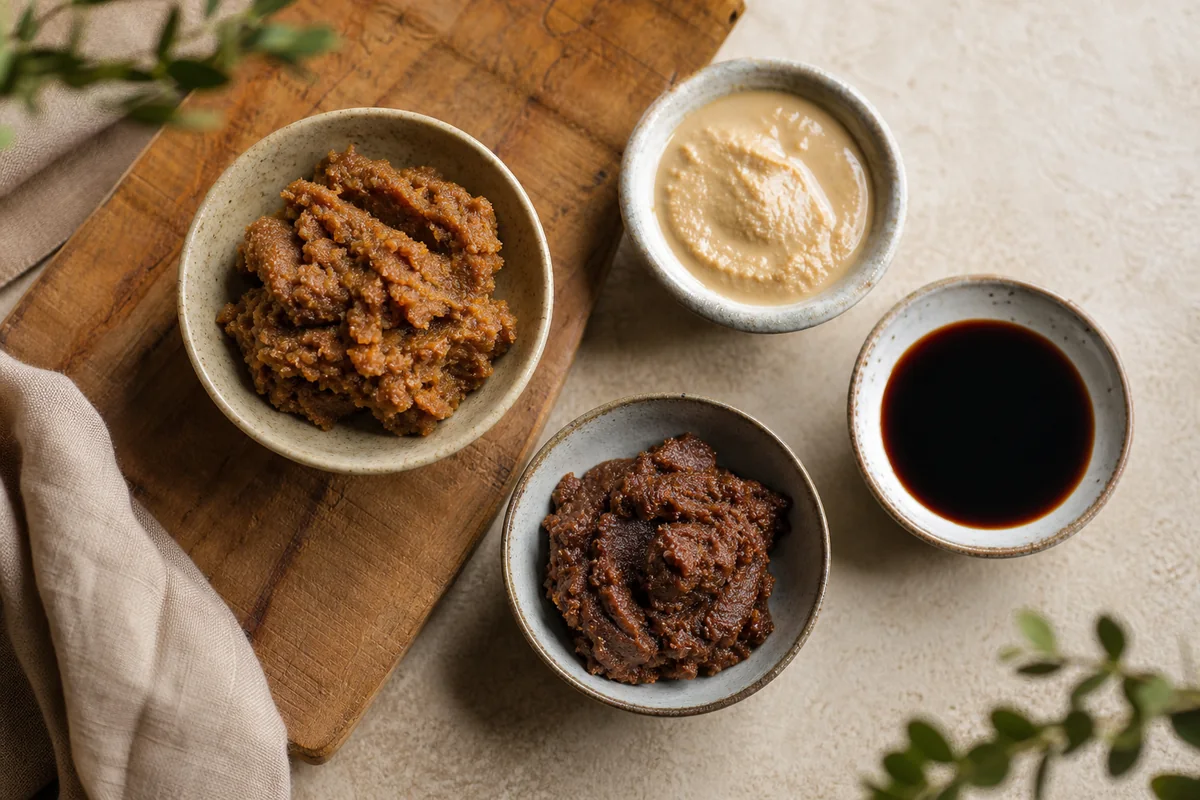 5 Best Doenjang Substitutes Worth Trying
 5 Best Dolcelatte Cheese Substitutes for Better Results
 5 Best Double Cream Substitutes for US Cooks
 5 Best Drambuie Substitutes (Honest Picks)
 5 Best Dry Vermouth Substitutes (Flavor-Matched)
 5 Best Durum Flour Substitutes (Quick Swaps)
 5 Best Edam Cheese Substitutes (Honest Picks)
 5 Best Eden Cheese Substitutes (with Ratios)
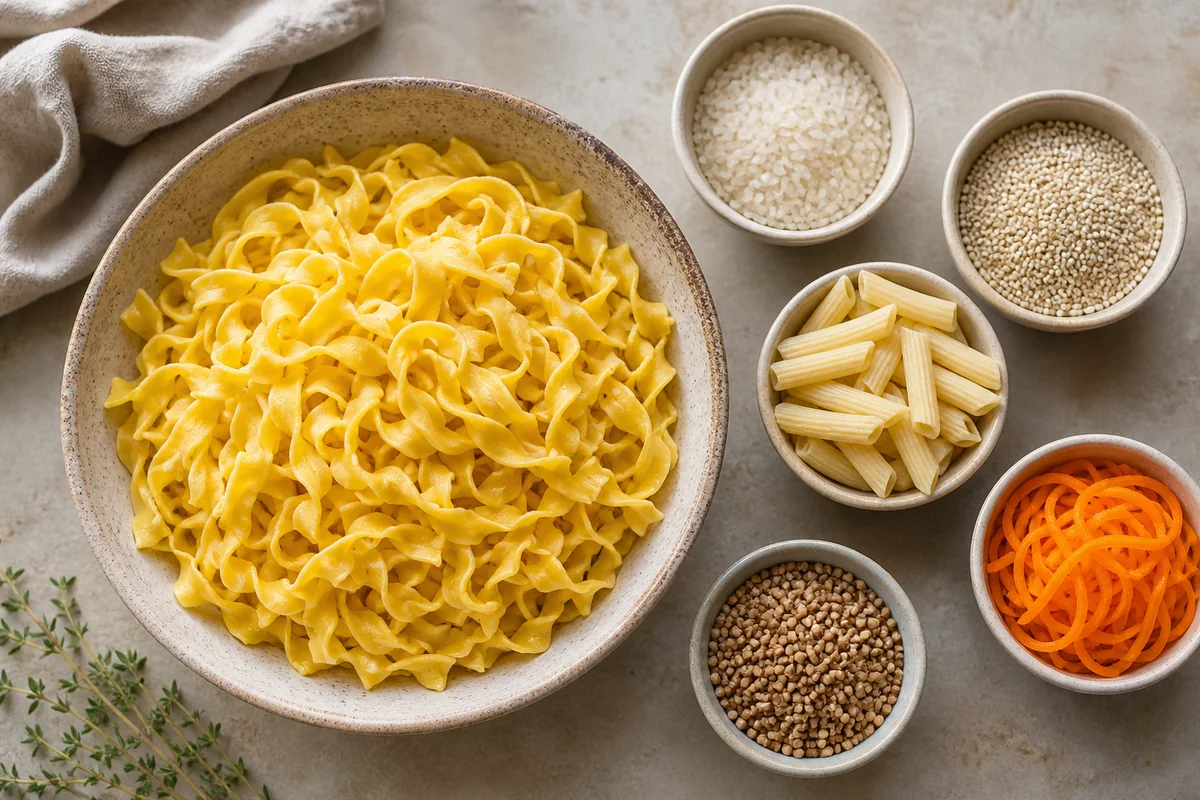 5 Best Egg Noodle Substitutes (Quick Swaps)
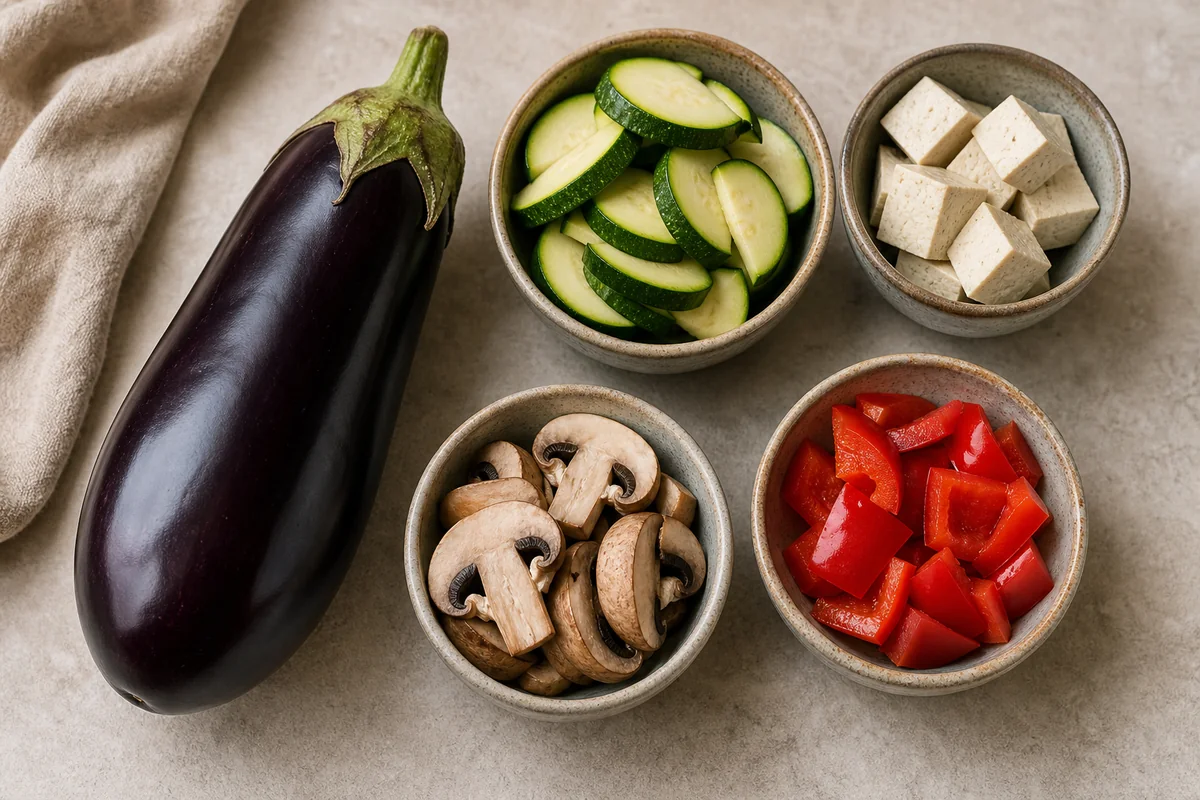 5 Best Eggplant Substitutes (Flavor-Matched)
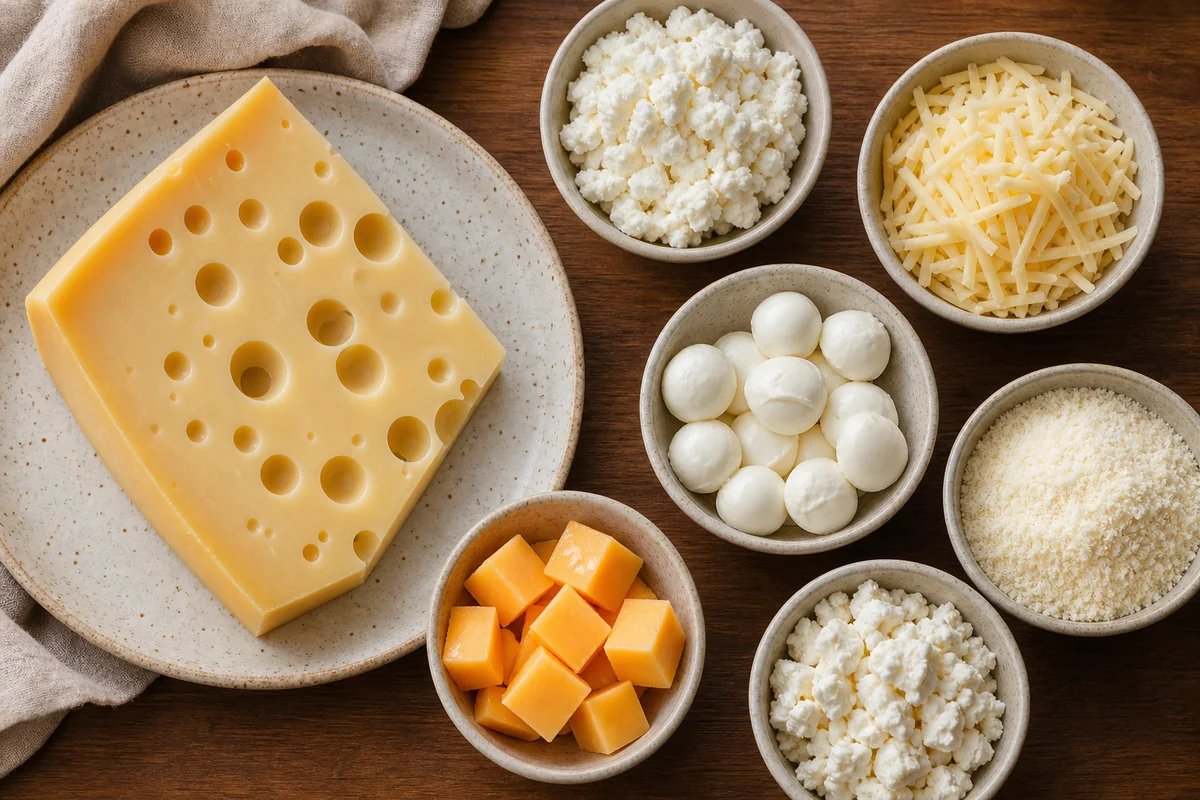 5 Best Emmental Cheese Substitutes (Pantry Swaps)
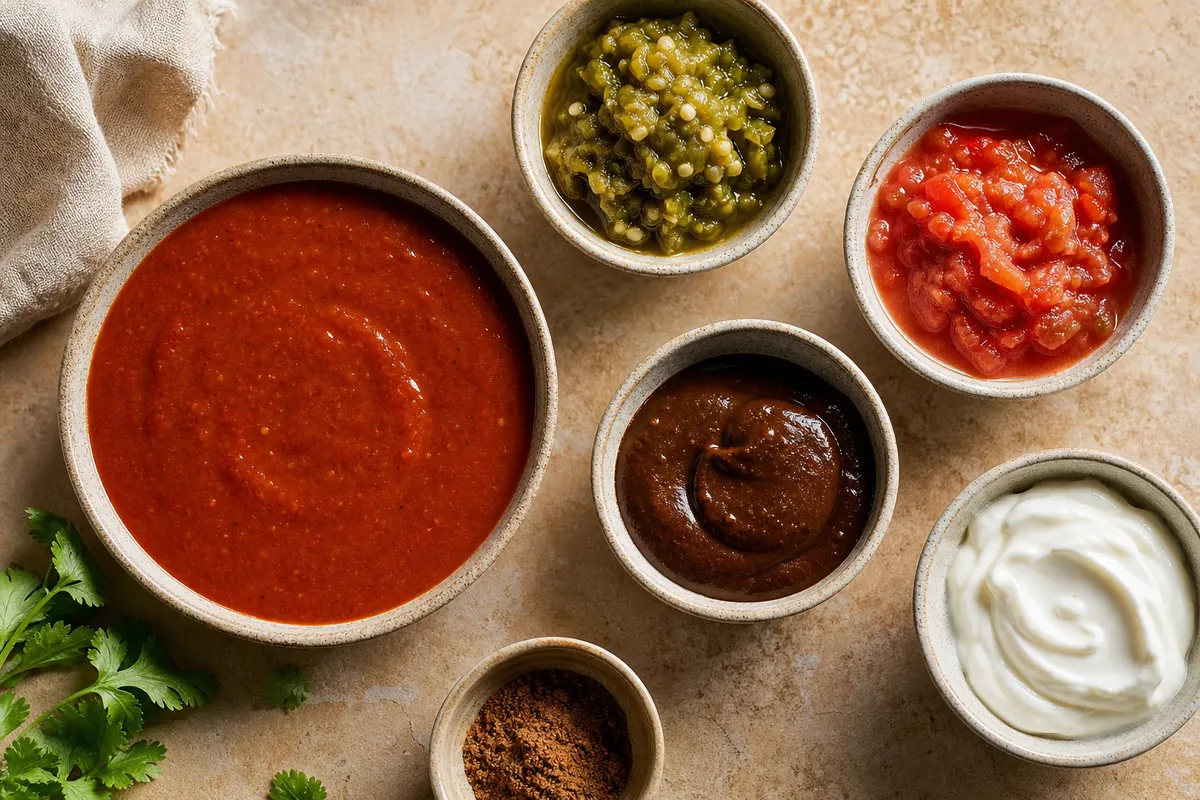 5 Best Enchilada Sauce Substitutes (Honest Picks)
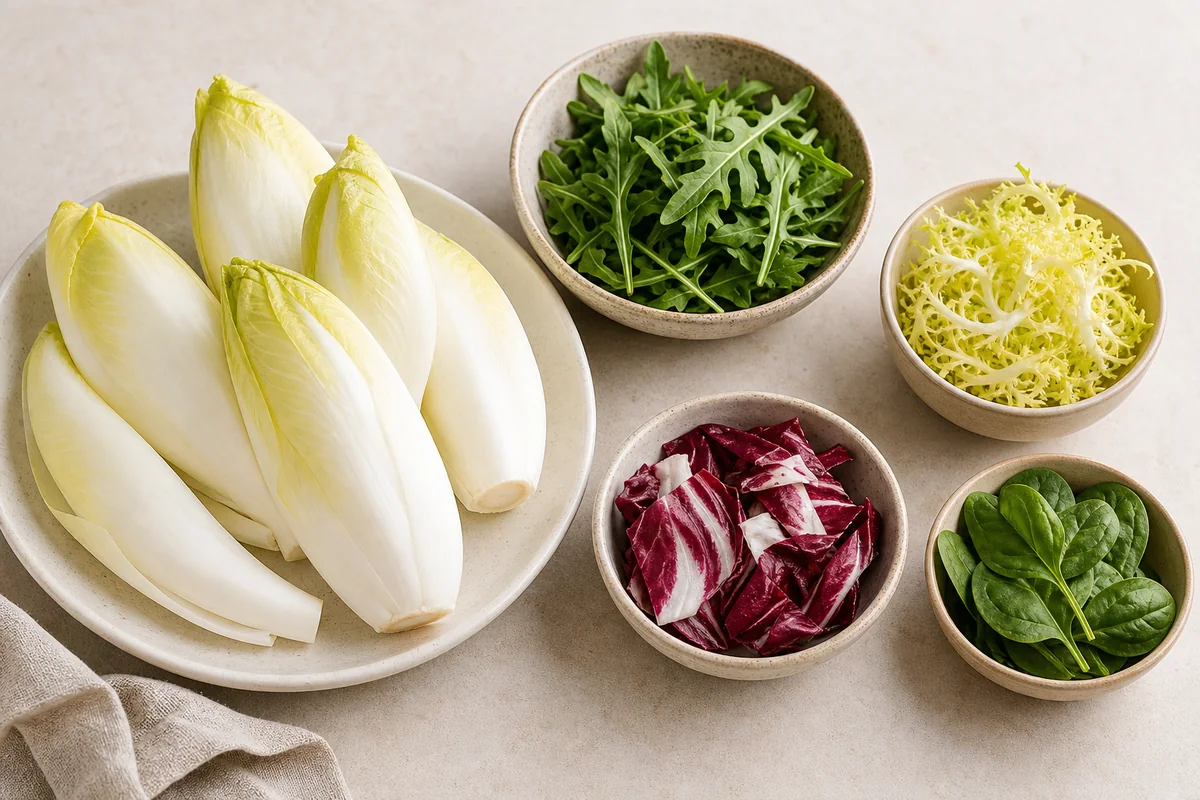 5 Best Endive Substitutes Worth Trying
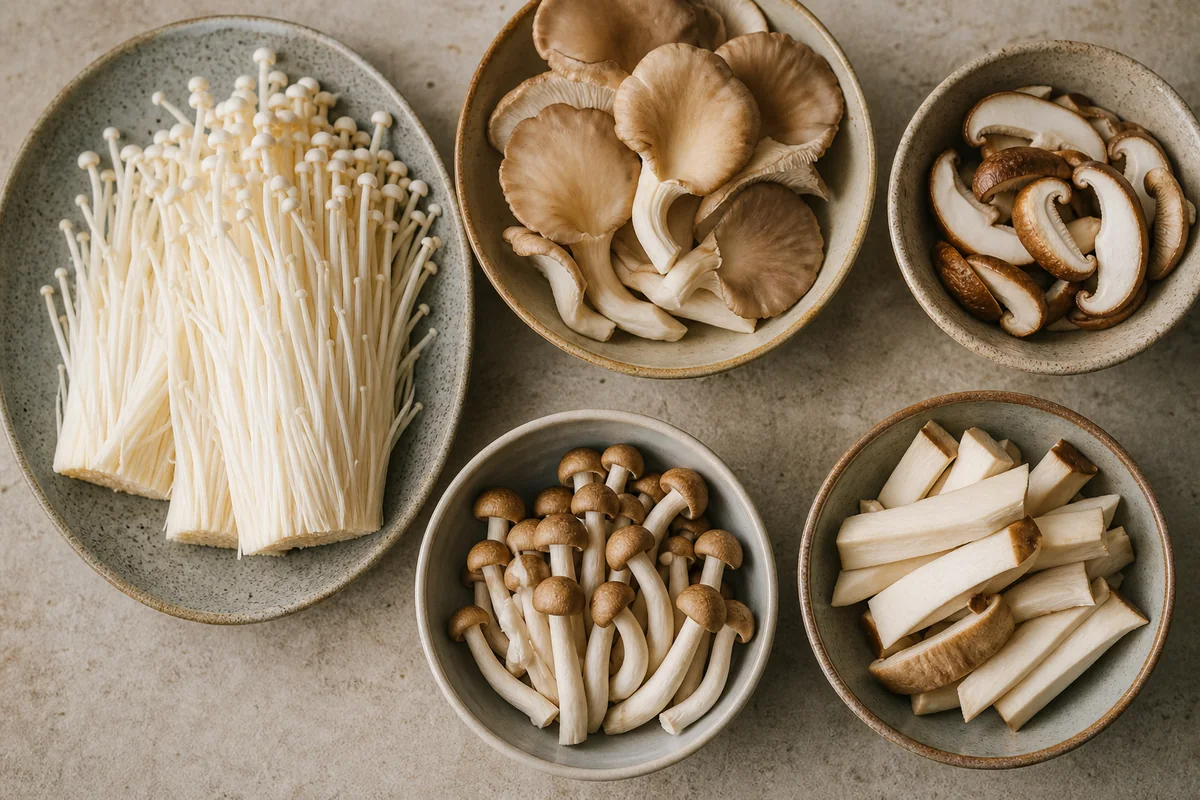 5 Best Enoki Mushroom Substitutes (Ranked)
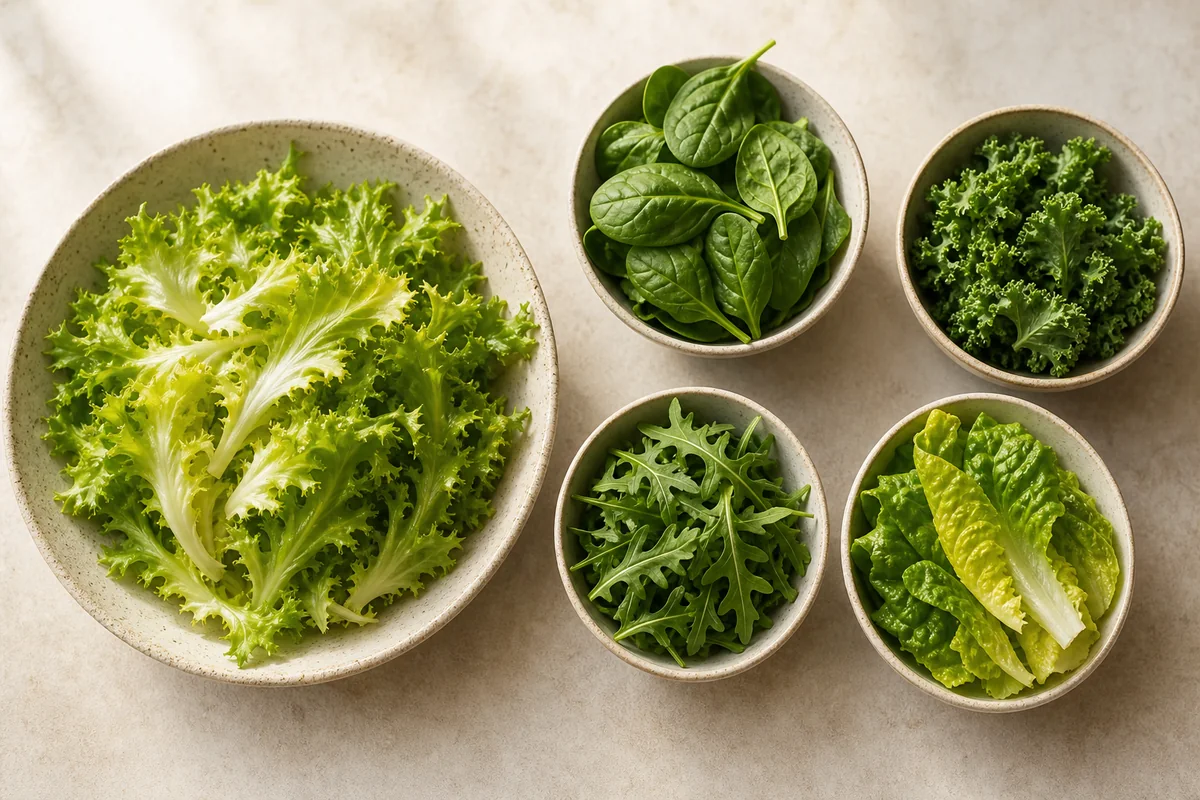 5 Best Escarole Substitutes You Can Trust
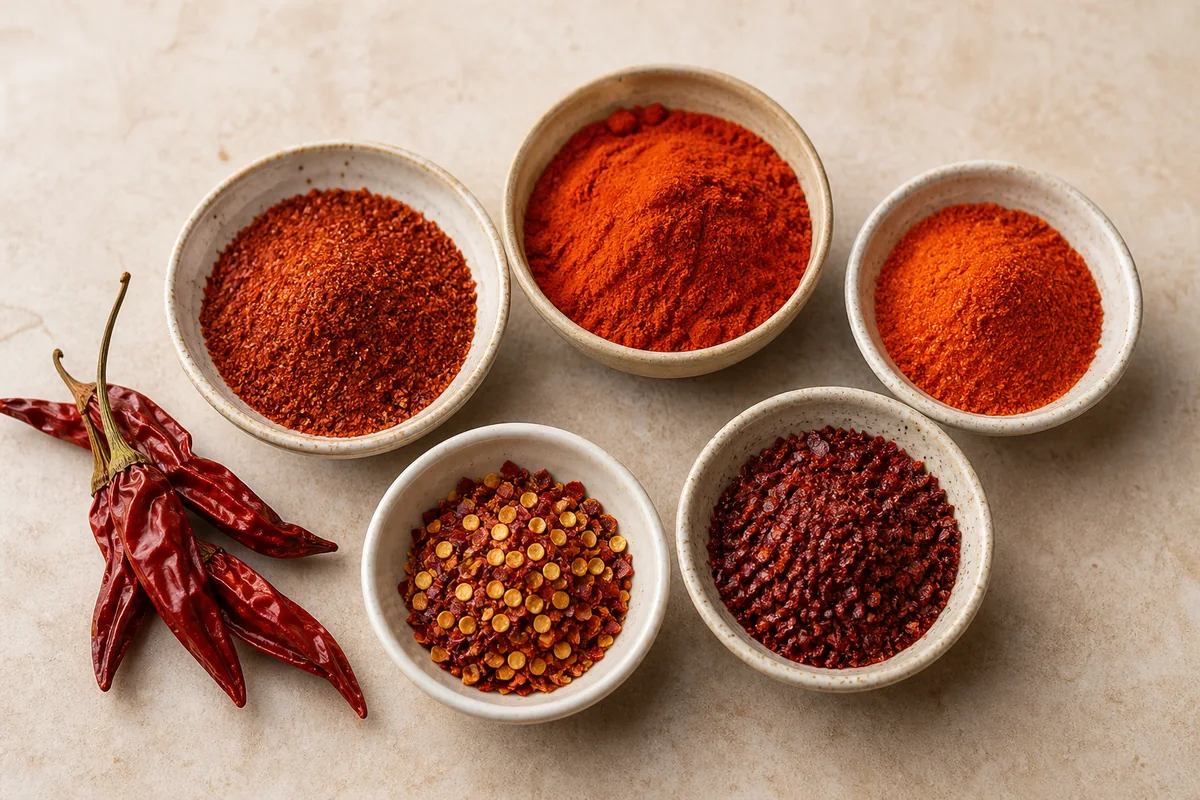 5 Best Espelette Pepper Substitutes in Every Recipe
 5 Best Espresso Powder Substitutes (Ranked)
 5 Best Farina Substitutes (Easy Swaps)
 5 Best Farro Substitutes (Closest Match)
 5 Best Fennel Seed Substitutes (Easy Swaps)
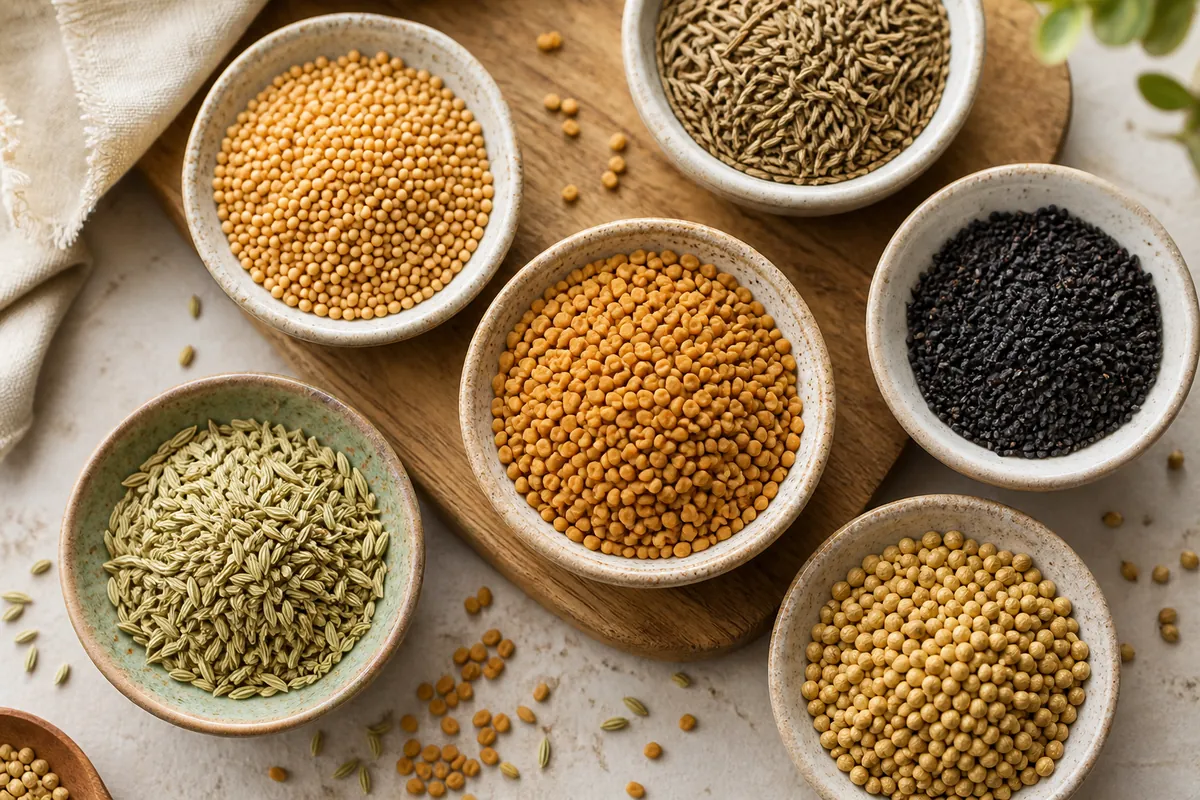 5 Best Fenugreek Seed Substitutes You Can Trust
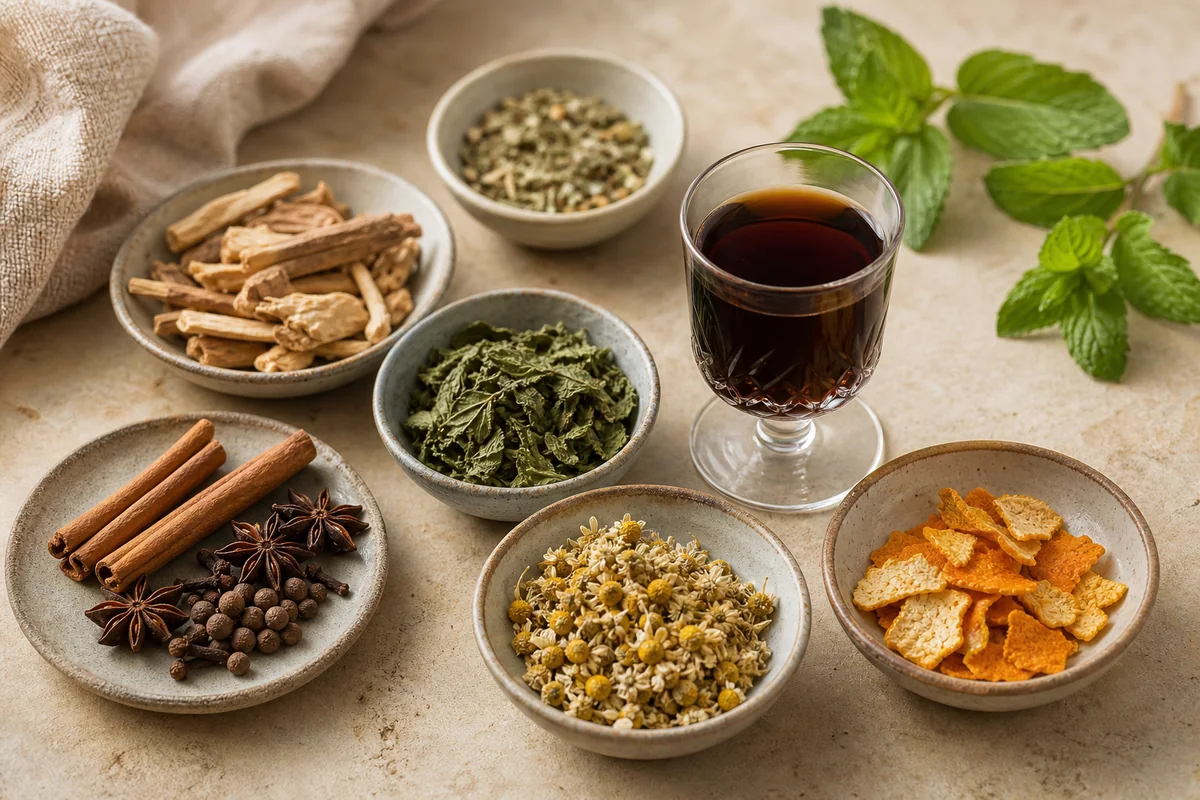 5 Best Fernet Branca Substitutes for Any Recipe
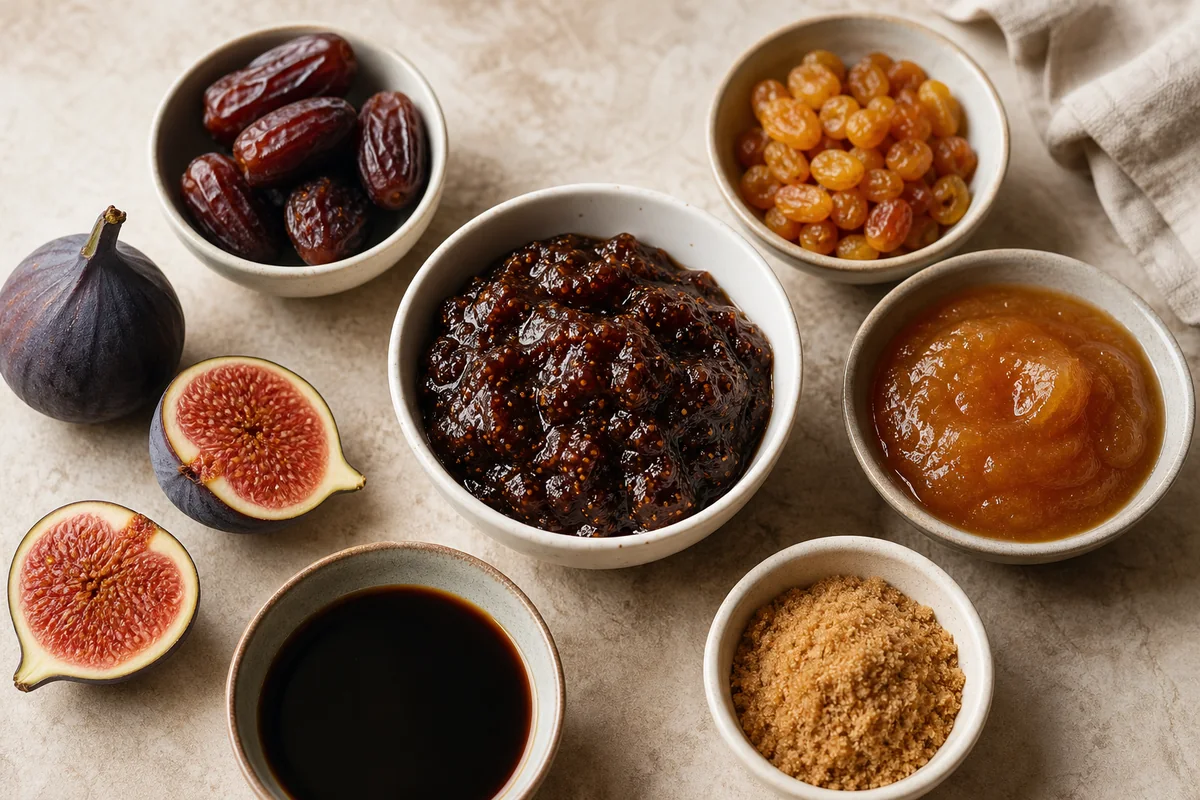 5 Best Fig Jam Substitutes That Taste Right
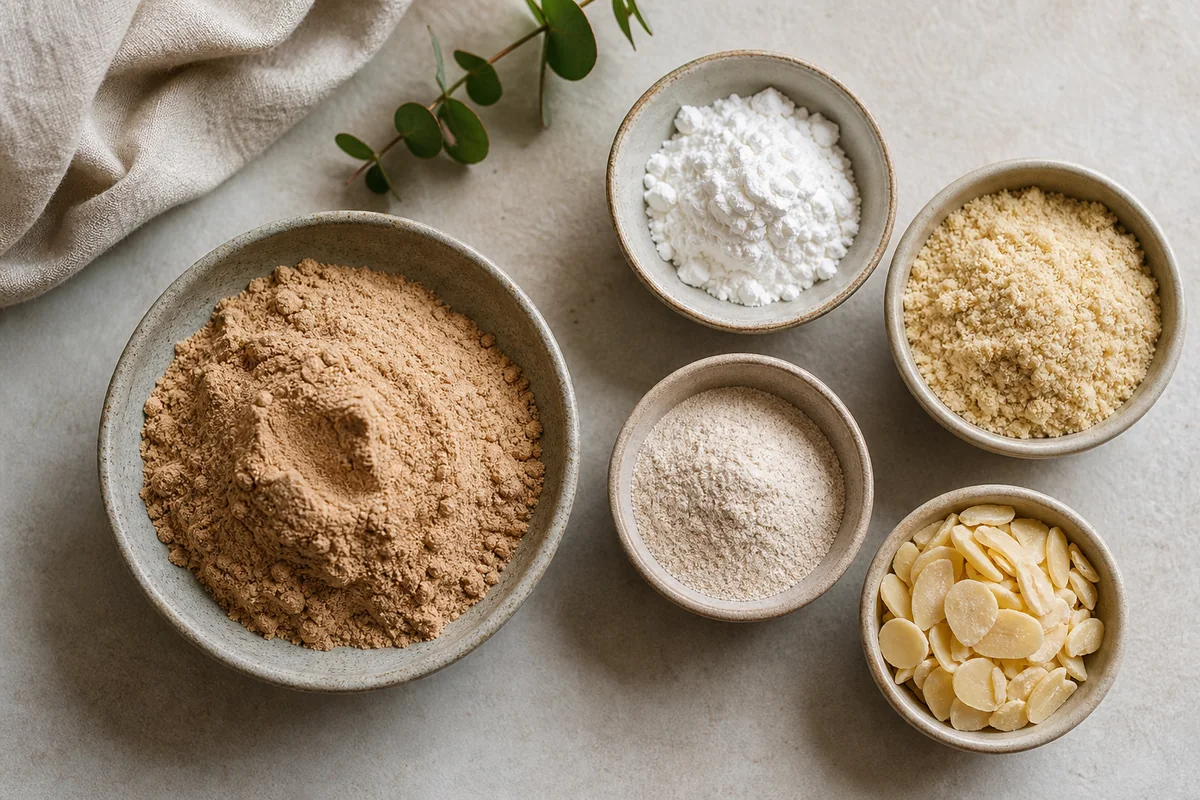 5 Best File Powder Substitutes (Honest Picks)
 5 Best Fiori Di Sicilia Substitutes to Consider
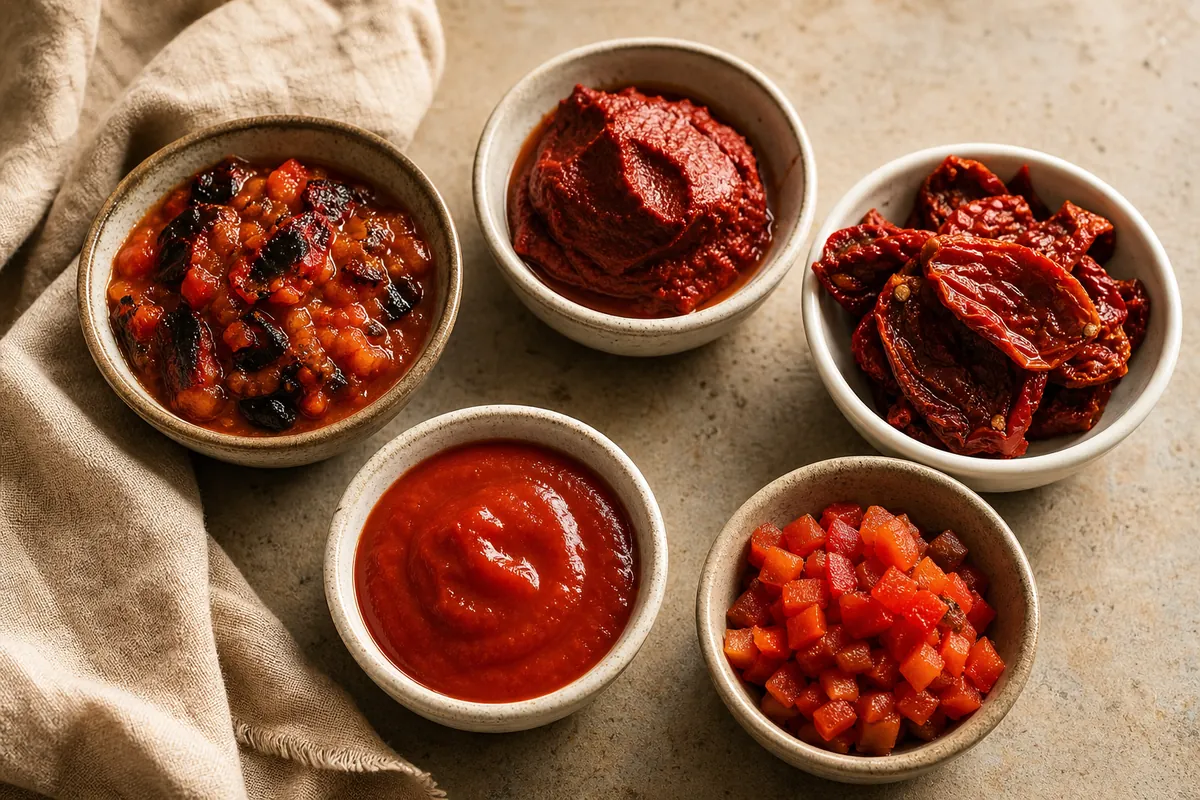 5 Best Fire Roasted Tomato Substitutes (with Ratios)
 5 Best Fish Sauce Substitutes with Honest Flavor Matches
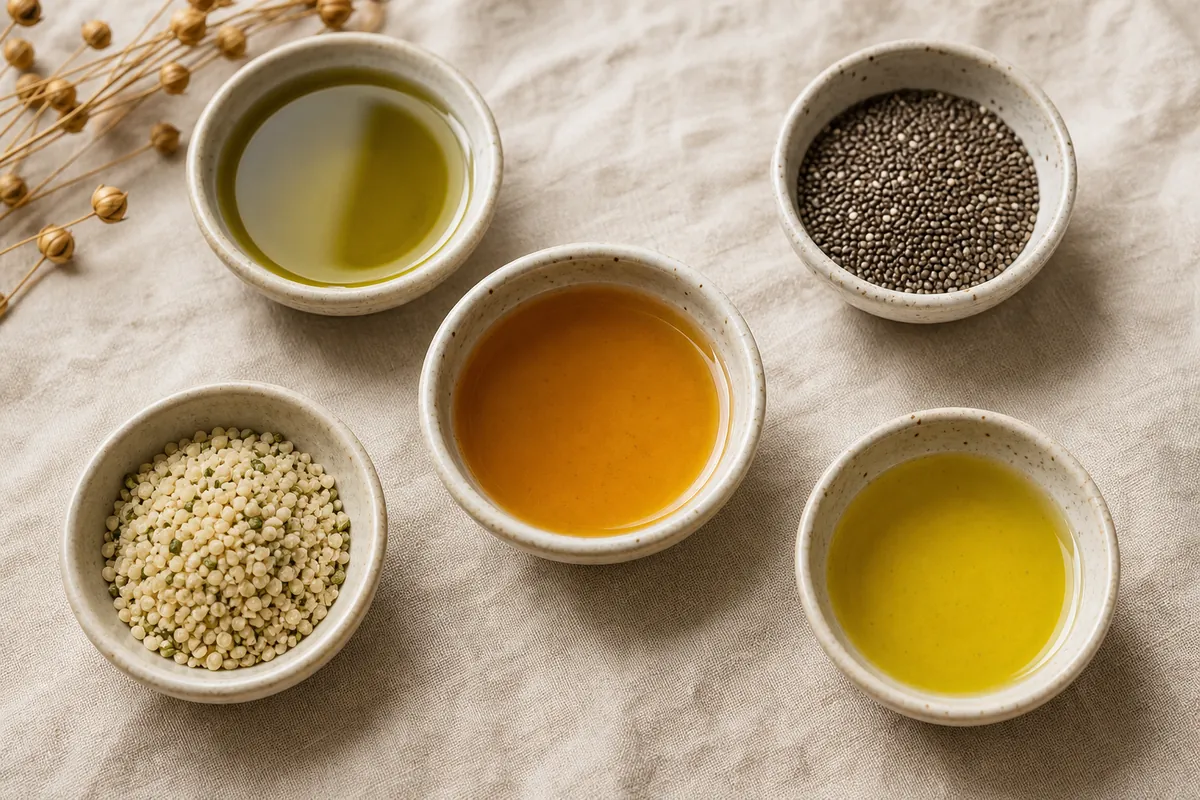 5 Best Flaxseed Oil Substitutes (Ranked)
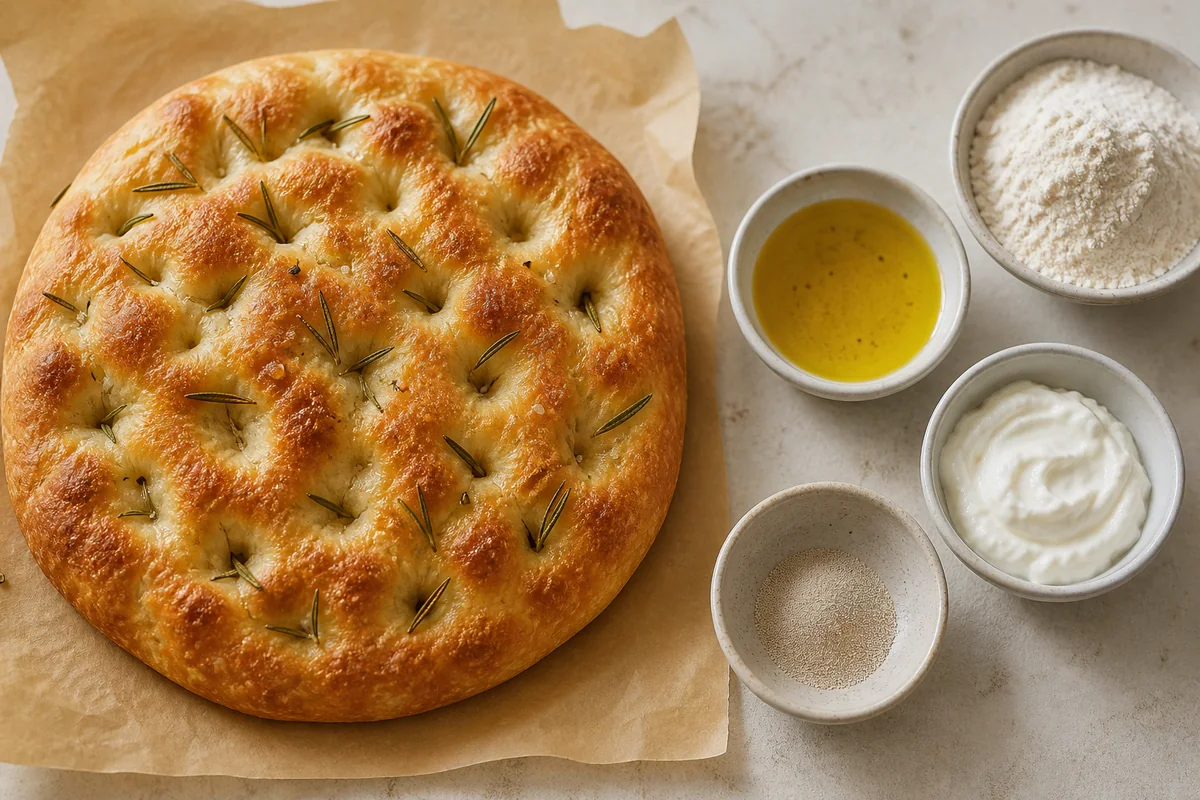 5 Best Focaccia Substitutes (Pantry Swaps)
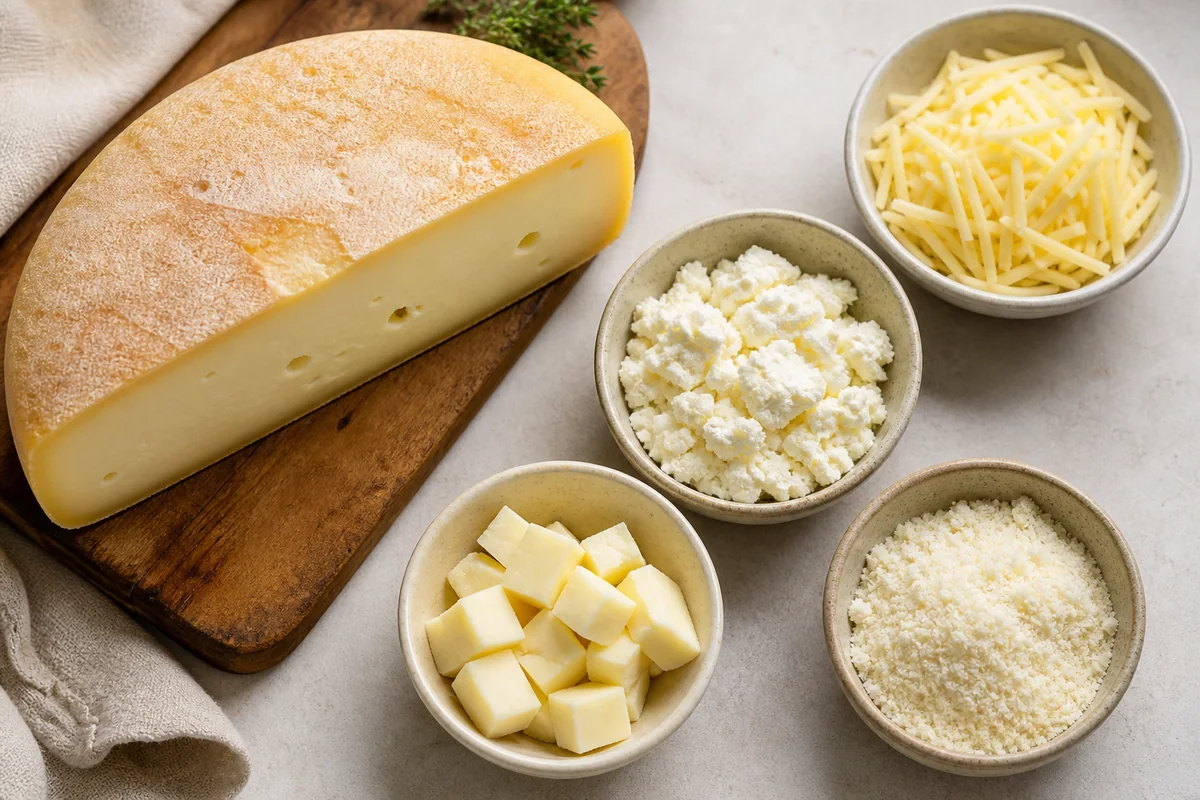 5 Best Fontina Cheese Substitutes (with Ratios)
 5 Best Fontinella Cheese Substitutes (Honest Picks)
 5 Best Frangelico Substitutes (Quick Swaps)
 5 Best Fresno Pepper Substitutes (Pantry Swaps)
 5 Best Fromage Blanc Substitutes Worth Trying
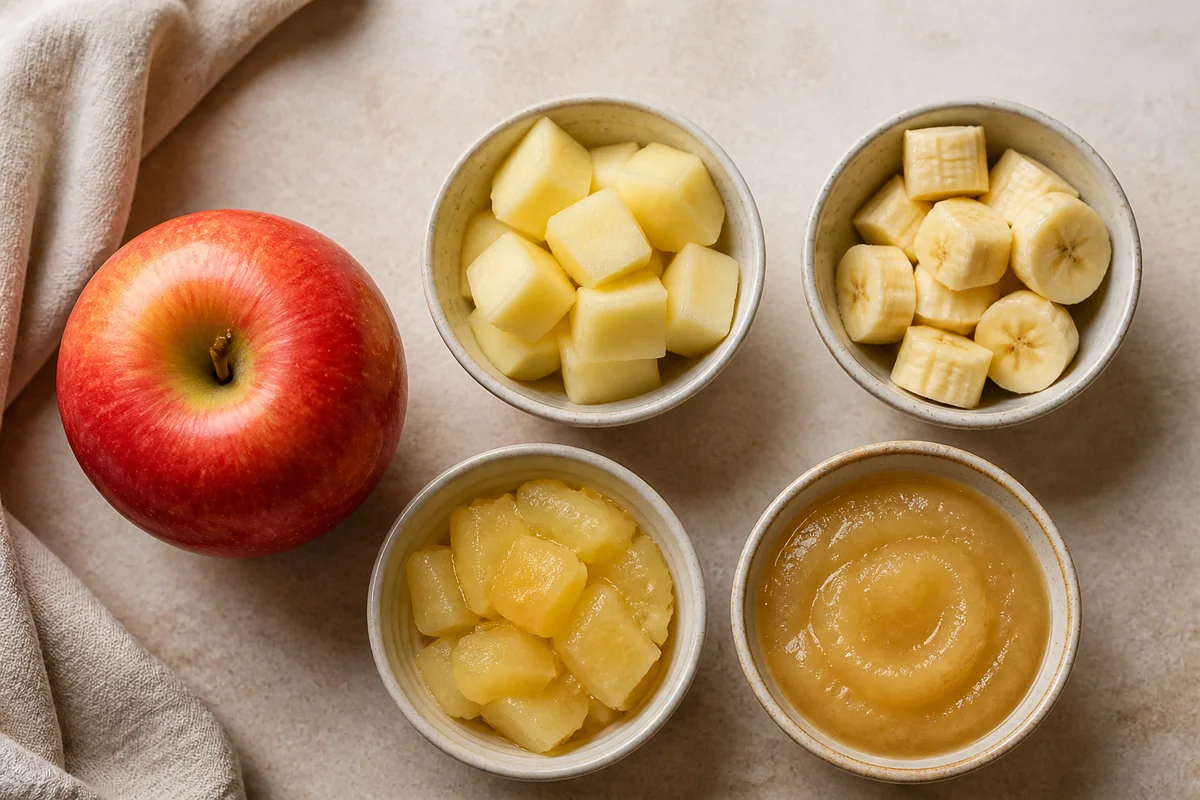 5 Best Fuji Apple Substitutes That Taste Right
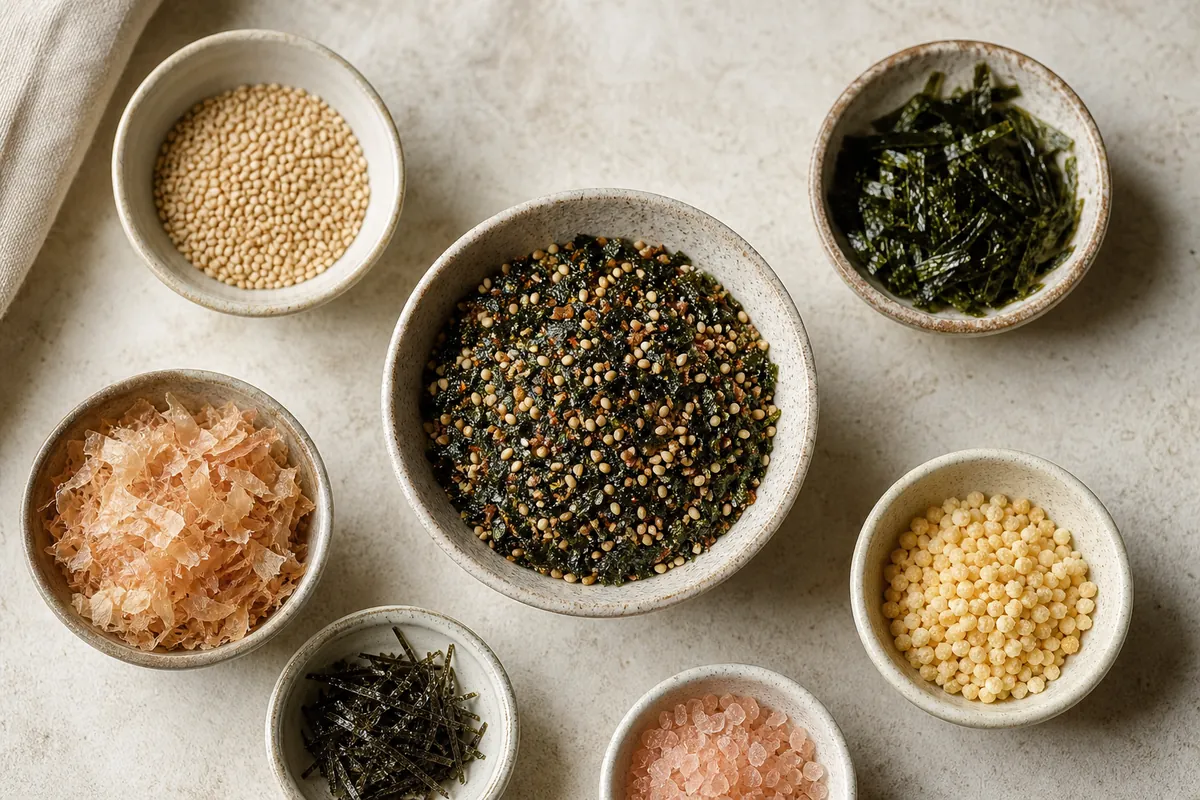 5 Best Furikake Substitutes (Easy Swaps)
 5 Best Galangal Powder Substitutes to Consider
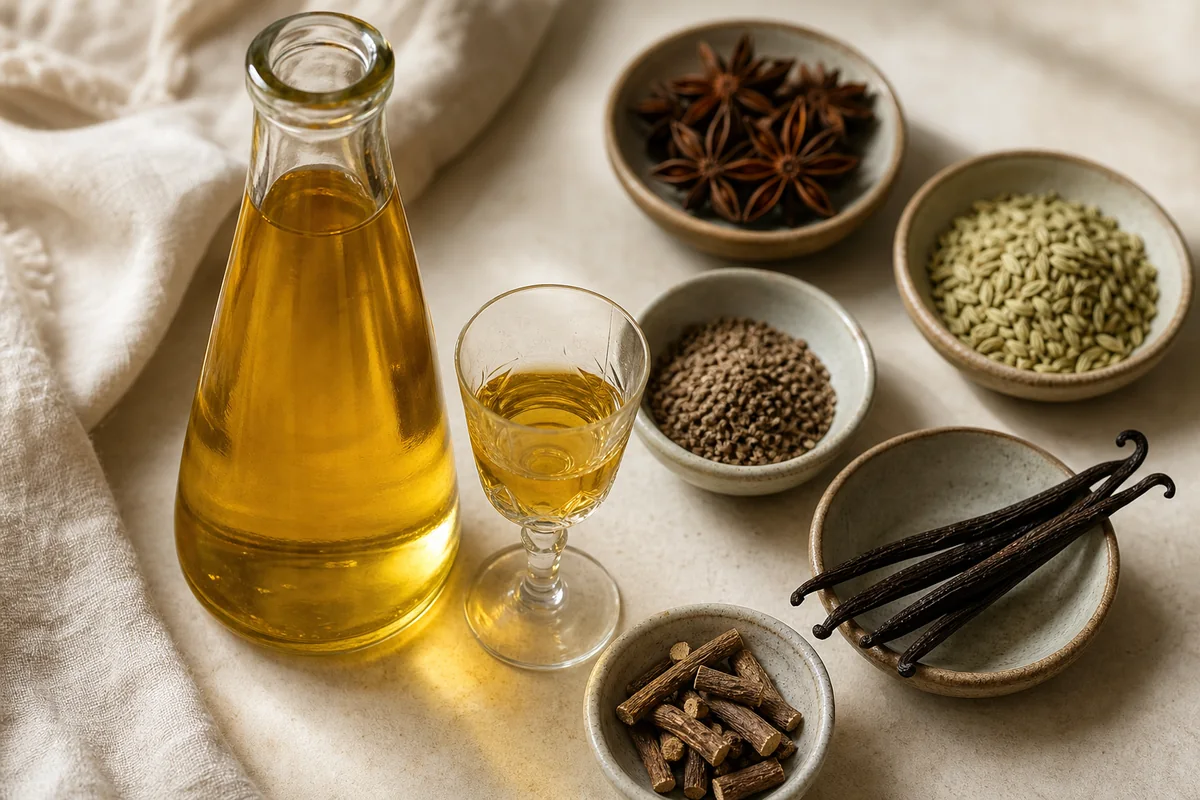 5 Best Galliano Substitutes (Closest Match)
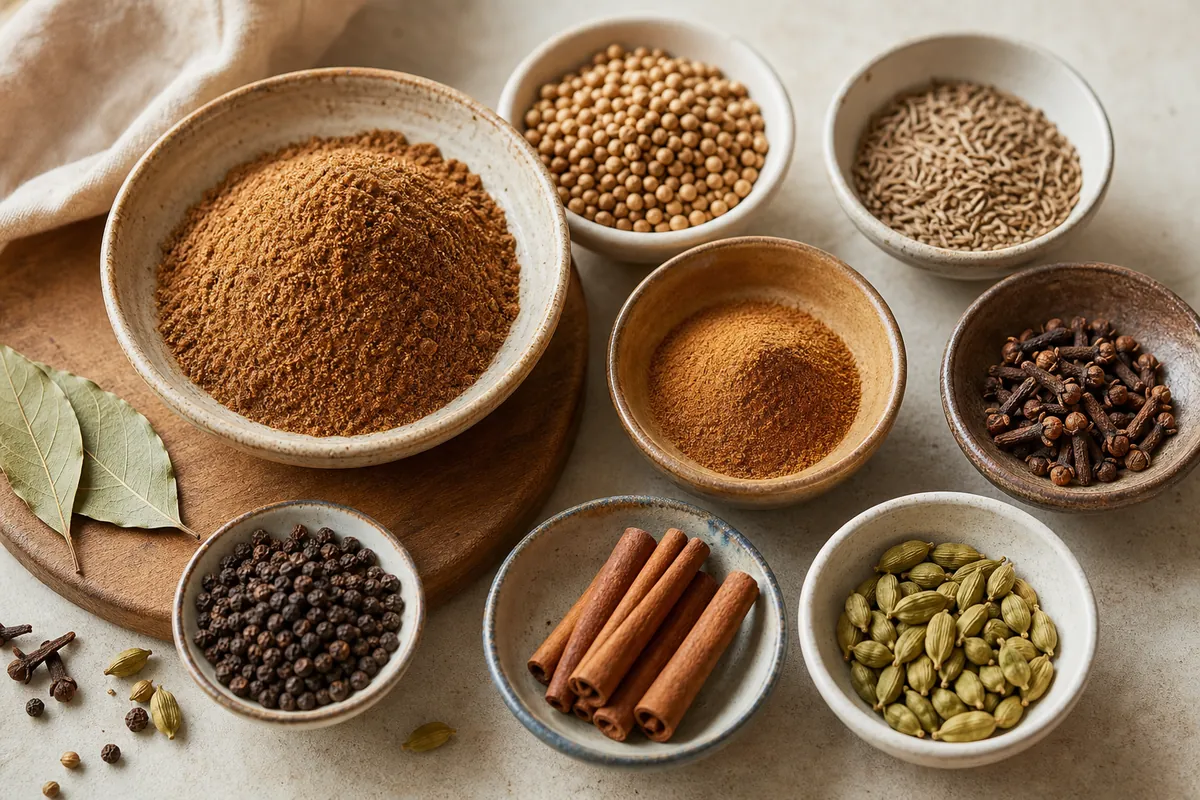 5 Best Garam Masala Substitutes That Taste Right
 5 Best Garlic Paste Substitutes (Flavor-Matched)
 5 Best Garlic Powder Substitutes (Quick Swaps)
 5 Best Ginger Garlic Paste Substitutes (Easy Swaps)
 5 Best Ginger Paste Substitutes
 5 Best Goat Cheese Substitutes Worth Trying
 5 Best Gochugaru Substitutes (with Ratios)
 5 Best Gochujang Substitutes (Flavor-Matched)
 5 Best Gouda Cheese Substitutes (That Actually Work)
 5 Best Graham Cracker Substitutes for Any Recipe
 5 Best Graham Flour Substitutes (Honest Picks)
 5 Best Grand Marnier Substitutes (with Ratios)
 5 Best Granola Substitutes
 5 Best Grapefruit Juice Substitutes (That Actually Work)
 5 Best Grapefruit Substitutes (Easy Swaps)
 5 Best Grapeseed Oil Substitutes Worth Trying
 5 Best Gravy Master Substitutes for Any Recipe
 5 Best Greek Yogurt Substitutes (Closest Match)
 5 Best Green Cabbage Substitutes
 5 Best Green Chartreuse Substitutes You Can Trust
 5 Best Green Curry Paste Substitutes (Ranked)
 5 Best Green Onion Substitutes You Can Trust
 5 Best Green Pea Substitutes (That Actually Work)
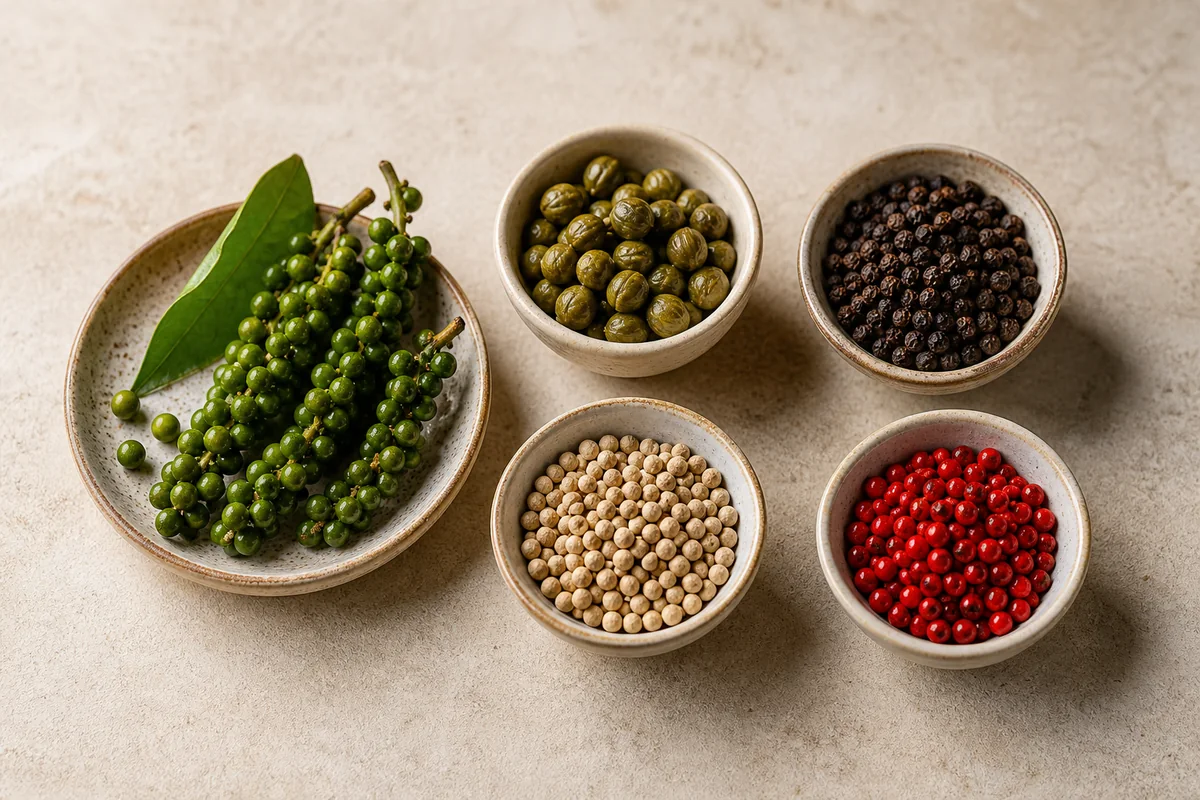 5 Best Green Peppercorn Substitutes (Ranked)
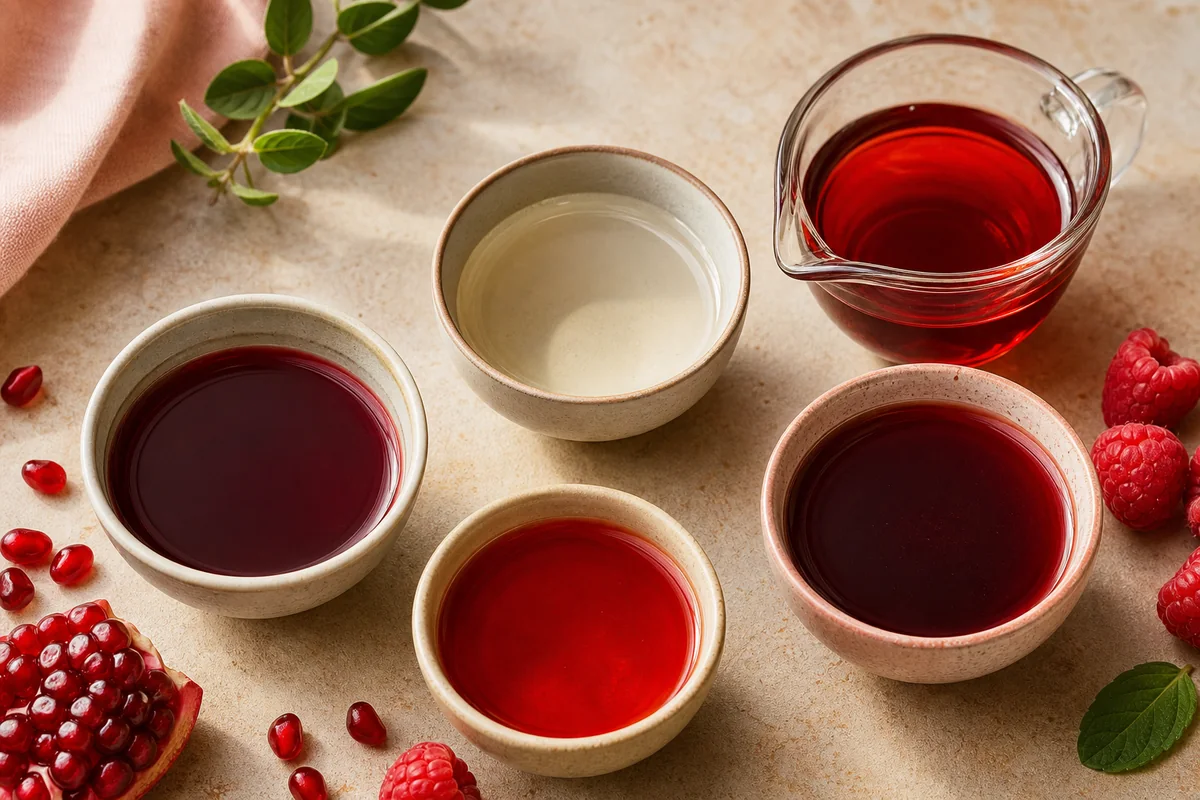 5 Best Grenadine Substitutes in Every Recipe
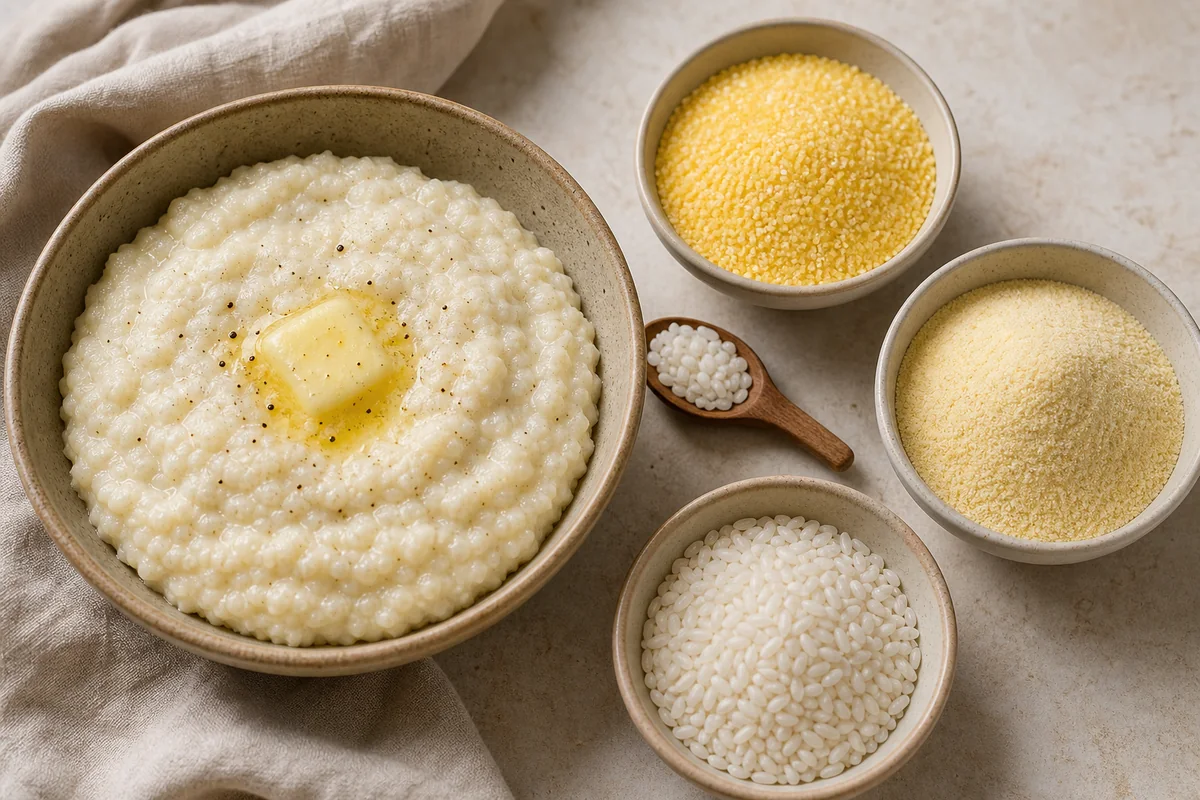 5 Best Grits Substitutes Worth Trying
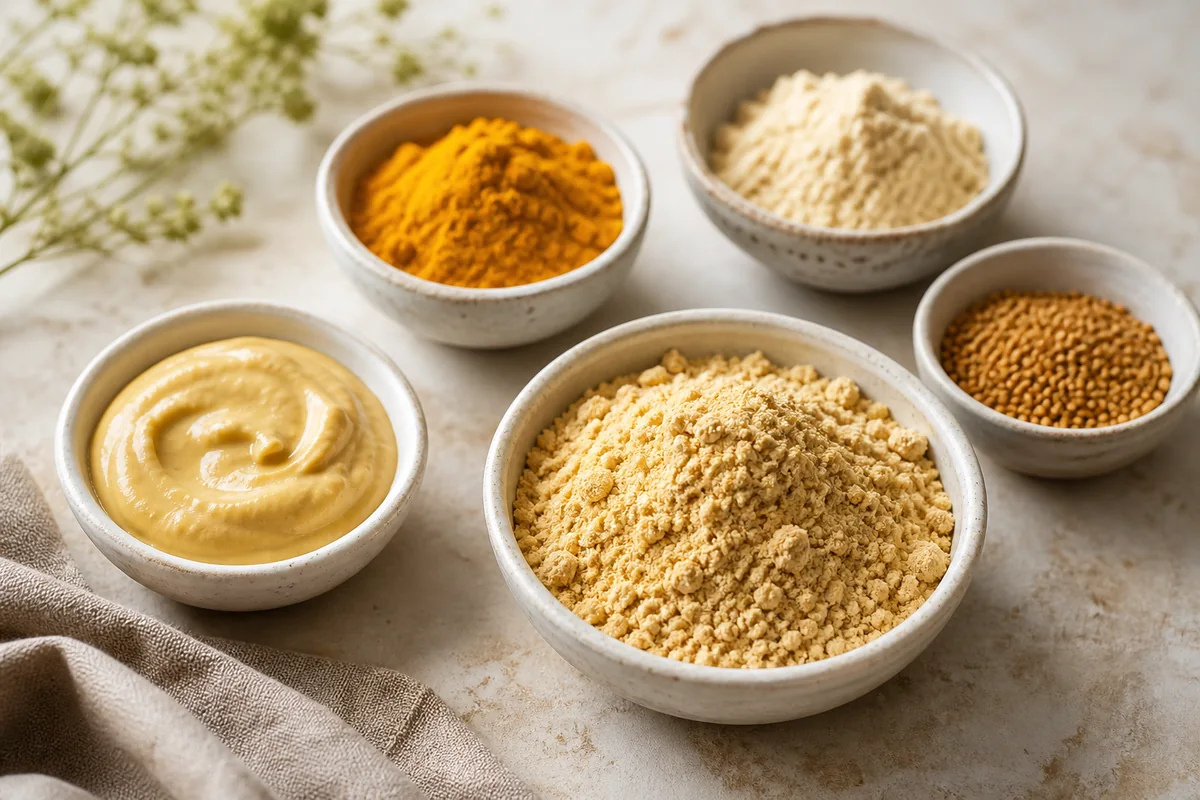 5 Best Ground Mustard Substitutes for Better Results
 5 Best Gruyere Cheese Substitutes (Closest Match)
 5 Best Guajillo Pepper Substitutes (with Ratios)
 5 Best Guar Gum Substitutes (Flavor-Matched)
 5 Best Guava Paste Substitutes for Better Results
 5 Best Guindilla Pepper Substitutes That Taste Right
 5 Best Habanero Pepper Substitutes That Taste Right
 5 Best Hakka Noodle Substitutes (with Ratios)
 5 Best Halibut Substitutes for Better Results
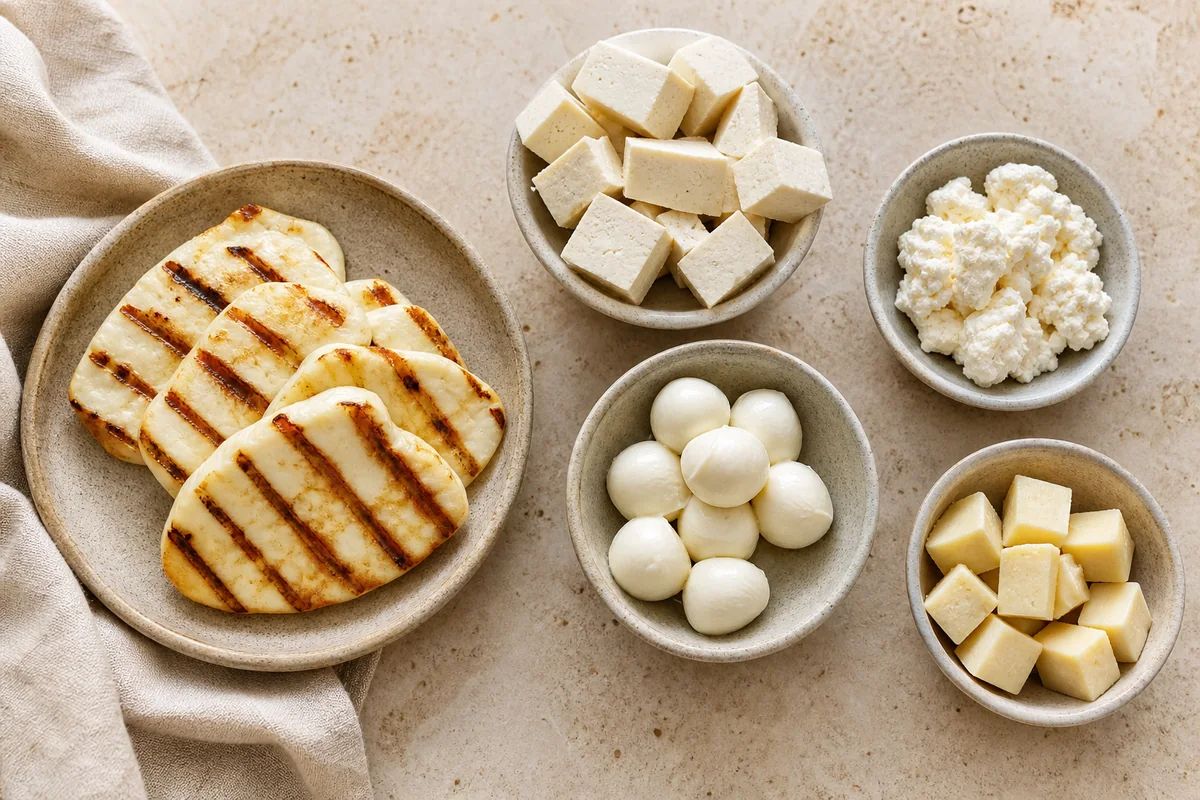 5 Best Halloumi Cheese Substitutes for Home Cooks
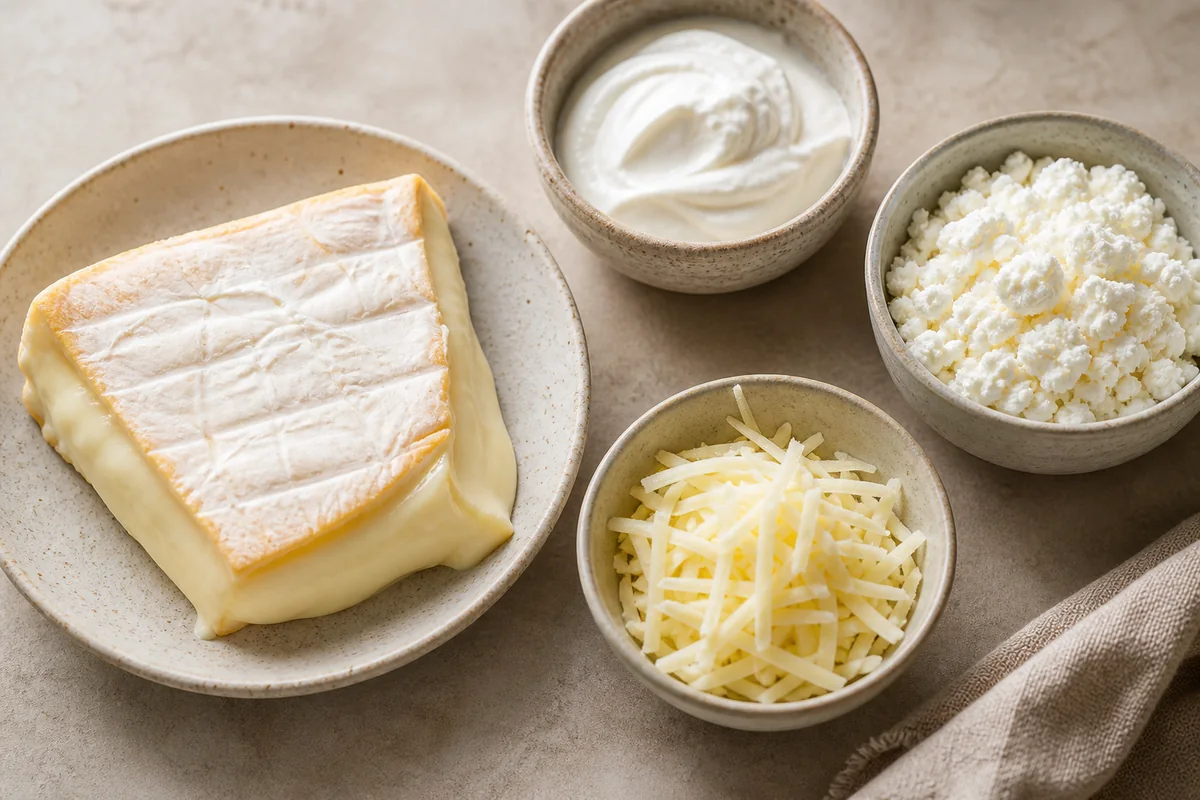 5 Best Harbison Cheese Substitutes You Can Trust
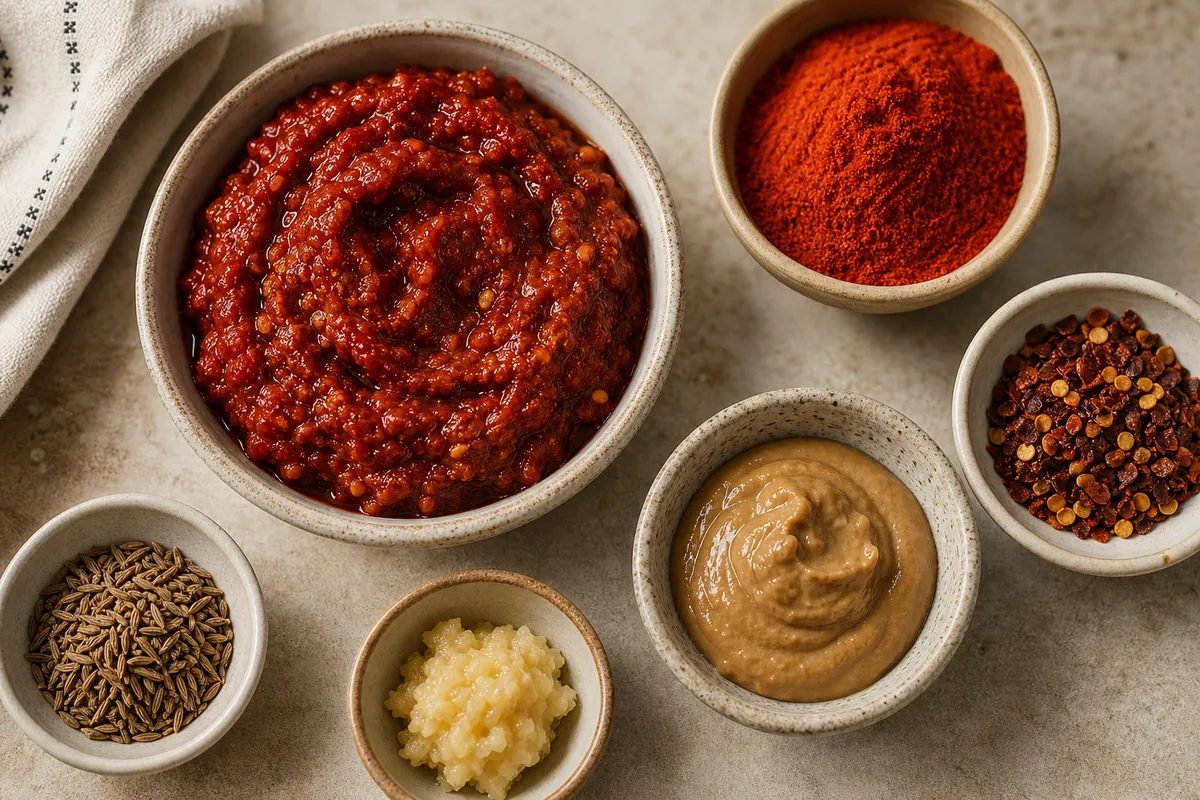 5 Best Harissa Paste Substitutes for Home Cooks
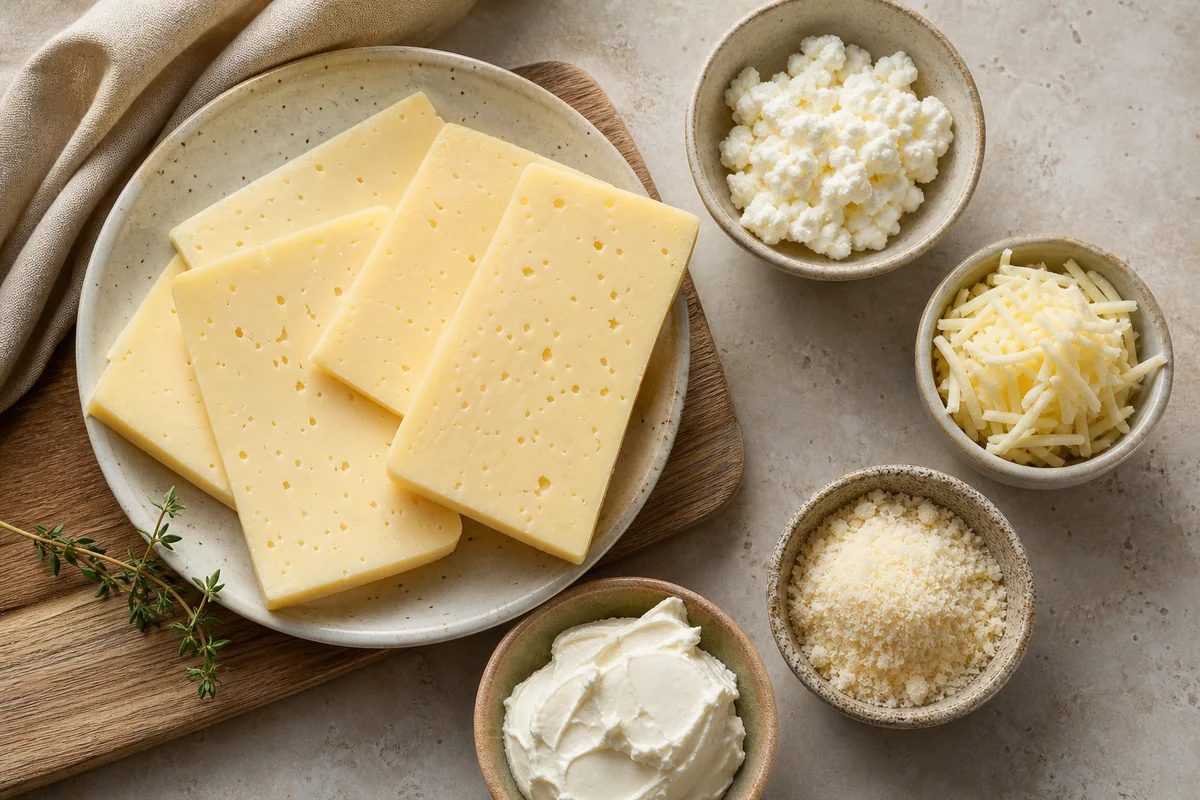 5 Best Havarti Cheese Substitutes You Can Trust
 5 Best Hazelnut Butter Substitutes
 5 Best Hazelnut Flour Substitutes
 5 Best Hazelnut Oil Substitutes (Pantry Swaps)
 5 Best Heavy Cream Substitutes You Can Trust
 5 Best Hemp Oil Substitutes for Better Results
 5 Best Herbs De Provence Substitutes That Taste Right
 5 Best Hispi Cabbage Substitutes for Home Cooks
 5 Best Hoisin Sauce Substitutes (Pantry Swaps)
 5 Best Honeycrisp Apple Substitutes (Closest Match)
 5 Best Hoop Cheese Substitutes (Honest Picks)
 5 Best Horseradish Substitutes (Ranked)
 5 Best Hot Sauce Substitutes (Easy Swaps)
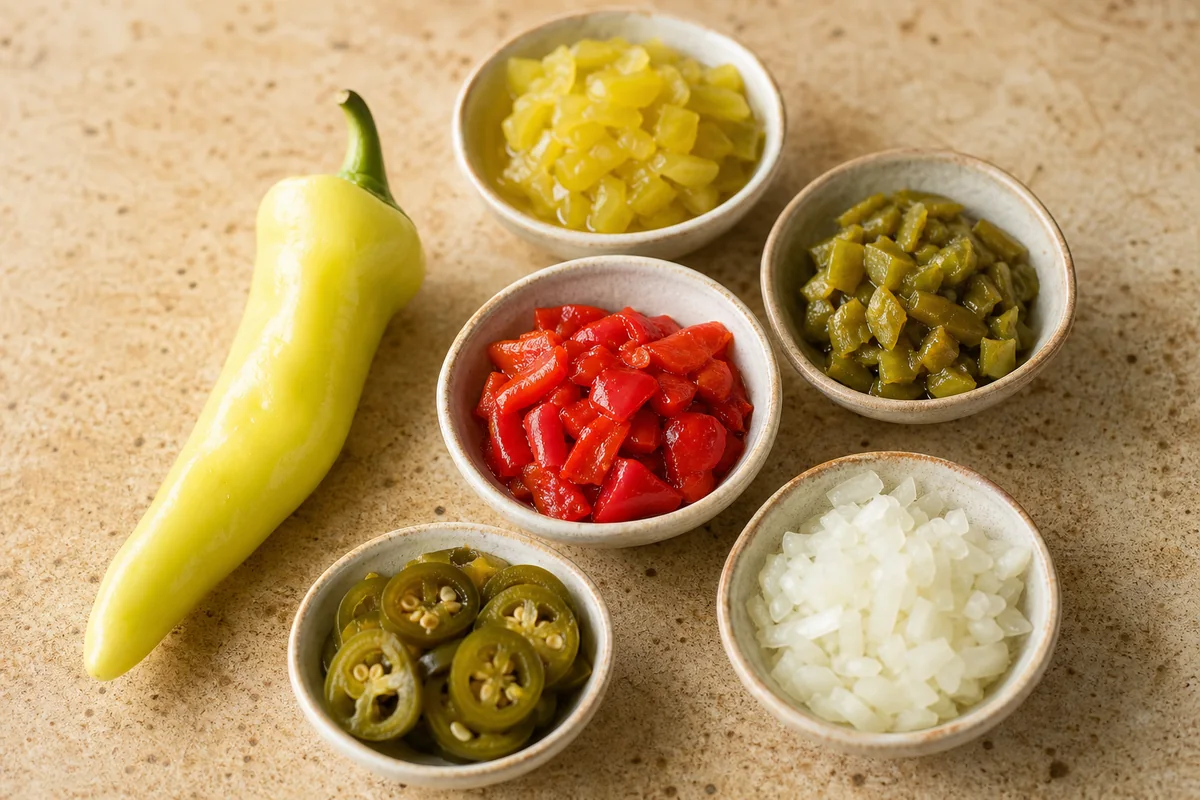 5 Best Hungarian Wax Pepper Substitutes Worth Trying
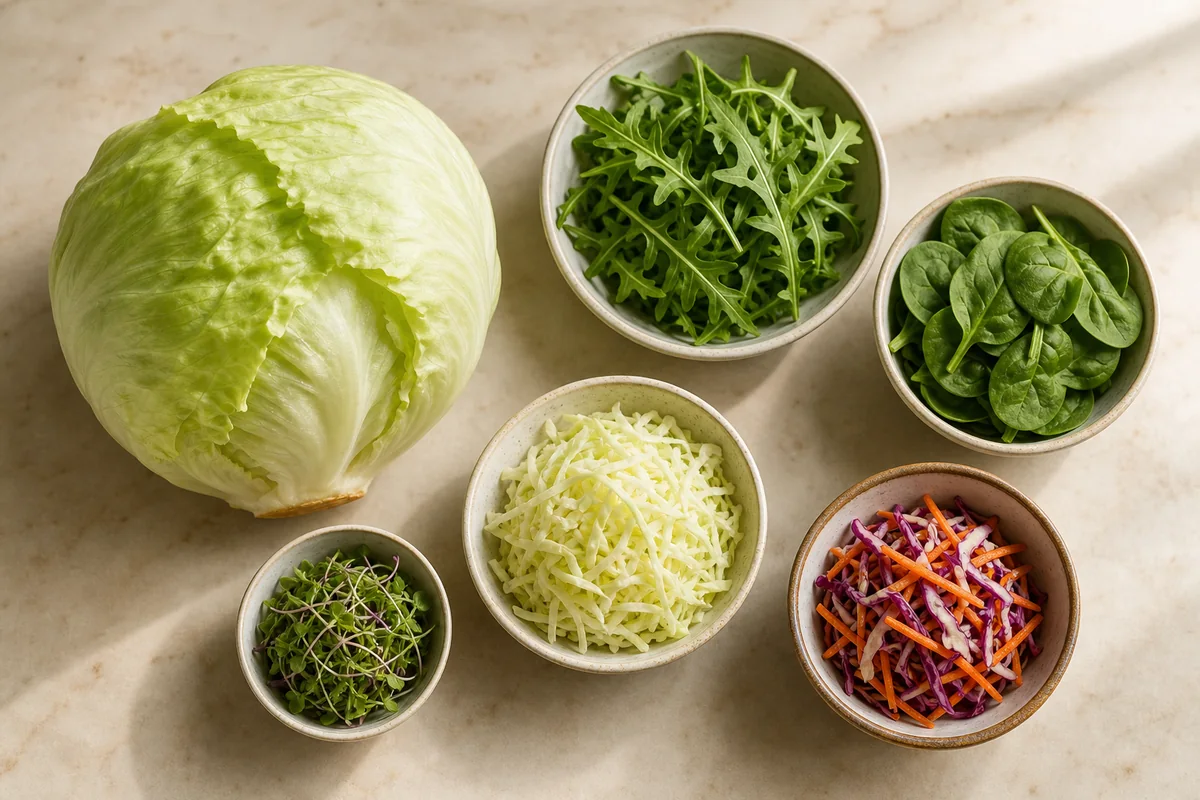 5 Best Iceberg Lettuce Substitutes You Can Trust
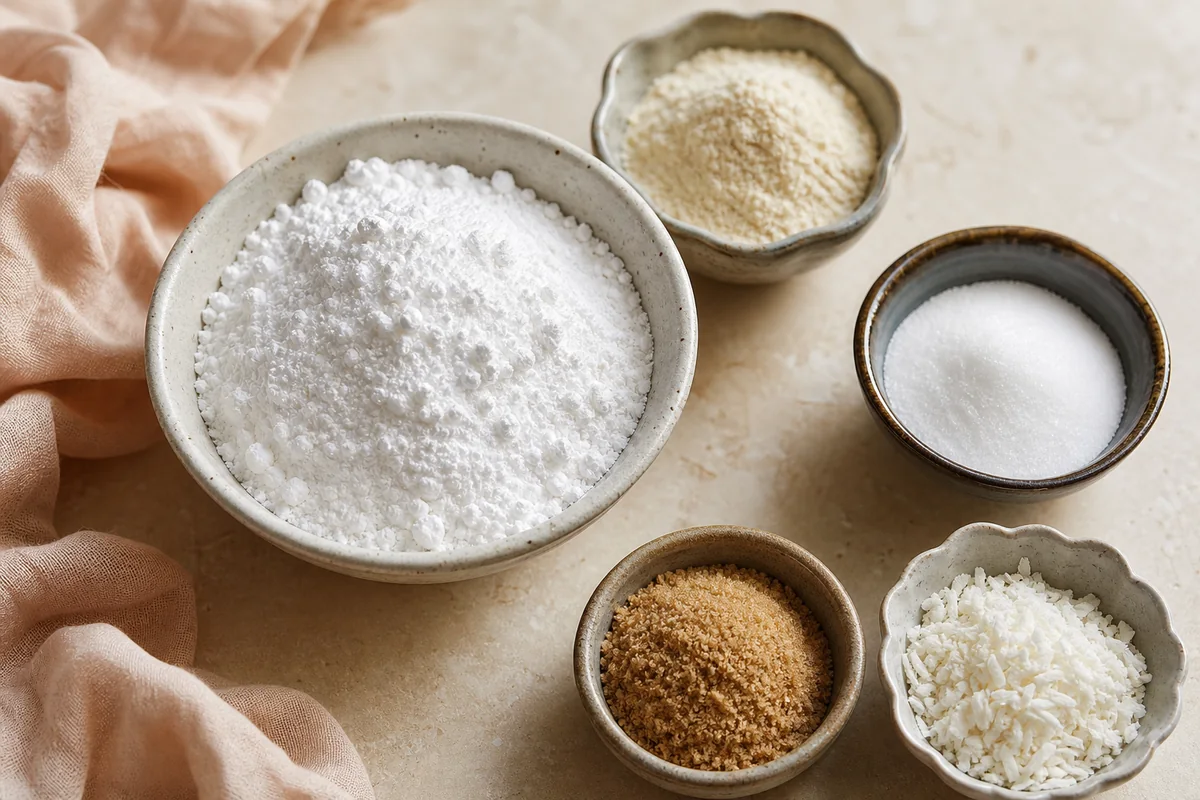 5 Best Icing Sugar Substitutes
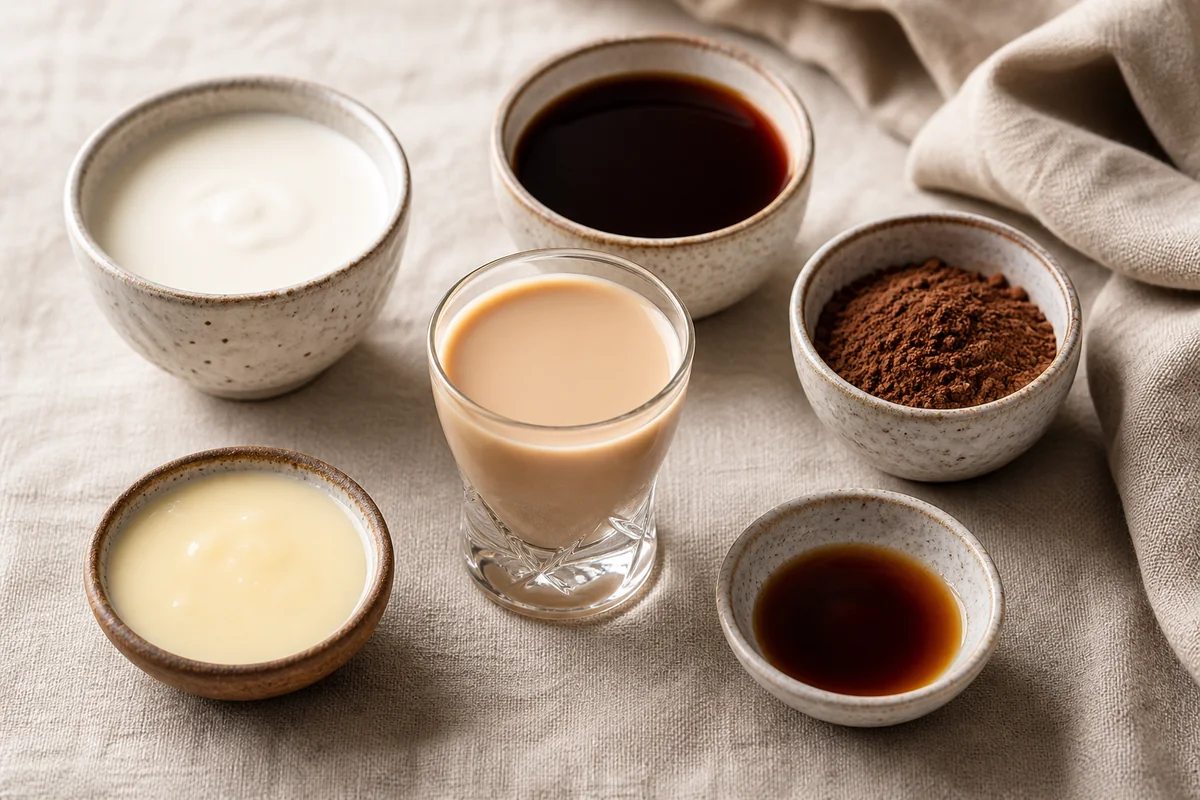 5 Best Irish Cream Substitutes
 5 Best Italicus Liqueur Substitutes (Closest Match)
 5 Best Jaggery Substitutes You Can Trust
 5 Best Jalapeno Pepper Substitutes for Better Results
 5 Best Jam Sugar Substitutes (Pantry Swaps)
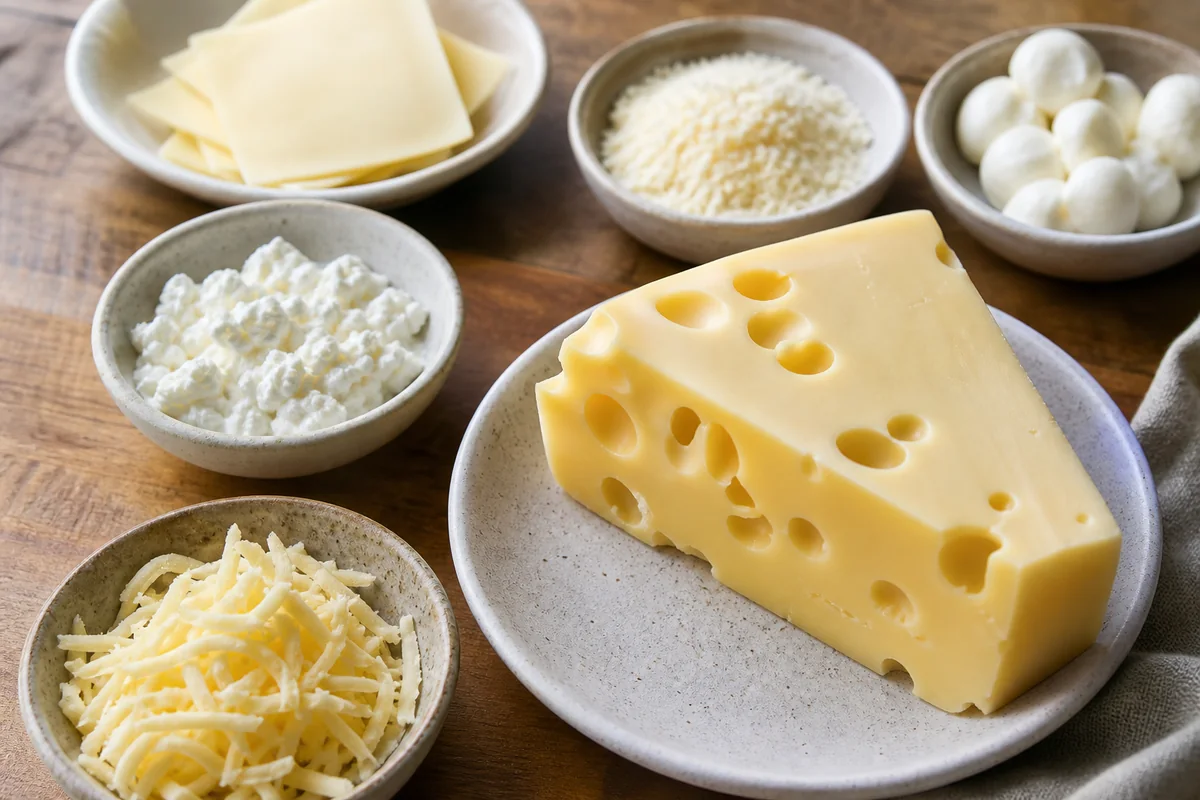 5 Best Jarlsberg Cheese Substitutes (Honest Picks)
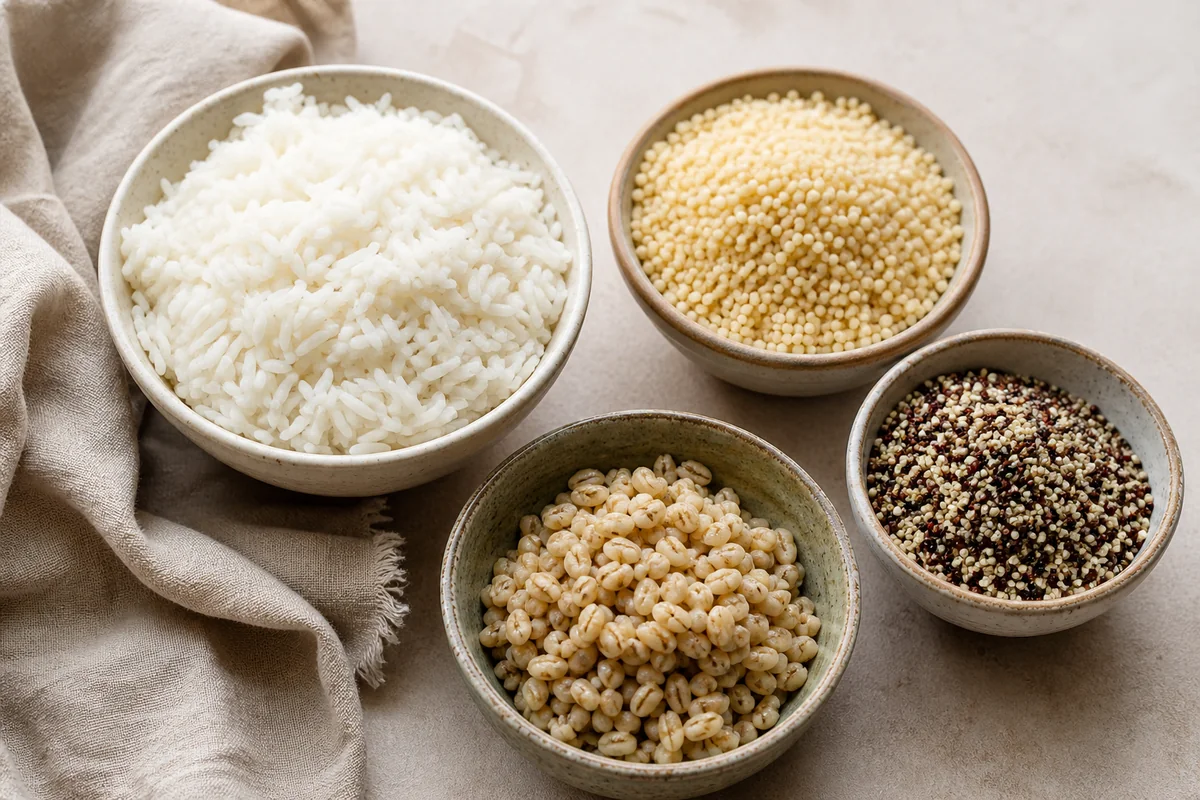 5 Best Jasmine Rice Substitutes for Any Recipe
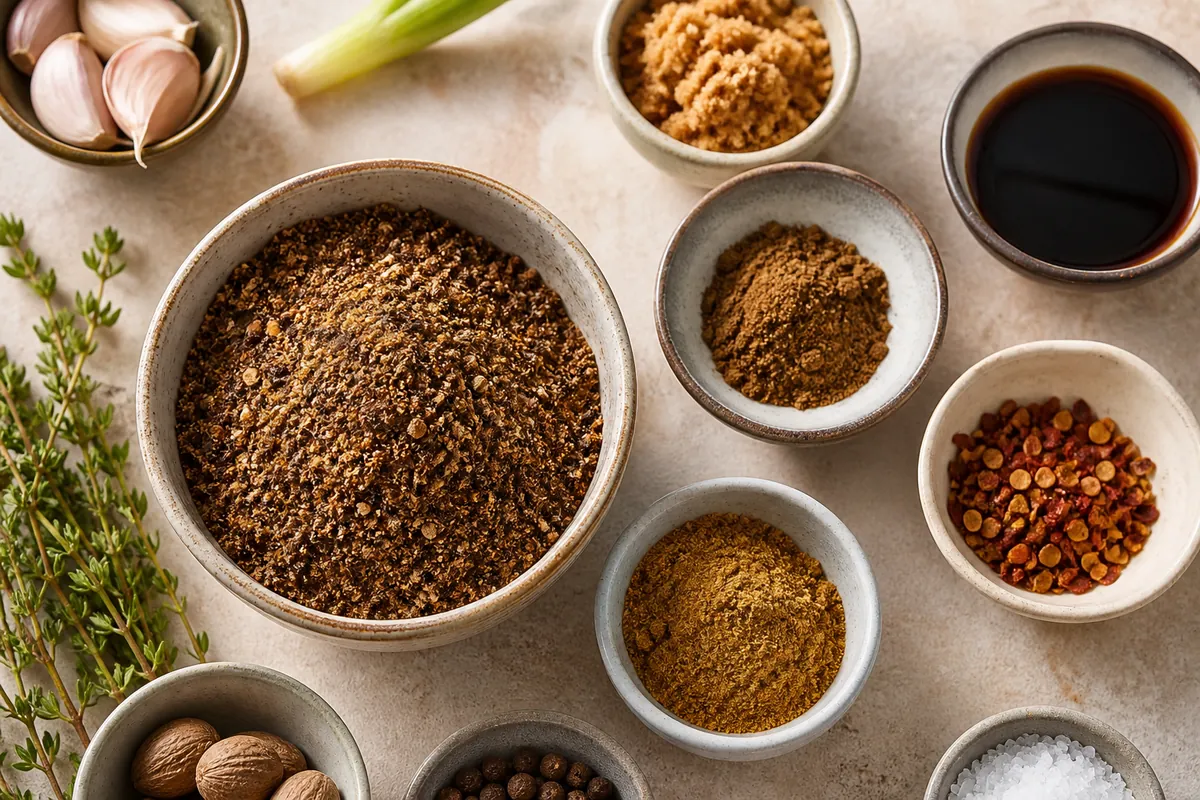 5 Best Jerk Seasoning Substitutes for Any Recipe
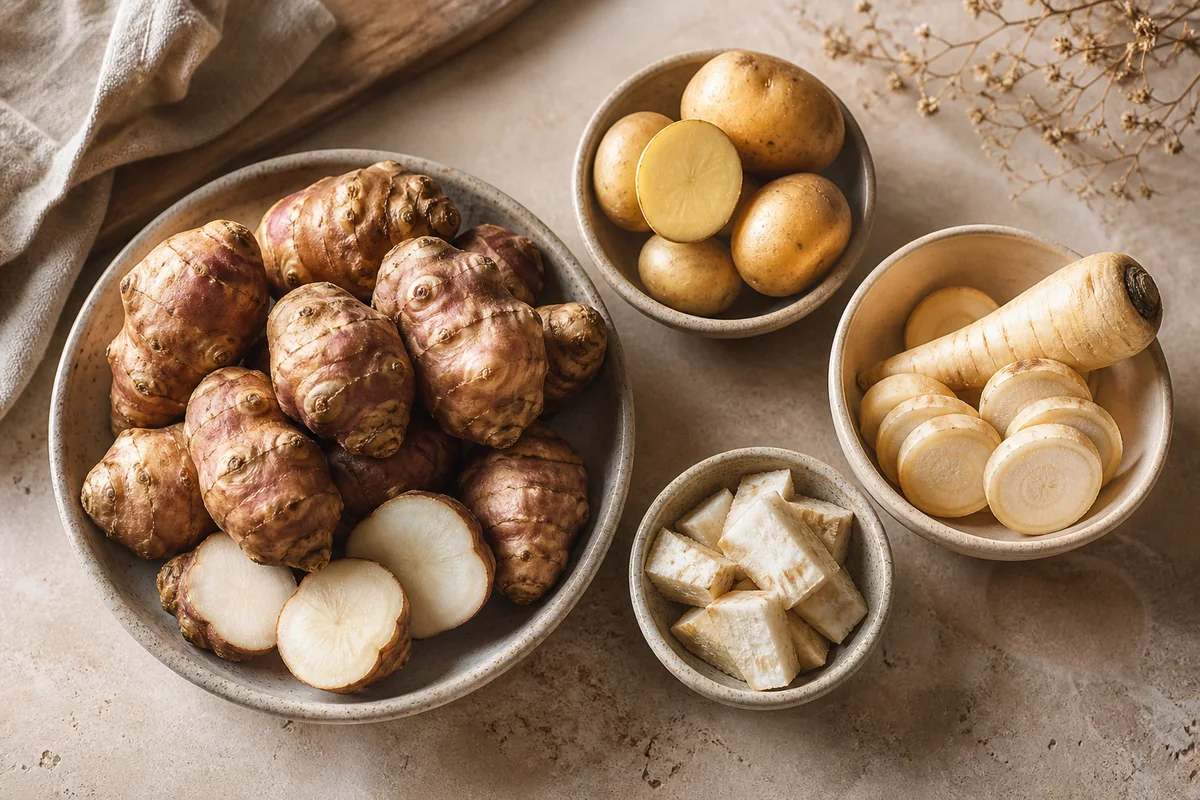 5 Best Jerusalem Artichoke Substitutes (Honest Picks)
 5 Best Jicama Substitutes for Any Recipe
 5 Best Kabocha Squash Substitutes (Easy Swaps)
 5 Best Kaffir Lime Leaf Substitutes (Flavor-Matched)
 5 Best Kahlua Substitutes (with Ratios)
 5 Best Kamut Flour Substitutes (Flavor-Matched)
 5 Best Kashkaval Cheese Substitutes (with Ratios)
 5 Best Kasseri Cheese Substitutes (Easy Swaps)
 5 Best Kefalograviera Cheese Substitutes (Quick Swaps)
 5 Best Kefalotyri Cheese Substitutes (Quick Swaps)
 5 Best Kefir Substitutes
 5 Best Ketchup Substitutes (Easy Swaps)
 5 Best Kewpie Mayo Substitutes (Easy Swaps)
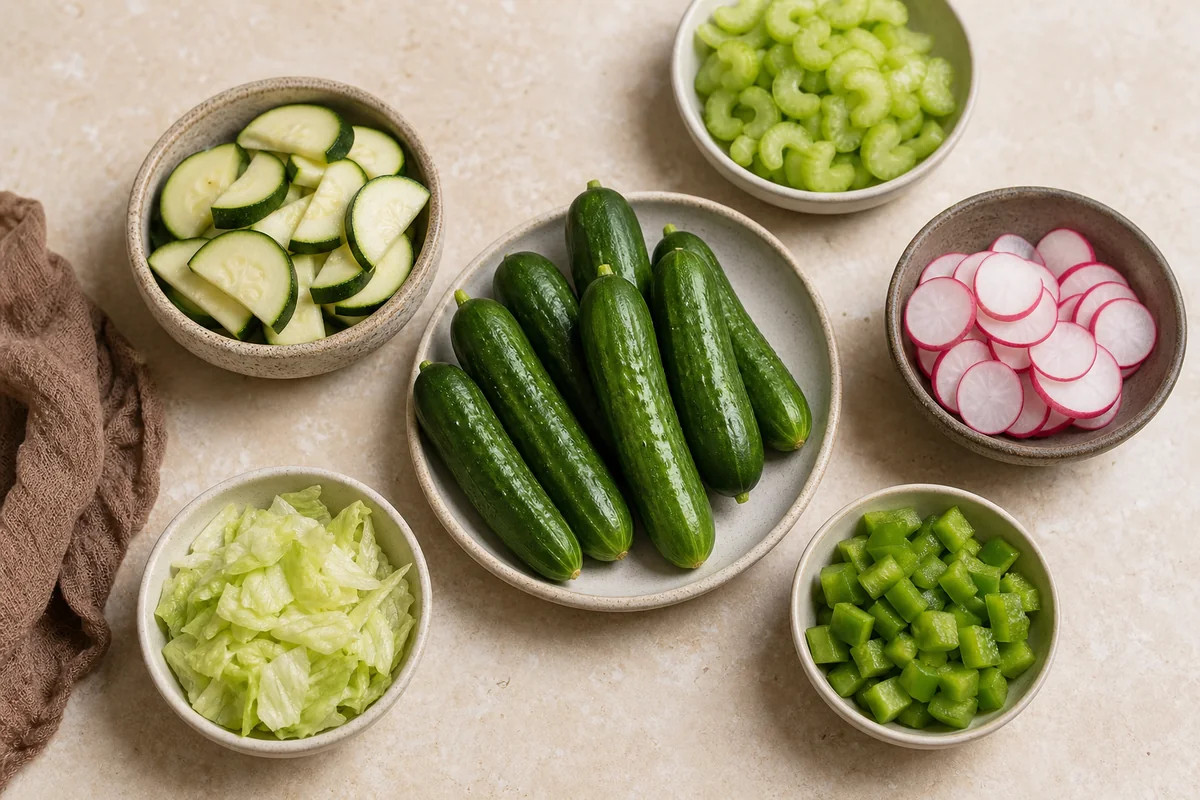 5 Best Kirby Cucumber Substitutes Worth Trying
 5 Best Kirsch Substitutes for Any Recipe
 5 Best Kirsch Substitutes In Fondue That Work in Any Recipe
 5 Best Kitchen Bouquet Substitutes (Easy Swaps)
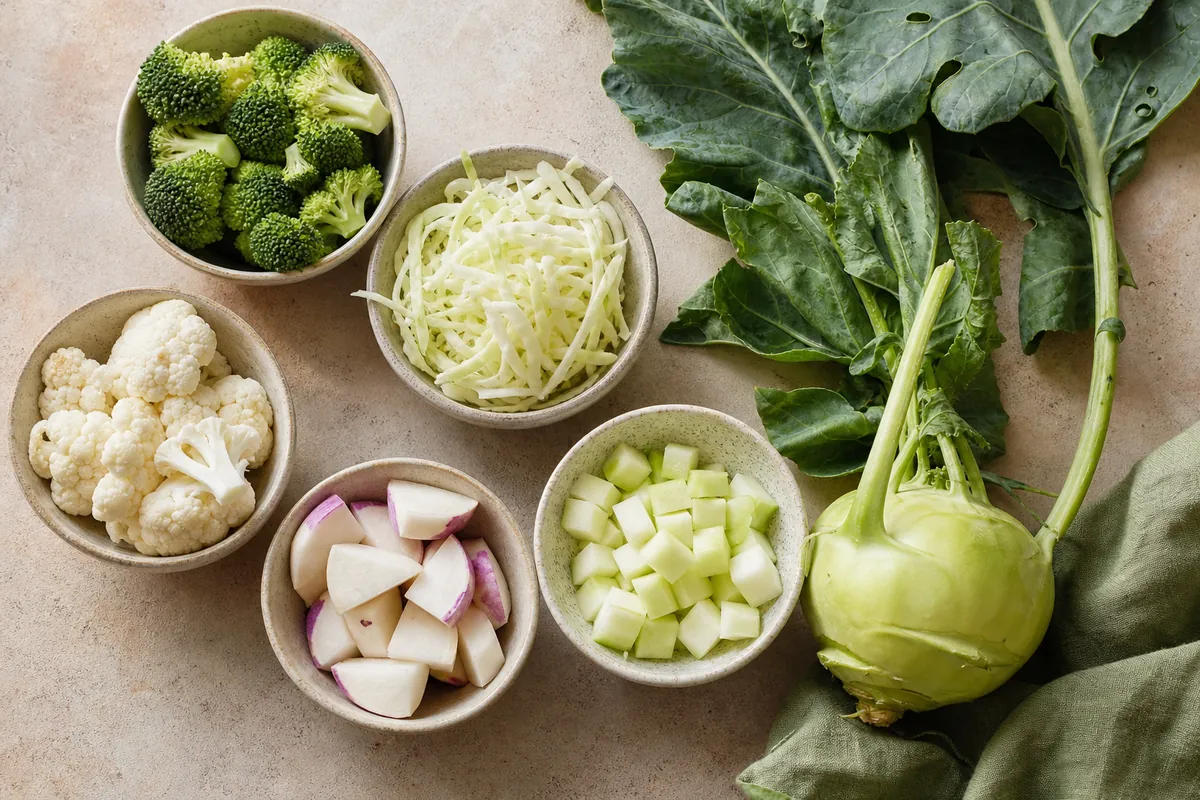 5 Best Kohlrabi Substitutes Worth Trying
 5 Best Korean Radish Substitutes (Honest Picks)
 5 Best Korma Curry Paste Substitutes (Easy Swaps)
 5 Best Kumquat Substitutes for Any Recipe
 5 Best Labneh Cheese Substitutes Worth Trying
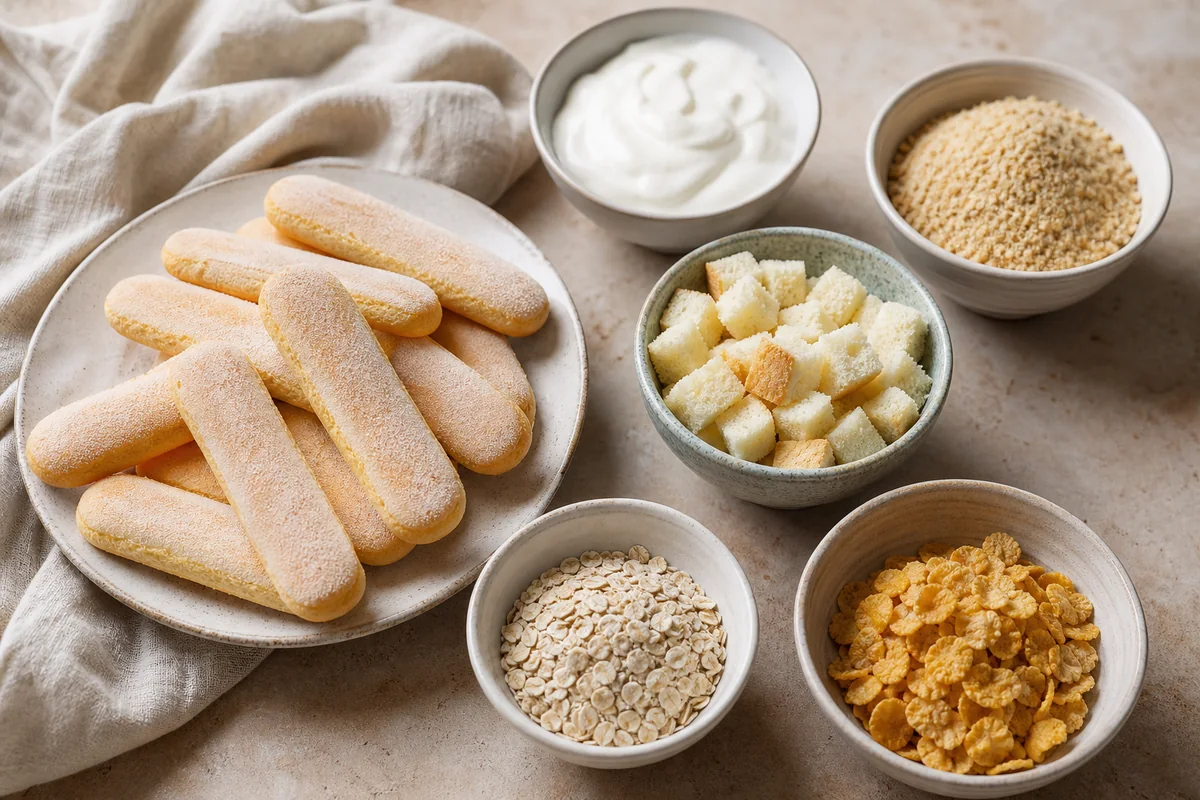 5 Best Ladyfinger Substitutes
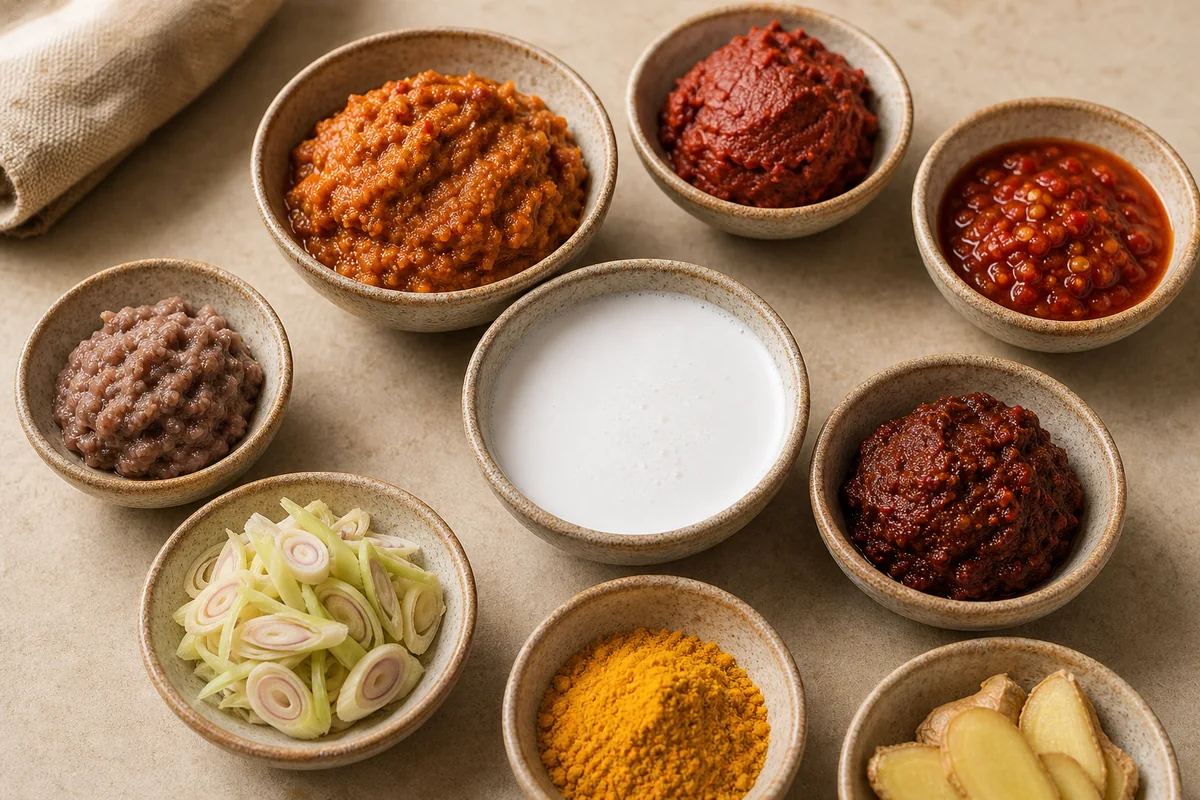 5 Best Laksa Paste Substitutes (Ranked)
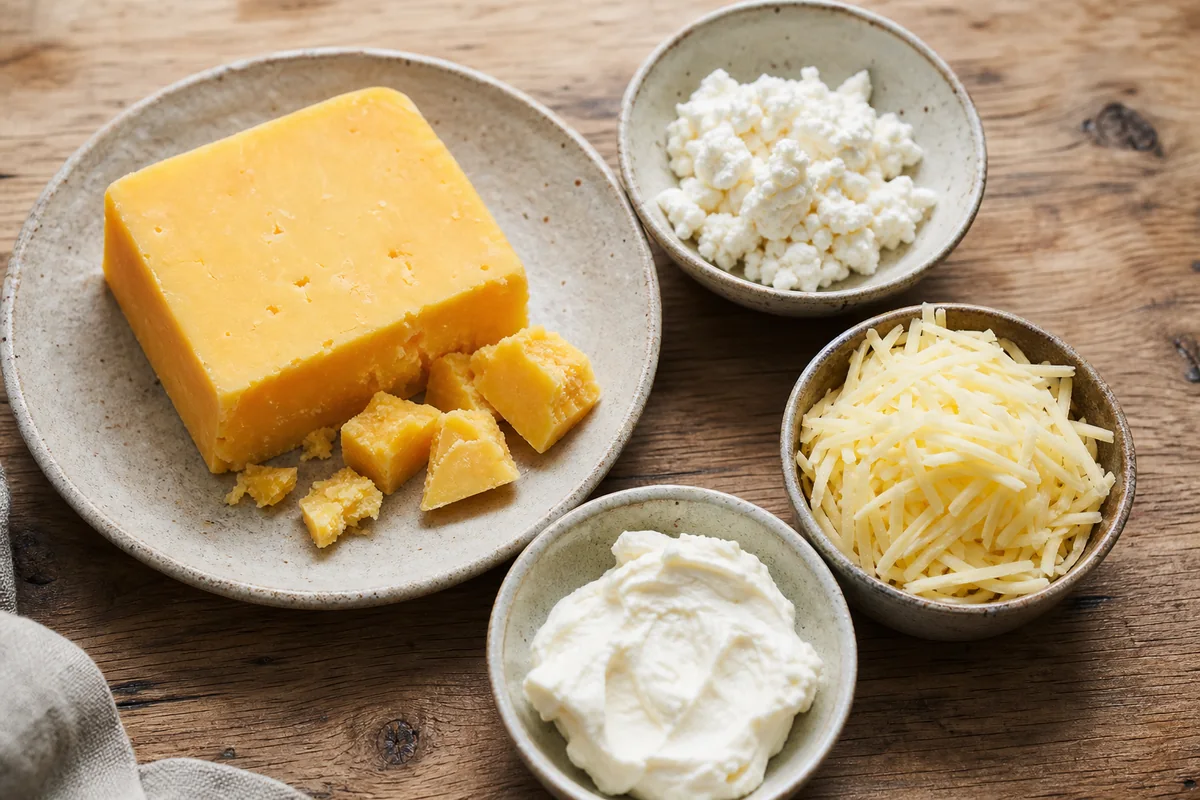 5 Best Lancashire Cheese Substitutes Worth Trying
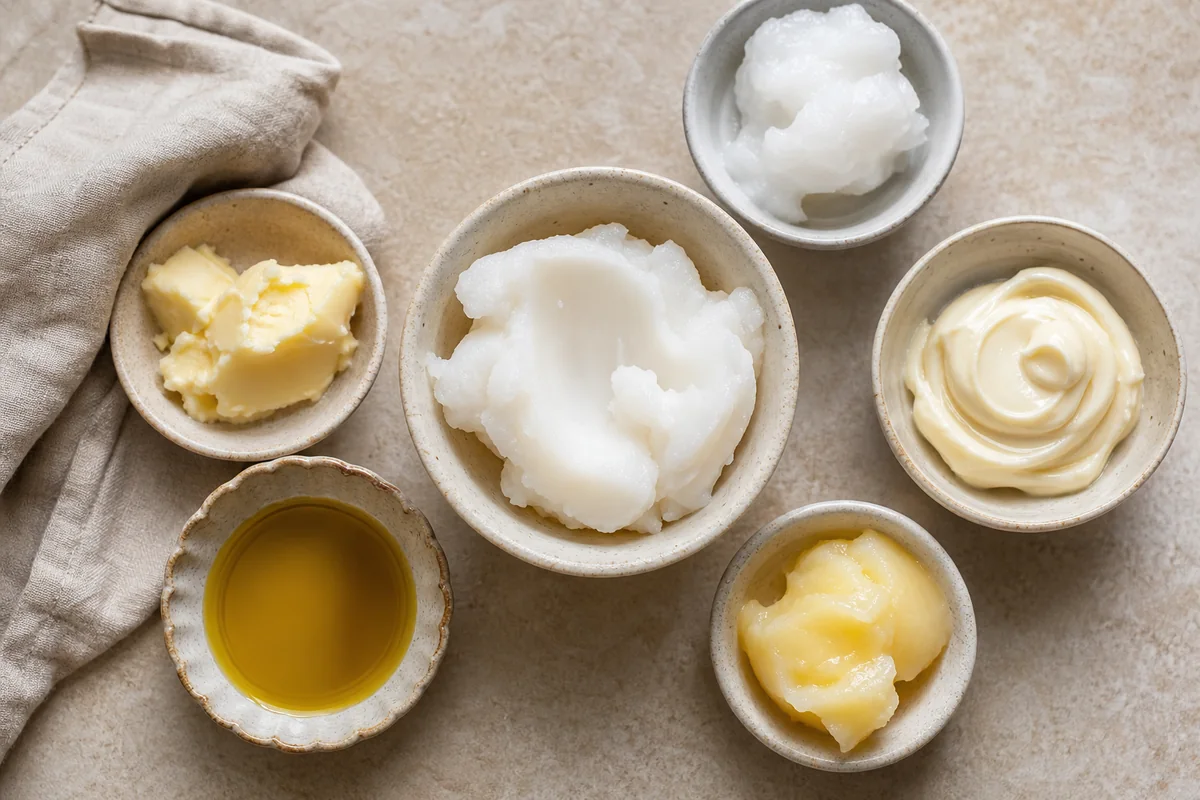 5 Best Lard Substitutes That Taste Right
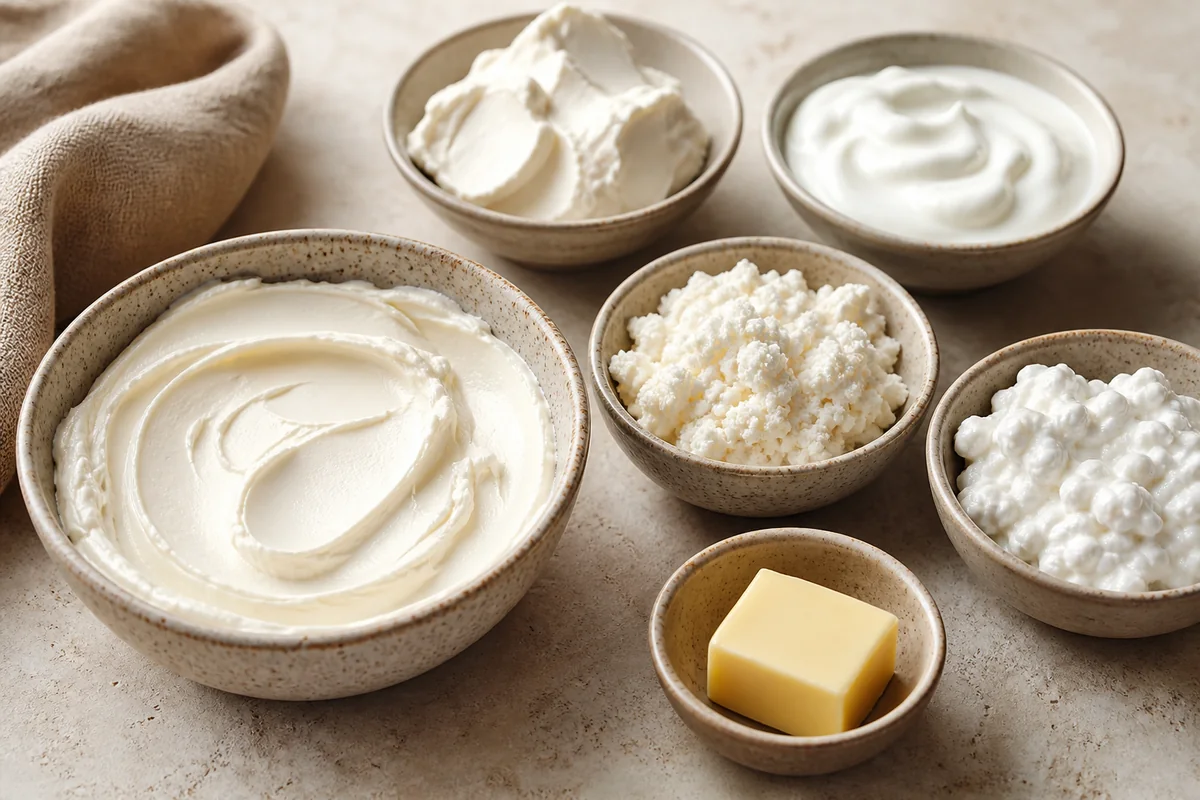 5 Best Laughing Cow Cheese Substitutes (with Ratios)
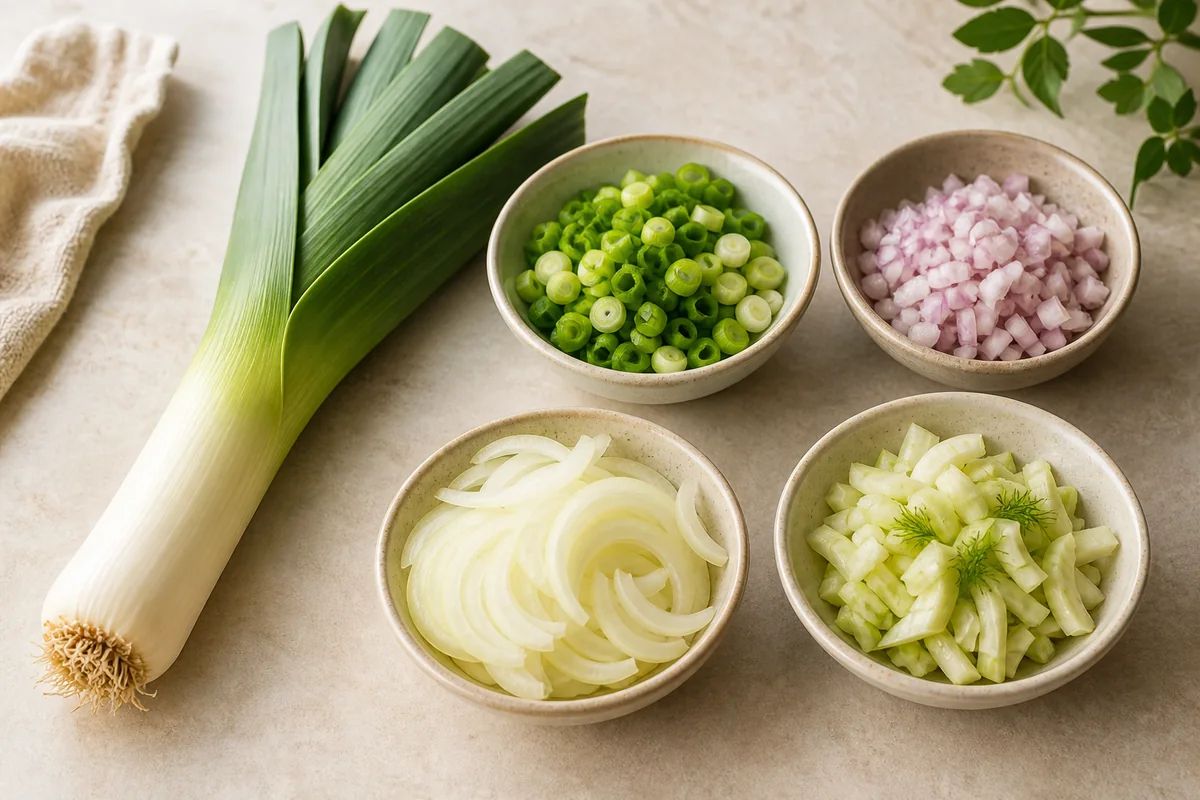 5 Best Leek Substitutes (That Actually Work)
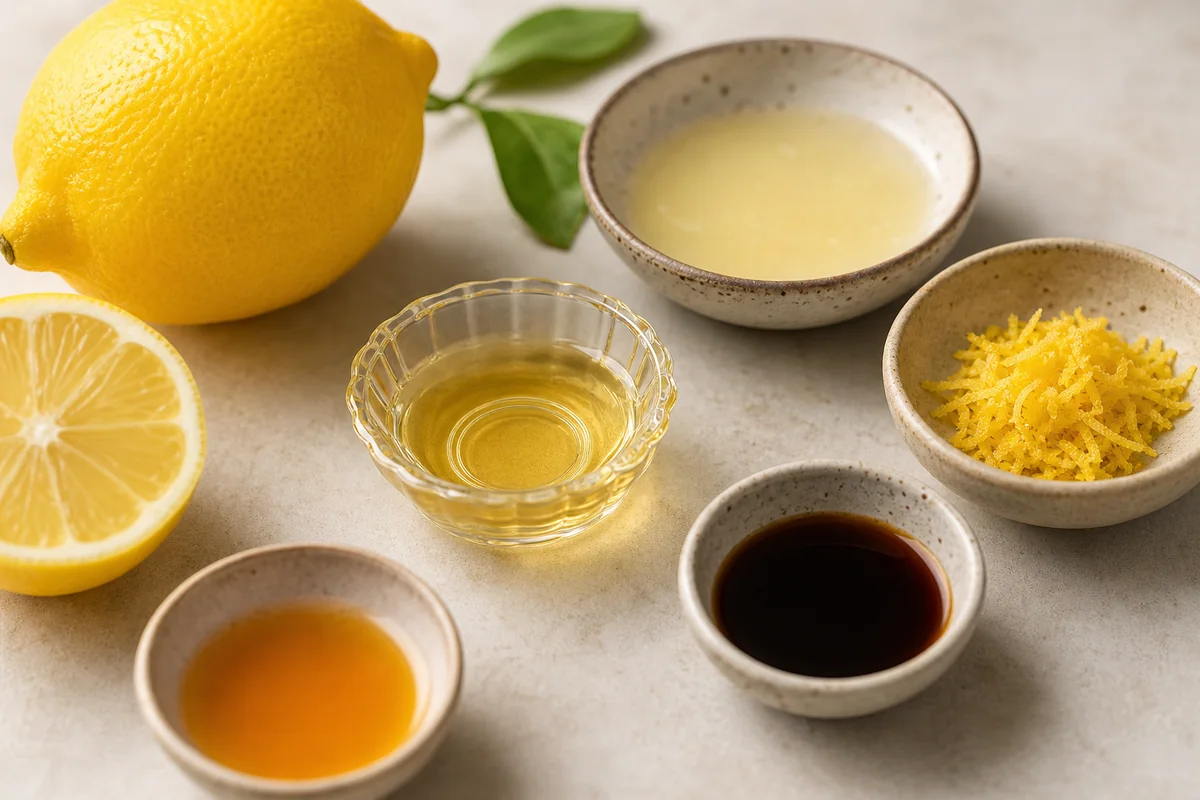 5 Best Lemon Extract Substitutes for Home Cooks
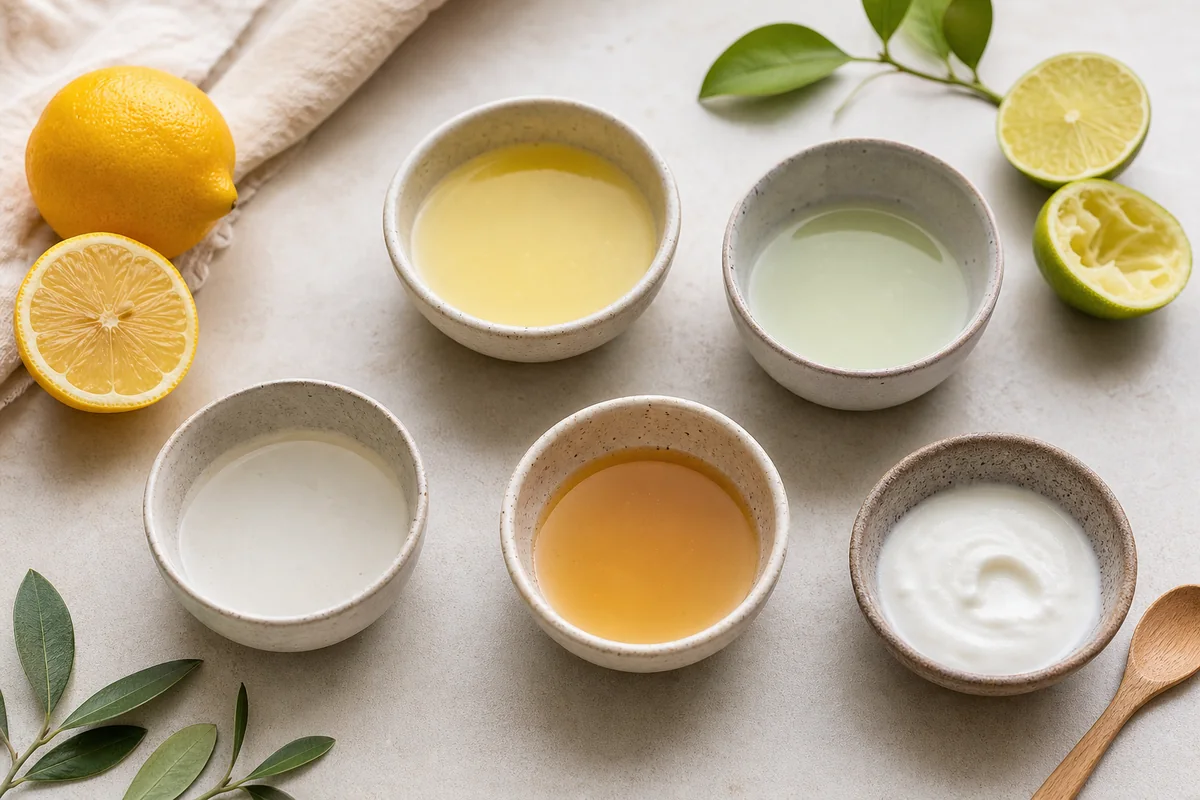 5 Best Lemon Juice Substitutes in Every Recipe
 5 Best Lemon Oil Substitutes (Ranked)
 5 Best Lemon Pepper Substitutes for Better Results
 5 Best Lemongrass Substitutes (Ranked)
 5 Best Lettuce Substitutes (with Ratios)
 5 Best Light Corn Syrup Substitutes (Closest Match)
 5 Best Light Cream Substitutes (with Ratios)
 5 Best Lillet Blanc Substitutes (Honest Picks)
 5 Best Limburger Cheese Substitutes That Taste Right
 5 Best Lime Juice Substitutes for Better Results
 5 Best Lime Marmalade Substitutes (Ranked)
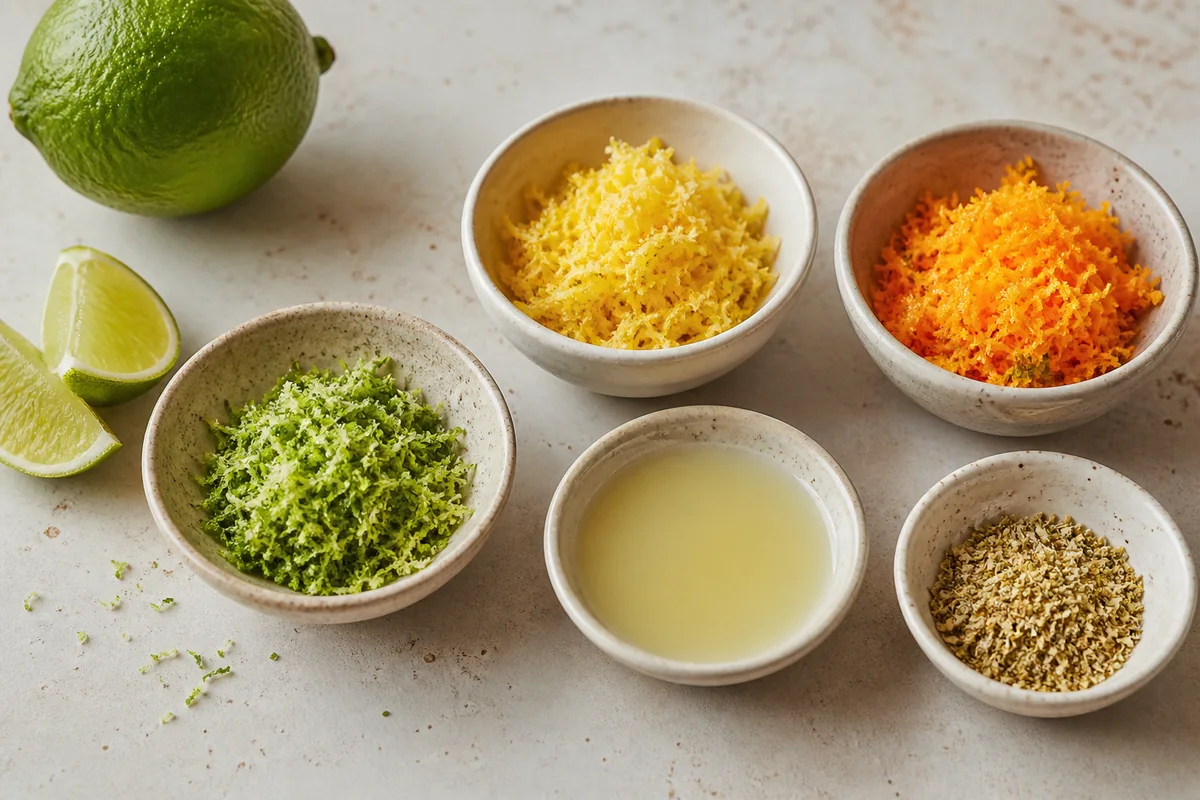 5 Best Lime Zest Substitutes
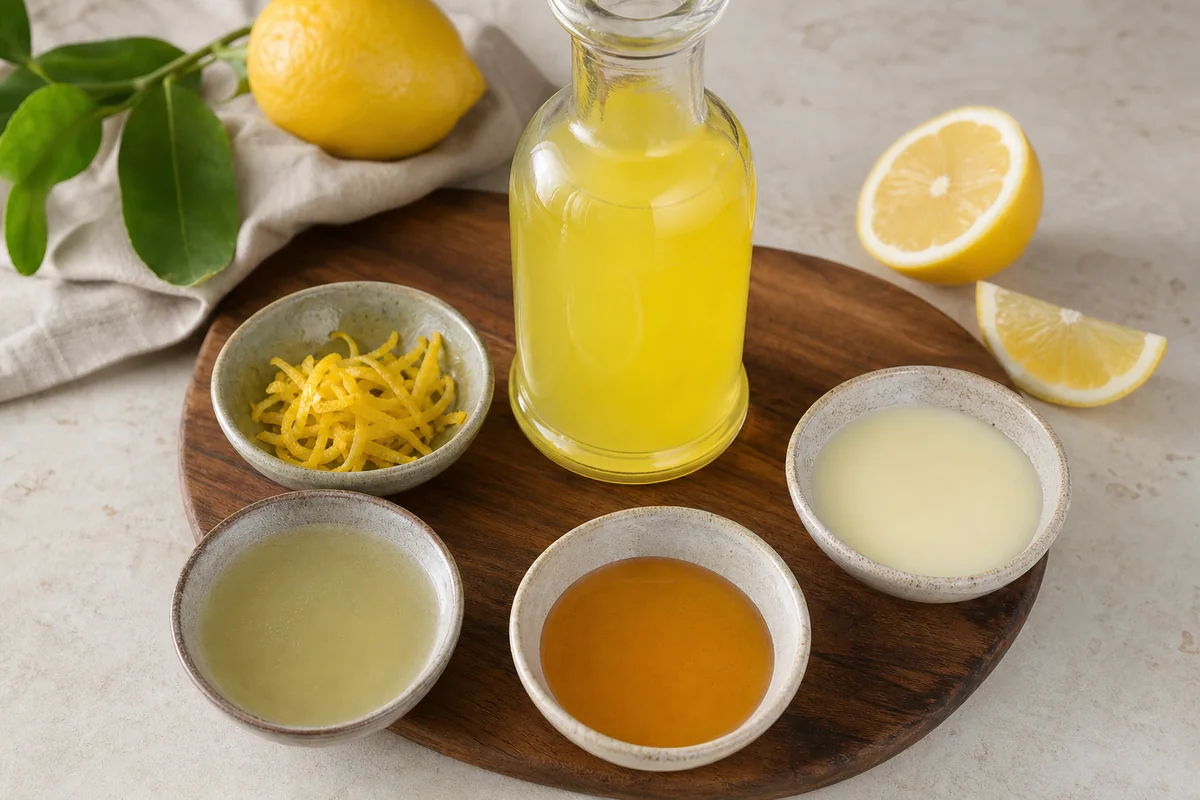 5 Best Limoncello Substitutes in Every Recipe
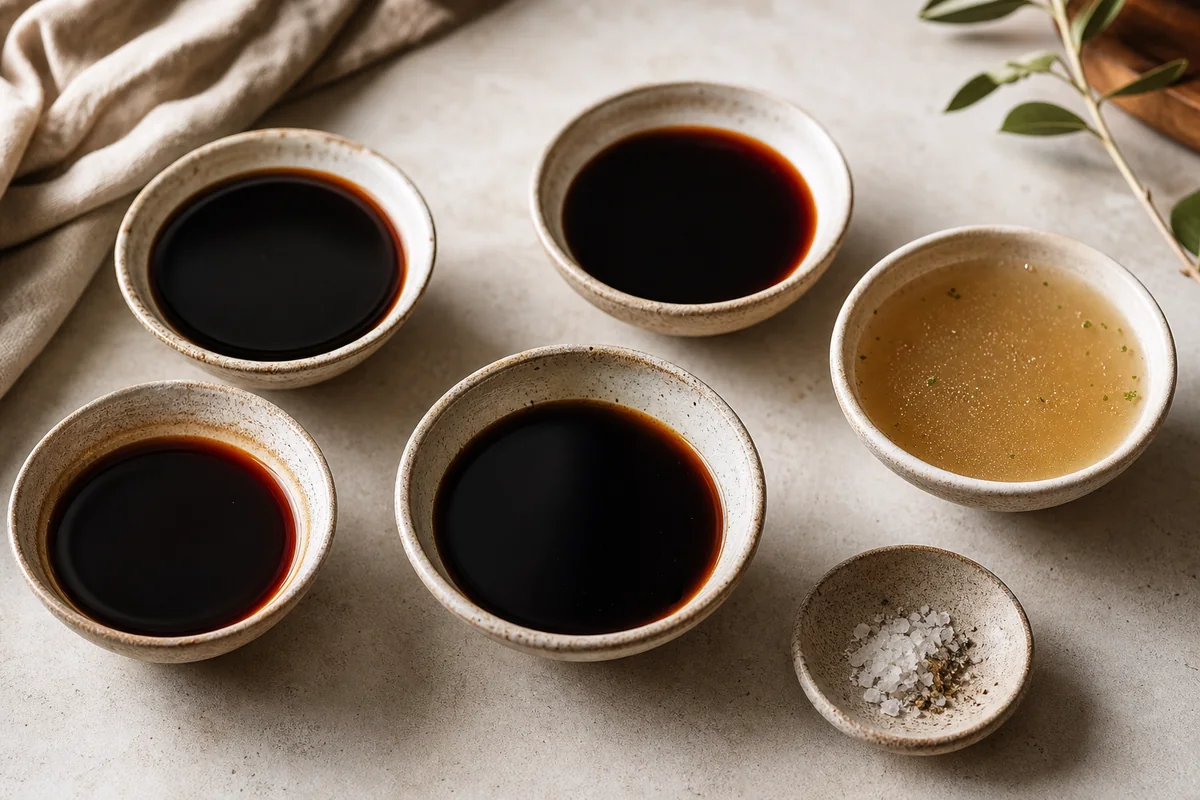 5 Best Liquid Aminos Substitutes (Easy Swaps)
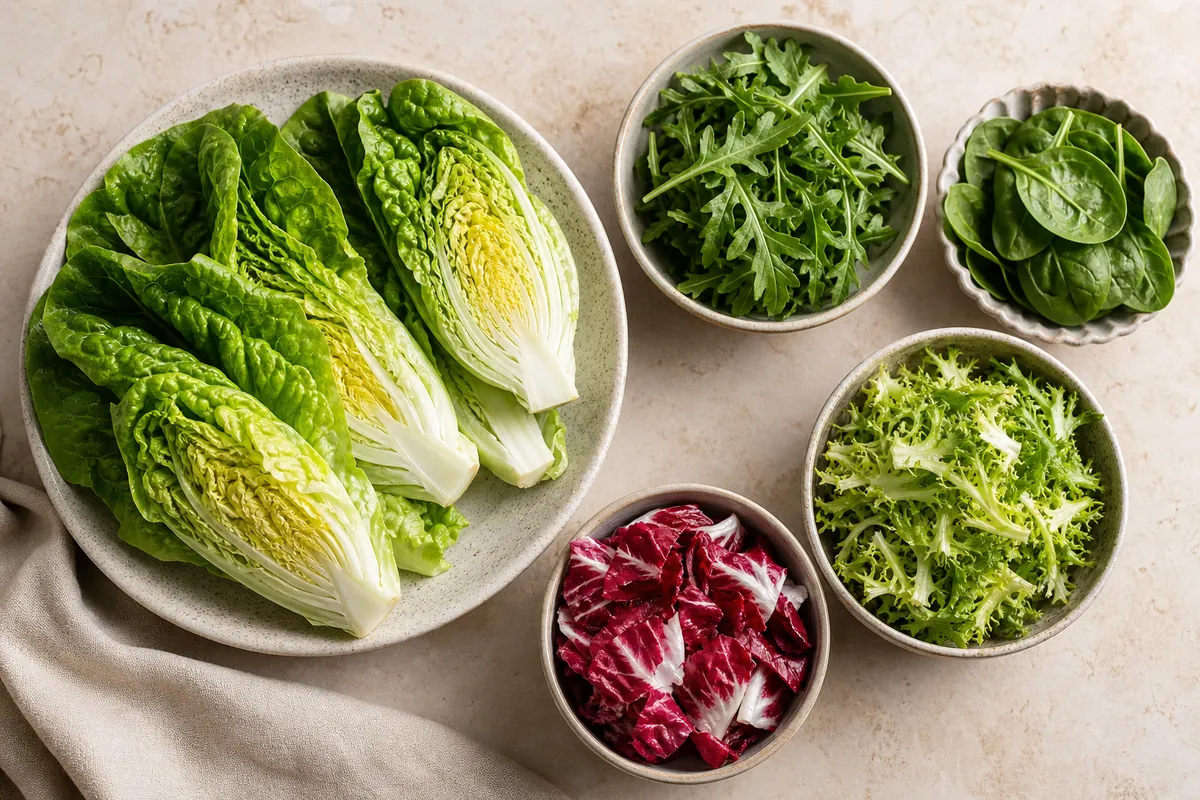 5 Best Little Gem Lettuce Substitutes in Every Recipe
 5 Best Loaf Pan Substitutes (Honest Picks)
 5 Best Locatelli Cheese Substitutes (Quick Swaps)
 5 Best Long Pepper Substitutes Worth Trying
 5 Best Longhorn Cheese Substitutes in Every Recipe
 5 Best Lupin Flour Substitutes for Any Recipe
 5 Best Luxardo Maraschino Liqueur Substitutes
 5 Best Maca Powder Substitutes (Ranked)
 5 Best Macadamia Oil Substitutes That Taste Right
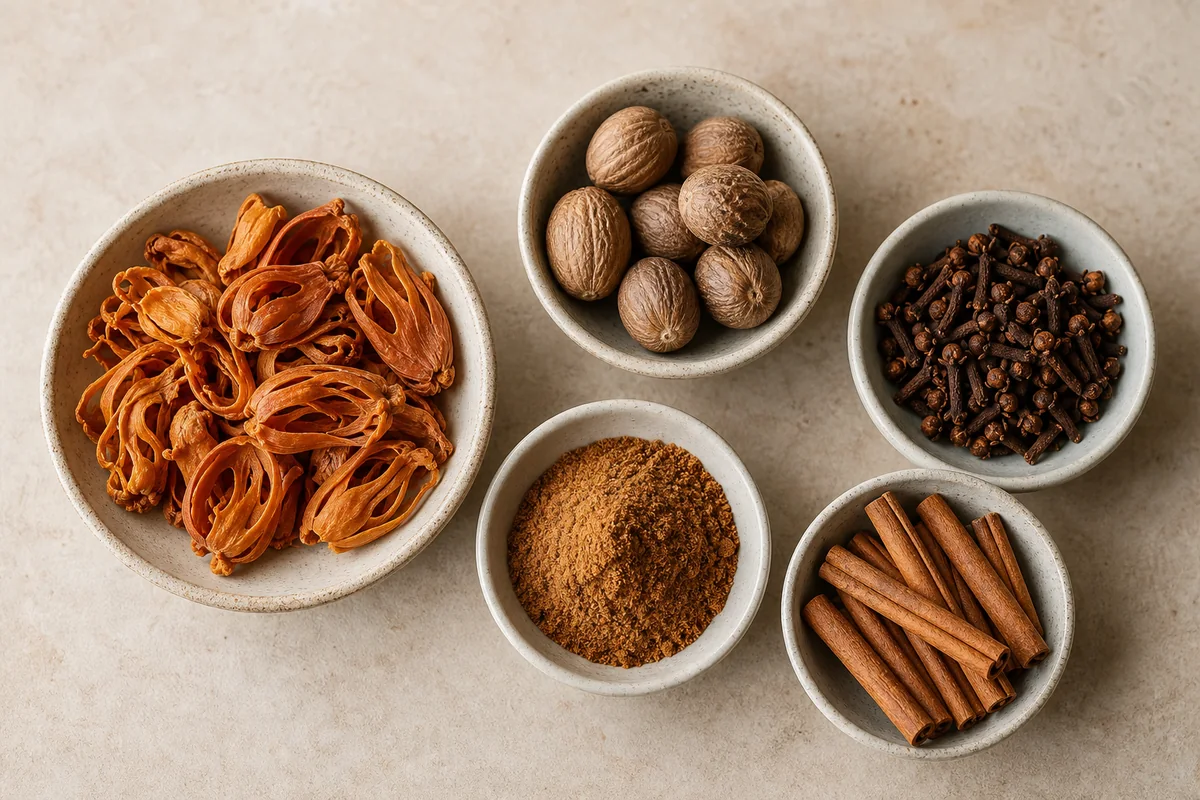 5 Best Mace Substitutes (Honest Picks)
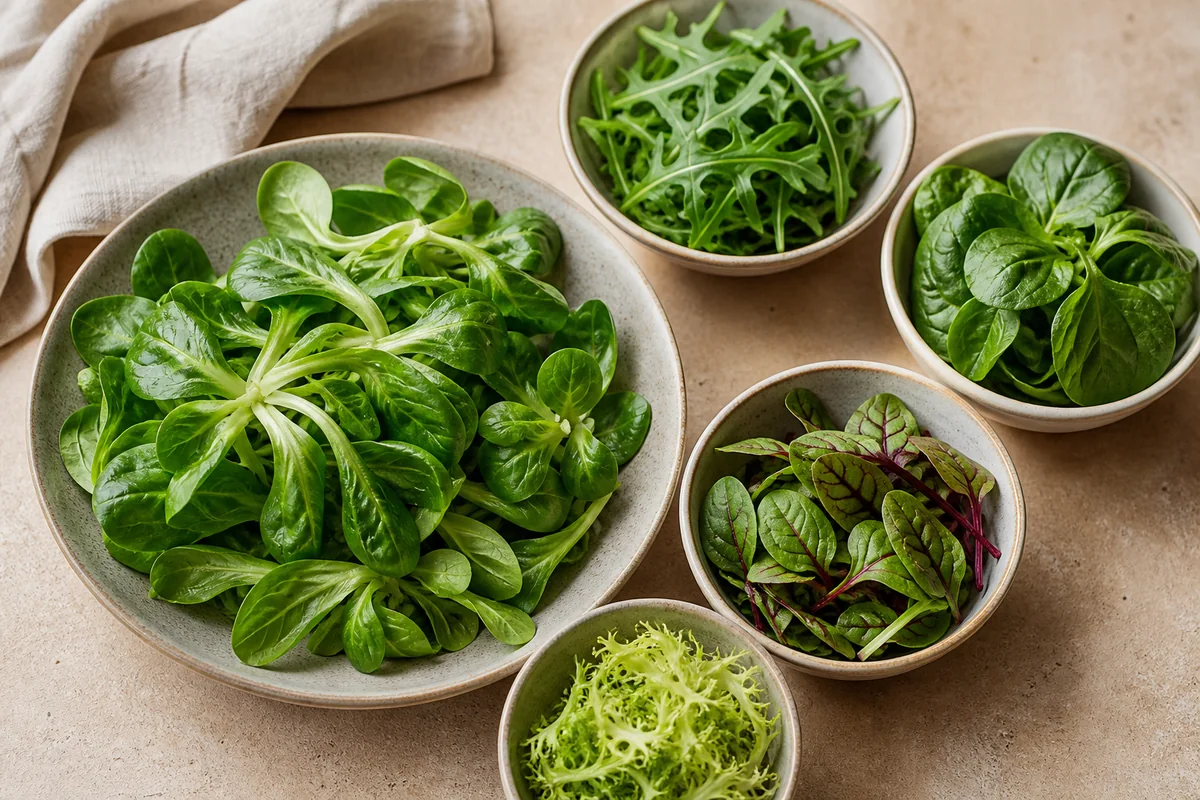 5 Best Mache Lettuce Substitutes in Every Recipe
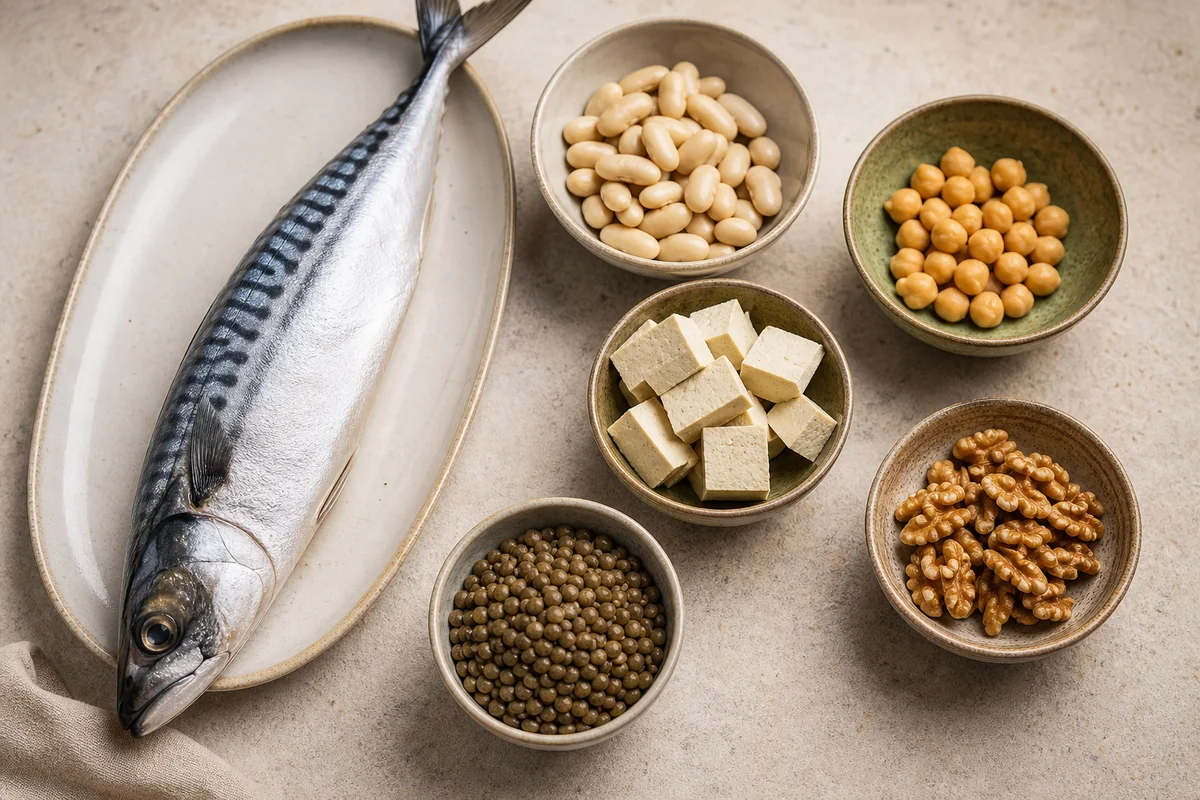 5 Best Mackerel Substitutes (Quick Swaps)
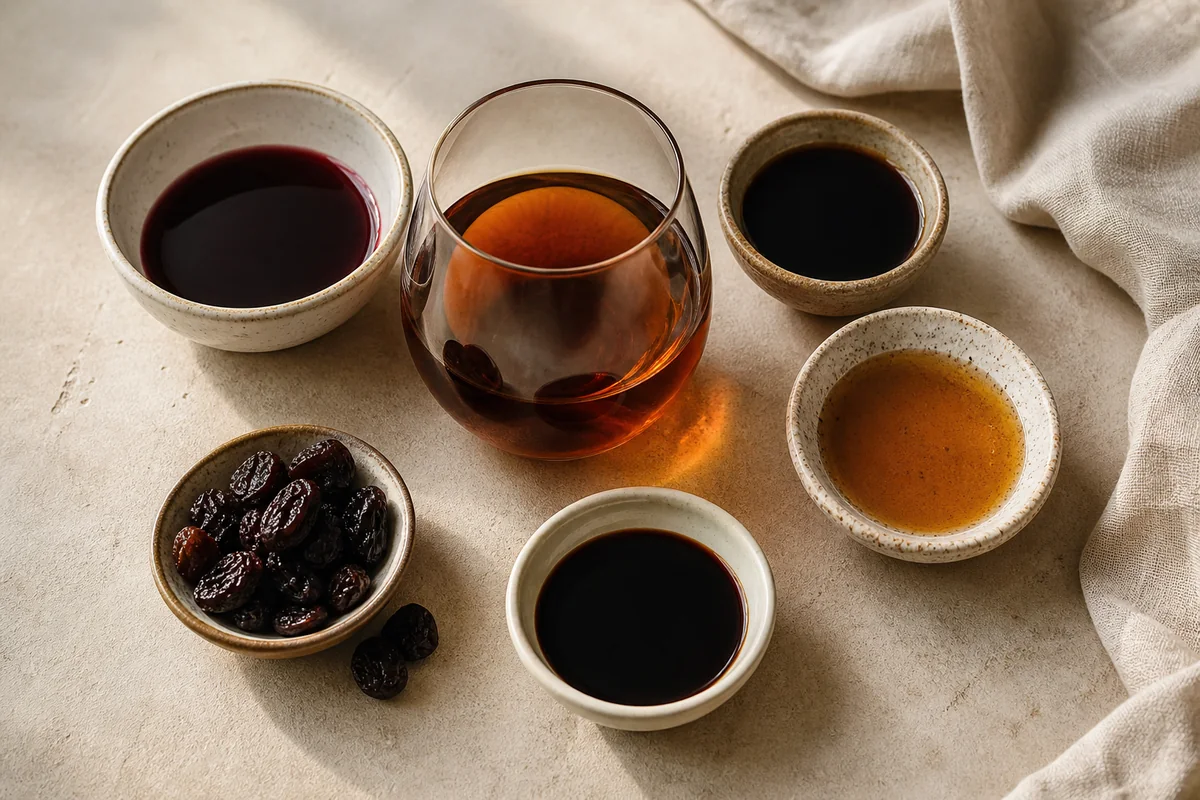 5 Best Madeira Wine Substitutes for Better Results
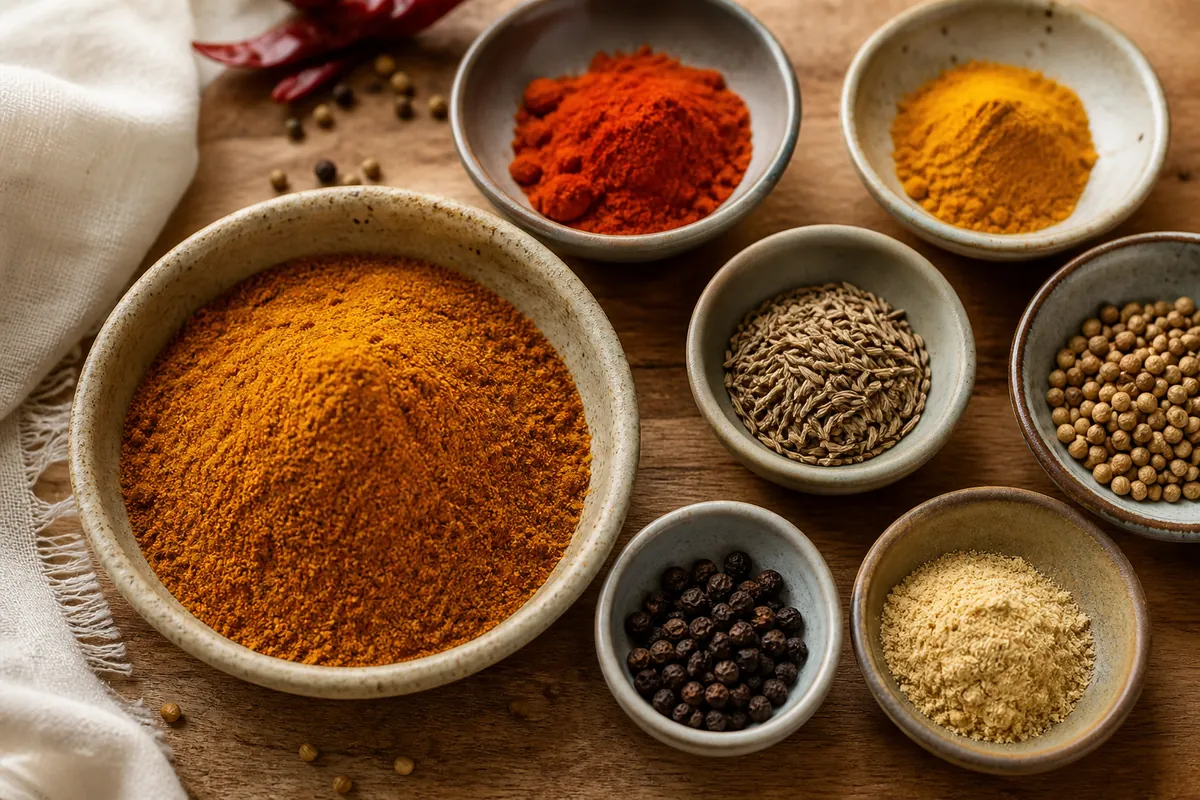 5 Best Madras Curry Powder Substitutes (Pantry Swaps)
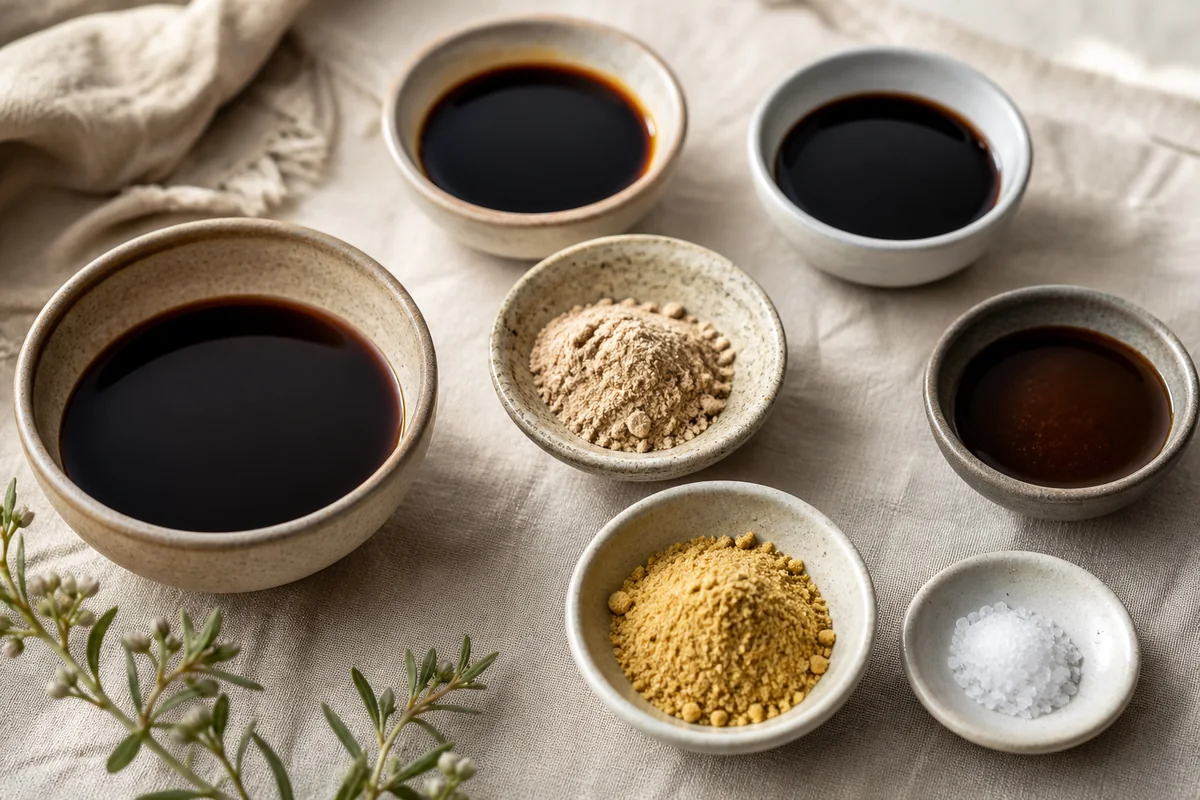 5 Best Maggi Seasoning Substitutes (That Actually Work)
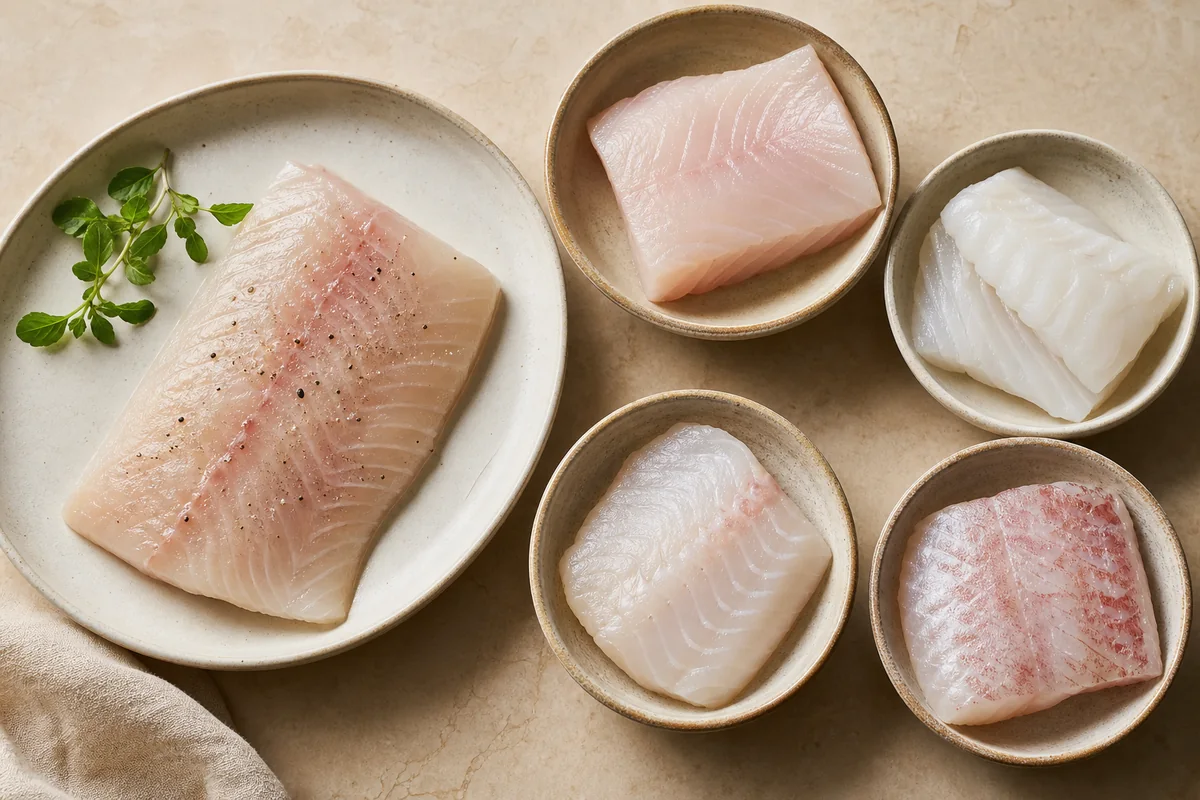 5 Best Mahi Mahi Substitutes (Quick Swaps)
 5 Best Maida Flour Substitutes Worth Trying
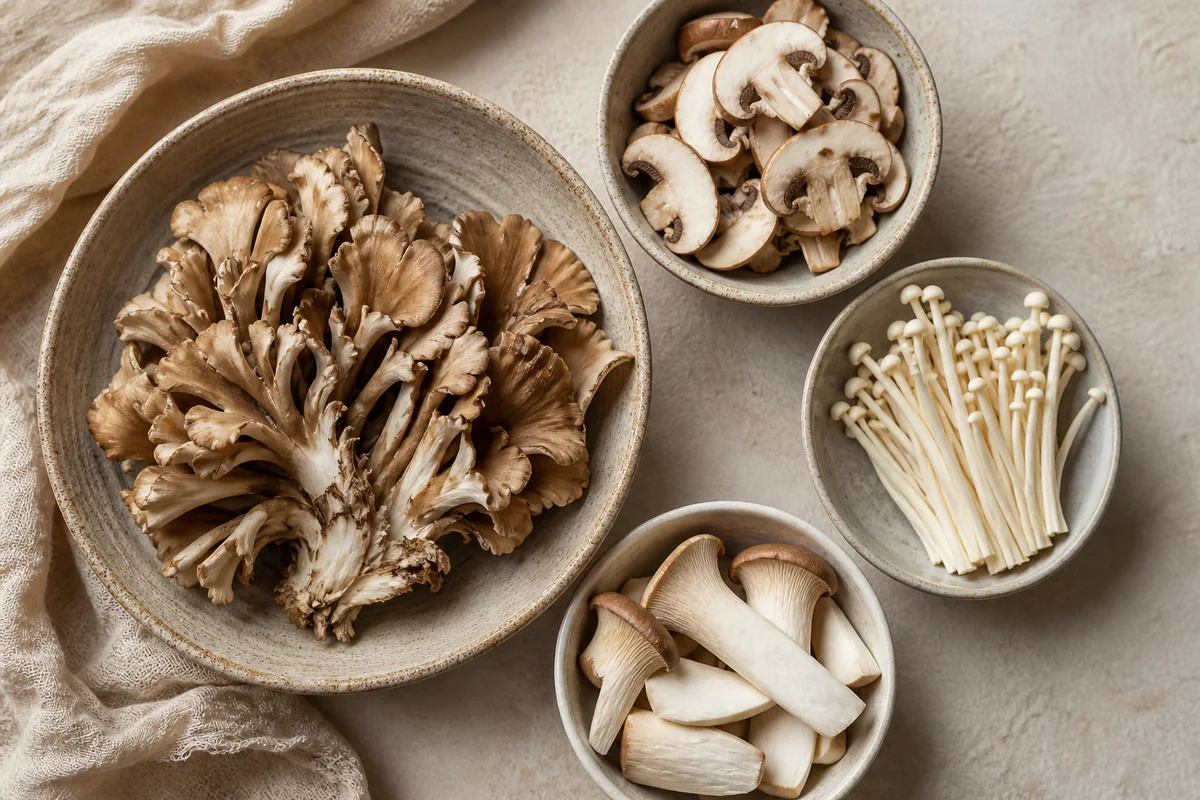 5 Best Maitake Mushroom Substitutes
 5 Best Malt Syrup Substitutes You Can Trust
 5 Best Malt Vinegar Substitutes Ranked by Flavor and Texture
 5 Best Maltose Syrup Substitutes in Every Recipe
 5 Best Manchego Cheese Substitutes with Honest Flavor Matches
 5 Best Mango Chutney Substitutes (Closest Match)
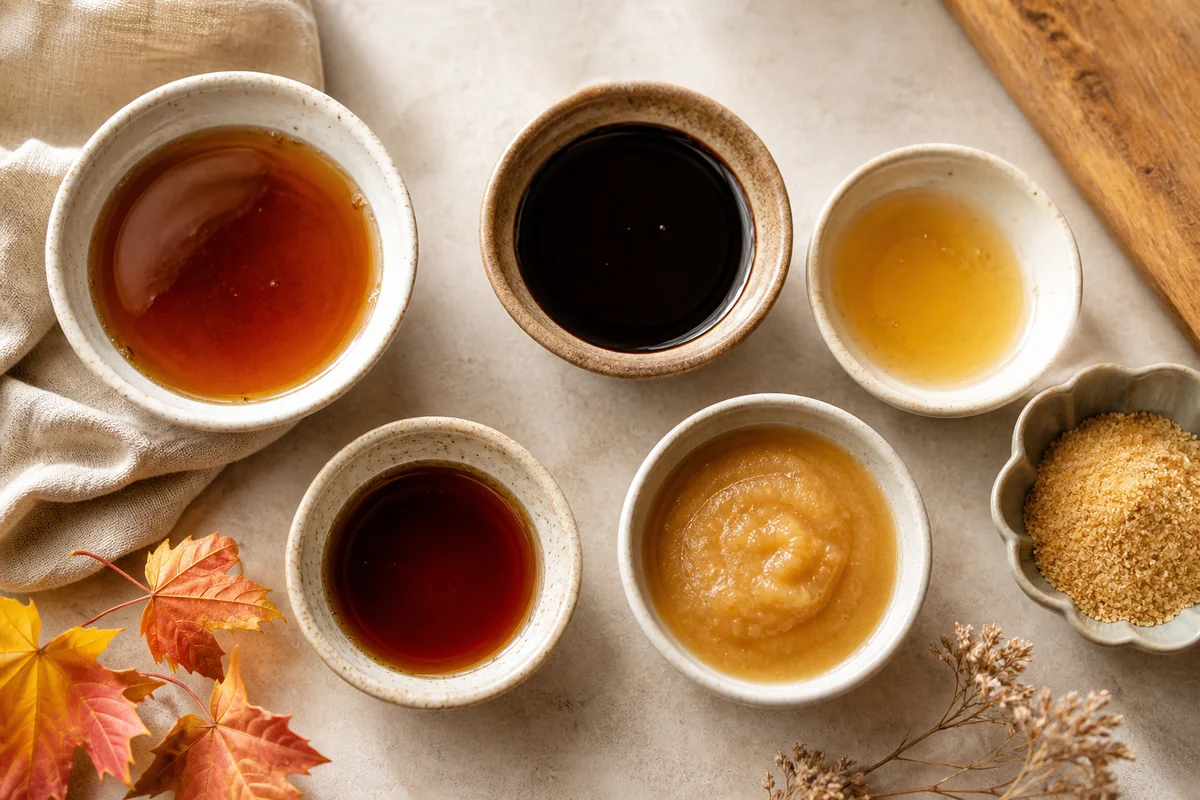 5 Best Maple Syrup Substitutes for Better Results
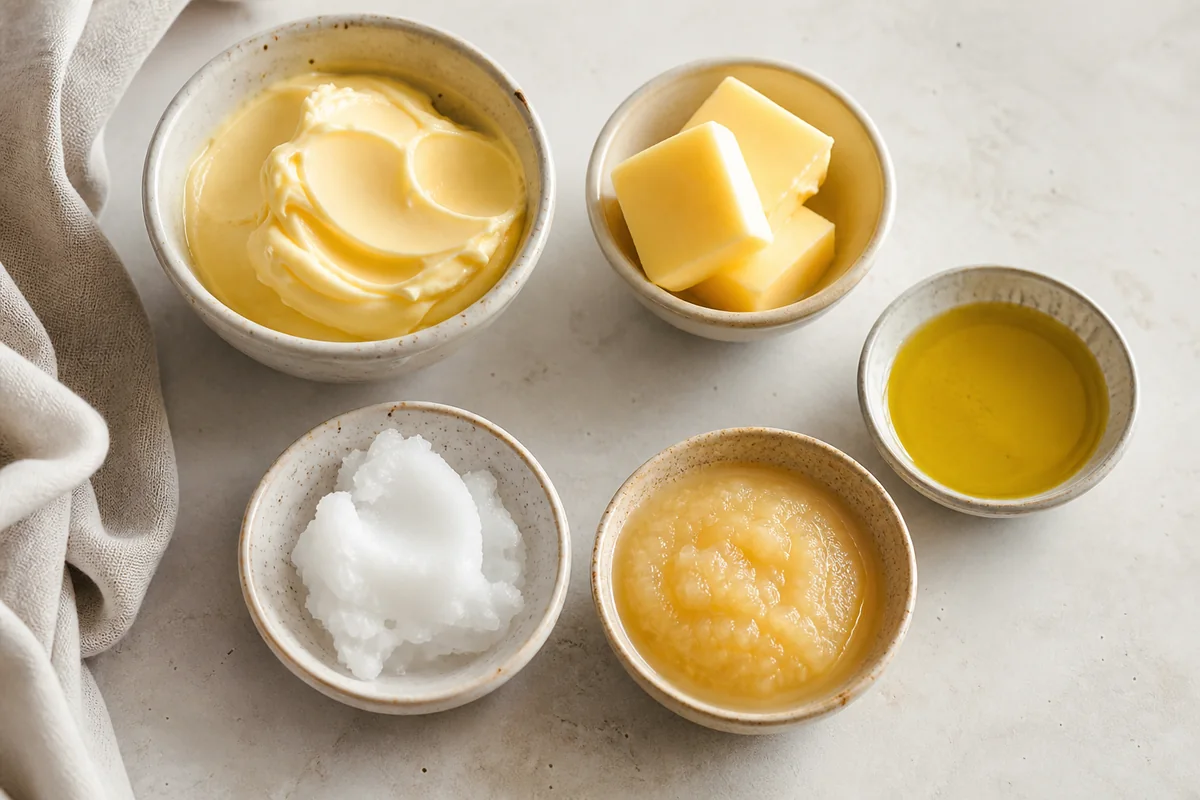 5 Best Margarine Substitutes Worth Trying
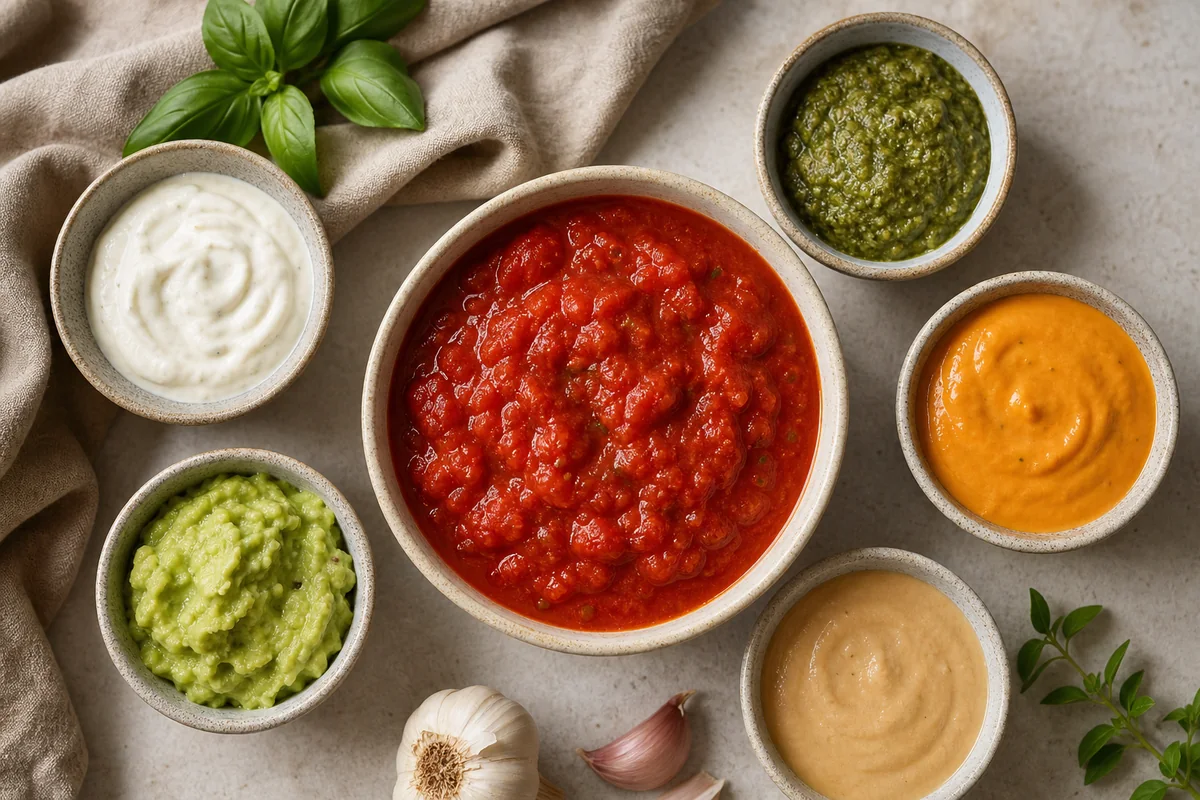 5 Best Marinara Sauce Substitutes for Home Cooks
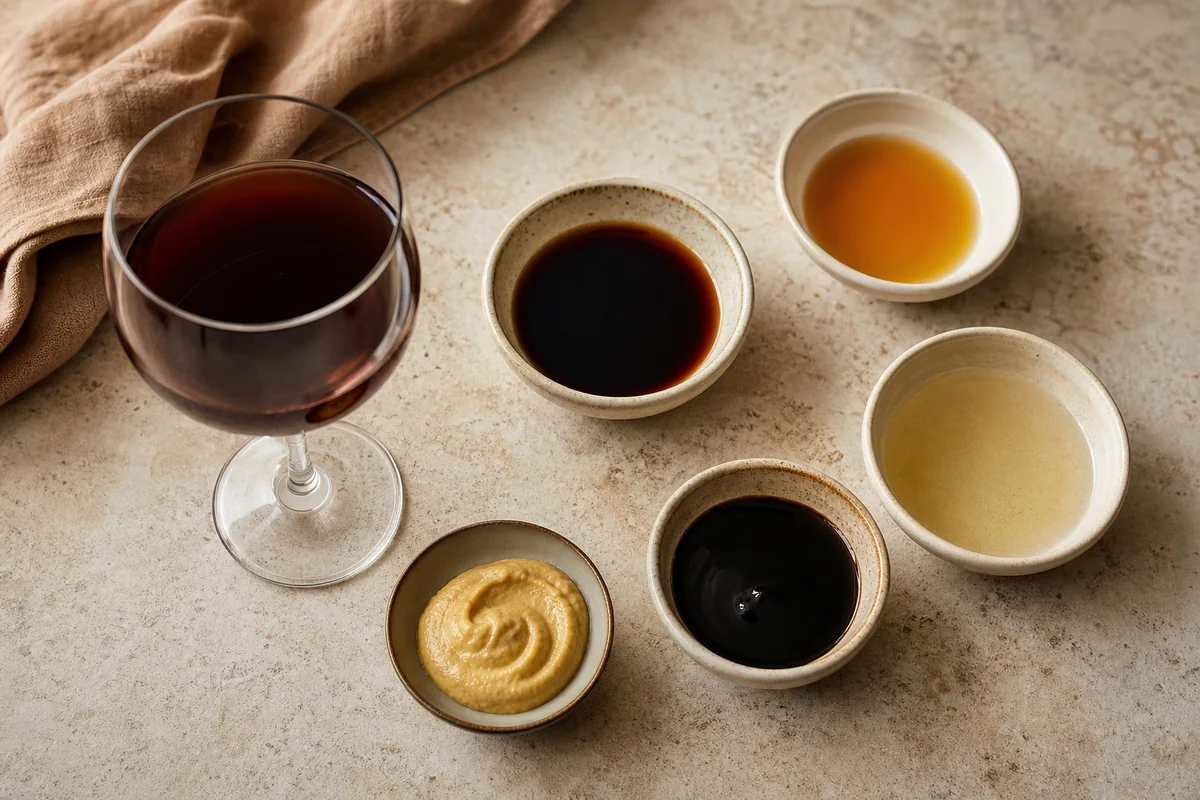 5 Best Marsala Wine Substitutes You Can Trust
 5 Best Marshmallow Substitutes You Can Trust
 5 Best Marzipan Substitutes (Flavor-Matched)
 5 Best Mascarpone Substitutes (That Actually Work)
 5 Best Massaman Curry Paste Substitutes for Home Cooks
 5 Best Matzo Meal Substitutes in Every Recipe
 5 Best Mayo Substitutes For Tuna Salad with Ratios and Flavor Notes
 5 Best Mayonnaise Substitutes (Ranked)
 5 Best Mct Oil Substitutes (That Actually Work)
 5 Best Melon Liqueur Substitutes (That Actually Work)
 5 Best Meringue Powder Substitutes in Royal Icing
 5 Best Meyer Lemon Substitutes (Flavor-Matched)
 5 Best Midori Liqueur Substitutes in Cocktails
 5 Best Midori Substitutes (That Actually Work)
 5 Best Milk Powder Substitutes (Honest Picks)
 5 Best Milk Substitutes (Honest Picks)
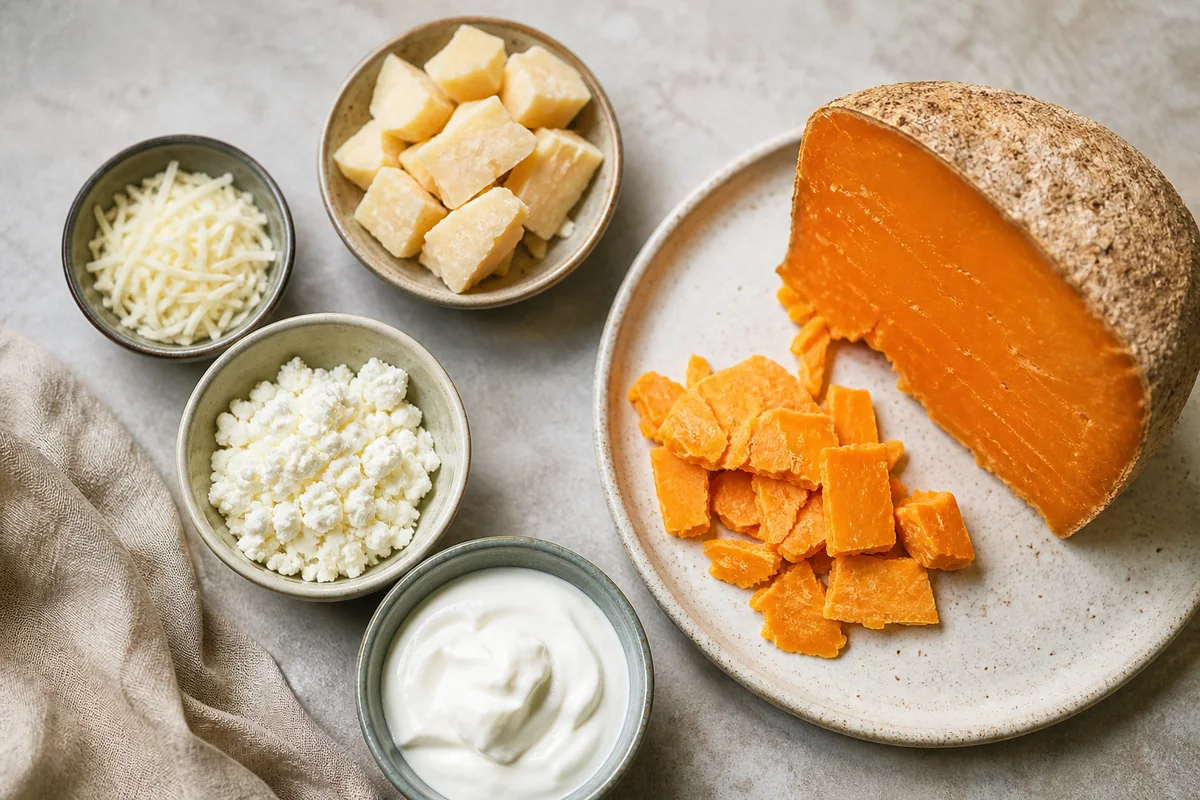 5 Best Mimolette Cheese Substitutes in Every Recipe
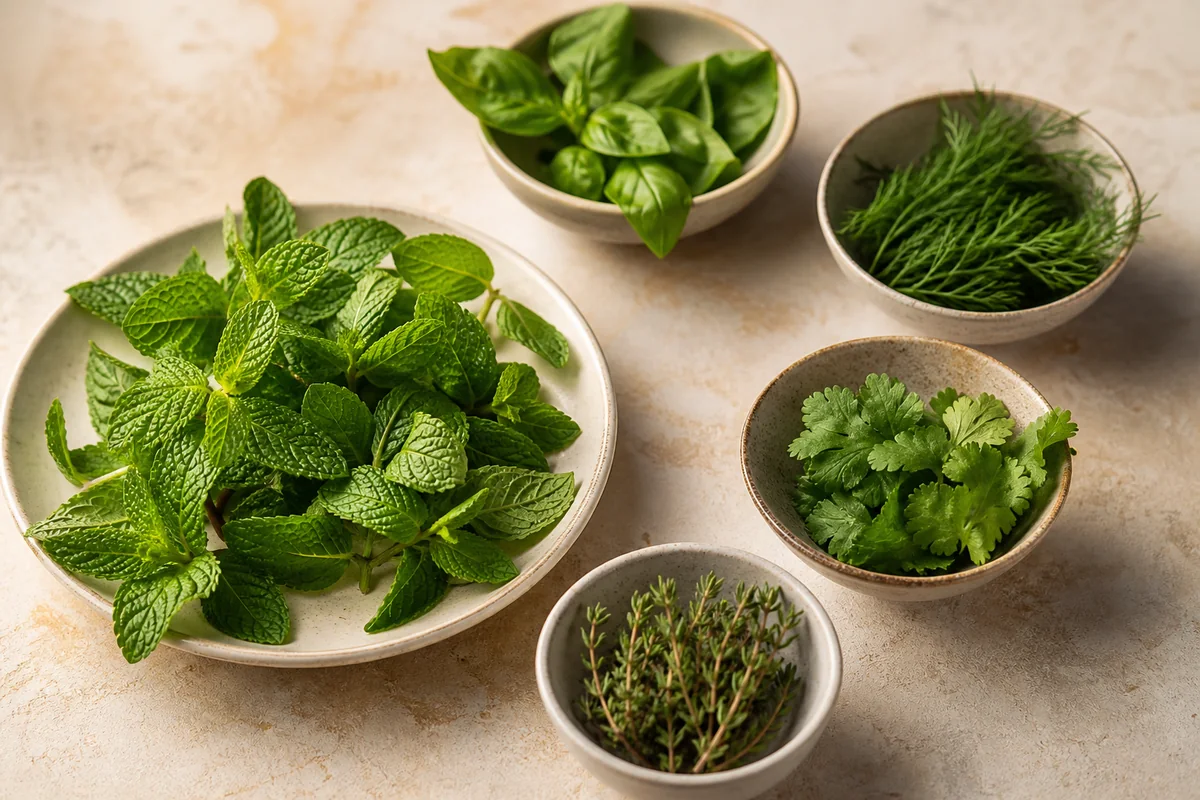 5 Best Mint Substitutes
 5 Best Miso Paste Substitutes
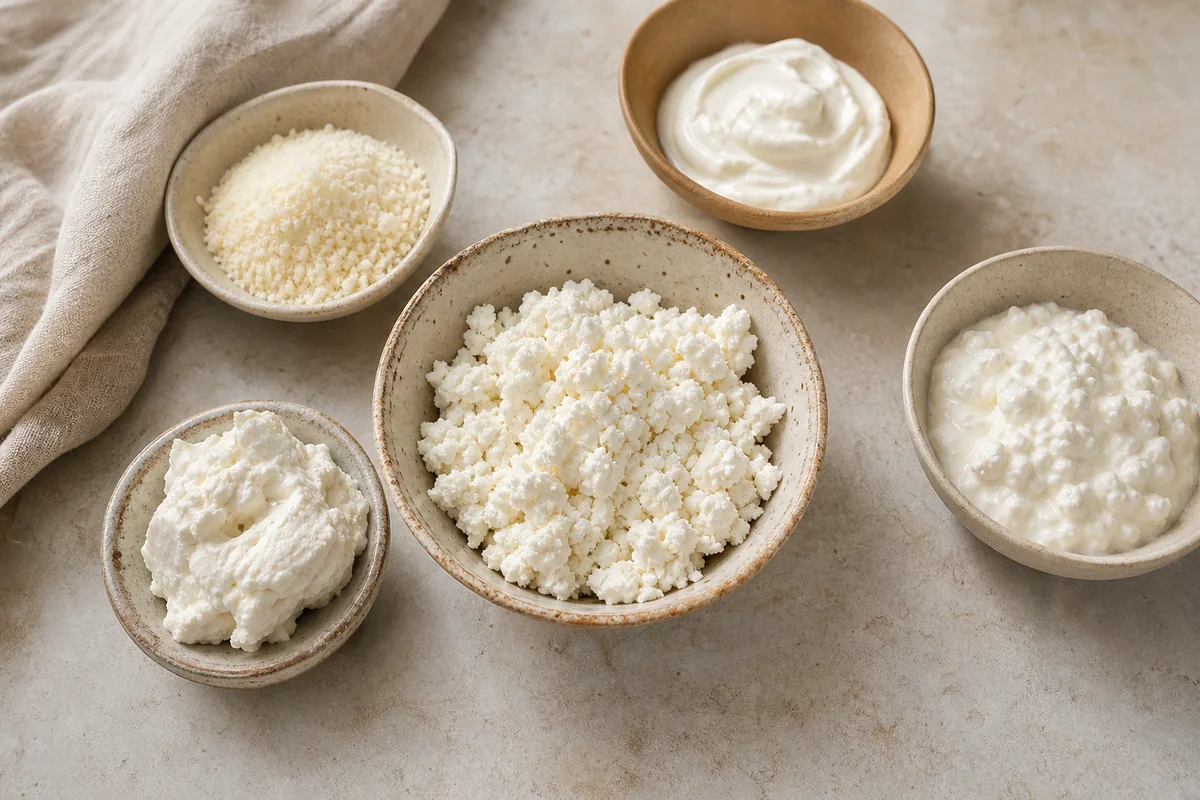 5 Best Mizithra Cheese Substitutes for Home Cooks
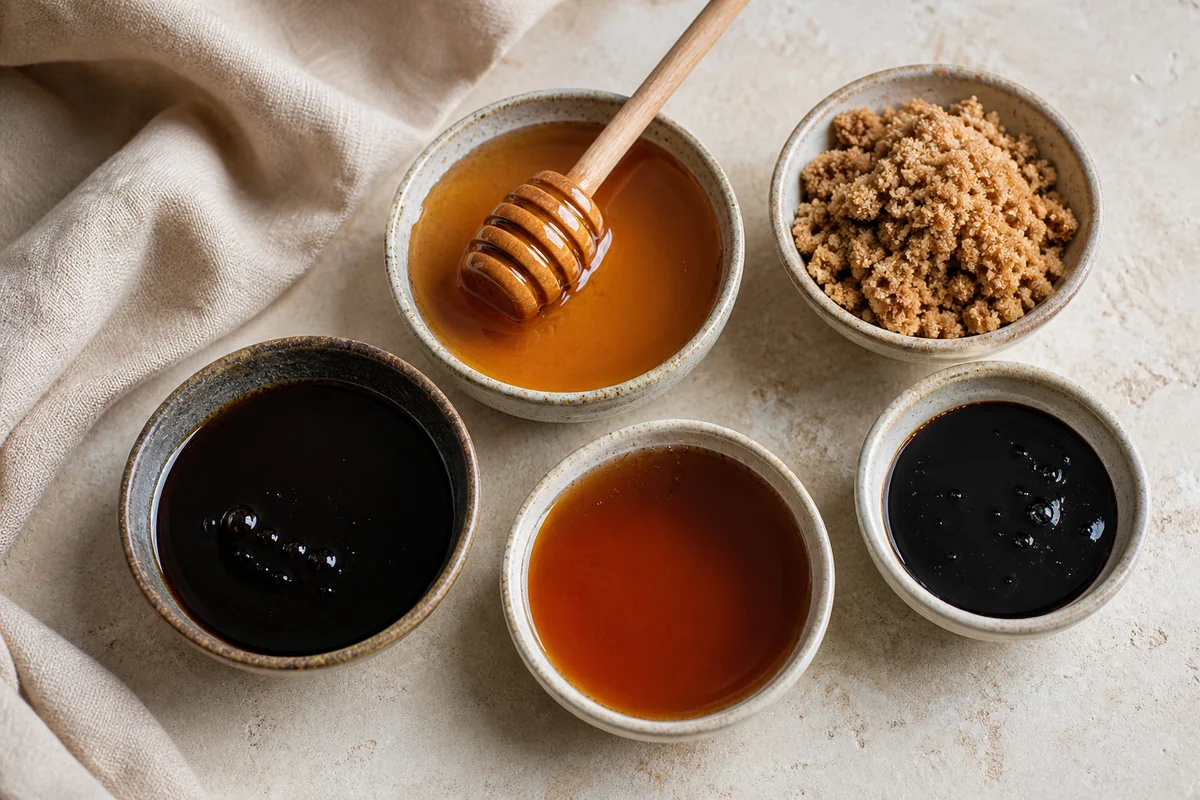 5 Best Molasses Substitutes Worth Trying
 5 Best Montasio Cheese Substitutes That Taste Right
 5 Best Morita Pepper Substitutes for Better Results
 5 Best Muenster Cheese Substitutes You Can Trust
 5 Best Muffin Pan Substitutes (Quick Swaps)
 5 Best Mulato Chile Substitutes (Closest Match)
 5 Best Mushroom Stock Substitutes (Easy Swaps)
 5 Best Mustard Oil Substitutes (Ranked)
 5 Best Mustard Seed Substitutes for Any Recipe
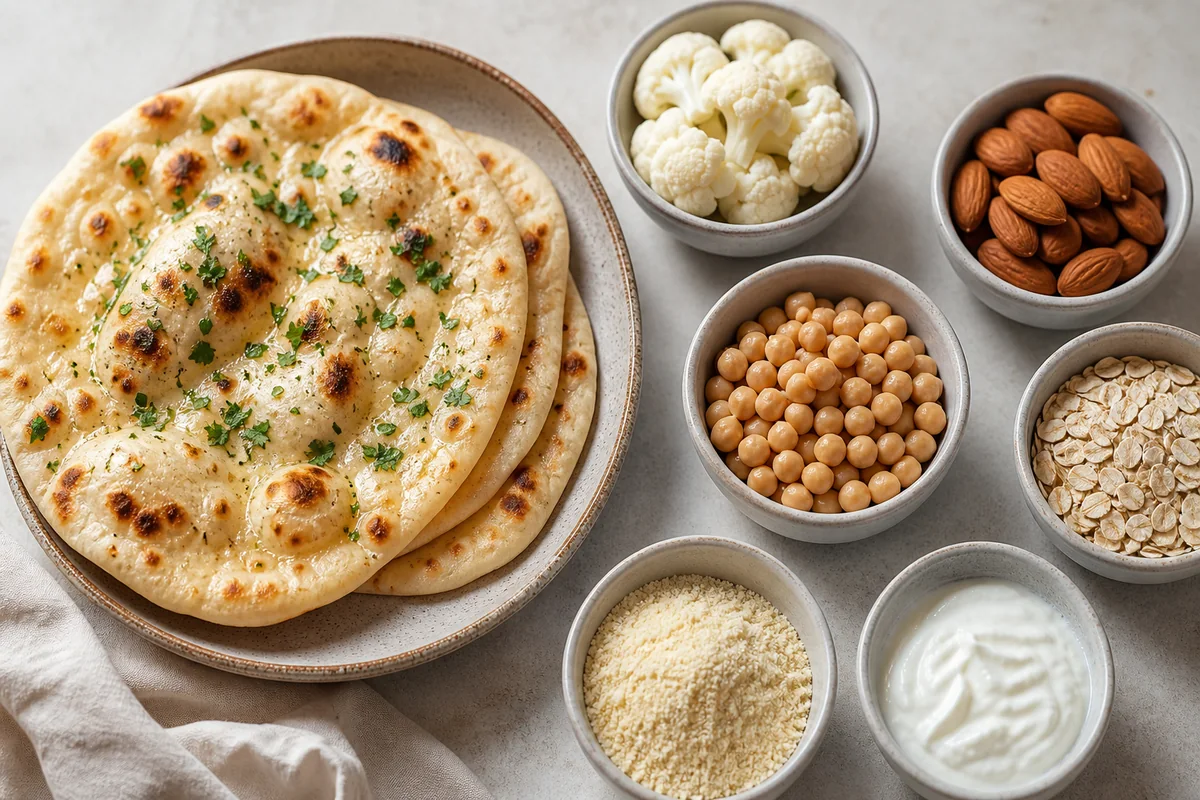 5 Best Naan Bread Substitutes for Home Cooks
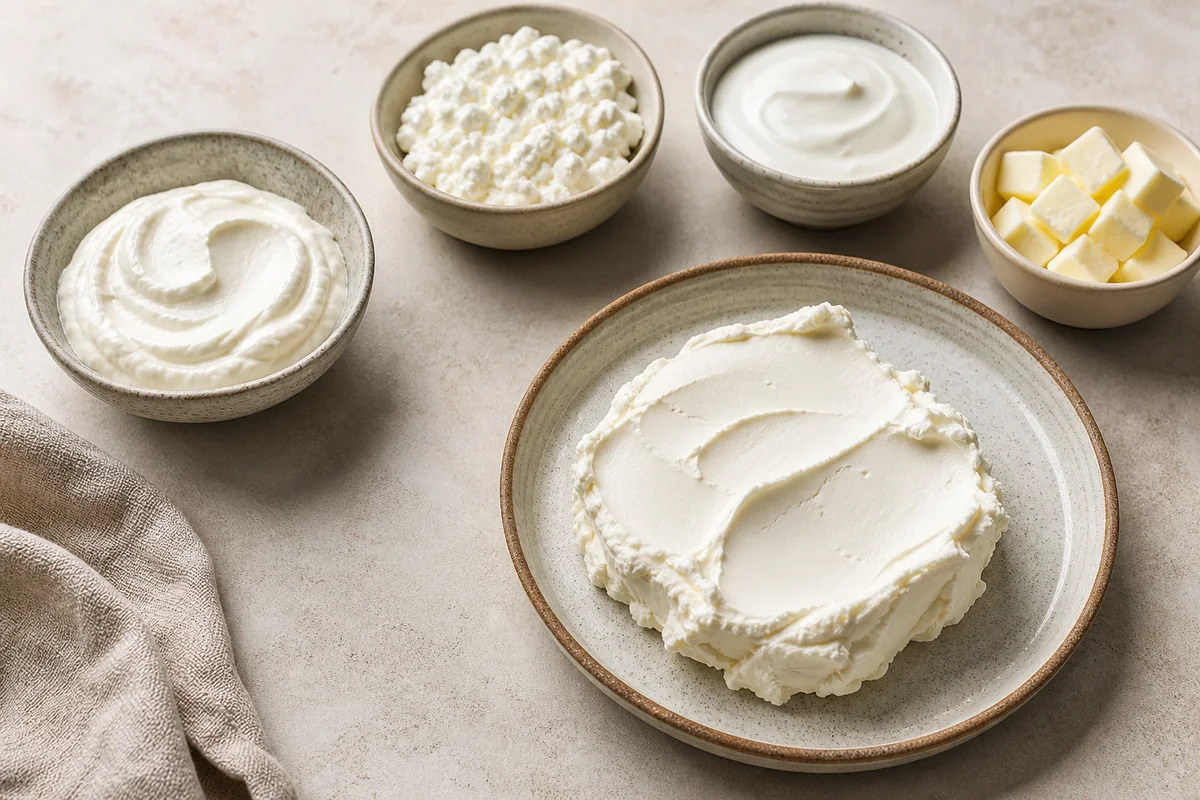 5 Best Neufchatel Cheese Substitutes (with Ratios)
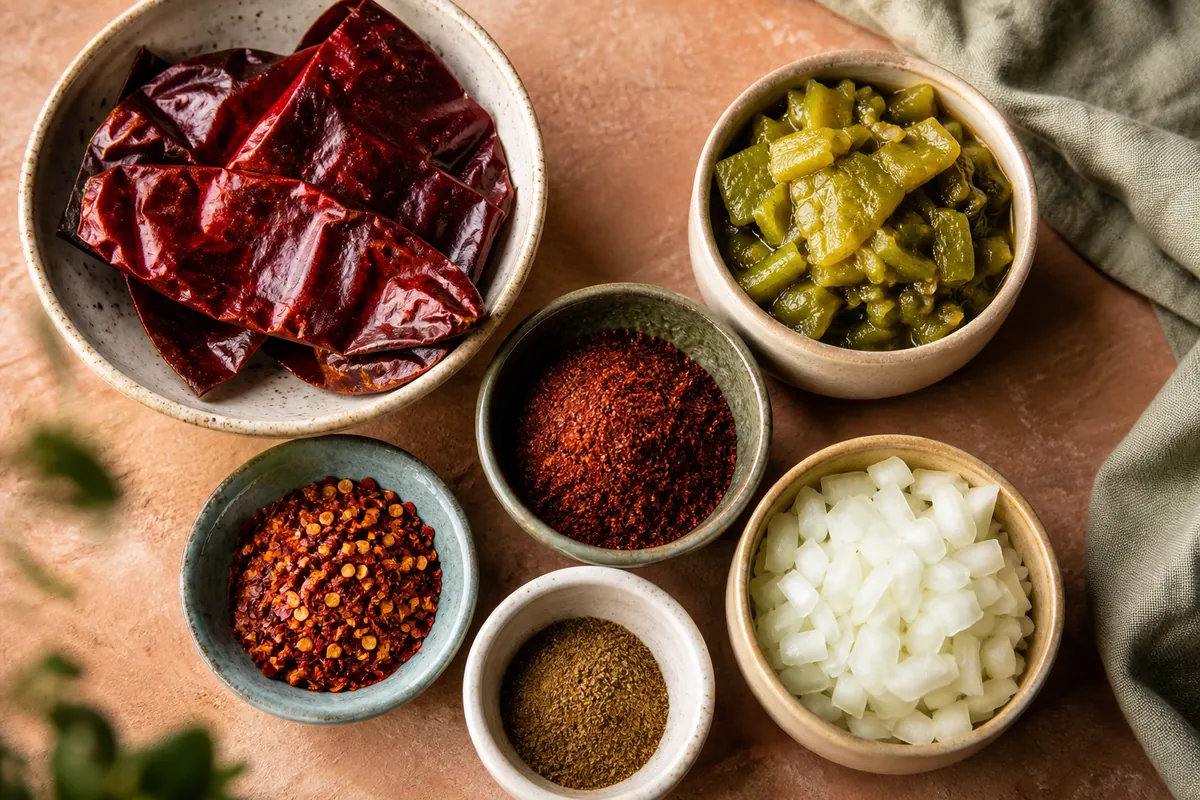 5 Best New Mexico Chile Substitutes
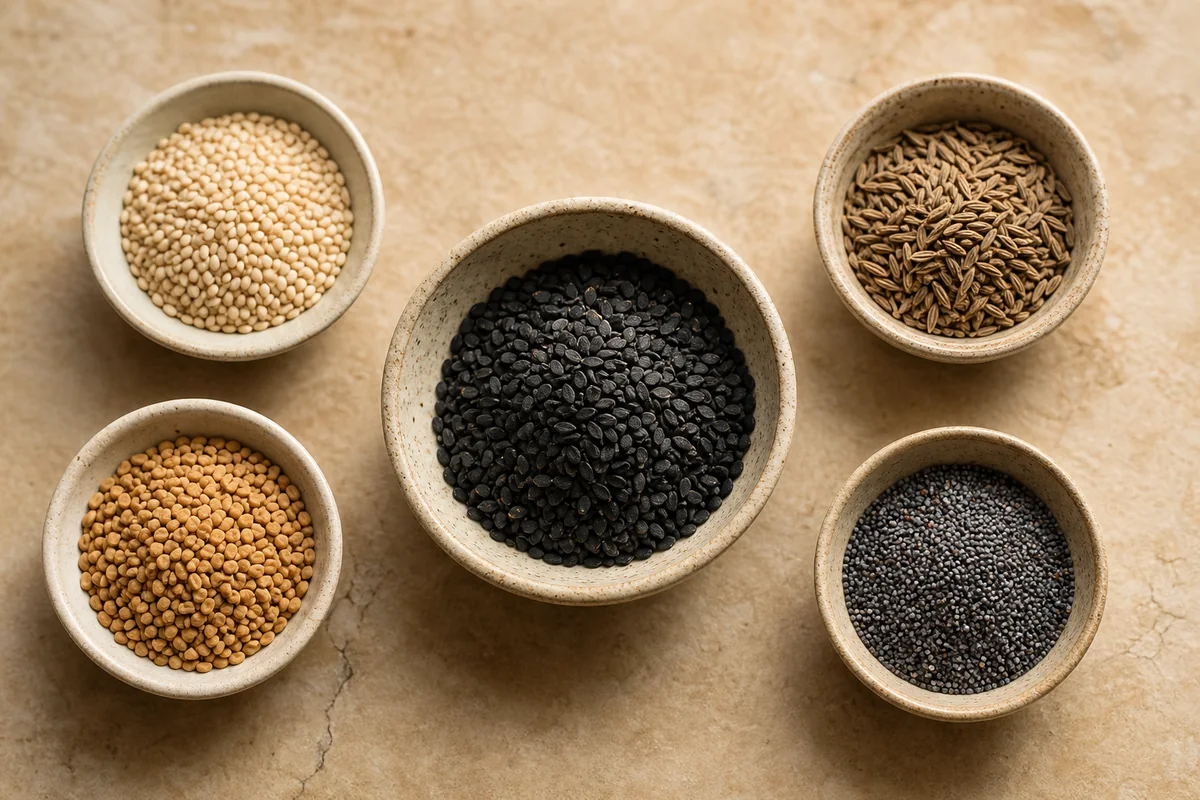 5 Best Nigella Seed Substitutes in Every Recipe
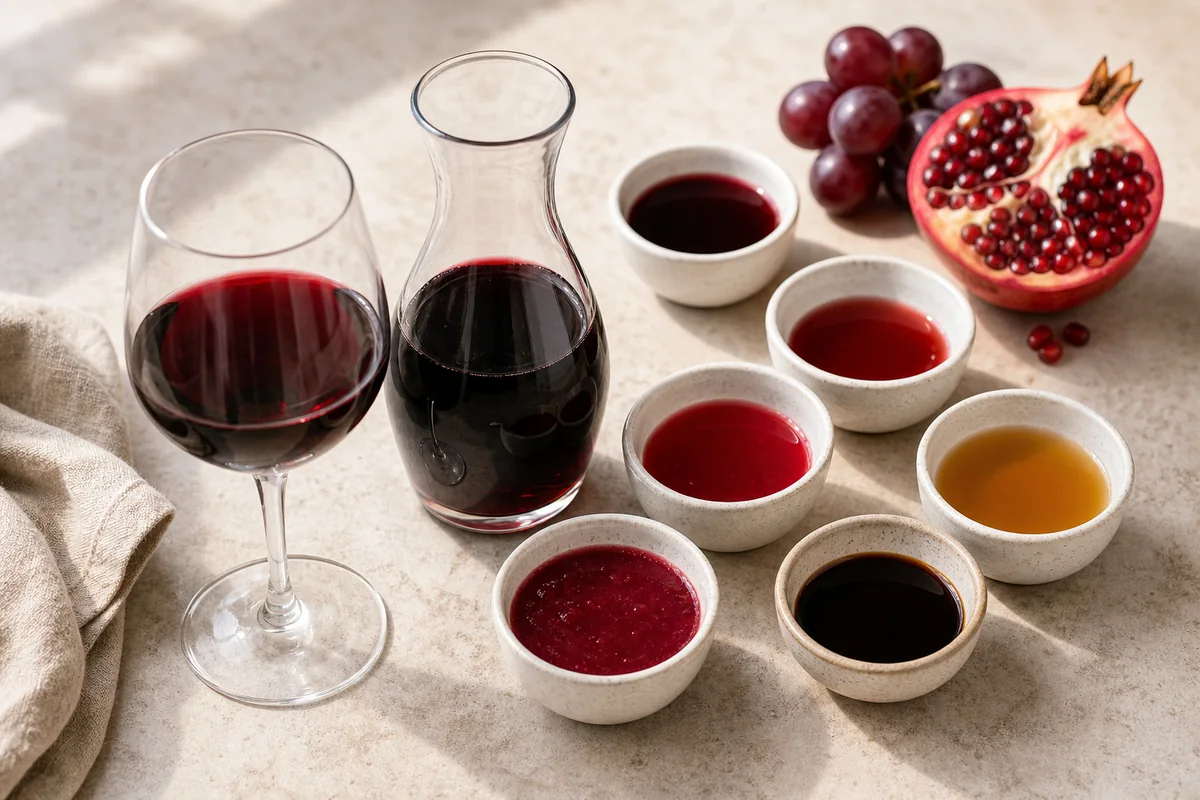 5 Best Non Alcohol Red Wine Substitutes for Any Recipe
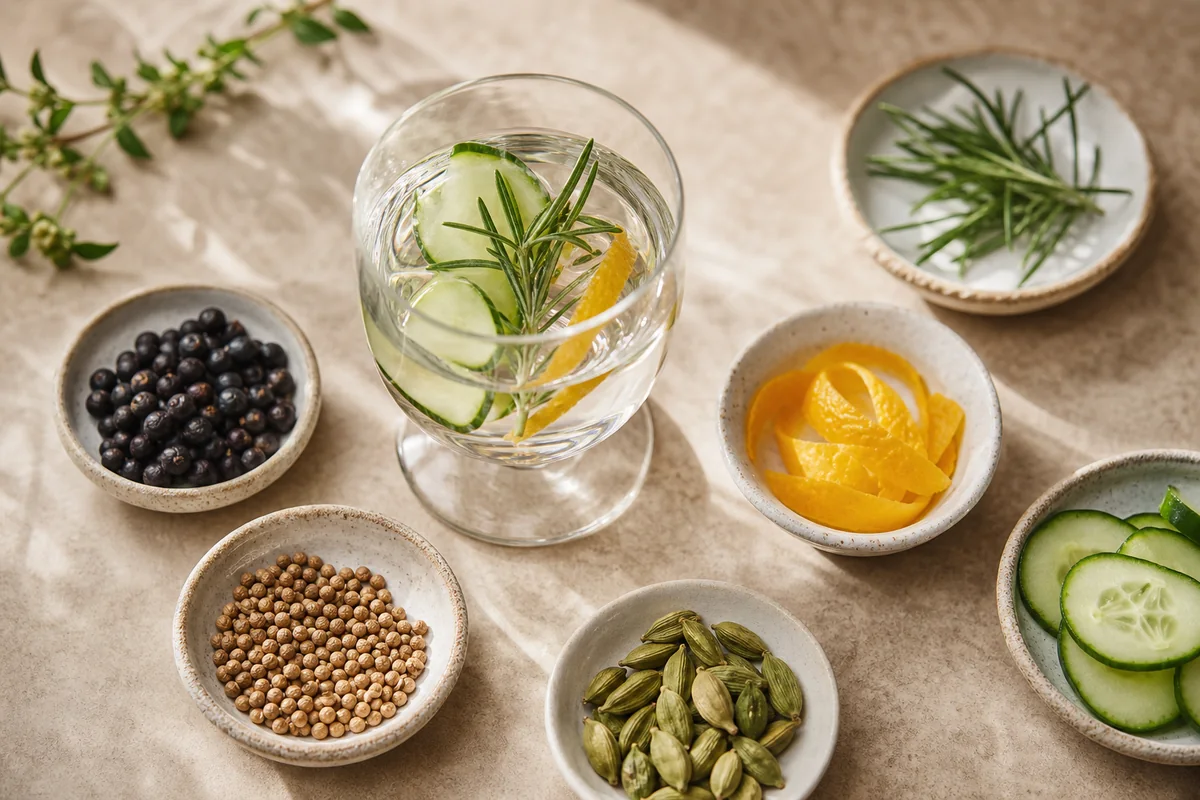 5 Best Non Alcoholic Gin Substitutes That Taste Right
 5 Best Non-Stick Cooking Spray Substitutes
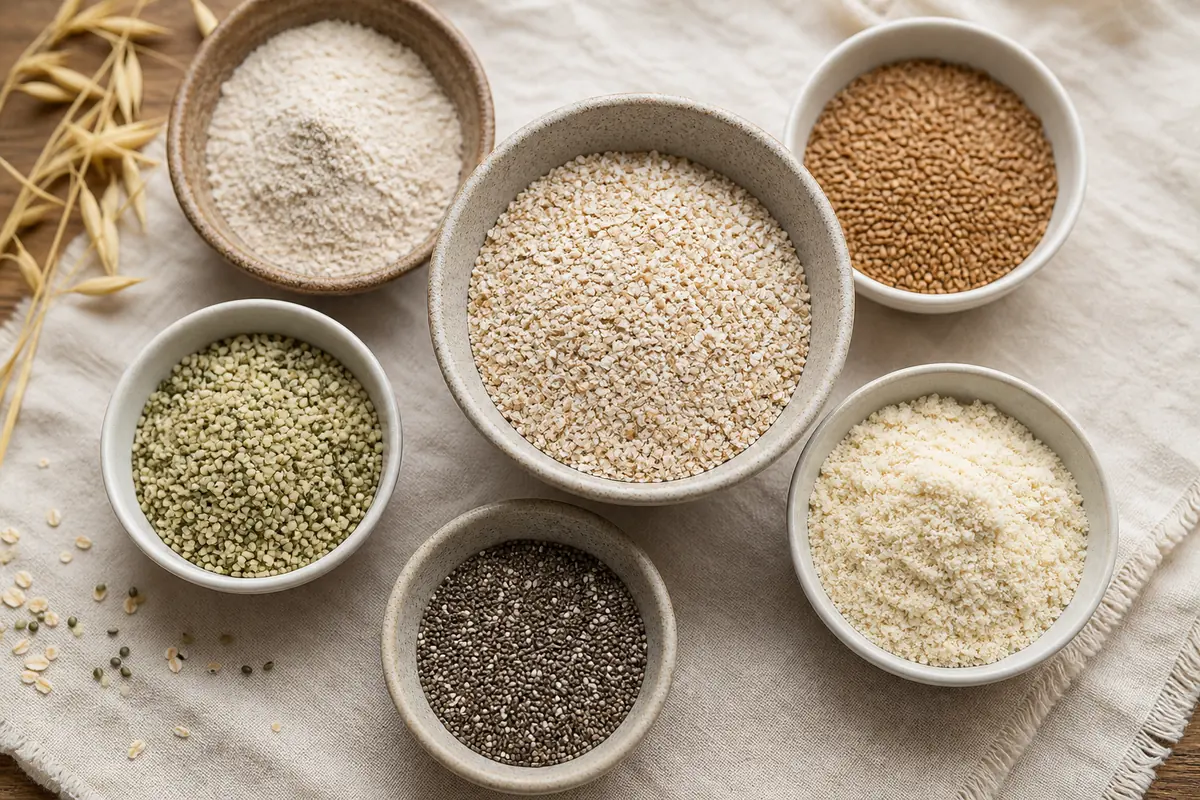 5 Best Oat Bran Substitutes for Home Cooks
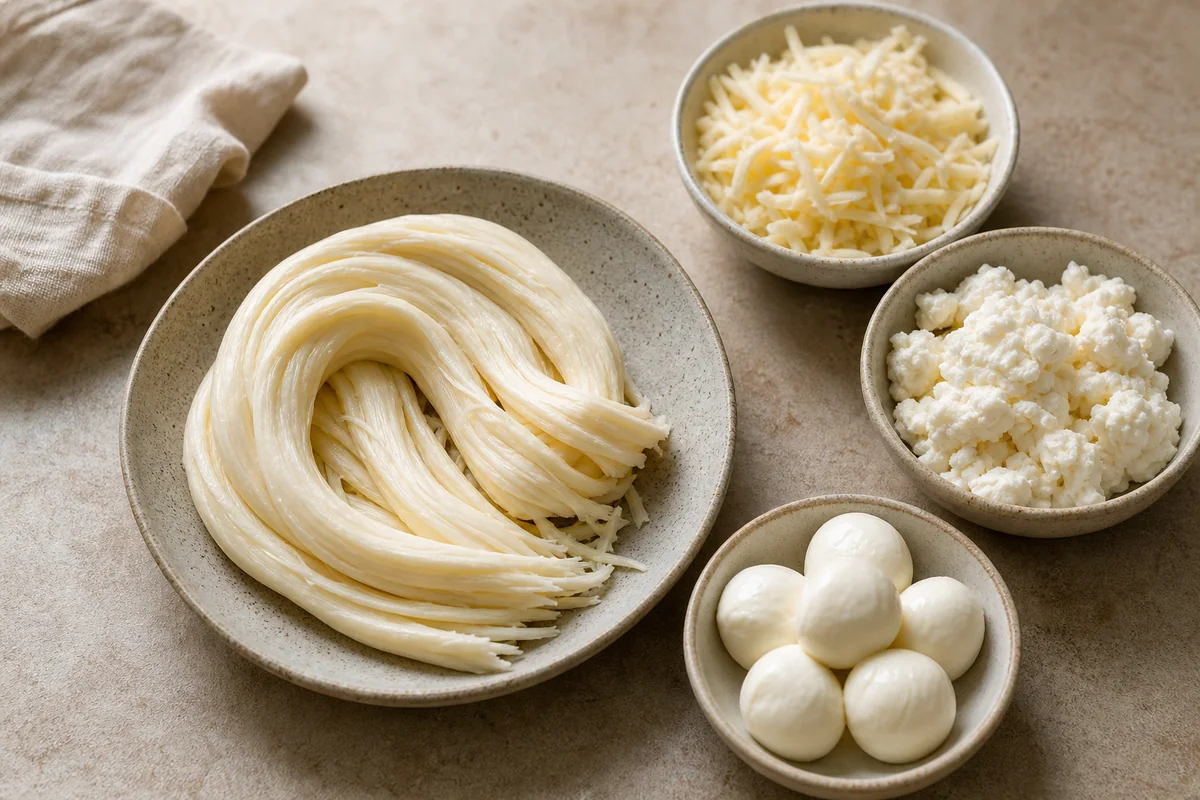 5 Best Oaxaca Cheese Substitutes That Taste Right
 5 Best Old Bay Seasoning Substitutes (Flavor-Matched)
 5 Best Olive Oil Substitutes for Any Recipe
 5 Best Onion Flakes Substitutes to Consider
 5 Best Onion Powder Substitutes (Quick Swaps)
 5 Best Onion Soup Mix Substitutes You Can Trust
 5 Best Orange Bitters Substitutes for Better Results
 5 Best Orange Extract Substitutes (with Ratios)
 5 Best Orange Juice Substitutes (Pantry Swaps)
 5 Best Orange Marmalade Substitutes
 5 Best Ouzo Substitutes
 5 Best Oyster Mushroom Substitutes for Better Results
 5 Best Panela Cheese Substitutes (Ranked)
 5 Best Paraffin Wax Substitutes in Chocolate
 5 Best Parmesan Cheese Substitutes for Alfredo Sauce
 5 Best Parrano Cheese Substitutes You Can Trust
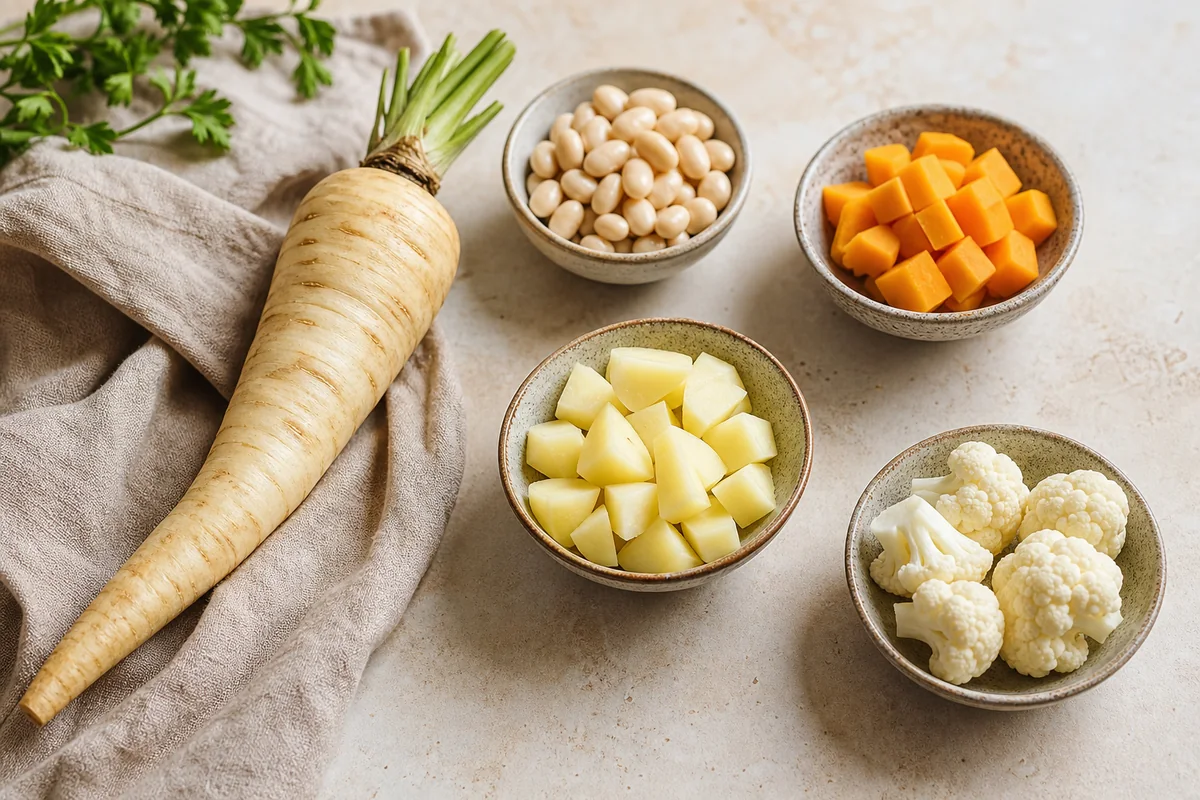 5 Best Parsnip Substitutes
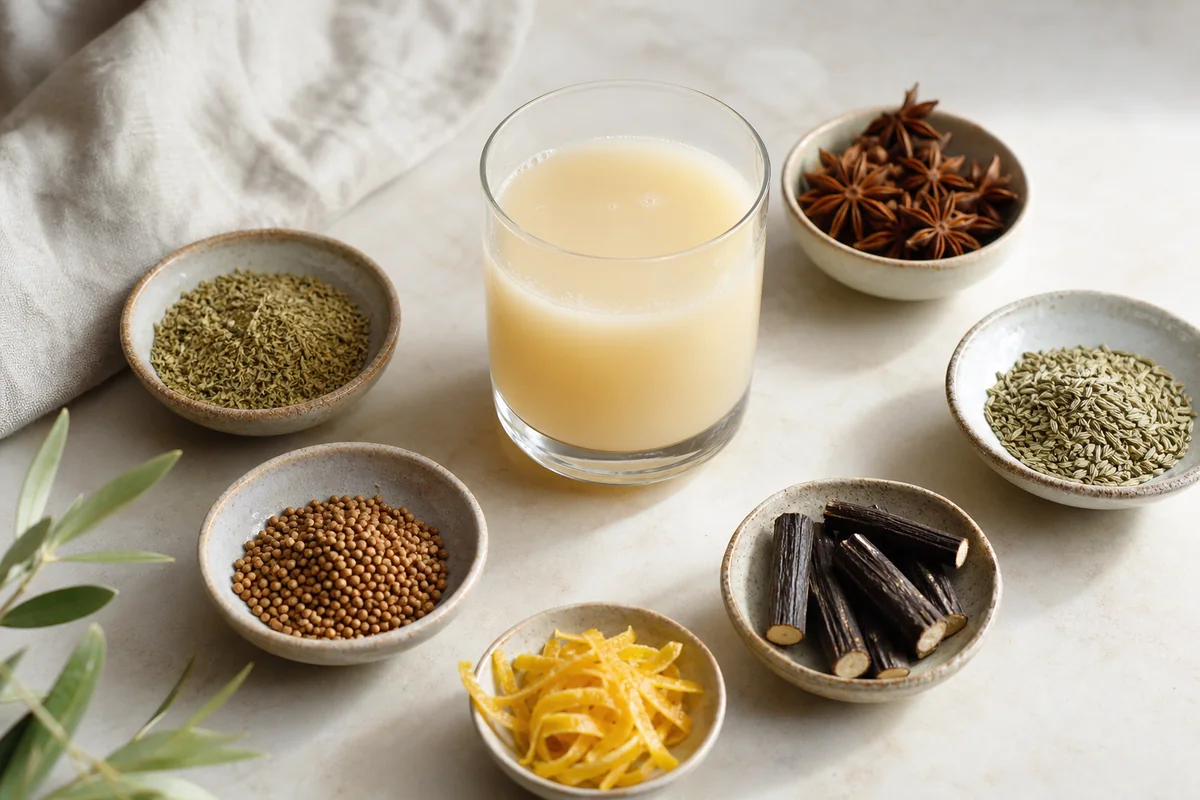 5 Best Pastis Substitutes
 5 Best Pastry Brush Substitutes to Consider
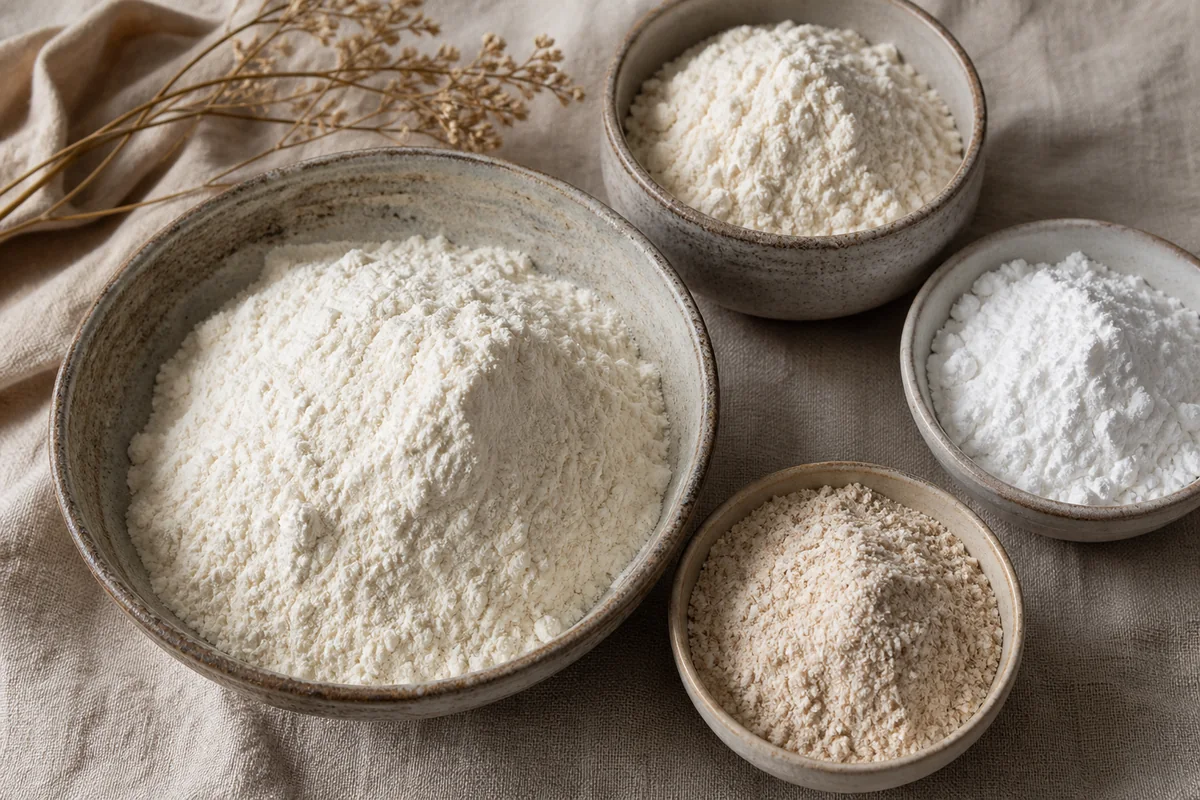 5 Best Pastry Flour Substitutes for Any Recipe
 5 Best Pea Shoots Substitutes with Ratios
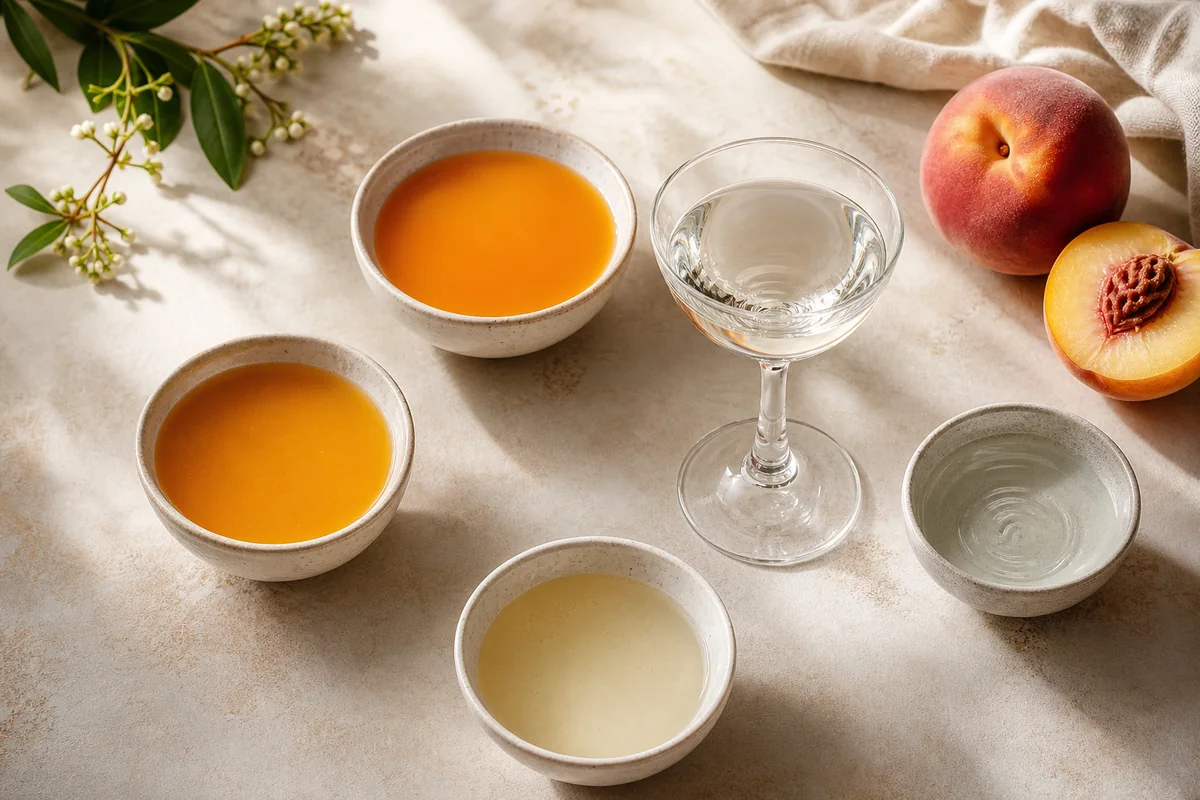 5 Best Peach Schnapps Substitutes (That Actually Work)
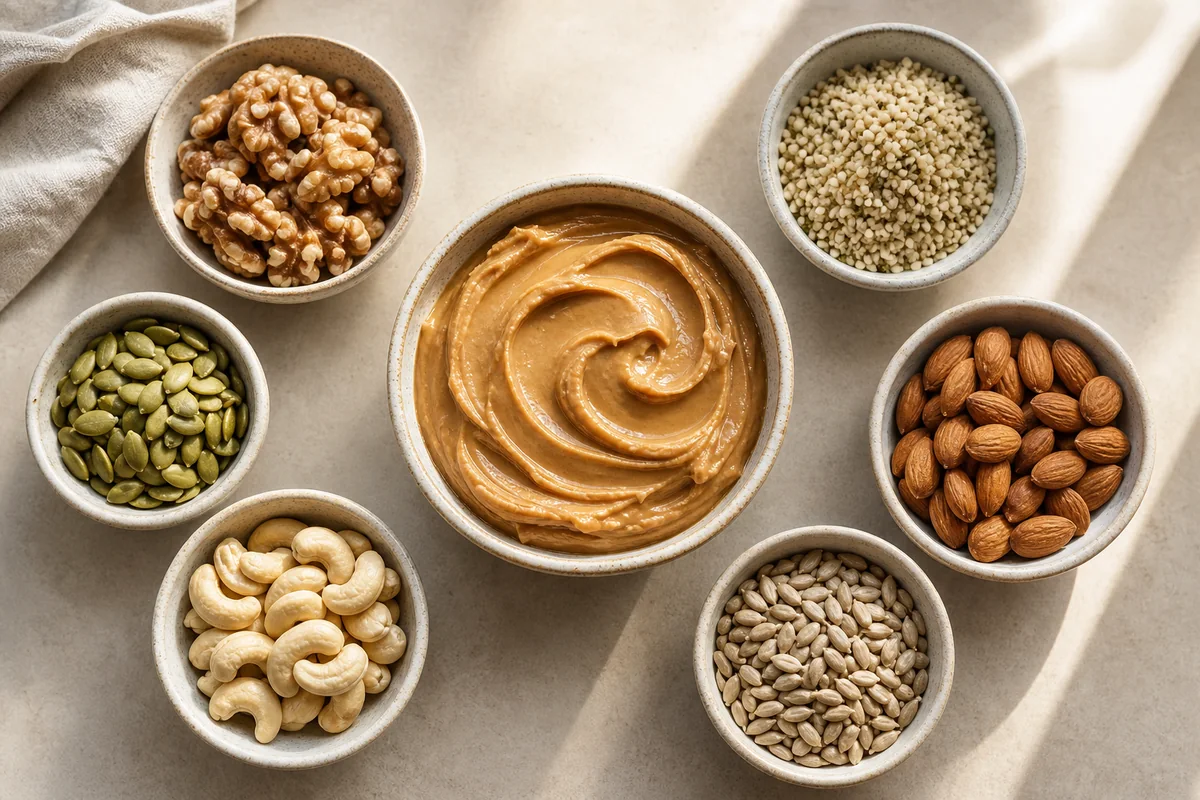 5 Best Peanut Butter Substitutes for Any Recipe
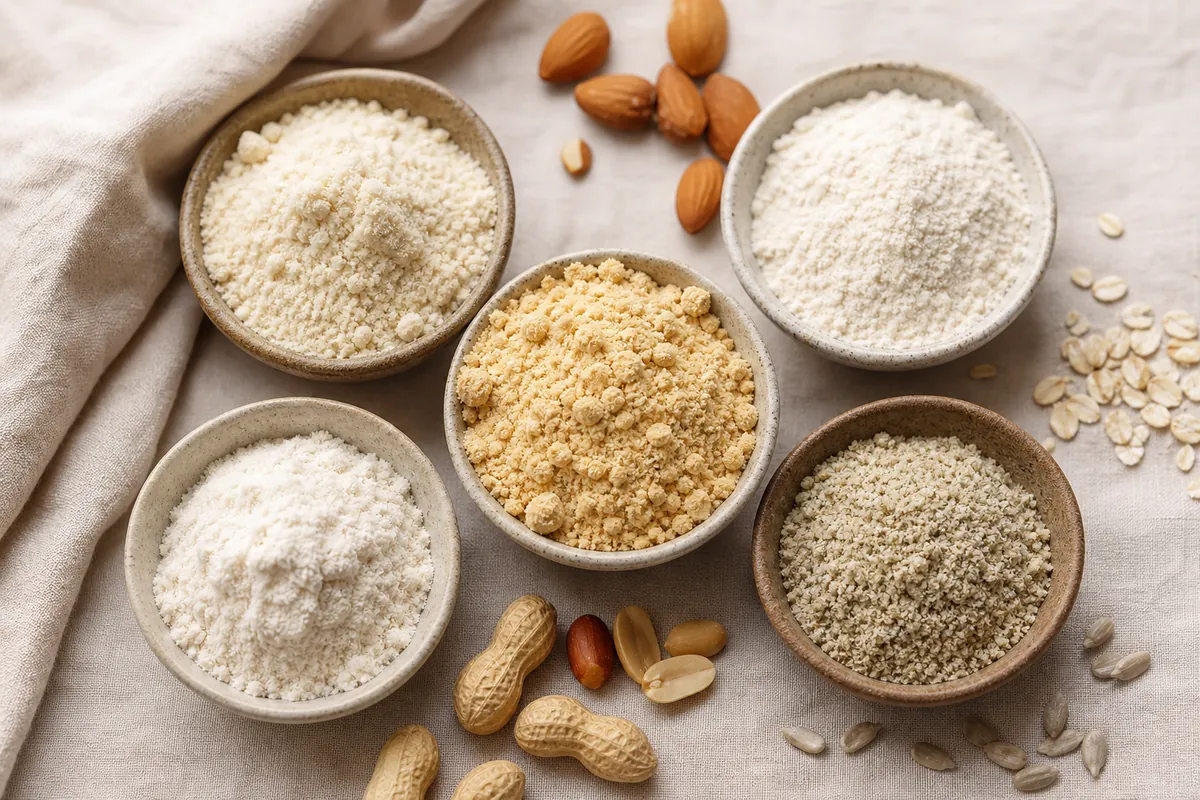 5 Best Peanut Flour Substitutes That Taste Right
 5 Best Peanut Oil Substitutes for Frying Turkey
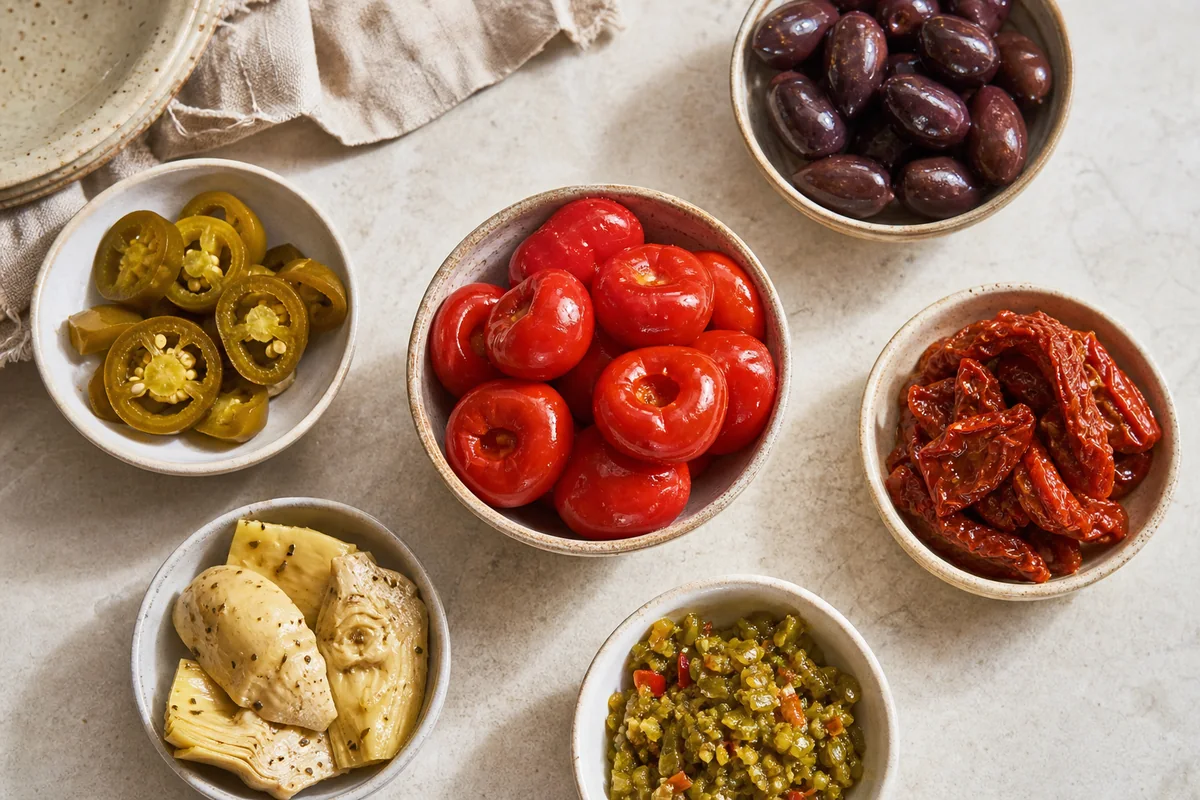 5 Best Peppadew Pepper Substitutes (Honest Picks)
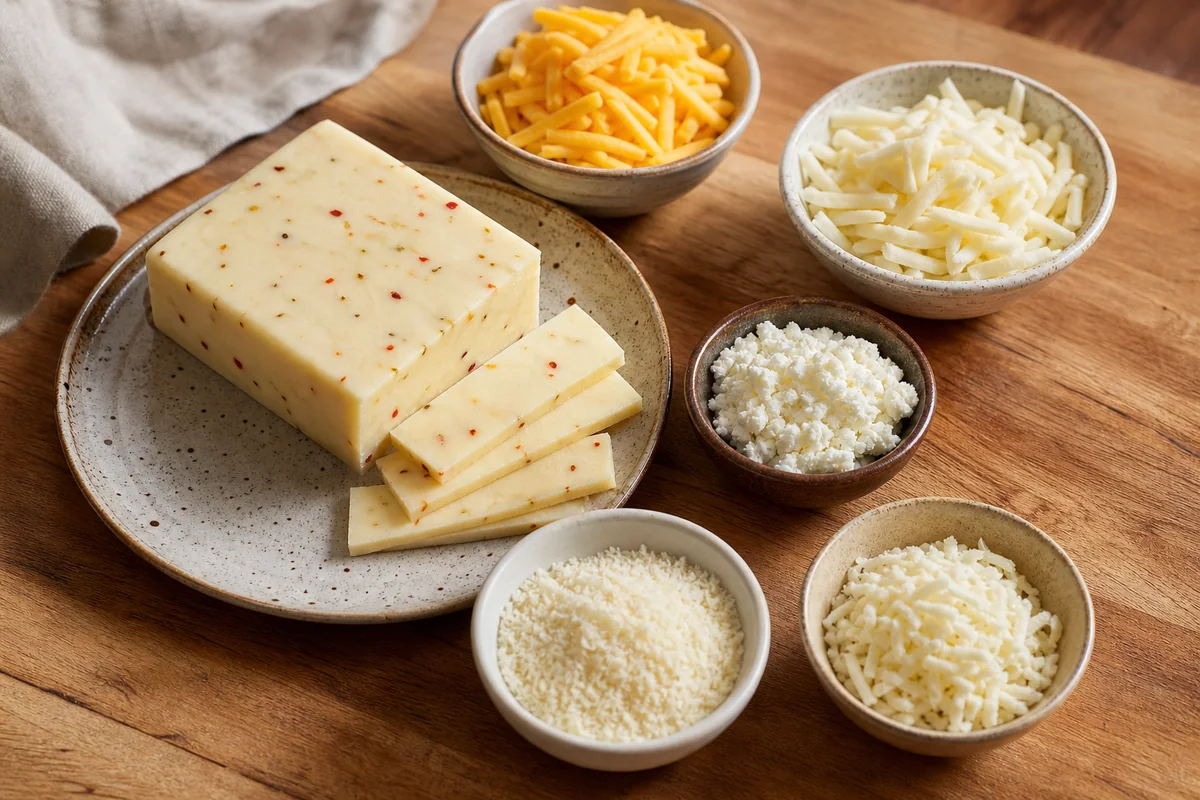 5 Best Pepper Jack Cheese Substitutes in Every Recipe
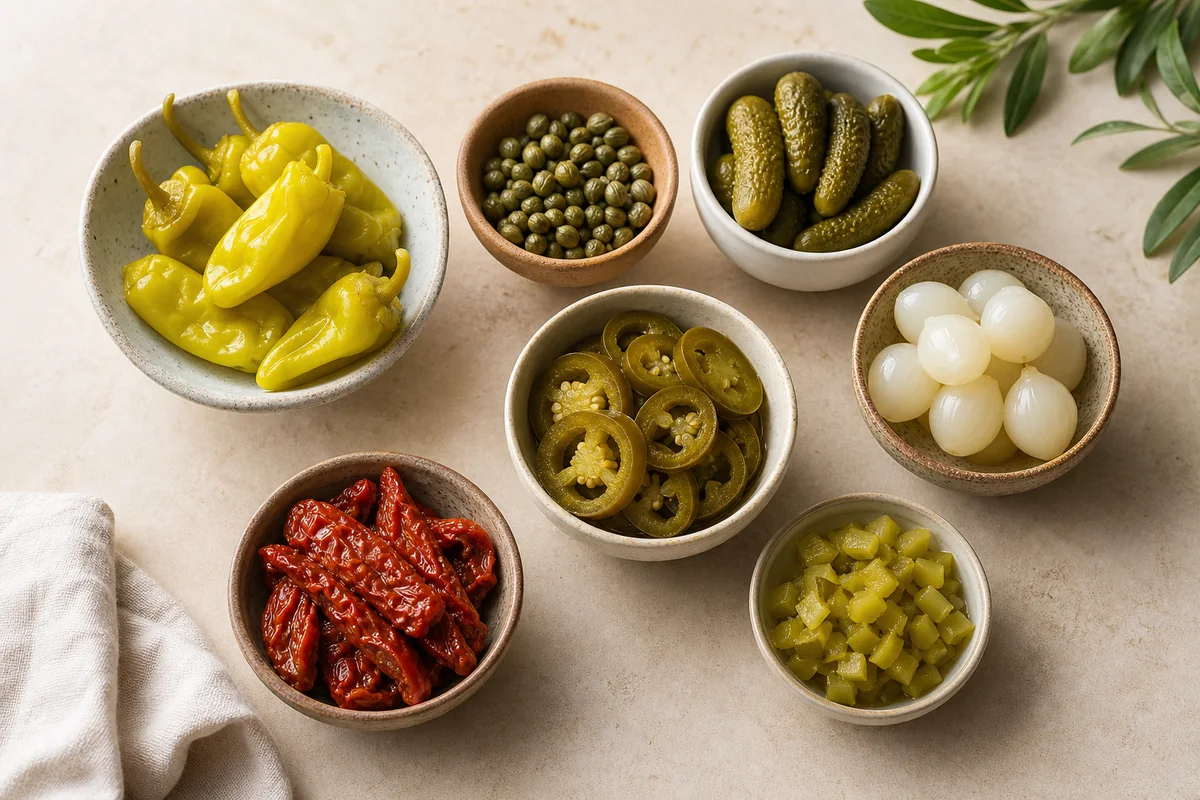 5 Best Pepperoncini Substitutes You Can Trust
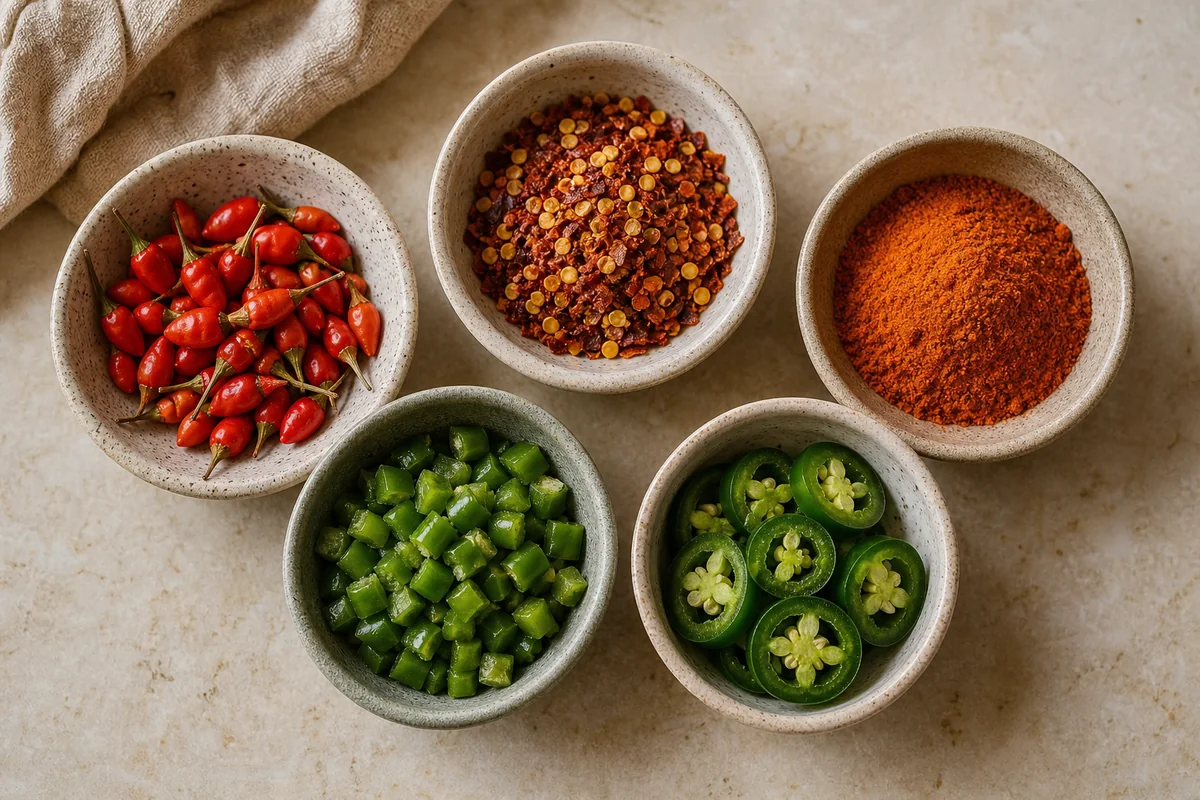 5 Best Pequin Pepper Substitutes (Pantry Swaps)
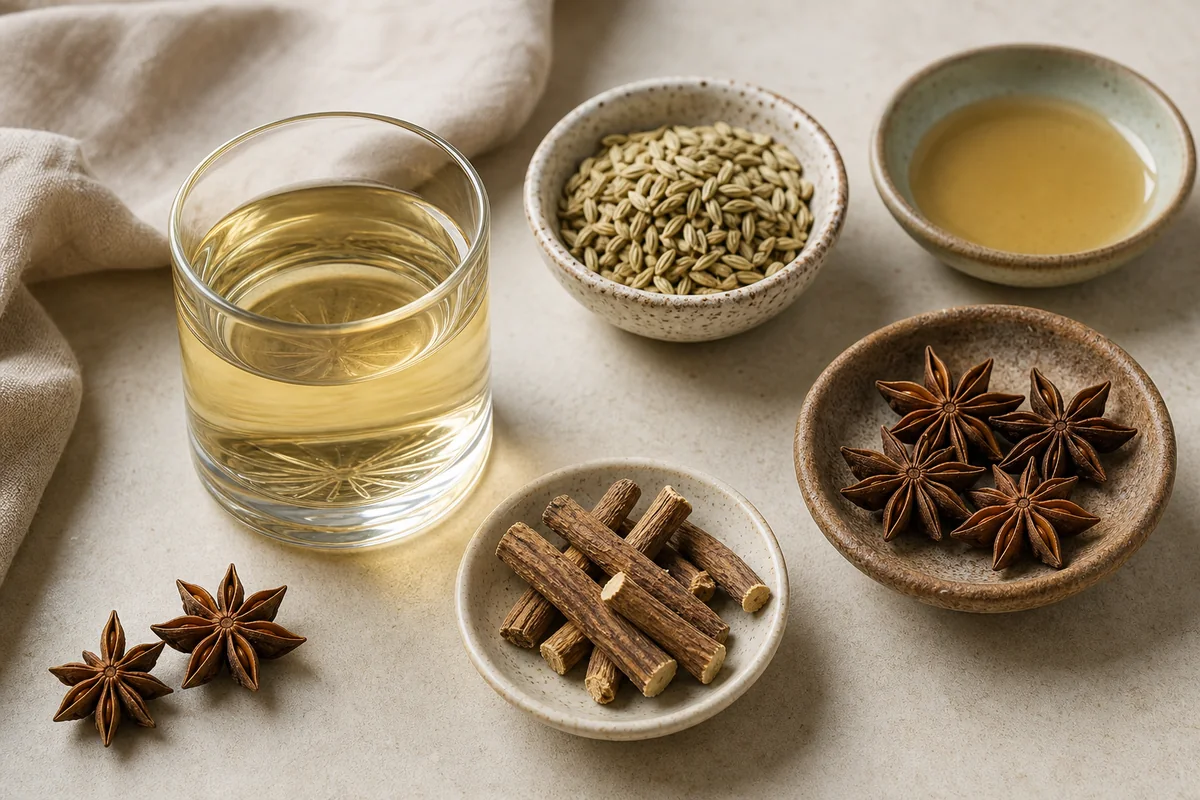 5 Best Pernod Substitutes That Taste Right
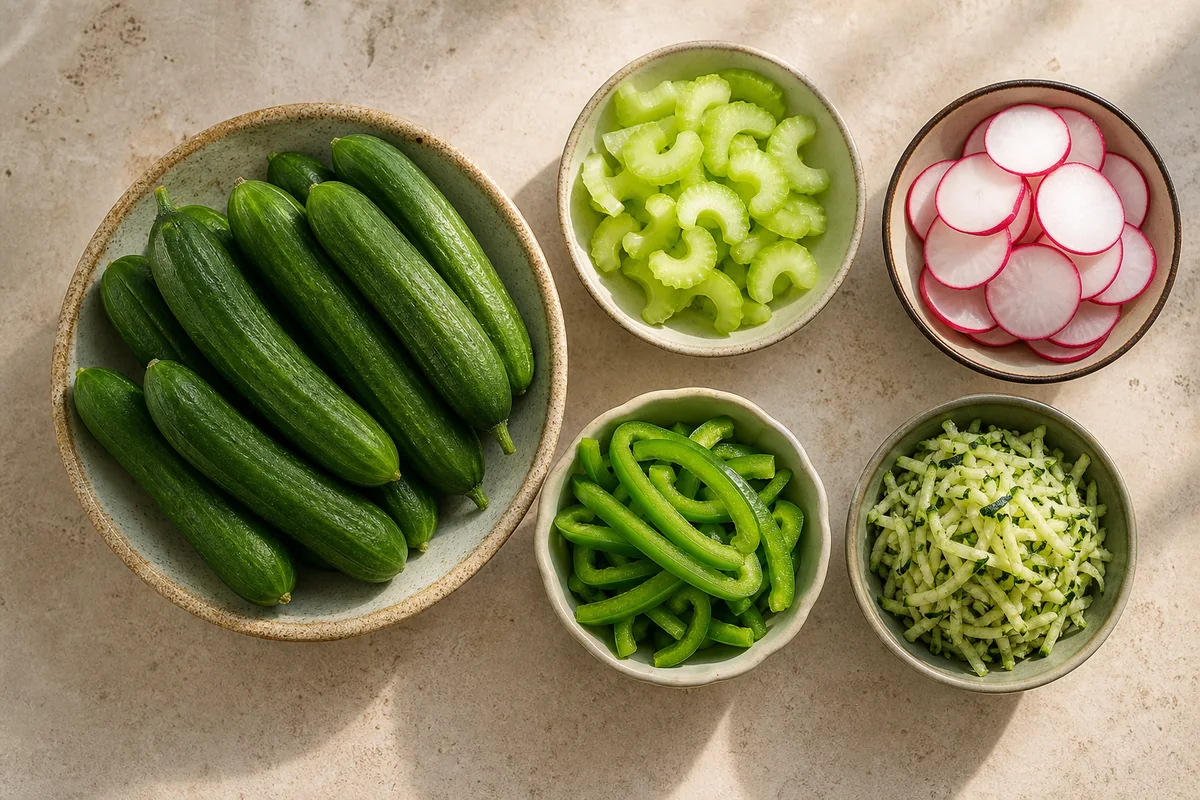 5 Best Persian Cucumber Substitutes (Ranked)
 5 Best Pesto Sauce Substitutes To Consider
 5 Best Petimezi Substitutes (Closest Match)
 5 Best Pickling Spice Substitutes in Every Recipe
 5 Best Pie Pan Substitutes (Closest Match)
 5 Best Piloncillo Substitutes You Can Trust
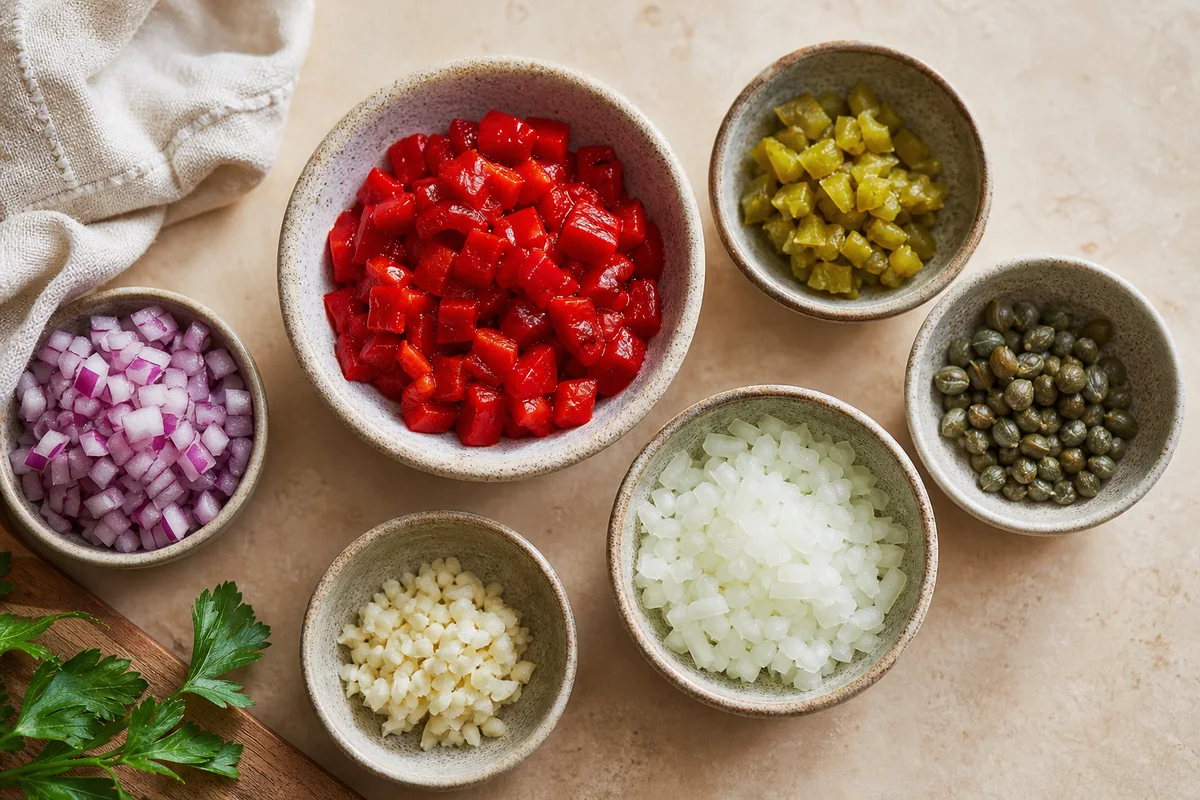 5 Best Pimento Pepper Substitutes You Can Trust
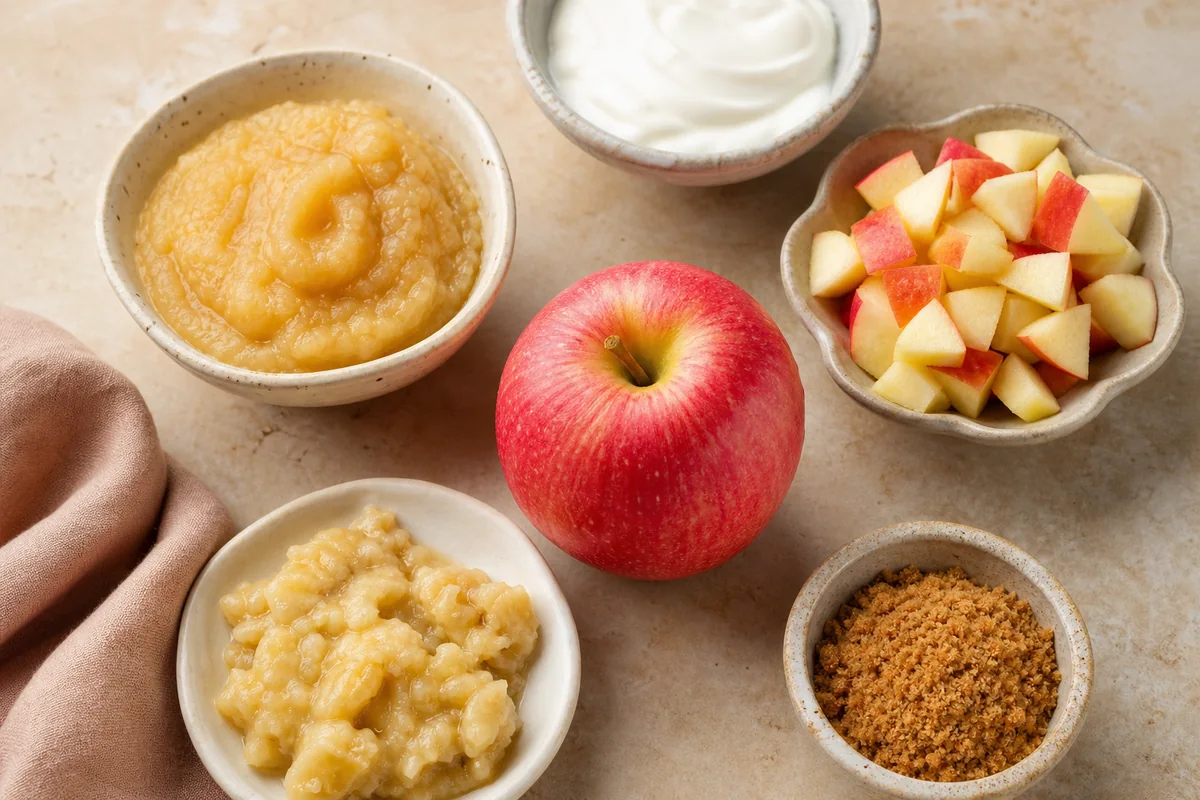 5 Best Pink Lady Apple Substitutes for Home Cooks
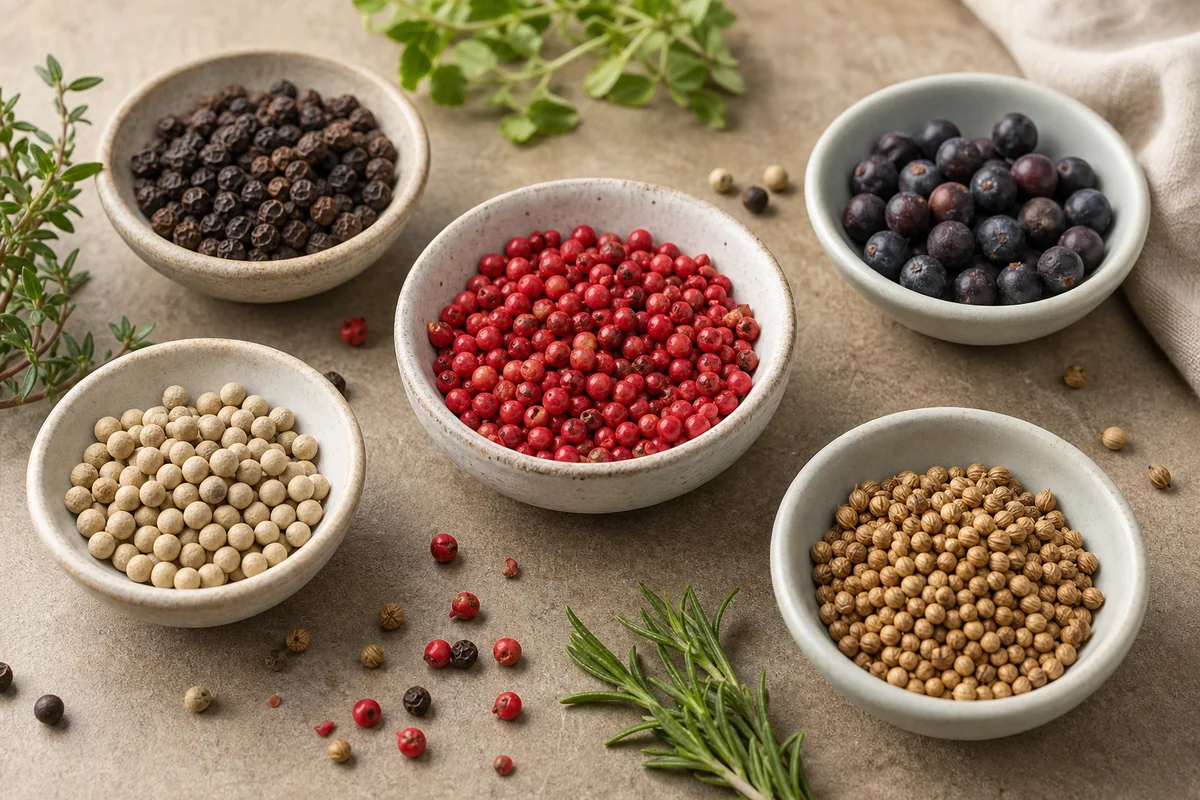 5 Best Pink Peppercorn Substitutes (Quick Swaps)
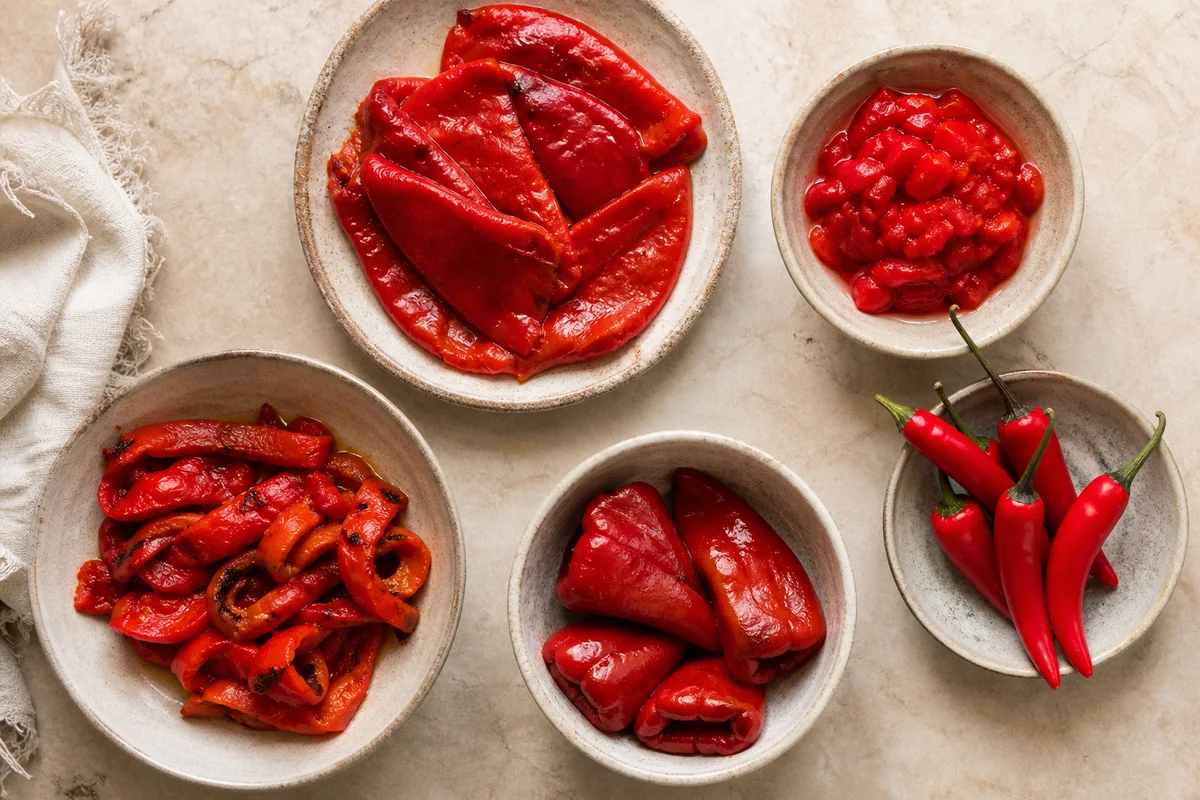 5 Best Piquillo Pepper Substitutes (Honest Picks)
 5 Best Pita Bread Substitutes (Quick Swaps)
 5 Best Plum Sauce Substitutes (Closest Match)
 5 Best Plum Substitutes (Pantry Swaps)
 5 Best Poblano Pepper Substitutes (Honest Picks)
 5 Best Polenta Substitutes You Can Trust
 5 Best Pollock Substitutes (Ranked)
 5 Best Pomegranate Molasses Substitutes for Better Results
 5 Best Pomegranate Substitutes You Can Trust
 5 Best Pompano Substitutes for Home Cooks
 5 Best Ponzu Sauce Substitutes (Easy Swaps)
 5 Best Poppy Seed Substitutes (Flavor-Matched)
 5 Best Porcini Mushroom Substitutes for Home Cooks
 5 Best Port Wine Substitutes (with Ratios)
 5 Best Portobello Mushroom Substitutes
 5 Best Potato Flakes Substitutes for Better Results
 5 Best Poultry Seasoning Substitutes You Can Trust
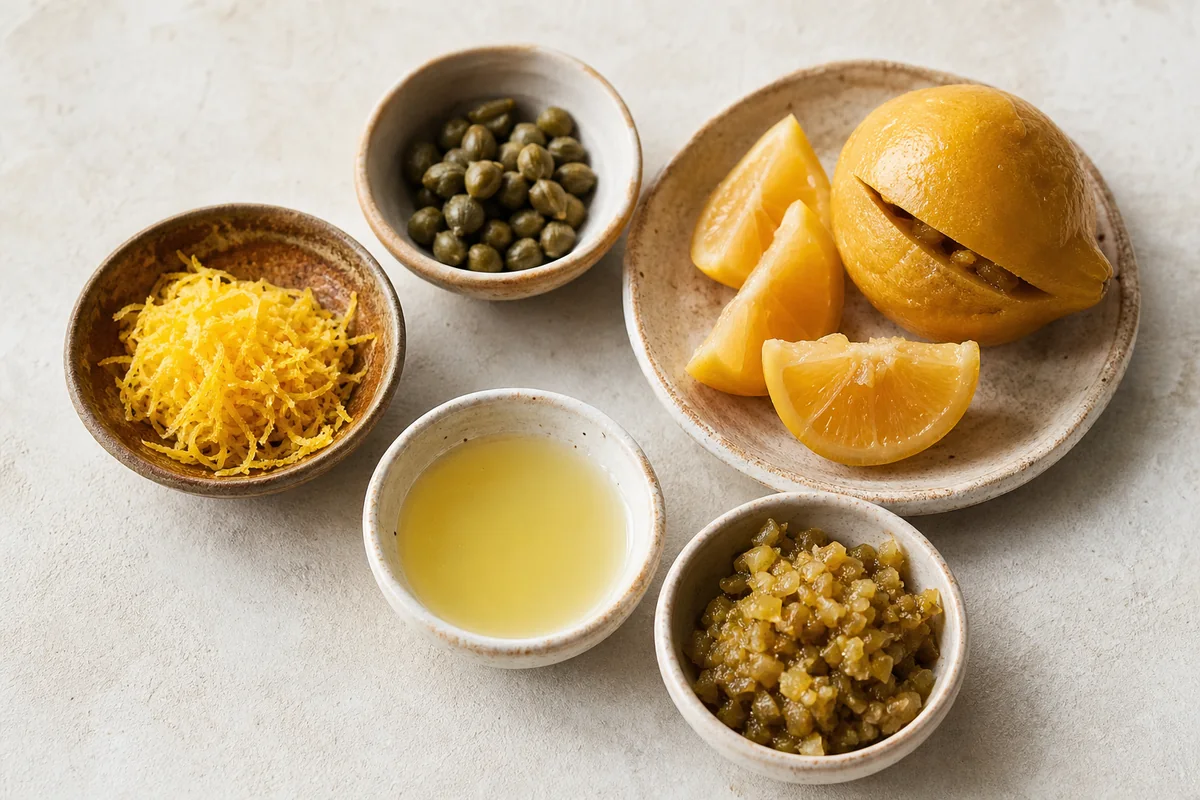 5 Best Preserved Lemon Substitutes
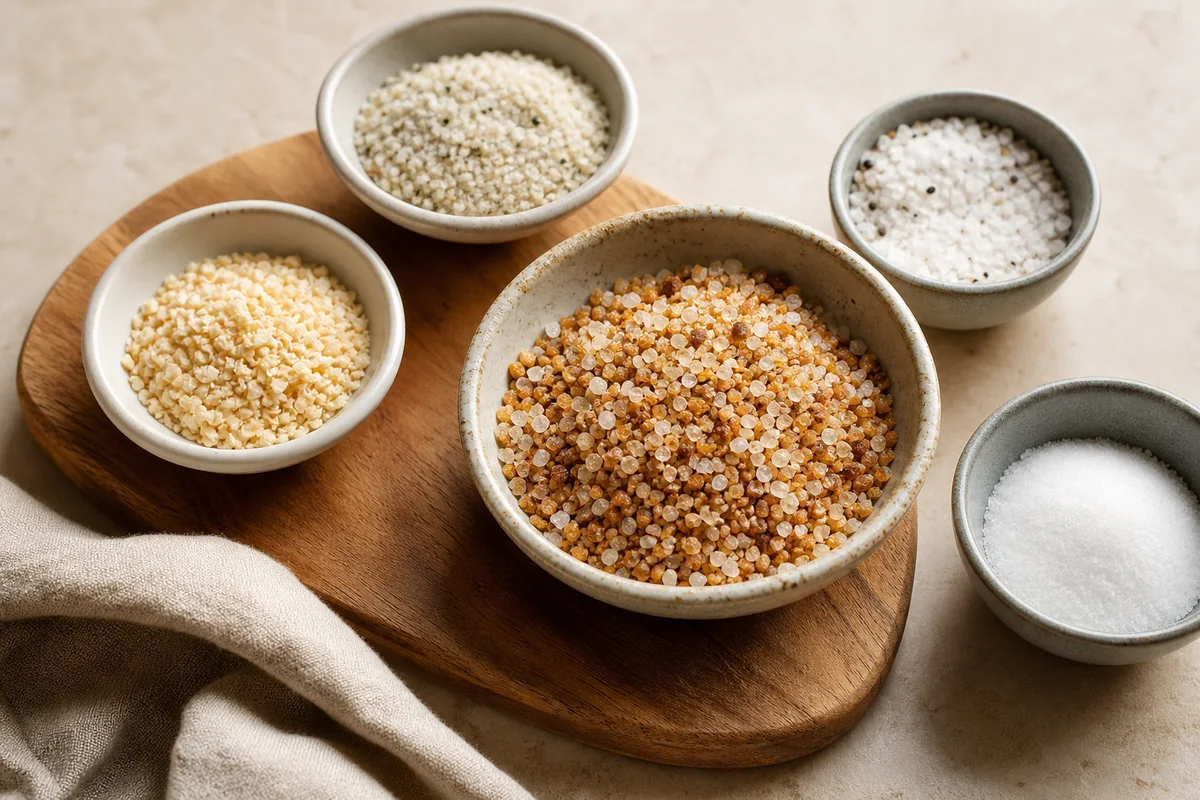 5 Best Pretzel Salt Substitutes You Can Trust
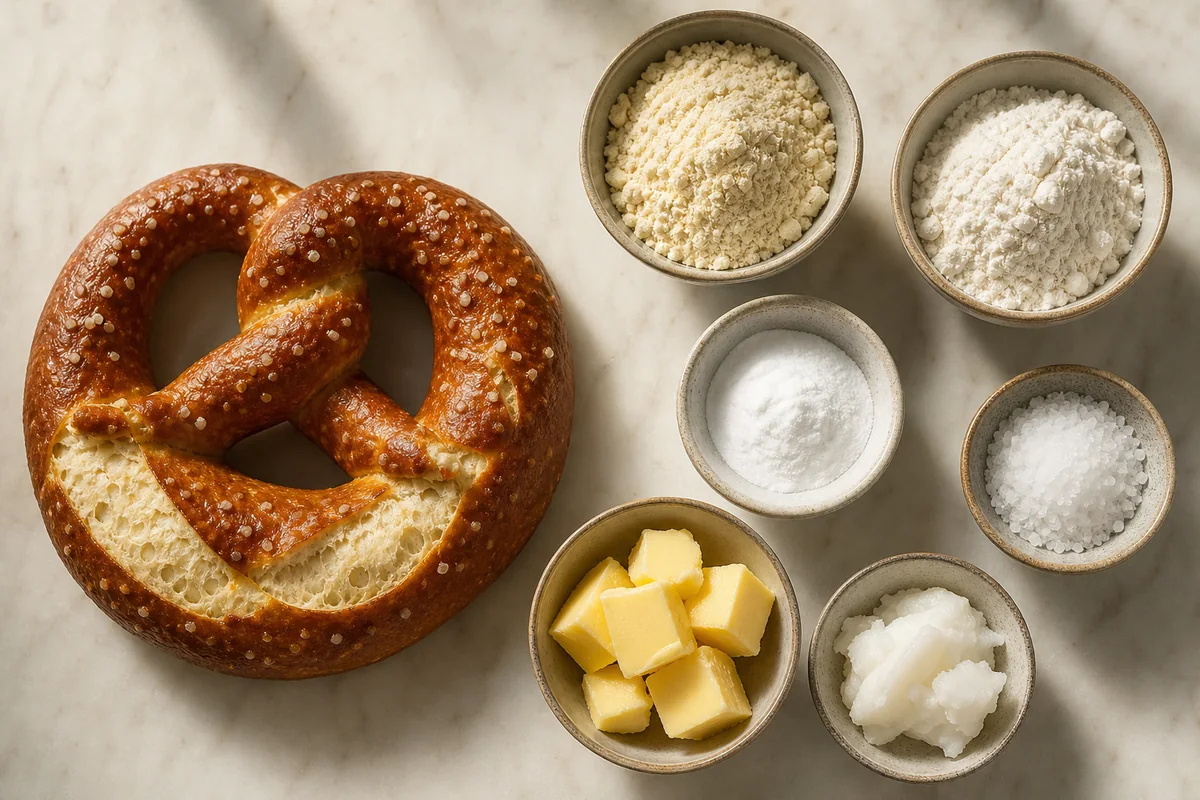 5 Best Pretzel Substitutes (Ranked)
 5 Best Provolone Cheese Substitutes (with Swap Ratios)
 5 Best Prune Substitutes That Taste Right
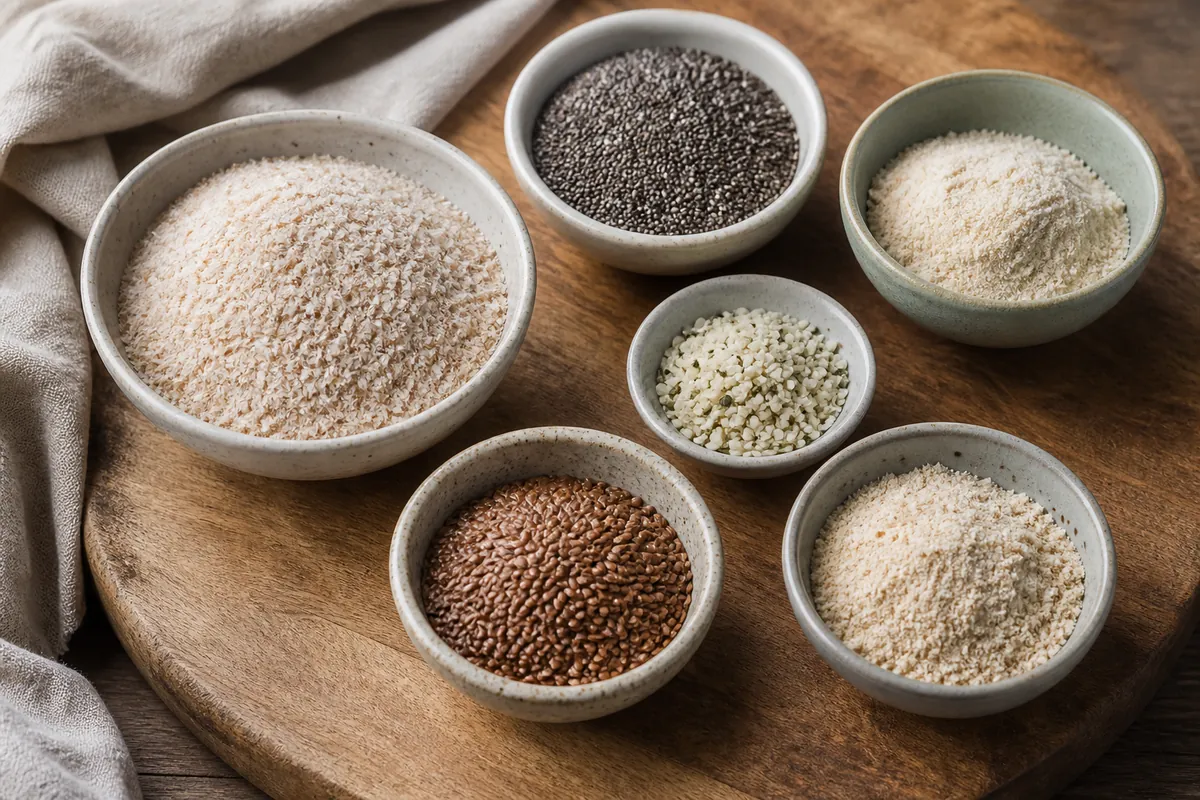 5 Best Psyllium Husk Substitutes (Pantry Swaps)
 5 Best Puff Pastry Substitutes (Easy Swaps)
 5 Best Pumpkin Pie Spice Substitutes (Flavor-Matched)
 5 Best Pumpkin Seed Oil Substitutes (Easy Swaps)
 5 Best Quark Cheese Substitutes
 5 Best Queso Fresco Substitutes (Honest Picks)
 5 Best Quinoa Flour Substitutes (Flavor-Matched)
 5 Best Raclette Cheese Substitutes in Every Recipe
 5 Best Radish Substitutes Worth Trying
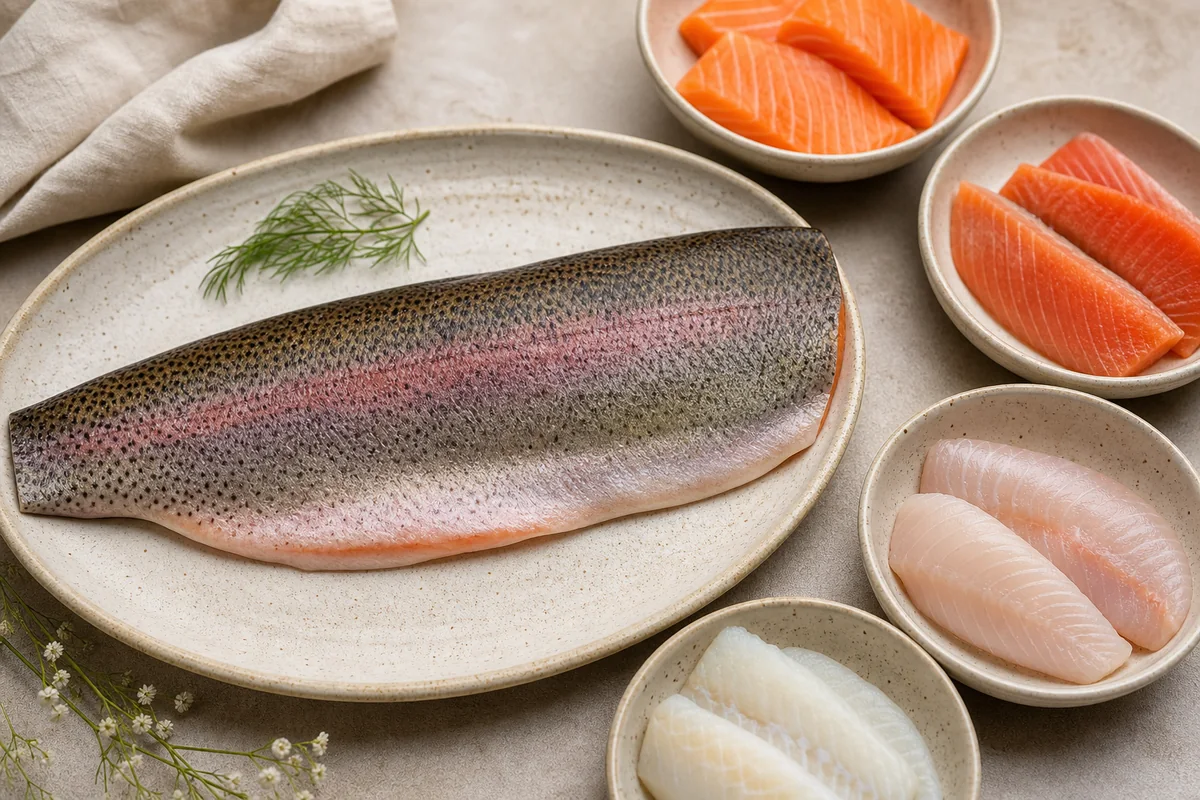 5 Best Rainbow Trout Substitutes (Pantry Swaps)
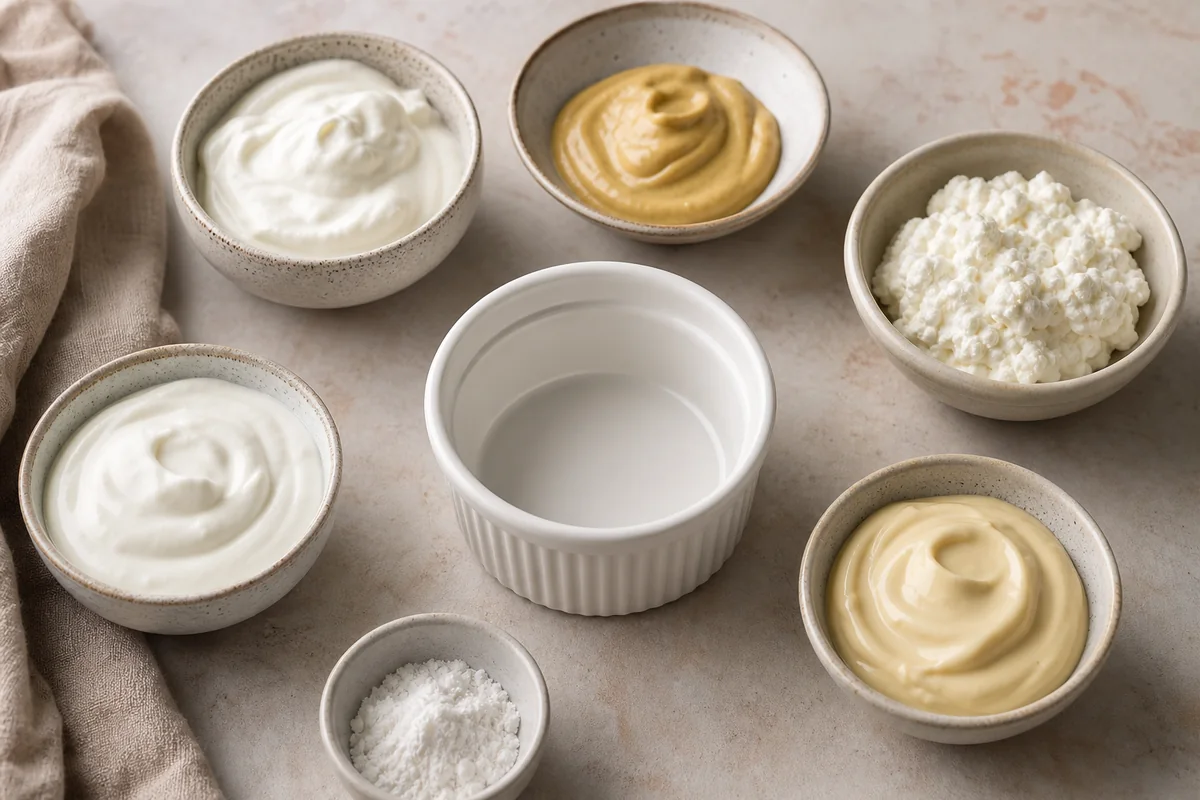 5 Best Ramekin Substitutes (Pantry Swaps)
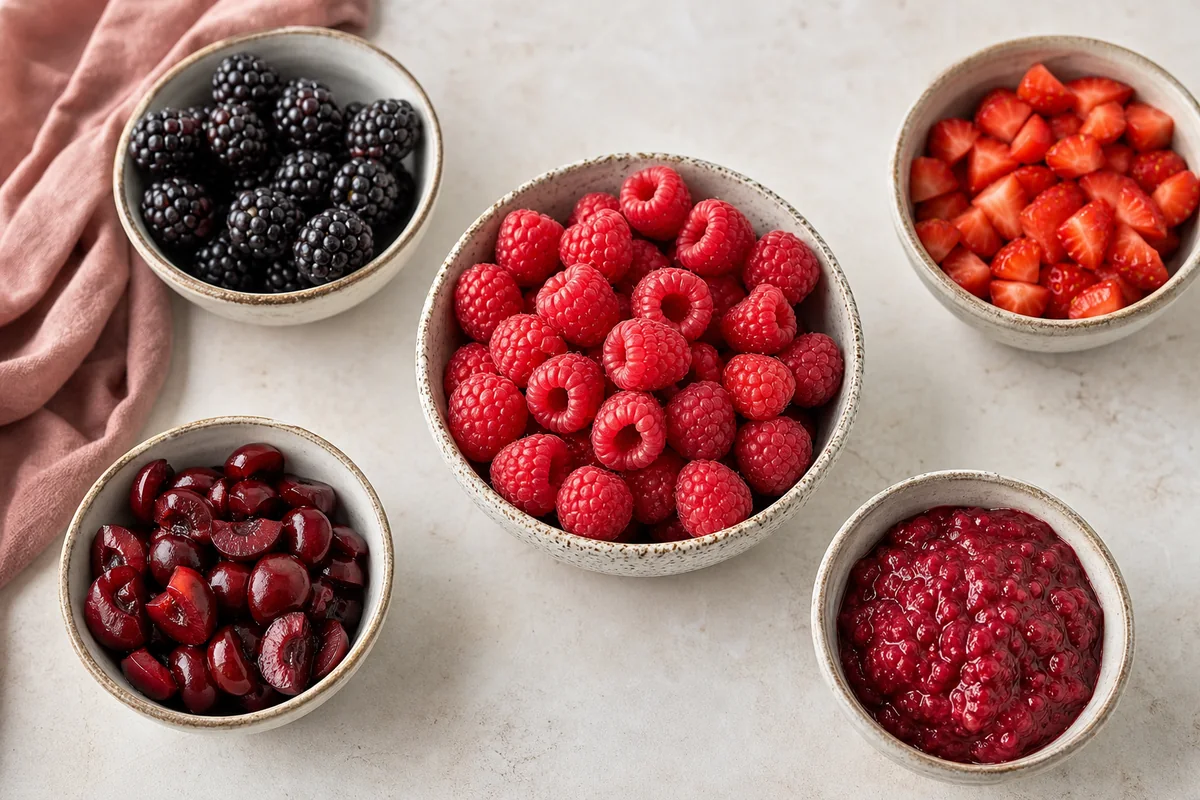 5 Best Raspberries Substitutes for Any Recipe
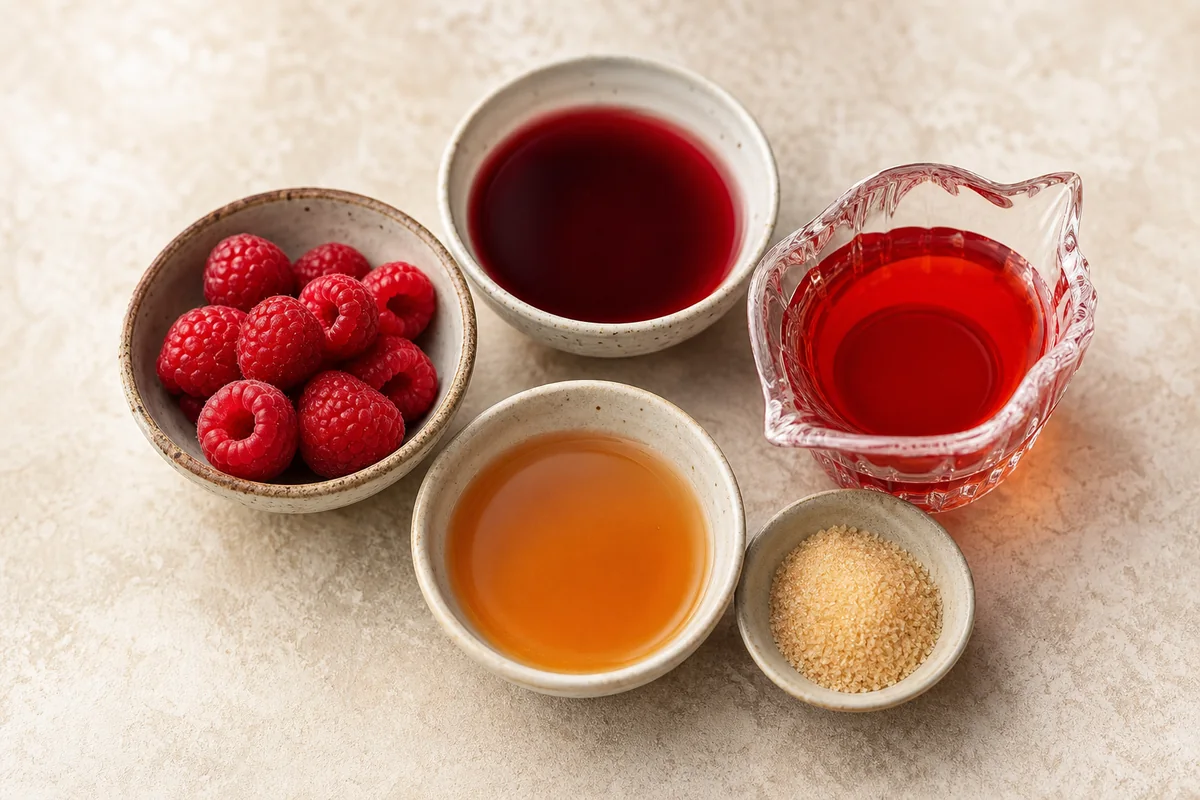 5 Best Raspberry Vinegar Substitutes (Flavor-Matched)
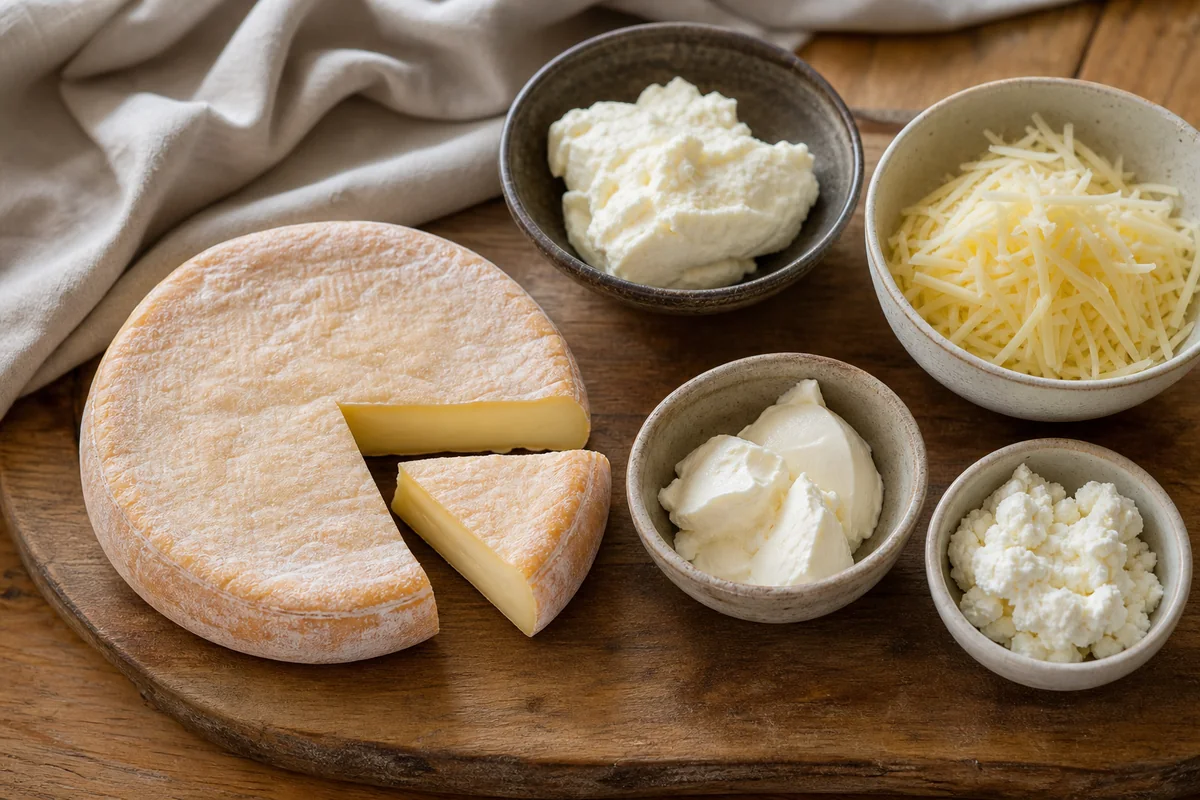 5 Best Reblochon Cheese Substitutes (Closest Match)
 5 Best Red Cabbage Substitutes (with Ratios)
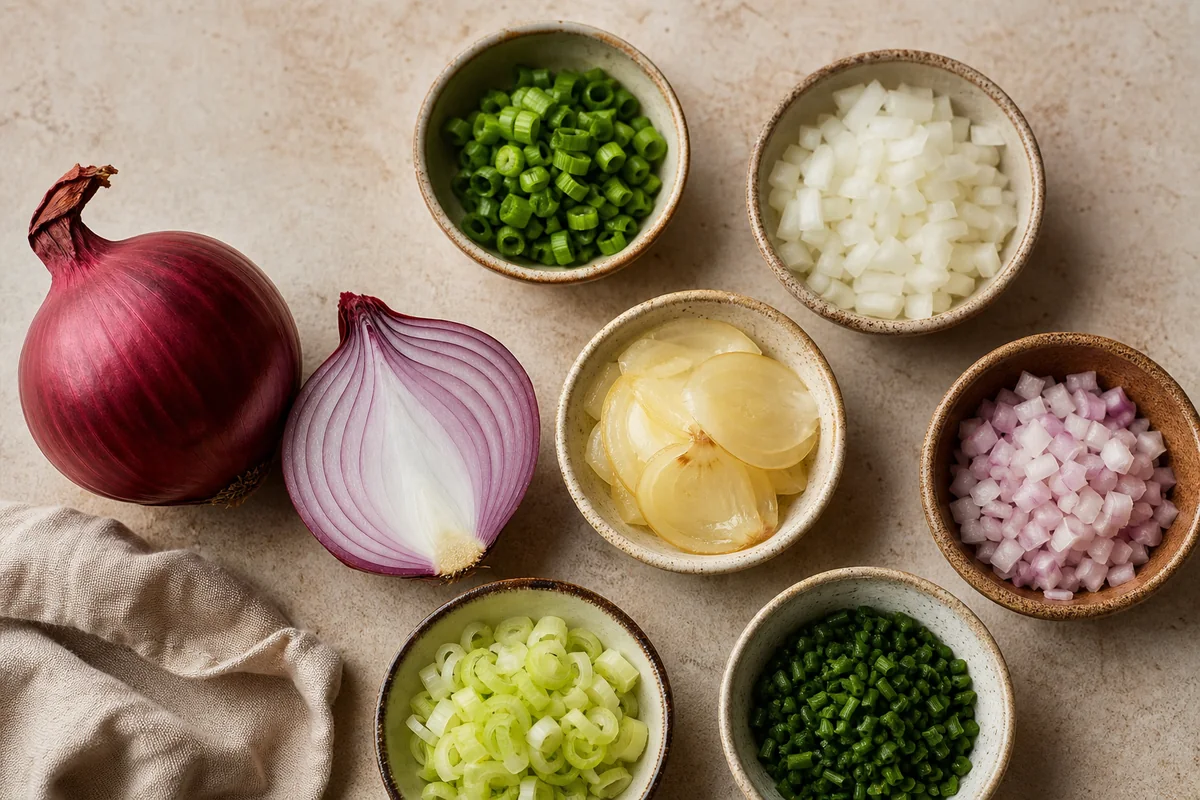 5 Best Red Onion Substitutes (That Actually Work)
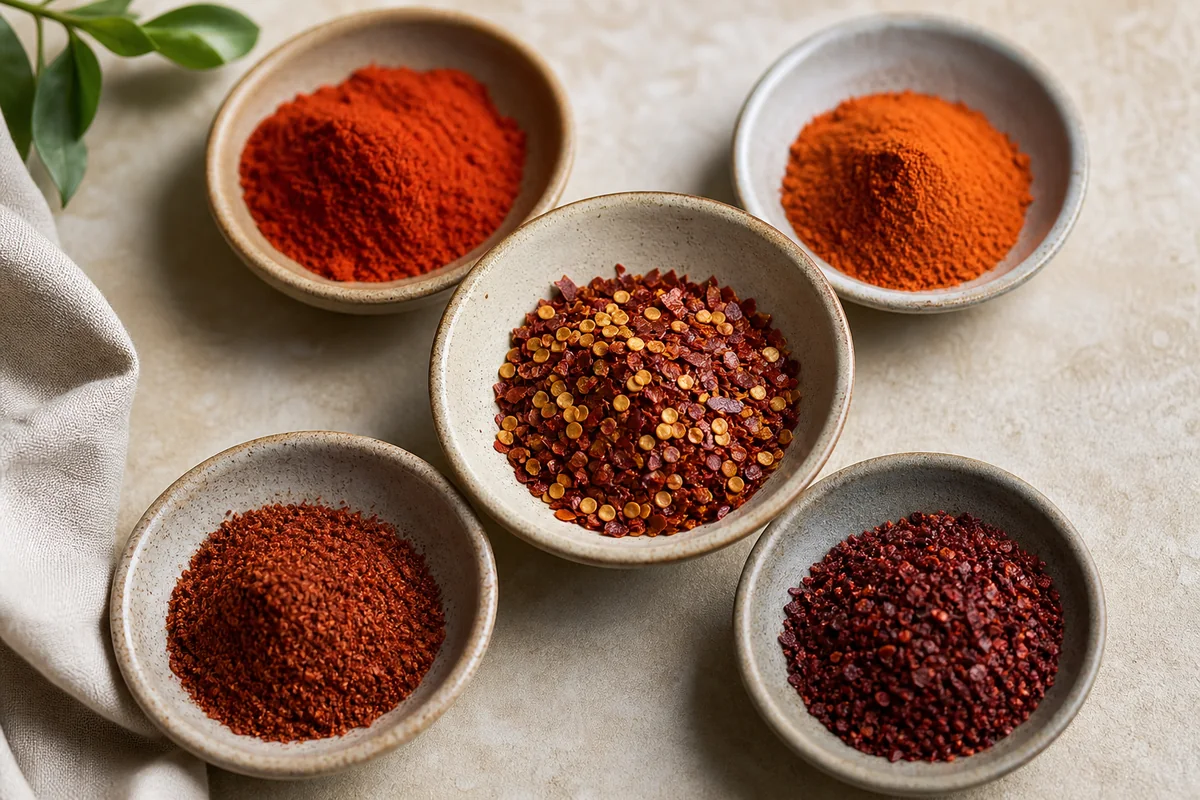 5 Best Red Pepper Flakes Substitutes
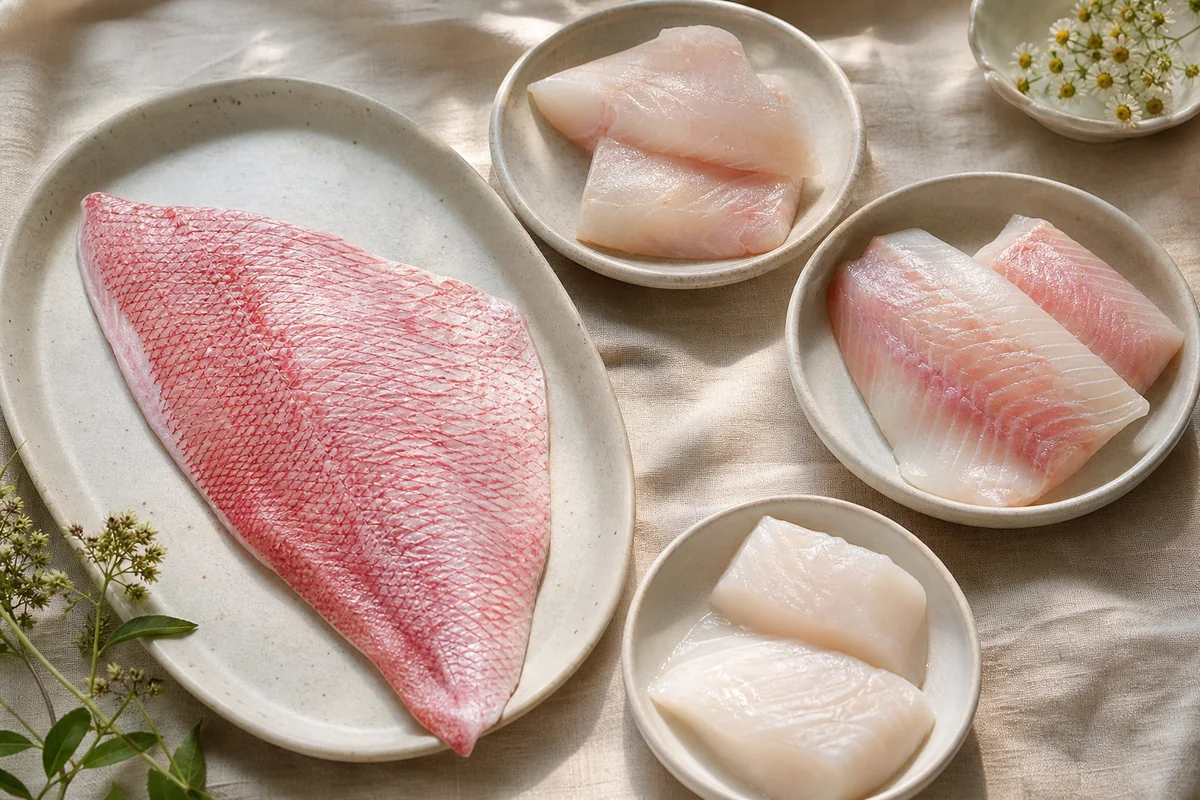 5 Best Red Snapper Substitutes in Every Recipe
 5 Best Red Wine Substitutes
 5 Best Red Wine Vinegar Substitutes (Pantry Swaps)
 5 Best Refined Sugar Substitutes (Easy Swaps)
 5 Best Rice Bran Oil Substitutes (with Ratios)
 5 Best Rice Flour Substitutes (Closest Match)
 5 Best Ricotta Cheese Substitutes for Better Results
 5 Best Roasting Rack Substitutes
 5 Best Robiola Cheese Substitutes for Better Results
 5 Best Rock Sugar Substitutes (with Ratios)
 5 Best Rocoto Pepper Substitutes for Any Recipe
 5 Best Romaine Lettuce Substitutes (Easy Swaps)
 5 Best Romano Cheese Substitutes (with Ratios)
 5 Best Roquefort Cheese Substitutes (Easy Swaps)
 5 Best Rosemary Substitutes for Recipes
 5 Best Rum Extract Substitutes (with Ratios)
 5 Best Rum Substitutes (Honest Picks)
 5 Best Rutabaga Substitutes (with Ratios)
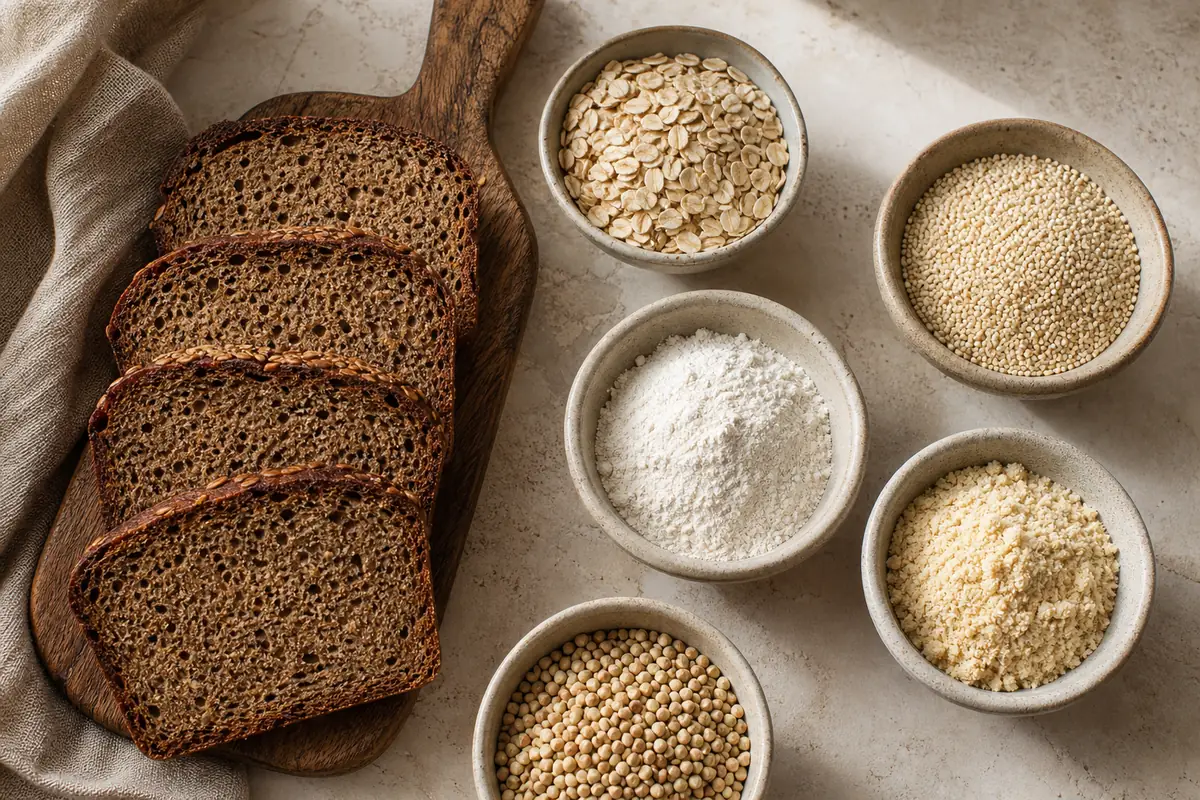 5 Best Rye Bread Substitutes (Quick Swaps)
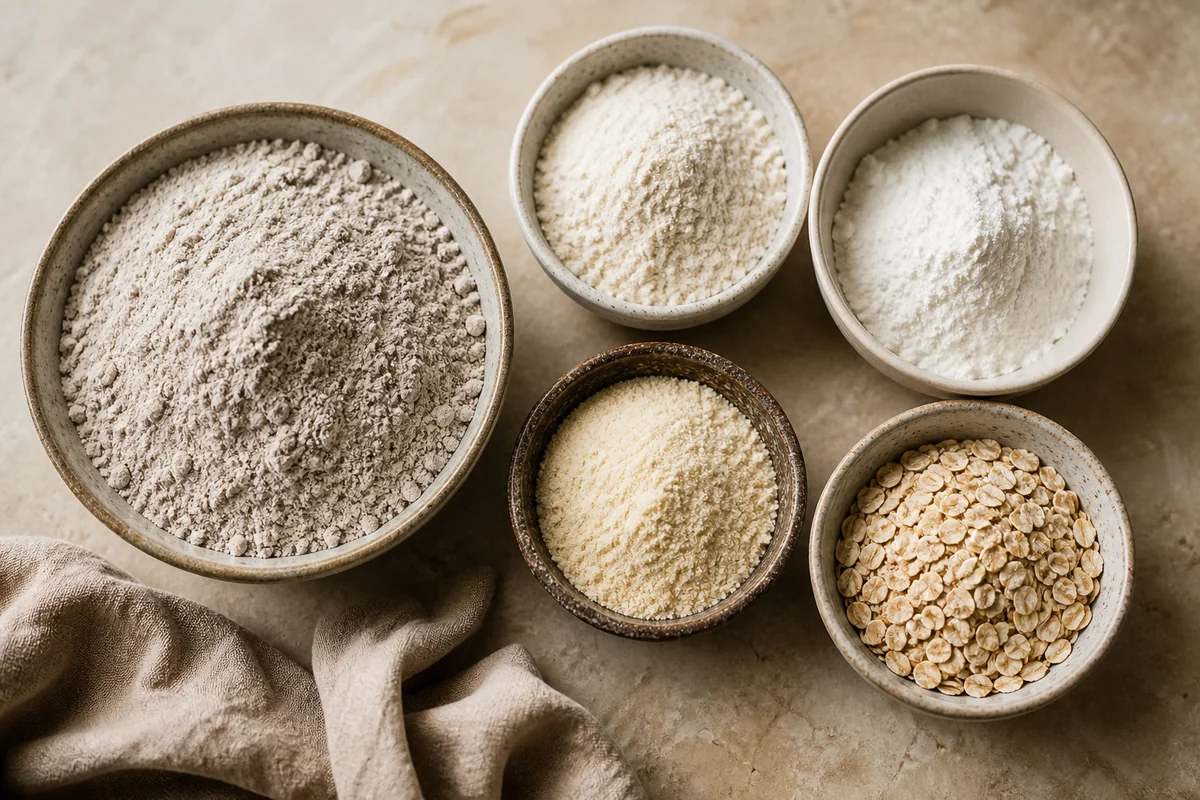 5 Best Rye Flour Substitutes (Easy Swaps)
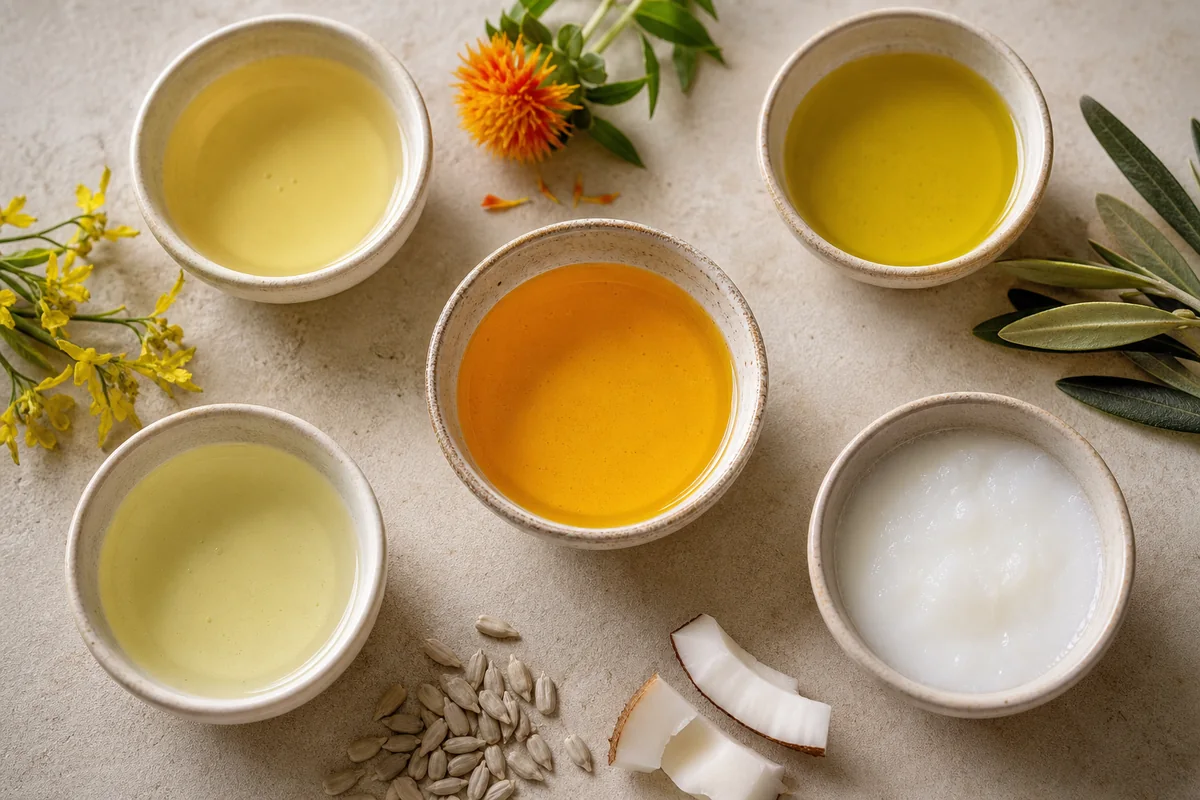 5 Best Safflower Oil Substitutes (Quick Swaps)
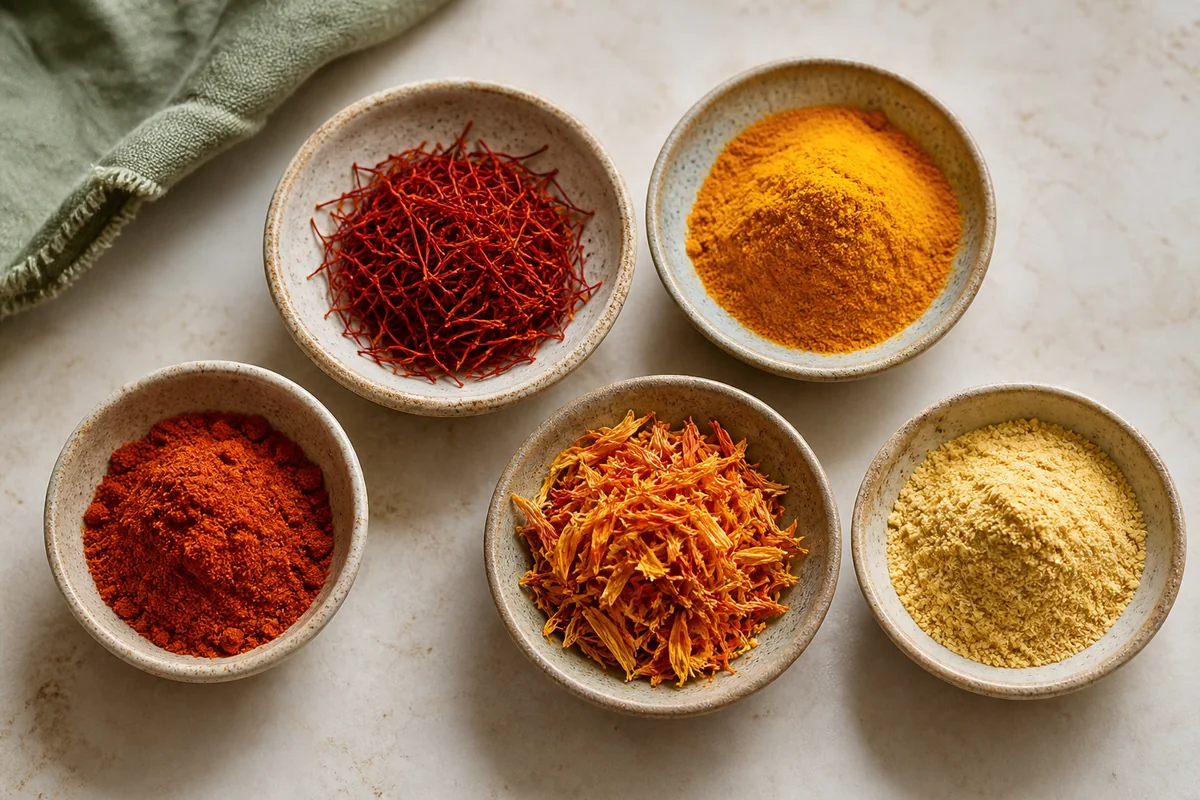 5 Best Saffron Substitutes (Honest Picks)
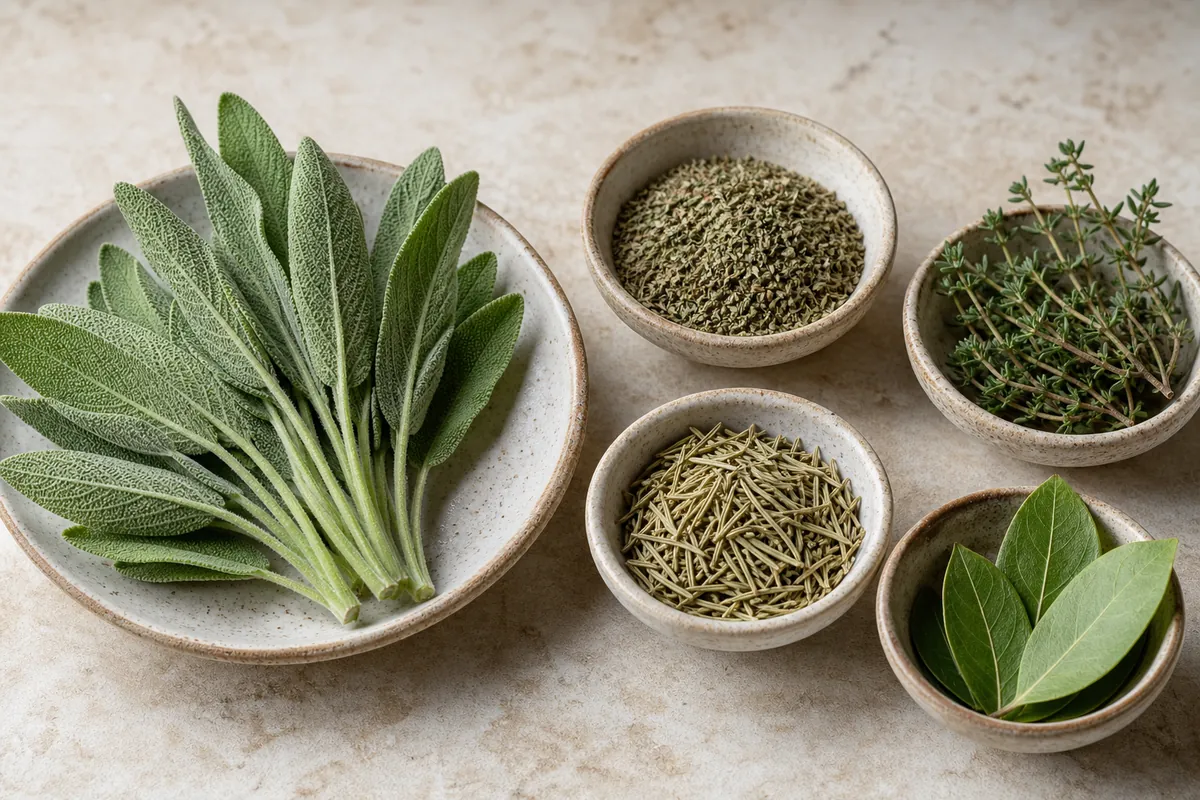 5 Best Sage Substitutes (Quick Swaps)
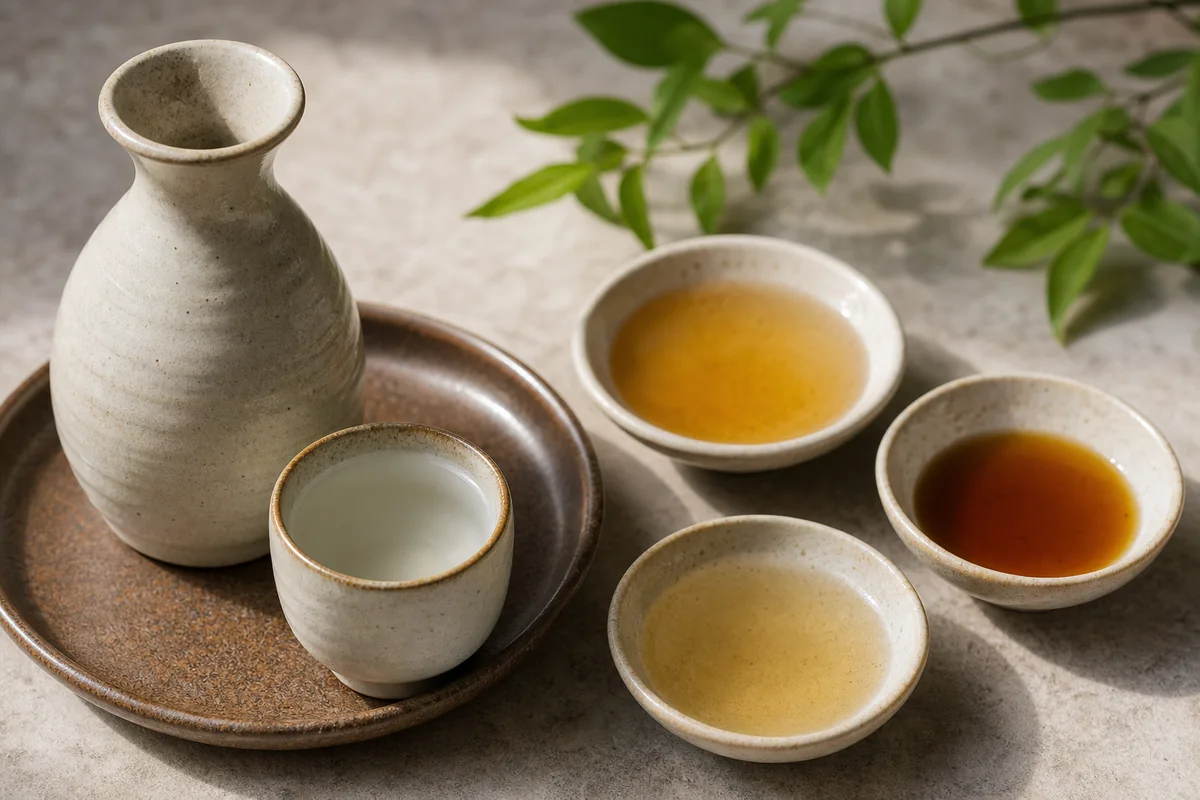 5 Best Sake Substitutes
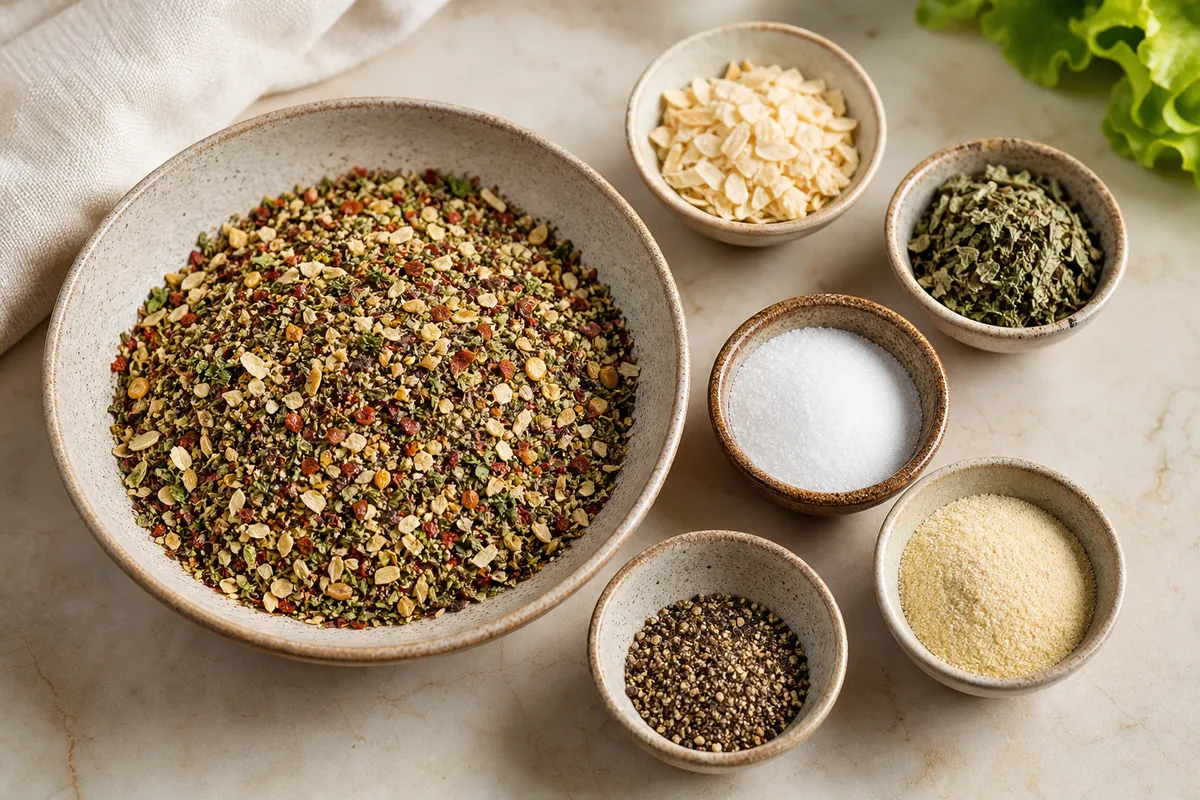 5 Best Salad Supreme Seasoning Substitutes
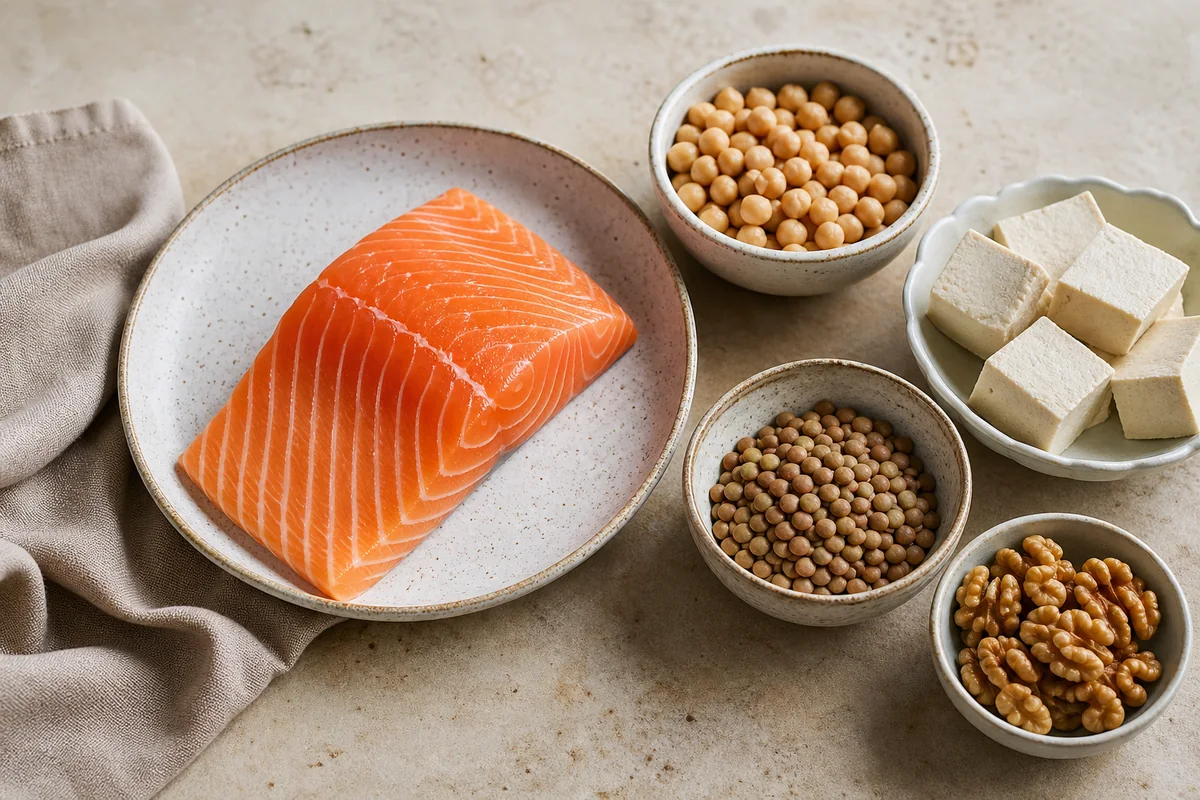 5 Best Salmon Substitutes for Better Results
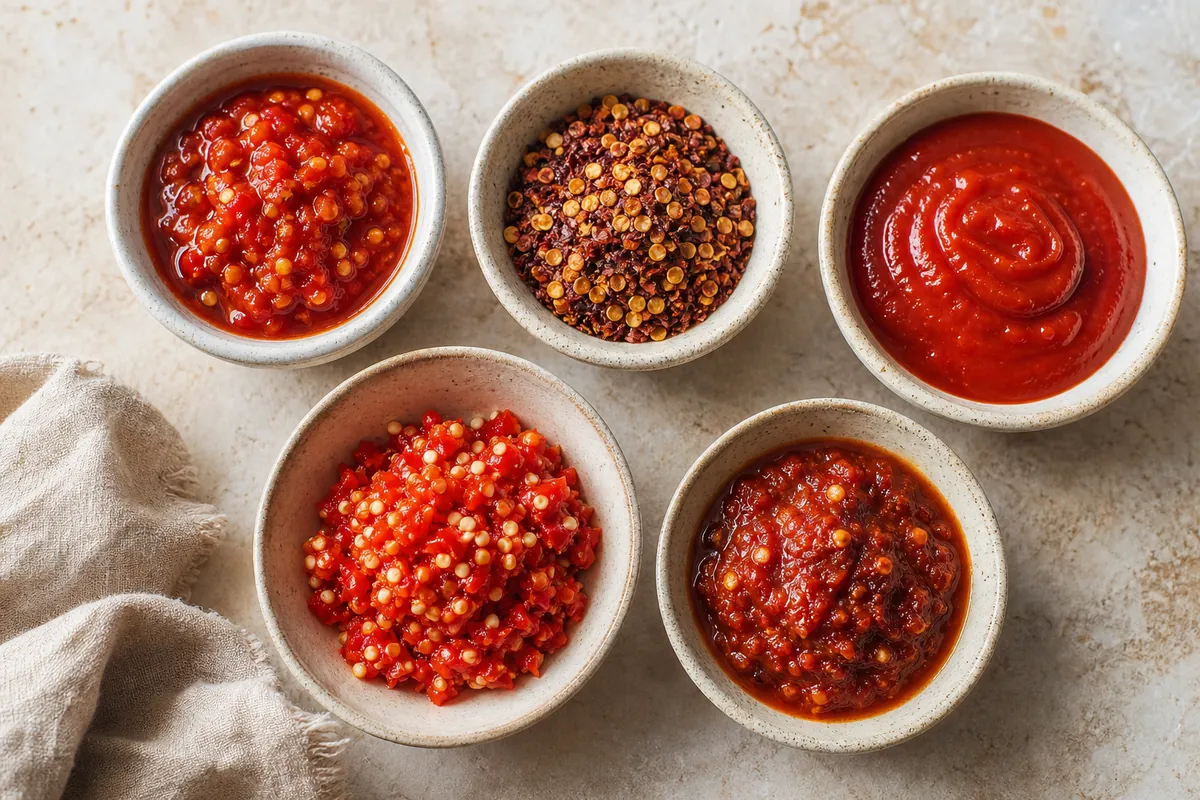 5 Best Sambal Oelek Substitutes for Any Recipe
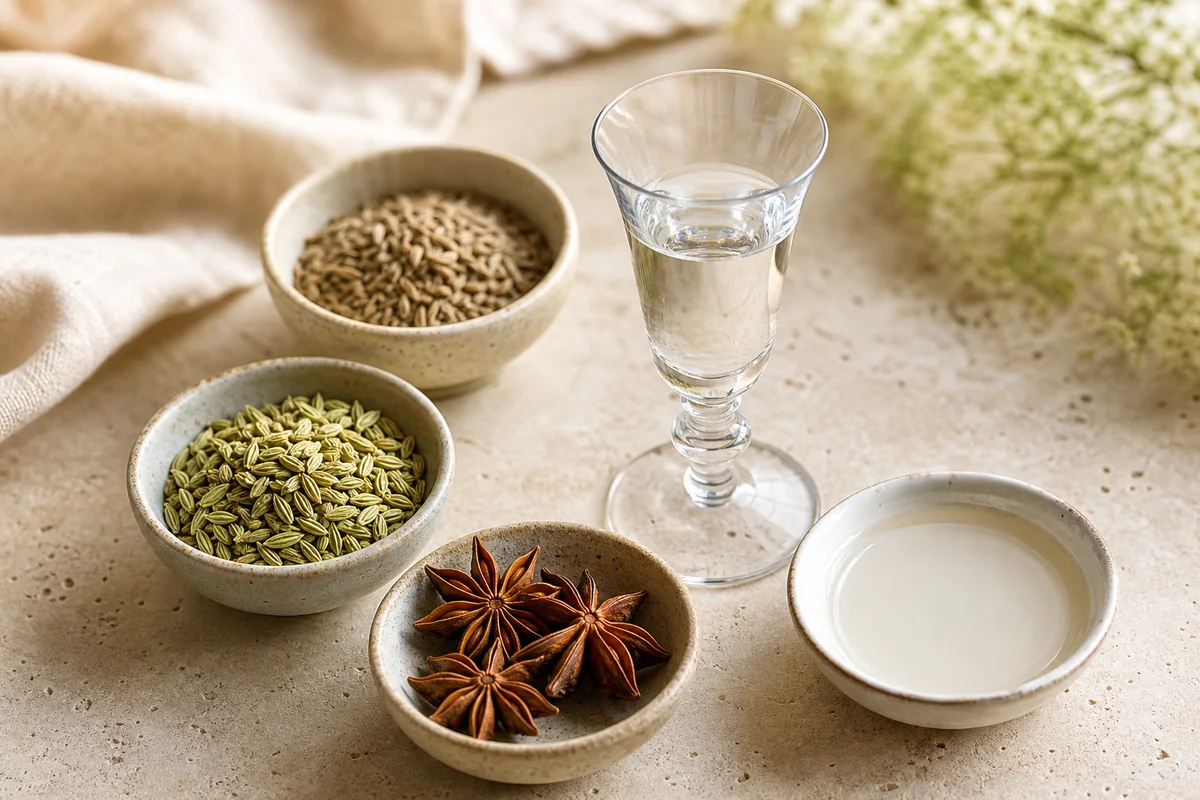 5 Best Sambuca Substitutes (Ranked)
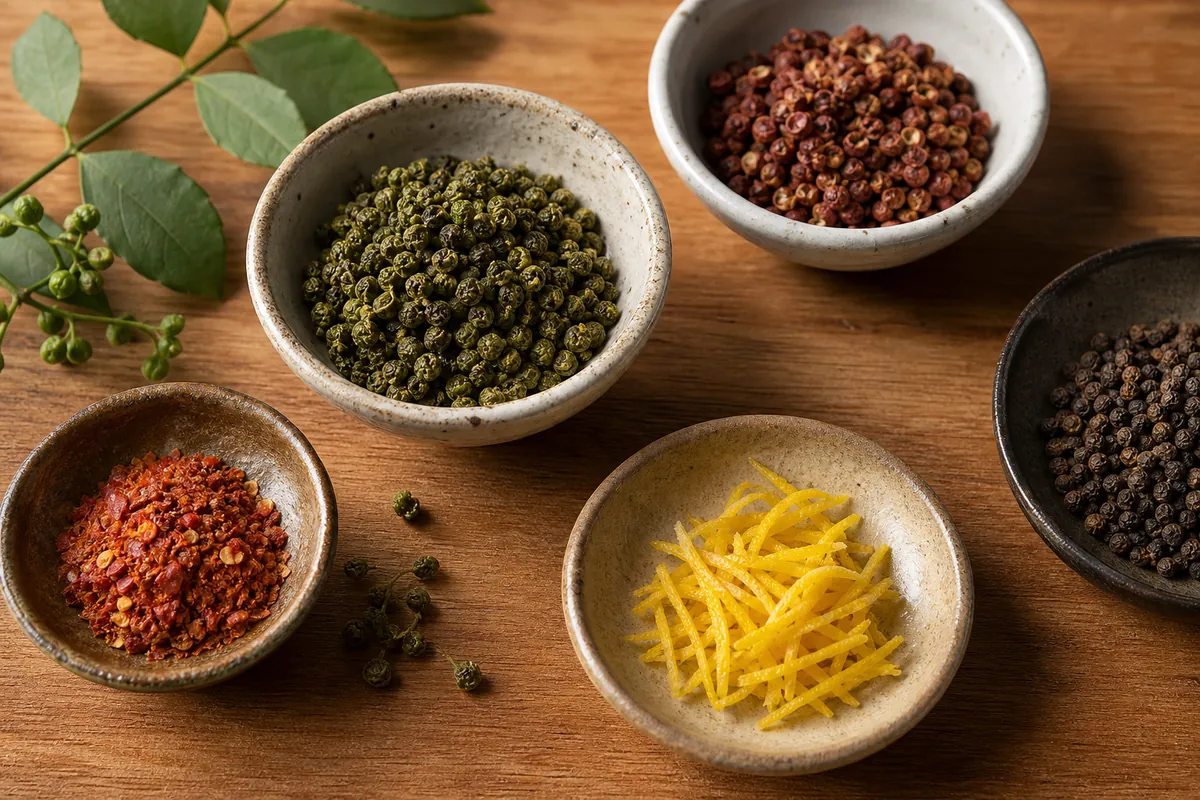 5 Best Sansho Pepper Substitutes (That Actually Work)
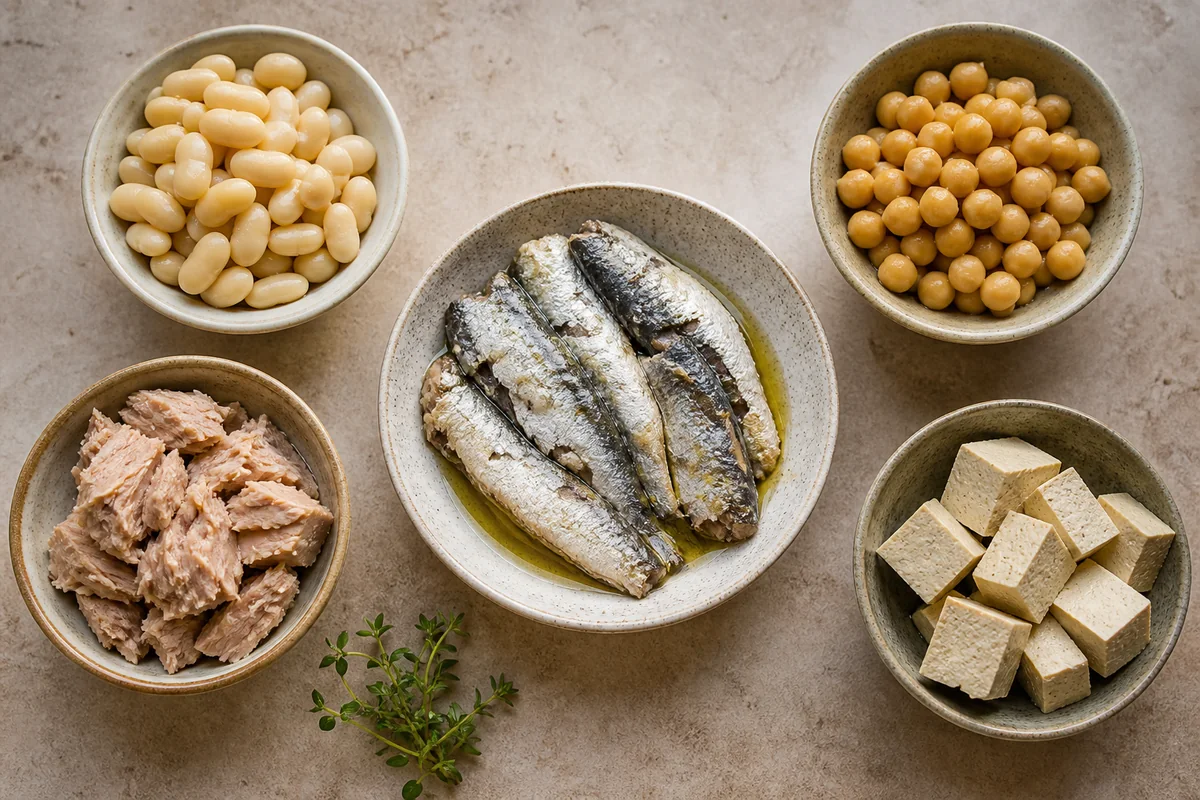 5 Best Sardine Substitutes for Any Recipe
 5 Best Savory Tweaks: BEST Shoyu Substitutes Substitutes Ranked by Flavor and Texture
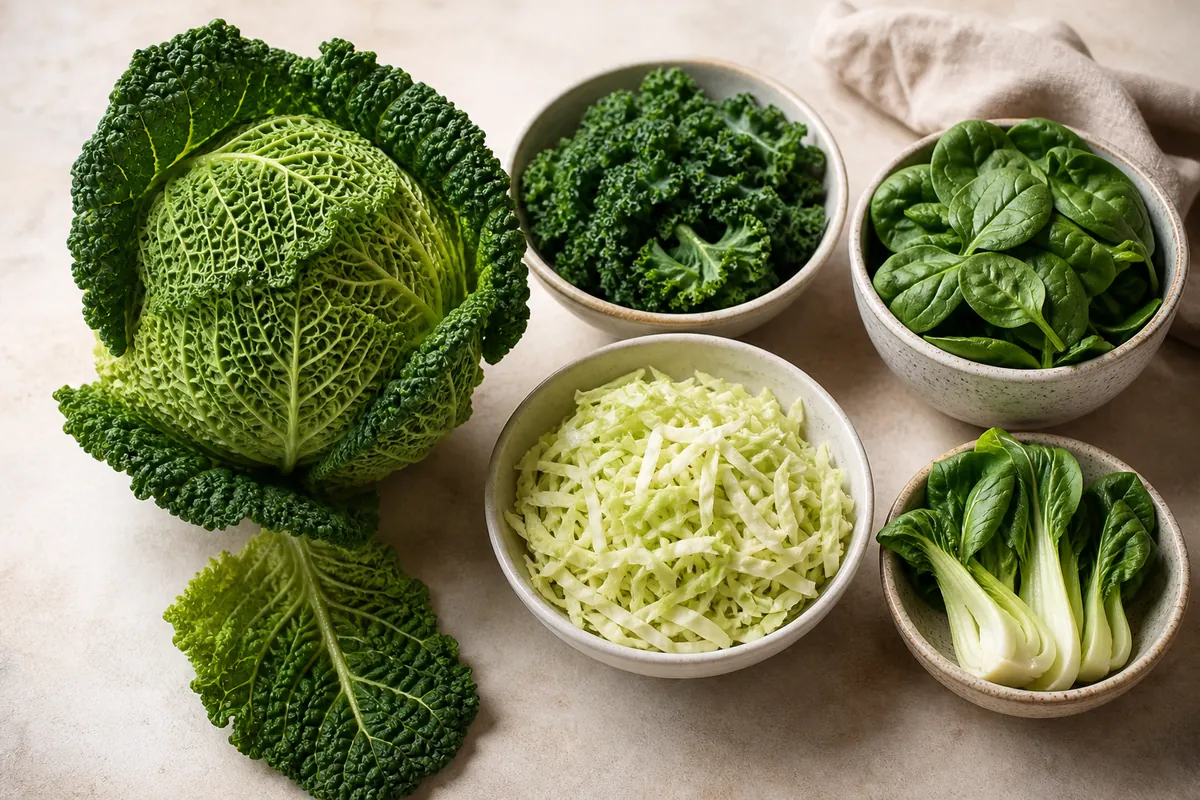 5 Best Savoy Cabbage Substitutes (Honest Picks)
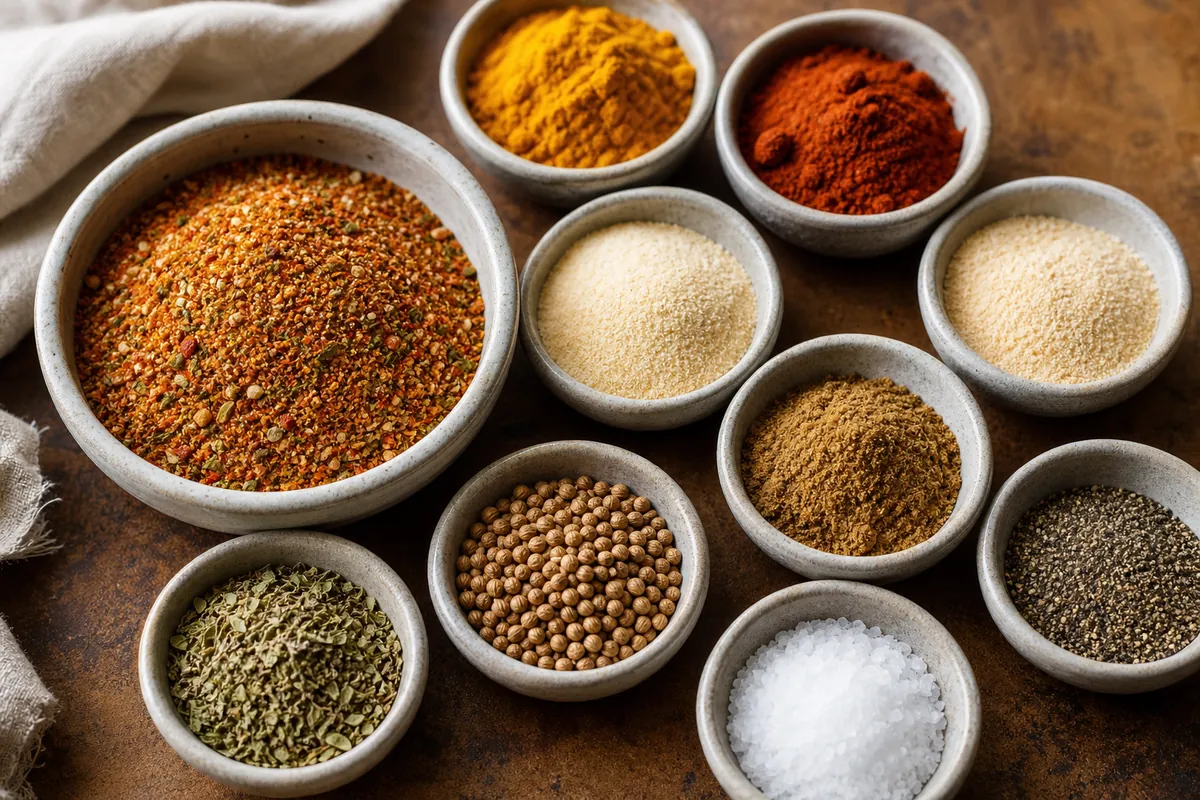 5 Best Sazon Seasoning Substitutes (Quick Swaps)
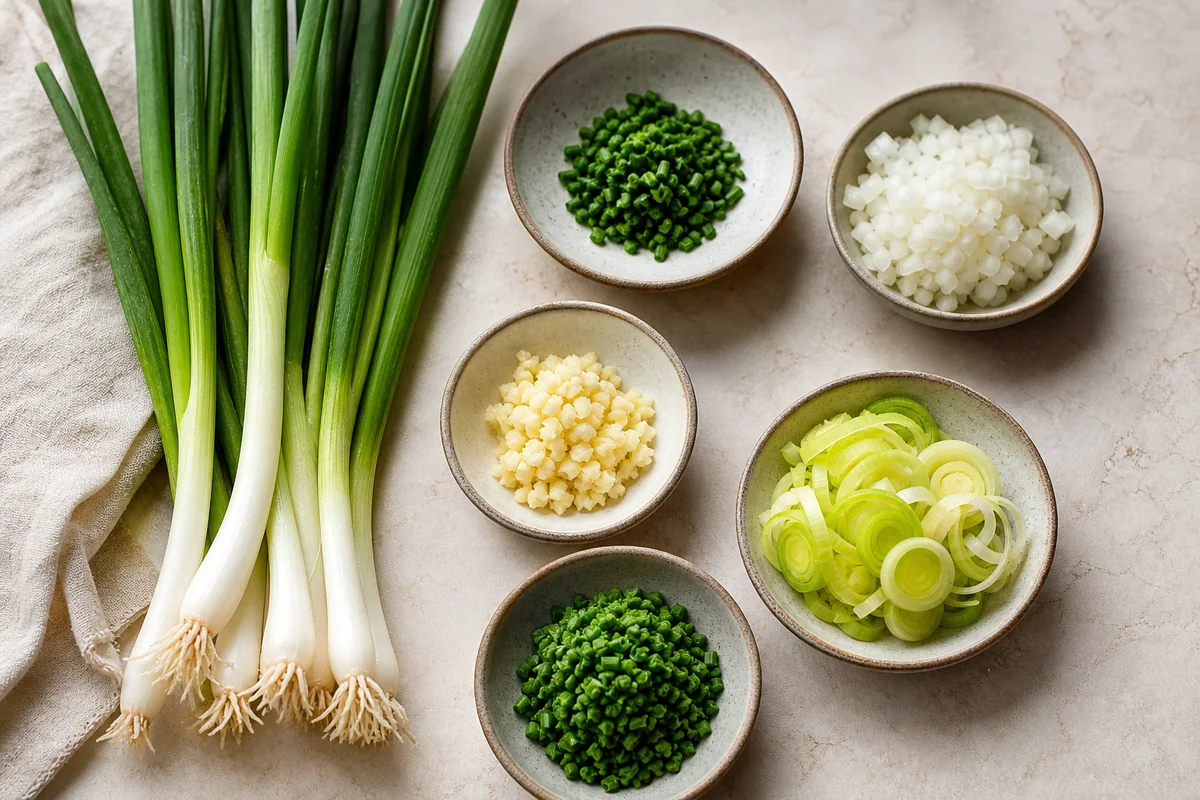 5 Best Scallion Substitutes (Honest Picks)
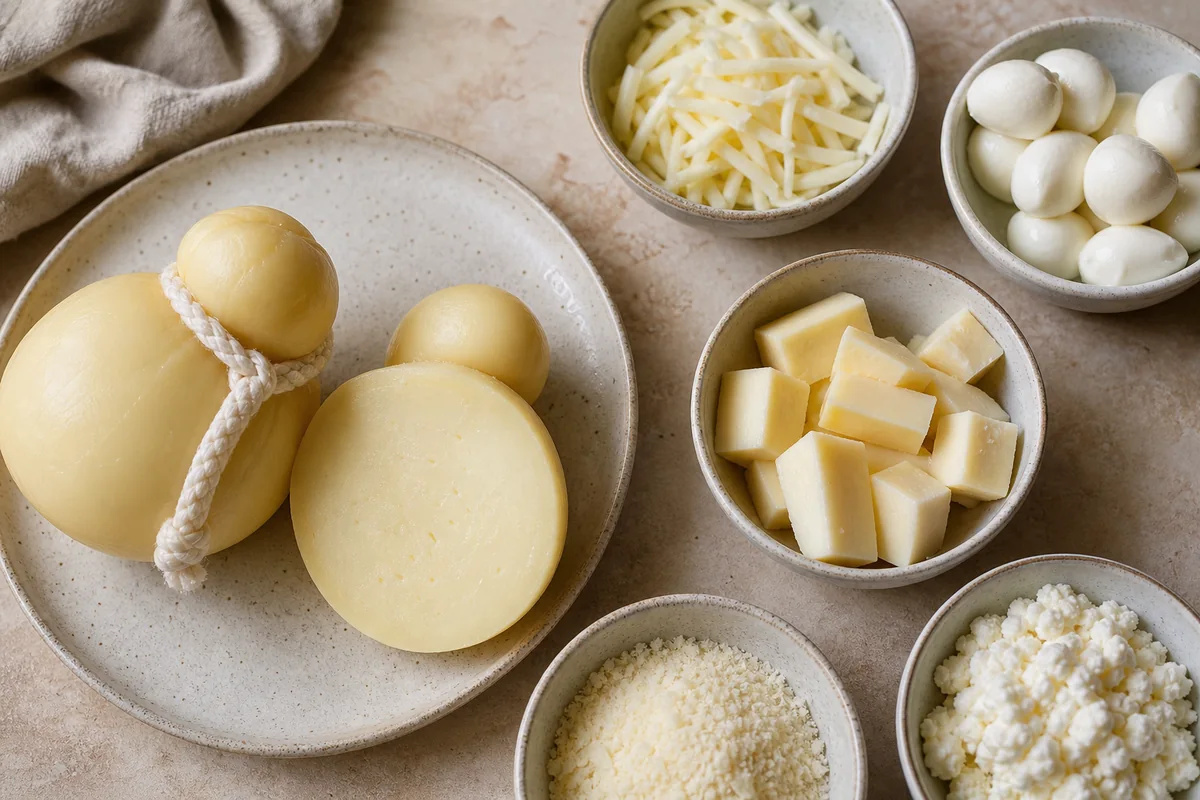 5 Best Scamorza Cheese Substitutes (That Actually Work)
 5 Best Schmaltz Substitutes in Every Recipe
 5 Best Scotch Bonnet Pepper Substitutes for Better Results
 5 Best Sea Bass Substitutes (Pantry Swaps)
 5 Best Sea Salt Flakes Substitutes to Consider
 5 Best Self Rising Flour Substitutes (Ranked)
 5 Best Serrano Pepper Substitutes You Can Trust
 5 Best Sesame Oil Substitutes for Home Cooks
 5 Best Sesame Seed Substitutes That Taste Right
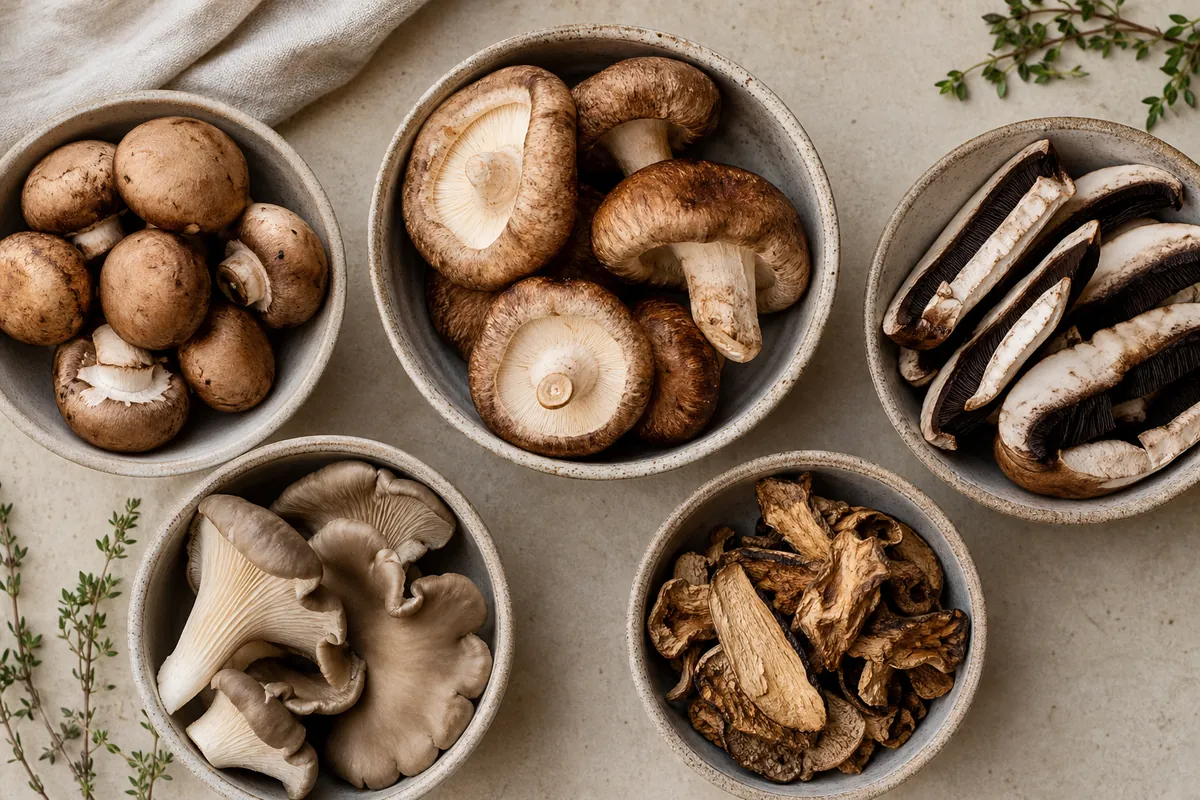 5 Best Shiitake Mushroom Substitutes (That Actually Work)
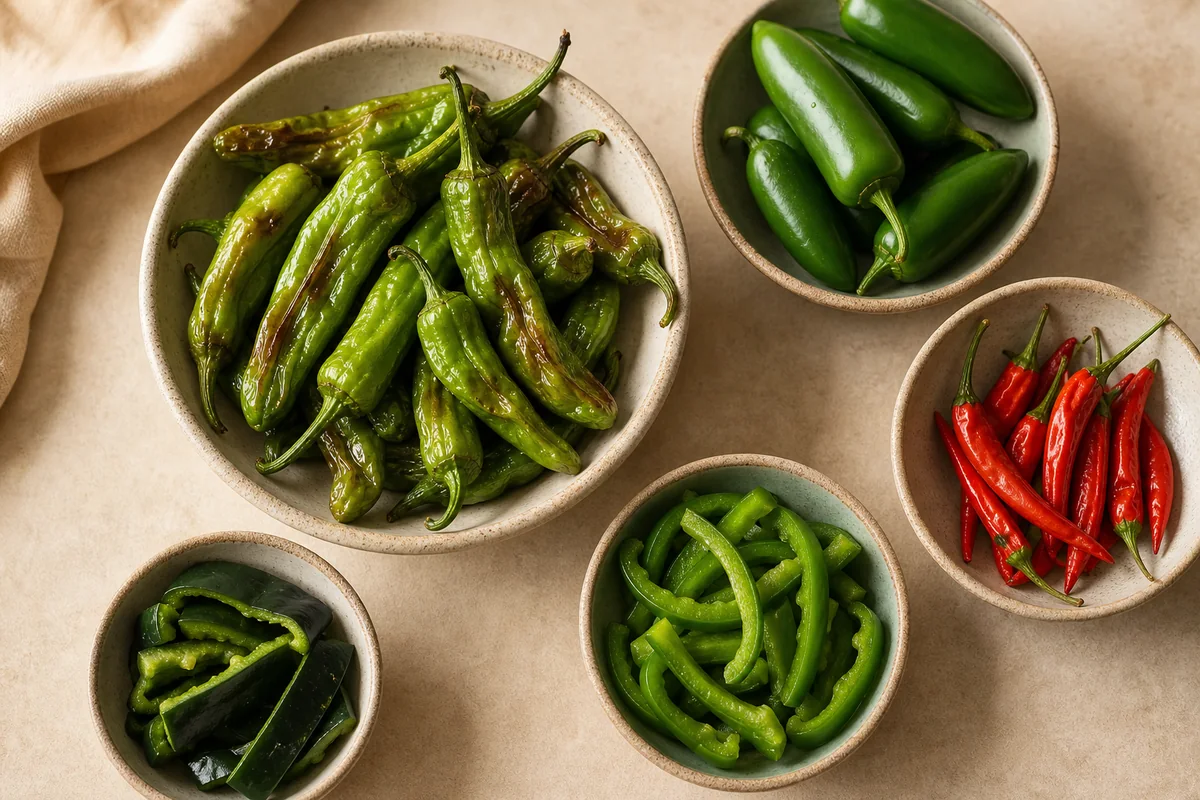 5 Best Shishito Pepper Substitutes (That Actually Work)
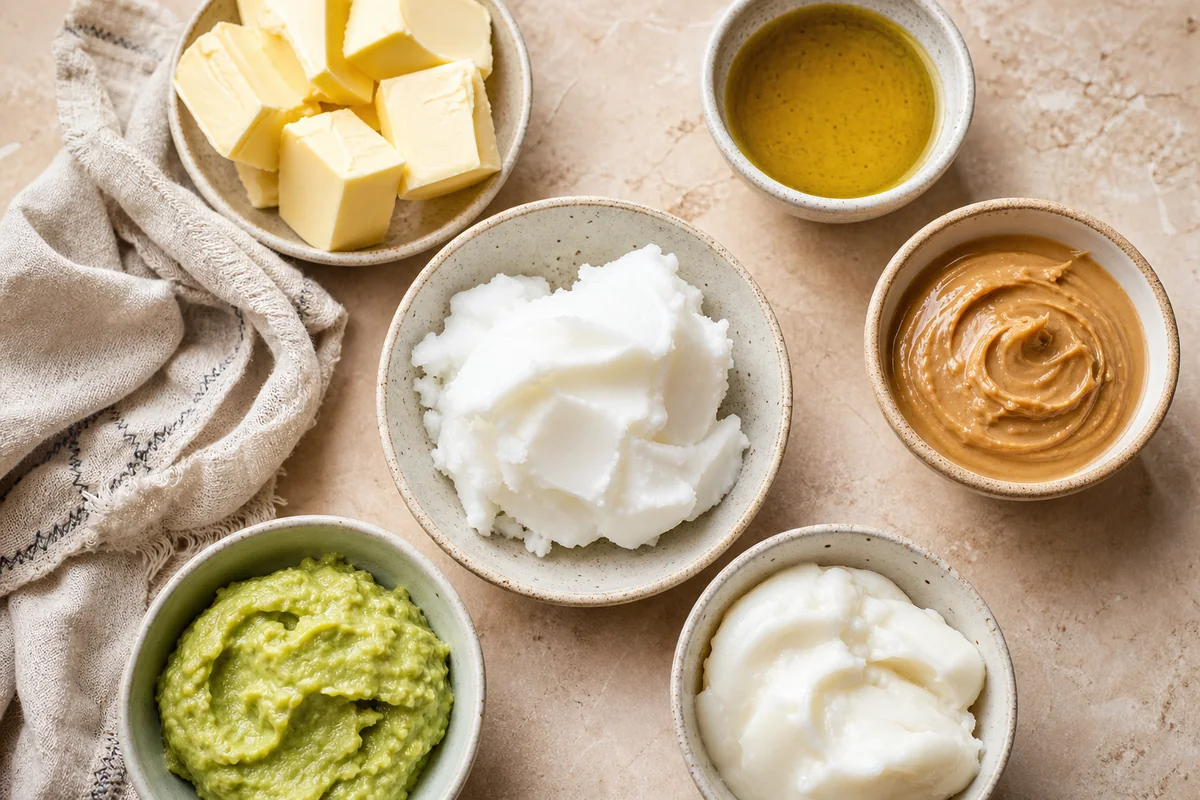 5 Best Shortening Substitutes That Taste Right
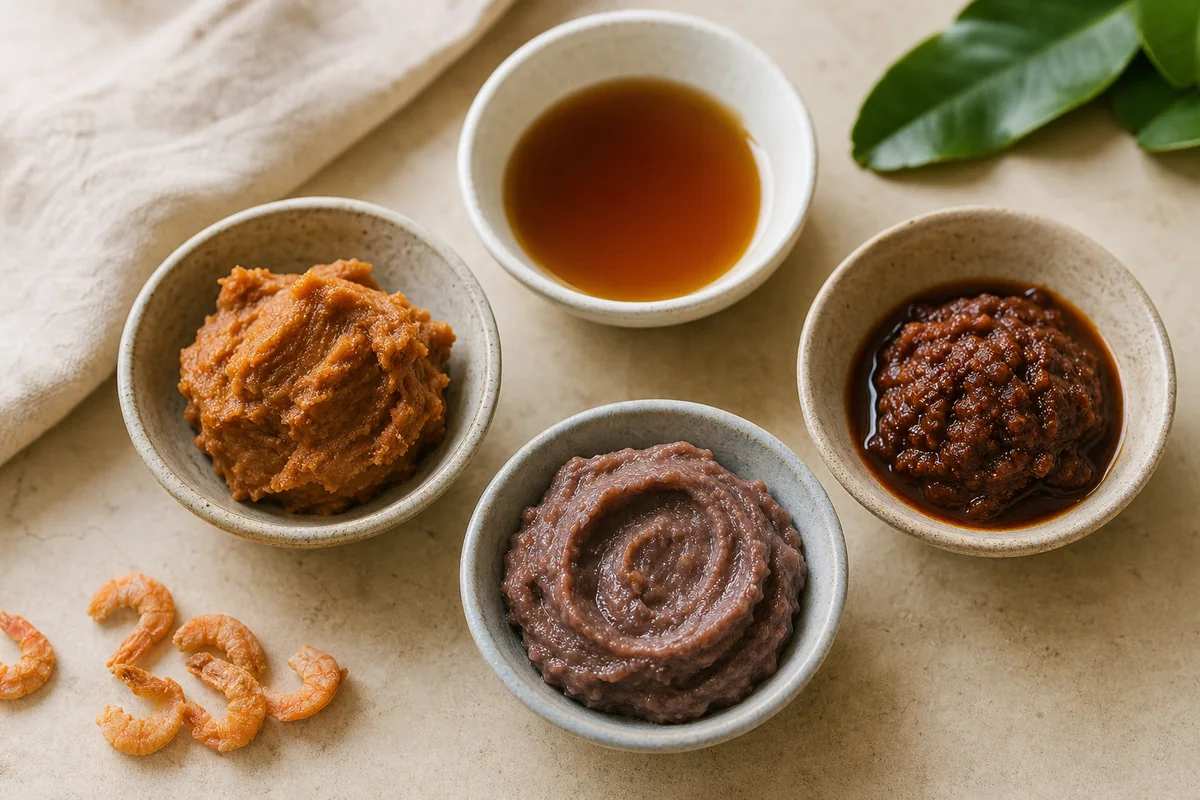 5 Best Shrimp Paste Substitutes (That Actually Work)
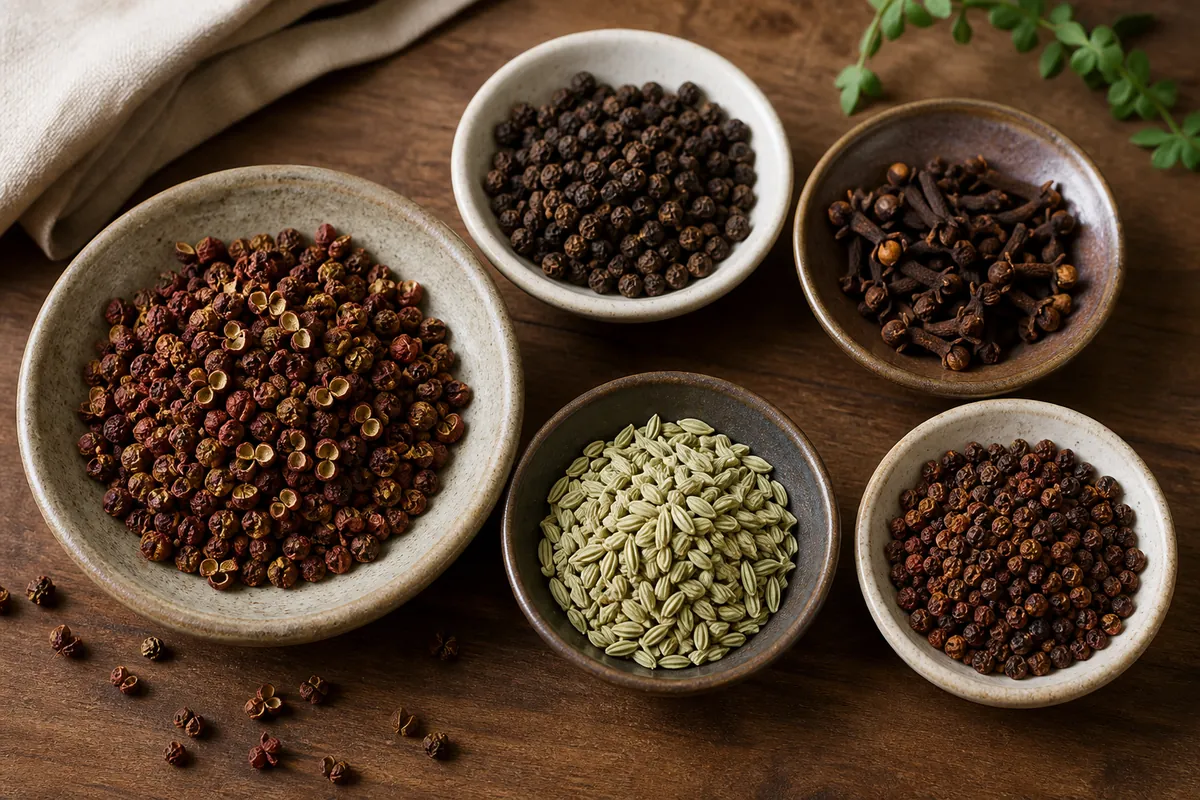 5 Best Sichuan Peppercorn Substitutes (with Ratios)
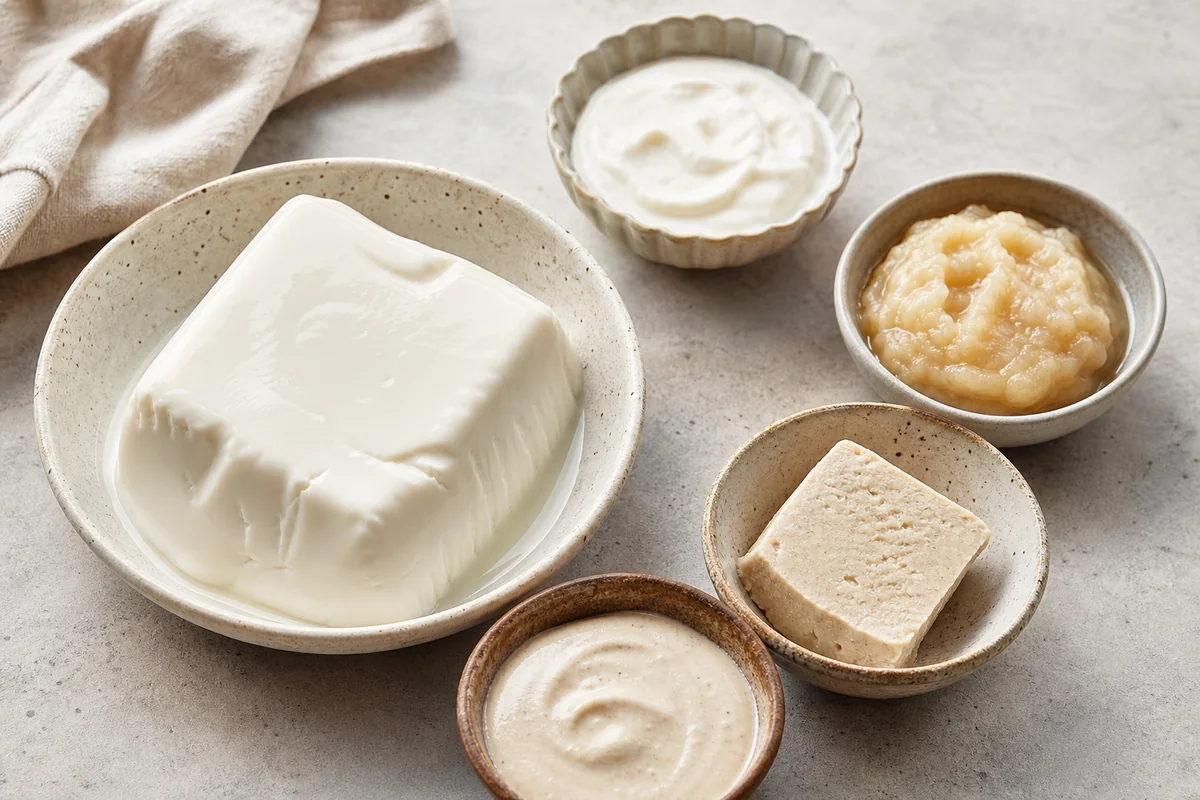 5 Best Silken Tofu Substitutes for Any Recipe
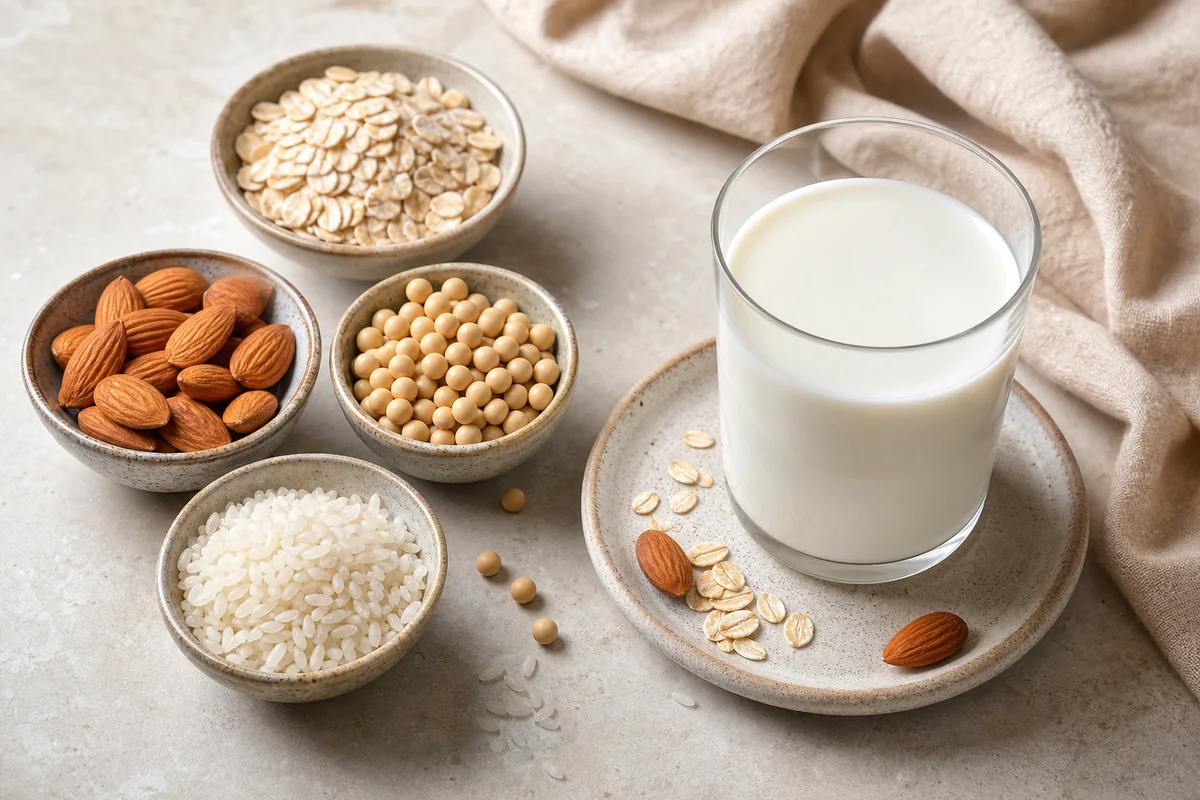 5 Best Skim Milk Substitutes Worth Trying
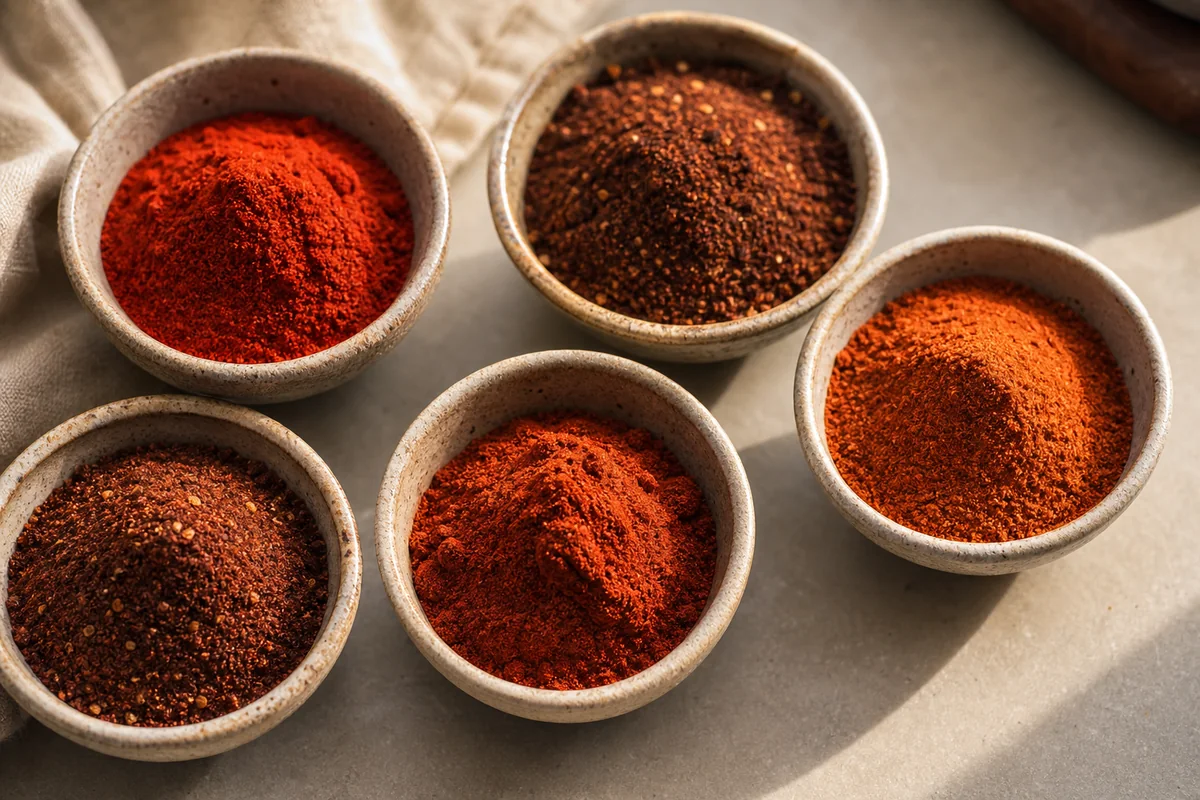 5 Best Smoked Paprika Substitutes You Can Trust
 5 Best Snow Pea Substitutes Worth Trying
 5 Best Sole Fish Substitutes
 5 Best Sorghum Flour Substitutes
 5 Best Soy Flour Substitutes for Any Recipe
 5 Best Soy Milk Substitutes for Better Results
 5 Best Soy Sauce Substitutes (Pantry Swaps)
 5 Best Spaghetti Squash Substitutes (Honest Picks)
 5 Best Spelt Flour Substitutes (Closest Match)
 5 Best Spirulina Powder Substitutes (with Ratios)
 5 Best Sport Peppers Substitutes (Honest Picks)
 5 Best St Germain Liqueur Substitutes That Taste Right
 5 Best Stewed Tomatoes Substitutes That Taste Right
 5 Best Stilton Cheese Substitutes (Honest Picks)
 5 Best Stracciatella Cheese Substitutes That Taste Right
 5 Best Striped Bass Substitutes for Home Cooks
 5 Best Substitutes for Velveeta Cheese to Try
 5 Best Sucanat Substitutes for Better Results
 5 Best Suet Substitutes (Easy Swaps)
 5 Best Sugar Snap Peas Substitutes (Closest Match)
 5 Best Sulguni Cheese Substitutes (Honest Picks)
 5 Best Sumac Substitutes (Ranked)
 5 Best Sunflower Oil Substitutes You Can Trust
 5 Best Sunflower Seed Butter Substitutes (Pantry Swaps)
 5 Best Sweet Chili Sauce Substitutes
 5 Best Sweet Potato Substitutes (Easy Swaps)
 5 Best Sweetened Condensed Milk Substitutes (Quick Swaps)
 5 Best Swiss Chard Substitutes (Honest Picks)
 5 Best Swiss Cheese Substitutes (Easy Swaps)
 5 Best Tabasco Sauce Substitutes (Honest Picks)
 5 Best Taco Sauce Substitutes
 5 Best Taco Seasoning Substitutes You Can Trust
 5 Best Taleggio Cheese Substitutes in Every Recipe
 5 Best Tamarind Puree Substitutes That Taste Right
 5 Best Tandoori Masala Substitutes for Home Cooks
 5 Best Tangerine Substitutes (with Ratios)
 5 Best Tapioca Flour Substitutes Worth Trying
 5 Best Tarragon Substitutes (Ranked)
 5 Best Teff Flour Substitutes in Every Recipe
 5 Best Teleme Cheese Substitutes (Easy Swaps)
 5 Best Tempura Flour Substitutes in Every Recipe
 5 Best Teriyaki Sauce Substitutes
 5 Best Thai Basil Substitutes in Every Recipe
 5 Best Thai Chili Pepper Substitutes (with Ratios)
 5 Best Tigernut Flour Substitutes That Taste Right
 5 Best Tilapia Substitutes for Any Recipe
 5 Best Tofu Substitutes for Better Results
 5 Best Toma Cheese Substitutes Worth Trying
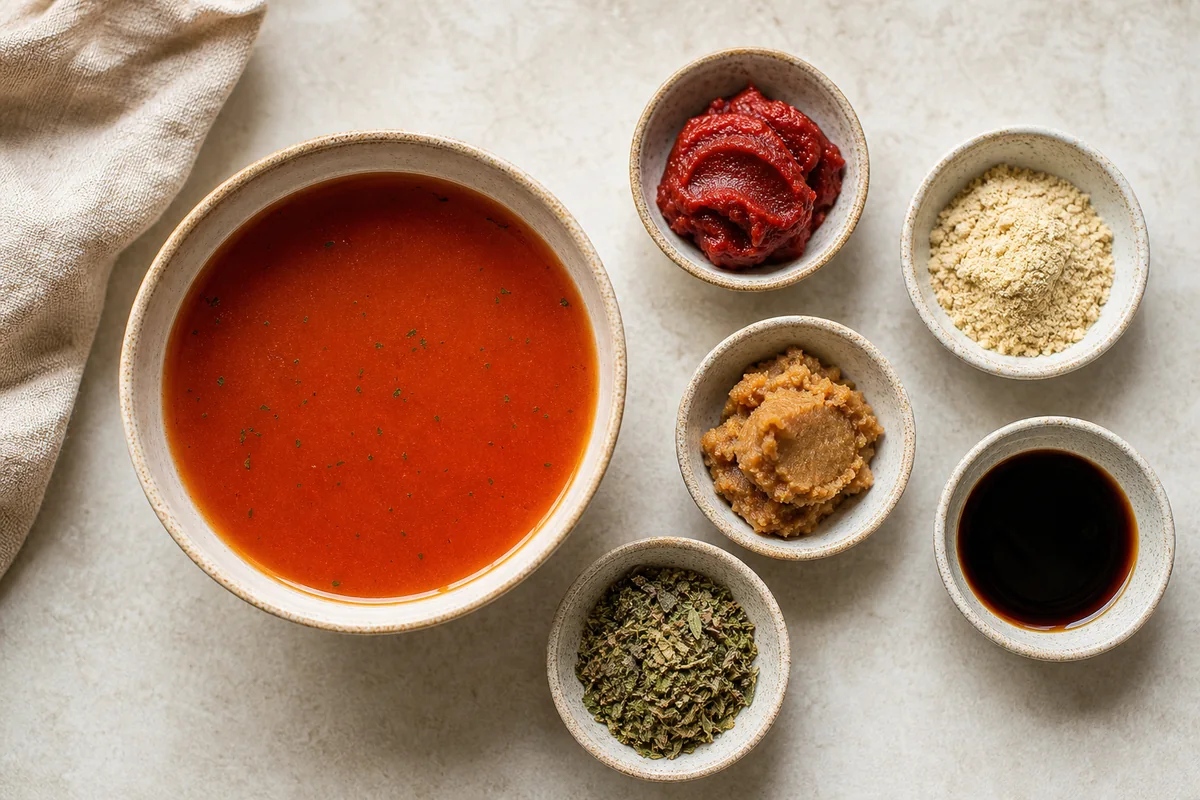 5 Best Tomato Bouillon Substitutes That Taste Right
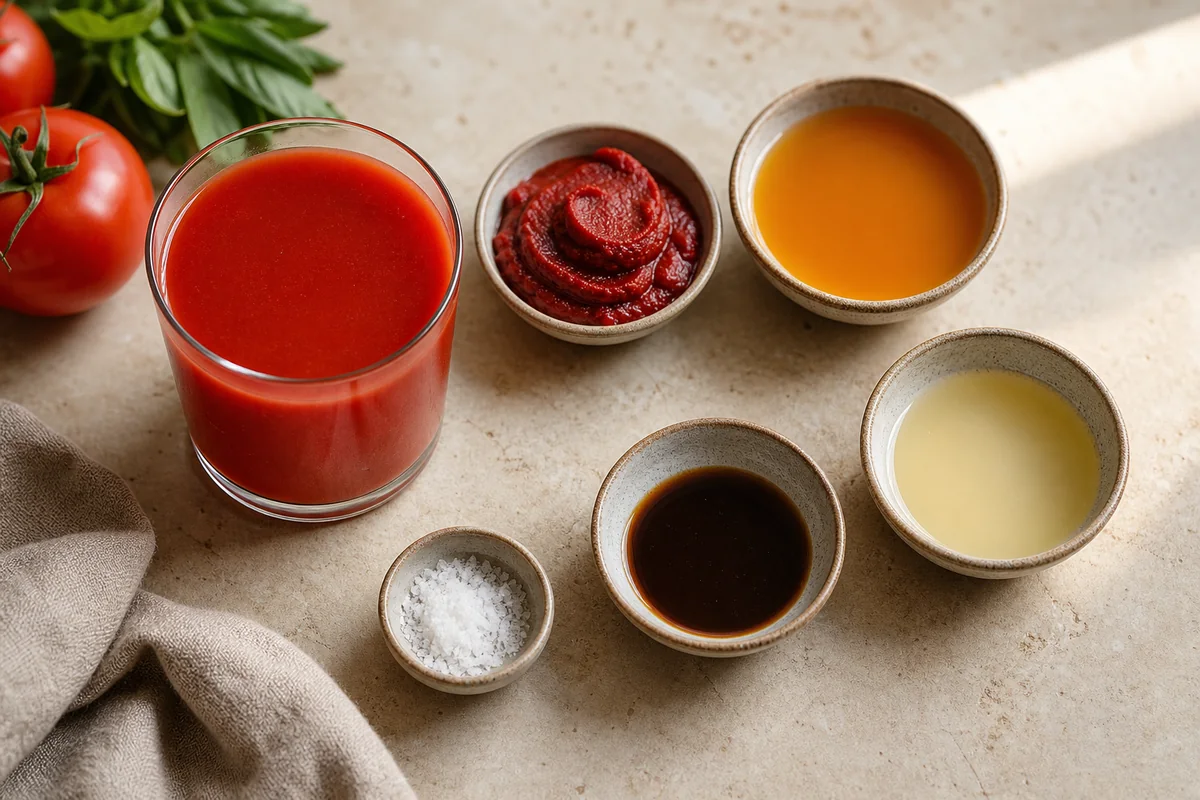 5 Best Tomato Juice Substitutes (Pantry Swaps)
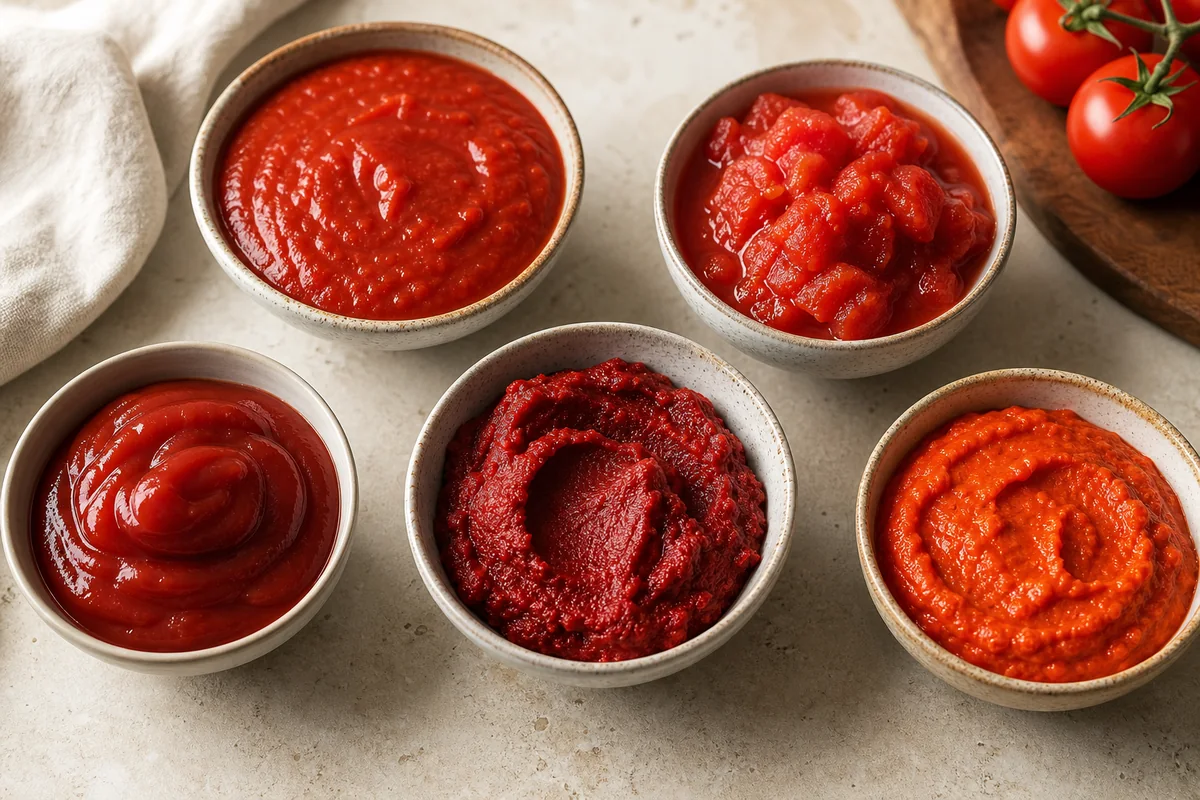 5 Best Tomato Paste Substitutes (That Actually Work)
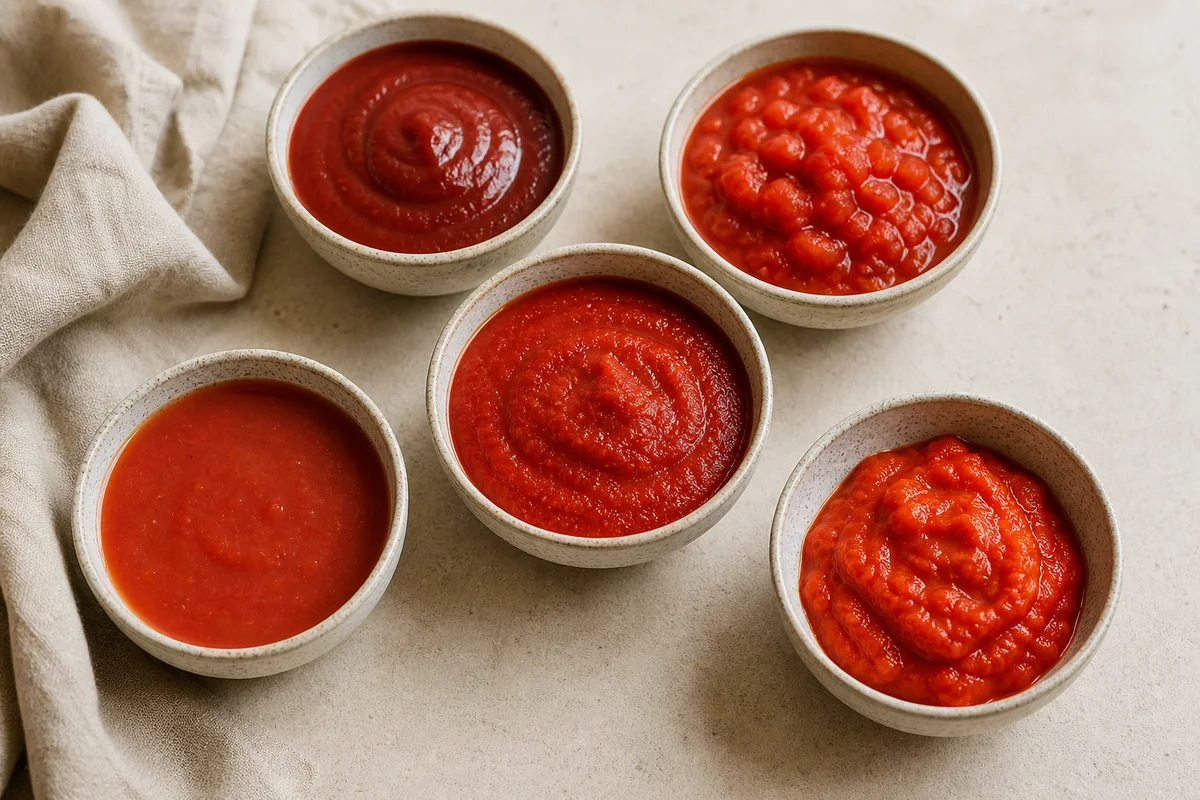 5 Best Tomato Puree Substitutes (Easy Swaps)
 5 Best Tomato Sauce Substitutes for Better Results
 5 Best Triple Sec Substitutes for Better Results
 5 Best Truffle Oil Substitutes for Better Results
 5 Best Tuaca Substitutes
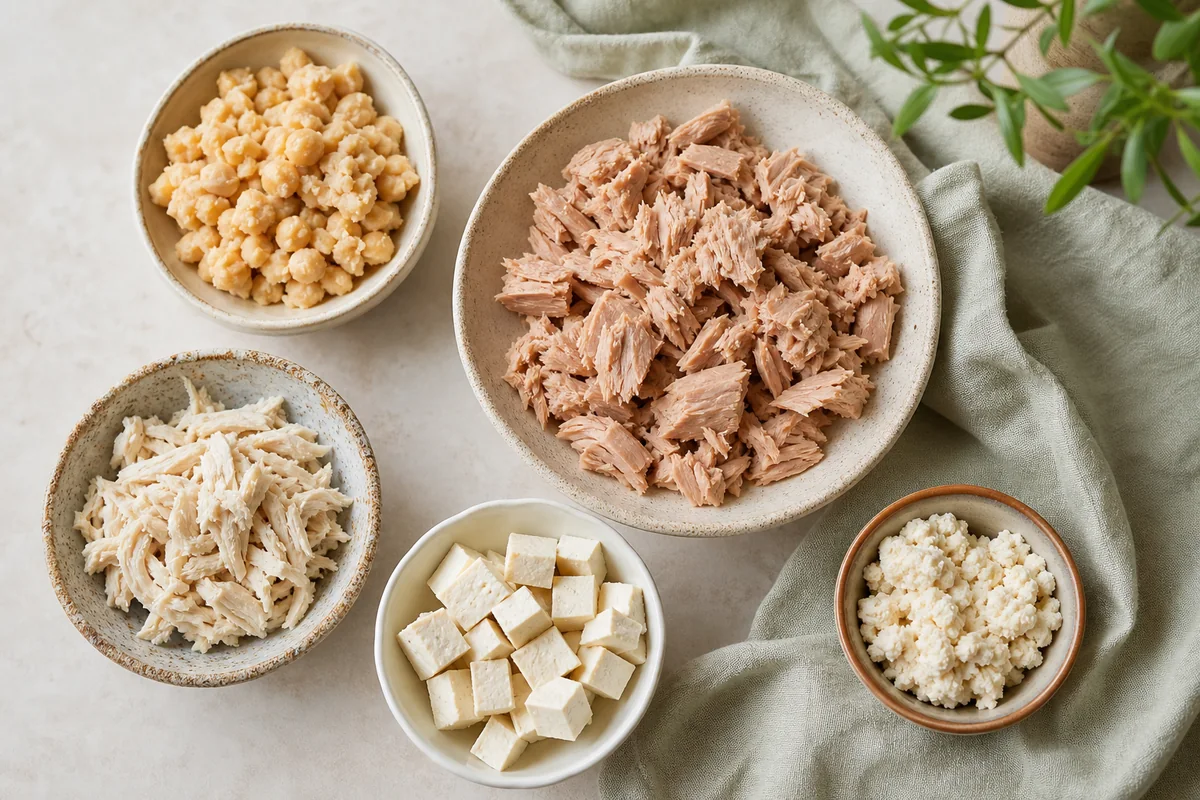 5 Best Tuna Substitutes (with Ratios)
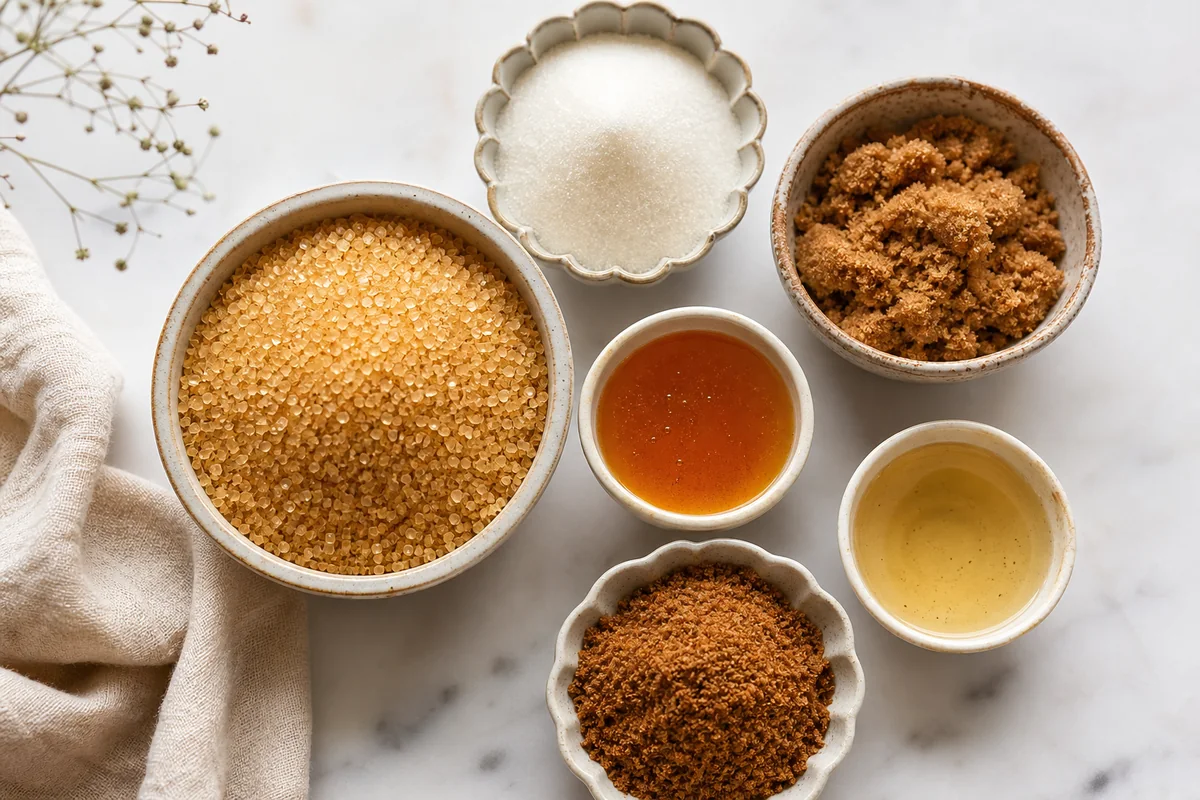 5 Best Turbinado Sugar Substitutes (That Actually Work)
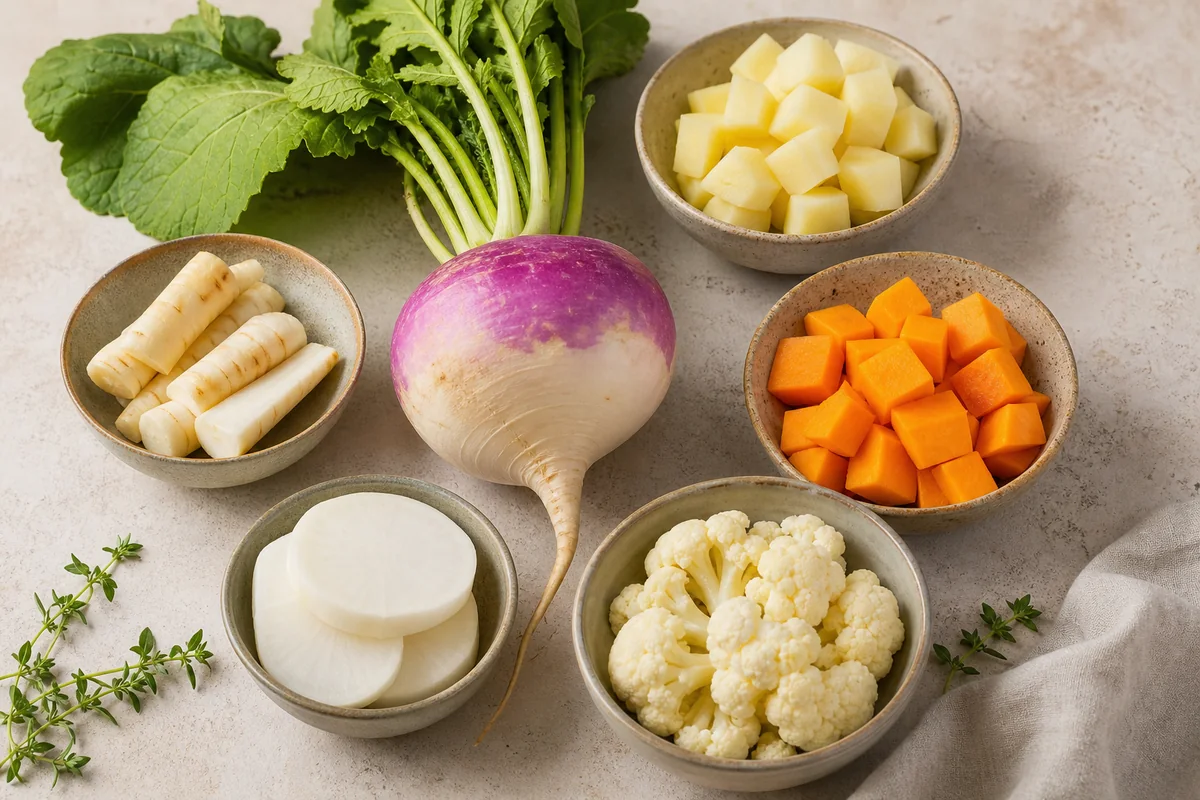 5 Best Turnip Substitutes (Quick Swaps)
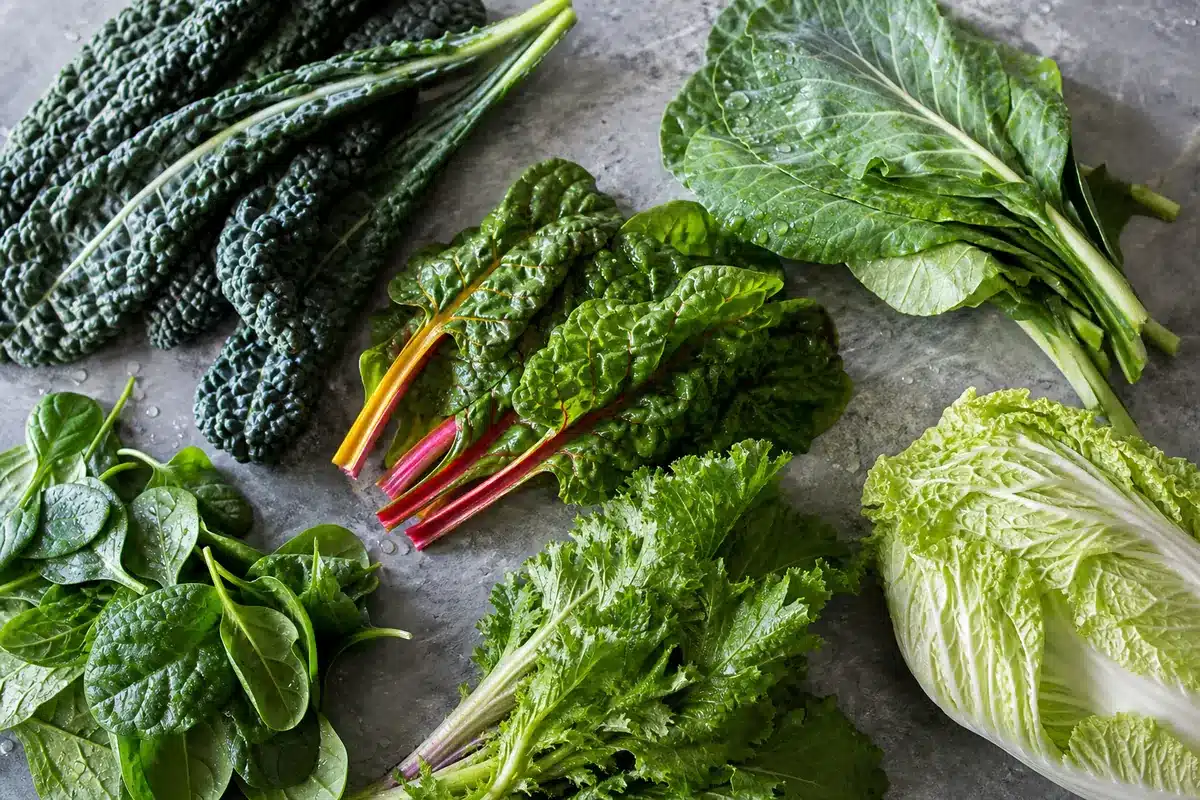 5 Best Tuscan Kale Substitutes with Ratios for Every Recipe
 5 Best Tzatziki Sauce Substitutes
 5 Best Unsalted Butter Substitutes for Home Cooks
 5 Best Vacherin Cheese Substitutes That Taste Right
 5 Best Vanilla Bean Paste Substitutes That Taste Right
 5 Best Vanilla Sugar Substitutes (Quick Swaps)
 5 Best Vegan Cream Cheese Substitutes (Closest Match)
 5 Best Vegetable Broth Substitutes (Ranked)
 5 Best Vegetable Oil Substitutes (Easy Swaps)
 5 Best Verjuice Substitutes Worth Trying
 5 Best Vinegar Substitutes in Cooking and Canning
 5 Best Vodka Substitutes
 5 Best Walnut Oil Substitutes
 5 Best Watercress Substitutes (Pantry Swaps)
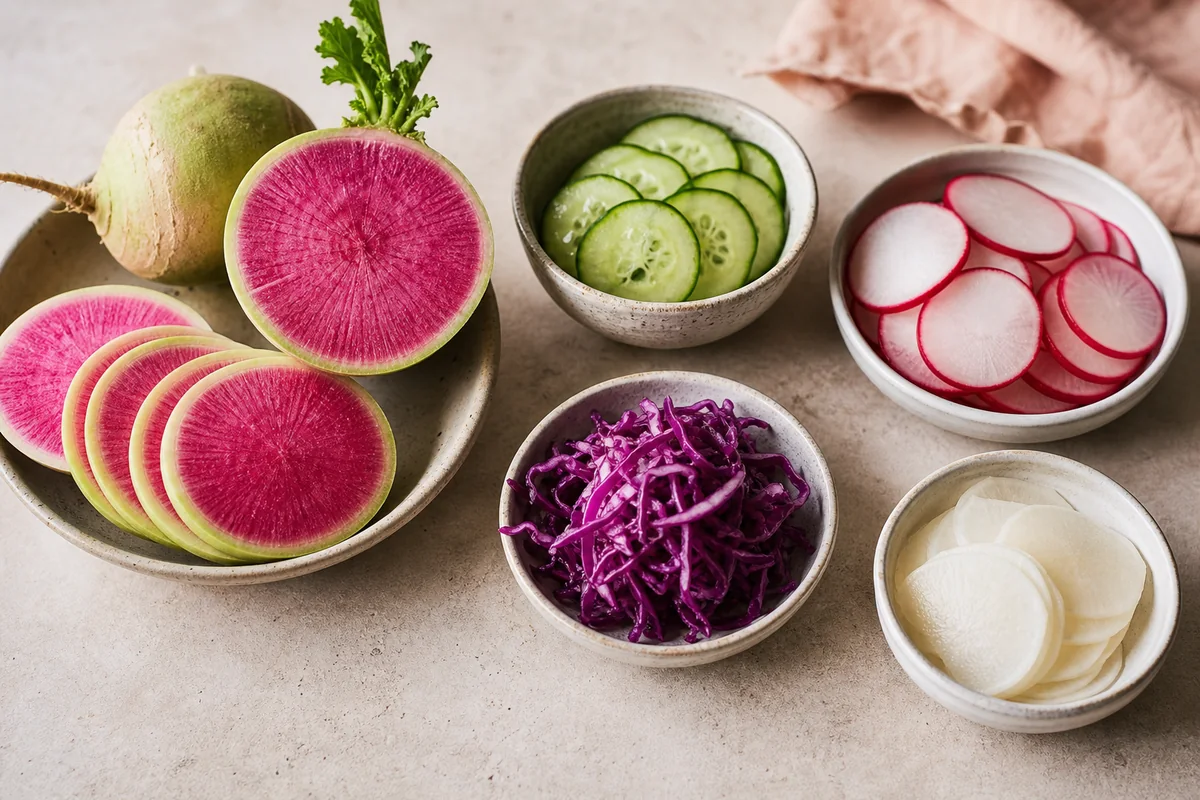 5 Best Watermelon Radish Substitutes (Flavor-Matched)
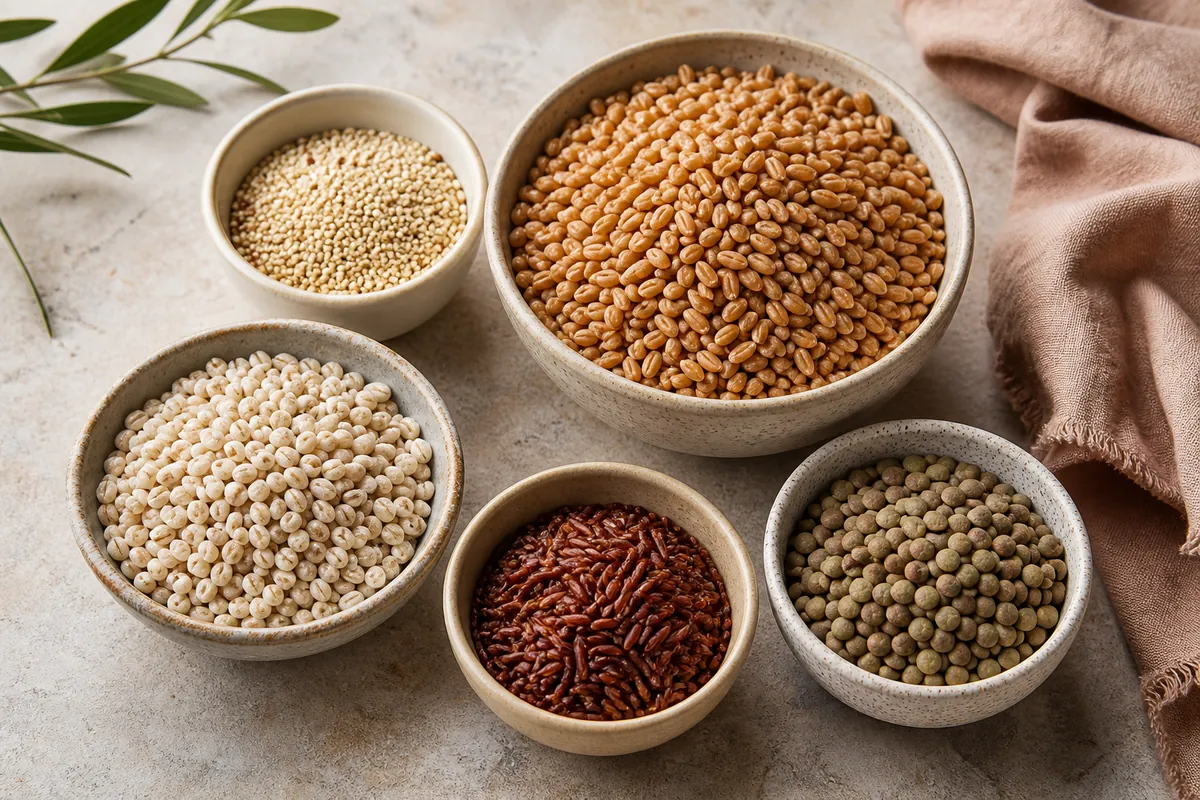 5 Best Wheat Berries Substitutes (Honest Picks)
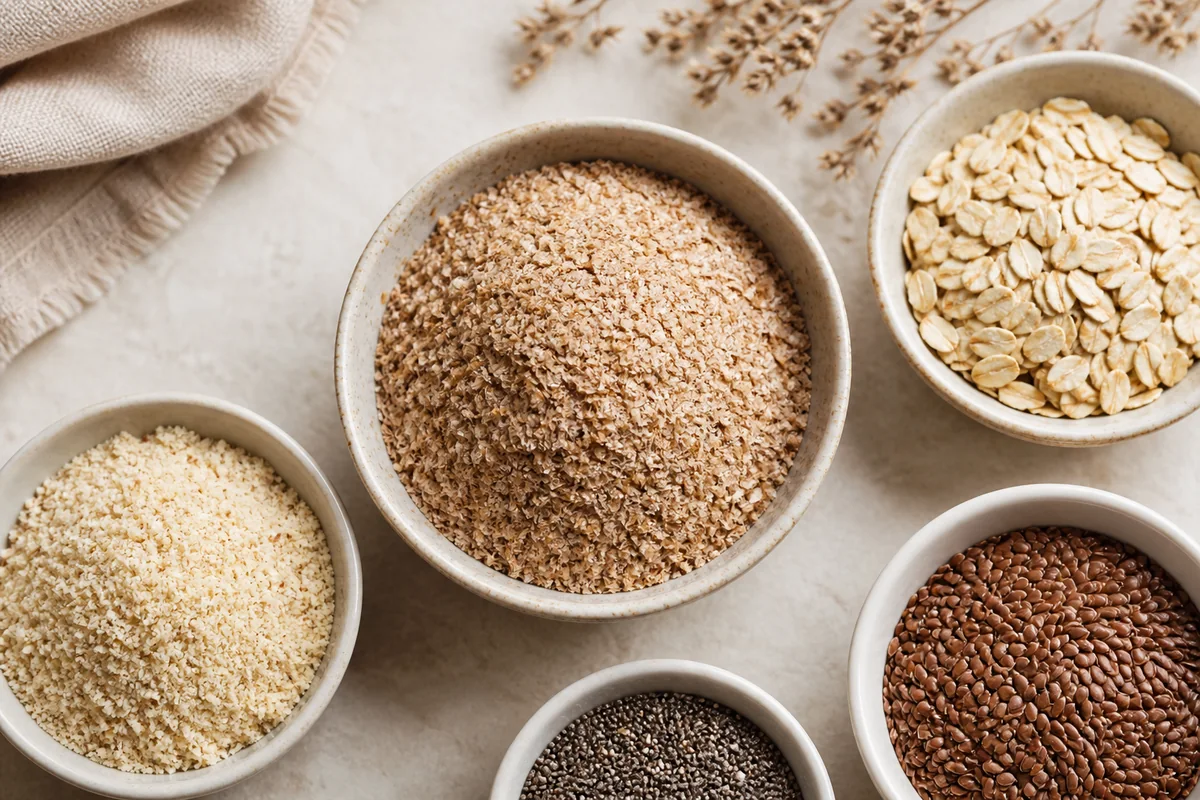 5 Best Wheat Bran Substitutes for Better Results
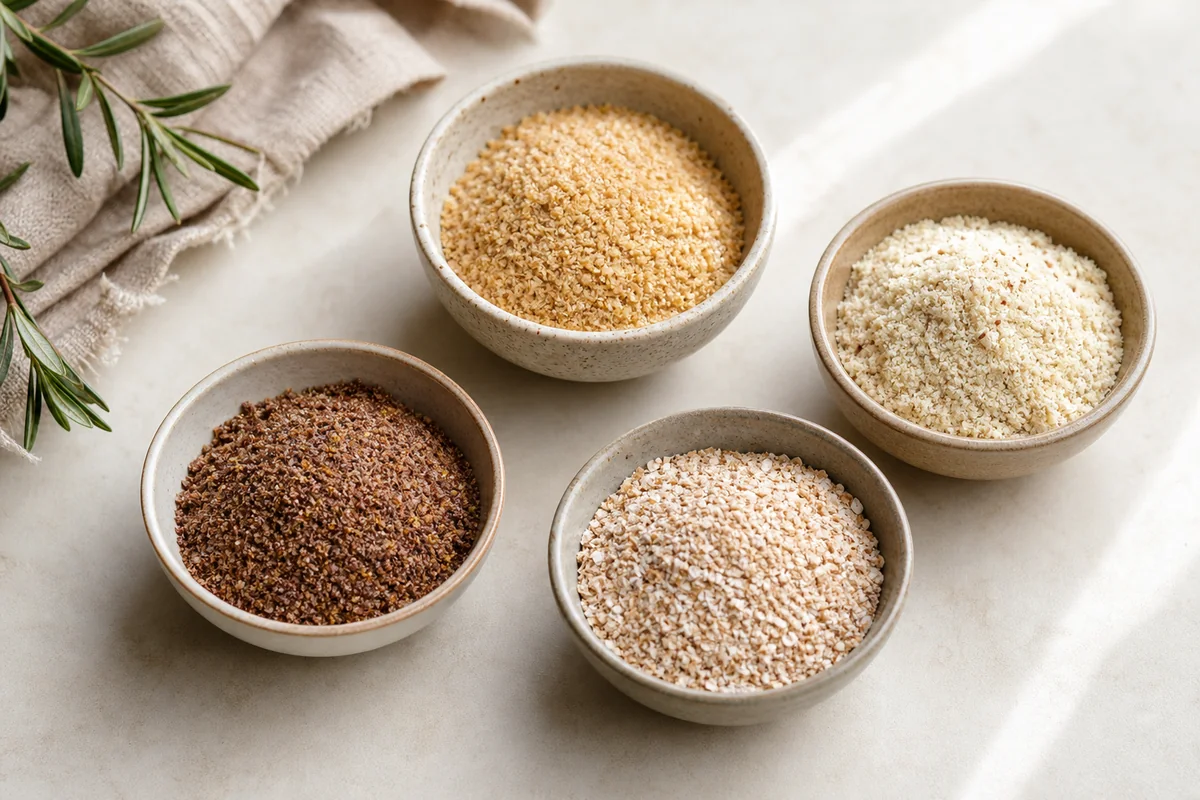 5 Best Wheat Germ Substitutes (Quick Swaps)
 5 Best Whipped Cream Substitutes That Taste Right
 5 Best White American Cheese Substitutes You Can Trust
 5 Best White Cheddar Substitutes with Ratios
 5 Best White Pepper Substitutes That Taste Right
 5 Best White Vinegar Substitutes Worth Trying
 5 Best White Wine Substitutes In Risotto
 5 Best White Wine Substitutes You Can Trust
 5 Best Whole Grain Mustard Substitutes (Ranked)
 5 Best Whole Milk Substitutes (Ranked)
 5 Best Whole Wheat Flour Substitutes
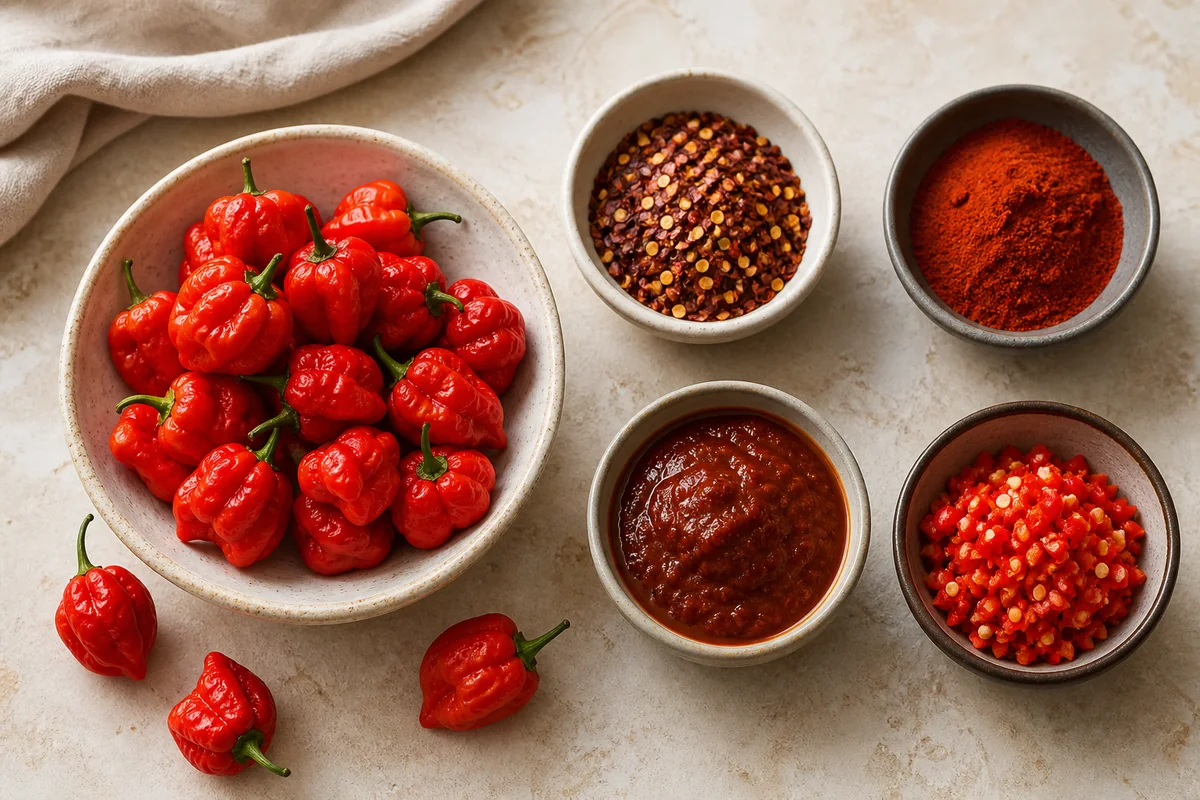 5 Best Wiri Wiri Pepper Substitutes for Better Results
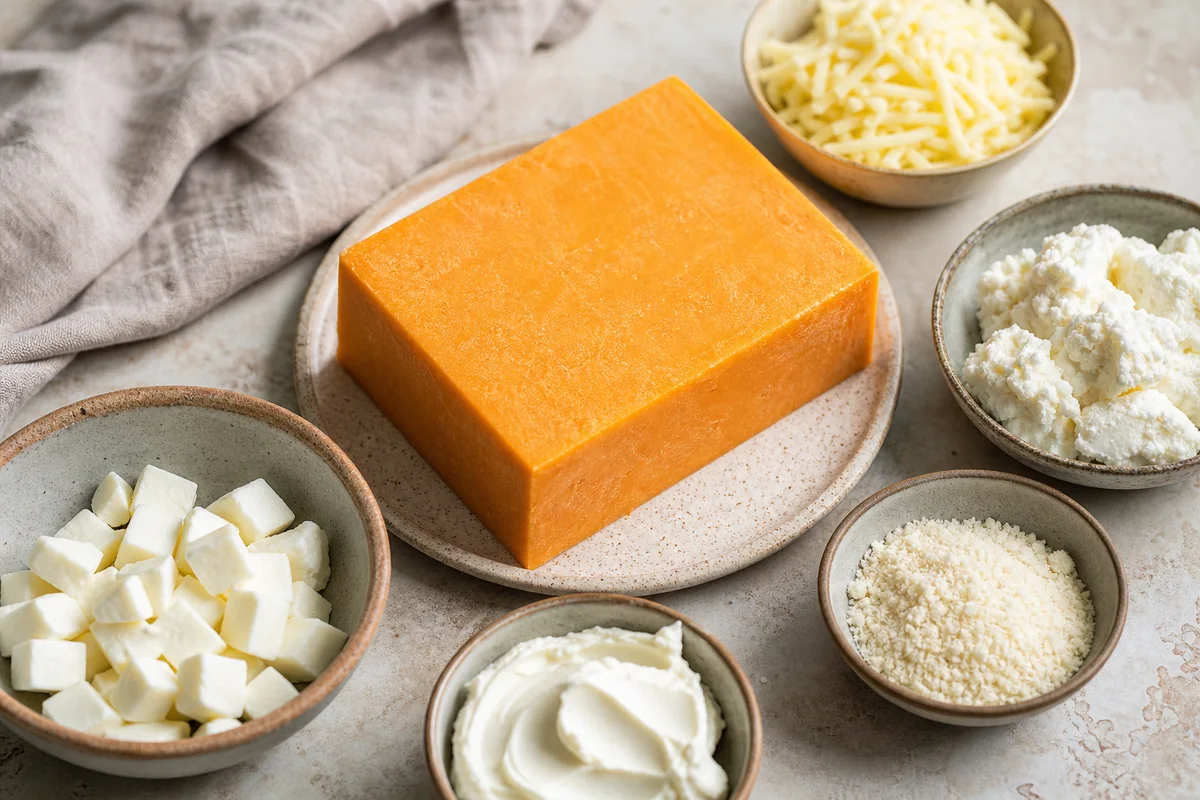 5 Best Wisconsin Brick Cheese Substitutes
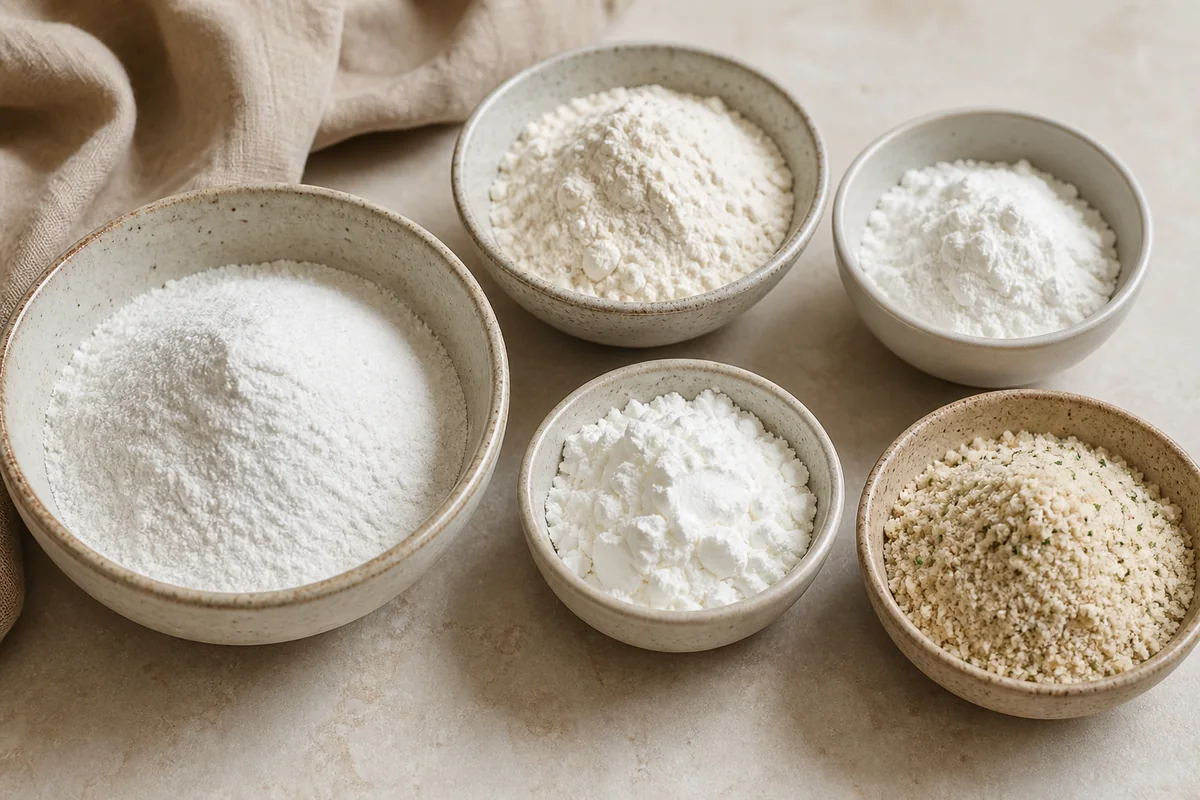 5 Best Wondra Flour Substitutes for Home Cooks
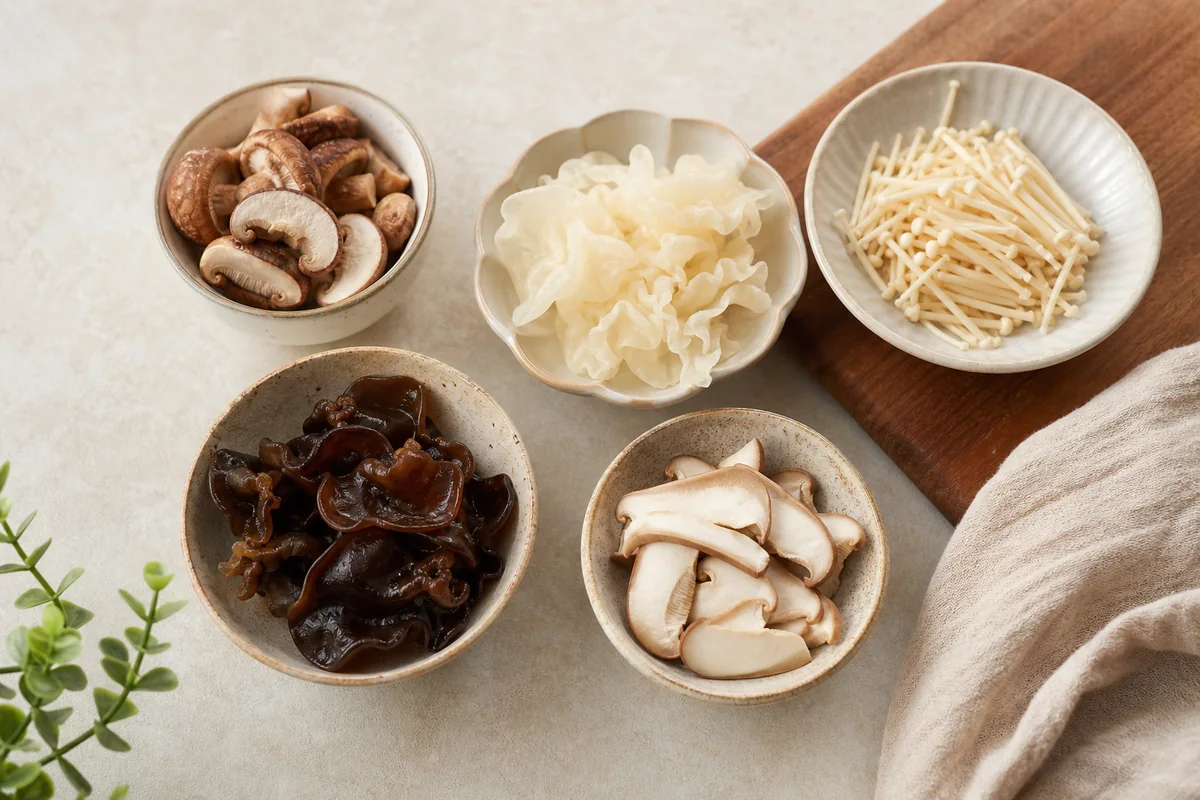 5 Best Wood Ear Mushroom Substitutes (Ranked)
 5 Best Xanthan Gum Substitutes
 5 Best Yellow Chartreuse Substitutes That Taste Right
 5 Best Yellow Mustard Substitutes (with Ratios)
 5 Best Yellow Onion Substitutes That Taste Right
 5 Best Yukon Gold Potato Substitutes (Easy Swaps)
 5 Best Zaatar Substitutes
 5 Thickening Agents for Cooking That Aren’t Flour: Alternatives with Tips
 6 Best Aji Dulce Substitutes You Can Trust
 6 Best Butter Bean Substitutes, With Ratios for Each
 6 Best Butter Substitutes (Pantry Swaps)
 6 Best Caciotta Cheese Substitutes for Home Cooks
 6 Best Comte Cheese Substitutes (Closest Match)
 6 Best Farmers Cheese Substitutes in Every Recipe
 6 Best Feta Cheese Substitutes: What to Use in Each Recipe
 6 Best Fish Stock Substitutes
 6 Best Fromage Frais Substitutes for US Kitchens
 6 Best Gorgonzola Cheese Substitutes
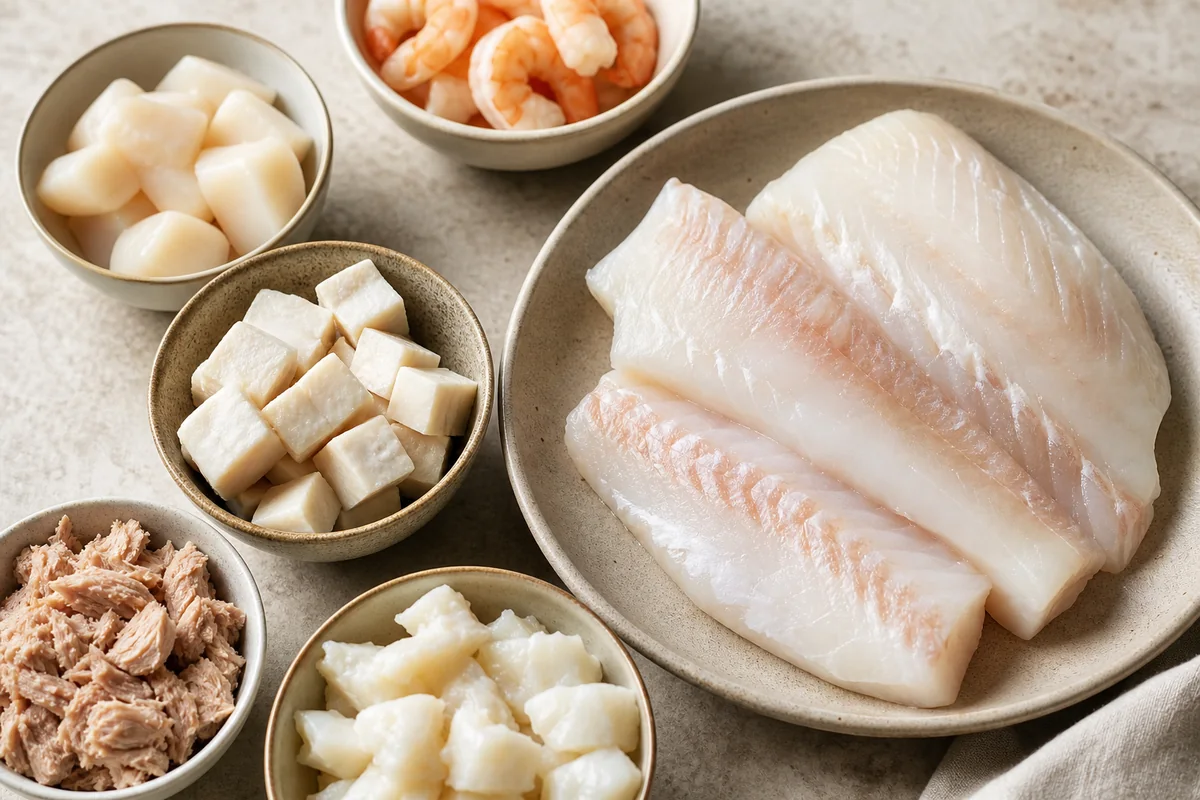 6 Best Haddock Substitutes (with Ratios)
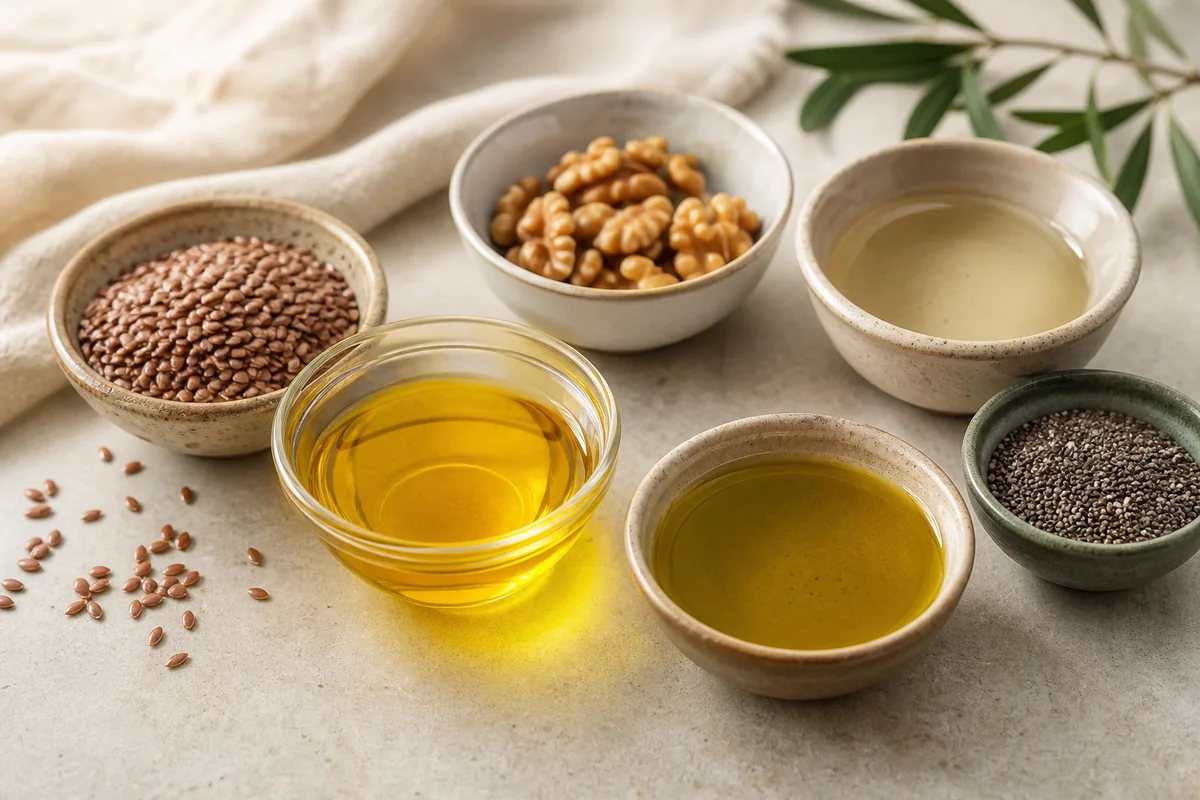 6 Best Linseed Oil Substitutes (Closest Match)
 6 Best Medjool Dates Substitutes to Consider
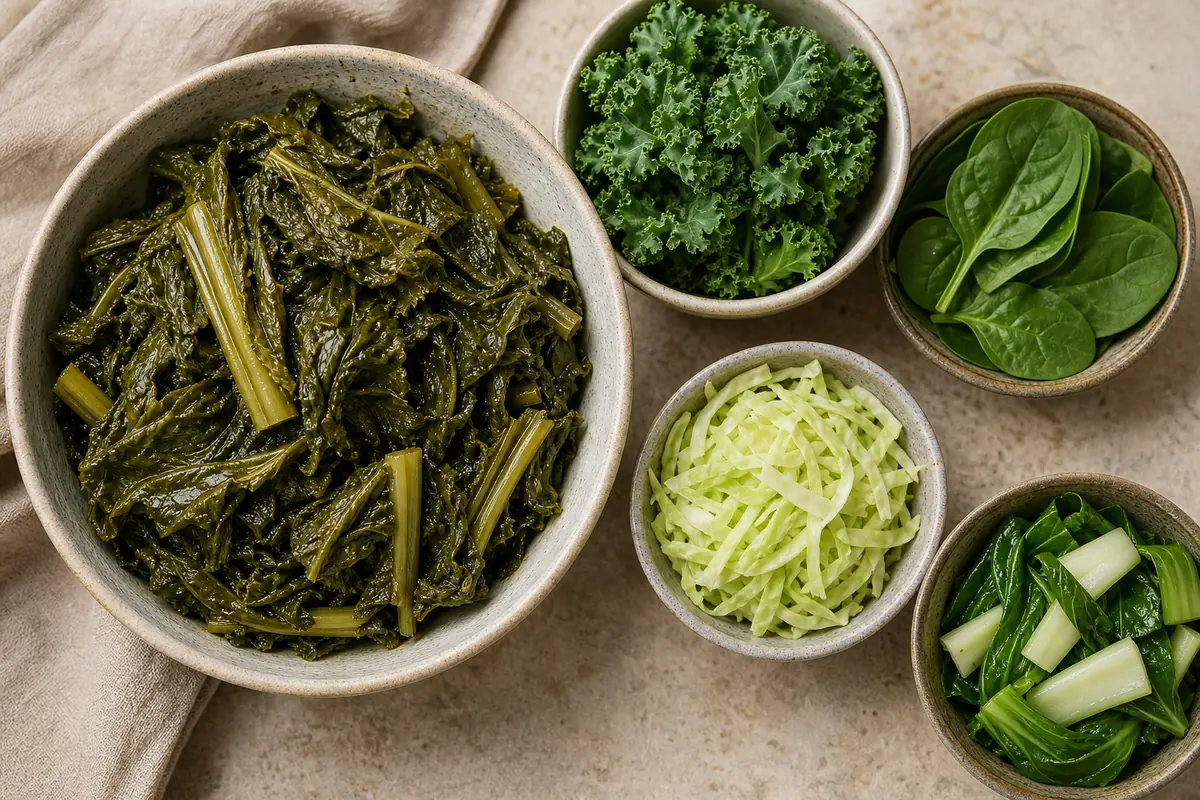 6 Best Mustard Green Substitutes (Quick Swaps)
 6 Best Oyster Sauce Substitutes (With Ratios)
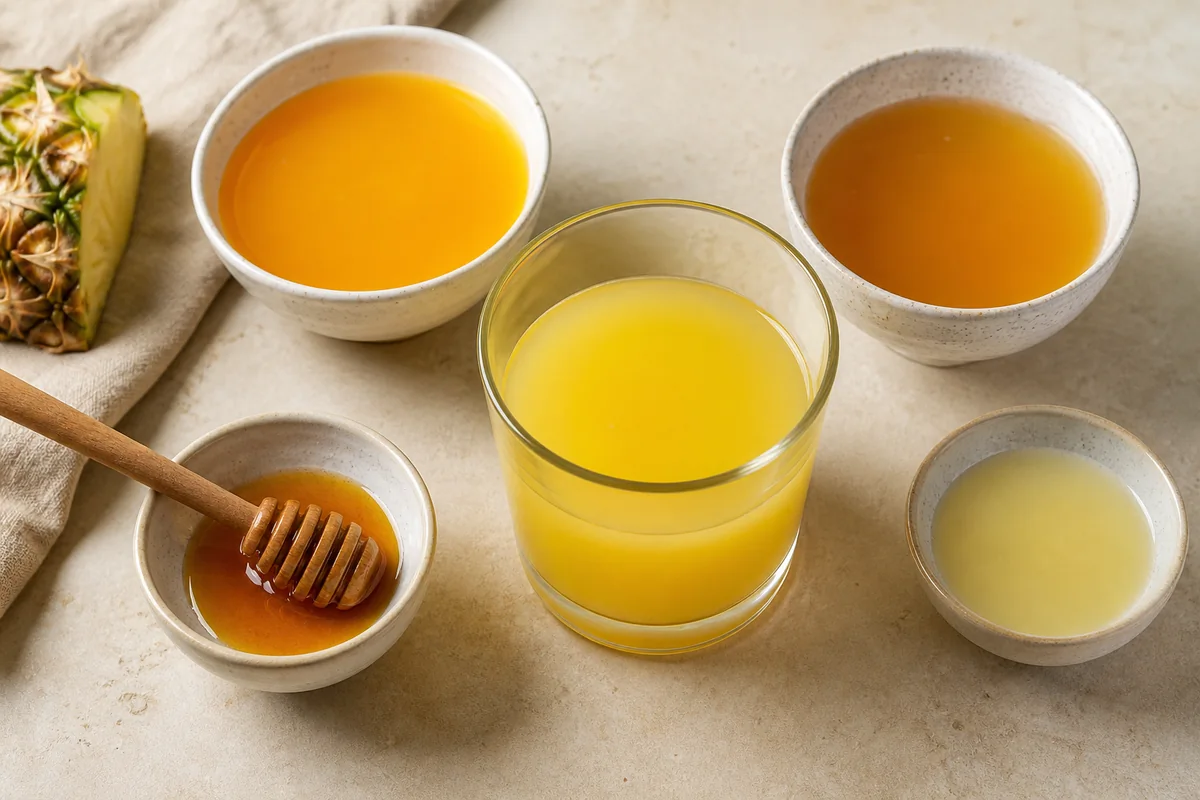 6 Best Pineapple Juice Substitutes (Easy Swaps)
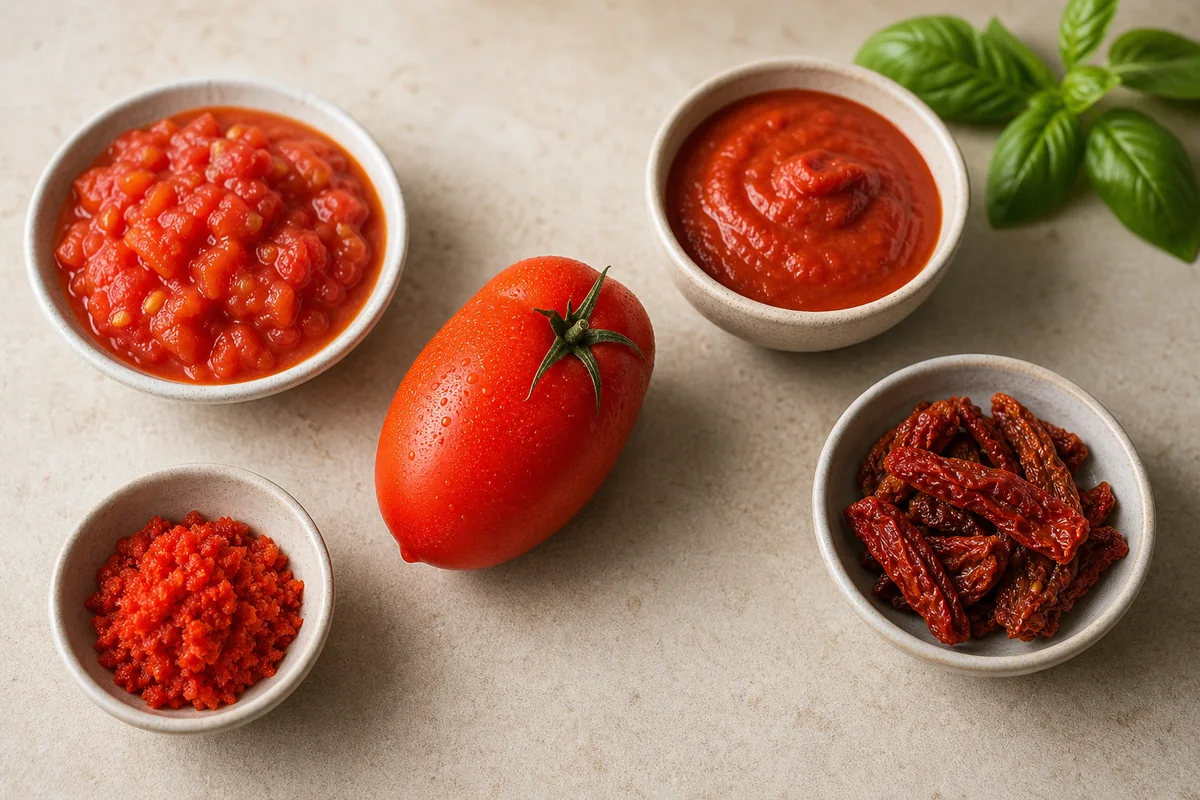 6 Best Plum Tomato Substitutes
 6 Best Stracchino Cheese Substitutes (with Ratios)
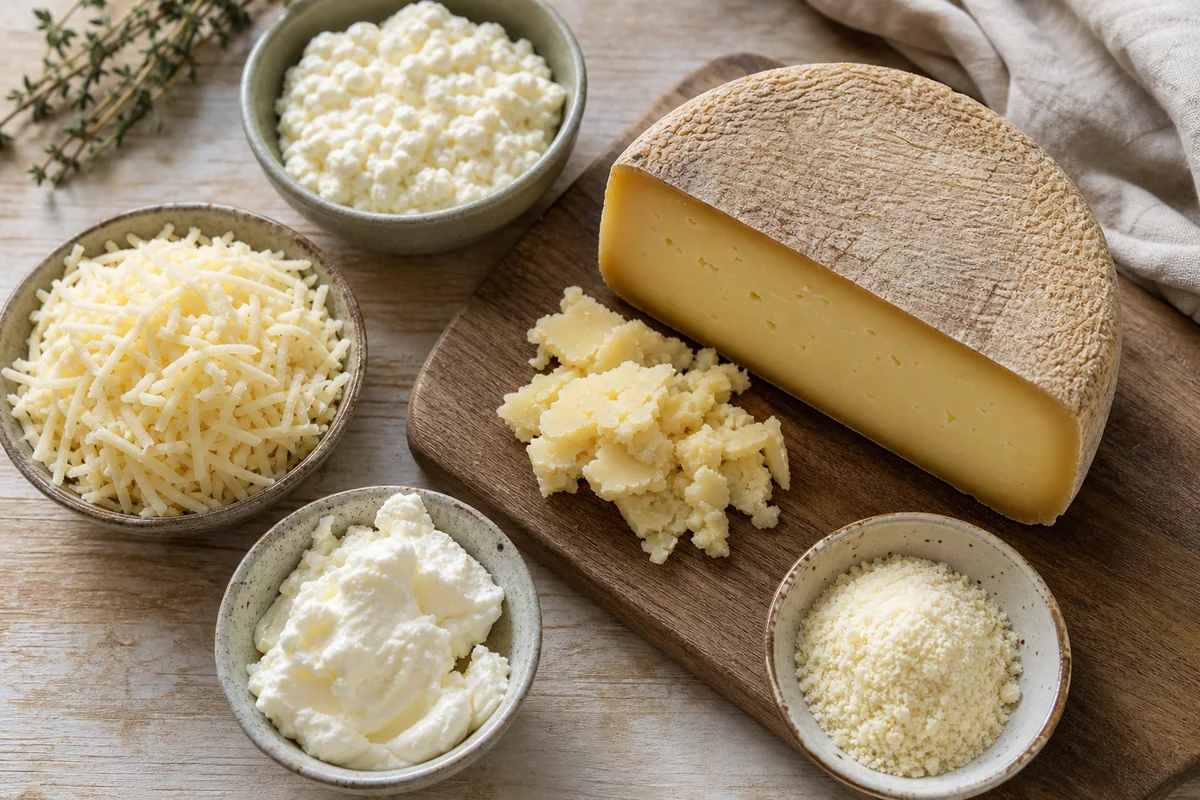 6 Best Tomme Cheese Substitutes for Any Recipe
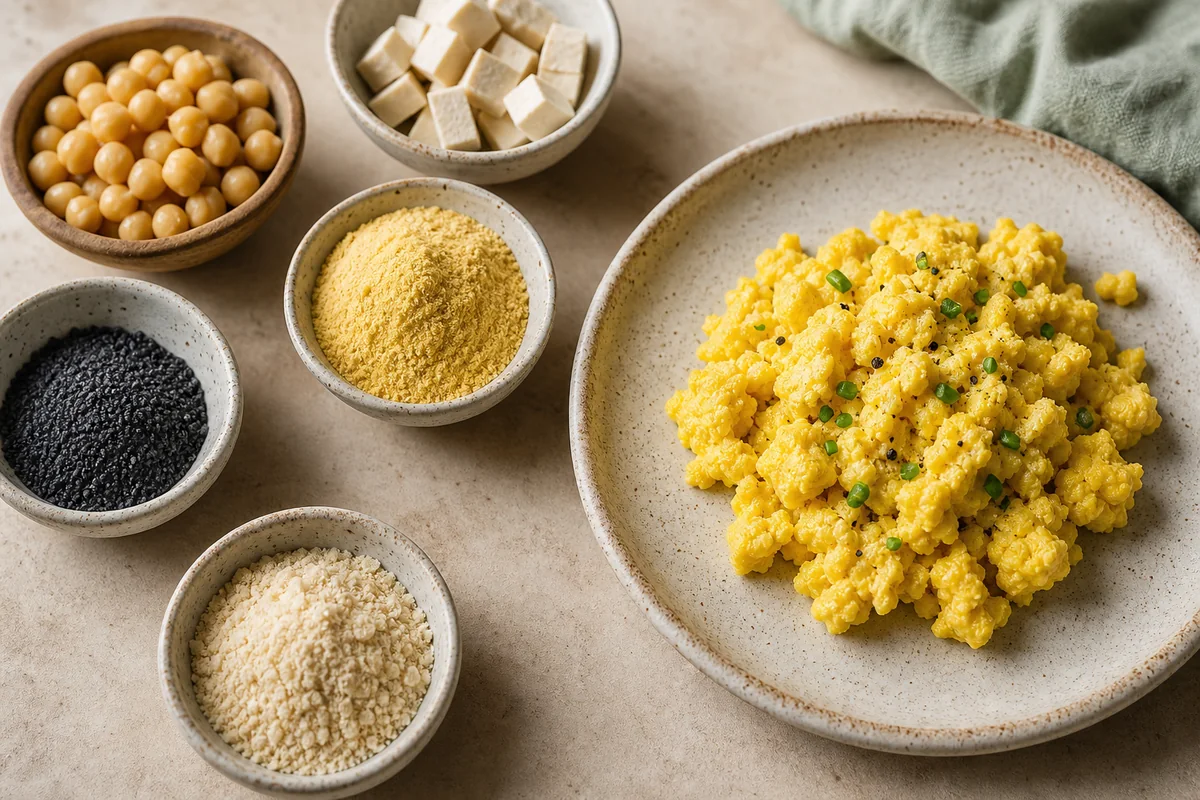 6 Best Vegan Egg Substitutes
 6 Chinese Five Spice Powder Substitutes (with Ratios)
 7 Best Apple Juice Substitutes for Baking and Cooking
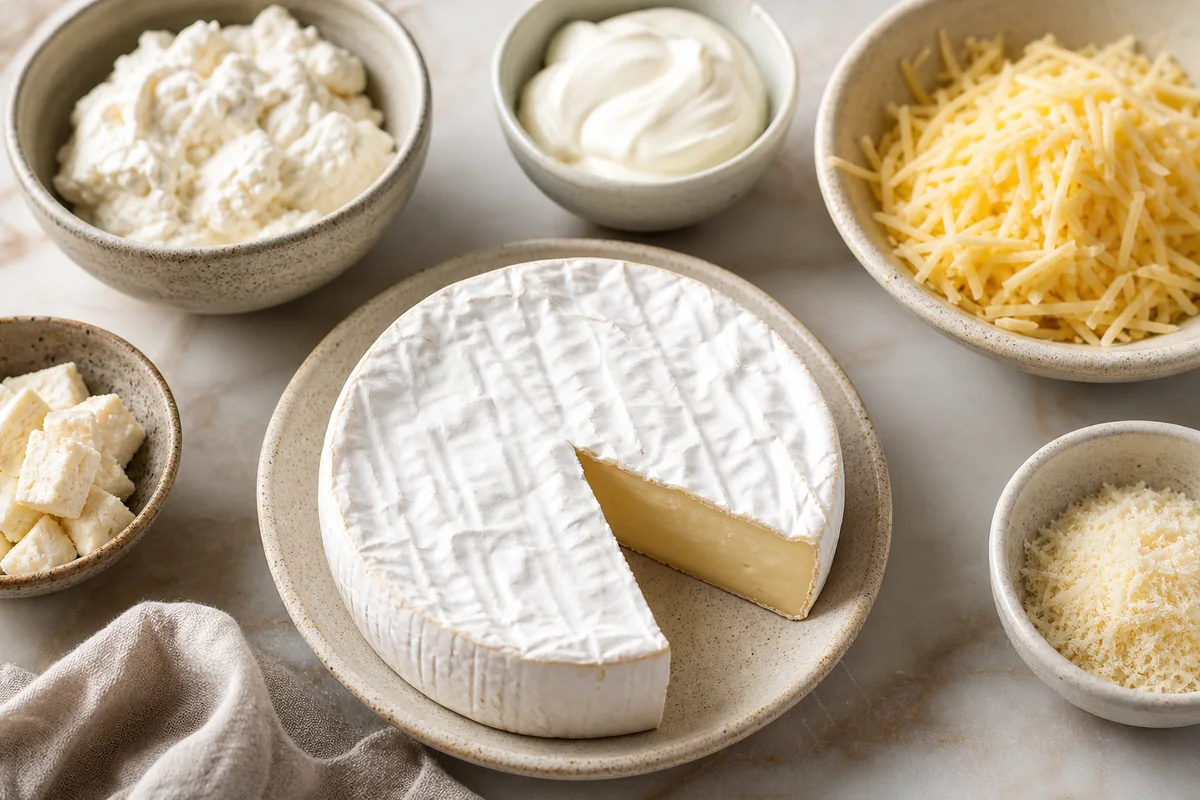 7 Best Brie Cheese Substitutes
 7 Best Chili Sauce Substitutes for Heinz or Asian Recipes
 7 Best Coconut Milk Substitutes (With Ratios)
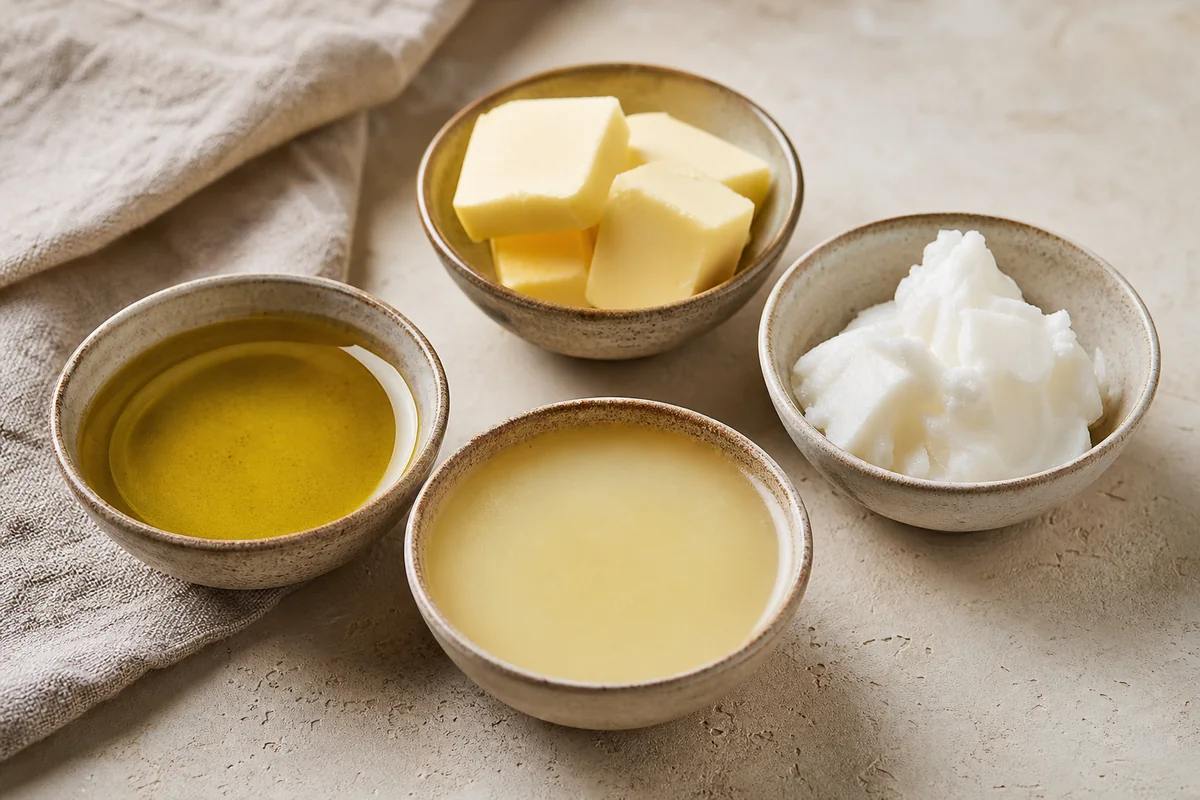 7 Best Duck Fat Substitutes for Better Results
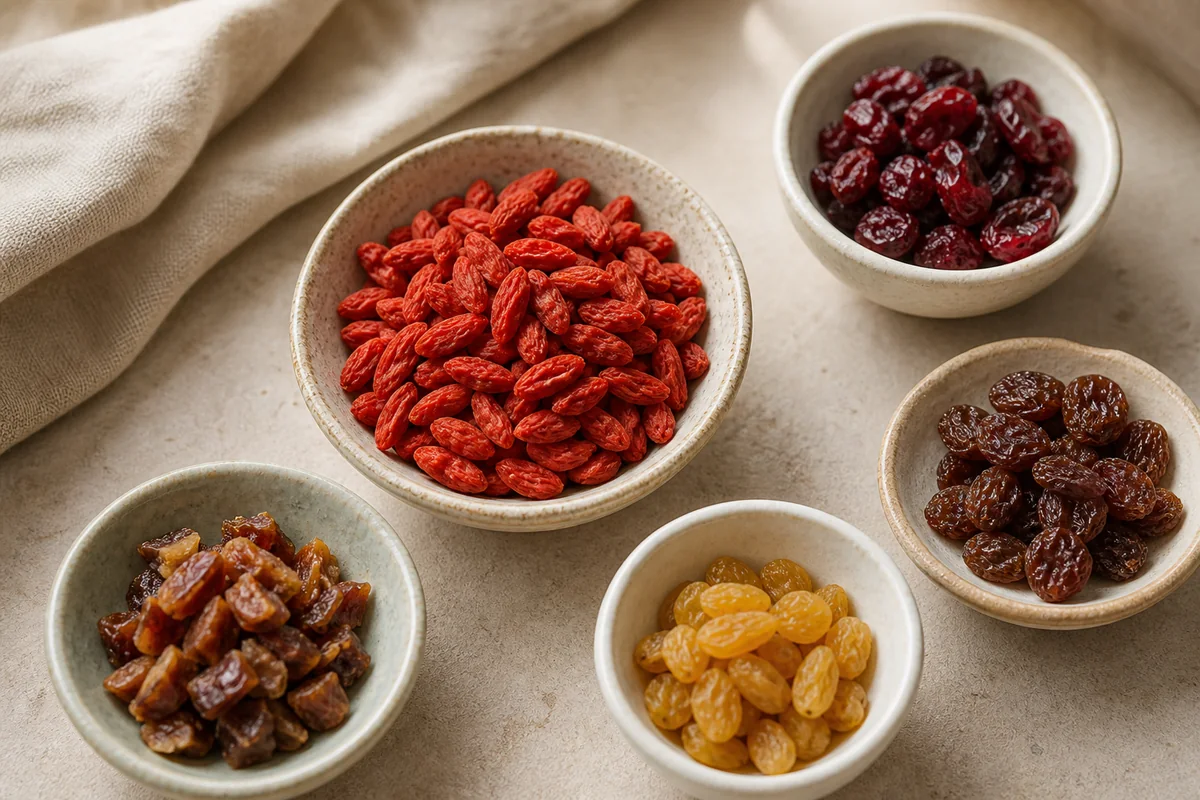 7 Best Goji Berries Substitutes for Home Cooks
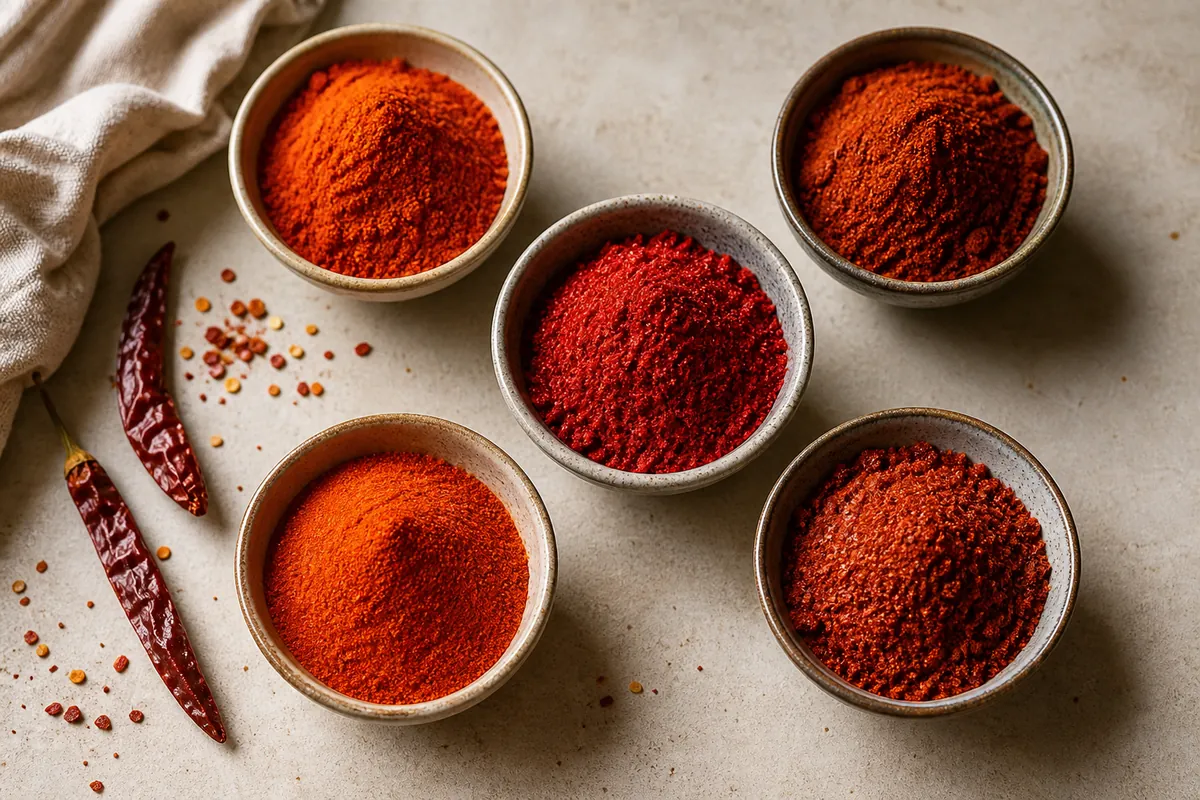 7 Best Kashmiri Chili Powder Substitutes (Quick Swaps)
 7 Best Semolina Flour Substitutes, With Ratios by Recipe
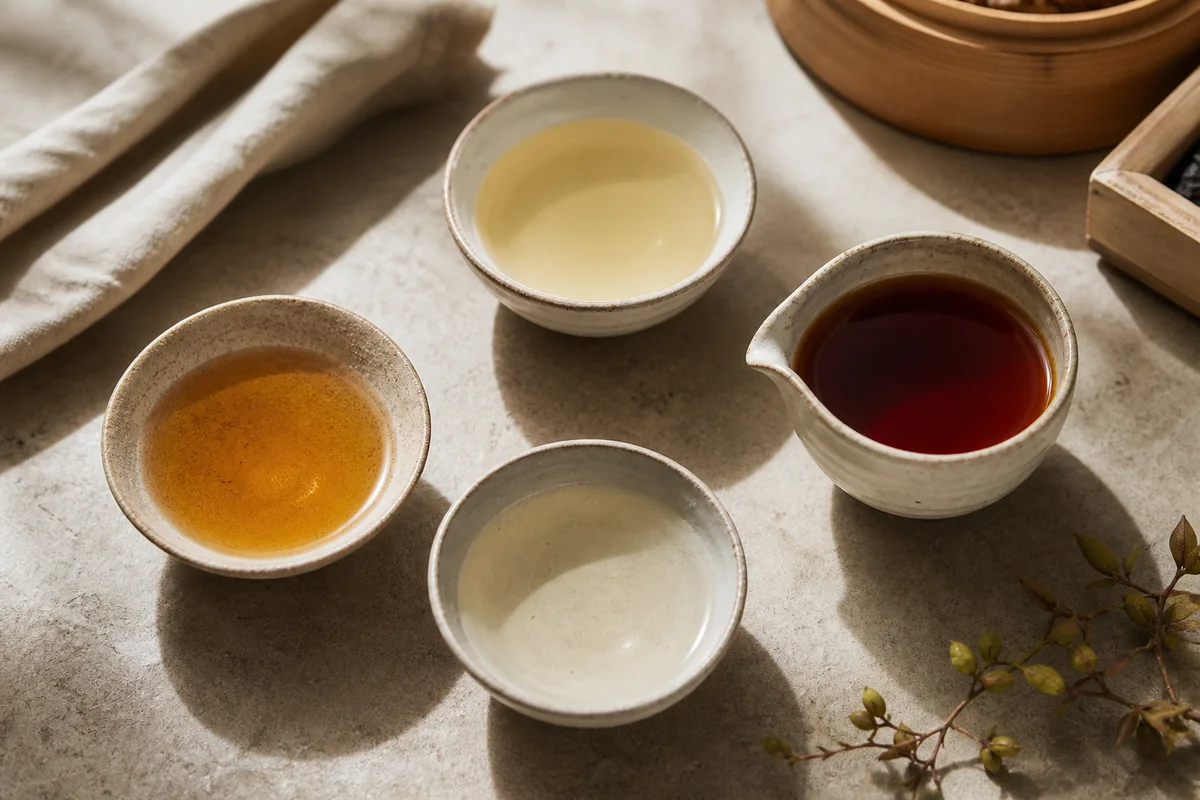 7 Best Shaoxing Wine Substitutes for Better Results
 7 Best Spinach Substitutes for Cooked and Raw Dishes
 8 Best Cumin Substitutes for Cooking, Baking, and Sauces
 Gourmet Hacks: 5 BEST Air Fryer Parchment Paper Substitutes
 Gourmet Hacks: 5 BEST Maltose Substitutes
 Gourmet Hacks: 5 BEST Peychaud’s Bitters Substitutes
 How to Replace Eggs with Bananas in Cake Mix?
 Savory Tweaks: 3 Best Alternatives for Double Boiler
 Savory Tweaks: 3 BEST Clamato Juice Substitutes
 Savory Tweaks: 5 BEST Alfredo Sauce Alternatives
 Savory Tweaks: 5 BEST Angelica Root Substitutes
 Savory Tweaks: 5 BEST Barbecue Sauce Substitutes
 Savory Tweaks: 5 BEST Basil Substitutes in Cooking
 Savory Tweaks: 5 BEST Bechamel Sauce Substitutes
 Savory Tweaks: 5 BEST Burdock Root Substitutes
 Savory Tweaks: 5 BEST Canola Oil Substitutes
 Savory Tweaks: 5 BEST Catupiry Cheese Substitutes
 Savory Tweaks: 5 BEST Chia Seeds Substitutes
 Savory Tweaks: 5 BEST Chinese Sesame Paste Substitutes
 Savory Tweaks: 5 BEST Chinkiang Vinegar Substitutes
 Savory Tweaks: 5 BEST Dry Sherry Substitutes
 Savory Tweaks: 5 BEST Gluten-free Flour Substitutes
 Savory Tweaks: 5 BEST Ham Hock Substitutes
 Savory Tweaks: 5 BEST Hot Paprika Substitutes
 Savory Tweaks: 5 BEST Kombucha Substitutes
 Savory Tweaks: 5 BEST Lovage Substitutes
 Savory Tweaks: 5 BEST Maris Piper Potatoes Substitutes
 Savory Tweaks: 5 BEST Navy Beans Substitutes
 Savory Tweaks: 5 BEST Non-Alcoholic Vodka Substitutes
 Savory Tweaks: 5 BEST Pancetta Substitutes
 Savory Tweaks: 5 BEST Paprika Substitutes
 Savory Tweaks: 5 BEST Pastry Cutter Alternatives
 Savory Tweaks: 5 BEST Plant-based Meat Substitutes
 Savory Tweaks: 5 BEST Red Chili Peppers Substitutes
 Savory Tweaks: 5 BEST Rice Substitutes for Diabetics
 Savory Tweaks: 5 BEST Salt Substitutes for Mrs. Dash
 Savory Tweaks: 5 BEST Soybean Oil Substitutes
 Savory Tweaks: 5 BEST Substitutes for Corn Oil
 Savory Tweaks: 5 BEST Substitutes for Grouper
 Savory Tweaks: 5 BEST Tempeh Substitutes
 Savory Tweaks: 5 BEST Treacle Substitutes
 Savory Tweaks: 5 BEST Vegan Half and Half Substitutes
 Savory Tweaks: 5 BEST Vegetable Shortening Substitutes
 Savory Tweaks: 5 BEST White Miso Paste Substitutes
 Savory Tweaks: 5 BEST White Rice Substitutes
 Savory Tweaks: 5 BEST Whole Wheat Pastry Flour Substitutes
 Savory Tweaks: 5 BEST Yoshida Sauce Substitutes
 Savory Tweaks: 6 BEST Molasses Substitutes in Baked Beans
 Savory Tweaks: 7 BEST Adobo Sauce Substitutes
 Savory Tweaks: 7 BEST Brown Rice Flour Substitutes
 Savory Tweaks: 7 BEST Chili Garlic Sauce Substitutes
 Savory Tweaks: 7 BEST Chili Oil Substitutes
 Savory Tweaks: 7 BEST Ground Cinnamon Substitutes
 Savory Tweaks: 7 BEST Substitutes for Barley
 Savory Tweaks: 7 BEST Substitutes for Flank Steak
 Savory Tweaks: 7 BEST Substitutes for Juniper Berries
 Savory Tweaks: 7 BEST Substitutes for Sun-Dried Tomatoes
 Savory Tweaks: 7 BEST Sweet Vermouth Substitutes
 Savory Tweaks: 8 Best Napa Cabbage Substitutes
 Worcestershire Sauce Substitutes: 7 Swaps With Ratios