
Medjool dates are the go-to ingredient in energy balls, baked bars, and no-bake desserts because they bring a uniquely thick, chewy texture with a rich caramel sweetness that most pantry staples cannot replicate on their own.

Running out mid-recipe is frustrating, especially when the dates are doing three jobs at once: sweetening, binding, and adding moisture.
The good news is that several dried fruits and liquid sweeteners can step in with the right adjustments. Each substitute handles a different role better than the others, so knowing which one to reach for depends on what your recipe actually needs.
One Medjool date weighs roughly 3-4 grams, and one cup of chopped dates equals about 6-7 dates. That makes weight-based swaps easier to calculate than counting individual pieces.
Most solid substitutes swap in at a 1:1 ratio by weight, though denser fruits like dried figs and apricots work better at 1:1.5 to compensate for their firmer texture.
If you regularly bake with sweeteners and want to understand how different sugars and syrups affect results, our guide on stevia sugar substitutes covers the sweetness spectrum from natural to zero-calorie options.
Understanding those tradeoffs helps you make smarter swaps across all baked goods, not just date-heavy recipes.
This guide covers five reliable substitutes with exact ratios, clear best-use notes, and a quick decision guide to help you choose fast.
The best Medjool date substitutes are Deglet Noor dates, raisins, dried figs, dried apricots, prunes, and maple syrup. Most solid substitutes swap at 1:1 by weight; denser fruits like figs and apricots need a 1:1.5 ratio. Liquid sweeteners like maple syrup use a 1:0.5 ratio with liquid adjustments.
Substitutes at a Glance
Before going into detail on each substitute, this table gives you a fast reference for ratios, best uses, and the main tradeoff you need to know. Raisins and prunes are the easiest swaps for most home bakers because they require the least prep and are widely available.
Figs and apricots need a higher volume to match date density, and liquid sweeteners require you to rethink the wet-dry balance of your recipe.
Choosing the right substitute also depends on how visible the fruit is in your finished dish. A chunky energy bar tolerates a seedy fig texture; a smooth date caramel sauce does not.
Keep the role of the date in mind as you read through the table, then move to the detailed section for prep specifics.
| # | Substitute | Ratio (date:sub) | Best For | Taste Match |
|---|---|---|---|---|
| 1 | Deglet Noor Dates | 1:1 by weight | Baked goods, date paste, energy balls | Close |
| 2 | Raisins | 1:1 by weight | Cookies, bars, quick breads | Mild |
| 3 | Dried Figs | 1:1.5 by weight | Dense bars, loaves, binding-heavy recipes | Different |
| 4 | Dried Apricots | 1:1.5 by weight | Spiced bakes, chocolate desserts | Different |
| 5 | Prunes | 1:1 by weight | Fudgy brownies, moist loaves | Close |
| 6 | Maple Syrup / Honey | 1:0.5 by weight | Quick breads, cookies, no-bake recipes | Mild |
Save This for Later
Pin this 5 best medjool dates substitutes to consider guide so you always have it when you need it.
Pin This GuideMedjool Dates Substitutes in Detail
1. Deglet Noor Dates (1:1 by Weight)
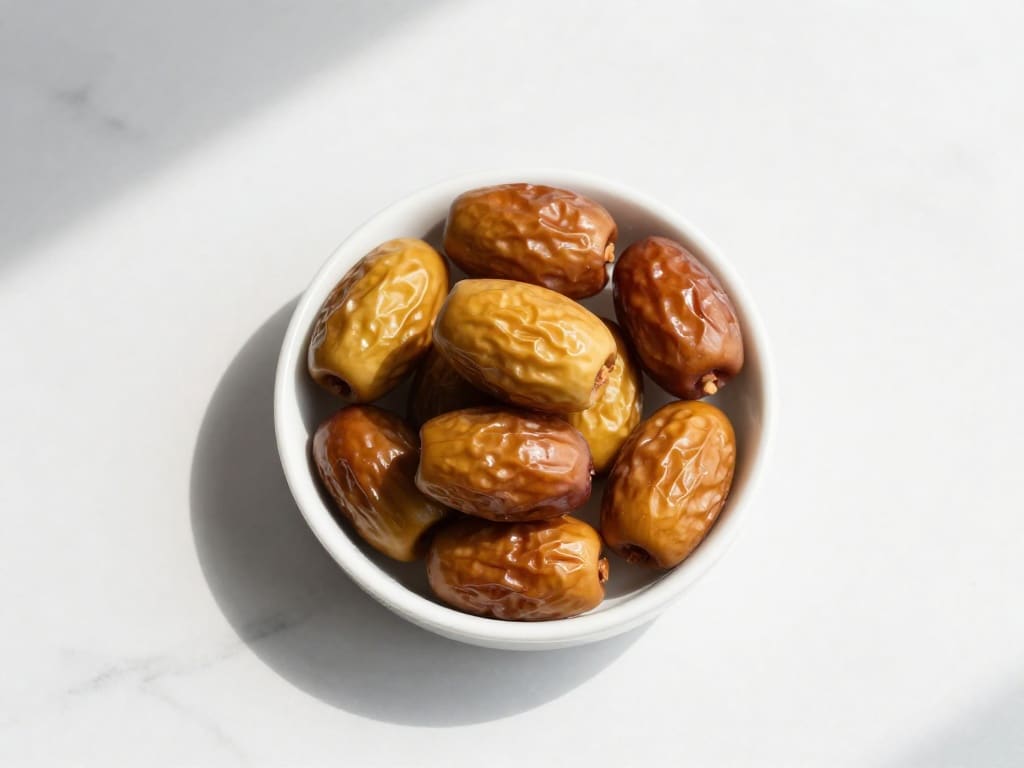
Deglet Noor dates are the most direct swap for Medjool because they share the same base flavor profile: sweet, caramel-like, and slightly earthy. The main difference is texture.
Deglet Noor dates are drier and firmer than Medjool, so they do not blend as smoothly on their own and can leave a slightly grainy texture in no-bake recipes if you skip the blending step.
To get the same paste consistency as Medjool, soak Deglet Noor dates in warm water for 10-15 minutes before processing. This softens the flesh enough for a food processor to work them into a smooth paste.
For chopped applications in cookies or granola bars, no soaking is necessary; just swap at 1:1 by weight and proceed as normal.
This substitute also works well for recipes where almond paste substitutes come into play, since both share a role in providing density and binding in baked goods. If your recipe uses dates alongside a nut component, Deglet Noor holds up just as reliably.
Deglet Noor dates are the best substitute when your recipe depends on caramel flavor and a firm bite. Soak them briefly if making paste; skip soaking for chopped applications.
2. Raisins (1:1 by Weight)
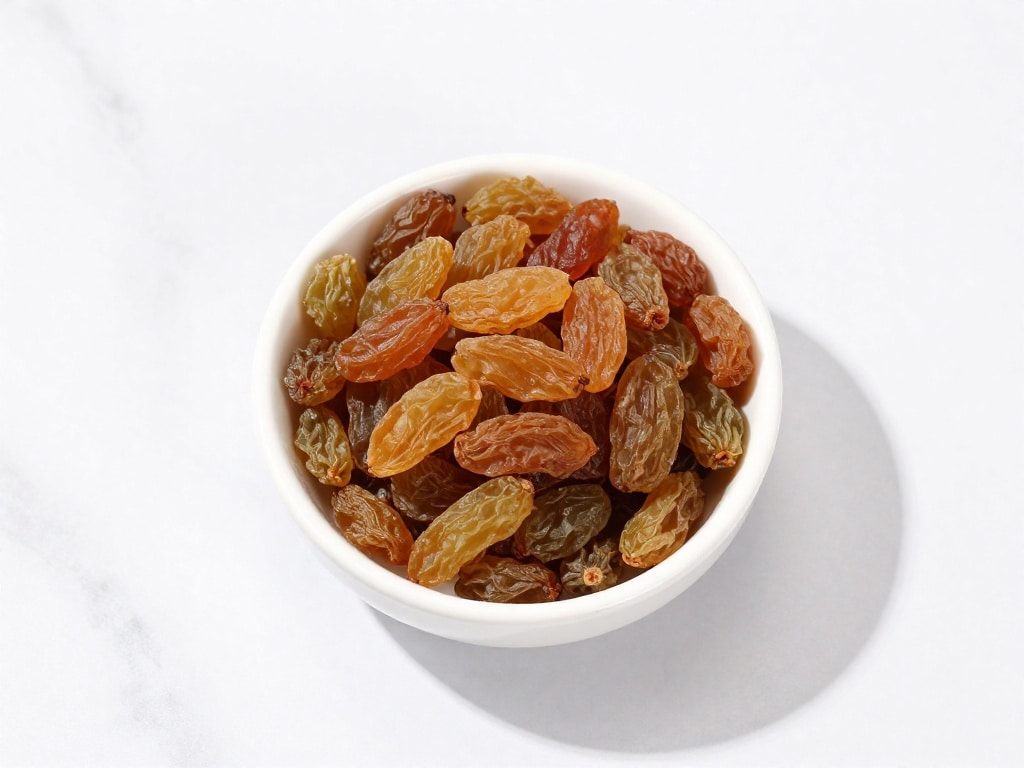
Raisins are one of the most accessible substitutes for Medjool dates, found in almost every pantry. They are sweeter and drier than Medjool dates, with a simpler grape-based flavor that lacks the caramel depth.
In cookies and energy bars, that flavor gap is rarely noticeable once the other ingredients are in the mix.
The texture difference matters more than the flavor difference here. Raisins are small and firm, so using them whole in a recipe that calls for chopped dates can create uneven bites.
Pulsing raisins a few times in a food processor brings them closer to the minced date texture most recipes expect. For bar-style recipes, blending raisins with a tablespoon of warm water produces a rough paste that mimics the binding action of date paste reasonably well.
Raisins do not add the same moisture as Medjool, which can make baked goods slightly drier. Adding a teaspoon of oil or an extra tablespoon of nut butter compensates for that in most bar recipes.
If you are adjusting sweetness levels across your recipe alongside this swap, our breakdown of caster sugar substitutes can help you balance the overall sweetness without over-sweetening.
Pulse raisins 5-6 times in a food processor before using them in bar or ball recipes. The smaller, stickier texture blends far better and holds the recipe together.
3. Dried Figs (1:1.5 by Weight)
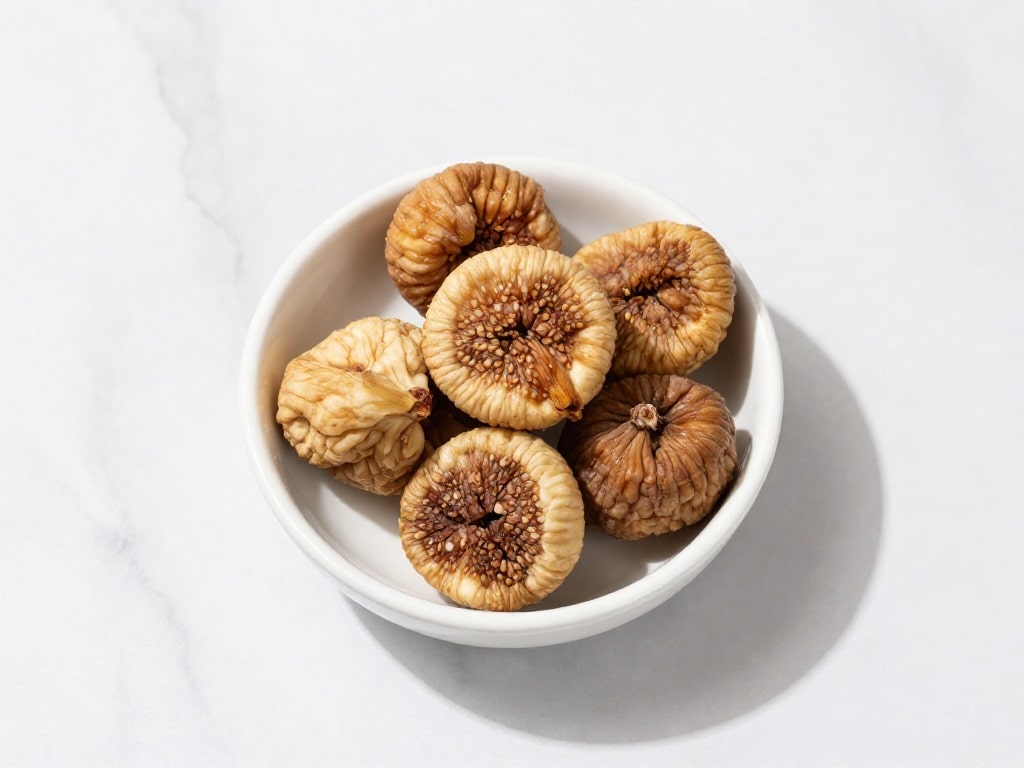
Dried figs bring a distinct flavor that reads as vanilla-berry rather than caramel, so they work best in recipes where the date flavor is background rather than the star. The seedy interior of a fig adds a slight crunch that some recipes welcome and others do not.
In dense bars or loaves, that texture reads as rustic and intentional; in smooth no-bake truffles, it can be distracting.
The 1:1.5 ratio is necessary because dried figs are denser and less sweet by volume than Medjool dates. Using them at 1:1 produces a bake that is noticeably less sweet and less moist.
Figs contain higher fiber and pectin than most dried fruits, which means they bind well once blended. Remove the tough stem before processing, and soak the figs in warm water for 10 minutes if they are very dry.
Blend into a paste for best results in binding-heavy applications.
For recipes that already rely on a separate paste or binding component, miso paste substitutes show a useful parallel: both miso and date paste add depth and cohesion, and replacing either requires thinking about the structural role, not just the flavor.
The same logic applies when swapping in figs.
Dried figs work best in dense baked goods like nut bars and fruit loaves where extra fiber and binding strength improve the final texture. Remove stems and blend with a splash of water before using.
4. Dried Apricots (1:1.5 by Weight)
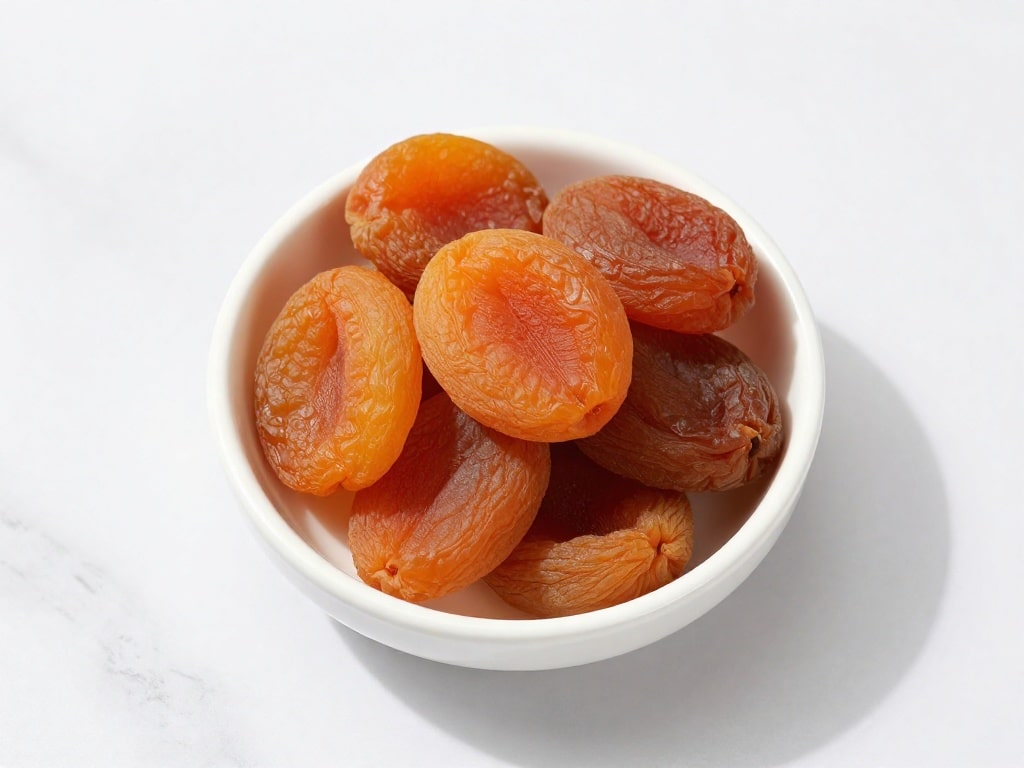
Dried apricots bring a brighter, tangier flavor than Medjool dates, which makes them a natural fit for recipes with warm spices like cinnamon or cardamom, or anything paired with dark chocolate. Apricots can impart tangy notes that shift the flavor profile noticeably, so they are not the right choice when you need the substitution to go unnoticed.
In the right recipe, though, that tartness adds a complexity that dates alone do not deliver.
The 1:1.5 ratio accounts for the lower moisture content and lighter weight of dried apricots compared to Medjool dates. Using them at 1:1 often produces a bake that is too dry and not sweet enough.
Blending apricots into a smooth paste is the most effective prep step here. A food processor works well once the apricots are softened; soak for 10-15 minutes in warm water first if they feel leathery.
The paste distributes evenly through batter and provides uniform sweetness throughout.
Because apricots are lighter in color, they also keep your baked goods from turning the deep brown that dates normally produce. That matters in recipes where appearance is part of the appeal.
If you frequently swap out strong-flavored ingredients in paste form, our article on chili paste substitutes covers a similar decision process for balancing intensity and texture in paste-based swaps.
Dried apricots are the right call for spiced bakes and chocolate-based recipes where a gentle tang adds interest. Blend into paste for even sweetness and smooth texture.
5. Prunes (1:1 by Weight)
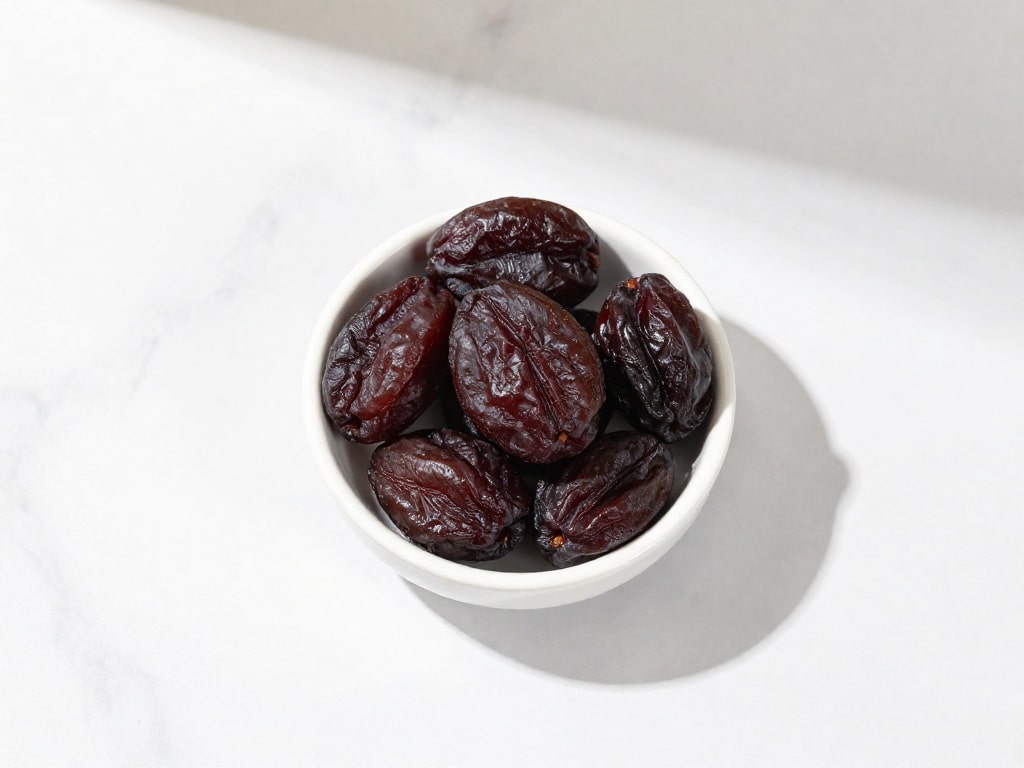
Prunes are among the closest texture matches for Medjool dates. They are soft, naturally moist, and carry a deep sweetness that leans more toward plum than caramel, but reads as rich and satisfying in baked goods.
The 1:1 ratio works precisely here because prunes have a similar weight-to-moisture ratio as Medjool dates, making the swap straightforward.
Prunes are high in fiber and moisture, which means they bind well and keep baked goods soft longer than drier substitutes like raisins or apricots. In brownies and fudgy bars, prune paste produces a dense, chewy crumb that is very close to what Medjool date paste delivers.
To use prunes as a paste, blend them in a food processor for 30-60 seconds until smooth. If your prunes are on the firmer side, soak them in hot water for 5 minutes first.
The paste holds together well and works in both no-bake and baked applications.
One thing to keep in mind: prunes have a slightly more pronounced flavor than Medjool dates, with a hint of tang alongside the sweetness. In strongly flavored recipes with cocoa, nuts, or spices, this difference disappears entirely.
For milder recipes like vanilla-based bars, you may notice it slightly. Adjusting your icing sugar substitutes in the topping or glaze can help offset any minor flavor shift in the finished dish.
Prunes are the top choice when you need a soft, fudgy bite and reliable binding. They work especially well in brownies and energy balls where richness and moisture matter most.
6. Liquid Sweeteners: Maple Syrup or Honey (1:0.5 by Weight)
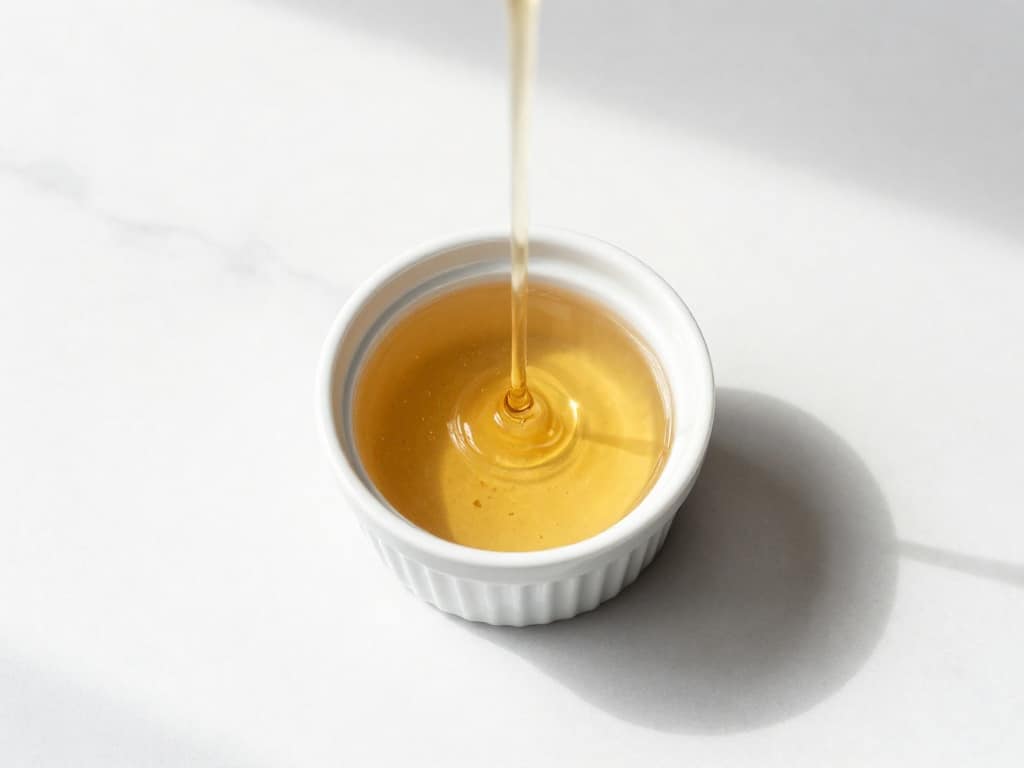
Maple syrup and honey work as Medjool date substitutes in recipes where the date is contributing primarily sweetness and moisture rather than structure or binding. The ratio is 1:0.5 by weight, meaning you use half the weight of syrup for every unit of date weight called for.
This lower ratio prevents the recipe from becoming too wet, since liquid sweeteners add moisture far more aggressively than dried fruit.
When using maple syrup, reduce any other liquids in the recipe by about 1-2 tablespoons per ½ cup of syrup to maintain the correct batter consistency. Honey behaves similarly but adds a floral note and is slightly thicker, which can affect how the batter spreads in the oven.
Neither liquid sweetener provides the chewy bite or binding strength of whole or paste dates, so they are best in recipes where dates dissolve into the batter rather than provide textural chunks.
Maple syrup is a common date substitute in cookies and quick breads, especially in recipes that already include oats, nuts, or other ingredients that handle the structure. If the recipe requires binding, add a tablespoon of nut butter or ground flaxseed to compensate for the missing fiber.
For recipes where sweetness balance is especially sensitive, reviewing seasoning substitutes may help you recalibrate other flavor elements when the base sweetener changes significantly.
Use liquid sweeteners only when dates are doing the job of sweetening and moistening, not binding. Always reduce other liquids by 1-2 tablespoons to avoid a wet batter.
Decision Guide: Pick the Right Substitute Fast
The fastest way to choose is to identify what your recipe needs most from the Medjool date. Most recipes rely on dates for one primary function, and matching that function narrows the field immediately.
- Binding needed: Reach for dried figs or prunes first. Both blend into a sticky paste that holds bars, balls, and loaves together. Figs bring more fiber and a seedy texture; prunes are smoother and richer.
- Moisture is the priority: Raisins add sweetness without the caramel depth, and prunes add moisture with more body. For pure moisture in a loose batter, maple syrup at the 1:0.5 ratio is the quickest path.
- Flavor match matters most: Deglet Noor dates are the only substitute that replicates the caramel-date note. No other dried fruit on this list comes as close to the original flavor.
- Liquid substitution only: Maple syrup handles sweetness and moisture but does not bind. Compensate with a tablespoon of nut butter or flaxseed when structure matters.
- Color-sensitive recipe: Apricots keep the bake lighter in color. Prunes and figs will darken the crumb noticeably, similar to dates.
If your recipe relies on paste-based ingredients for depth and cohesion, the same decision logic applies: match the function first, then adjust for flavor.
Sweetness levels rarely need major adjustment with solid substitutes at the correct ratios, but taste the mixture before baking and add a teaspoon of honey or maple syrup if it reads flat.
Ask one question before swapping: is the date binding, sweetening, or adding moisture? Match the substitute to that function and the ratio does the rest of the work.
Frequently Asked Questions
Can I substitute dates for dates in different forms, such as fresh versus dried?
Fresh dates are much higher in moisture than dried, so use about 1.5 times the weight of dried dates when swapping fresh in. Reduce other liquids by 1 tablespoon to compensate.
Do date substitutes need to be cooked longer or shorter?
Liquid sweeteners can cause baked goods to brown faster; check 3-5 minutes early. Solid substitutes at the correct ratios do not significantly change baking times.
How should I adjust sugar when using substitutes?
Raisins are sweeter than Medjool dates, so reduce added sugar by about 1-2 teaspoons per ¼ cup of raisins. Figs and apricots are less sweet; no reduction is typically needed.
Are these substitutes suitable for gluten-free baking?
All five substitutes in this guide are naturally gluten-free. Cross-contamination is only a risk if the dried fruit was processed in a facility that handles wheat.
Which substitute best preserves fudgy texture in brownies?
Prunes are the closest match for fudgy texture. Blend them into a smooth paste and use at a 1:1 ratio by weight for results nearly identical to Medjool date paste.
5 Best Medjool Dates Substitutes to Consider
Ingredients
Equipment
Method
- Choose your substitute based on the dish type and desired flavor match. Use the decision guide to identify whether your recipe needs binding, moisture, or flavor replication.
- Prepare the substitute as directed: adjust ratios and prep as noted for each option. Soak and blend dried fruits when making paste; adjust liquids when using syrups.
- Apply the substitution ratio carefully. Start with the stated amount and adjust to taste before baking.
- Taste and adjust sweetness or moisture. Some substitutes shift flavor or texture slightly, so add a teaspoon of honey or reduce liquids as needed before finalizing the recipe.
Notes
- Store opened dried fruit in a sealed container in a cool, dry place for up to 6 months; refrigerate for up to 1 year.
- Most solid substitutes swap at 1:1 by weight; denser fruits like figs and apricots need 1:1.5; liquid sweeteners use 1:0.5 with liquid adjustments.
Tried this recipe?
Let us know how it was!
Carrie is a food writer and editor with more than 15 years of experience. She has worked for some of the biggest names in the food industry, including Bon Appétit, Food & Wine, and Martha Stewart Living.
As the Editor in Chief of EpicureDelight, Carrie oversees all of the content on the site. She also manages the team of contributing writers and editors, who help to create delicious recipes, helpful tips, and informative articles that you’ll find on the site.
A native of the Chicago area, Carrie is passionate about all things food. She loves trying new restaurants and experimenting with new recipes in her kitchen. She’s also a graduate of the Culinary Institute of America, so she knows a thing or two about food!



