
Beau Monde is one of those seasoning blends that disappears from shelves without warning, and the recipes that call for it are usually specific enough that a generic substitute won't cut it.

The blend typically combines celery salt, mustard powder, paprika, white pepper, nutmeg, coriander, marjoram, and allspice into a rounded, aromatic seasoning that works in savory baked goods, poultry brines, and creamy dips alike.
The challenge is that Beau Monde sits between a salt blend and a spice blend, so replacing it requires attention to both dimensions. Too much salt and the dish turns harsh; too little spice and the layered warmth disappears entirely.
A common home pantry fix combines celery salt and dried herbs to approximate that salt-and-spice balance, and it works reasonably well for quick applications. For baking or more precise applications, exact ratios matter far more than people expect.
This guide covers five concrete substitutes, each with a specific ratio and clear notes on when to use it. The options range from a close four-spice blend to a lighter herb-forward mix for recipes where celery-forward flavors need to stay subtle rather than dominant.
Read through the decision guide at the end to match the right substitute to your dish type, dietary needs, and what is actually in your pantry right now.
Beau Monde blends celery salt, mustard powder, paprika, white pepper, nutmeg, and warm spices into a savory all-purpose seasoning. The five substitutes below each target a different flavor priority, from salt-forward blends for poultry to lighter herb mixes for fish and cream sauces. Ratios are specific so you can swap with confidence.
Substitutes at a Glance
The table below gives you a fast way to compare all five substitutes before reading the detail sections. Each entry includes an approximate ratio relative to Beau Monde and the dish types where it performs best.
Keep in mind that heat-sensitive spices like nutmeg and clove can shift flavor in long bakings, so the best-use column reflects those limits. Paprika-heavy blends can also deepen in color during roasting, which may affect presentation in lighter dishes.
| # | Substitute | Ratio | Best For | Taste Match |
|---|---|---|---|---|
| 1 | Celery Salt + White Pepper + Nutmeg + Paprika | 2:1:0.5:1 | Roasted poultry, pork, savory baked goods | Close |
| 2 | Seasoned Salt + Nutmeg + Mustard Powder | 1:0.25 + ¼ teaspoon mustard powder per tsp | Meatloaf, casseroles, savory pastries | Mild |
| 3 | Savory + Mustard Powder + Black Pepper + Cinnamon | 2:1:1:0.5 | Roasted vegetables, savory pies, spice-forward breads | Mild |
| 4 | Allspice + Clove + Onion Powder + Celery Seed | 1:0.5:1:1 | Braises, hearty stews, meat rubs | Different |
| 5 | Herb Blend (Marjoram + Thyme + Parsley) + White Pepper + Salt | 1:1:1 + 0.5 teaspoon white pepper + 0.5 teaspoon salt per teaspoon base | Fish, poultry, creamy sauces | Mild |
Save This for Later
Pin this 5 best beau monde seasoning substitutes to consider guide so you always have it when you need it.
Pin This GuideBeau Monde Seasoning Substitutes in Detail
1. Celery Salt + White Pepper + Nutmeg + Paprika
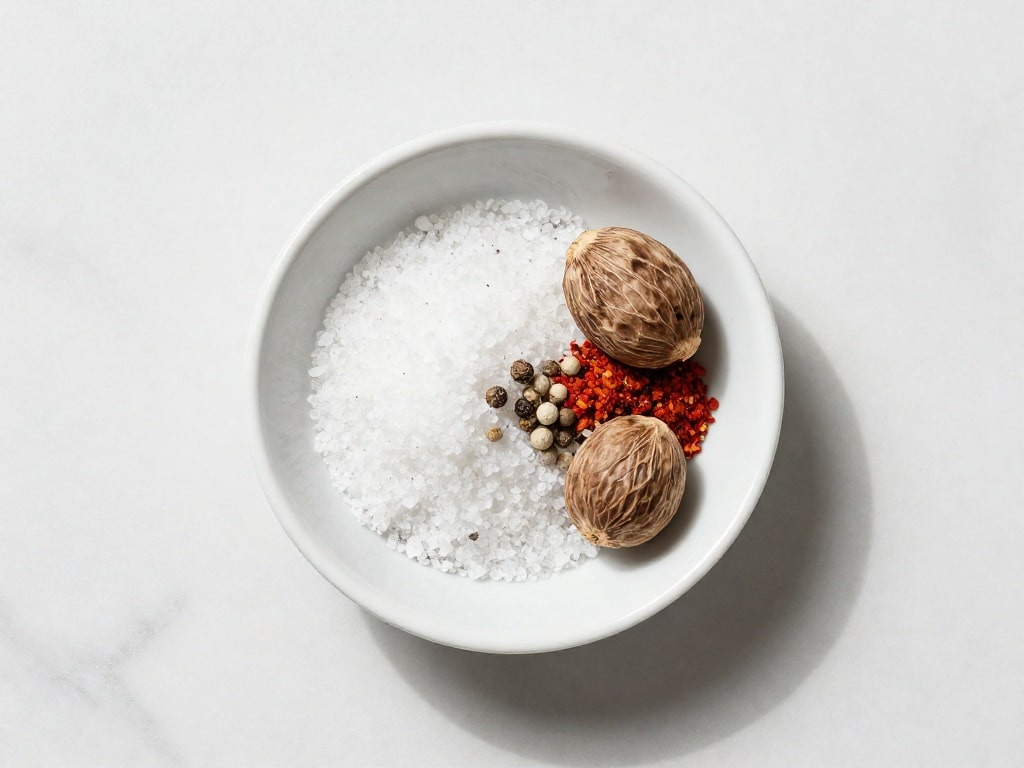
This four-ingredient blend is the closest structural match to Beau Monde. Use a ratio of 2:1:0.5:1 (celery salt to white pepper to nutmeg to paprika) to replicate the seasoning's salt-heat-nutmeg signature without making the blend too sharp or too sweet.
The celery salt carries the savory backbone that Beau Monde is known for. White pepper adds a gentle heat that doesn't compete with delicate proteins, and paprika fills the mild sweetness and color that the original blend provides.
Nutmeg brings the faint warmth that makes Beau Monde feel rounded rather than one-dimensional.
This substitute is best for roasted poultry, pork, and savory baked goods where a balanced salt-spice profile matters. Use it at a 1:1 replacement for Beau Monde by volume.
In baking, measure precisely because both celery salt and paprika can shift the saltiness if you overpour.
For a low-sodium version, swap the celery salt for low-sodium celery salt and reduce any additional salt in the recipe by half.
The blend holds together well in both dry rubs and wet marinades, and it keeps for up to three months in a sealed jar away from heat.
This substitute emphasizes salt balance with a warm spice note, making it the most versatile option for everyday Beau Monde swaps. Start with the 2:1:0.5:1 ratio and adjust nutmeg down if the dish is already spice-forward.
2. Seasoned Salt + Nutmeg + Mustard Powder
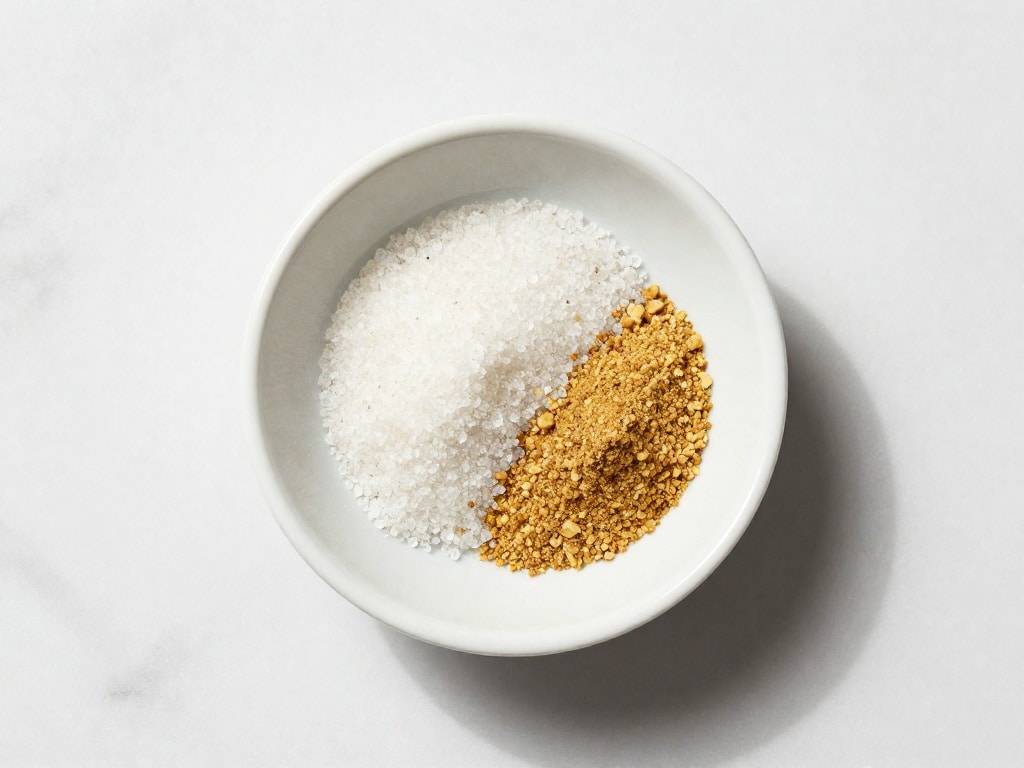
If you need a fast pantry swap with minimal measuring, seasoned salt plus nutmeg plus a dash of mustard powder gets close to Beau Monde's complexity with ingredients most households already stock.
Use a ratio of 1:0.25 for seasoned salt to nutmeg, then add ¼ teaspoon of mustard powder per teaspoon of the total seasoning blend.
The mustard powder is the key addition here. Beau Monde has a faint tangy undertone that many people associate with mustard or coriander, and dry mustard powder mimics that note without the sharpness of prepared mustard.
Mustard seed alternatives can work if you grind them fine, though the flavor will be slightly less sharp than powder.
This blend is best for meatloaf, casseroles, and savory pastries. It's a particularly good fit for egg-based dishes and savory custards where Beau Monde is often called for but the ratio needs to stay conservative to avoid saltiness.
Avoid substituting Dijon or whole-grain mustard here. Both add moisture that disrupts spice blends in baking and can turn the texture of dry-rub applications slick.
Dry mustard powder only gives you the tang without the liquid.
Simple pantry swap that hits the core notes. Mix the blend in a small ramekin before adding it to the dish so you can verify the ratio visually before committing.
3. Savory + Mustard Powder + Black Pepper + Cinnamon
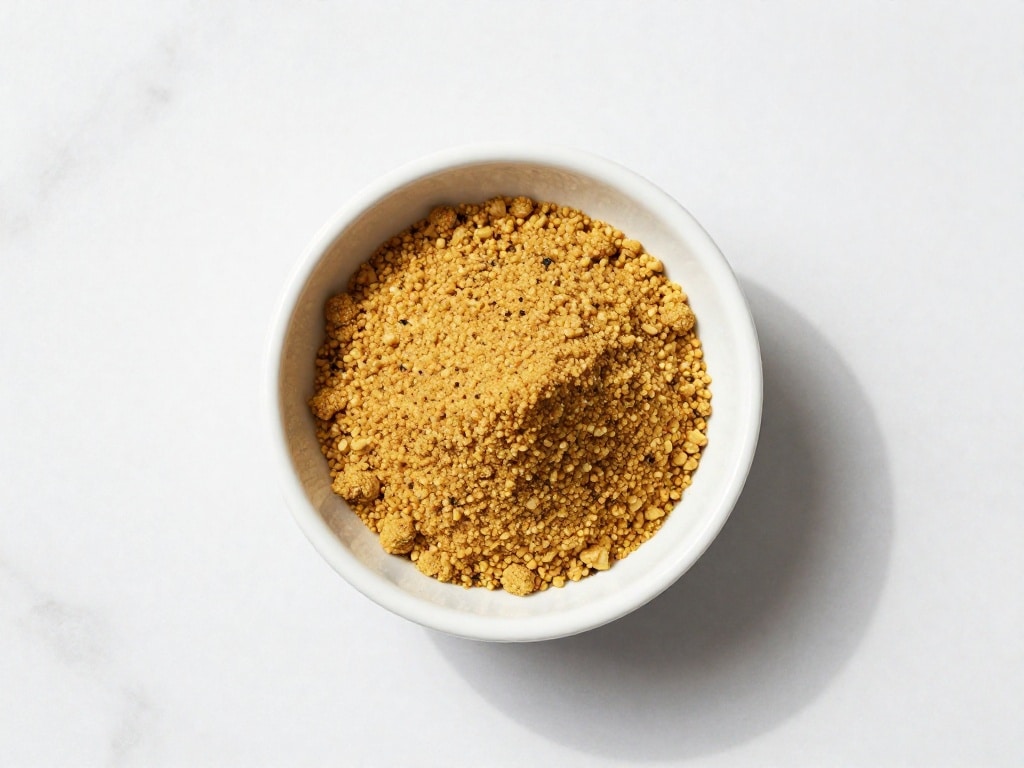
This salt-free blend targets the spice-forward side of Beau Monde rather than its salt dimension.
The ratio is 2:1:1:0.5 (savory to mustard powder to black pepper to cinnamon), and it works best when the recipe already has adequate salt from other sources like broth, cheese, or stock.
Summer savory has a peppery, herbal bite that sits close to a cross between thyme and marjoram, which makes it a natural anchor for this mix. The mustard powder brings the sharpness that Beau Monde carries, and ground cinnamon contributes the subtle warmth that keeps the blend from tasting flat.
Black pepper gives it the peppery heat that white pepper provides in the original.
This substitute is best for roasted vegetables, savory pies, and spice-forward breads. Because it contains no salt, it's the right choice for low-sodium diets or for dishes where you're already working with seasoned stock or salted butter.
Use it at ¾ teaspoon per teaspoon of Beau Monde called for, then salt separately to taste. Avoid heavy-handed use in long bakes because cinnamon and mustard can both intensify over time in a hot oven.
Use cinnamon sparingly to avoid clove-like sweetness. A half-measure of cinnamon is enough to add warmth; going further risks making savory dishes taste like pie filling.
4. Allspice + Clove + Onion Powder + Celery Seed
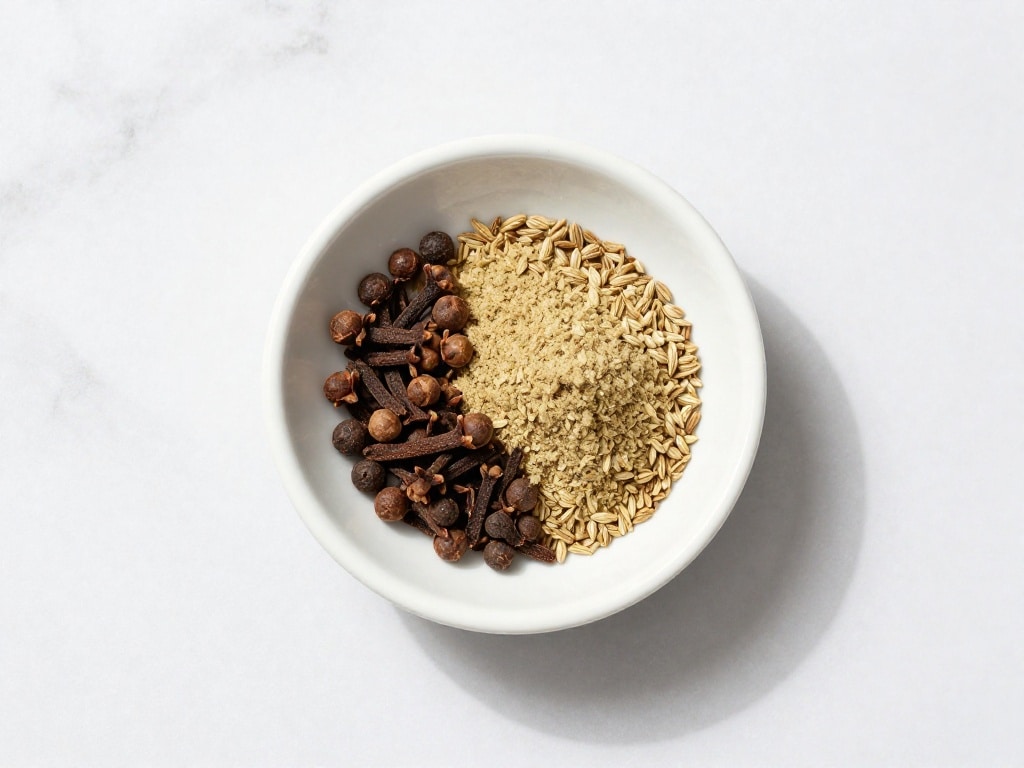
This is the deepest, warmest substitute on the list. Using a ratio of 1:0.5:1:1 (allspice to clove to onion powder to celery seed), it leans into the aromatic spice depth that Beau Monde develops in long-cooked applications.
It's not a precise structural match, however it's exactly right for braises and stews where bold flavor is an asset.
Allspice carries notes of clove, cinnamon, and black pepper simultaneously, which is why it can approximate several of Beau Monde's spice components on its own. The clove addition amplifies that depth, so the half-measure is important.
Onion powder adds body and mild sweetness, while celery seed (not celery salt) gives the celery flavor without extra sodium.
This blend is best for braises, hearty stews, and meat rubs where the long cooking time can mellow the intensity of the clove and allspice. In quick applications like a light pan sauce, the clove note can feel aggressive.
Use it at a 1:1 ratio for Beau Monde, and add salt separately since this blend contains none. If you're applying it as a dry rub, mix it with coarse salt at a 3:1 spice-to-salt ratio before rubbing it onto meat.
Best for long-cooked dishes where warmth is welcome. If the clove note concerns you, reduce it to 0.25 parts in the ratio and compensate with an extra pinch of allspice.
5. Herb Blend (Marjoram + Thyme + Parsley) + White Pepper + Salt
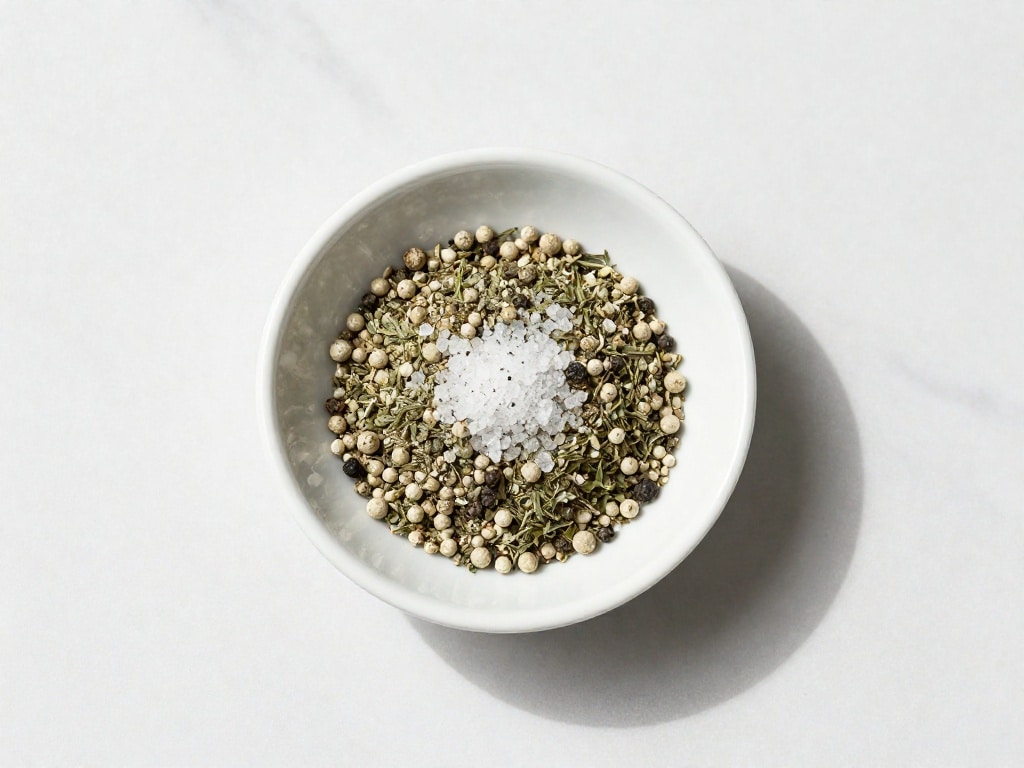
This is the lightest and most delicate substitute on the list.
Mixing marjoram, thyme, and parsley in a 1:1:1 ratio, then adding 0.5 teaspoon of white pepper and 0.5 teaspoon of salt per teaspoon of the herb base, produces a blend that captures Beau Monde's green, aromatic side without the heavier spice notes.
Marjoram is the ingredient that ties the blend together. It's sweeter and more floral than thyme, and it's one of the named ingredients in several Beau Monde-style formulations.
Thyme adds structure and earthiness, while parsley keeps the flavor bright rather than musty. Just as with spice powder substitutions in other contexts, the ratio of fresh to dried form matters here: use dried herbs throughout so the moisture content stays consistent.
This substitute is best for fish, poultry, and creamy sauces where a gentle herbal lift is the goal and heavier spices would overwhelm the dish. It's also a good choice for compound butters, cream cheese dips, and light vinaigrettes.
Use it at a 1:1 ratio for Beau Monde in herb-forward recipes. In any application with dairy, add the blend at the end of cooking to preserve the bright herbal notes, as extended heat dulls both marjoram and parsley significantly.
Herbs can mute if overused; adjust to taste. More than 1.5 teaspoons of this blend per cup of sauce or batter will push it into a strongly herbaceous territory that overwhelms the base flavors.
How to Choose the Right Substitute?
The best substitute for Beau Monde depends on three things: what you're cooking, how long it cooks, and whether your dish already has salt from other ingredients. A rubric helps you decide before you start mixing.
- Baking (savory pastries, breads, biscuits): Use Substitute 1 (celery salt blend) or Substitute 3 (savory-cinnamon blend). Both hold up to oven heat without turning bitter, and Substitute 3 is better for low-sodium applications.
- Poultry and brines: Use Substitute 2 (seasoned salt with mustard powder). The mustard tang mimics the slight bitterness that makes Beau Monde work particularly well in chicken and turkey preparations.
- Long-cook stews and braises: Use Substitute 4 (allspice and clove blend). The depth that develops over long cooking is something light herb blends cannot replicate, and Substitute 4 is built for it.
- Delicate fish, pasta, and cream sauces: Use Substitute 5 (marjoram-thyme-parsley blend). It's the only option that won't overwhelm light proteins or dairy-based sauces.
- Salt sensitivity: Substitute 3 and Substitute 4 contain no salt, so they're the cleanest choices for low-sodium diets. In Substitute 1, swap regular celery salt for a low-sodium version and reduce other salt in the recipe by half.
If your pantry is limited and you can only make one blend ahead of time, Substitute 1 is the most flexible. It handles the widest range of savory applications from roasting to baking without requiring dish-specific adjustments.
For more nuanced seasoning decisions, the individual substitute sections above give you the detail you need to fine-tune.
Use the rubric to quickly select a substitute before cooking. Baking points to Substitute 1 or 3, braises point to Substitute 4, and anything delicate points to Substitute 5.
Frequently Asked Questions
Can I mix substitutes to better mimic Beau Monde?
Yes. Combining Substitute 1 (celery salt blend) and Substitute 5 (herb blend) at a 50/50 ratio produces a well-rounded replacement that covers both the salt and herbal dimensions of Beau Monde.
Are these substitutes suitable for baking desserts?
No. Beau Monde is a savory seasoning, and none of the substitutes listed here belong in sweet baked goods. Celery salt and white pepper in dessert recipes will produce an unpleasant result.
How should I store these substitutes after mixing?
Store any pre-mixed blend in an airtight jar away from heat and light. Most blends stay potent for up to three months; those with fresh parsley should be used within two weeks.
What if I don't have celery salt-can I use regular salt?
Yes, but add ¼ teaspoon of celery seed per teaspoon of regular salt to recover the celery note. Without celery seed or celery salt, the blend loses its most distinctive aromatic quality.
Will these substitutes affect texture in baked goods?
Dry spice blends do not affect texture measurably at the amounts called for here. The only exception is Substitute 2 if Dijon mustard is accidentally used instead of dry mustard powder, which adds moisture and can soften dough or batter.
5 Best Beau Monde Seasoning Substitutes to Consider
Ingredients
Method
- Choose your substitute based on the dish type and desired flavor match.
- Prepare the substitute as directed: adjust ratios and prep as noted for each option.
- Apply the substitution ratio carefully. Start with the stated amount and adjust to taste.
- Taste and adjust seasoning. Some substitutes shift flavor or texture slightly.
Notes
- Store pre-mixed blends in an airtight jar away from heat for up to three months.
- For low-sodium diets, use Substitute 3 or 4, which contain no salt, and season separately to taste.
Tried this recipe?
Let us know how it was!
Carrie is a food writer and editor with more than 15 years of experience. She has worked for some of the biggest names in the food industry, including Bon Appétit, Food & Wine, and Martha Stewart Living.
As the Editor in Chief of EpicureDelight, Carrie oversees all of the content on the site. She also manages the team of contributing writers and editors, who help to create delicious recipes, helpful tips, and informative articles that you’ll find on the site.
A native of the Chicago area, Carrie is passionate about all things food. She loves trying new restaurants and experimenting with new recipes in her kitchen. She’s also a graduate of the Culinary Institute of America, so she knows a thing or two about food!



