
Chicory coffee has built a loyal following among people who want a warm, roasted cup without any caffeine. Made from roasted chicory root, it produces a deep, slightly bitter brew that pairs well with milk and holds up in hot or iced drinks.

The problem is that it is not always easy to find, and when you run out, you need a replacement that behaves the same way in the cup.
The good news is that several roasted grain and root beverages match chicory's body and bitterness well. Chicory root coffee is naturally caffeine-free, so any substitute you use should also be caffeine-free to keep your routine consistent.
Common substitutes include roasted grains and roots such as dandelion, barley, rye, carob, and corn-based blends. Each brings its own flavor angle, and knowing which to reach for in which situation saves you from a flat or overly bitter cup.
If you are swapping by volume, a 1:1 ratio works well for most people adjusting from chicory's strength. You can fine-tune from there based on how bold or mild you want the result.
This guide gives you the ratio, the best context, and the main tradeoff for each substitute, so you spend less time guessing and more time enjoying your morning cup. For readers who also work with espresso powder substitutes in baking or hot drinks, many of these same swaps apply.
The five best caffeine-free chicory coffee substitutes are dandelion root, roasted barley, roasted rye, carob powder, and corn or cereal roast blends. All work at a 1:1 ratio and are naturally caffeine-free, though each brings different levels of bitterness, sweetness, and body.
Substitutes at a Glance
Use this table as a quick reference before diving into the details. Each substitute is caffeine-free and suited to slightly different flavor goals or drink formats.
| # | Substitute | Ratio | Best For | Taste Match |
|---|---|---|---|---|
| 1 | Dandelion Root Coffee | 1:1 | Morning cup, dairy-free creamer | Close |
| 2 | Roasted Barley Coffee | 1:1 | Breakfast blends, mild sweetness | Close |
| 3 | Roasted Rye Coffee | 1:1 | Bold, coffee-like body | Mild |
| 4 | Carob Powder | 1:1 | Dessert drinks, sweet setups | Different |
| 5 | Corn/Cereal Roast Blend | 1:1 | Light mornings, kids' drinks | Mild |
Dandelion root and roasted barley offer the best overall balance of bitterness, body, and versatility as chicory coffee replacements. Use them alone or blend them for a fuller cup.
Save This for Later
Pin this 5 best chicory coffee (caffeine-free) substitutes guide so you always have it when you need it.
Pin This GuideChicory Coffee Substitutes in Detail
1. Dandelion Root Coffee

Dandelion root coffee is the closest match to chicory coffee in both flavor and function. Dandelion root has earthy, slightly bitter credentials similar to chicory, making it an easy transition for anyone used to chicory's roasted depth.
It brews into a dark, warming cup that accepts dairy-free creamers without losing character.
Use it at a 1:1 ratio for a direct replacement. One key variable is brewing temperature: extracting at around 185°F rather than a full boil pulls out the earthy sweetness without tipping into harsh bitterness.
Over-extraction is the main tradeoff here, so keep your steep time to 4-5 minutes and taste before extending it.
Dandelion root also pairs well in blends. If you find it slightly too mild on its own, combining it with a small amount of roasted rye adds the backbone chicory drinkers tend to miss.
For those who also cook with roasted or bitter roots, the same flavor logic applies when exploring celery root substitutes in savory dishes.
- Roasted dandelion root (ground)
- Water at ~185°F
- Oat milk or almond milk
- Pinch of cinnamon
Dandelion root brewed at 185°F with oat milk is the smoothest, most chicory-like cup you can make without chicory. Keep the steep under 5 minutes to avoid bitterness.
2. Roasted Barley Coffee
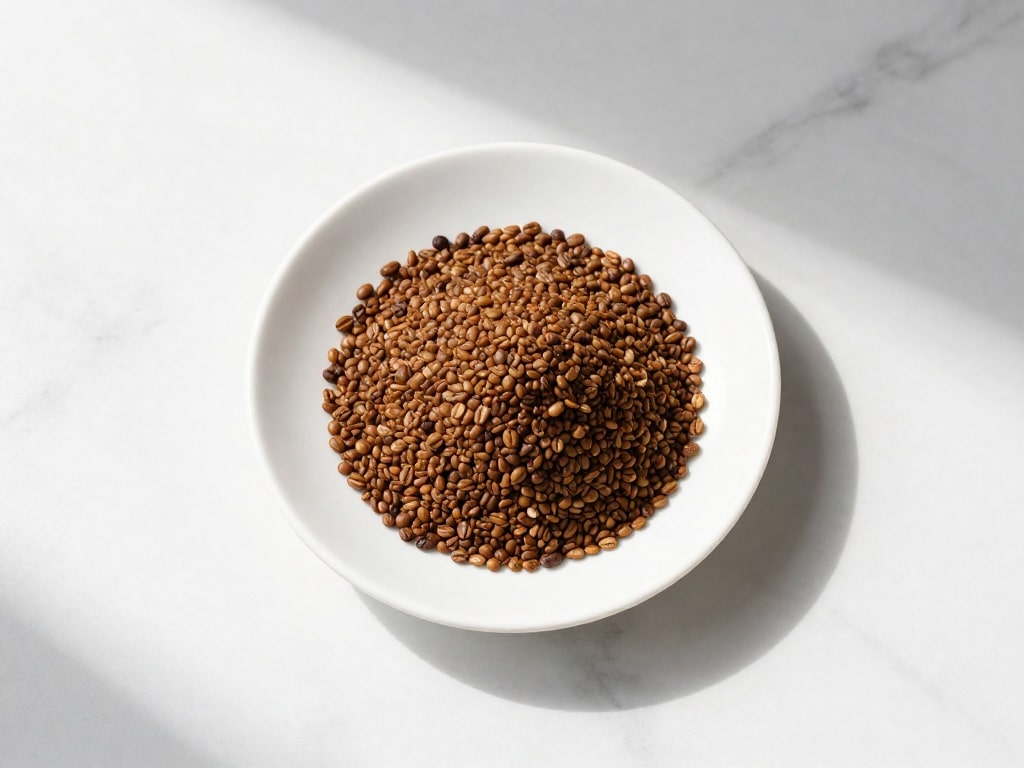
Roasted barley coffee, known as mugicha in Japan and boricha in Korea, is a widely used caffeine-free grain beverage with a mild, malty sweetness. Roasted barley provides a gentle body that works especially well in breakfast blends where you want warmth without intensity.
It is a forgiving substitute that is hard to over-extract in the way dandelion can be.
Swap it in at a 1:1 ratio. The sweetness level depends directly on how dark the barley has been roasted: lightly roasted barley tastes nutty and mild, while darker roasts pull closer to chicory's bite.
If your roasted barley feels too thin, brew it slightly stronger by adding an extra half-teaspoon per cup rather than extending steep time. For a broader look at how barley behaves in swaps, pearl barley substitutes covers similar ground for grain-based recipes.
One caution: barley contains gluten, so it is not suitable for anyone with celiac disease or a wheat sensitivity. The texture of a well-brewed barley cup is smooth, not grainy, as long as you strain it properly before drinking.
- Roasted barley (ground or whole grain)
- Hot water, 195-205°F
- Whole milk or rice milk
- Honey or maple syrup
Buy pre-roasted barley tea bags for the fastest swap. Steep 2 bags per cup for a stronger result that better matches chicory's body.
3. Roasted Rye Coffee
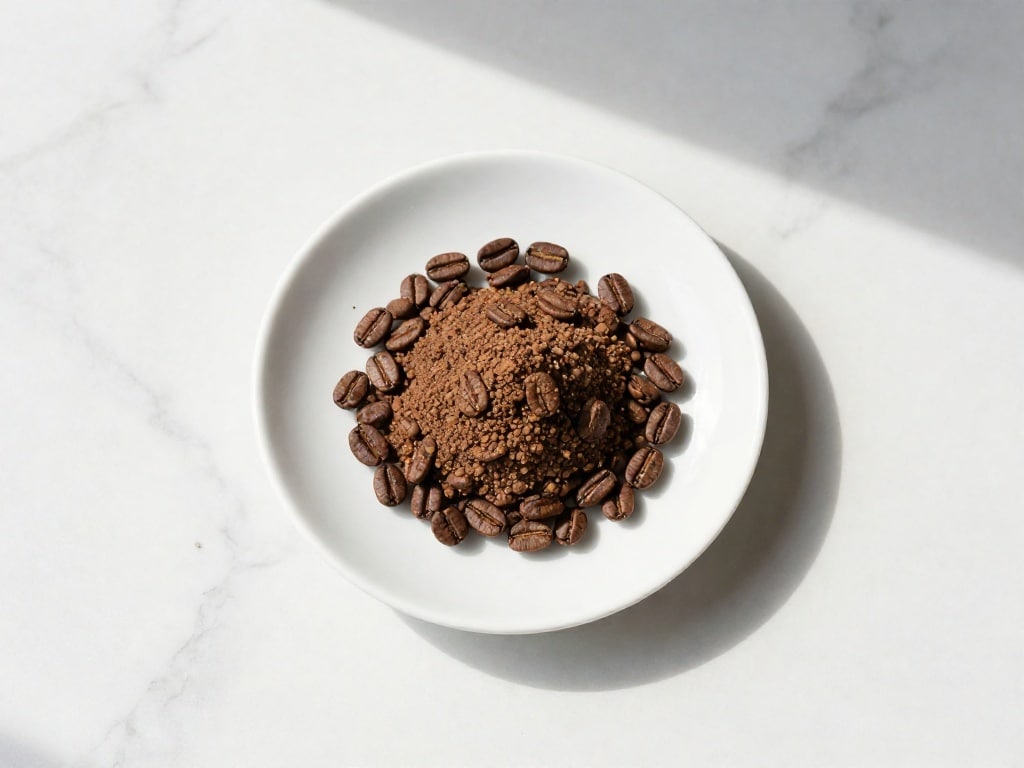
Roasted rye coffee is a traditional caffeine-free drink popular across Scandinavia and Eastern Europe. Rye adds a robust, slightly spicy note and fuller body than barley, making it the right pick when you want a substitute that feels closer to a real coffee experience without any caffeine.
Its depth comes from both the grain's natural flavor compounds and the degree of roasting applied.
Use it at a 1:1 ratio for chicory. Rye brews darker and more intensely than barley, so if you find the first cup too sharp, pull back by 25% on the amount and adjust from there.
It works well in drinks where you want a heavier mouthfeel, such as a café-au-lait-style preparation with warm milk. For those who bake with rye and need grain swaps more broadly, rye bread substitutes covers the grain's behavior in other formats.
One important note: rye is not gluten-free. People with celiac disease or non-celiac gluten sensitivity should avoid it.
In hot drinks, rye does not create crema the way espresso does, however it does produce a slightly thicker liquid than barley, which some people find more satisfying.
- Roasted rye (coarsely ground)
- Hot water, 200°F
- Cardamom pod or star anise
- Dark brown sugar
Use roasted rye when you want a bold, full-bodied substitute with real depth. Start at 1:1, then reduce by 25% if the first cup tastes too intense.
4. Carob Powder
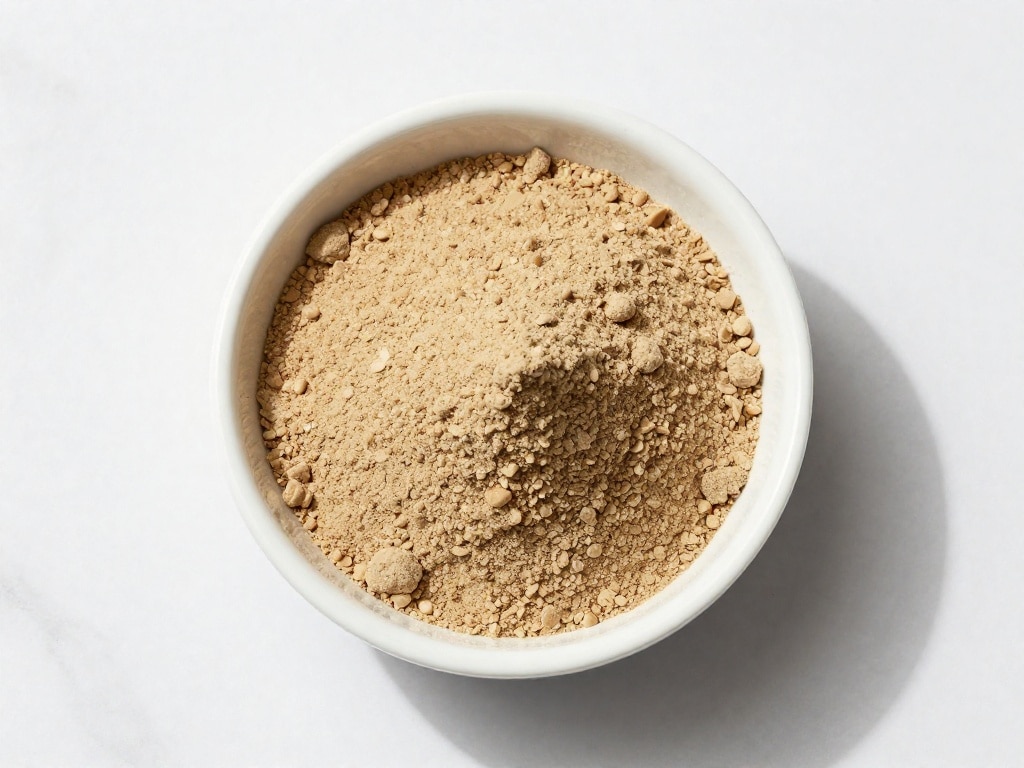
Carob powder comes from the dried pods of the Ceratonia siliqua tree and has a naturally sweet, chocolate-adjacent flavor that sets it apart from every other substitute on this list. Carob is naturally caffeine-free and offers a milder, sweeter profile than chicory, with none of the roasted bitterness you get from grain-based alternatives.
It is the right pick for dessert-style drinks, warm bedtime cups, or anyone who finds chicory too harsh.
Swap it in at a 1:1 ratio. Because carob does not carry chicory's bite, you may want to mix it with a small amount of roasted barley if you need more depth.
On its own, it dissolves well in both hot and cold liquids, making it one of the most versatile options here for iced drinks and blended recipes. The full picture of carob's behavior across different applications is covered in our guide to carob powder substitutes.
- Carob powder (roasted)
- Warm or cold milk of choice
- Vanilla extract
- Coconut sugar or agave
Carob powder is the top pick for chocolate-loving palates and dessert drinks. Mix 1 tablespoon into warm oat milk with a dash of vanilla for a naturally sweet, caffeine-free cup.
5. Corn/Cereal Roast Blend
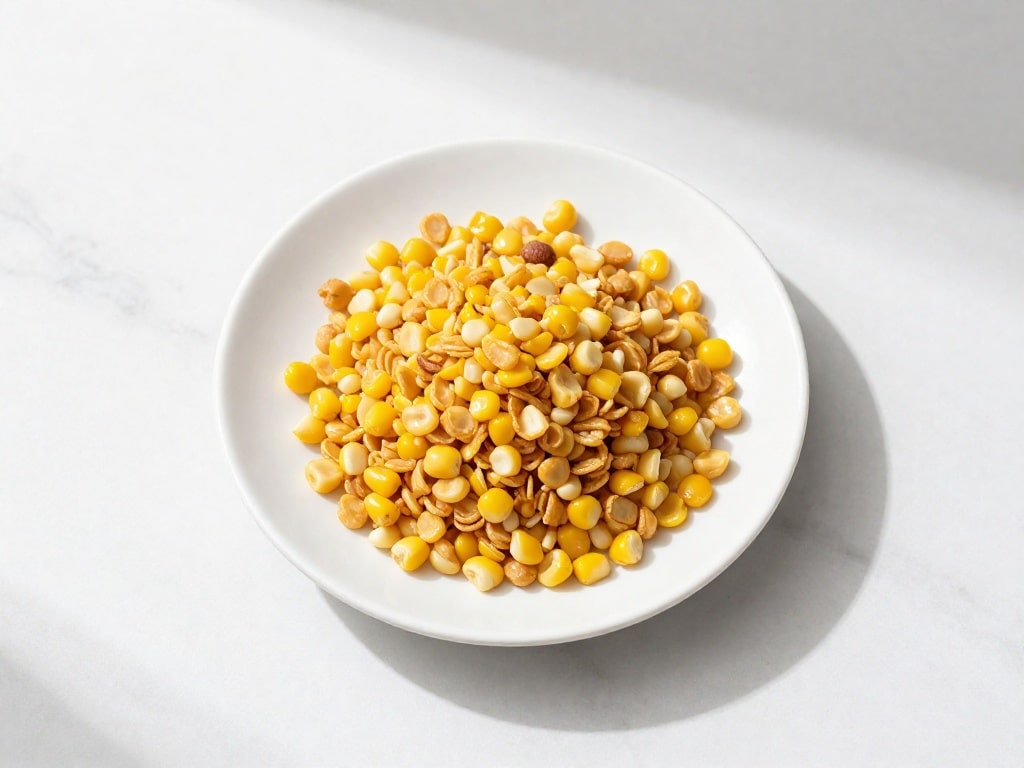
Corn-based roast blends and mixed cereal coffees have been commercially produced for over a century under brands like Postum and Caro. Corn-based coffee substitutes are widely used in caffeine-free blends because corn roasts into a neutral, lightly sweet base that does not compete with milk or added flavors.
This makes them ideal for light morning routines or for serving to children who want a warm drink that feels grown-up.
Use at a 1:1 ratio. Because the flavor is neutral, corn blends work particularly well as a base when you are building a custom mix with another substitute like dandelion or carob.
One practical note: some people with corn allergies should check labels carefully, since commercial cereal roast blends often contain multiple grain sources. For those managing dairy-free mornings, milk powder substitutes pairs well with this section since many corn roast drinkers also swap their dairy.
The neutral character of corn-based blends also means they pair naturally with aromatic root additions if you want more complexity in the cup.
- Roasted corn or cereal blend powder
- Hot water or warm milk
- Oat milk or almond milk
- Cinnamon or nutmeg
A corn or cereal roast blend is the most neutral base available. Use it as a 1:1 swap when you need a mild, crowd-friendly cup that does not overpower dairy-free milks.
Flex Substitution Strategy
Once you know how each substitute tastes on its own, the real flexibility comes from blending. Blending two substitutes can mimic chicory's intensity and mouthfeel far more accurately than using one alone.
A 50/50 mix of dandelion root and roasted barley, for example, gives you bitterness from the dandelion and body from the barley, which is close to what chicory delivers in the cup.
Start by identifying what you miss most about chicory. If the answer is bitterness, lean on dandelion root or rye.
If the answer is body and warmth, lean on barley or a corn blend. If you want sweetness without sourness, carob fills that role without adding sugar.
To increase overall strength, brew at a slightly higher ratio rather than extending steep time. A ratio of 1.25:1 (substitute to water volume) adds body without adding bitterness from over-extraction.
To soften intensity, reduce the ratio to 0.75:1 and add a neutral milk to round out the flavor. Those working with spice-forward blends may find parallel ratio logic in our guide to hot paprika substitutes, where small adjustments have outsized flavor effects.
The same principle of small incremental changes applies when you blend chicory substitutes with bold spice additions like those covered in chili powder substitutes for savory applications.
Define your flavor compass before blending: bitter, sweet, or bold. Pick two substitutes that anchor opposite ends of that goal, then blend in equal parts and adjust from there.
Frequently Asked Questions
Can I drink these substitutes every day?
Yes, all five substitutes are safe for daily use for most adults. Dandelion root has mild diuretic properties, so drinking more than 3 cups per day may increase urination frequency.
Do substitutes affect flavor differently in hot vs cold drinks?
Yes. Grain-based substitutes like barley and rye taste smoother when brewed hot and served cold. Carob powder dissolves easily in cold liquid and maintains its sweetness without bitterness.
Are these substitutes safe during pregnancy?
Carob, barley, corn blends, and rye are generally considered safe during pregnancy. Dandelion root in large amounts is best discussed with a healthcare provider, as it can stimulate uterine contractions.
Do these substitutes help with caffeine withdrawal?
They do not reduce caffeine withdrawal symptoms directly, however the ritual of a warm morning cup can ease the psychological side of withdrawal. None of these substitutes contain caffeine.
Can I mix two substitutes in one cup?
Yes, and it often produces a better result. A 50/50 blend of dandelion root and roasted barley closely replicates chicory's bitterness and body at a 1:1 total ratio to water.
5 Best Chicory Coffee (Caffeine-Free) Substitutes
Ingredients
Method
- Choose your substitute based on the dish type and desired flavor match. Use the at-a-glance table to identify which substitute fits your flavor goal: bitter, sweet, or bold.
- Prepare the substitute as directed: adjust ratios and prep as noted for each option. Brew dandelion root at 185°F to reduce bitterness; brew grain-based substitutes at 195-205°F.
- Apply the substitution ratio carefully. Start with a 1:1 ratio and adjust to taste. For stronger body, increase the substitute by 25% rather than extending steep time.
- Taste and adjust seasoning. Some substitutes shift flavor or texture slightly. Add milk, sweetener, or a second substitute to balance bitterness or sweetness as needed.
Notes
- Blending two substitutes such as dandelion root and roasted barley at a 50/50 ratio produces the closest match to chicory's bitterness and body.
- Barley and rye contain gluten and are not suitable for people with celiac disease or gluten sensitivity. Carob, dandelion root, and corn blends are naturally gluten-free.
Tried this recipe?
Let us know how it was!
Carrie is a food writer and editor with more than 15 years of experience. She has worked for some of the biggest names in the food industry, including Bon Appétit, Food & Wine, and Martha Stewart Living.
As the Editor in Chief of EpicureDelight, Carrie oversees all of the content on the site. She also manages the team of contributing writers and editors, who help to create delicious recipes, helpful tips, and informative articles that you’ll find on the site.
A native of the Chicago area, Carrie is passionate about all things food. She loves trying new restaurants and experimenting with new recipes in her kitchen. She’s also a graduate of the Culinary Institute of America, so she knows a thing or two about food!



