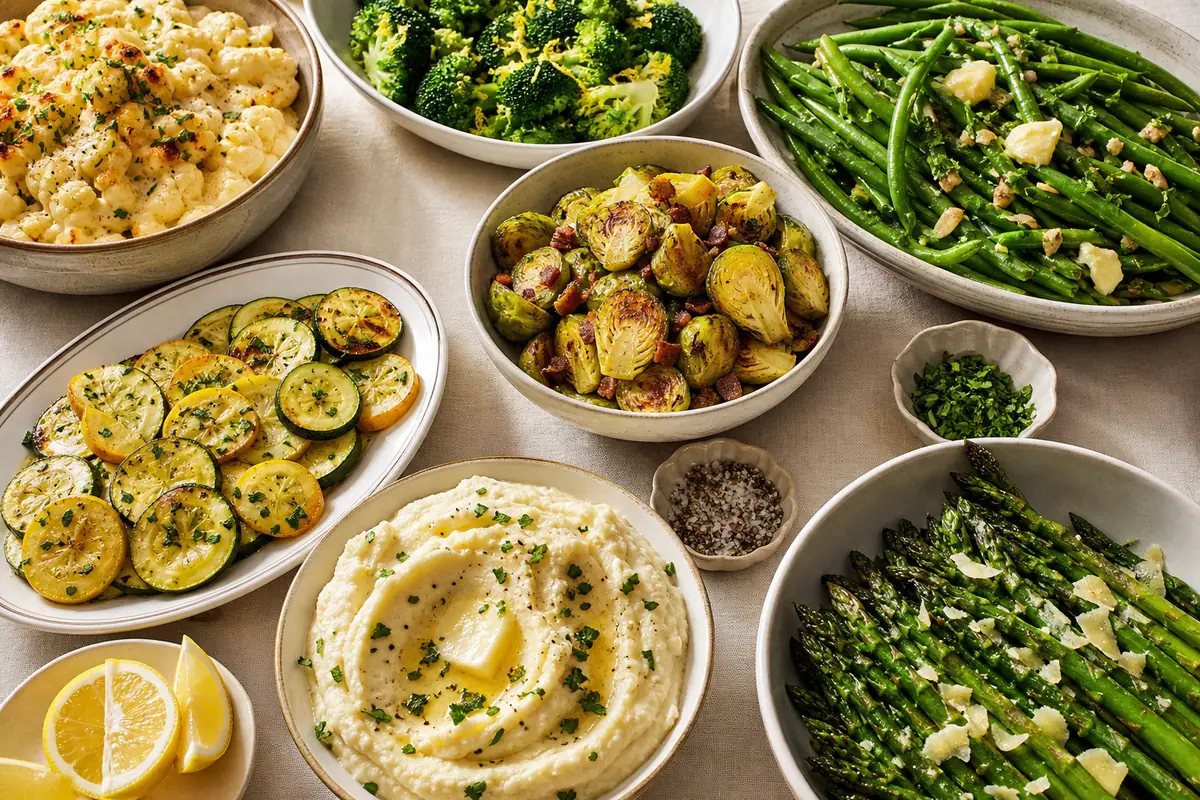
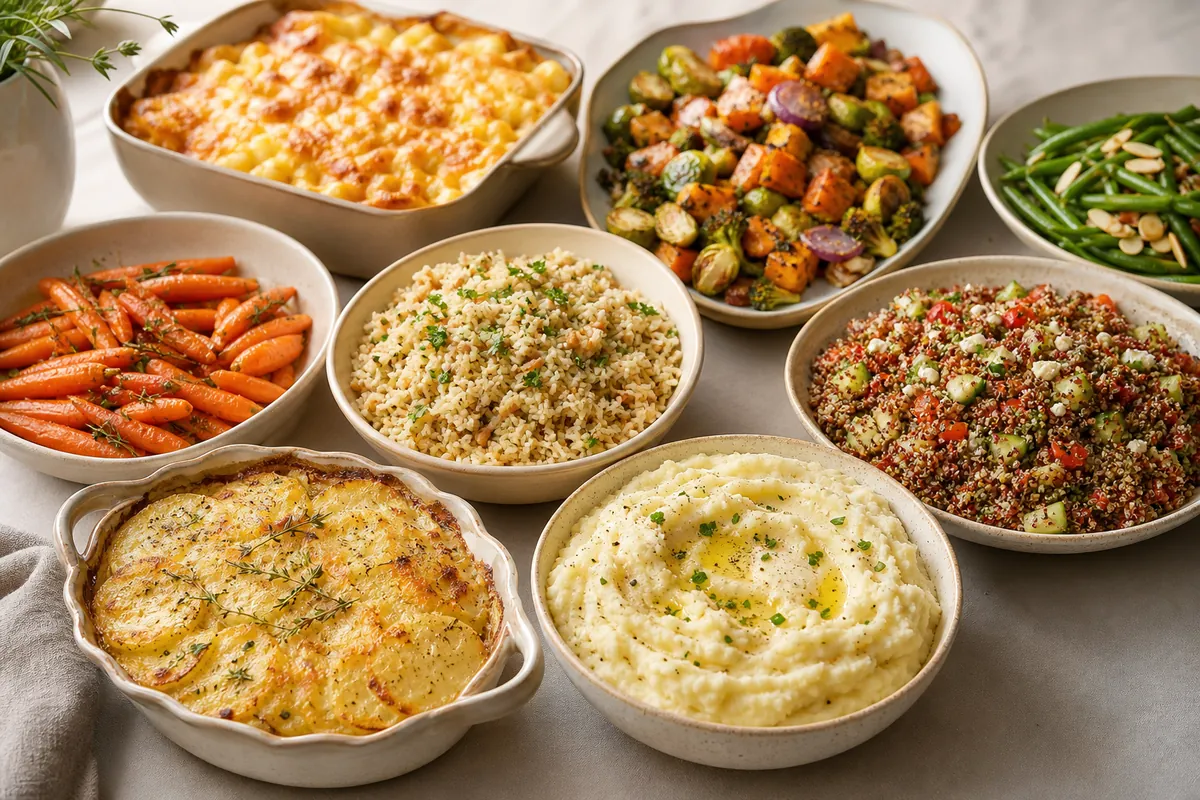
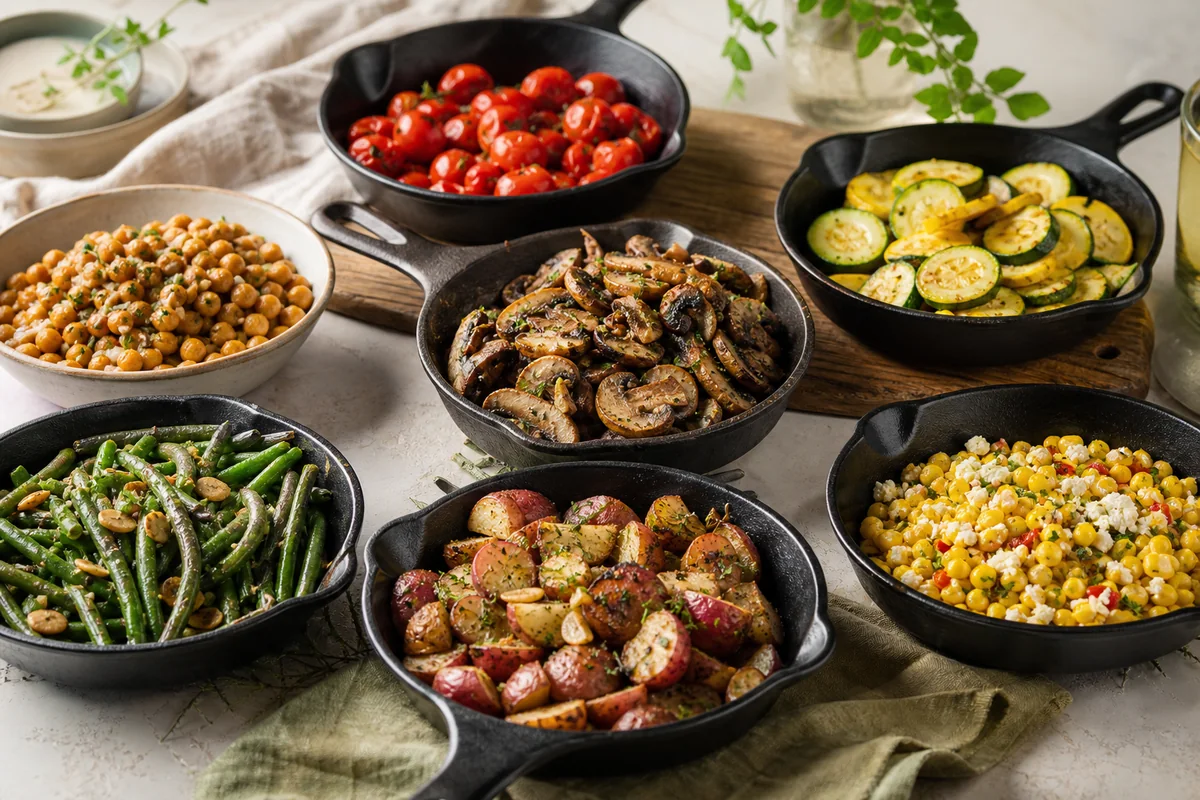
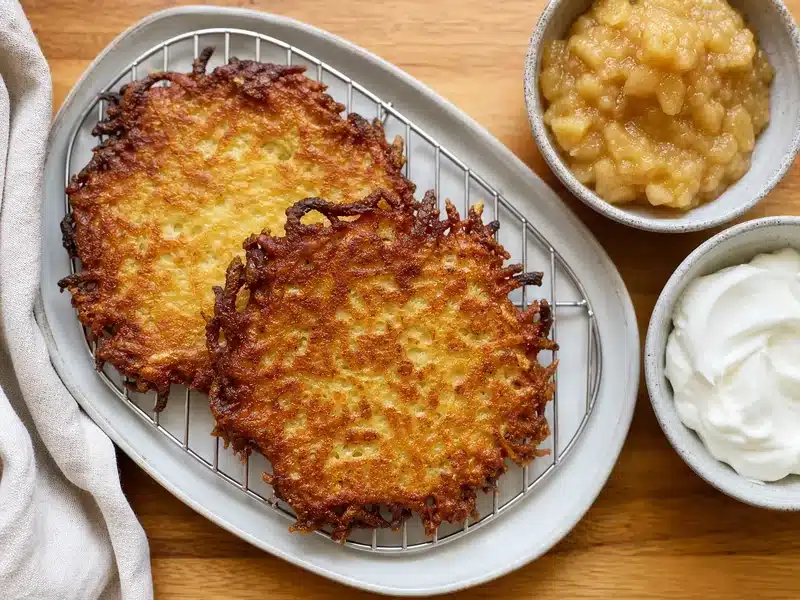
Applesauce and sour cream are the classic pairings for potato latkes, while smoked salmon, cucumber salad, eggs, or braised cabbage can turn them into brunch or dinner. Keep wet toppings in separate bowls and choose at least one fresh or sharp side to balance the fried potatoes.
The serving method matters as much as the pairing. Latkes lose their crisp edges when they sit in a covered dish or under a spoonful of sauce.

Serve applesauce and sour cream beside crisp latkes for the classic choice. Add smoked salmon and eggs for brunch, or cucumber salad and braised cabbage for a complete dinner.
How Do You Keep Latkes Crisp at the Table?
Steam is the main threat to latkes. A plate, covered pan, or stacked serving dish traps moisture against the fried surface and softens the lacy edges.
- Drain briefly. Move each cooked latke to paper towels for about 30 seconds to remove surface oil.
- Transfer to a rack. Set the latkes in one layer over a sheet pan so air can move underneath.
- Hold at 200°F. Keep the uncovered pan in a low oven for up to 30 minutes.
- Serve wet toppings separately. Let each person add applesauce or sour cream after taking a latke.
Do not pile hot batches together. If you must use two layers, place a second wire rack over the first rather than stacking potato cakes directly.
A soft batch can recover for a few minutes in a 425°F oven. Watch the edges closely because thin shreds can darken fast.
Frying oil also affects the hold. Neutral oil keeps the potato flavor clear, while old or overheated oil leaves a heavy taste that no topping can fully hide.
Serve smaller batches from the oven instead of filling one deep platter. Replenishing the tray every 10 minutes keeps most latkes hot and prevents the bottom layer from steaming.
Which Latke Pairings Are Traditional?
Applesauce and sour cream are the two best-known options, but family traditions vary. Smoked fish also has a long place at Jewish dairy meals and turns a latke into a more substantial bite.
Applesauce
Chunky applesauce gives hot latkes a sweet-tart contrast and a cool temperature. Cinnamon is optional, while a squeeze of lemon keeps the apple flavor bright.
Choose an unsweetened or lightly sweetened sauce. A thick spoonful stays beside the latke instead of running underneath it.
Sour Cream
Sour cream cools the fried potato and softens the bite of onion. Its tang is mild enough to leave the browned potato flavor clear.
Stir in chopped chives or dill for a savory version. Use about two tablespoons per person so the topping supports the latkes rather than covering them.
Smoked Salmon
Smoked salmon adds salt, soft texture, and enough protein to make latkes part of brunch. Capers, dill, cucumber, and lemon keep the pairing sharp.
Serve the salmon on a separate platter so guests can build each bite. A thin layer of sour cream between the fish and potato works better than a heavy spread.
These choices are flexible rather than mandatory. Offer both applesauce and sour cream when guests follow different family customs, then let the rest of the meal determine whether fish belongs on the table.
What Else Can You Serve With Latkes?
The best complete-meal sides add vegetables, protein, or acidity without repeating fried potatoes. The first choices suit brunch, while the later choices build a winter dinner.
1. Cucumber Dill Salad
Cold cucumber slices bring water and a fresh snap to the plate. Vinegar, dill, and red onion make the salad sharp enough to balance oil.
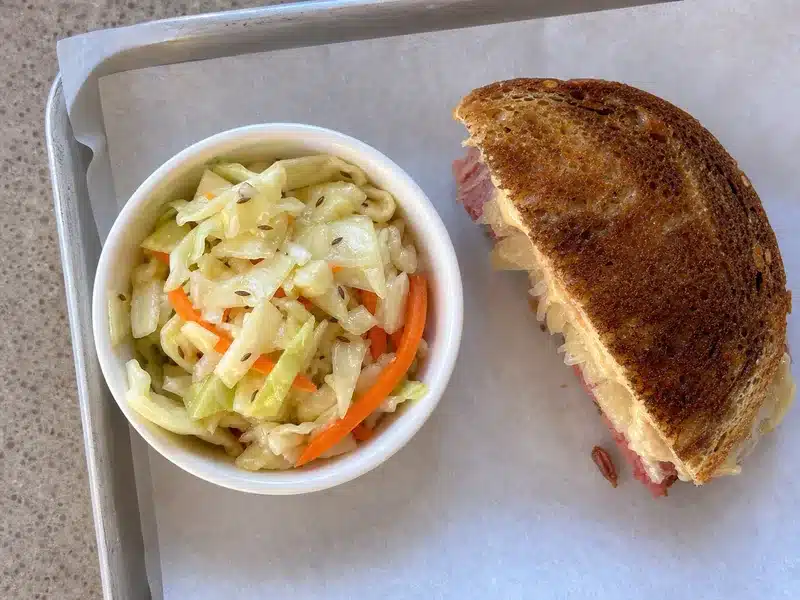
Drain salted cucumbers before dressing them. This side works with applesauce or sour cream and does not compete with either one.
2. Poached Eggs
A poached egg turns two latkes into a savory brunch. The soft yolk becomes a sauce, so additional sour cream can stay light.
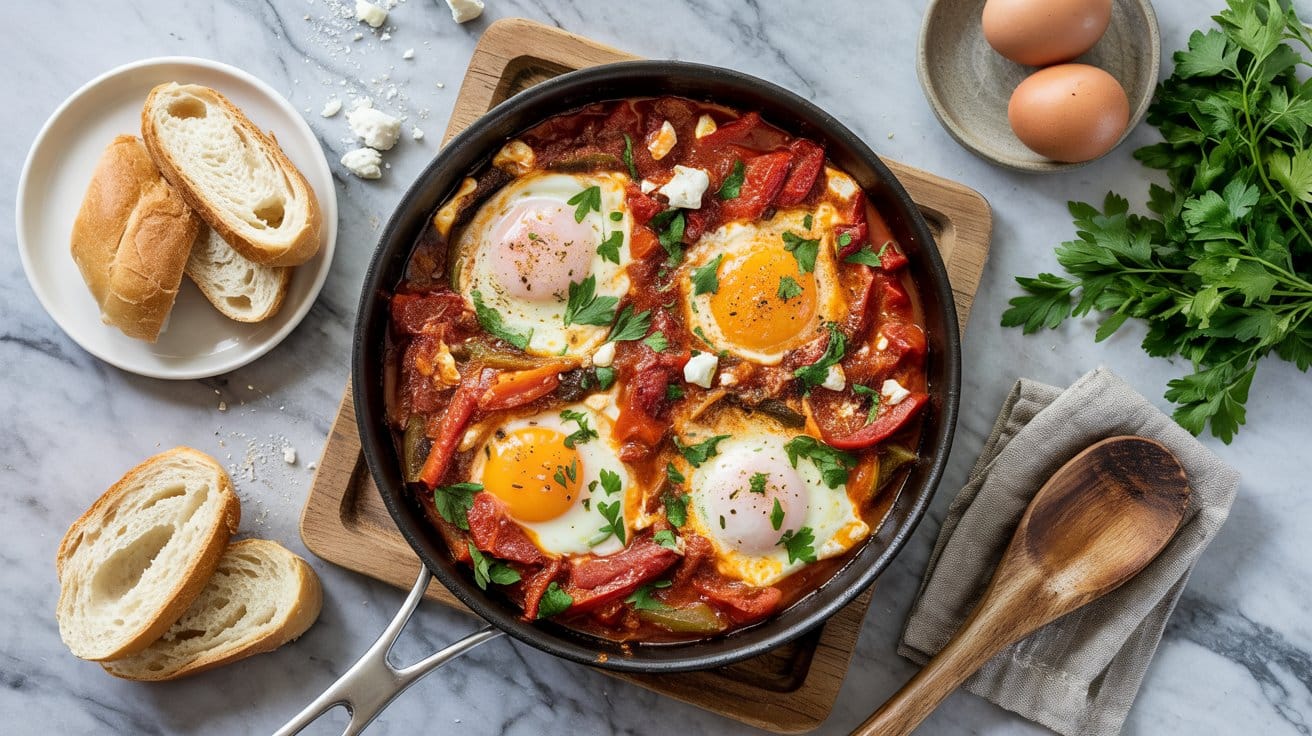
Cook eggs in small batches while the latkes wait on their rack. Serve them immediately because a firm yolk loses the contrast that makes this pairing useful.
3. Lemon Herb Salmon
Roasted salmon makes latkes a dinner starch rather than the main event.
Lemon and herbs keep the fish lighter than a sweet glaze. Put the salmon in the oven before frying the final latke batches.
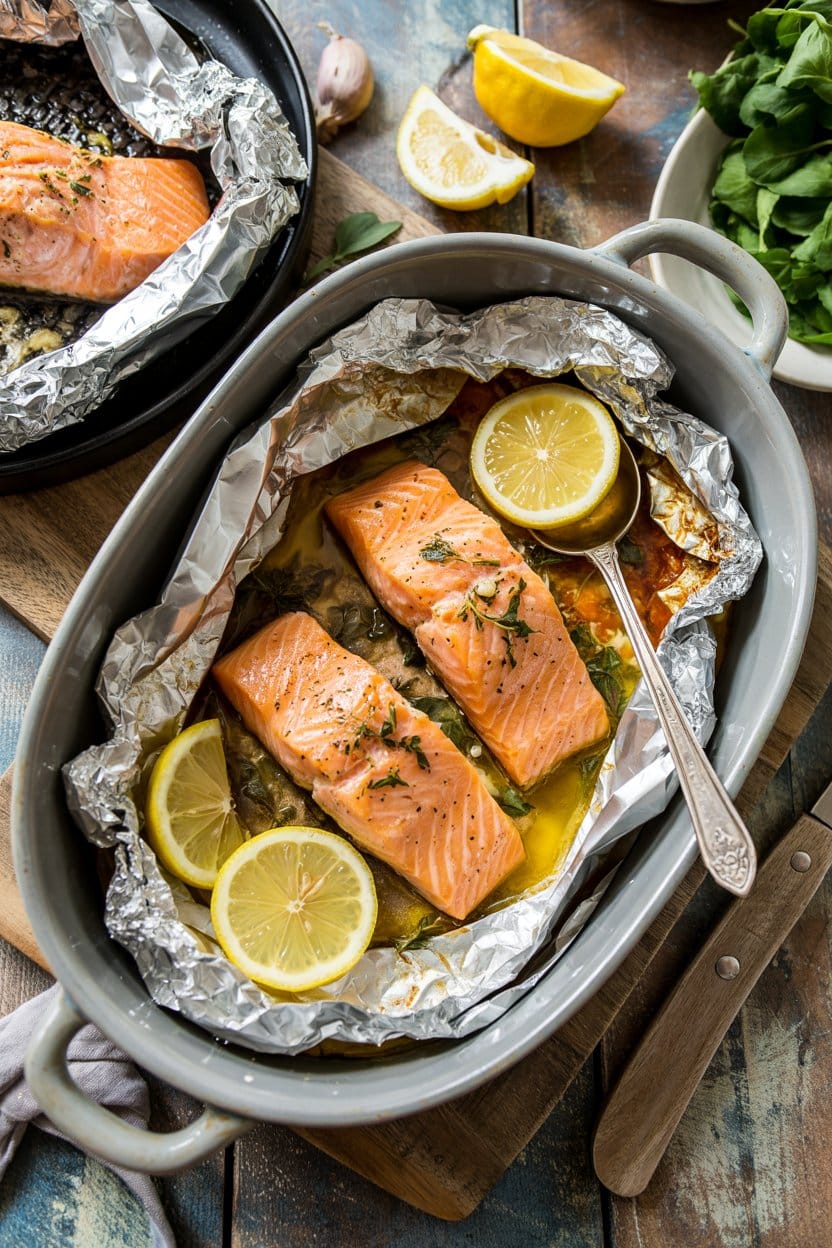
Its short resting time gives you a few minutes to finish the potato cakes.
4. Braised Red Cabbage
Red cabbage brings sweet-sour flavor and a soft texture with enough bite to stand beside crisp potatoes. Caraway or apple can connect it to a winter holiday menu.

Make it a day ahead because the flavor improves after resting. Reheat it gently and drain excess liquid before plating.
5. Bitter Greens With Mustard
Arugula, endive, or radicchio provides bitterness that neither applesauce nor sour cream supplies. A mustard vinaigrette gives the greens enough force for fried food.
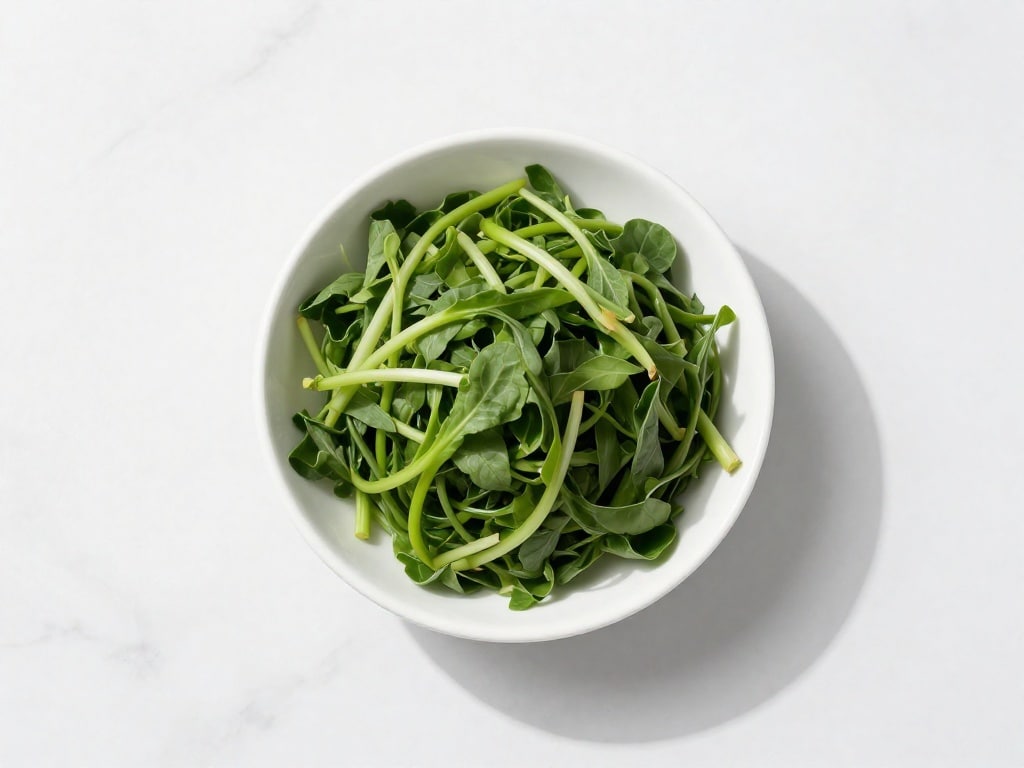
Keep the salad simple and dress it at the table. Nuts and cheese add richness that the meal rarely needs.
6. Roasted Brussels Sprouts
Brussels sprouts add browned edges and a mild cabbage flavor. Finish them with lemon rather than a sticky glaze so they contrast with applesauce.

Roast the sprouts before the latkes enter their holding oven. They can wait at room temperature for 15 minutes without losing their purpose.
7. White Bean and Parsley Salad
White beans add protein and a creamy interior without using dairy.
Parsley, celery, and red wine vinegar give the bowl a fresh finish. This side suits a dinner where latkes remain the main attraction.
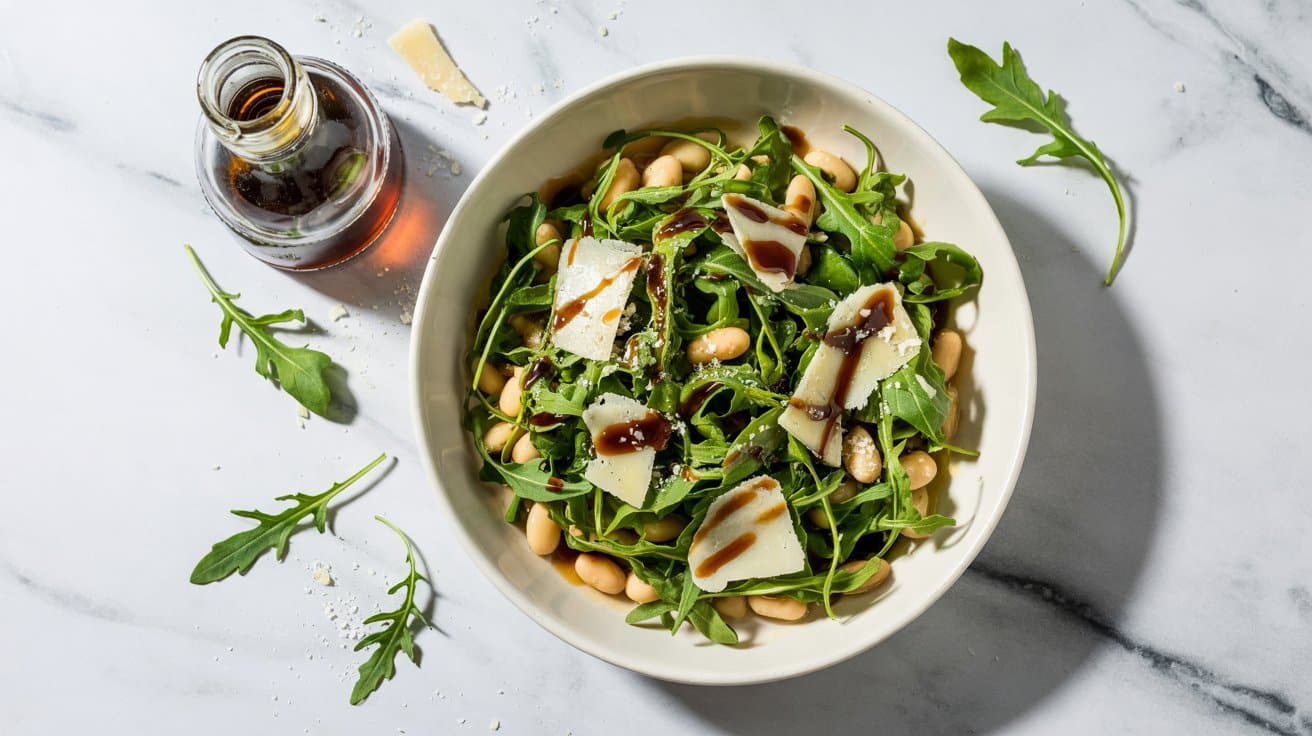
Serve half a cup per person and leave smoked salmon off the menu to avoid too many substantial items.
8. Beet and Orange Salad
Beets bring earthy sweetness that fits potato, while orange adds acidity and fragrance. Serve the salad cool so it contrasts with hot latkes.
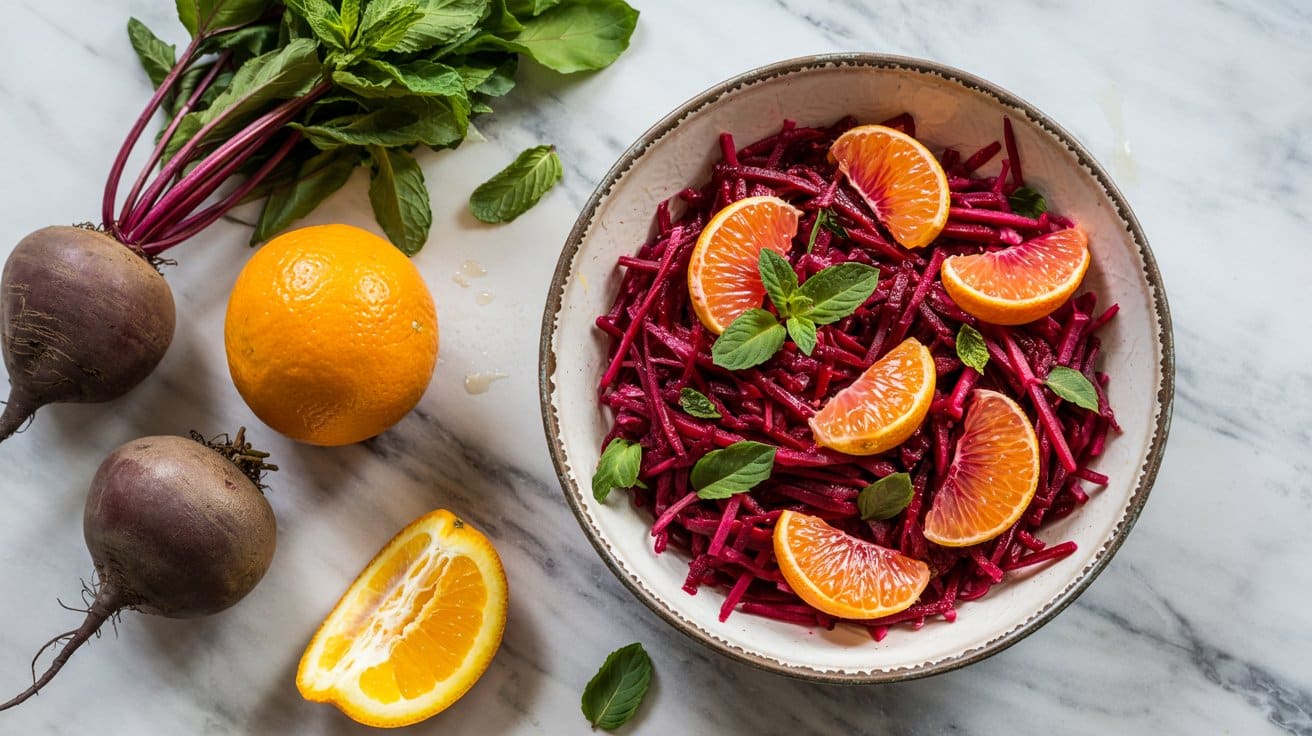
Roast the beets ahead and combine them with orange shortly before dinner.
Keep beet juice away from sour cream bowls to prevent messy serving.
9. Green Beans With Horseradish
Green beans offer a firm bite and bright color.
A small amount of prepared horseradish in the dressing gives them a clean heat that works with smoked fish. Blanch and chill the beans earlier in the day.

Dress them 20 minutes before serving so the flavor settles without dulling their color.
10. Mushroom Barley
Mushroom barley makes a hearty winter plate and adds chewy grain texture. Use it when serving latkes as a small starter before a larger dinner.
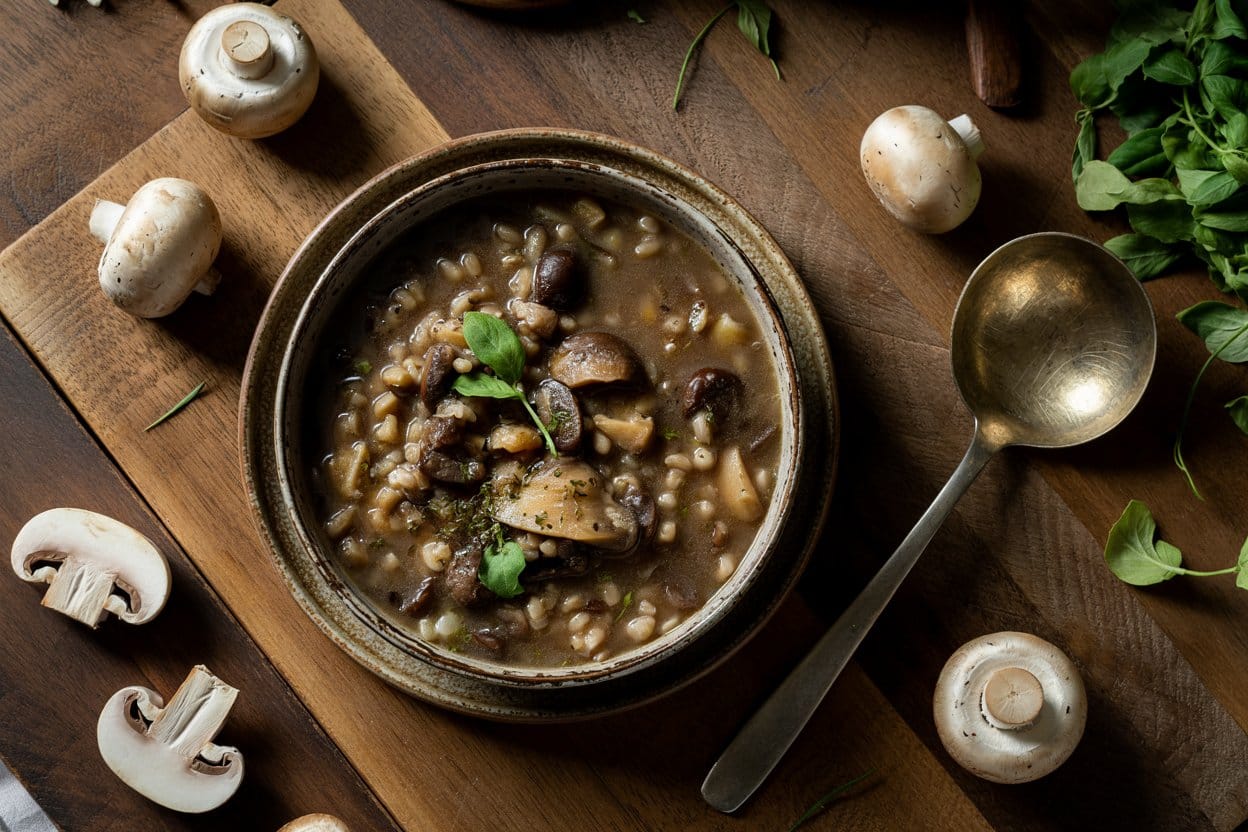
Keep the barley broth light and the mushroom pieces distinct. A creamy version can feel too soft beside sour cream-topped latkes.
11. Pear and Fennel Slaw
Raw fennel and pear give a crisp, lightly sweet salad that suits a brunch table.
Lemon keeps the pear bright and prevents the side from resembling dessert.
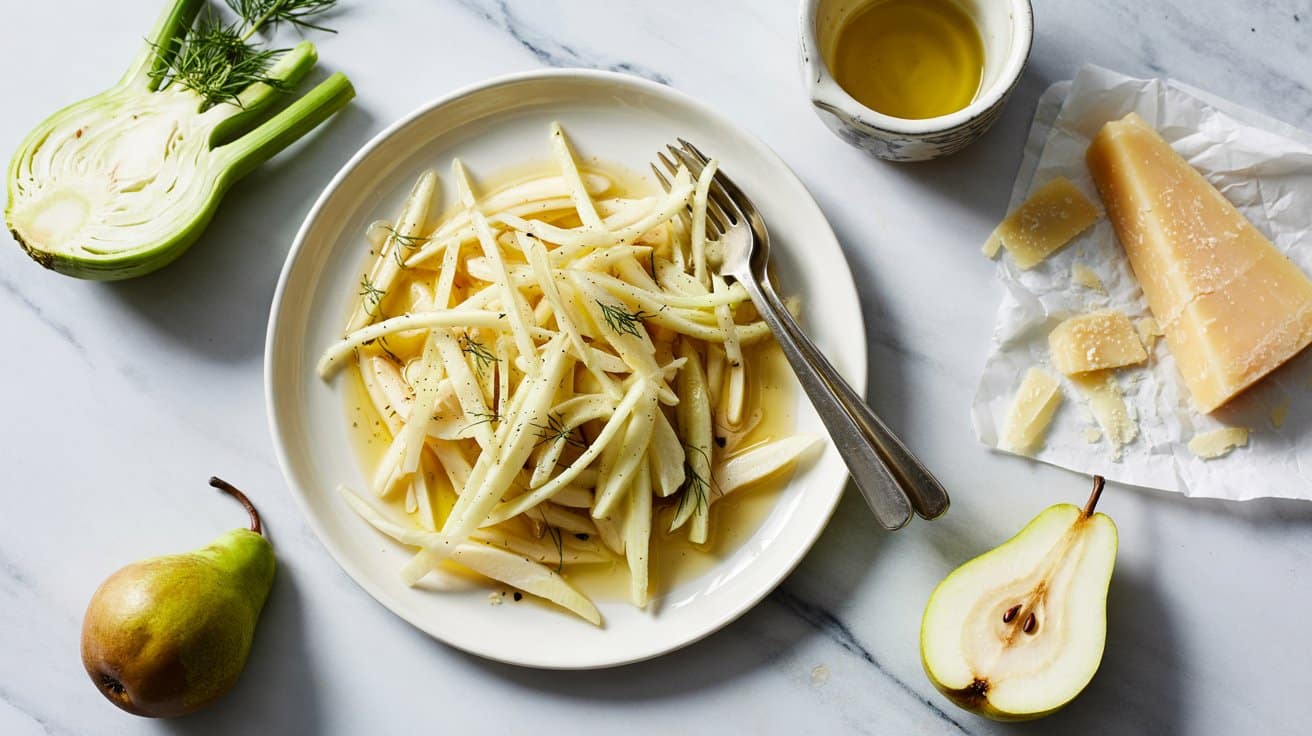
Slice both ingredients shortly before serving.
This is a useful alternative when cabbage already appears elsewhere in the meal.
| Meal style | Best side | Add | Prep cue |
|---|---|---|---|
| Classic platter | Applesauce and sour cream | Cucumber salad | Keep toppings separate |
| Brunch | Poached eggs | Smoked salmon | Cook eggs last |
| Fish dinner | Lemon salmon | Bitter greens | Roast fish first |
| Winter dinner | Braised cabbage | Green beans | Make cabbage ahead |
How Many Latkes and Sides Should You Plan Per Person?
Plan two small latkes for an appetizer, three for brunch, or three to four for a main dish. Large latkes count as roughly two small ones and need more room on the serving rack.
| Meal | Latkes per adult | Toppings and sides |
|---|---|---|
| Appetizer | 2 small | 2 tablespoons topping |
| Brunch | 3 small | 1 egg plus fruit or salad |
| Main dish | 3 to 4 small | 4 ounces vegetables plus protein |
| Buffet | 3 small | Two toppings and one cold side |
Make applesauce and braised cabbage ahead, then prepare cold salads before frying. The final hour should belong to the latkes and any eggs or fish that need last-minute cooking.
For ten adults eating latkes as a main, plan 35 to 40 small pieces. Prepare about one and a quarter cups each of applesauce and sour cream when offering both.
Children may eat fewer latkes but often take more applesauce. Put a smaller serving spoon in the topping bowls so portions stay controlled and drips remain away from the rack.
When fish or eggs are included, reduce the latke count by one per person. Add an extra cold vegetable side instead of making more fried food.
Label dairy and nondairy toppings with separate spoons when guests have dietary needs. This keeps the applesauce available to everyone and prevents accidental mixing.
Place toppings after the latke platter in a buffet line. Guests take a crisp latke first and can move it directly to their plate before choosing sauce.
Use shallow bowls for applesauce and sour cream so spoons do not drip over tall rims. Replace the bowls halfway through a long meal instead of topping off warm leftovers.
Keep smoked fish chilled until the first batch of latkes reaches the table. Return unused fish to the refrigerator once brunch service slows.
Save These Latke Pairing Ideas
Keep the guide for Hanukkah, brunch, or a winter dinner.
Both are common. Applesauce gives sweet-tart contrast, while sour cream gives a cool tang against onion and fried potato.
Smoked salmon, roasted salmon, poached eggs, or white bean salad works well. Choose one protein so the meal stays focused.
You can fry them several hours ahead and reheat them on a rack at 425°F for five to eight minutes. Do not refrigerate them in a sealed container while warm.
Applesauce is the simplest choice. Mustard vinaigrette, horseradish, or a thick unsweetened plant-based yogurt can also work.
Dry sparkling wine, tart apple cider, or black tea cuts through frying oil. Avoid very sweet drinks when applesauce is already on the plate.

Carrie is a food writer and editor with more than 15 years of experience. She has worked for some of the biggest names in the food industry, including Bon Appétit, Food & Wine, and Martha Stewart Living.
As the Editor in Chief of EpicureDelight, Carrie oversees all of the content on the site. She also manages the team of contributing writers and editors, who help to create delicious recipes, helpful tips, and informative articles that you’ll find on the site.
A native of the Chicago area, Carrie is passionate about all things food. She loves trying new restaurants and experimenting with new recipes in her kitchen. She’s also a graduate of the Culinary Institute of America, so she knows a thing or two about food!