
That white cloud in your glass when water hits pastis is half the appeal. Lose the bottle and you lose that moment-unless you pick the right pastis substitute and use it correctly.
The key decision is anise intensity plus sweetness. Pastis sits in a sweet, aromatic lane: it's not bone-dry like absinthe, and it's not as candy-thick as some syrups.
Match those two qualities before you worry about anything else.
How you're using it matters, too. A classic diluted glass needs a liqueur with real louche behavior.
A cocktail or sauce just needs the anise character, so you have more flexibility.
The best pastis swaps are Ricard-style anise liqueurs first, then anisette or ouzo for a drier profile. Sambuca works but runs sweeter, so use less. For a no-liqueur workaround, star anise tea with a splash of spirit or anise extract in tiny doses can carry the aroma.
Best Pastis Substitutes (When You Need Anise Flavor Now)
These five options are ranked by how closely they mimic pastis in a diluted drink or simple cocktail. The first two are nearly drop-in replacements.
The last two are workarounds for when your liquor shelf is bare.
| # | Substitute | Best For | Ratio | Key Note |
|---|---|---|---|---|
| 1 | Ricard-style Anise Liqueur | Both | 1:1 | Closest aroma match |
| 2 | Anisette / Ouzo-adjacent | Both | ¾:1 | Strong; reduce first |
| 3 | Sambuca | Cocktails | ¾:1 | Sweeter, bolder |
| 4 | Ouzo | Diluted Drinks | 1:1 | Drier, more herbal |
| 5 | Star Anise Tea + Spirit | High Dilution | Variable | No liqueur needed |
1. Ricard-Style Anise Liqueur
Ricard is actually a pastis brand, so any close cousin lands in exactly the same flavor lane: sweet, clearly anise-forward, and designed to turn milky when cold water hits it. If your shelf has Pernod or a similar French anise liqueur, that's your answer.
- Ratio: Start 1:1, then pull back by half a pour if the licorice reads too sharp.
- Dilution: Use the same cold-water ratio you would with pastis, roughly 4-5 parts water to 1 part liqueur.
- Sweetness: These run close to pastis, so you rarely need to correct sweetness on its own.
Skip if: your recipe specifically calls for a drier, herb-forward finish rather than classic sweet anise. These liqueurs stay firmly in the sweet lane.
2. Anisette-Style Anise Liqueur
A clear anisette, or anything in that family without competing flavors, is a solid second choice. It carries the same core anise aroma, though some bottles swing slightly sweeter or more neutral than pastis does.
Pick a bottle that's straightforwardly anise. Avoid anything labeled with coffee, herbal-spice blends, or elderflower, because those additions shift the aroma away from what pastis delivers.
Understanding the difference between anise and star anise flavor helps here, since some liqueurs lean on one over the other.
- Starting ratio: ¾:1 if the bottle is noticeably sweet; 1:1 if it tastes moderate.
- Cocktails: Works well in shaken drinks where the sweetness gets balanced by citrus or soda.
- Diluted style: Add cold water gradually and taste before committing to the full pour.
Skip if: the bottle is fennel-heavy or labeled "herbal anise," which can push the flavor away from pastis's signature clean licorice note.
3. Sambuca
Sambuca vs. Pastis
Works for: cocktails, stirred drinks, small-measure recipes where sweetness is balanced by other ingredients
Skip if: you're making a classic water-diluted pastis glass and need a balanced sweetness profile
Sambuca lands sweeter and bolder than pastis. The anise character is there, but it hits harder and lingers longer on the finish.
That's fine in a cocktail with citrus or tonic to balance it, but it can overwhelm a simple diluted glass.
Knowing how sambuca's flavor profile compares to other anise spirits helps you calibrate before you pour. Start at ¾:1, taste, then inch up only if the drink needs more anise presence.
- Ratio: ¾ part sambuca for every 1 part pastis the recipe calls for.
- Cocktail use: Works best where sweetness is already balanced by a sour or bitter element.
- Adjustment: If it still reads too sweet, reduce by another small measure rather than adding water alone.
4. Ouzo
Ouzo reads drier and slightly more herbal than pastis. It still louches when you add cold water, which makes it one of the better choices for the classic diluted-glass style.
The sweetness is lower, so the overall effect is a bit more austere.
Use ouzo at 1:1 to start. If the drink tastes thin or not quite sweet enough, a tiny pinch of simple syrup corrects it faster than adding more spirit.
The herbal anise character in ouzo is real and pleasant, just different from pastis's warmer sweetness.
- Best use: Diluted drinks and long cocktails where you want anise aroma without heavy sweetness.
- Dilution: Works well with 4-5 parts cold water; the louche effect is similar to pastis.
- Sweetness fix: Add ¼ teaspoon simple syrup per serving if the dryness is too pronounced.
Skip if: your recipe depends on pastis's warm, sweet licorice backbone. Ouzo's drier profile won't replicate that sweetness without a small correction.
5. Star Anise Tea + Spirit
This is the workaround for when there's no anise liqueur anywhere nearby. Steep 2-3 whole star anise pods in 150ml of just-boiled water for 8 minutes, then cool completely.
The result is a clear, aromatic brew you can use as your anise base.
Adding a small measure of neutral spirit, vodka or white rum, restores some of the alcohol mouthfeel that tea alone misses. The anise-forward swaps above will always outperform this method, but this version works when dilution is high and you just need the aroma present.
| Use | Ratio | Notes |
|---|---|---|
| Diluted drink | 60ml tea + 15ml spirit | Use cold; add ice immediately |
| Cocktail base | 30ml tea + 15ml spirit | Shake with other ingredients |
| Sauce/cooking | 45ml tea only | Skip the spirit; reduce slightly |
- Steep time: 8 minutes gives aroma without bitterness; longer than 12 minutes turns harsh.
- Spirit choice: Neutral vodka keeps the anise clean; white rum adds a slight sweetness.
- Storage: The steeped tea keeps refrigerated for 2 days before the aroma fades.
Skip if: you need the full alcohol-forward mouthfeel of a spirit. This method is aromatic but not a structural liqueur replacement.
Making the Substitute Taste Like Pastis
The fastest way to dial in any substitute is to start conservative on ratio and adjust one variable at a time. Pour your chosen swap at ¾:1 or 1:1, add cold water slowly, then taste before you commit to the full glass.
Sweetness and intensity are the two levers: fix sweetness first with a touch of simple syrup or a small reduction in ratio, then address intensity separately.
- Step 1 - Ratio first: Start at ¾:1 for sweeter options (sambuca, bold anisette) and 1:1 for ouzo or Ricard-style liqueurs.
- Step 2 - Dilution: Add cold water gradually; the louche cloud should appear before you've added more than 4 parts water. If it doesn't cloud, your substitute is a different spirit base-adjust your expectations.
- Step 3 - Taste and correct: Too licorice-heavy? Reduce ratio by a small pour. Too flat? Add a tiny measure more substitute rather than a new ingredient.
Frequently Asked Questions
A Ricard-style French anise liqueur is the closest match. It sits in the same sweet, anise-forward lane as pastis and behaves the same way when diluted with cold water.
Start at ¾:1 instead of 1:1. Sambuca is sweeter and bolder than pastis, so a direct swap often makes cocktails taste cloying without adjustment.
Reduce the substitute ratio by one small measure and increase cold water dilution. Adding a citrus element, like a squeeze of lemon, also softens sharp licorice intensity.
Steep 2-3 pods in 150ml hot water for 8 minutes, cool, then add 15ml of neutral vodka per serving. Use this in high-dilution drinks where aroma matters more than spirit strength.
Use cold water for the classic diluted style; it triggers the louche effect. Add ice after, or use ice alone for cocktails where you want slower dilution and a colder drink.
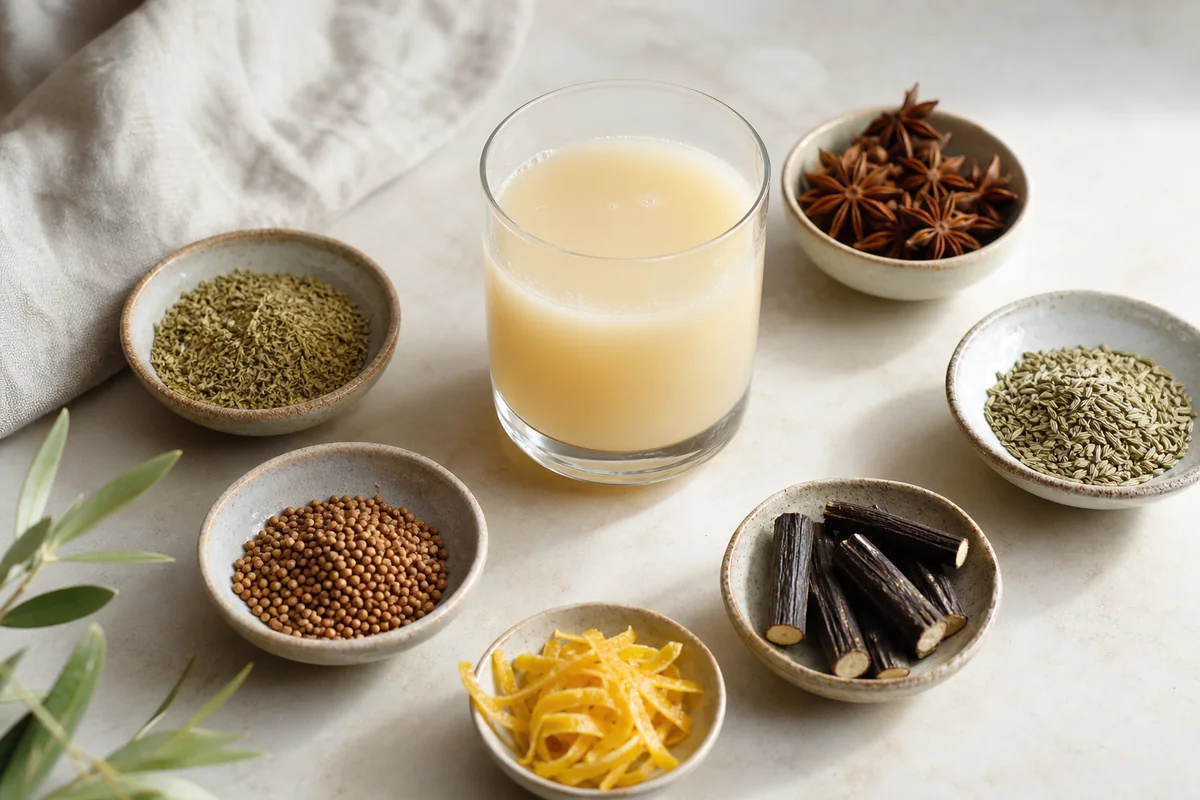
5 Best Pastis Substitutes (Tested Swaps)
Ingredients
Equipment
Method
- Identify how you’ll use pastis (classic water dilution, cocktail, or baking/syrup) and whether your goal is “same flavor” or “same effect.”
- Choose the substitute from the list based on the anise strength you want: 1:1 for liqueur cousins, ¾:1 for typically sweeter options.
- If making the classic diluted style, start with the same dilution approach you’d use for pastis (adjust from there for intensity).
- Taste and calibrate: if too sweet/licorice-forward, reduce the substitute ratio; if too weak, increase slightly or add a small pinch of anise-scented sweetness.
- Use right away for best aroma, especially for drinks served over ice.
Notes
- Pastis is essentially an anise-forward liqueur; the best substitutes share both aroma and sweetness level.
- For cocktails, start slightly under the pastis amount and scale up after tasting.
Tried this recipe?
Let us know how it was!
Carrie is a food writer and editor with more than 15 years of experience. She has worked for some of the biggest names in the food industry, including Bon Appétit, Food & Wine, and Martha Stewart Living.
As the Editor in Chief of EpicureDelight, Carrie oversees all of the content on the site. She also manages the team of contributing writers and editors, who help to create delicious recipes, helpful tips, and informative articles that you’ll find on the site.
A native of the Chicago area, Carrie is passionate about all things food. She loves trying new restaurants and experimenting with new recipes in her kitchen. She’s also a graduate of the Culinary Institute of America, so she knows a thing or two about food!



