
Sardines pack two distinct things into a small tin: a sharp briny-salty punch and an oily, tender flake that melts into sauces, spreads, and pasta. When you need a sardine substitute, the right swap depends on which of those two qualities your recipe actually needs.
Some dishes want the salt and brine above everything else. Others need that soft, fatty flake texture to hold a spread together or give pasta its body.
Knowing the difference saves you from a swap that tastes fine alone but falls flat in the dish.
Sardines bring briny-salty flavor and an oily, tender flake. For brine, reach for anchovies or herring. For texture and oiliness, mackerel or tuna in oil are the closest match. Smoked salmon works when you want richness but can handle a smoky note instead of salt.
5 Best Sardine Substitutes (Quick Swap Guide)
Each substitute below targets a specific role sardines play. Use this table to pick fast, then read the section for how to adjust salt, acid, and texture.
| # | Substitute | Best For | Ratio | Key Note |
|---|---|---|---|---|
| 1 | Canned Mackerel | Both | 1:1 | Drain well, chop fine |
| 2 | Canned Anchovies | Both | 1:1 | Rinse, cut added salt |
| 3 | Canned Tuna (in oil) | Cooking | 1:1 | Add acid if it tastes flat |
| 4 | Canned Herring | Both | 1:1 | Strong brine; drain first |
| 5 | Smoked Salmon | Cooking | ¾:1 | Use less; smoky not briny |
1. Canned Mackerel
Mackerel is the closest single swap for sardines in terms of oil content and flake texture. It breaks apart in the same way, folds into pasta or spreads without drying out, and carries a savory depth that reads similar to sardine without being identical.
- Drain thoroughly: Excess liquid loosens sauces and spreads; press the mackerel gently in a sieve.
- Chop to size: Break into small pieces to mimic sardine flakes rather than leaving large chunks.
- Salt check: Taste before adding any recipe salt; mackerel in brine can already be well seasoned.
- Acid boost: A squeeze of lemon lifts the flavor if it tastes heavier than sardines in your dish.
If you want to explore other oily fish options beyond mackerel, tuna-based swaps cover a useful range of textures.
Skip if: your recipe needs a neutral fish backdrop. Mackerel has a more assertive flavor than sardines, and smoked mackerel in particular can dominate mild dishes quickly.
2. Canned Anchovies
Anchovies bring the saltiest, most concentrated brine of any substitute here. A small amount goes a long way, which makes them ideal for sauces and spreads where sardines are being mashed or stirred in anyway.
- Rinse first: Run anchovies under cold water and pat dry to remove surface oil and excess salt.
- Chop finely: Minced anchovy dissolves into warm sauces; leave small pieces if you want a bit of texture.
- Cut recipe salt: Reduce any added salt by at least half and taste as you go.
- Add a small acid note: A few drops of lemon juice or a splash of white wine vinegar keeps the flavor from reading flat or heavy.
Skip if: your dish is already salty from cheese, olives, or capers. Anchovies can tip a recipe past pleasant very quickly. They're also a trickier swap in baked applications where salt concentrates during cooking.
3. Canned Tuna
Tuna is the most pantry-available of all the swaps here. It won't replicate sardines' brininess on its own, but it holds well in sandwiches, pasta, and quick sauces where the other ingredients carry the seasoning.
Tuna in oil is the better choice over water-packed because the fat adds back some of the richness sardines provide. Fold it in at the very end of cooking rather than stirring it through heat, which keeps the texture tender and prevents the flakes from drying into rubbery pieces.
For more on how long your pantry stock stays good, this oil-packed tin guide is worth a look before you open a can that's been sitting a while.
Skip if: your recipe depends on sardines for briny punch. Plain tuna tastes noticeably milder, and without a salt or acid adjustment the dish may come out flat.
4. Canned Herring
Herring in brine is the closest match for sardine's salty, briny character. It has a similar fat content and a flake that breaks apart in roughly the same way, making it a strong candidate for toast toppings, pasta, and spreads.
Herring: Briny Flavor Match
Works for: recipes where sardine's sharp, salty edge is the point-pasta with capers, toast spreads, grain bowls
Skip if: the dish is light or delicate, or if your recipe already has prominent salt from other sources
- Drain well: Brined herring carries a lot of liquid; a good drain prevents watery sauces.
- Chop smaller: Herring pieces tend to be larger than sardine fillets; chopping brings them closer in size.
- Add acid: A small squeeze of lemon or a few drops of white wine vinegar rounds the brine and stops it from tasting sharp.
When you're working with squeezing fresh citrus to balance the brine, it helps to know how long cut lemon stays effective if you're not using it all at once.
Skip if: your recipe is a light, delicate bake. Herring's flavor reads quite prominent in oven heat and will outpace the other ingredients.
5. Smoked Salmon
Smoked salmon trades sardine's brine for smoky, buttery richness. It won't replicate the sharp salt note, but it works well in contexts where you want a premium fish texture, such as on toast, folded into pasta at the end, or layered into a composed salad.
| Use | Ratio | Notes |
|---|---|---|
| Toast topping | ¾:1 | Slightly less than sardines; fold or layer, don't spread |
| Pasta garnish | ¾:1 | Add off heat only; heat dulls the smoke flavor fast |
| Salad fold-in | ¾:1 | Tear into small pieces; toss gently to keep texture |
Understanding smoked salmon's flavor profile helps you decide whether the smokiness will complement or fight the other ingredients in your dish.
Skip if: your recipe relies on sardines' briny-salty bite. Smoked salmon simply won't replicate that character, and adding extra salt to compensate changes the texture of the fish itself.
Making the Substitute Work (No Surprises)
Every swap here follows the same basic process: drain, chop, taste, then adjust. The most common mistake is skipping the taste step and adding salt on habit.
Brined and smoked fish all carry different baseline salt levels, so the recipe's written salt amount may need to drop by a third or more. A few drops of fresh citrus juice at the end is often all it takes to close the flavor gap between your substitute and sardines.
- Drain first, always: Press wet-packed fish gently in a fine sieve before adding it to any spread, sauce, or pasta.
- Add late: Fold most substitutes in at the end of cooking to preserve texture and prevent them from drying out or disintegrating.
- Taste before you season: Check salt level after adding the substitute and before reaching for the salt shaker or extra anchovy paste.
Frequently Asked Questions
Frequently Asked Questions
Canned mackerel is the closest match for sardines' oily flake texture. For briny-salty flavor, rinsed and chopped canned anchovies are the better pick.
Yes. Drain both before adding them to any recipe. Excess oil or brine loosens sauces and spreads, and can over-salt the dish.
Rinse the substitute, then taste the dish before adding any recipe salt. A small squeeze of lemon or vinegar can balance sharpness without adding more salt.
Smoked salmon or tuna works well for sandwiches where texture matters most. For pasta, mackerel or herring hold up better and carry more savory depth.
Generally no. Oven heat dulls smoked salmon's flavor and toughens its texture. Anchovies or mackerel hold up far better in baked applications.
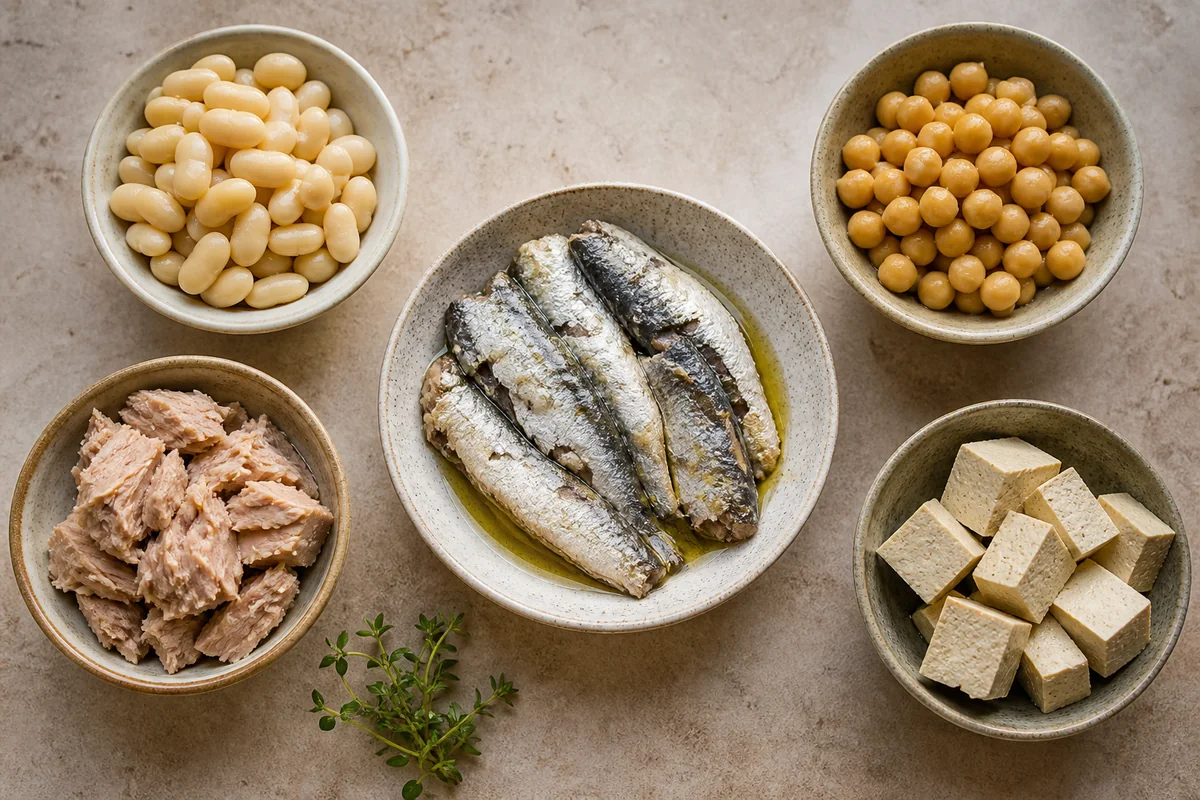
5 Best Sardine Substitutes for Any Recipe
Ingredients
Method
- Find your recipe’s goal: salty brine (use anchovies/herring), oily richness (use mackerel/tuna), or smoky depth (use smoked salmon).
- Start with the listed ratio; drain any very wet-packed fish before adding.
- If your substitute tastes sharper/saltier than sardines, rinse chopped anchovies and reduce added salt in the recipe.
- If it tastes flatter, add a small pinch of salt or a tiny squeeze of lemon/vinegar to mimic sardine’s bright edge.
- Fold in gently at the end for sandwiches or quick sauces to keep a sardine-like bite.
Notes
- For salty swaps: if the substitute is packed in brine or is anchovy-heavy, adjust added salt downward.
- For texture: draining and chopping helps mimic sardine flake size.
Tried this recipe?
Let us know how it was!
Carrie is a food writer and editor with more than 15 years of experience. She has worked for some of the biggest names in the food industry, including Bon Appétit, Food & Wine, and Martha Stewart Living.
As the Editor in Chief of EpicureDelight, Carrie oversees all of the content on the site. She also manages the team of contributing writers and editors, who help to create delicious recipes, helpful tips, and informative articles that you’ll find on the site.
A native of the Chicago area, Carrie is passionate about all things food. She loves trying new restaurants and experimenting with new recipes in her kitchen. She’s also a graduate of the Culinary Institute of America, so she knows a thing or two about food!



