
That orange-scented sweetness in a margarita or a citrus glaze is almost always triple sec. When the bottle runs dry mid-recipe, the right triple sec substitute keeps everything in balance without a noticeable gap.
Triple sec does three things: it adds orange aroma, sweetness, and a mild alcohol backbone. Lose any one of those and the drink or dish tastes flat.
The good news is that several swaps cover all three, and a few cover two out of three well enough to finish the job.
Cointreau is the closest 1:1 swap for cocktails. Orange curaçao works when you want a slightly drier result. Grand Marnier adds cognac depth, so use a bit less. Other triple sec-style liqueurs need only a taste check. For a fully alcohol-free option, combine orange extract with simple syrup.
5 Best Triple Sec Substitutes for Better Results
Every option below keeps the orange-forward sweetness that triple sec brings. The table shows your fastest reference for ratios and use cases before the detail sections.
| # | Substitute | Best For | Ratio | Key Note |
|---|---|---|---|---|
| 1 | Cointreau | Both | 1:1 | Closest orange flavor |
| 2 | Orange Curaçao | Both | 1:1 | Slightly drier finish |
| 3 | Grand Marnier | Both | ¾:1 | Richer cognac warmth |
| 4 | Bols / Other Triple Sec | Both | 1:1 | Taste and adjust sweet |
| 5 | Orange Extract + Syrup | Both | 1:2 | No alcohol backbone |
1. Cointreau
Cointreau is a premium orange liqueur made from sweet and bitter orange peels. It shares the same clear color and clean citrus aroma as triple sec, which is exactly why it slides into most recipes without a noticeable difference.
If you want more on similar orange liqueur alternatives, that list covers options across price points.
- Flavor match: Nearly identical orange aroma with a cleaner, crisper finish than many triple secs
- Sweetness level: Slightly less candy-sweet; most recipes need no adjustment at all
- Best for cocktails: Margaritas, cosmopolitans, sidecars, or any drink where triple sec is a named ingredient
- Best for baking: Works in citrus glazes and orange-spiked cake batters at a straight 1:1 swap
Skip if: your recipe must be completely alcohol-free, since Cointreau clocks in around 40% ABV.
2. Orange Curaçao (Dry-Style)
Orange curaçao is made from the dried peel of the laraha citrus fruit and is one of the oldest orange liqueurs around. Dry-style curaçao is less candy-forward than most triple secs, so the orange reads more like fresh peel than orange candy.
If your recipe leans already-sweet, curaçao can actually improve balance. For a drink that is already tart, you may want to add about 1 teaspoon of simple syrup per serving to compensate for the reduced sweetness.
Knowing the syrup-versus-sugar tradeoff helps you dial in that adjustment cleanly.
- Bitterness note: Expect a faint citrus-rind edge that triple sec lacks; it fades quickly in mixed drinks
- Sweetness adjustment: Add 1 teaspoon simple syrup per 1 oz curaçao if the drink tastes too sharp
- Best use: Orange-forward cocktails like a mai tai or blue lagoon where spirit depth matters
- Baking note: Works well in orange marinades and pan sauces; the drier profile complements savory glazes
Skip if: you need something sweet enough to stand in for triple sec without any adjustment, or if a citrus-rind edge will clash with delicate flavors.
3. Grand Marnier
Grand Marnier is orange liqueur built on a cognac base instead of a neutral spirit. That makes it noticeably warmer and more complex than triple sec, which is a bonus in some recipes and a distraction in others.
Triple Sec Brightness
Works for: drinks where clean, light orange sweetness is the only goal
Skip if: you want added spirit depth or a richer mouthfeel
Grand Marnier Warmth
Works for: cocktails with whiskey or rum, and baked goods with caramel or vanilla
Skip if: the recipe is already spirit-heavy or you want the orange note to stay subtle
The warm cognac character in Grand Marnier pairs especially well with chocolate or caramel-based desserts.
- Ratio: Use ¾ oz Grand Marnier for every 1 oz triple sec to keep the boozy intensity in check
- Cocktail note: Works beautifully in Cadillac margaritas or cocktails that already feature aged spirits
- Baking note: Excellent in crêpes Suzette, orange glazes over pound cake, or caramel sauces
Skip if: you want the substitute to taste identical to triple sec. Grand Marnier always adds cognac warmth, and that is a real difference in lighter, crisper cocktails. You can also review choosing a Grand Marnier swap if you need to go one step further.
4. Bols Triple Sec / Other Triple Sec Liqueurs
Swapping one triple sec-style liqueur for another is the path of least resistance. The base flavor profile is the same category, so the orange character lands in roughly the same place.
The catch is that sweetness and ABV vary more than you'd expect across brands. A budget triple sec may be noticeably sweeter and lower in alcohol than a premium one, which shifts both the taste and the structure of a drink.
- Start here: Use a 1:1 ratio, then taste before serving
- Too sweet: Add a small squeeze of fresh lime or lemon juice to cut the sugar
- Too thin: The ABV may be lower; add a very small splash of vodka or neutral spirit to restore structure
- Best use: Any cocktail or marinade where orange liqueur is one element among many
- Storage note: Knowing how long opened bottles keep helps you decide if the bottle on your shelf is still good
Skip if: your bottle is labeled "dry curaçao" or "orange bitters," since those are different categories with distinct flavor profiles.
5. Orange Extract + Simple Syrup
This combination is the only fully alcohol-free option that gets close to triple sec's flavor role. Orange extract covers aroma, and simple syrup covers sweetness and liquid body.
Together they do the job, though the texture and finish differ from a liqueur.
| Triple Sec Role | Ratio | What Covers It |
|---|---|---|
| Orange aroma | ¼ teaspoon per 1 oz | Orange extract |
| Sweetness | ¾ oz per 1 oz | Simple syrup |
| Liquid body | Remainder to 1 oz | Orange juice (small splash) |
If you want to go deeper on swapping orange extract itself, that page covers the best backup options when extract is also unavailable.
- In cocktails: Use the table ratios above; combine extract, syrup, and a small splash of OJ, then shake with ice as normal
- In baking: Add extract to the wet ingredients and replace triple sec volume with syrup to preserve moisture
- Taste check: If the result tastes harsh or artificial, reduce extract by half and add a touch more syrup
- Orange juice concentrate: A 1:1 swap for simple syrup here gives extra orange punch with natural sweetness
Skip if: the recipe depends on a liqueur's alcohol to balance other sharp flavors. Some cocktails genuinely taste thin without the spirit contribution.
Making Triple Sec Substitutes Work
The single biggest adjustment mistake is reaching for more orange flavor when the real problem is sweetness. Fix sweetness first, then address orange intensity.
Most of the substitutes above have an extract-level orange character that is easy to amplify but hard to walk back once overdone.
- Taste before serving: Mix a small test portion before committing to a full batch; this saves the whole drink
- Sweet balance: If the drink tastes flat or sharp, add ½ teaspoon simple syrup at a time until the orange note blooms properly
- Orange intensity: If orange reads too faint, a few drops of orange bitters or a small strip of fresh zest corrects it without adding more sugar
Frequently Asked Questions
Cointreau is the closest match at a 1:1 ratio. It has the same clear color, similar sweetness, and a clean orange aroma that works in any cocktail calling for triple sec.
Yes, but the drink will taste slightly thinner without the alcohol backbone. Use ¼ teaspoon extract plus ¾ oz simple syrup per 1 oz of triple sec called for.
Add simple syrup in ½ teaspoon increments after mixing, tasting between each addition. Stop when the drink tastes balanced rather than sharp or flat.
Grand Marnier works very well in baking, especially with chocolate or caramel. Use about ¾ the amount called for, since its cognac base adds more intensity than plain triple sec.
Orange extract combined with simple syrup is your best non-alcoholic option. Start with ¼ teaspoon extract per ounce of triple sec and adjust the syrup ratio until the sweetness feels right.
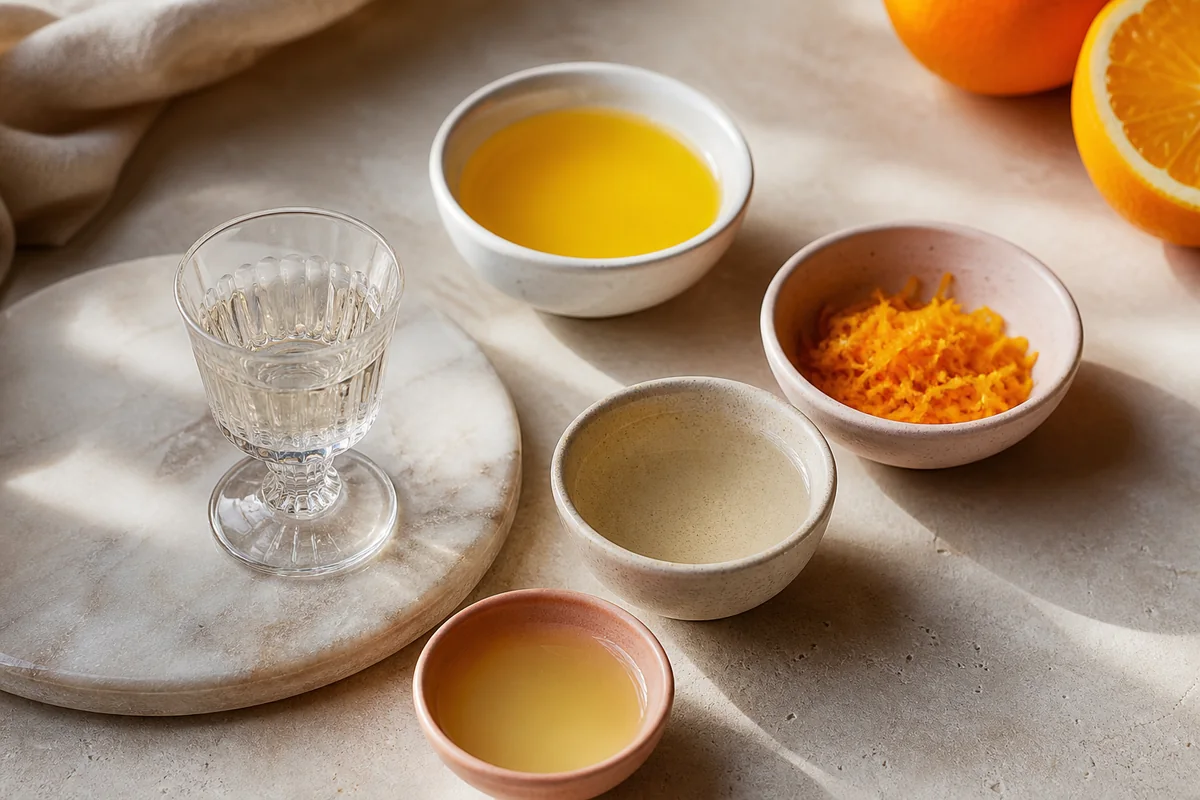
5 Best Triple Sec Substitutes for Better Results
Ingredients
Method
- Decide if your recipe needs orange liqueur flavor (cocktail top note) or just orange sweetness (baking flavor).
- Choose the closest option from the substitute list (orange liqueur first; then liqueur-rich options; then extract/syrup).
- Apply the ratio listed in the WPRM table (or in your chosen item section) so the sweetness and alcohol impact stay consistent.
- Taste after mixing: if it’s flat, add a small splash of citrus or a pinch of sugar; if it’s too sharp, add a bit more syrup.
Notes
- If your triple sec is in a stirred cocktail, prioritize clean orange liqueurs (Cointreau/curacao) over just citrus juice.
- If your triple sec is in baking, extract + syrup can work—adjust sweetness because it won’t have the same alcohol-driven flavor depth.
Tried this recipe?
Let us know how it was!
Carrie is a food writer and editor with more than 15 years of experience. She has worked for some of the biggest names in the food industry, including Bon Appétit, Food & Wine, and Martha Stewart Living.
As the Editor in Chief of EpicureDelight, Carrie oversees all of the content on the site. She also manages the team of contributing writers and editors, who help to create delicious recipes, helpful tips, and informative articles that you’ll find on the site.
A native of the Chicago area, Carrie is passionate about all things food. She loves trying new restaurants and experimenting with new recipes in her kitchen. She’s also a graduate of the Culinary Institute of America, so she knows a thing or two about food!



