
Wiri wiri pepper is the kind of ingredient that leaves a gap when it's missing. The heat is sharp and clean, but what makes it genuinely hard to replace is that layered pepper-fruit aroma sitting right underneath the burn.
Finding a solid wiri wiri pepper substitute means matching both of those things, not just reaching for whatever hot pepper is nearest.
Most swaps fail because cooks chase heat alone. Wiri wiri sits around 100,000-350,000 Scoville units, but its fruity edge is what shapes hot sauces, stews, and marinades built around it.
In baking especially, pepper aroma breaks down under heat differently than raw spice does.
Scotch bonnet (seeded) and habanero (seeded) are the closest matches for wiri wiri's pepper-fruit character and heat level. Thai bird's eye chili works when you need sting without fruitiness. Aleppo pepper fits mild baking swaps. Cayenne or flakes are emergency heat only.
- Skip if: You only need extra heat and don't care about pepper-fruit flavor. Cayenne or red flakes are sufficient for that purpose alone.
- Wiri wiri swaps work best when you match both heat intensity and how the pepper's aroma holds up during cooking.
5 Best Wiri Wiri Pepper Substitutes for Better Results
Start with heat level first, then check whether the substitute can carry fruity pepper aroma through your cook time. This table gives you a fast reference before the detail sections below.
| # | Substitute | Best For | Ratio | Key Note |
|---|---|---|---|---|
| 1 | Scotch Bonnet (seeded) | Both | 1:1 | Closest fruity heat match |
| 2 | Habanero (seeded) | Both | 1:1 | Tropical warmth, seed it |
| 3 | Thai Bird's Eye Chili | Cooking | ¾:1 | Sharp sting, less fruit |
| 4 | Aleppo Pepper | Baking | ½:1 | Mild warmth, adds color |
| 5 | Cayenne / Red Flakes | Cooking | ⅓:1 | Heat only, no aroma |
If your recipe is sensitive to bitterness, seeded Scotch bonnet or Aleppo are safer choices than raw cayenne.
1. Scotch Bonnet (Seeded)
Scotch bonnet is the closest thing to wiri wiri you'll find at a regular grocery store. Both share that distinctive pepper-fruit quality.
The heat range overlaps well too, especially once you remove the seeds and inner membrane.
For fresh use, mince it finely and add at the same stage you'd add wiri wiri. For dried or rehydrated versions, soak in warm water for 10 minutes, then chop.
The fruity notes on this orange pepper hold up well during long cooks, which is where many substitutes fall apart.
Scotch Bonnet (Seeded)
Works for: hot sauces, braises, marinades, stews, any dish using fresh wiri wiri
Skip if: you want very mild heat - start at ½ the ratio and add cayenne only if more heat is needed
- Ratio: 1:1 for most recipes; reduce to ½ if the dish is heat-sensitive
- Seed removal: Always seed for cooking; leaving seeds in pushes bitterness forward
- Baking note: Use dried Scotch bonnet powder at ½ the weight of fresh wiri wiri called for
- Flavor gap: The pepper-fruit character is very close, though Scotch bonnet can be slightly sweeter
2. Habanero (Seeded)
Habanero lands in the same heat zone as wiri wiri and carries a tropical warmth that no other common chili quite replicates. Seeding is non-negotiable here.
The placenta and seeds concentrate bitterness that can overwhelm sauces and baked goods.
When picking a habanero swap from dried or powder form, the heat turns sharper and the fruity edge fades. Fresh seeded habanero is the stronger choice.
- Fresh form: Mince finely, use 1:1 ratio after seeding
- Dried form: Rehydrate first; flavor is more concentrated, so reduce by 25%
- Powder form: Start at ½ the ratio; habanero powder is intense and can turn harsh
- Baking note: Use ½ the swap ratio in sweet bakes to avoid a bitter finish
- Flavor direction: Tropical and warm, slightly fruitier than wiri wiri's sharper edge
3. Thai Bird's Eye Chili
Bird's eye chili brings a clean, piercing heat that hits fast and fades faster than wiri wiri does. The key difference is fruit.
Wiri wiri has it; bird's eye largely doesn't. What you get instead is a bright, almost metallic sting that works well in dishes with short cook times.
Reduce the amount by about 25% from whatever wiri wiri your recipe calls for. Then add a small brightness element to compensate for the missing fruit notes.
A few drops of white wine vinegar or a strip of lemon zest stirred in near the end does the job without adding sweetness. Skip this swap if your recipe relies on pepper-fruit aroma, like a fresh hot sauce with under 10 minutes of cooking.
In that case, go back to Scotch bonnet or habanero.
The sharper heat options all share this limitation. You can replace the burn, but you have to add fruit notes separately.
4. Aleppo Pepper
Aleppo is the right call when you want pepper warmth and color in baked goods without blowing out the heat level. It sits around 10,000 Scoville units, which is mild compared to wiri wiri, but it carries a genuine fruity, slightly oily pepper flavor that nothing else in the mild-heat category matches.
The earthy dried flakes behave well in the oven and don't turn bitter under dry heat.
| Use | Ratio | Notes |
|---|---|---|
| Subtle warmth | ¼:1 | Aleppo only; mild color, gentle finish |
| Medium heat | ½:1 | Aleppo + pinch of cayenne for lift |
| Hot (baking) | ½:1 Aleppo + ¼:1 cayenne | Layered heat; taste batter before baking |
- Best for: Spiced breads, savory muffins, dry rubs, and slow-roasted dishes
- Avoid if: You need high heat - Aleppo alone won't get there; pair it with cayenne
- Color bonus: Adds a deep red-orange color similar to wiri wiri's visual profile
For more on working with swapping mild fruity peppers, that page covers the full range of options.
5. Cayenne or Crushed Red Pepper Flakes
These are for when you're mid-recipe and nothing else is available. Cayenne and red flakes are straight heat.
There's no pepper-fruit character, no tropical edge, just Scoville units. That's not a criticism, it's just accurate.
The pure burn profile of cayenne means it reads as one-dimensional in dishes built around wiri wiri's complexity.
- Starting ratio: Use ⅓ the wiri wiri amount; both cayenne and flakes concentrate quickly
- Taste timing: Always taste after cooking, not before - heat changes as the dish reduces
- Brightness fix: Add a small acid element (a few drops of vinegar or lemon juice) to mimic wiri wiri's tang
- Flakes vs powder: Flakes give slightly more texture and slower heat release than ground cayenne
Skip this if pepper-fruit aroma matters in your dish. Use Scotch bonnet or habanero instead.
Making Wiri Wiri Pepper Substitutes Work in Real Dishes
The substitute you pick only works if you add it at the right moment. Fresh minced chili goes in early for slow-cooked dishes, where heat mellows and fruitiness blooms.
Dried or powdered pepper goes in later, often in the last third of cooking, because powder heat concentrates and can turn harsh. Knowing how to store fresh peppers properly also matters when you're buying substitutes in bulk.
- Fresh vs dried: Fresh seeded Scotch bonnet or habanero behaves most like fresh wiri wiri; dried versions concentrate heat by roughly 30%, so reduce accordingly
- Bitterness fix: If your substitute tastes bitter after cooking, a small amount of acid (white wine vinegar, lemon zest) pulls the flavor into balance without adding sweetness
- Baking-specific rule: Start 25-40% below the swap ratio for powdered substitutes; batter retains heat differently than liquid sauces, so taste the finished bake before adjusting
Frequently Asked Questions
Seeded Scotch bonnet is the closest match. It shares wiri wiri's pepper-fruit aroma and sits in a similar heat range, making it a reliable 1:1 swap in fresh sauces and marinades.
Start at half the listed ratio for any hotter substitute like habanero or Scotch bonnet. Taste after cooking and add more only if the heat level feels flat.
Yes, but start 25-40% below the swap ratio. Powder heat concentrates under dry oven heat, so the finished bake will read hotter than the raw batter suggests.
Scotch bonnet leads for fruity heat, followed closely by seeded habanero. Aleppo pepper adds pepper-fruit warmth at a much lower heat level, which suits baking well.
Remove all seeds and inner membrane before chopping. If bitterness remains after cooking, stir in a few drops of white wine vinegar or lemon juice to rebalance the flavor.
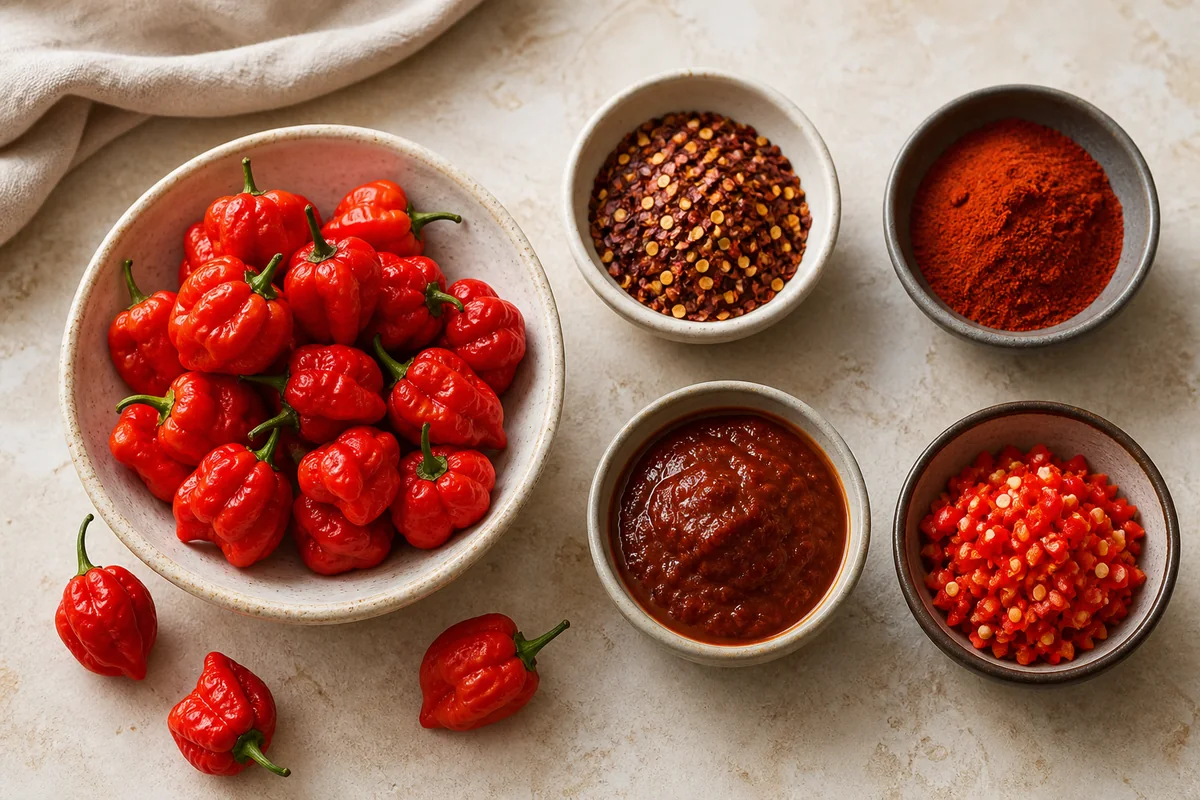
5 Best Wiri Wiri Pepper Substitutes for Better Results
Ingredients
Equipment
Method
- Check how your recipe uses wiri wiri pepper: fresh (minced) for bright flavor or dried/powdered for even heat distribution.
- Choose the closest match: Scotch bonnet or habanero for fruity heat, bird’s eye for sharper sting, Aleppo for mild fruity warmth, and cayenne/flakes for emergency heat.
- Swap using the listed ratio, then taste once the dish is cooked or after the baking batter has fully set (heat concentrates as it cooks).
- If your substitute tastes flatter than wiri wiri, add a small brightness boost (a few drops of vinegar or lemon) rather than increasing heat immediately.
- For baking, start 25–40% lower than the swap ratio if the pepper is powdered, then increase only if the finished flavor needs more kick.
Notes
- Seed removal reduces bitterness in hot pepper substitutes.
- Heat level varies by pepper ripeness and seed amount—ratios are starting points for refinement.
Tried this recipe?
Let us know how it was!
Carrie is a food writer and editor with more than 15 years of experience. She has worked for some of the biggest names in the food industry, including Bon Appétit, Food & Wine, and Martha Stewart Living.
As the Editor in Chief of EpicureDelight, Carrie oversees all of the content on the site. She also manages the team of contributing writers and editors, who help to create delicious recipes, helpful tips, and informative articles that you’ll find on the site.
A native of the Chicago area, Carrie is passionate about all things food. She loves trying new restaurants and experimenting with new recipes in her kitchen. She’s also a graduate of the Culinary Institute of America, so she knows a thing or two about food!



