
That distinct sharp-salty smell when soy sauce hits a hot pan is almost impossible to fake. But the right soy sauce substitute can get surprisingly close, as long as you know which quality to match first: saltiness, umami depth, or color.
Most recipes need soy sauce to do one of those three jobs. Pick your swap based on whichever job matters most in your dish.
The closest soy sauce replacement depends on what your dish needs most. Tamari is the safest 1:1 swap. Coconut aminos works for lighter, sweeter dishes. Worcestershire, fish sauce, and miso paste all require ratio adjustments but deliver real umami depth.
5 Best Soy Sauce Substitutes Ranked by Flavor Match
Each option below has a ratio and a use case. Before you commit, think about storing soy sauce long-term so you never run out mid-recipe again.
If your recipe must be gluten-free, double-check your substitute's label before you start. Some options marketed as soy-free still contain wheat derivatives.
| # | Substitute | Best For | Ratio | Key Note |
|---|---|---|---|---|
| 1 | Tamari | Both | 1:1 | Often gluten-free; check label |
| 2 | Coconut Aminos | Both | ¾-1:1 | Milder, slightly sweet umami |
| 3 | Worcestershire | Marinade | ¾:1 | Tangier; dilute if too sharp |
| 4 | Fish Sauce | Stir-fry | ½:1 | Intense; always dilute first |
| 5 | Miso Paste | Sauce | 1:2 | Whisk with warm water first |
1. Tamari
Tamari is the first substitute most cooks reach for, and for good reason. It is made from fermented soybeans like soy sauce, but with little to no wheat, which makes it slightly smoother and a touch thicker in body.
Tamari vs. Soy Sauce
Works for: stir-fries, dipping sauces, marinades, noodle dishes needing dark color
Skip if: you need that bright, sharp tang that regular soy sauce brings; tamari reads slightly rounder
Use tamari at a 1:1 ratio in almost any recipe. It holds up well under heat and does not thin out the way diluted substitutes can.
- Best for: Stir-fries, marinades, and dipping sauces where color and salt depth both matter
- Flavor note: Slightly less sharp than standard soy sauce, with a fuller body and no bitter edge
- Gluten note: Most tamari is gluten-free, but labels vary by brand, so confirm before cooking for someone with celiac disease
- Application tip: Add it at the same stage you would soy sauce; no timing adjustment is needed
If you ever need a swap in the other direction, tamari-based swaps follow similar logic for gluten and salt balance.
2. Coconut Aminos
Coconut aminos is the right call when saltiness needs to stay moderate and your dish can handle a gentle sweetness. It comes from fermented coconut sap and is naturally gluten-free and soy-free.
Understanding how coconut aminos tastes against soy sauce makes the ratio decision much easier before you start cooking.
- Flavor profile: Mellow, slightly sweet umami with less salt punch than soy sauce
- Ratio: Start at ¾ of the soy sauce amount if your dish already has sweet notes; use the full 1:1 if you want more depth
- Sweet-balance tip: If the dish tastes too sweet after adding coconut aminos, add a small pinch of salt rather than more liquid
- Best uses: Quick-cook noodles, ginger-garlic sauces, light glazes, and dressings where a milder profile works
*Skip if:* You need the deep, dark color soy sauce brings. Coconut aminos is noticeably lighter and can leave your dish looking pale.
3. Worcestershire Sauce
Worcestershire sauce works as a soy sauce alternative because it has the same savory backbone, built from fermented anchovies, tamarind, and vinegar. The result is a complex umami hit that holds up in beef and chicken dishes especially well.
For recipes where Worcestershire itself falls short, choosing a sharper swap can help close the gap.
Use it at ¾ of the soy sauce amount to avoid over-salting or adding too much acid upfront. If the sauce still tastes sharp, stir in 1 to 2 teaspoons of water.
- Ratio: ¾ tablespoon Worcestershire for every 1 tablespoon soy sauce called for
- Best dishes: Beef marinades, chicken glazes, and hearty stews where tang reads as depth rather than sourness
- Adjustment tip: Add a small pinch of sugar if the acidity feels too prominent after tasting
- Dilution method: Mix with 1 to 2 teaspoon water per tablespoon for thinner sauces or stir-fry applications
*Skip if:* Your dish is delicate or acid-sensitive. Worcestershire can tip a light sauce tangy in a way that is hard to walk back.
4. Fish Sauce
Fish sauce is concentrated fermented protein, so a little goes a long way. Use half the amount of soy sauce the recipe calls for, then dilute with an equal part of water before adding it to the pan.
| Sauce Quantity | Fish Sauce | Water to Add |
|---|---|---|
| 1 tablespoon soy sauce | ½ tbsp | ½ tablespoon water |
| 2 tablespoon soy sauce | 1 tbsp | 1 tablespoon water |
| ¼ cup soy sauce | 2 tbsp | 2 tablespoon water |
Add it near the end of cooking so the flavor integrates rather than sharpening as it reduces. If you cook fish sauce hard for too long, the fishiness concentrates and can overpower everything else.
For recipes where fish sauce itself becomes the main bottle you reach for, swapping fish sauce follows a similar dilution strategy.
- Dilution method: Always mix with water before adding to the pan; never pour it straight from the bottle at full concentration
- Timing: Stir in during the last 1 to 2 minutes of cooking for the cleanest umami result
- Taste fix: If the dish tastes too fishy, a small squeeze of lime juice can redirect the flavor toward brightness
*Skip if:* You can't dilute mid-recipe. Fish sauce added straight and unreduced can overwhelm a dish completely.
5. Miso Paste (Dissolved)
Miso paste is not a liquid, so the conversion step matters before anything else. Whisk 1 part miso with 2 parts warm water until fully smooth, then use that mixture where you would use soy sauce.
The warm water is key. Cold water leaves lumps that cook unevenly and can leave salty pockets in the dish.
Miso Paste vs. Soy Sauce
Works for: brothy noodle sauces, miso glazes, soup bases, and thick marinades where body is an asset
Skip if: your sauce needs to stay thin or your recipe can't handle extra thickness from the paste
White miso is milder and sweeter. Red miso is saltier and more pungent.
For a direct soy sauce stand-in, white or yellow miso is the better starting point. If you run out of miso itself, mild paste alternatives can fill that same role.
- How to dissolve: Whisk miso with warm water in a small bowl before adding to the pan, never directly into a hot liquid that's already boiling
- Best uses: Noodle dressings, soup bases, and marinades where a slight thickness is expected
- Salt watch: Miso varies significantly in salt content by brand, so taste the dissolved mixture before using the full amount
- Texture tip: If your sauce thickens too much, thin it with a tablespoon of warm water and stir before serving
Making a Soy Sauce Substitute Work
Getting the ratio right is step one, but how you taste and adjust is what makes the dish land. Add your substitute, cook for 1 to 2 minutes, then taste.
Soy sauce substitutes often bloom as they heat, meaning the salt and umami intensity can shift after a short simmer. For dishes that call for coconut aminos, keeping aminos fresh ensures you're tasting the actual flavor, not oxidation.
The same applies to tamari. If your swap reads flat, a few drops of acid or a pinch of salt can recover the dish faster than adding more of the substitute.
- Saltiness check: Taste after simmering, not before. Add small amounts (¼ teaspoon at a time) rather than pouring more substitute in all at once.
- Timing: For stir-fries, add the substitute in the last 2 minutes. For marinades, mix and rest for 5 minutes before tasting, then adjust.
- Color balance: If your dish looks pale, a small drop of tamari or a dash of dark miso dissolved in water can restore the color without over-salting.
Frequently Asked Questions
Tamari and coconut aminos are both naturally gluten-free in most brands. Always check the label, since some tamari products still contain trace wheat.
Yes, but the result will taste mildly sweeter and less salty. If the dish already has sweet ingredients, start at ¾ of the soy sauce amount instead.
Use half the amount and dilute with equal parts water. Add it near the end of cooking so it integrates without concentrating.
Whisk 1 part miso with 2 parts warm water, then use that liquid in place of soy sauce at roughly a 1:1 volume. Taste before adding the full amount, since salt levels vary by brand.
It can work, but use only ¾ of the soy sauce amount and balance the extra acidity with a small pinch of sugar. The tang is noticeable in sweet glazes.
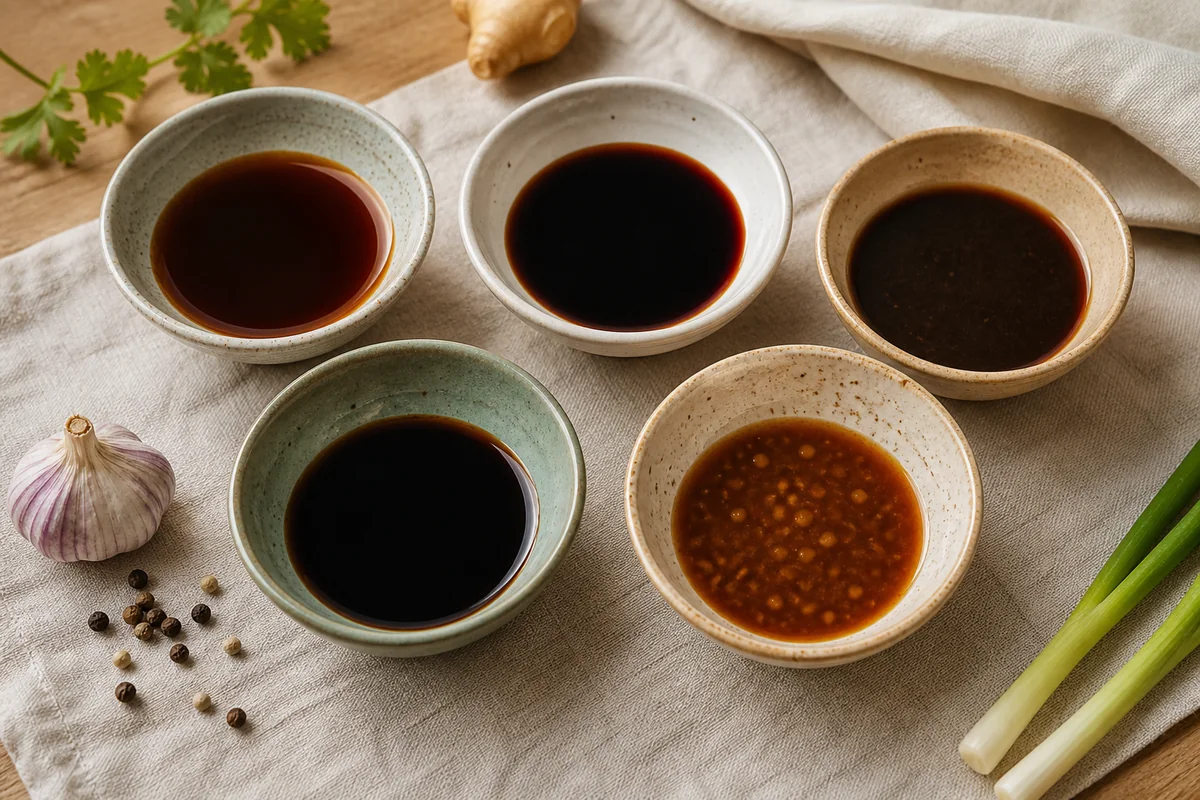
5 Best Soy Sauce Substitutes (Pantry Swaps)
Ingredients
Equipment
Method
- Decide what you need soy sauce to do: salty umami, dark color, or a sweet-savory balance for a sauce/glaze.
- Start with the ratio in the quick-reference list; use full 1:1 for tamari and coconut aminos, and reduced ratios for stronger options.
- If your substitute is stronger (fish sauce, Worcestershire), dilute with a few teaspoons of water and taste before adding more.
- If your substitute tastes flat, add a tiny pinch of sugar (for bitterness) or a few drops of acid (vinegar or lemon) to round it out.
- For glazes and marinades, let the mixture sit 3–5 minutes so the flavors blend, then adjust salt at the end.
Notes
- Taste after adding; different brands vary in salt and sweetness.
- When using miso, always dissolve/whisk to prevent paste lumps.
Tried this recipe?
Let us know how it was!
Carrie is a food writer and editor with more than 15 years of experience. She has worked for some of the biggest names in the food industry, including Bon Appétit, Food & Wine, and Martha Stewart Living.
As the Editor in Chief of EpicureDelight, Carrie oversees all of the content on the site. She also manages the team of contributing writers and editors, who help to create delicious recipes, helpful tips, and informative articles that you’ll find on the site.
A native of the Chicago area, Carrie is passionate about all things food. She loves trying new restaurants and experimenting with new recipes in her kitchen. She’s also a graduate of the Culinary Institute of America, so she knows a thing or two about food!



