
That slight sweetness, the gentle bite that holds its shape in a simmered filling-adzuki beans do something specific, and most pantry beans don't replicate it by accident. But with the right prep, several common beans come close enough to save a batch of mochi filling or steamed buns.
The key is matching two things: texture (whole and chewy vs smooth and spreadable) and sweetness (adzuki beans are naturally mild-sweet, so less sweet beans need sugar added during simmering). The smooth sweet paste you find inside good daifuku takes time and the right technique, whichever bean you use.
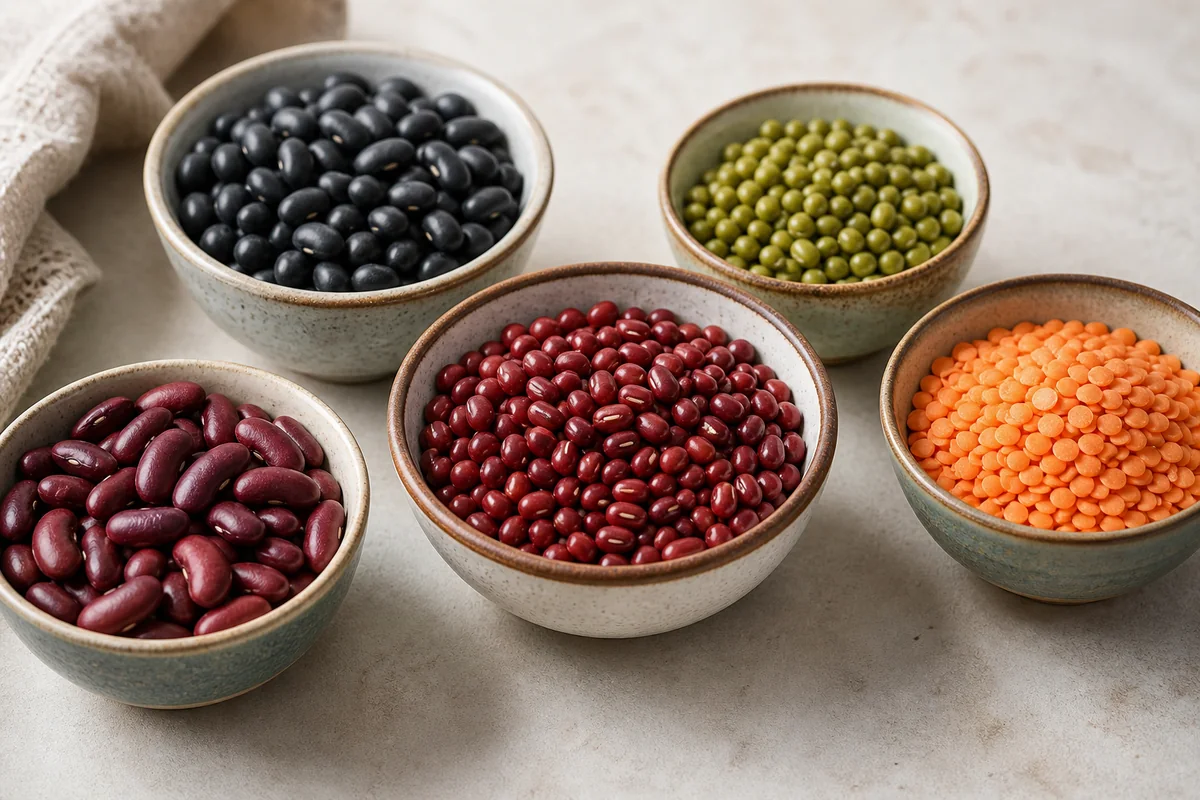
The best adzuki bean substitute depends on whether you need whole-bean texture or a smooth paste. Kidney beans and pinto beans work well mashed for sweet fillings. Chickpeas blend into a workable paste. Black beans pulse into a deeper-colored filling. Red lentils are the fastest route to a thick, sweet paste.
5 Best Adzuki Bean Substitutes, Ranked by Use
Every substitute below uses a 1:1 cooked-volume ratio as the starting point. Fine-tune sweetness and thickness after the beans are fully tender, not before-adding sugar too early can tighten the texture before it softens properly.
For a quick scan before you pick, here's the full comparison:
| # | Substitute | Best For | Ratio | Key Note |
|---|---|---|---|---|
| 1 | Kidney Beans | Filling & Paste | 1:1 | Add sugar; simmer down |
| 2 | Chickpeas | Paste Only | 1:1 | Blend until fully smooth |
| 3 | Pinto Beans | Mashed Filling | 1:1 | Creamiest mash result |
| 4 | Black Beans | Sweet Filling | 1:1 | Pulse fine; sweeten well |
| 5 | Red Lentils | Quick Paste | 1:1 | Thickens fast; very smooth |
If you find yourself reaching for dark bean options often, it's worth keeping a few swap strategies ready for both paste and whole-filling recipes.
1. Kidney Beans
Kidney beans are the most reliable adzuki bean replacement for anko-style fillings. They have a similar red color and enough starch to hold a thick paste once cooked down.
The flavor is slightly more savory and earthy than adzuki. You'll need to add sugar during the final simmer-about 2-3 tablespoons per cup of mashed beans-to pull it into sweet-filling territory.
Kidney Beans vs Adzuki Beans
Works for: anko-style paste, steamed bun fillings, and any recipe where beans are mashed and sweetened
Skip if: you need a neutral flavor base-kidney beans can taste noticeably savory without enough sugar to balance them
When you're deciding on a kidney bean swap, the haricot-style (small red kidney) works better here than large dark red kidneys, which stay firmer longer.
- Simmer time: Cook until completely tender-a bean that resists pressure between two fingers needs more time.
- Sweetness adjustment: Add sugar only after beans are soft; stir and simmer 5-8 more minutes until the paste thickens and sweetness rounds out.
- Texture control: Mash with a fork for a chunky filling, or press through a sieve for a smoother paste.
2. Chickpeas
Chickpeas left chunky go chalky in sweet fillings. Blended fully, though, they become a smooth, workable paste that takes on sweetness well.
The picking chickpea alternatives question often comes down to whether you'll blend them-and here, you must.
The flavor is nuttier than adzuki. A short simmer with sugar after blending mellows that nuttiness considerably.
- Blending: Use a food processor, not a fork. Blend until the texture is completely lump-free before adding sugar.
- Sweetness: Add 2-3 tablespoons sugar per cup; simmer on low heat for 5 minutes, stirring constantly, until the paste loses its raw-bean smell.
- Thickness: If the paste is too thick after blending, add 1-2 tablespoons of water before simmering. If too loose, simmer an extra 3-4 minutes uncovered.
Skip if you want whole-bean texture in the filling. Chickpeas don't hold shape well once sweetened and heated through.
3. Pinto Beans
Pinto beans are the easiest mash. They go creamy faster than kidney beans and have a mild flavor that takes on whatever sweetness you add without fighting back.
The color is lighter than adzuki, closer to a warm tan. That matters if appearance is a priority for your dish.
For swapping out pinto beans in other contexts, flavor profile is the main variable to watch.
- Mashing: Use a potato masher and press firmly-pinto beans break down in under a minute of mashing.
- Sweetness: Start with 2 tablespoons sugar per cup; taste after simmering 4-5 minutes and add more if needed.
- Thickness: Simmer uncovered to thicken, or stir in a splash of water to loosen for a spreadable consistency.
Skip if you need the lighter, slightly drier bite of whole adzuki beans-pinto beans go soft quickly and don't hold a whole-bean shape for long.
4. Black Beans
Black beans work in sweet fillings when you pulse them rather than leaving them whole. Left chunky, they taste earthy and the texture is too coarse.
Pulsed fine and simmered with sugar, they hold together and take on a deep, almost chocolatey quality.
The color will be darker than traditional red-bean filling-expect near-black rather than red-brown. That's not a problem in baked goods, but it may stand out in traditional presentations.
- Pulsing: Use a food processor and pulse 8-10 times until beans are in small fragments, not a paste.
- Sweetening: Add 2-3 tablespoons sugar and a small pinch of salt per cup; the salt rounds out the earthy flavor.
- Simmer: Cook on medium-low for 6-8 minutes, stirring often, until the mixture holds together when pressed.
Skip if you need the classic lighter red color of adzuki-based fillings-black beans will noticeably darken the result.
5. Red Lentils
Red lentils are the speed option. They cook in under 20 minutes and collapse into a thick, smooth paste without any blending.
The tradeoff is texture: they won't give you the distinct bean pieces that whole adzuki provides.
This is a good pick when time is short and you're making a filling for buns, pastries, or layered desserts where a smooth paste is fine. If you've ever made a thick lentil-based dish before, the cooking method here is similar-simmer until completely soft, then stir in sweetener.
| Use | Ratio | Notes |
|---|---|---|
| Bun or dumpling filling | 1:1 cooked | Red lentils; simmer with 2-3 tablespoon sugar until paste holds shape |
| Pastry or cake layer | 1:1 cooked | Red lentils; blend briefly for extra smoothness; cool before spreading |
| Quick sweet topping | 1:1 cooked | Red lentils; keep slightly looser; stir in a pinch of salt to balance |
- Cook time: Simmer dry red lentils in water for 15-18 minutes until completely soft and water is absorbed.
- Sweetness: Add sugar only after water is gone; stir on low heat for 3-4 minutes until balanced.
- Thickness watch: Red lentils thicken fast as they cool-pull them off heat slightly looser than you want the final texture to be.
Skip if you need distinct beans in the filling. Red lentils dissolve fully and won't keep any whole-bean shape.
Making Adzuki Bean Substitutes Work
The basics of a good swap come down to three levers: doneness, mashing method, and sweetness timing. Whatever bean you use, it should be fully tender before you do anything else-under-cooked beans won't mash cleanly and will taste starchy in the finished filling. The soft, mild bite that makes adzuki beans appealing in sweet dishes is something you can approximate once the beans are properly cooked, which means the simmer step matters more than the bean choice.
- Test doneness first: Press a bean between your thumb and finger. It should crush without resistance. If it resists, keep simmering and test every 5 minutes.
- Add sugar after, not during: Sugar added too early stiffens bean cell walls and makes it harder to get a smooth mash. Sweeten once the beans are off heat or nearly done.
- Control thickness at the end: Simmer uncovered to reduce and thicken, or stir in water 1 tablespoon at a time to loosen. Don't rush this step-two minutes of extra simmering changes the result significantly.
Frequently Asked Questions
Yes, canned beans work well here. Drain and rinse them first, then proceed with mashing or blending. The texture is already soft, so you skip straight to the sweetening step.
Kidney, pinto, and black beans benefit from an overnight soak to shorten cook time. Red lentils and chickpeas from a can need no soaking at all.
Kidney beans hold their shape best when simmered carefully. Cook them until just tender, then use whole or only partially mashed for a chunkier filling.
Add sugar gradually after the beans are fully cooked. Start with 2 tablespoons per cup, simmer briefly, then taste and add more in small increments.
Yes. Black beans produce a very dark filling, pinto beans go tan, and chickpeas turn pale yellow. Kidney beans give the closest color to traditional red-bean paste.
5 Best Adzuki Bean Substitutes (Tested Swaps)
Ingredients
Equipment
Method
- Identify your dish: chewy whole-bean filling vs smooth red-bean paste vs quick sweet thickening.
- Choose the substitute from the list by texture: mashed/paste options work best for fillings and buns.
- Use the listed 1:1 substitution ratio by volume of cooked beans (or cooked paste).
- If your substitute tastes less sweet, simmer it briefly with sugar (and a pinch of salt) until balanced.
- Adjust consistency: cook a few extra minutes to thicken, or add a splash of water to loosen for spreading.
Notes
- For best results, use cooked beans (or cook dry beans until very tender) because texture depends on doneness, not just flavor.
- Most swaps need a quick sweetness adjustment after simmering since adzuki is naturally sweet-leaning.
Tried this recipe?
Let us know how it was!
Carrie is a food writer and editor with more than 15 years of experience. She has worked for some of the biggest names in the food industry, including Bon Appétit, Food & Wine, and Martha Stewart Living.
As the Editor in Chief of EpicureDelight, Carrie oversees all of the content on the site. She also manages the team of contributing writers and editors, who help to create delicious recipes, helpful tips, and informative articles that you’ll find on the site.
A native of the Chicago area, Carrie is passionate about all things food. She loves trying new restaurants and experimenting with new recipes in her kitchen. She’s also a graduate of the Culinary Institute of America, so she knows a thing or two about food!



