
Peanut oil has been the go-to choice for frying turkey for decades, and for good reason. Its smoke point of around 450°F (232°C) and nearly neutral flavor make it well-suited for the intense, sustained heat a whole turkey requires.

Allergen concerns change the picture fast. Refined peanut oil removes most proteins, so many people tolerate it fine, however anyone with a severe peanut allergy or cross-contact sensitivity will want a different oil entirely.
The good news is that several oils match peanut oil's performance closely. Most swaps work at a 1:1 ratio, so you do not need to recalculate your fill line or adjust your fryer setup.
What changes is the smoke point ceiling and, in some cases, a subtle shift in flavor.
Picking the right substitute comes down to three things: heat tolerance, flavor neutrality, and cost. Vegetable-based oils cover most of those bases, and the five options below cover every common scenario from budget-friendly to premium stability.
Each substitute below includes the smoke point, flavor impact, and the exact ratio to use so you can swap with confidence and still pull a golden, crispy bird out of the fryer.
The five best substitutes for peanut oil when frying turkey are avocado oil, canola oil, grapeseed oil, sunflower oil, and safflower oil. All work at a 1:1 ratio, have smoke points at or above 420°F, and produce a crispy, golden turkey skin without off-flavors.
Peanut Oil Substitutes in Frying Turkey Substitutes in Detail
The table below gives you a fast side-by-side view of all five substitutes so you can compare smoke points, flavor profiles, and ideal uses before reading into each option in detail.
Smoke point is the most critical spec here. Turkey frying typically runs between 325°F and 375°F (163°C-191°C), so any oil with a smoke point above 420°F gives you a safe buffer.
Every oil on this list clears that threshold.
| # | Substitute | Ratio | Best For | Taste Match |
|---|---|---|---|---|
| 1 | Avocado Oil | 1:1 | Premium stability, large fryers | Close |
| 2 | Canola Oil | 1:1 | Everyday frying, neutral flavor | Close |
| 3 | Grapeseed Oil | 1:1 | Minimal flavor shift, clean taste | Mild |
| 4 | Sunflower Oil | 1:1 | Budget-friendly, high heat | Mild |
| 5 | Safflower Oil | 1:1 | Maximum smoke point, neutral profile | Close |
Avocado oil leads on raw smoke-point headroom at ~520°F (271°C), making it the safest pick if your fryer runs hot or fluctuates. Canola and sunflower are the easiest to find at any grocery store, and both perform reliably at standard frying temperatures.
Grapeseed sits slightly lower at ~420°F (216°C), which is still workable for turkey frying as long as you monitor your oil temperature carefully.
For most home cooks frying a Thanksgiving turkey, canola or refined avocado oil is the closest neutral swap for peanut oil in terms of flavor and heat stability.
Save This for Later
Pin this 5 best peanut oil substitutes for frying turkey guide so you always have it when you need it.
Pin This GuidePeanut Oil Substitutes in Detail
1. Avocado Oil
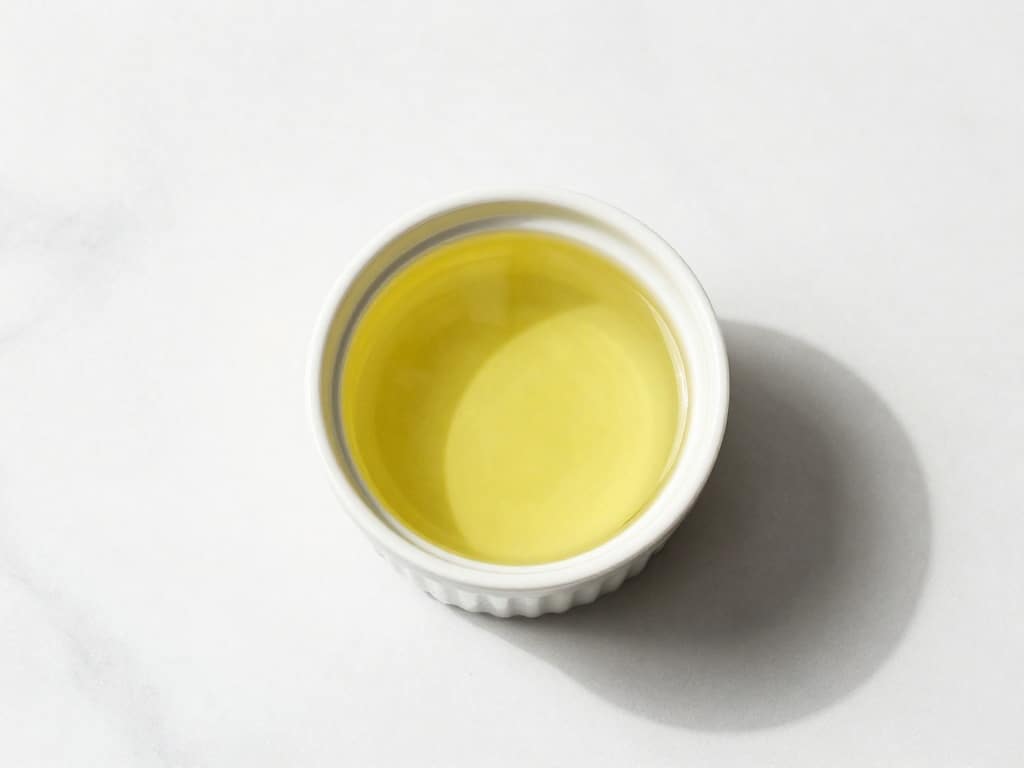
Avocado oil is the highest-performing substitute on this list. Its smoke point of ~520°F (271°C) sits well above what turkey frying demands, giving you a wide safety margin even if your burner runs slightly hot.
The flavor is mild and faintly buttery, with almost no aroma during frying.
Use it at a 1:1 ratio for peanut oil. The turkey skin comes out golden and crispy, and the mild flavor does not compete with any rub or brine you have applied.
The main drawback is cost: avocado oil typically runs two to three times the price of peanut or canola oil, so it is best reserved for smaller turkeys or when budget is not a concern. Look for refined avocado oil specifically, as unrefined versions have a lower smoke point and a stronger grassy flavor.
If you are already researching safflower oil substitutes for high-heat cooking, avocado oil often appears on that list for the same reasons it works here: stable fat composition and a forgiving smoke point.
2. Canola Oil
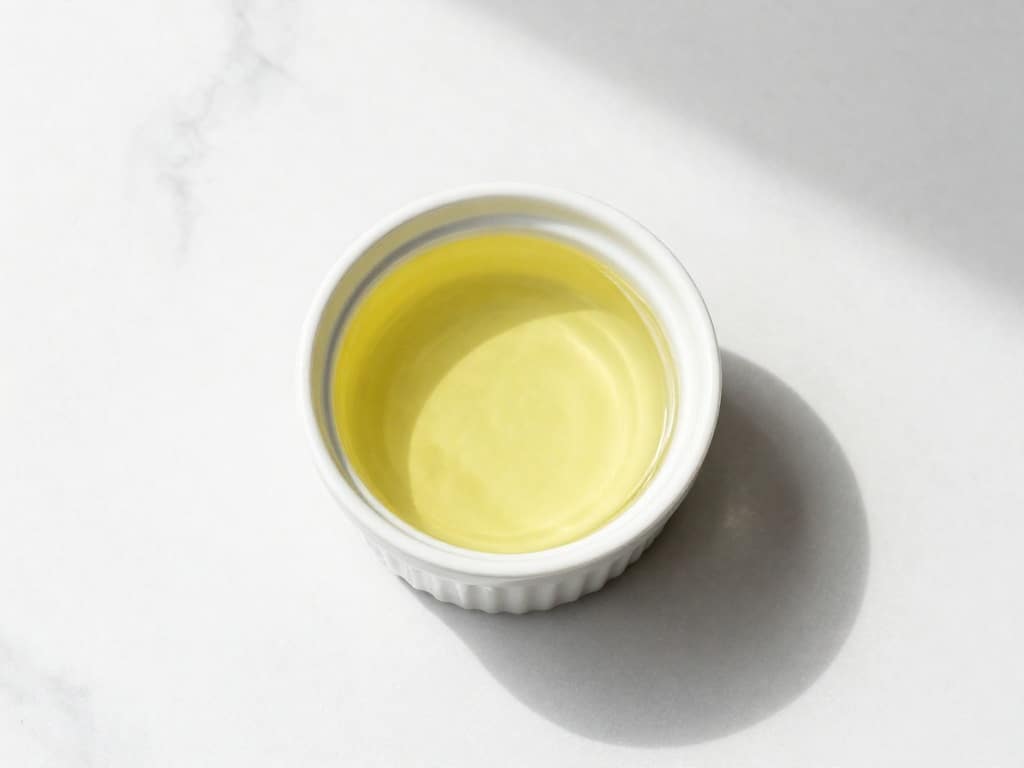
Canola oil is the most practical substitute for most home cooks.
It has a smoke point of ~468°F (242°C), a very neutral flavor, and it is available at every grocery store in the large volumes needed for a turkey fryer, typically 3 to 5 gallons per fry.
Swap it in at a 1:1 ratio. The turkey crust develops the same golden-brown color as peanut oil, and there is no detectable flavor difference in the finished bird.
Canola is also one of the least expensive oils per gallon, which matters when you are filling a 30-quart fryer. One consideration: canola has a relatively high polyunsaturated fat content, so it degrades faster under repeat high-heat cycles than avocado or safflower oil.
Use it fresh for each frying session for best results.
Canola also works well as a substitute in other high-heat contexts. If you need more options for neutral frying oils, the guides on annatto oil substitutes and mustard oil substitutes both discuss canola as a reliable baseline.
3. Grapeseed Oil
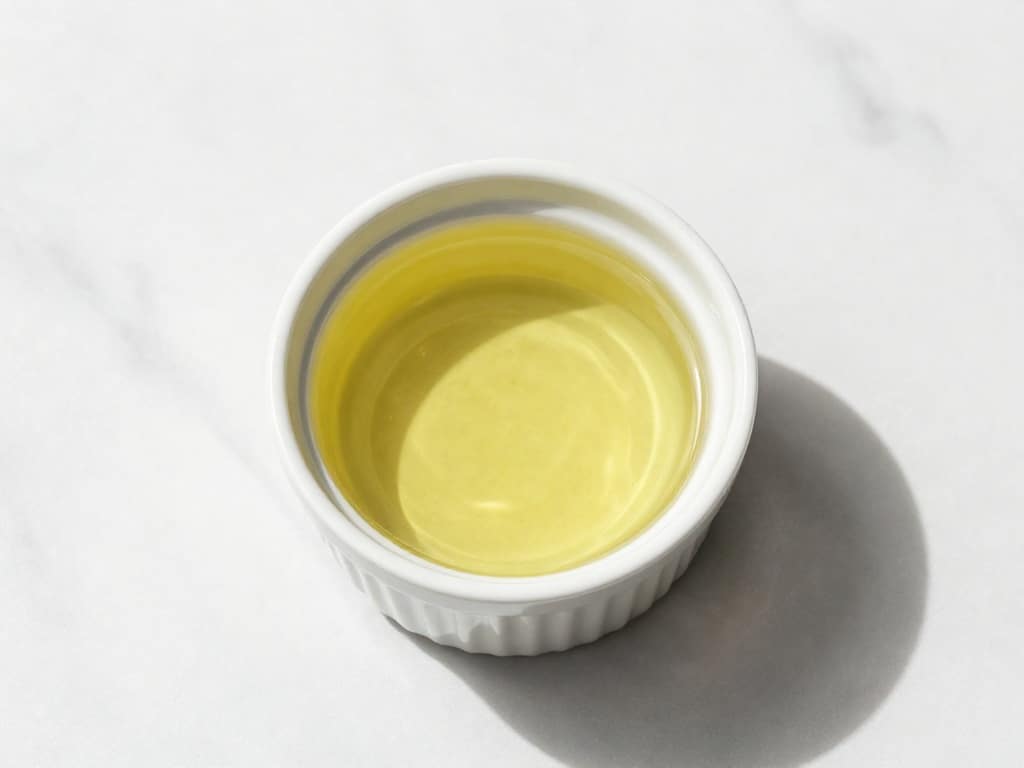
Grapeseed oil is a clean-tasting option with a smoke point of ~420°F (216°C), the lowest on this list, however still adequate for turkey frying when you keep your oil temperature between 325°F and 350°F.
It has a light flavor with a faint nutty edge that most tasters find barely noticeable in a heavily seasoned fried turkey.
Use it at a 1:1 ratio. The slightly lower smoke point means you should use a thermometer and avoid pushing the oil above 375°F.
Grapeseed is also higher in polyunsaturated fats than the other options here, so it is not the best choice for reuse. On the cost side, grapeseed typically runs more than canola but less than avocado oil.
It is a good middle-ground pick if you want minimal flavor interference and can manage your fryer temperature precisely. You can find it at most grocery stores, though large-volume jugs (needed for turkey frying) may require a warehouse club or online order.
Readers who cook with specialty oils frequently may also find the guide on hazelnut oil substitutes useful for understanding where nutty-profile oils fit into high-heat cooking.
4. Sunflower Oil
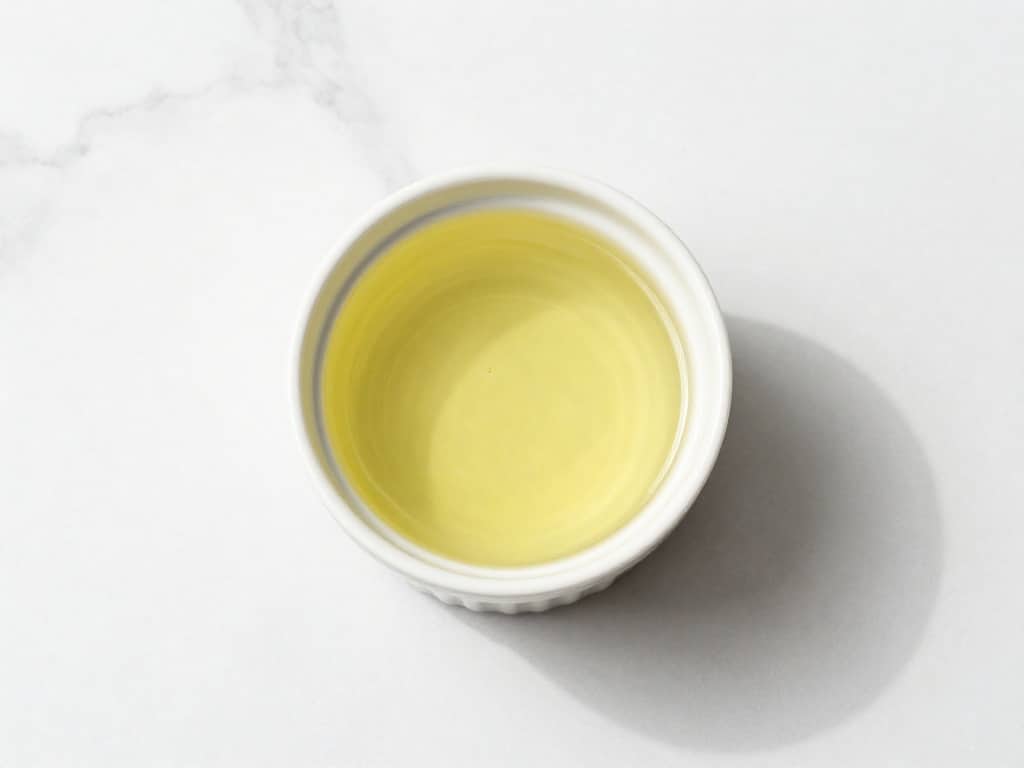
Sunflower oil matches peanut oil's smoke point almost exactly at ~450°F (232°C), making it one of the more directly comparable swaps on this list.
Its flavor is neutral to very mild, and it produces a crispy, evenly browned skin without adding any competing aroma to the turkey.
Use it at a 1:1 ratio. High-oleic sunflower oil is the preferred form for frying because it is more oxidatively stable than standard sunflower oil, meaning it holds up better under sustained high heat.
Look for "high-oleic" on the label when buying for turkey frying. Sunflower oil is also one of the more affordable options per gallon, making it a strong pick for anyone watching budget without sacrificing heat resistance.
Some cooks notice the crust comes out very slightly lighter in color compared to peanut oil, though the difference is minor and disappears under a good dry rub.
For other budget-friendly oil swaps in high-heat cooking, the linseed oil substitutes guide covers similar ground on stable, affordable frying alternatives.
5. Safflower Oil
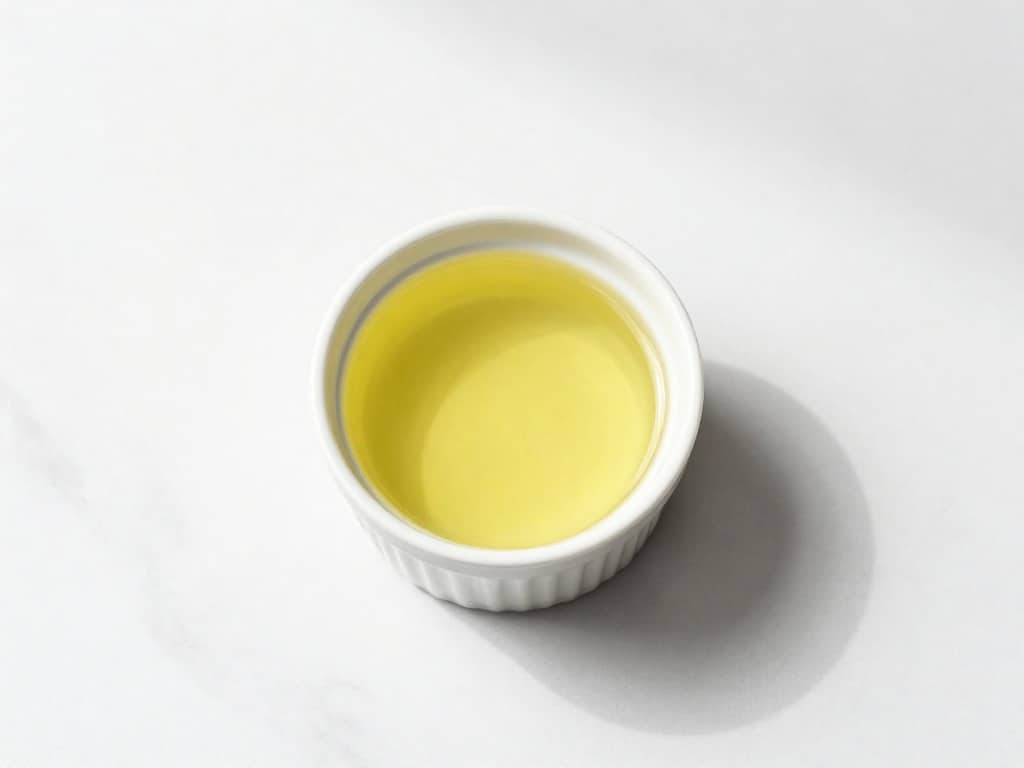
Refined safflower oil has a smoke point of ~510°F (266°C), second only to avocado oil on this list, and a fully neutral flavor that leaves no trace in the finished turkey.
It is an excellent substitute when you want maximum heat headroom and zero flavor impact.
Swap it in at a 1:1 ratio. High-oleic refined safflower oil is the best version for turkey frying, as it is more stable under prolonged heat than standard safflower oil.
Availability can be inconsistent at smaller grocery stores, so check warehouse stores or order online if you plan to use it. Cost is moderate, generally between canola and avocado oil in price.
A safflower-sunflower blend is also worth considering: mixing equal parts of both oils gives you a smoke point well above 450°F, a fully neutral profile, and broader availability since sunflower is easier to find. Blend them directly in the fryer pot before heating.
If you cook with a wide range of specialty oils and want to understand more about their interchangeability, the hemp oil substitutes guide and the MCT oil substitutes guide both address smoke point tradeoffs in detail.
How to Choose Your Substitute?
The right substitute depends on four practical factors: allergy needs, flavor goal, budget, and the volume your fryer requires. Run through these in order and you will have a clear answer before you buy.
- Allergy first: All five substitutes are peanut-free, however always read the label for cross-contact warnings if the allergy is severe. Dedicated allergen-free brands are available for canola and sunflower oil.
- Flavor goal: Canola, sunflower, and safflower are the most neutral. Grapeseed adds a faint nuttiness. Avocado oil adds a very mild buttery note that most people do not detect under a spiced rub.
- Budget: Canola and sunflower are the cheapest per gallon. Grapeseed is mid-range. Avocado oil is the most expensive and may not be practical for a full 3-to-5 gallon fryer fill.
- Equipment: If your fryer's thermostat is imprecise or tends to run hot, choose avocado or safflower oil for their higher smoke-point buffer. If you run a well-calibrated fryer at 325°F-350°F, any oil on the list works safely.
Match your substitute's smoke point to your fryer's actual operating temperature, not the maximum setting. Any oil that smokes before you add the turkey will produce off-flavors and a fire risk.
If you cannot find canola or grapeseed locally, sunflower oil is nearly always stocked in large bottles. Safflower oil is the harder one to source in quantity, so order it ahead of time if that is your pick.
For readers still building out their high-heat oil toolkit, the vegetable oil substitutes guide covers several more options with similar heat profiles.
Frequently Asked Questions
Can I substitute peanut oil for frying turkey if I am allergic to peanuts?
Yes, all five substitutes in this guide are peanut-free. Always check oil labels for cross-contact warnings, and choose a brand produced in a dedicated peanut-free facility if the allergy is severe.
Which substitute has the closest flavor to peanut oil for a traditional-tasting fried turkey?
Canola oil is the closest match. Its near-zero flavor profile mimics refined peanut oil's neutrality, so the turkey tastes exactly as it would with peanut oil.
Are substitutes as good as peanut oil for achieving a crispy skin?
Yes. Avocado, canola, sunflower, and safflower oil all reach temperatures above 450°F, which is all you need for the rapid moisture evaporation that creates crispy turkey skin.
Do substitutes affect frying times or interior doneness?
No, frying time is governed by oil temperature and turkey weight, not the oil type. Keep oil at 325°F-350°F and fry for approximately 3 to 3.5 minutes per pound regardless of which substitute you use.
Is it safe to reuse these substitutes after frying turkey, and how should I store the oil?
High-oleic sunflower and safflower oils hold up best for one additional fry. Strain the cooled oil through a fine-mesh sieve, store it in an airtight container in a cool dark place, and use it within 4 weeks.
5 Best Peanut Oil Substitutes for Frying Turkey
Ingredients
Method
- Choose your substitute based on the dish type and desired flavor match. Consider allergy needs, budget, and available fryer volume before selecting an oil.
- Prepare the substitute as directed: use refined versions of avocado or safflower oil for the highest smoke points, and choose high-oleic sunflower oil for better oxidative stability.
- Apply the substitution ratio carefully. All five substitutes replace peanut oil at a 1:1 ratio with no adjustments to fryer fill level or frying time.
- Taste and adjust seasoning. These oils are all neutral to mildly flavored, so any dry rub or brine applied to the turkey will come through clearly in the finished bird.
Notes
- Keep oil temperature between 325°F and 375°F regardless of which substitute you use. Fry approximately 3 to 3.5 minutes per pound.
- For reuse, high-oleic sunflower and safflower oils hold up best. Strain cooled oil through a fine-mesh sieve and store in an airtight container for up to 4 weeks.
Tried this recipe?
Let us know how it was!
Carrie is a food writer and editor with more than 15 years of experience. She has worked for some of the biggest names in the food industry, including Bon Appétit, Food & Wine, and Martha Stewart Living.
As the Editor in Chief of EpicureDelight, Carrie oversees all of the content on the site. She also manages the team of contributing writers and editors, who help to create delicious recipes, helpful tips, and informative articles that you’ll find on the site.
A native of the Chicago area, Carrie is passionate about all things food. She loves trying new restaurants and experimenting with new recipes in her kitchen. She’s also a graduate of the Culinary Institute of America, so she knows a thing or two about food!



