
Catupiry is a soft, creamy Brazilian cheese with a mild, slightly tangy profile that melts into fillings and pastry doughs with almost no effort. It originated in Brazil in 1911 and has been a staple in Brazilian cooking ever since, showing up in everything from pastéis to coxinhas to creamy pizza toppings.

Outside Brazil, it is genuinely hard to find, and even specialty stores often carry it only seasonally.
The challenge with replacing it is not just flavor. Catupiry's real job is texture: it needs to be spreadable, smooth, and stable enough to hold its shape inside a filling without turning watery under heat.
A poor swap can flood your pastel dough with liquid or leave your filling grainy and flat.
Typical uses include fillings, pastries, pastéis, and creamy sauces, which means you need a substitute that stays cohesive at room temperature and melts gently when baked or fried.
Each of the five options below has a specific ratio and context so you are not guessing on the fly.
If you are already familiar with swapping other soft cheeses, the process here is similar to finding alternatives to spreadable processed cheese, where texture consistency matters more than an exact flavor match.
All five substitutes below can be measured and prepped in under five minutes, making them practical even when you are mid-recipe and realize you are out of Catupiry.
The five best substitutes for Catupiry cheese are cream cheese, ricotta-cream cheese blend, mascarpone, Neufchâtel, and a Parmesan-cream blend. Each mimics Catupiry's creamy, spreadable texture at a 1:1 ratio, with minor adjustments for fat content, salt, or moisture depending on the dish.
Catupiry Cheese Substitutes in Detail
Before going deep on each option, it helps to see them side by side. The table below covers all five substitutes with the recommended ratio, the dish type each handles best, and the main tradeoff you should expect.
Use it as a quick reference when you are mid-cook and need a fast decision.
Cream cheese lands at a clean 1:1 ratio for most fillings, while mascarpone adds extra richness that works especially well in baked applications where you want a denser, more indulgent result. The other three options fall between those two extremes, each with a specific niche.
| # | Substitute | Ratio | Best For | Taste Match |
|---|---|---|---|---|
| 1 | Cream Cheese | 1:1 | Pastéis, coxinhas, creamy sauces | Close |
| 2 | Ricotta-Cream Cheese Blend | 1:1 (50/50 blend) | Lighter fillings, baked pastries | Mild |
| 3 | Mascarpone | 1:1 | Rich baked goods, decadent fillings | Close |
| 4 | Neufchâtel | 1:1 | Lower-fat fillings, everyday pastries | Close |
| 5 | Parmesan-Cream Blend | 3 parts cream cheese + 1 part Parmesan | Savory sauces, cheese-forward bakes | Different |
Save This for Later
Pin this savory tweaks: 5 best catupiry cheese substitutes guide so you always have it when you need it.
Pin This GuideCatupiry Substitutes in Detail
1. Cream Cheese
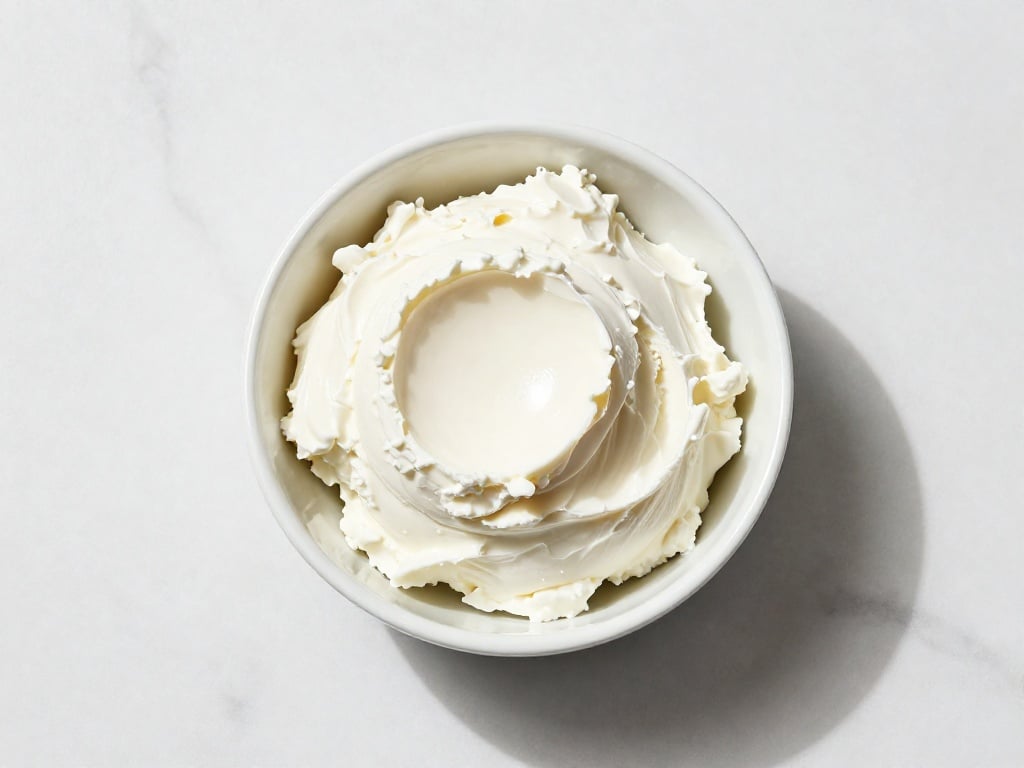
Cream cheese provides a smooth, spreadable base with mild tang that sits closer to Catupiry than almost any other widely available cheese. Use it at a 1:1 ratio in pastéis, coxinhas, and any creamy sauce where Catupiry's soft mouthfeel is the main goal.
Full-fat cream cheese at room temperature is the right starting point; cold cream cheese is too stiff and tears pastry dough.
The flavor difference is minor. Cream cheese carries a slightly sharper tang than Catupiry, which is milder and more neutral.
In heavily seasoned fillings with chicken, shrimp, or sun-dried tomato, that extra tang disappears entirely. For very plain, cheese-forward applications, you can blend in a small spoonful of sour cream to soften the edge.
Texture-wise, both cheeses behave similarly under low to moderate heat. Cream cheese stays cohesive inside a fried pastel and melts smoothly into a sauce without breaking.
If your filling recipe calls for mixing Catupiry with other ingredients, cream cheese combines just as easily. No draining or pre-treatment is needed.
One area where cream cheese slightly underperforms is ultra-high-heat baking above 400°F. At those temperatures, cream cheese can release a small amount of whey and become slightly grainy at the edges.
If you are baking at high heat, pull the filling back from the pastry edge by an extra half-inch to contain any minor separation.
Cream cheese is the go-to swap for fillings, pastries, and creamy sauces where Catupiry's smooth mouthfeel is prized. Use full-fat, room-temperature cream cheese at a 1:1 ratio for the closest result.
2. Ricotta-Based Cream Blend
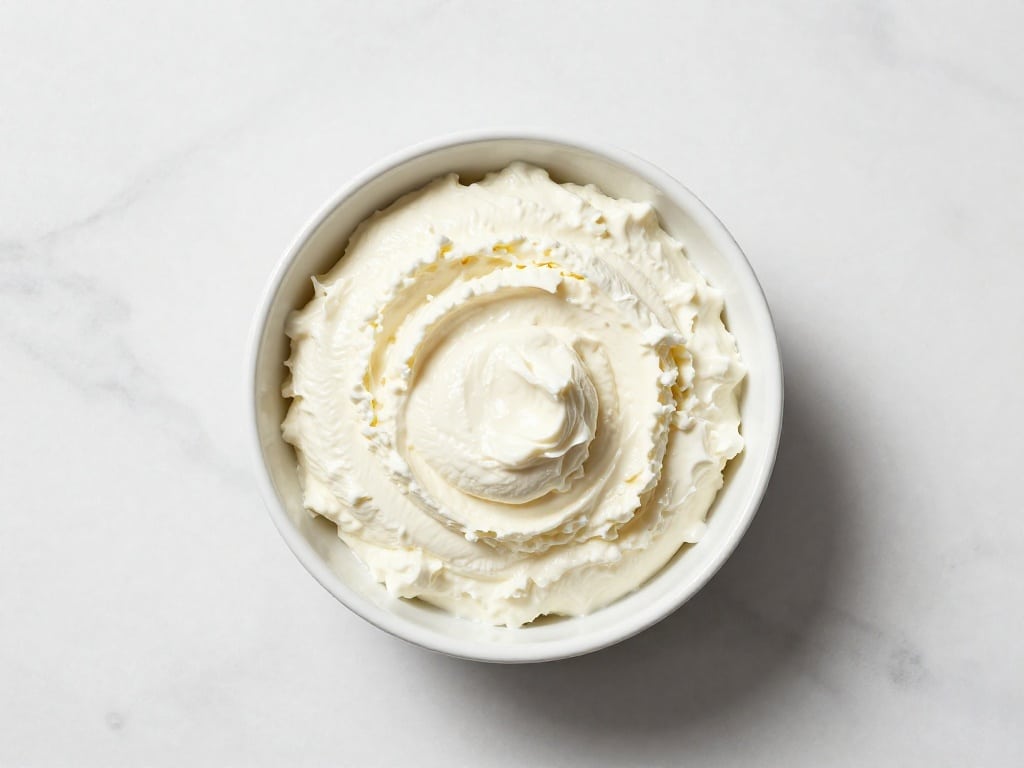
Ricotta alone is too grainy and wet to replace Catupiry directly, but blended with cream cheese in a 50/50 ratio, it becomes a genuinely useful substitute. The blend gives you Catupiry's soft volume with a lighter finish, which works well in fillings that would feel too heavy with pure cream cheese.
Use the combined blend at a 1:1 ratio against the Catupiry called for in your recipe.
Ricotta adds lightness; blending improves creaminess. To get the smoothest result, use whole-milk ricotta and blend it with cream cheese in a food processor for about 30 seconds, or beat with a hand mixer until fully uniform.
Skipping this step leaves small ricotta curds in the mix, which show up as uneven texture in a baked filling.
Moisture is the main management task here. Whole-milk ricotta typically contains more liquid than Catupiry.
If your blend looks loose, press the ricotta through a fine mesh strainer or a double layer of cheesecloth for 15 to 20 minutes before combining. That step alone tightens the texture noticeably and reduces the risk of a soggy pastry shell.
This blend shines in baked applications where you want a slightly airier interior, such as cheese-stuffed bread rolls or baked empadinhas. It is less ideal for fried pastries that need a firm, sealed filling, since any extra moisture can steam and soften the dough from the inside.
For similar soft-cheese swapping logic applied to firmer cheeses, the approach mirrors what you would do with alternatives for semi-firm cheeses where texture bridging is the main concern.
Always blend ricotta and cream cheese until fully smooth before using. A lumpy blend produces uneven texture in baked fillings, and draining the ricotta first prevents excess moisture from softening your pastry shell.
3. Mascarpone
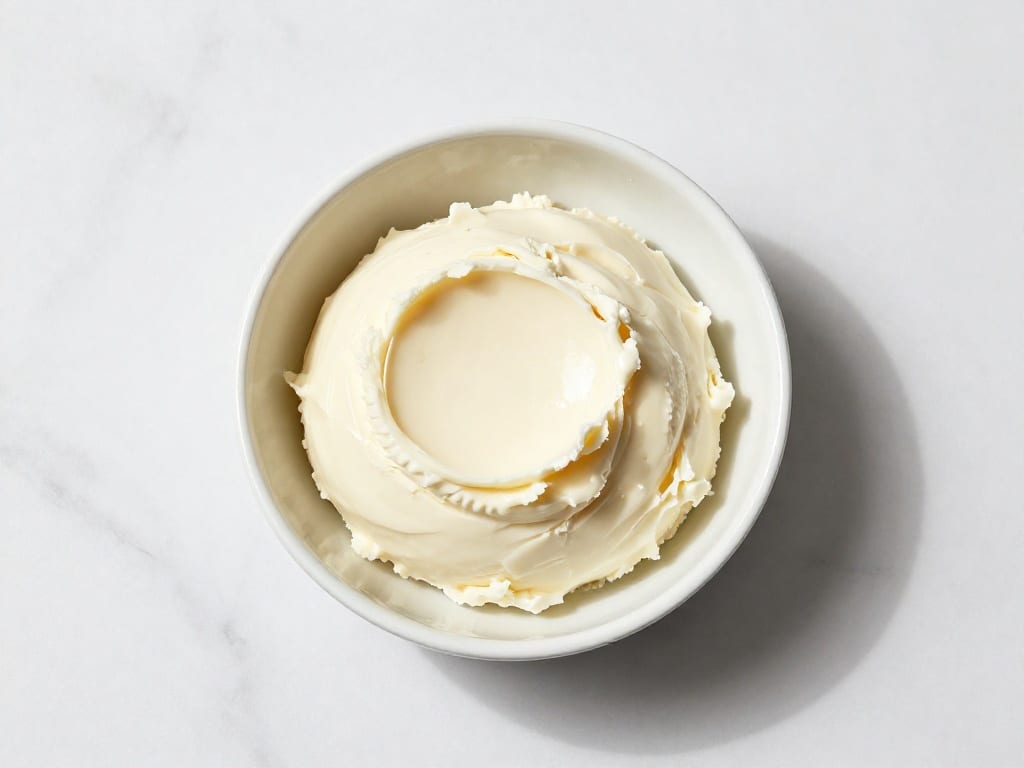
Mascarpone is ultra-creamy and mild in flavor, with a fat content around 75%, which gives it a richer mouthfeel than Catupiry. It substitutes at a 1:1 ratio and requires no prep beyond bringing it to room temperature.
The texture is noticeably denser and silkier, which is an advantage in applications where you want the filling to feel genuinely indulgent.
In baked pastries, mascarpone holds its structure well and does not break or separate at moderate oven temperatures up to about 375°F. It melts slowly and evenly, coating the surrounding filling ingredients in a velvety layer rather than pooling at the bottom.
For cheese-stuffed pastries or creamy pizza toppings, that behavior is very close to what Catupiry delivers.
The main limitation is heaviness. Mascarpone has roughly twice the fat of cream cheese, and in a delicate application, a full 1:1 swap can make the filling feel dense or cloying.
For lighter dishes, cut the mascarpone with up to 20% plain Greek yogurt to thin the fat content without adding noticeable water. That adjustment keeps the creaminess while dialing back the richness.
Flavor-wise, mascarpone is the most neutral of the five substitutes, which is actually an advantage in Brazilian-style recipes that season the filling heavily with herbs, garlic, or smoked proteins. It carries those flavors cleanly without adding any competing note.
If you regularly swap European-style soft cheeses, the same reasoning applies to finding substitutes for washed-rind soft cheeses where fat and melt behavior are the deciding factors.
Mascarpone is best for ultra-rich fillings and baked goods where a velvety, dense mouthfeel is the goal. For lighter applications, blend with a small amount of plain Greek yogurt to reduce the heaviness without losing creaminess.
4. Neufchâtel
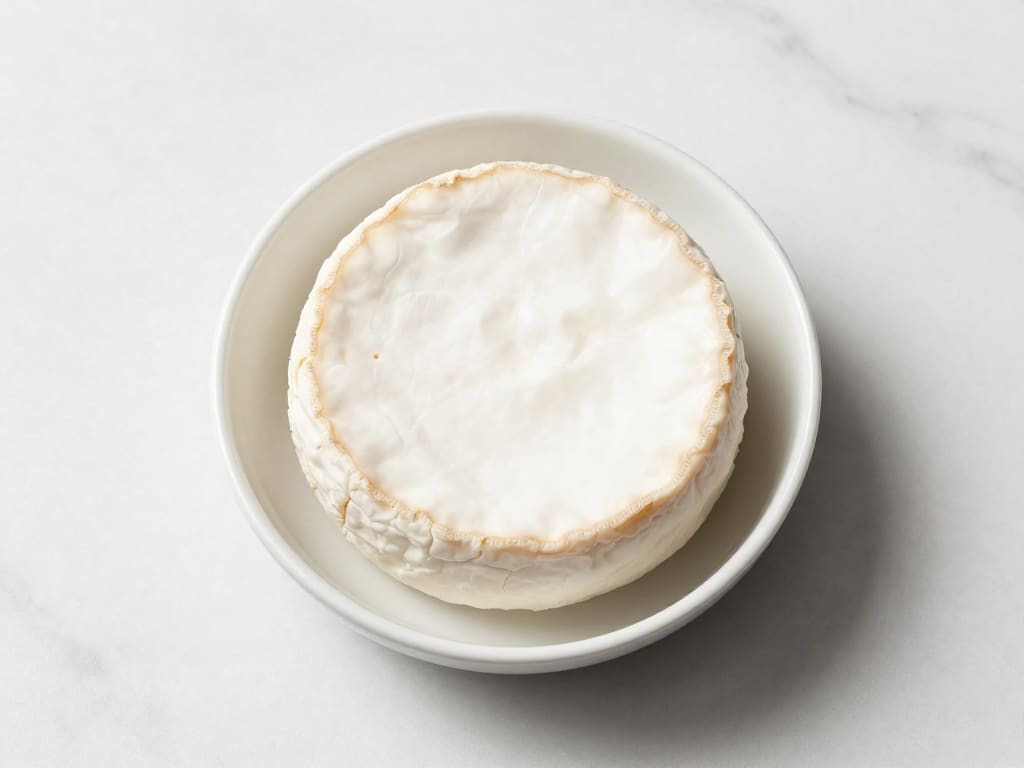
Neufchâtel is a lighter member of the cream-cheese family, with about 23% fat compared to cream cheese's 33%. In the United States, it is sold in the same block format as cream cheese and substitutes at a 1:1 ratio with almost no adjustment.
The flavor is virtually identical to cream cheese, and most people cannot tell the difference in a finished filling.
Because it carries less fat, Neufchâtel is slightly softer at room temperature and blends into fillings a little faster. That is a minor advantage when you are mixing by hand and want a uniform texture quickly.
At the same time, the lower fat means it can release slightly more moisture during baking, so the same precautions apply as with ricotta: keep the filling away from the outer pastry edge to avoid sogginess.
Neufchâtel performs very well in everyday pastéis, savory crepes, and stuffed bread rolls where you want the familiar Catupiry creaminess without the caloric weight of full-fat alternatives. It is also a practical option when you are cooking for a large crowd and want to moderate richness across a big batch of fillings.
The flavor difference from Catupiry is mild enough that heavy seasoning or a well-spiced filling masks it completely.
One practical note: in the United States, Neufchâtel is sometimes labeled "⅓ less fat cream cheese" rather than by its own name. Both products are functionally the same for this purpose.
For anyone already navigating lower-fat swaps in cheese applications, this cheese sits in similar territory to the lower-fat processed cheese substitutes that prioritize meltability over richness.
Swap Neufchâtel at a 1:1 ratio anywhere you would use cream cheese as a Catupiry stand-in. You get nearly identical flavor and spreadability with about 30% less fat, and no extra prep steps needed.
5. Parmesan-Cream Blend
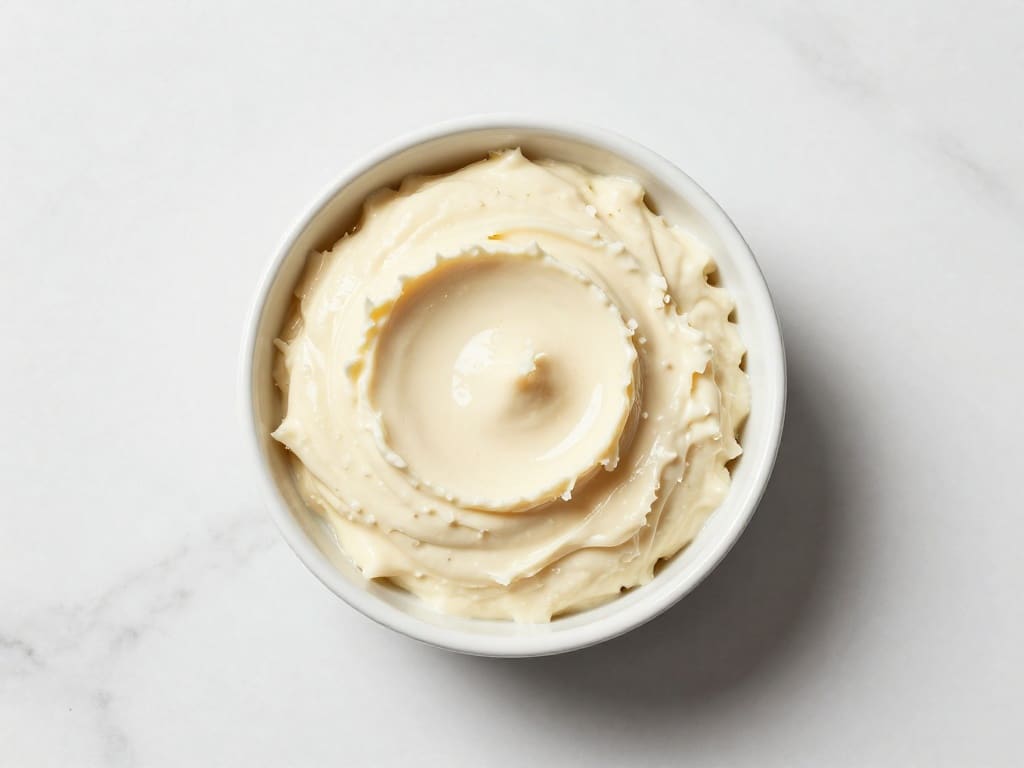
A blend of cream cheese and finely grated Parmesan creates a substitute with salty, nutty complexity that adds depth Catupiry does not naturally have. The ratio is 3 parts full-fat cream cheese to 1 part freshly grated Parmesan, combined at room temperature until fully smooth.
Against the original recipe, this blend substitutes at 1:1 for Catupiry by volume.
Parmesan adds salty, nutty complexity; cream cheese keeps it creamy and spreadable. The result is a filling that tastes more assertive than Catupiry, which makes it a strong choice for savory sauces, cheese-forward baked pastries, and applications where you want the cheese to be the dominant flavor rather than a background note.
Chicken and shrimp fillings, in particular, benefit from the extra depth.
Salt is the main adjustment point. Parmesan is significantly saltier than Catupiry, so taste your blend before adding any seasoning from the main recipe and reduce added salt by at least half.
In some recipes you may skip the added salt entirely. This is especially important for recipes that already include cured meats, olives, or capers, all of which carry their own sodium load.
This blend does not suit delicate or lightly seasoned applications. In a plain cheese pastel where Catupiry's mild, clean flavor is the star, the Parmesan-cream blend will read as too sharp and salty.
Save it for robustly seasoned fillings, thick creamy sauces, and baked gratins. For recipes where a salty, aged-cheese element is central, the same flavor logic applies to swapping cheeses like aged semi-hard cheeses with salty profiles or working with firm, salty Greek-style cheeses in cooked applications.
The Parmesan-cream blend adds significant salt. Always taste the mix before seasoning the rest of your dish, and reduce or eliminate added salt to avoid an overpowering result in delicate fillings.
How to Choose the Right Substitute?
The decision comes down to two factors: fat content and flavor intensity. For everyday pastéis, pastries, and stuffed snacks, cream cheese or Neufchâtel are the safest choices because they match Catupiry's texture most closely with the least flavor shift.
When richness is the priority, mascarpone is the right call. When you want a lighter result, the ricotta-cream blend fills that gap.
Save the Parmesan-cream blend for dishes where a bold, savory edge enhances the overall flavor rather than competing with it.
- Fried pastries and pastéis: Cream cheese or Neufchâtel at 1:1. Both stay cohesive under the heat of frying and do not flood the dough with moisture.
- Baked pastries and bread rolls: Mascarpone or the ricotta-cream blend. Both handle moderate oven heat without breaking and give a smooth interior texture.
- Creamy sauces: Cream cheese at 1:1, thinned with a splash of milk or cooking water if needed for a pourable consistency.
- Savory, cheese-forward fillings: Parmesan-cream blend at 3:1 cream cheese to Parmesan. Reduce all other salt in the recipe accordingly.
- Lower-fat applications: Neufchâtel at 1:1. Works identically to cream cheese with less richness and no extra prep.
If you are navigating soft-cheese swaps for other recipes, the same principles of texture-first selection apply whether you are working with substitutes for crumbly, tangy cheeses or alternatives to bold blue-veined cheeses.
Frequently Asked Questions
Can these substitutes perfectly mimic Catupiry in flavor and texture?
No substitute is a perfect match. Cream cheese and Neufchâtel come closest in texture, while mascarpone is nearest in mildness, but Catupiry's exact tangy-soft profile is unique to its Brazilian production method.
Which substitute is best for baking pastries that normally contain Catupiry?
Mascarpone is the best choice for baked pastries. It holds its structure at temperatures up to 375°F and melts evenly without releasing excess moisture that could soften the dough.
Do I need to adjust salt when using substitutes, and how much?
Only the Parmesan-cream blend requires a salt adjustment. Reduce added salt by at least half, or eliminate it entirely if the recipe already includes salty ingredients like cured meats or olives.
How do I blend ricotta with cream cheese for the smoothest result?
Drain the ricotta through a fine mesh strainer for 15 to 20 minutes first, then blend equal parts ricotta and cream cheese in a food processor for 30 seconds until fully smooth and lump-free.
Which substitute works best for pasta fillings like pastéis or pastel de queijo?
Full-fat cream cheese at room temperature is the top pick for pastéis. It stays cohesive under frying heat, does not release excess liquid, and delivers a smooth, sealed filling at a 1:1 ratio.
Savory Tweaks: 5 BEST Catupiry Cheese Substitutes
Ingredients
Method
- Choose your substitute based on the dish type and desired flavor match. Use cream cheese or Neufchâtel for fried pastries, mascarpone or ricotta-cream blend for baked goods, and Parmesan-cream blend for savory, bold fillings.
- Prepare the substitute as directed: bring cream cheese, mascarpone, or Neufchâtel to room temperature before use. For the ricotta blend, drain the ricotta through a fine mesh strainer for 15 to 20 minutes, then combine with cream cheese in a food processor until smooth.
- Apply the substitution ratio carefully. All five substitutes use a 1:1 ratio by volume against the Catupiry called for in your recipe, except the Parmesan-cream blend which uses 3 parts cream cheese to 1 part Parmesan to equal 1 part Catupiry.
- Taste and adjust seasoning. The Parmesan-cream blend adds significant salt, so reduce or eliminate added salt in the recipe. All other substitutes require little to no seasoning adjustment.
Notes
- Always bring soft cheeses to room temperature before using as a Catupiry substitute. Cold cheese is too stiff and can tear pastry dough.
- For fried pastries, keep the filling at least half an inch away from the dough edge to prevent moisture from softening the seal during frying.
Tried this recipe?
Let us know how it was!
Carrie is a food writer and editor with more than 15 years of experience. She has worked for some of the biggest names in the food industry, including Bon Appétit, Food & Wine, and Martha Stewart Living.
As the Editor in Chief of EpicureDelight, Carrie oversees all of the content on the site. She also manages the team of contributing writers and editors, who help to create delicious recipes, helpful tips, and informative articles that you’ll find on the site.
A native of the Chicago area, Carrie is passionate about all things food. She loves trying new restaurants and experimenting with new recipes in her kitchen. She’s also a graduate of the Culinary Institute of America, so she knows a thing or two about food!



