
Collard greens are the strongest Tuscan kale substitute for long braises, while Swiss chard suits quick sautés and baby spinach suits tender sauces. Match the leaf to the cooking time before adjusting flavor or volume.
The good replacement for Tuscan kale is not always the most obvious one. Texture and cooking time matter as much as flavor here, because you are often working with dishes where the green is a structural element, not just a garnish.
Typical substitution ratios range from 1:1 to 1:1.5 depending on how dense the replacement leaf is and how long the dish cooks. A quick sauté calls for different math than a two-hour braise.
If you enjoy swapping fresh herbs and greens in Italian-style cooking, the same practical mindset applies here: match the function first, then adjust for flavor.
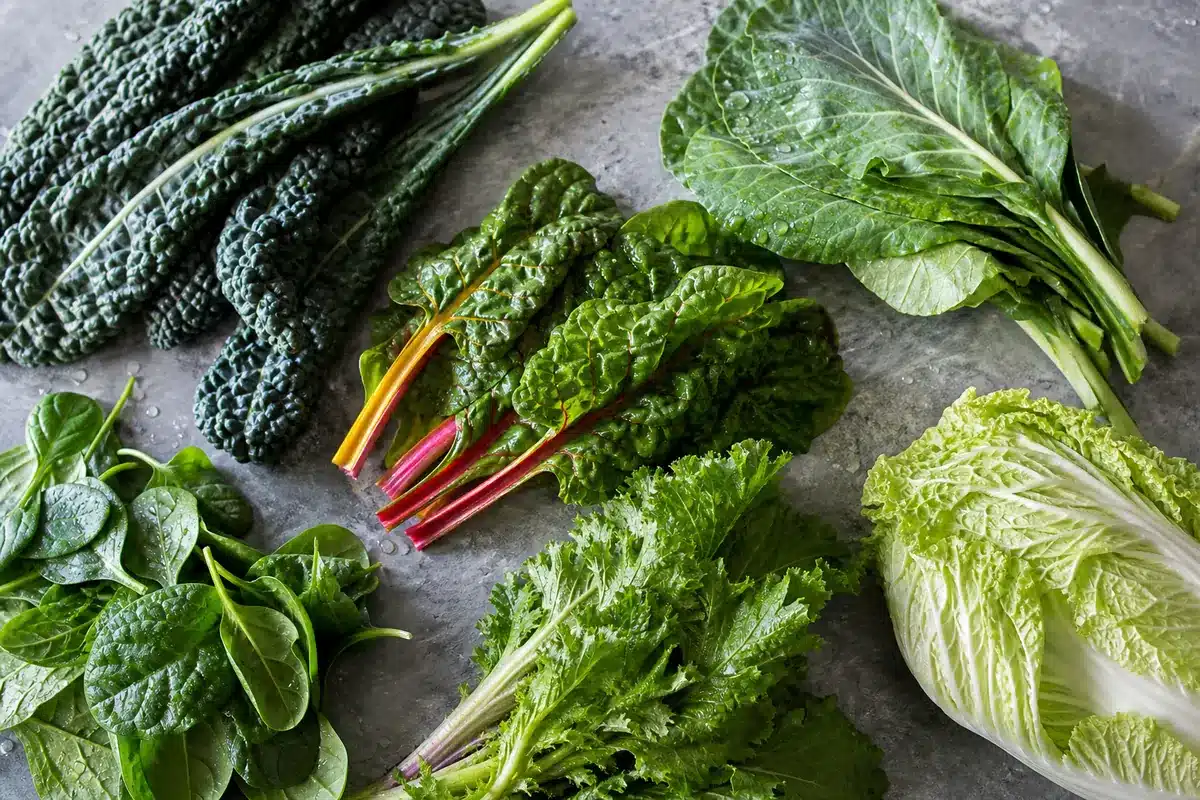
The five best Tuscan kale substitutes are collard greens, Swiss chard, baby spinach, mustard greens, and Napa cabbage. Ratios range from 1:1 to 1:1.5 because tender leaves wilt faster and release more water.
Which Tuscan Kale Substitute Fits the Cooking Method?
| # | Substitute | Ratio | Best For | Taste Match |
|---|---|---|---|---|
| 1 | Collard Greens | 1:1 sauté. 1:1.5-2 soups/braises | Hearty stews, bean dishes, rustic pasta | Close |
| 2 | Swiss Chard | 1:1.25 sauté. 1:1.5 soups | Lighter sautés, frittatas, grain bowls | Mild |
| 3 | Baby Spinach | 1:1 light dishes. 1:1.5 sauces | Quick sautés, glossy sauces, light soups | Mild |
| 4 | Mustard Greens | 1:1.5 most dishes. 1:1 with sweet components | Spicy sausage dishes, strong beans, braises | Different |
| 5 | Napa Cabbage | 1:1.5 soups. 1:1 sautés | Miso soups, light pasta, stir-fries | Mild |
Before going deep on each substitute, it helps to see all five options side by side. The table below maps each green to its typical substitution ratio, the dish types it handles best, and the key tradeoff you need to know.
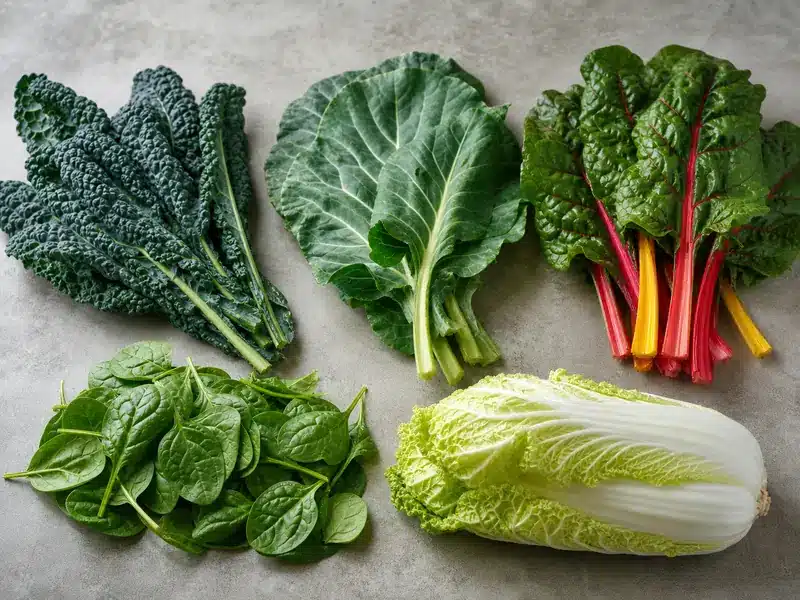
Use this as a quick-reference checklist before you start cooking.
Collard greens and Swiss chard are the closest structural matches. Spinach is the fastest and most accessible option.
Mustard greens add heat that needs managing. Napa cabbage is the lightest of the five and works best when you want crunch rather than chew.
1. Collard Greens
Collard greens are the top texture match for Tuscan kale in soups and braises. Use a 1:1.5 ratio and cook for at least 30 minutes to get the same tender-but-substantial bite.
Collard greens are the closest structural match to Tuscan kale in terms of leaf density and chew. Their thick, flat leaves hold up through long cooking without going limp, and their flavor is slightly milder but still earthy enough to carry a hearty dish.
Use a 1:1 ratio for sautés and a 1:1.5 ratio for soups or braises, where the extra volume compensates for longer cooking shrinkage. Strip the center rib from each leaf before chopping, as the rib is significantly tougher than the kale stem and can stay fibrous even after extended cooking.
For soups and stews, collards actually benefit from the longer cook time because the leaves soften progressively, absorbing the surrounding broth.
Collards pair especially well with bean-based stews, rustic pastas with olive oil and garlic, and braises involving sausage or smoked pork. If you are building a ribollita or a white bean soup, collards are arguably the best swap in this entire list.
One tradeoff to note: collards have a slightly more bitter edge when under-cooked. Give them at least 10-12 minutes in a sauté pan or 30-40 minutes in a slow braise to fully tame that bitterness.
Finishing with a squeeze of lemon or a splash of acid like malt or white wine vinegar brightens the flavor nicely.
2. Swiss Chard
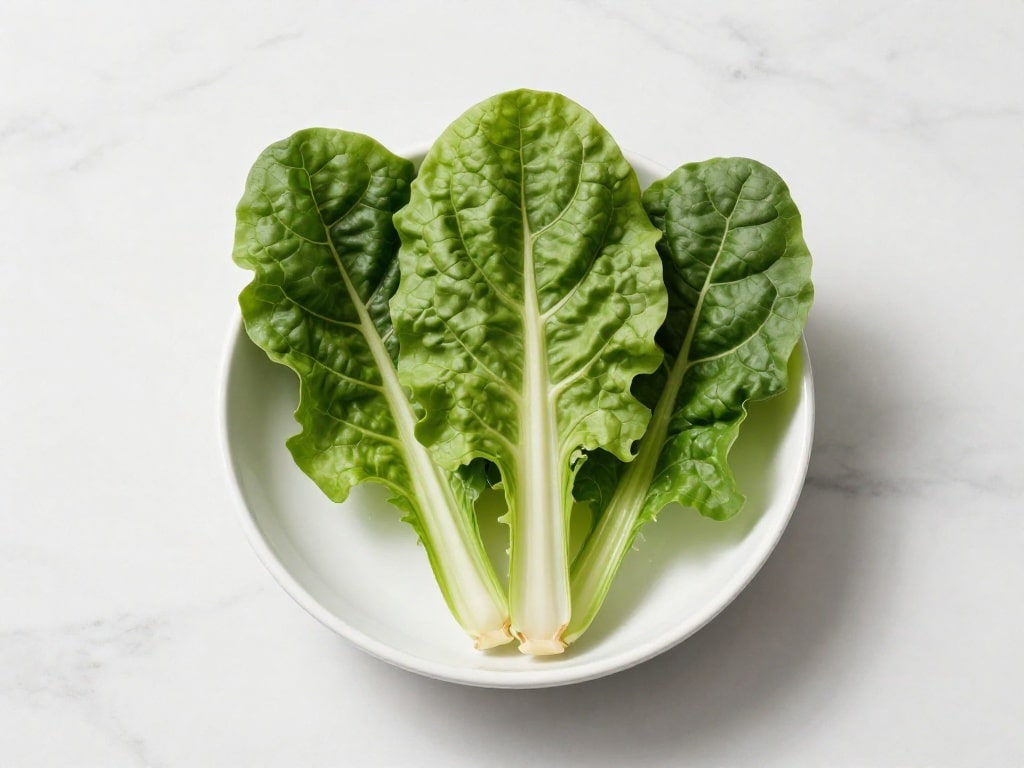
Swiss chard is a gentler substitute with softer leaves, a mildly earthy flavor, and beautiful color variation depending on the variety. It mimics Tuscan kale well in sautés, but it cooks significantly faster, so timing adjustments matter.
The recommended ratio is 1:1.25 for sautés and 1:1.5 for soups, since chard leaves compress more than kale during cooking. The stems deserve special attention: they are edible and flavorful, however they need 3-4 additional minutes of cooking compared to the leaves.
Mince the stems finely and add them to the pan first, or slice them thin and treat them like celery in a soffritto base. This technique preserves texture in the finished dish without any chewiness in the final bite.
Swiss chard works particularly well in frittatas, grain bowls, and lighter pasta sauces where Tuscan kale would otherwise dominate. It is also a smart choice for dishes finished with white wine, as chard's mild sweetness pairs naturally with that acidity.
One area where chard falls short is very long braises: it can turn murky and lose its bright color after more than 45 minutes of cooking.
Swiss chard releases more moisture than Tuscan kale during cooking. If you are making a sauce or a stuffed pasta filling, pat the cooked chard dry with a paper towel before incorporating it to prevent a watery result.
Chop the stems small and cook them for 3 to 4 minutes before adding the leaves.
Add the tender leaves later so they wilt without becoming stringy or dull.
3. Baby Spinach
Baby spinach is the most accessible Tuscan kale substitute and the quickest to cook. It has a mild, slightly sweet flavor with none of the pepper or bitterness you get from kale.
That gentleness is both its strength and its limitation: in bold, heavily seasoned dishes, spinach can fade into the background rather than contributing to the overall flavor structure.
Use a 1:1 ratio for light dishes such as simple sautés, soups with delicate broths, or pasta tossed with olive oil. Increase to 1:1.5 in sauces to avoid a watery texture once the spinach releases its liquid.
Baby spinach wilts in under 2 minutes in a hot pan, so add it at the very end of cooking rather than at the same stage you would add Tuscan kale. In soups, stir it in just before serving.
Spinach is the right choice when you want greens as a finishing element rather than a structural backbone. Think of it in white bean soup, lemon pasta, or a quick weeknight sauté where the dish relies primarily on other flavors.
If you are cooking a dish where greens are the star, like a ribollita or a braised greens side, spinach will not hold up as well as collards or chard.
Volume reduction is the key variable to manage. A full bunch of baby spinach collapses to roughly one-quarter of its raw volume once cooked.
Measure your spinach after wilting rather than before for the most accurate portion control in sauces and fillings.
Spinach wilts fast and releases a surprising amount of liquid. Add it at the very end of cooking and never cover the pan, or your sauté will steam into a watery mess.
4. Mustard Greens
| If the greens taste | Add | Why it works |
|---|---|---|
| Too peppery | Cream, beans, or potato | Fat and starch soften the heat |
| Too bitter | Lemon or a small pinch of sugar | Acid or sweetness restores balance |
| Too mild | Garlic or chili flakes | Aromatic heat replaces missing bite |
Mustard greens bring a peppery, slightly spicy heat that Tuscan kale simply does not have. They are a bold swap, best reserved for dishes that can absorb or balance that intensity.
Use a 1:1.5 ratio for most dishes, since mustard greens are less dense than Tuscan kale and cook down significantly. Drop to a 1:1 ratio in dishes that already include sweet or starchy components, such as roasted squash, caramelized onions, or starchy potatoes, because those ingredients naturally absorb the peppery edge.
Always trim the thick center ribs before chopping. they are much more fibrous than the leaf and add an unpleasant texture if left in.
The best pairings for mustard greens as a Tuscan kale substitute include spicy Italian sausage, white beans, and long-cooked braises with tomato. The heat of the greens integrates into the sauce over time.
Dairy also tones down the pepper: a splash of cream or a handful of melting cheese in the dish softens the sharp edges considerably.
Cooking time for mustard greens is close to Tuscan kale in sautés, around 8-10 minutes over medium heat. In braises, they mellow significantly after 20-25 minutes, losing much of the raw bite.
If you prefer a milder result, blanch them in salted boiling water for 2 minutes before adding them to the dish.
5. Napa Cabbage
Napa cabbage is the lightest option on this list, with crinkled pale leaves, a mild sweetness, and a satisfying crunch that persists even after brief cooking.
It does not replicate the deep earthiness of Tuscan kale, however it fills in the textural role reliably in lighter dishes where kale's intensity would feel heavy-handed anyway.
Use a 1:1.5 ratio for soups and a 1:1 ratio for sautés where you want the cabbage to stay slightly crunchy rather than fully softened.
Slice the leaves into wide ribbons rather than chopping them fine because larger pieces hold their texture better through heat.
In stir-fries and miso soups, add Napa cabbage in the final 3-4 minutes of cooking to preserve that distinctive snap.
Napa cabbage is a natural fit for miso-based soups, light pasta sauces, and Asian-inflected stir-fries that call for some leafy green presence. If you enjoy using sesame-forward sauces in your cooking, Napa cabbage pairs particularly well with those nutty, savory profiles.
The main limitation is moisture: Napa cabbage contains more water than Tuscan kale, so it can make soups and sauces slightly thinner. In a braise or a slow-cooked dish, reduce the added liquid by about 10-15% to compensate.
For stir-fries, cook it uncovered over high heat so the excess water evaporates quickly rather than steaming the other ingredients.
Slice Napa cabbage into wide ribbons and add it in the last 3-4 minutes of cooking. This keeps the crunch intact and prevents the leaves from releasing excess water into the dish.
How Do You Choose the Right Tuscan Kale Substitute?
The decision comes down to three variables: the texture you need, the flavor intensity the dish can handle, and how long the green will be cooking. Map your dish against those three points and the right substitute becomes clear fast.
- Choose by texture: For chew and substance, collard greens are the top pick. For tender, lighter bites, Swiss chard or baby spinach works better. Napa cabbage is the right call when you want crunch rather than softness.
- Choose by flavor: Peppery mustard greens suit bold meat-forward dishes and strong bean preparations. Milder greens like spinach and Napa cabbage suit delicate sauces, broths, and grain-based dishes where a heavy flavor would overpower.
- Choose by cook time: Braises and slow soups need collards or mustard greens, which hold up through extended heat. Quick sautés and stir-fries benefit from spinach or Napa cabbage, which soften in minutes. Swiss chard sits in the middle and adapts well to both with proper stem management.
- Flavor balancing: If your substitute reads too bitter, a small pinch of sugar or a drizzle of honey corrects it. Too peppery, Add cream, starch, or a squeeze of lemon. Too mild, Boost with garlic, chili flakes, or a splash of sharp vinegar to wake up the dish.
- Seasonal availability: Collards and Swiss chard are available most of the year. Mustard greens peak in spring and fall. Baby spinach and Napa cabbage are reliable fallback options in most stores. Keep the most adaptable option stocked, just as you would with flour substitutes in baking.
Cut stems and leaves separately before timing the pan. The same choice appears in guides to tender chard replacements and peppery mustard green swaps, but Tuscan kale needs its own balance of chew and bitterness.
Match the substitute to the cooking time first, then adjust for flavor. A green that cannot survive the heat duration of your dish will undercut the entire recipe, no matter how well it tastes raw.
Sources
- USDA WIC guide to cooking and substituting leafy greens
- University of Maryland Extension guide to cooking leafy greens
Frequently Asked Questions
Can I substitute Tuscan kale in raw preparations like salads,
Collard greens and baby spinach can work raw. Massage collards with olive oil and salt for 2 minutes before dressing.
Spinach needs no massage and can replace kale directly by volume.
Which substitutes work best in creamy sauces,
Baby spinach and Swiss chard integrate smoothly because their mild leaves wilt without leaving fibrous pieces.
How does freezing affect substitutes,
Frozen spinach and collards work in cooked dishes. Thaw and squeeze out excess water so they do not thin the sauce.
Which substitute comes closest nutritionally,
Collard greens provide a similar mix of vitamins K and C, calcium, and fiber, although exact values depend on serving size and cooking.
How can I tell a substitute is failing,
Excess pan liquid, washed-out flavor, or mushy leaves show that the green wilted too fast, entered too early, or was used at the wrong volume.

Carrie is a food writer and editor with more than 15 years of experience. She has worked for some of the biggest names in the food industry, including Bon Appétit, Food & Wine, and Martha Stewart Living.
As the Editor in Chief of EpicureDelight, Carrie oversees all of the content on the site. She also manages the team of contributing writers and editors, who help to create delicious recipes, helpful tips, and informative articles that you’ll find on the site.
A native of the Chicago area, Carrie is passionate about all things food. She loves trying new restaurants and experimenting with new recipes in her kitchen. She’s also a graduate of the Culinary Institute of America, so she knows a thing or two about food!



