
Blood oranges have a short season, roughly January through March in most markets, and they vanish fast.

When your recipe calls for that deep ruby juice or those dramatic red segments and the shelves are bare, you need a reliable backup that holds the dish together without flattening the flavor.
These oranges are prized for their deep red flesh, bright acidity, and sweet-tart balance that sets them apart from standard navel varieties. That combination of color, sweetness, and tang is what makes finding a substitute for small citrus fruit varieties like blood oranges genuinely tricky.
The five substitutes covered here were chosen to match blood orange performance across baking, sauces, dressings, and cocktails. Each one targets a specific dimension: color depth, acid brightness, floral aroma, or sweetness balance.
No single swap is perfect for every application. The right choice depends on what your dish needs most and how much flexibility you have with color and tartness.
Blood oranges are hard to replace perfectly because they combine deep red color, bright acidity, and a sweet-tart berry-like aroma. The five best substitutes are Cara Cara orange, Valencia orange, pink grapefruit, clementine/mandarin, and flavor-boosting add-ins like pomegranate juice. Choose based on what your dish needs most: color, acid, or fragrance.
Blood Orange Substitutes in Detail
The table below gives you a fast reference for all five substitutes. Ratios are starting points; adjust based on the ripeness of your fruit and the acidity level your dish needs.
Sweetness, acidity, and color are the three variables to track. No substitute scores equally across all three, so use the "Best For" column to match each option to your recipe type.
| # | Substitute | Ratio | Best For | Taste Match |
|---|---|---|---|---|
| 1 | Cara Cara Orange | 1:1 | Baking, salads, glazes | Close |
| 2 | Valencia Orange | 1:1 | Juicing, sauces, marinades | Mild |
| 3 | Pink Grapefruit | 1:1 (reduce bitterness) | Dressings, cocktails, baked goods | Close (more bitter) |
| 4 | Clementine/Mandarin | 1:1 or 1.5:1 for juice | Glazes, jellies, desserts | Different (sweeter) |
| 5 | Pomegranate + Orange Add-in | 1 tablespoon per ½ cup juice | Sauces, cocktails, dressings | Close (color + tartness) |
Save This for Later
Pin this 5 best blood oranges substitutes to consider guide so you always have it when you need it.
Pin This Guide1. Cara Cara Orange
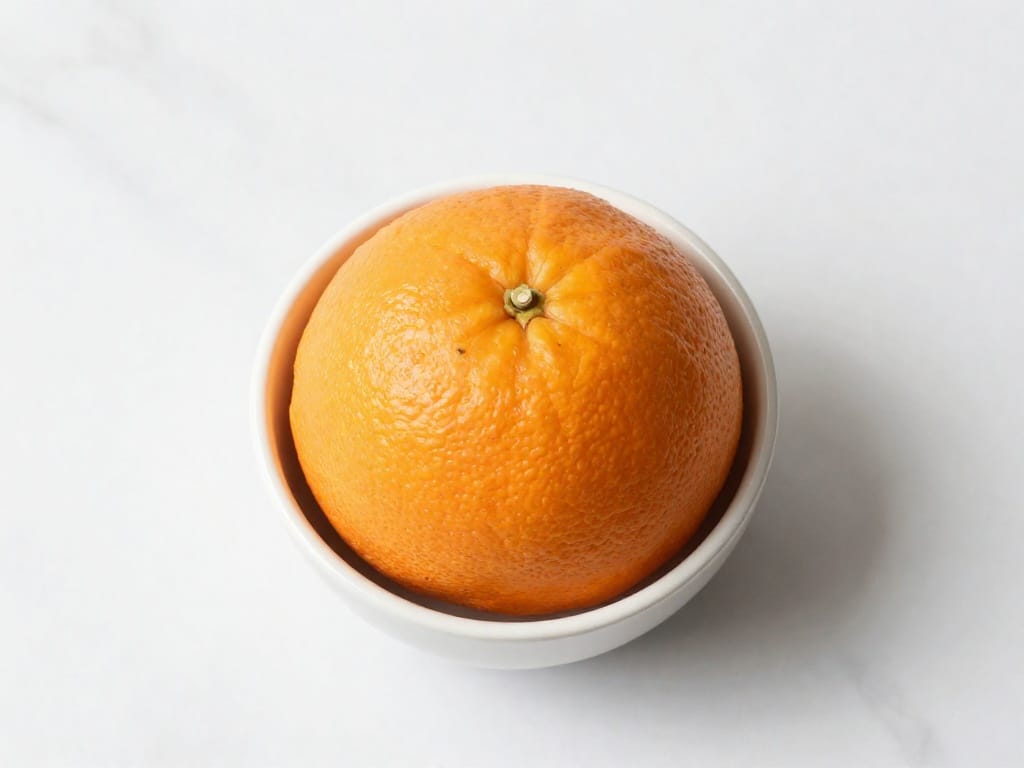
Cara Cara oranges are pinkish-red inside with a sweeter, less acidic profile than typical navel oranges, making them the closest non-blood option in both appearance and flavor.
The flesh has a mild berry-like undertone that echoes what blood oranges bring to salads, baked goods, and light sauces.
Use Cara Cara at a 1:1 ratio for segments, juice, and zest. The color will be a rosy pink rather than deep red, so dishes that rely on blood orange's dramatic hue will look slightly different.
The sweetness is higher and the acidity lower, so add a small squeeze of fresh lemon juice to sharpen the flavor if the recipe needs that tart edge.
Cara Cara performs best when blood orange flavor is the primary note rather than a background accent. In citrus cakes, vinaigrettes, and winter salads, the swap is nearly seamless.
In cocktails, the lighter color changes the drink's visual impact, though the flavor profile stays close.
- Ratio: 1:1 for juice and segments; no adjustment needed for zest.
- Best uses: Salads, citrus cakes, tarts, marmalades, and light glazes.
- Main tradeoff: Color is rosier than red; add a few drops of lemon juice if you want more acidity.
- Aroma note: Slightly less complex than blood orange but carries a pleasant floral hint.
Cara Cara is the closest flavor match to blood orange in many baked goods and salads. It requires the least adjustment of any substitute on this list.
2. Valencia Orange
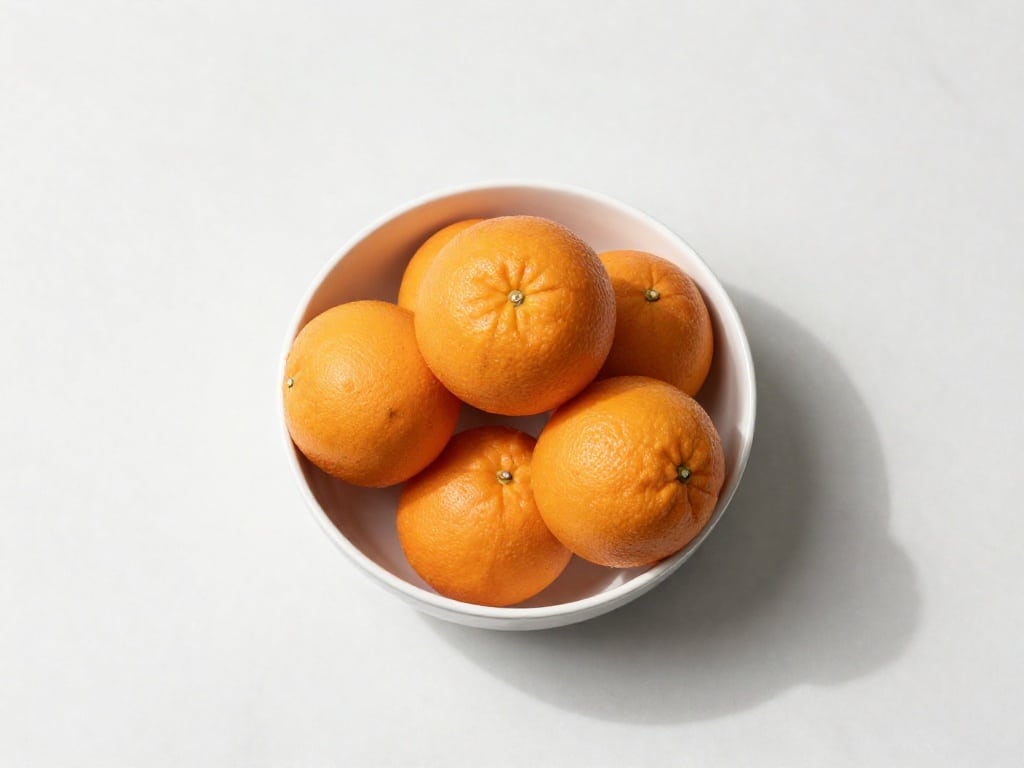
Valencia oranges produce bright, well-balanced juice with a clean citrus finish. Valencia juice is bright and balanced but lighter in aroma than blood oranges, and the color will be a standard orange rather than red or pink.
Use Valencia at a 1:1 ratio across all applications. For sauces and marinades where the deeper blood orange character matters, stir in one tablespoon of pomegranate juice or unsweetened cranberry juice per half cup of Valencia juice.
That addition lifts both the color and the tartness without overpowering the dish.
Valencia is widely available year-round, which makes it the most practical everyday swap. The juice yield is high, the flavor is reliable, and it handles heat well in reductions and glazes.
For cocktail use, the lighter color will be noticeable, so add a small splash of pomegranate juice to deepen the hue if the drink's appearance matters.
- Ratio: 1:1 for juice and segments; zest is interchangeable.
- Best uses: Sauces, marinades, reductions, vinaigrettes, and any recipe where color is secondary.
- Main tradeoff: Paler color and lighter aroma; boost with pomegranate or cranberry if needed.
- Availability: Year-round in most markets, making it the most reliable backup option.
Valencia is a good all-purpose substitute when color is less critical. Add one tablespoon of pomegranate juice per half cup to recover some depth and tartness.
3. Pink Grapefruit
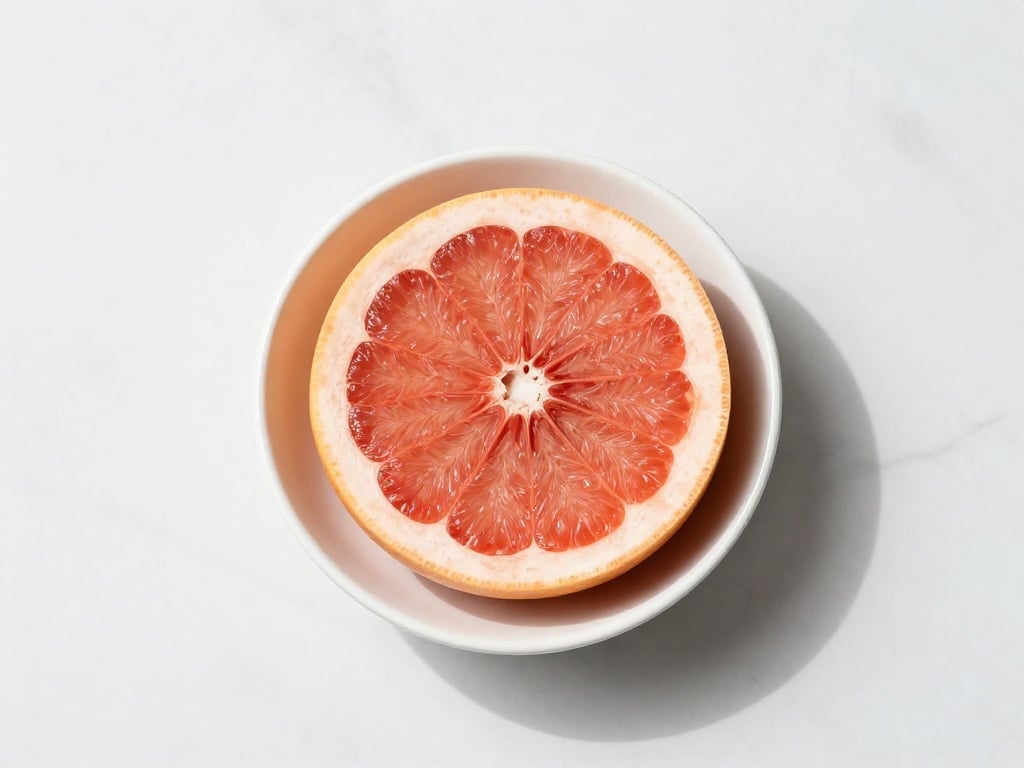
Pink grapefruit delivers strong acidity and a vibrant blush color that reads closer to blood orange than standard orange varieties do.
The tradeoff is bitterness: pink grapefruit has a noticeable bitter edge that blood oranges do not, and that bitterness can tip the balance in delicate recipes.
Use pink grapefruit at a 1:1 ratio, then taste before committing. In dressings, glazes, and cocktails, a teaspoon of honey or a small pinch of sugar per quarter cup of juice brings the bitterness into line without making the dish sweet.
In baked goods, reduce the juice by about 20% and compensate with an equal part of Valencia or Cara Cara juice to soften the bitter note while keeping the color bright.
For cocktail applications like a citrus spritz or a sour, pink grapefruit is excellent and needs minimal adjustment. The tartness pairs well with amaretto and orange juice combinations where a sharper citrus note is welcome.
Avoid using pink grapefruit as a straight swap in cream-based desserts or custards, where its bitterness amplifies rather than blends.
- Ratio: 1:1; reduce by 20% in baking and blend with a milder orange juice.
- Best uses: Dressings, cocktails, sorbets, glazes, and citrus-forward baked goods.
- Main tradeoff: More bitter than blood orange; balance with honey, sugar, or a milder citrus blend.
- Color bonus: Pink grapefruit juice adds more red-pink color than Valencia or Cara Cara.
Pink grapefruit offers vibrant color and tartness that works well in dressings and baked goods. Balance its bitterness with a small amount of honey or sugar for best results.
4. Clementine or Mandarin
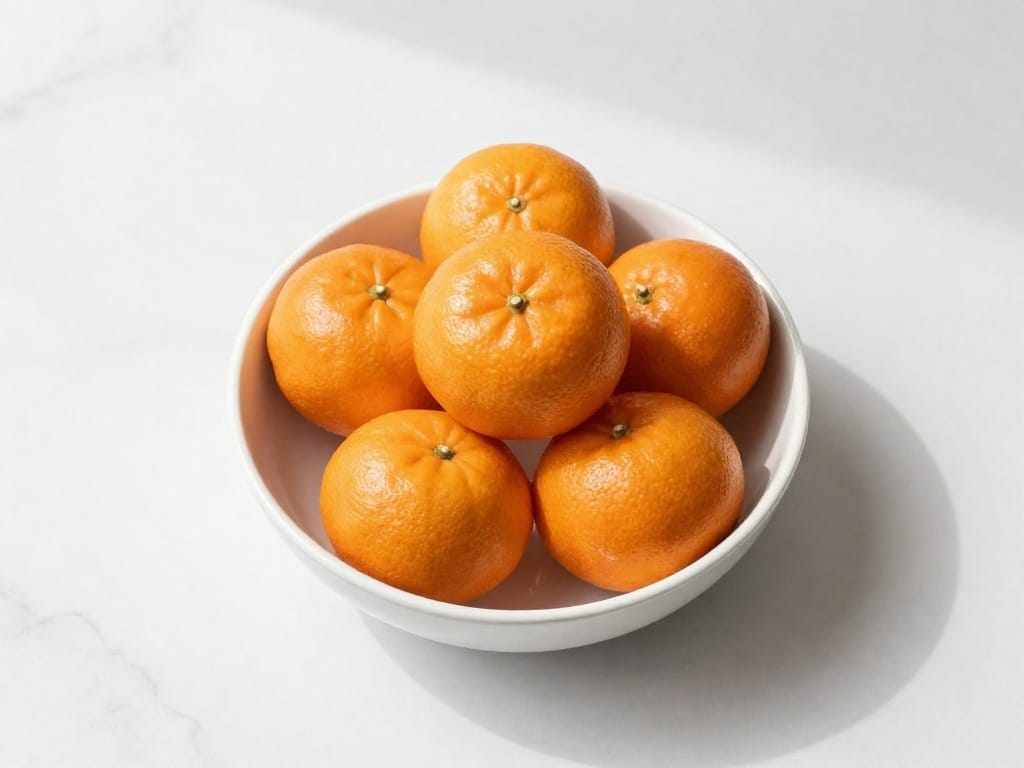
Mandarins offer bright sweetness and a floral, almost perfumed aroma that makes them ideal for glazes and desserts where fragrance matters as much as flavor. They are less acidic than blood oranges, so savory applications that rely on tartness will need a small acid correction.
Use clementines or mandarins at a 1:1 ratio for segments. For juice, you may need 1.5 clementines to match the volume of one blood orange, since they are smaller and yield slightly less liquid.
The color is a warm, bright orange rather than red. Add a teaspoon of lemon juice per half cup of clementine juice to sharpen the flavor in recipes that need more acid bite.
Clementines are a natural fit for marmalades, fruit jellies, cakes with citrus syrup, and any dessert where a floral top note improves the dish. For savory pan sauces or reductions, the lower acidity can make the result taste flat.
In those cases, combine clementine juice with a tablespoon of fresh lime juice to bring back the brightness that blood orange normally provides.
- Ratio: 1:1 for segments; 1.5:1 for juice due to smaller size.
- Best uses: Glazes, jellies, desserts, citrus syrups, and fragrant baked goods.
- Main tradeoff: Lower acidity and lighter color; add lemon or lime juice for savory applications.
- Aroma advantage: More floral and fragrant than most other substitutes on this list.
Use clementine or mandarin when you need fragrance and sweetness above all else. The color will be lighter, so pair with a touch of lemon juice in any dish where acidity is important.
Flavor-Boosting Add-ins and Combinations
Sometimes a single substitute isn't enough to replicate the full character of a blood orange.
Small amounts of pomegranate or cranberry juice can mimic deeper color and tartness without overpowering the dish, and a few drops of orange blossom water can recover some of the floral complexity that standard oranges lack.
These add-ins work best as supporting agents rather than primary substitutes. Think of them as flavor corrections you layer on top of Valencia, Cara Cara, or clementine juice to close the gap between good and accurate.
- Pomegranate juice: Add 1-2 tablespoons per half cup of orange juice. It deepens the color to a reddish-pink and adds a tangy, slightly earthy note that echoes blood orange's berry character.
- Cranberry juice: Use unsweetened cranberry at 1 tablespoon per half cup. It sharpens acidity and adds a red blush. The flavor is more astringent than pomegranate, so use it sparingly in delicate preparations.
- Beet juice: A few drops (no more than half a teaspoon per cup of juice) add a deep red color with minimal flavor impact. Beet juice is safe for all preparations including raw dressings, baked goods, and cooked sauces, though heat can slightly dull its color.
- Orange blossom water: Add 2-3 drops per cup of substitute juice. It restores the floral, perfumed aroma that Cara Cara and Valencia lack compared to blood orange.
- Lemon zest: Grating a small amount of lemon zest into your substitute juice adds a bright, aromatic lift that compensates for the lower complexity of most swap options.
When using add-ins in cocktails, pomegranate juice is the most seamless choice because its flavor profile is already familiar in bar applications. For recipes where the color of the citrus affects presentation, beet juice gives the most dramatic red shift with the least flavor intrusion.
Combine Valencia or Cara Cara juice with 1-2 tablespoons of pomegranate juice when a single substitute isn't replicating enough flavor depth. This two-ingredient blend covers color, tartness, and aroma in one step.
Decision Guide: Which Substitute Should I Use?
The right substitute depends on four factors: what's available, what type of dish you're making, how much the color matters, and how much acidity the recipe needs. Seasonality matters too: Cara Cara and clementines are winter fruits, while Valencia is available year-round.
For color-first decisions, pink grapefruit or Cara Cara gives the most visually accurate result. For acidity-first decisions, Valencia or pink grapefruit delivers the sharpest, cleanest citrus note.
For fragrance and sweetness, clementine is the clear choice.




