
Barbecue sauce does a lot of heavy lifting in a dish. It brings sweetness, tang, smokiness, and body all at once, which makes finding a quick pantry swap feel surprisingly tricky.

The good news is that most of what BBQ sauce does can be replicated with ingredients you already have. A few pantry staples, combined in the right ratios, will get you very close to the real thing in under 5 minutes.
The biggest mistakes people make when improvising are going too sweet without enough acid, or adding too much liquid and ending up with a watery sauce that slides right off the meat. Ratio control is everything here.
This guide covers five substitutes, each with a defined ratio, a clear best-use context, and honest tradeoffs. If you swap ingredients often, our guide to tomato sauce substitutes covers a useful overlapping base ingredient you will see in several options below.
Each substitute is designed for a specific performance category: grill-friendly, tangy, smoky, mustard-forward, or spicy. A decision guide at the end helps you pick the right one in about 60 seconds.
The five best barbecue sauce substitutes are honey-mustard blend, ketchup-based swap, apple-cider molasses blend, mustard-tomato paste mix, and tomato-pepper marinade. Each uses a defined ratio and suits a different flavor profile. Most come together in under 5 minutes using pantry staples.
Barbeque Sauce Substitutes in Detail
Each substitute below targets a different flavor priority. Use this table to scan your options before reading the full details.
| # | Substitute | Ratio | Best For | Taste Match |
|---|---|---|---|---|
| 1 | Honey-Mustard Blend | 1:1:1:1 (honey, mustard, vinegar, tomato paste) | Grilled chicken, pork chops | Close |
| 2 | Ketchup-Based Swap | 1 cup ketchup + 2 tablespoon vinegar + sugar | Burgers, hot dogs, sandwiches | Close |
| 3 | Apple-Cider Molasses Blend | 1:1 or 2:1 molasses to cider vinegar | Pork loin, roasted vegetables | Mild |
| 4 | Mustard-Tomato Paste Mix | 1:1 or 1:2 mustard to tomato paste | Bratwurst, sausage, sandwiches | Mild |
| 5 | Tomato-Pepper Marinade | 1:1 tomato sauce + vinegar + pepper blend | Beef, sausages, grilled ribs | Different |
Save This for Later
Pin this savory tweaks: 5 best barbecue sauce substitutes guide so you always have it when you need it.
Pin This GuideBarbecue Sauce Substitutes in Detail
1. Honey-Mustard BBQ Substitute (1:1)
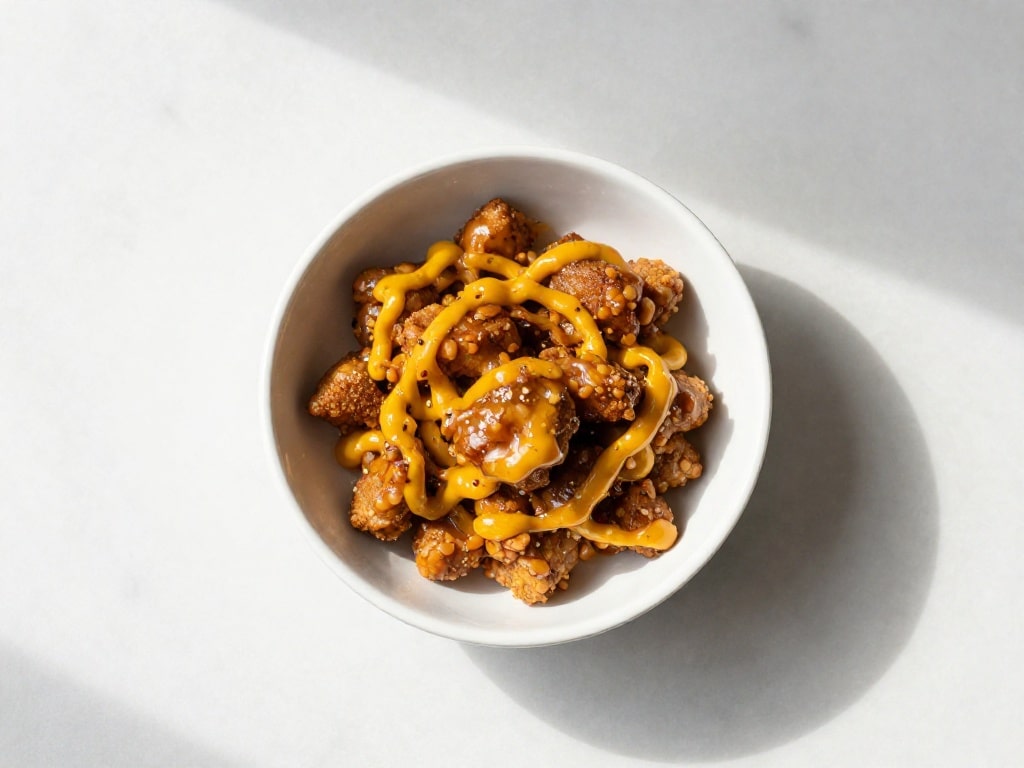
This blend works best when you want a sweet-tangy profile that still has enough body to coat grilled proteins.
Combine 1 part honey, 1 part Dijon or yellow mustard, 1 part apple cider vinegar, and 1 part tomato paste for a sauce that mimics the layered character of BBQ sauce.
Honey brings the sweetness. Mustard adds sharpness and emulsifies the mix.
Vinegar cuts through the richness. Tomato paste provides body and a mild umami base that keeps the result from tasting like a plain condiment.
This substitute shines on grilled chicken thighs and pork chops. It also works well as a sandwich spread or a dipping sauce for grilled vegetables.
The sugar content in honey means you need to keep the heat moderate during grilling to avoid burning before the protein cooks through.
For a gluten-free version, confirm your Dijon mustard label is certified gluten-free, as some brands include malt vinegar. If you are sugar-conscious, reduce honey by half and add a small amount of stevia-based sweetener to maintain sweetness without the sugar load.
To thicken the mix further, simmer it gently over low heat for 3 to 4 minutes until it reduces by about 20%. It will thicken more as it cools.
Store sealed in the fridge for up to one week.
Use this substitute for grilled chicken and pork chops. Keep grill heat at medium to prevent burning from the honey's natural sugars.
2. Tangy Ketchup-Based Swap (1:1)
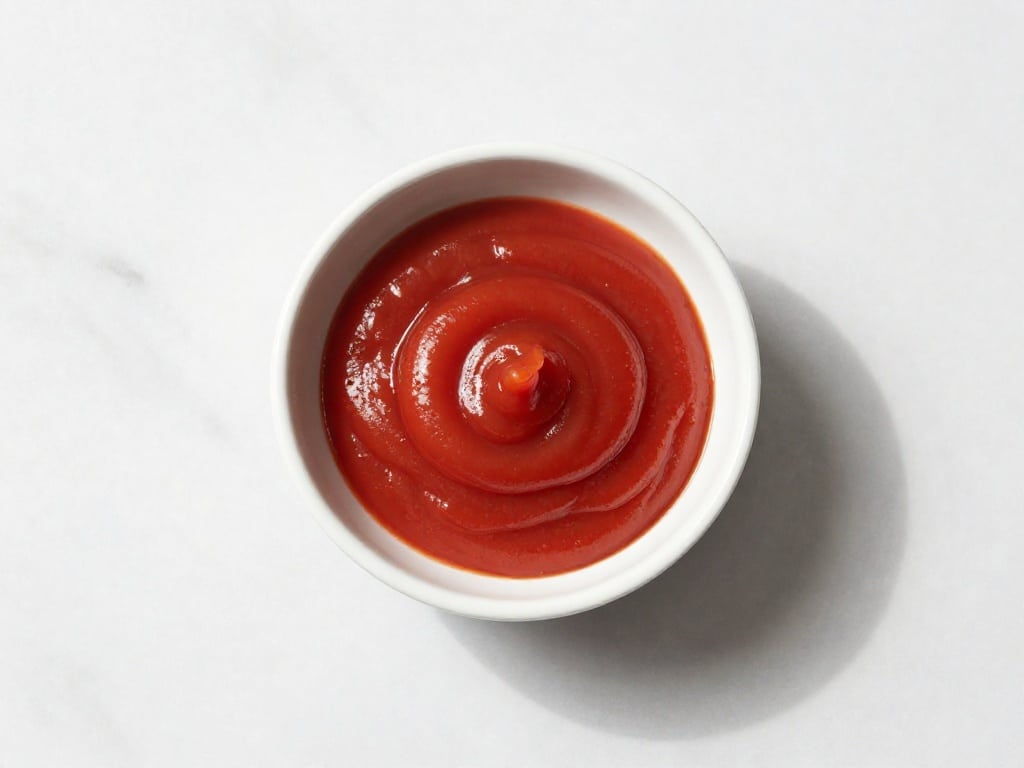
This is the most accessible substitute on the list because ketchup is already built on tomato paste, vinegar, and sugar.
The base ratio is 1 cup ketchup, 2 tablespoons vinegar, 1 to 2 tablespoons brown sugar, and 1 teaspoon smoked paprika or a few drops of liquid smoke if you want depth.
Worcestershire sauce is optional, but even a teaspoon adds a savory backbone that pushes the result noticeably closer to real BBQ sauce. The paprika matters more than most people expect.
If you want to go deeper on heat and complexity, check out the options in our hot paprika substitutes guide for smarter spice swaps.
Where this substitute excels is on burgers, hot dogs, and grilled sandwiches. The ketchup base is already smooth and sticky, so it clings well without extra thickening steps.
It also works as a quick basting sauce for ribs during the last 10 minutes of baking.
The main tradeoff is smoky depth. Ketchup-based sauce lacks the caramelized complexity of a slow-cooked BBQ sauce.
Liquid smoke helps, but use it carefully: start with 2 to 3 drops and taste before adding more, because it becomes overwhelming fast.
For a lower-sugar version, replace brown sugar with a small amount of unsweetened apple juice and reduce the ketchup by 2 tablespoons. This keeps the acidity in balance without loading in extra sweetness.
This substitute leans ketchup-forward and will not deliver the same deep smoke as traditional BBQ sauce. Liquid smoke or smoked paprika is essential if smoky flavor matters to your dish.
3. Apple-Cider Molasses Blend (1:1 or 2:1)

Molasses has a deep, almost bitter caramel richness that is closer to traditional BBQ sauce than most people realize.
The base blend is 1 part molasses to 1 part apple cider vinegar for a balanced tangy-sweet mix, or 2 parts molasses to 1 part vinegar if your dish can handle more sweetness.
The 1:1 ratio works well for dishes where you want the vinegar to cut through a fatty protein like pork loin or braised short ribs. The 2:1 ratio suits roasted vegetables and plant-based proteins, where the extra sweetness compensates for the lack of meat fat.
If the blend is too thick straight from the jar, add 1 to 2 teaspoons of water and stir. Molasses thickens considerably when cold, so warm the blend briefly before use if it has been refrigerated.
A pinch of garlic powder or smoked salt rounds out the flavor significantly.
To add heat, stir in a small amount of chili oil rather than dry flakes. Chili oil distributes more evenly in a sticky sauce base and adds a subtle warmth without making the blend gritty.
For an extra layer of tang, a small splash of Chinkiang vinegar adds a malty depth that cider vinegar alone cannot provide.
This blend is naturally gluten-free. However, it is not a low-sugar option.
Molasses is dense in natural sugar, so use it in smaller quantities if you are watching intake.
Use this blend on pork loin and roasted root vegetables. Avoid it on very delicate white fish or mild proteins where the molasses will overpower the dish.
4. Mustard-Focused BBQ Substitute (1:1 or 1:2)
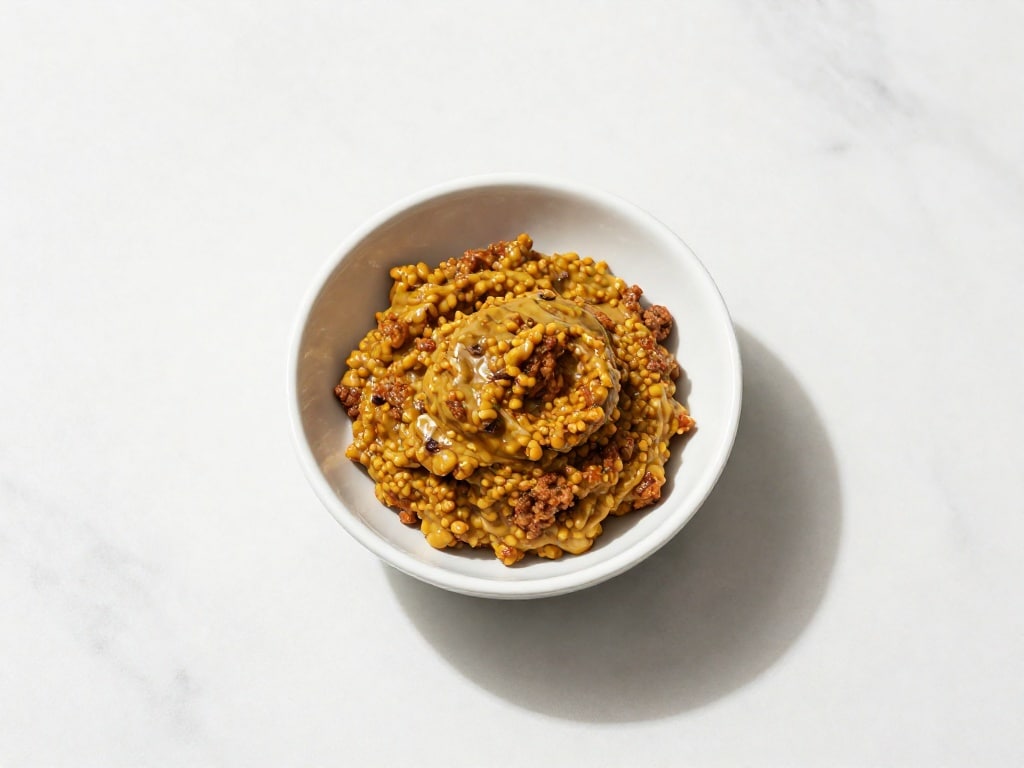
South Carolina-style BBQ sauce is already mustard-forward, so this substitute has real regional roots.
The ratio is 1 part mustard to 1 part tomato paste for a balanced mix, or 1 part mustard to 2 parts tomato paste if you want a milder, tomato-led result with just a hint of mustard bite.
Yellow mustard works well here because its lower acid content is easier to balance. If you use Dijon, reduce any additional vinegar in the recipe to avoid an overpowering tang.
Dijon is already more acidic than yellow mustard, and stacking acids creates a sharp, one-dimensional sauce.
This substitute is particularly good on bratwurst, sausages, and pulled pork sandwiches. It does not caramelize as beautifully as honey-based sauces on the grill, so use it more as a finishing sauce or spread rather than a basting glaze.
White miso paste added in small amounts (1 teaspoon per half cup) brings a savory depth that makes this blend much more complex without added sugar.
If the texture is too thin, simmer over low heat for 5 minutes after mixing. It thickens noticeably as the tomato paste concentrates.
Store for up to 10 days in a sealed jar in the fridge.
If the sauce is too thin, simmer for 5 minutes over low heat after mixing. It thickens fast once the tomato paste starts to concentrate.
5. Tomato-Pepper Marinade (1:1)
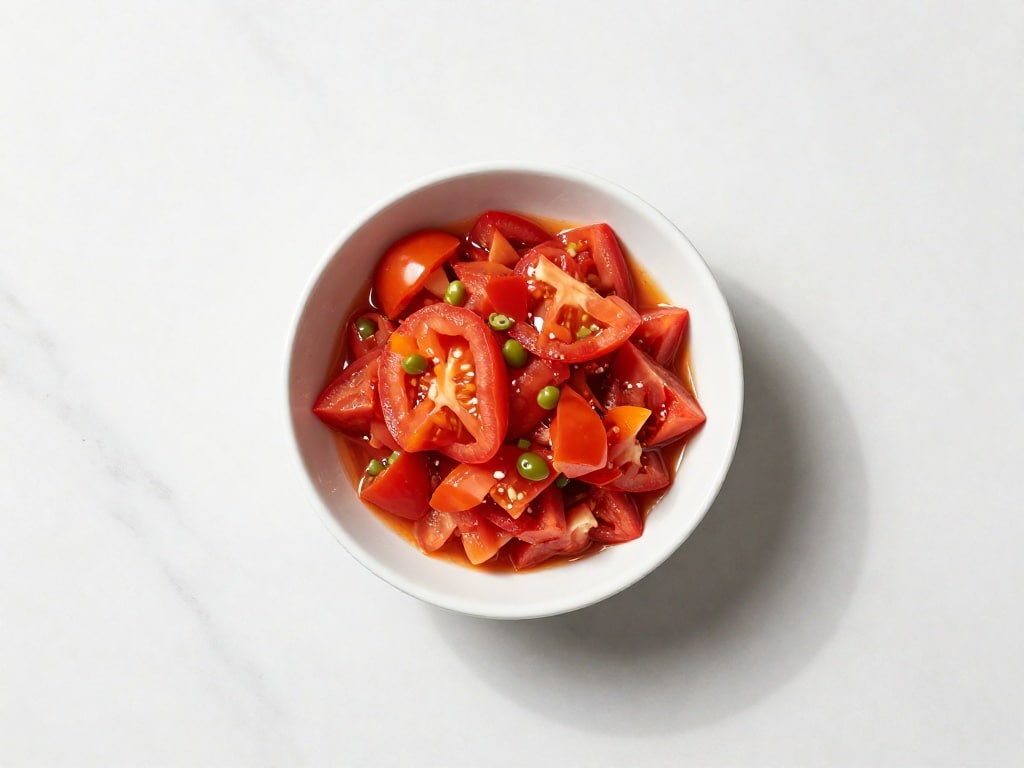
This substitute skips the sweetness almost entirely and leads with acid and heat. The base is 1 part tomato sauce to 1 part vinegar, seasoned with cayenne, black pepper, smoked paprika, and garlic powder.
A pinch of brown sugar is optional, added at the end to balance acidity rather than to sweeten the sauce.
Smoked paprika is the easiest way to add depth here. For guidance on substituting it or amplifying it, the paprika substitutes guide covers your options well.
Start with 1 teaspoon of paprika and ¼ teaspoon of cayenne per cup of sauce, then taste before adding more.
This marinade is best used on beef and sausages, where its bold acidity and heat cut through fat cleanly. It also works as a marinade base for 30-minute quick-marinated steaks before grilling.
However, it is too acidic for delicate proteins like tilapia or chicken breast, where it tends to break down the surface texture before cooking even begins.
Worcestershire sauce is a strong optional addition here. Just 1 teaspoon per cup adds an umami backbone that pushes this substitute closer to a full-flavored BBQ-style sauce.
For larger batches, scale the entire recipe proportionally and store up to 5 days refrigerated.
- Cayenne: Start with ¼ teaspoon per cup and increase gradually. It builds heat quickly.
- Brown sugar: Add just a pinch to cut acidity. Too much shifts the flavor profile toward ketchup.
- Worcestershire: 1 teaspoon per cup adds savory depth without sweetness.
- Vinegar type: White wine vinegar gives a cleaner result. Apple cider vinegar adds mild fruitiness.
Use this substitute on beef, sausages, and bold proteins. It is too acidic and peppery for delicate white fish or mild poultry without significant adjustment.
Decision Guide: Choose the Right Substitute in 60 Seconds
Picking the right substitute takes three quick decisions. Follow the steps below and you will have a clear answer before your grill is even preheated.
Step 1: Are you grilling or baking? If grilling, prioritize substitutes that handle direct heat without burning. The honey-mustard blend (1) and mustard-tomato mix (4) are your safest grill options at medium heat.
For baking or braising, all five work.
Step 2: How sweet do you want it? For a sweeter result, go with honey-mustard (1) or apple-cider molasses (3). For a more neutral or savory result, choose ketchup-based (2) or mustard-tomato (4).
If you want very little sweetness, use the tomato-pepper marinade (5).
Step 3: Smoky or tangy priority? If smoky depth matters most, the ketchup-based swap (2) with smoked paprika or liquid smoke is your best option. If tang is the priority, the tomato-pepper marinade (5) and the apple-cider molasses blend (3) deliver the sharpest acidity.
- Grill-friendly: Honey-mustard blend (1), mustard-tomato mix (4)
- Tangy priority: Apple-cider molasses (3), tomato-pepper marinade (5)
- Rich and sweet: Apple-cider molasses blend (3)
- Spicy and bold: Tomato-pepper marinade (5)
Grill-friendly: pick 1 or 4. Tangy: pick 2 or 3. Rich and sweet: pick 3. Mustard-forward: pick 4. Spicy: pick 5. Combine any two in equal parts for a custom blend.
Frequently Asked Questions
Can I substitute multiple at once for a custom blend?
Yes. Combining two substitutes in equal parts works well. Honey-mustard and ketchup-based blend together cleanly for a sweet, tangy result with more depth than either alone.
Will substitutes affect cooking time or texture?
High-sugar substitutes like the honey-mustard blend caramelize faster. Apply them in the last 10 minutes of grilling to prevent burning and a bitter char.
Are these substitutes gluten-free or sugar-free by default?
Not automatically. Check mustard and Worcestershire sauce labels for gluten. For sugar-free versions, replace honey and brown sugar with stevia or a sugar-free sweetener at a 1:1 volume ratio.
How long can I store the substituted sauce in the fridge?
Most homemade substitutes last 5 to 10 days refrigerated in a sealed container. Molasses-based blends last up to 2 weeks due to molasses's natural preservative properties.
What are the best pairing foods for each substitute?
Honey-mustard suits chicken and pork; ketchup-based works on burgers; molasses blend pairs with pork loin; mustard-tomato fits sausages; tomato-pepper is best on beef and ribs.
Savory Tweaks: 5 BEST Barbecue Sauce Substitutes
Ingredients
Method
- Choose your substitute based on the dish type and desired flavor match.
- Prepare the substitute as directed: adjust ratios and prep as noted for each option.
- Apply the substitution ratio carefully. Start with the stated amount and adjust to taste.
- Taste and adjust seasoning. Some substitutes shift flavor or texture slightly.
Notes
- High-sugar substitutes caramelize faster on the grill; apply in the last 10 minutes to avoid burning.
- Store homemade substitutes in a sealed container in the fridge for 5 to 10 days; molasses-based blends last up to 2 weeks.
Tried this recipe?
Let us know how it was!
Carrie is a food writer and editor with more than 15 years of experience. She has worked for some of the biggest names in the food industry, including Bon Appétit, Food & Wine, and Martha Stewart Living.
As the Editor in Chief of EpicureDelight, Carrie oversees all of the content on the site. She also manages the team of contributing writers and editors, who help to create delicious recipes, helpful tips, and informative articles that you’ll find on the site.
A native of the Chicago area, Carrie is passionate about all things food. She loves trying new restaurants and experimenting with new recipes in her kitchen. She’s also a graduate of the Culinary Institute of America, so she knows a thing or two about food!



