
White rice is a reliable neutral base, and that reliability is exactly why replacing it feels tricky. It absorbs flavors without competing, cooks predictably, and works across dozens of cuisines.

Finding something that does the same job without identical carbs, cooking time, or texture requires knowing what each substitute actually brings to the plate.
Plenty of reasons push people toward a swap. Low-carb goals, gluten sensitivities, wanting more protein, or simply running out of rice mid-meal prep are all fair starting points.
The good news is that several solid rice substitutes already exist in most grocery stores, and most cook in a similar time window.
The five options covered here are cauliflower rice, quinoa, bulgur wheat, barley, and couscous. Each one fits a different situation, and none of them is a universal one-size fix.
This guide pairs every substitute with exact ratios, real tradeoffs, and specific dish scenarios so you can pick the right one without second-guessing yourself.
The five best white rice substitutes are cauliflower rice, quinoa, bulgur wheat, couscous, and barley. Each swaps in at roughly a 1:1 volume ratio and suits different needs: low-carb, high-protein, fast-cook, or hearty texture. Choose based on your dish type and cooking time available.
White Rice Substitutes in Detail
Cauliflower rice swaps in at 1 cup for 1 cup raw white rice by volume, though the raw weight varies since cauliflower is much denser before processing.
Quinoa matches at roughly 1 cup cooked quinoa for every 1 cup cooked white rice in volume, making it one of the most straightforward volume-for-volume replacements on this list.
Every substitute here handles savory dishes well. The differences show up in texture, cook time, and how much flavor each one adds to the final plate.
Knowing those differences upfront saves you a mid-recipe adjustment.
Bulgur and barley both land at a 1:1.1 ratio, meaning you use slightly more dry grain than you would dry rice. Couscous mirrors white rice at a clean 1:1 by volume.
If you also need to swap out a specific variety like basmati, the ratio rules stay similar but texture expectations shift.
| # | Substitute | Ratio | Best For | Taste Match |
|---|---|---|---|---|
| 1 | Cauliflower Rice | 1:1 by volume | Stir-fries, grain bowls, low-carb meals | Mild / Close |
| 2 | Quinoa | 1:1.1 dry to cooked | Bowls, legume bases, fried rice-style | Mild / Nutty |
| 3 | Bulgur Wheat | 1:1.1 dry to cooked | Hearty bowls, tabbouleh-style dishes | Nutty / Chewy |
| 4 | Couscous | 1:1 by volume | Pilafs, quick sides, family meals | Mild / Fluffy |
| 5 | Barley (pearled) | 1:1.1 dry to cooked | Soups, stews, grain salads | Nutty / Hearty |
Save This for Later
Pin this savory tweaks: 5 best white rice substitutes guide so you always have it when you need it.
Pin This Guide1. Cauliflower Rice
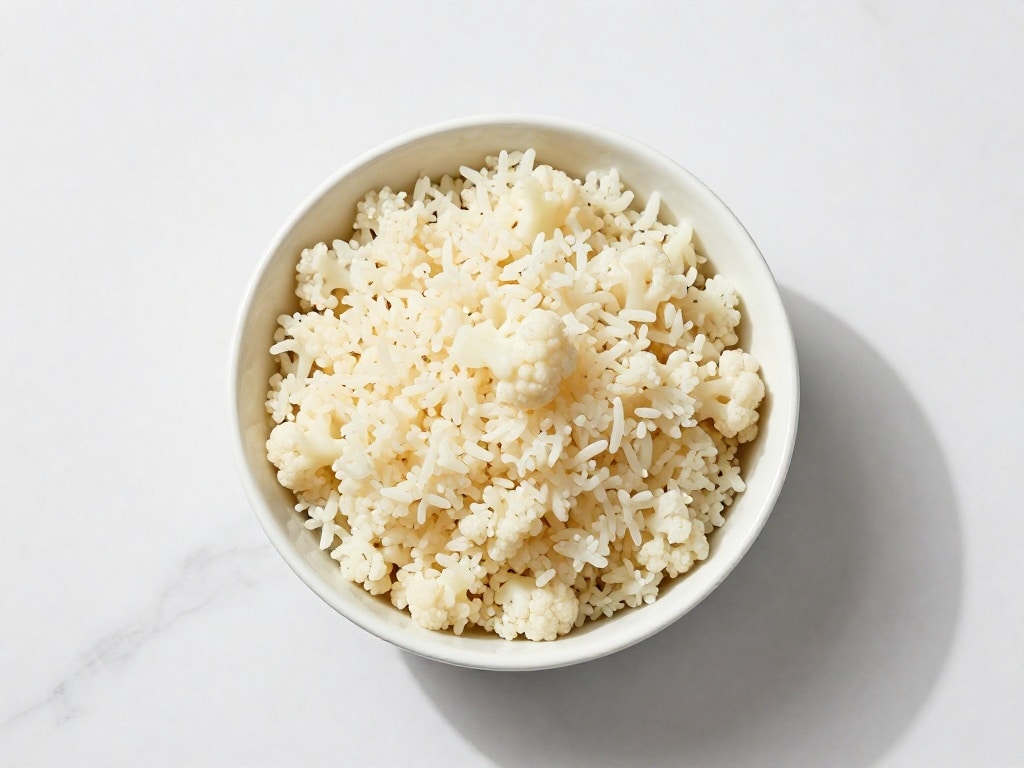
Cauliflower rice is a low-carb alternative with a light, rice-like bite when done right. You pulse raw cauliflower florets in a food processor until you hit a fine, grain-sized texture, then sauté over high heat for 4 to 5 minutes.
The high heat is non-negotiable: low heat traps steam and turns the whole thing mushy fast.
The swap ratio is 1 cup cauliflower rice for 1 cup white rice. Use it in stir-fries, grain bowls, or anywhere you want a neutral base without a heavy carb load.
It absorbs sauces and seasoning well, so a well-seasoned dish masks any mild vegetable flavor almost entirely. Pre-riced cauliflower from the freezer section works fine as long as you cook it from frozen over high heat without thawing first.
The main tradeoff is moisture. Cauliflower releases water as it cooks, which means wet sauces can make it watery if you are not careful.
Cooking in a dry, hot pan and adding sauces at the end keeps the texture right. It does not hold shape the way rice does, so it is a poor fit for dishes where rice needs to be scooped or molded.
Cauliflower rice is ideal for stir-fries and grain bowls where you want a neutral, low-carb base that soaks up bold sauces without adding competing flavor.
2. Quinoa
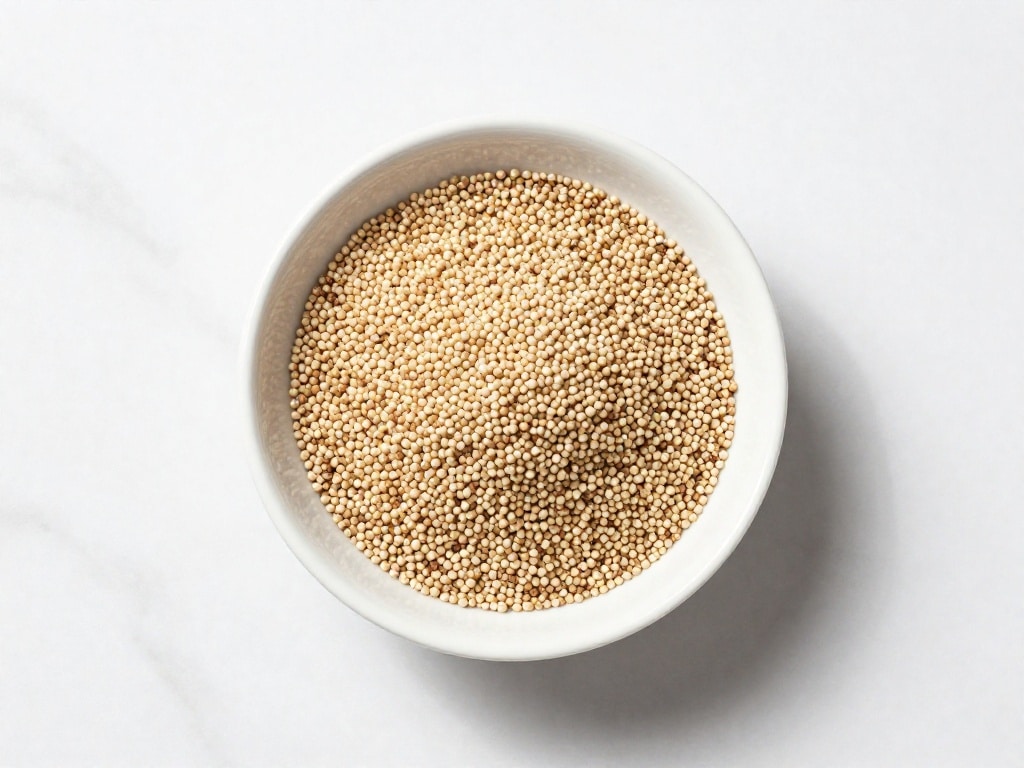
Quinoa cooks fluffy with a mild nutty flavor and contains more protein than white rice, making it a strong choice when you want the meal to carry more nutritional weight. A standard 1 cup of dry quinoa yields about 3 cups cooked, so plan accordingly when scaling up or down.
For a direct volume swap, use 1 cup cooked quinoa for every 1 cup cooked white rice.
Always rinse quinoa before cooking. It has a natural coating called saponin that turns bitter if left on.
A 30-second rinse under cold water in a fine mesh strainer is enough. From there, simmer in a 1:2 ratio of quinoa to water for about 15 minutes until the water absorbs and the small spiral germ separates from each seed.
Quinoa is naturally gluten-free, which makes it one of the few substitutes on this list that works for celiac or gluten-intolerant diets without any modification. It holds up well in fried rice-inspired dishes because it does not clump or turn sticky.
It also pairs cleanly with legumes, roasted vegetables, and herb-heavy dressings. The mild nuttiness adds a subtle background flavor that most people find more interesting than plain white rice without being distracting.
For anyone considering other grain alternatives beyond rice varieties, wild rice substitutes follow a similar protein-forward logic.
Quinoa is great for bowls, fried rice-inspired dishes, and as a protein-rich base under legumes or roasted vegetables.
3. Bulgur Wheat
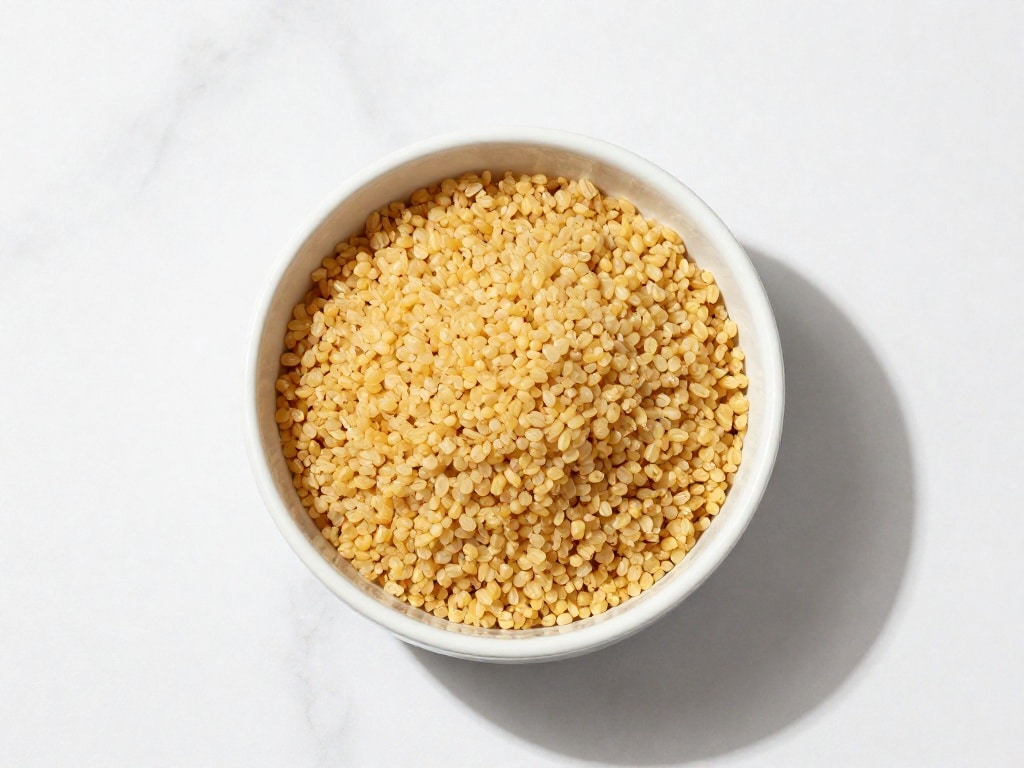
Bulgur cooks quickly and gives a chewy, nutty texture that holds up better than rice in cold preparations. It is made from cracked, parboiled wheat, which means it is already partially cooked before it reaches you.
Fine or medium bulgur can be ready in as little as 10 minutes using the absorption method: pour boiling water over it, cover, and let it sit. Coarse bulgur takes closer to 15 to 20 minutes on the stovetop.
The ratio is 1 cup dry bulgur to 1.1 cups water when swapping into recipes that call for 1 cup white rice. The result is a slightly more toothsome texture than rice, which works in its favor for grain bowls and tabbouleh-style dishes where some chew is welcome.
It absorbs dressings and acidic components like lemon juice very well, which is why it performs strongly in cold salads.
The main limitation is gluten. Bulgur comes from wheat, so it is not safe for anyone with celiac disease or a wheat allergy.
It is also not ideal for dishes that rely on starch to thicken the final texture, since bulgur does not release the same starchy quality that rice does during cooking. For dishes where sauce clings to a grain base, bulgur holds its own surface texture instead of merging with the liquid.
Anyone interested in using other rice-based products in cooking should note that rice flour substitutes operate on completely different rules when it comes to starch absorption.
Bulgur is best for hearty grain bowls and tabbouleh-style dishes where a chewy, nutty texture adds more interest than plain white rice would.
4. Couscous
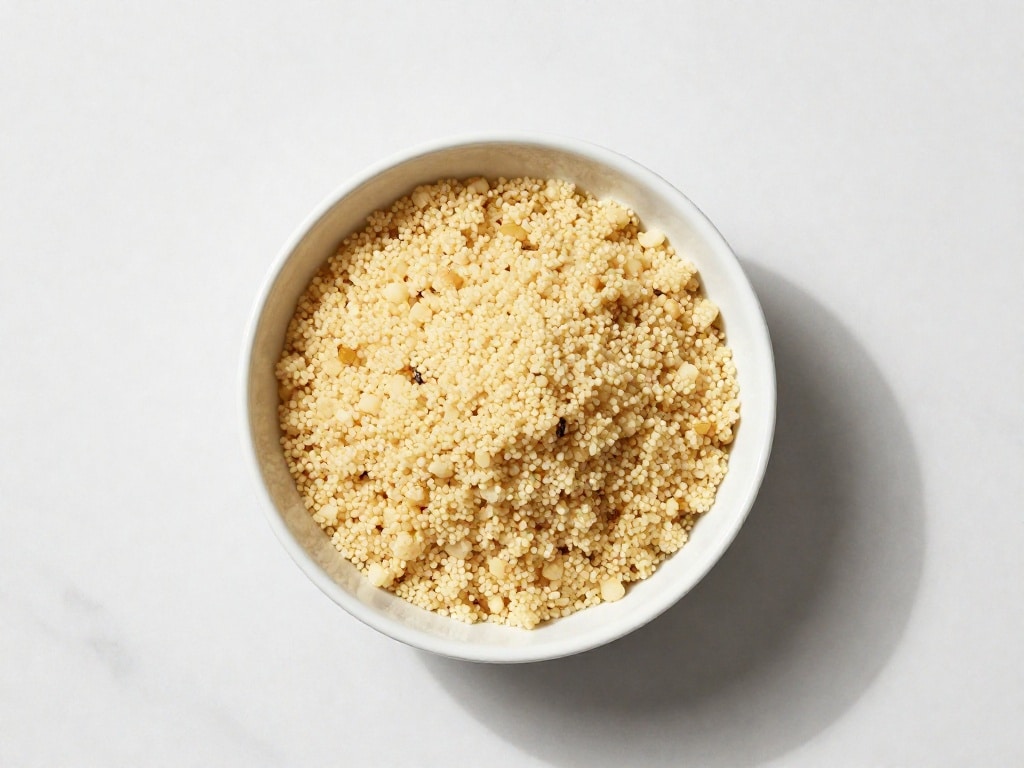
Couscous is technically pasta made from semolina wheat, and it cooks rapidly, offering a fluffy, delicate texture that resembles rice more closely than most people expect. Standard couscous requires nothing more than boiling water poured over it in a 1:1 ratio by volume, a tight lid, and a 5-minute rest.
No stovetop simmering needed at all.
The swap is direct: 1 cup dry couscous for 1 cup dry white rice. Fluff it with a fork after the 5-minute rest and it separates into individual grains that look similar to small-grain rice.
It soaks up broths, olive oil, and spices well, which makes it an excellent vehicle for pilafs and spiced side dishes. Israeli couscous, also called pearl couscous, has a larger, chewier texture and needs a few extra minutes of stovetop simmering.
Because couscous is made from wheat, it is not gluten-free. That is the most significant restriction to flag upfront.
On the positive side, it is the fastest-cooking option on this list by a wide margin, which makes it the best pick for weeknight meals where you need a side dish ready in under 10 minutes. It also reheats well without becoming gummy.
For dishes where you cook with a splash of wine in the grain base, white wine substitutes can fill that role without changing the couscous swap itself.
Couscous is perfect for pilafs, quick side dishes, and family meals where speed matters and a mild, fluffy texture is the goal.
5. Barley (Pearled)
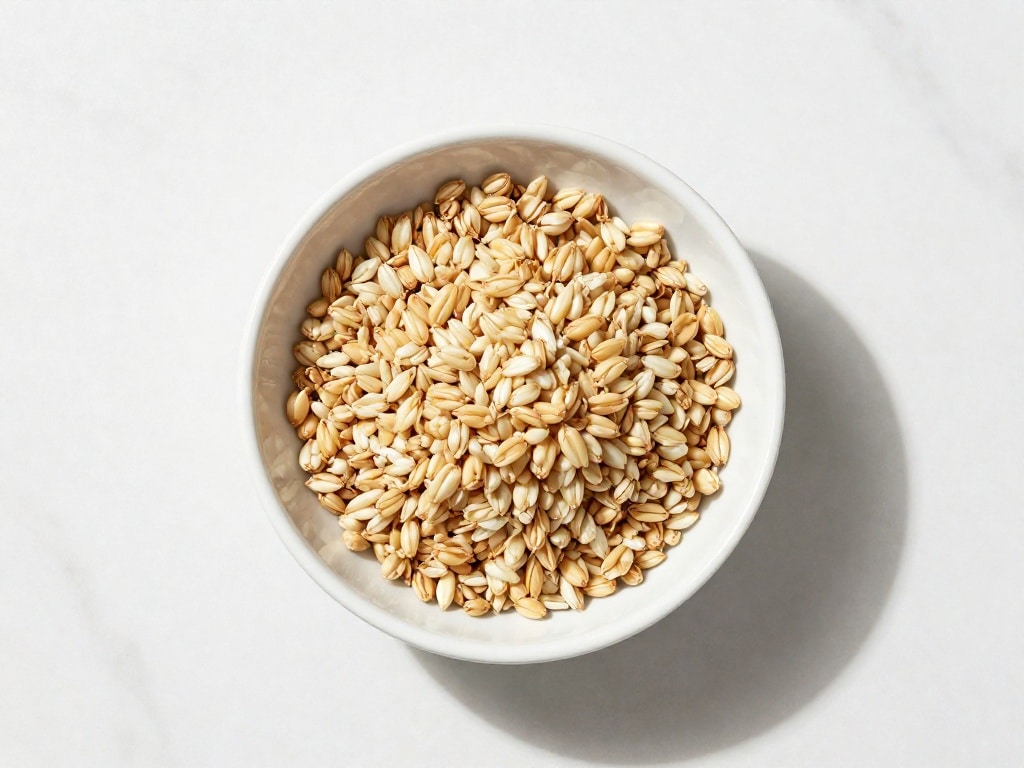
Barley has a chewy, nutty bite and holds up well in stews and bowls, where its sturdy texture actually improves with longer cook times. Pearled barley has had its outer bran layer removed, which shortens cooking time to around 25 to 30 minutes on the stovetop compared to 45 minutes or more for hulled barley.
The swap ratio is 1 cup dry pearled barley for 1.1 cups volume of cooked white rice.
No pre-soaking is required for pearled barley, though a quick rinse under cold water removes surface starch and helps prevent clumping. Cook it in a 1:3 ratio of barley to water or broth, bring to a boil, then reduce and simmer covered for 25 to 30 minutes.
It absorbs surrounding liquid throughout cooking, which makes it particularly good in soups and braised dishes where it thickens the broth slightly as it cooks.
Barley is not a low-carb option. It has a similar carbohydrate count to white rice, though it contains more fiber, which slows digestion and affects how quickly blood sugar rises after eating.
It is also not gluten-free since barley contains gluten. The payoff is texture: barley holds its shape through long cooking in ways that rice and couscous simply do not.
For recipes built around a specific rice variety that already has a firm texture, arborio rice substitutes cover a similar structural role in risotto-style dishes. Barley also keeps well for meal prep, staying pleasant cold or reheated the next day without turning mushy.
Barley is excellent in hearty bowls, soups, and grain salads where a chewy, filling texture outperforms lighter, fluffier grains.
How to Choose the Right Substitute?
Texture and cooking times are the main differentiators when picking between these five options. The decision gets easier once you match the substitute to the specific job the rice is doing in your dish.
- Low-carb priority: Cauliflower rice is the clear pick. It is the only option here that dramatically reduces carbohydrate content.
- More protein: Quinoa is the only grain on this list that contains all nine essential amino acids and delivers meaningful protein per serving.
- Speed: Couscous wins with a 5-minute cook time. Nothing else comes close for weeknight meals under time pressure.
- Hearty texture for soups or stews: Barley holds its shape through long, liquid-heavy cooking better than any other substitute here.
- Chewy bowl or cold salad: Bulgur is the right call. It absorbs dressings cleanly and keeps its texture even when served cold.
- Gluten-free requirement: Only cauliflower rice and quinoa qualify. Bulgur, couscous, and barley all contain gluten.
If your dish relies heavily on starch absorption, such as a thick curry or braised sauce, rice paper substitutes follow a different starch logic entirely, but for grain-based swaps, quinoa and cauliflower rice come closest to mimicking that neutral absorption quality. For broader grain swapping across different rice types, the full overview at rice substitute options covers additional scenarios.
You can also consider using rice bran oil substitutes when the cooking fat in your recipe needs adjusting alongside the grain swap.
Pick cauliflower for low-carb, quinoa for protein, couscous for speed, bulgur for chew, and barley for long-cooked hearty dishes. That decision covers most white rice swap scenarios.
Frequently Asked Questions
Can I substitute these in every recipe that calls for white rice?
Most savory recipes adapt well, however dishes relying on sticky rice texture, like sushi or rice pudding, will not work with these substitutes since none of them produce the same starch-based cling.
How do substitutions affect calorie count per serving?
Cauliflower rice is significantly lower in calories, around 25 per cup cooked versus roughly 200 for white rice. Quinoa, bulgur, barley, and couscous are all within a similar calorie range to white rice.
Are these substitutes vegan-friendly?
Yes, all five substitutes are naturally vegan. No animal products are involved in any of them, though always check packaged couscous or bulgur for added ingredients.
Which substitutes freeze well for meal-prep?
Quinoa and barley freeze best, holding their texture after thawing. Cauliflower rice becomes watery after freezing unless squeezed dry first. Couscous can turn slightly clumpy after freezing.
Do any substitutes affect starch absorption or glycemic index differently?
Barley has a notably lower glycemic index than white rice due to its high beta-glucan fiber content. Cauliflower rice has virtually no starch, making it the lowest glycemic option by far.
Savory Tweaks: 5 BEST White Rice Substitutes
Ingredients
Method
- Choose your substitute based on the dish type and desired flavor match. Use cauliflower rice for low-carb, quinoa for protein, couscous for speed, bulgur for chew, or barley for hearty long-cooked dishes.
- Prepare the substitute as directed: adjust ratios and prep as noted for each option. Rinse quinoa before cooking and cook cauliflower rice over high heat to prevent sogginess.
- Apply the substitution ratio carefully. Start with the stated amount and adjust to taste. Most substitutes use a 1:1 or 1:1.1 volume ratio relative to white rice.
- Taste and adjust seasoning. Some substitutes shift flavor or texture slightly, so add salt, herbs, or aromatics at the end to bring the dish into balance.
Notes
- Only cauliflower rice and quinoa are gluten-free. Bulgur, couscous, and barley all contain gluten.
- Couscous is the fastest option at 5 minutes cook time. Barley takes the longest at 25 to 30 minutes.
- For meal prep, quinoa and barley freeze best. Cauliflower rice should be squeezed dry before freezing to prevent excess moisture.
Tried this recipe?
Let us know how it was!
Carrie is a food writer and editor with more than 15 years of experience. She has worked for some of the biggest names in the food industry, including Bon Appétit, Food & Wine, and Martha Stewart Living.
As the Editor in Chief of EpicureDelight, Carrie oversees all of the content on the site. She also manages the team of contributing writers and editors, who help to create delicious recipes, helpful tips, and informative articles that you’ll find on the site.
A native of the Chicago area, Carrie is passionate about all things food. She loves trying new restaurants and experimenting with new recipes in her kitchen. She’s also a graduate of the Culinary Institute of America, so she knows a thing or two about food!



