Chinkiang vinegar is dark, slightly sweet, and carries a mild malt-like depth that sets it apart from most pantry vinegars. It is made from fermented glutinous black rice, which gives it that distinctive near-inky color and a gentle umami quality you rarely find in Western-style vinegars.

If you have run out or simply cannot find it locally, getting the right substitute matters more than you might expect.
The flavor is not just sour. Chinkiang's malty sweetness and low acidity make it a key player in dipping sauces for dumplings, braised pork, and cold noodle dressings.
Swapping it carelessly with plain white vinegar will leave dishes flat and harsh.
The same care applies to baking. Some recipes use a small amount of Chinkiang for color depth or acidity balance, and a heavy-handed substitute can throw off the whole dish.
Matching color, sweetness, acidity, and umami is the goal for every swap on this list.
If you are also working through other vinegar swaps in your pantry, the guide on red wine vinegar substitutes covers a similar flavor-matching approach for acidic, deeply colored vinegars worth bookmarking.
Below you will find five substitutes with exact ratios, clear tradeoffs, and specific use-case guidance so you can pick the right one for your dish the first time.
The five best Chinkiang vinegar substitutes are a rice vinegar blend, apple cider vinegar with soy, diluted balsamic, white vinegar with molasses, and a balsamic-soy mix. Each mimics the dark color, mild sweetness, and umami depth of black rice vinegar at a calibrated ratio.
Chinkiang Vinegar Substitutes in Detail
This table gives you a fast comparison of all five substitutes before you commit to one. Use it to match your dish type and pantry on hand, then read the detailed section for the specific ratio and any adjustments needed.
Each option is rated for how closely it matches Chinkiang's aroma and depth, so you can set realistic expectations before you start cooking.
| # | Substitute | Ratio | Best For | Taste Match |
|---|---|---|---|---|
| 1 | Rice Vinegar + Soy + Sugar | 2:1:1 per 2 parts Chinkiang | Stir-fries, dipping sauces, glazes | Close |
| 2 | Apple Cider Vinegar + Soy + Sugar | 1:1 dash soy + 1 sugar per 2 parts | Braises, meat sauces, teriyaki finishes | Close |
| 3 | Balsamic + Honey + Water | 1:1:1 adjusted to taste | Reductions, glazes, rich sauces | Mild |
| 4 | White Vinegar + Molasses | 2:1 vinegar to molasses + splash water | Bold marinades, hearty sauces | Mild |
| 5 | Balsamic + Soy + Water | 1:1:1 diluted | Savory braises, glossy finishing sauces | Close |
Save This for Later
Pin this savory tweaks: 5 best chinkiang vinegar substitutes guide so you always have it when you need it.
Pin This GuideEach substitute below explains the why behind the ratio, not just the numbers. Understanding what each ingredient contributes helps you tweak on the fly when your dish needs more punch or more restraint.
1. Rice Vinegar Baseline with Sweetening
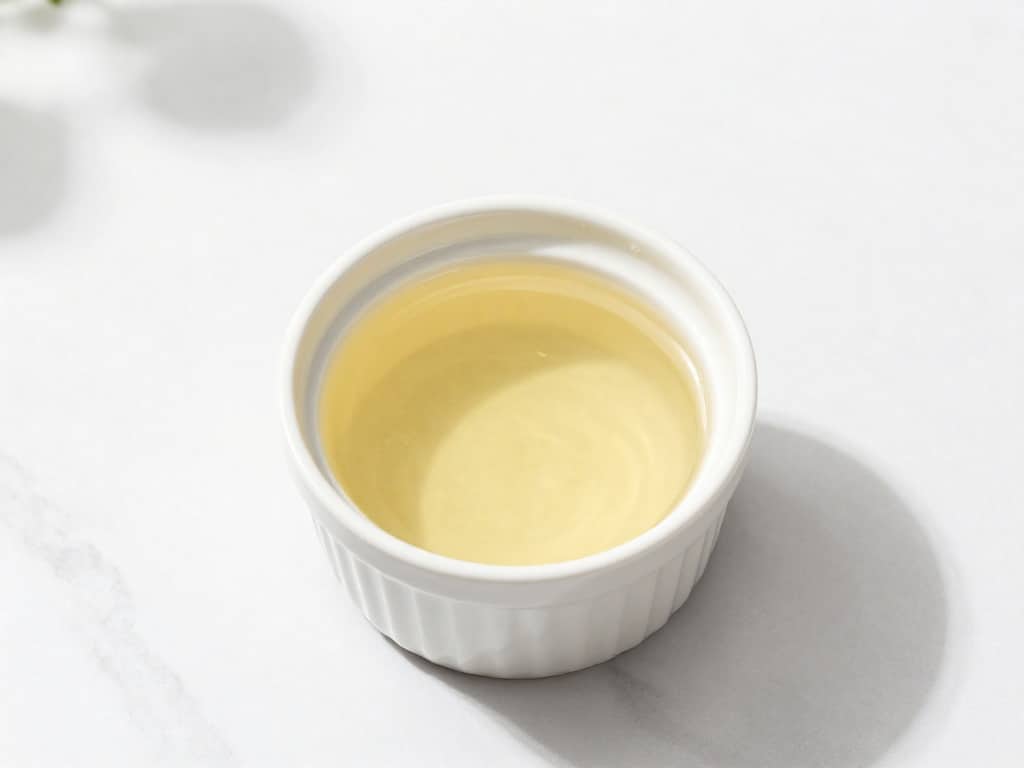
This blend is the most pantry-friendly of the five. White rice vinegar gives you a neutral, clean acidity, while a small measure of light soy sauce adds the color depth and savory edge that Chinkiang carries naturally.
The ratio is 2 parts white rice vinegar, 1 part light soy sauce, and 1 part sugar for every 2 parts of Chinkiang called for in the recipe.
The soy darkens the liquid noticeably, and the sugar rounds out the sharpness so it does not read as one-dimensional.
This substitute performs best in stir-fries, dipping sauces for dumplings, and glazes where both umami and sweetness are expected. Because the base is white rice vinegar, the overall acidity is mild enough to use in most recipes without overwhelming other flavors.
In baking, this blend can work in small amounts, provided you cut the soy to half a part to avoid adding too much sodium to the mix.
The main tradeoff is color. White rice vinegar does not go dark on its own, and the soy only takes it so far.
The result will be lighter than authentic Chinkiang. If a very dark, near-black hue is important for presentation, add a few drops of fermented umami base or a tiny pinch of dark sugar to deepen the shade.
If a recipe already uses dark soy elsewhere, reduce the added soy in this blend to keep salt in check.
Use a 2-1-1 ratio as your starting point, then taste. Add sugar in small pinches to dial in sweetness without pushing the soy flavor too far forward.
2. Apple Cider Vinegar with Soy for Malty Depth
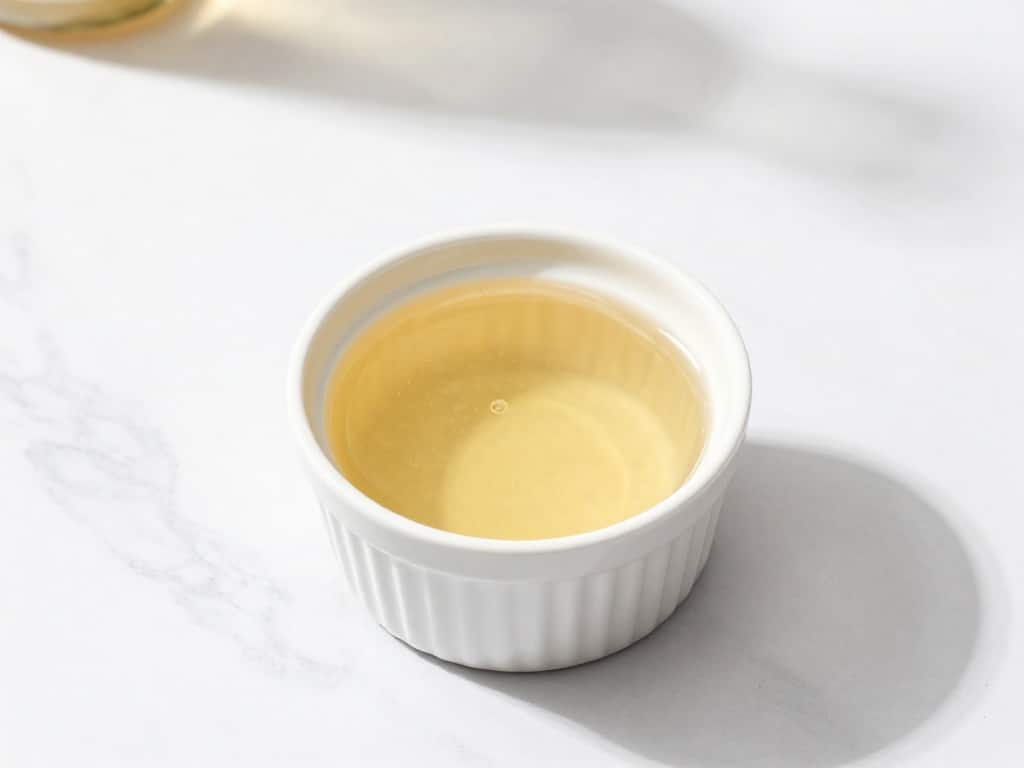
Apple cider vinegar has a mellow fruitiness and a faint earthiness that puts it closer to Chinkiang's profile than plain white vinegar. It is not identical, however the fruit-forward acidity blends well with soy to approximate the layered character of black rice vinegar.
The ratio here is 1 part apple cider vinegar with 1 to 2 dashes of soy sauce and 1 part sugar for every 2 parts of Chinkiang needed. The sugar is non-negotiable because apple cider vinegar alone can tip toward sharp and cidery, and the sugar balances that tang.
The soy adds the dark pigment and savory depth that the apple cider vinegar cannot provide on its own.
This substitute is the better pick for braises, sauces built with meat, and teriyaki-style finishes where a slightly fruity note is acceptable. The apple character actually works in braised pork belly or chicken thighs, where fruit-acid combinations are already common in the dish's flavor architecture.
For cold noodle sauces or dumpling dips where the vinegar flavor is front and center, the fruitiness can feel slightly out of place.
For baking, use this blend only in recipes that already include warm spice notes such as cinnamon or ginger, where the apple cider character merges rather than stands out.
Anyone swapping vinegars in other baked goods might also find the champagne vinegar substitutes guide useful for lighter-acidity applications.
Choose this substitute when a fruity note is acceptable and you want deeper color without heavy molasses-like sweetness. It is the most approachable option for weeknight braises.
3. Balsamic with Light Sweetening
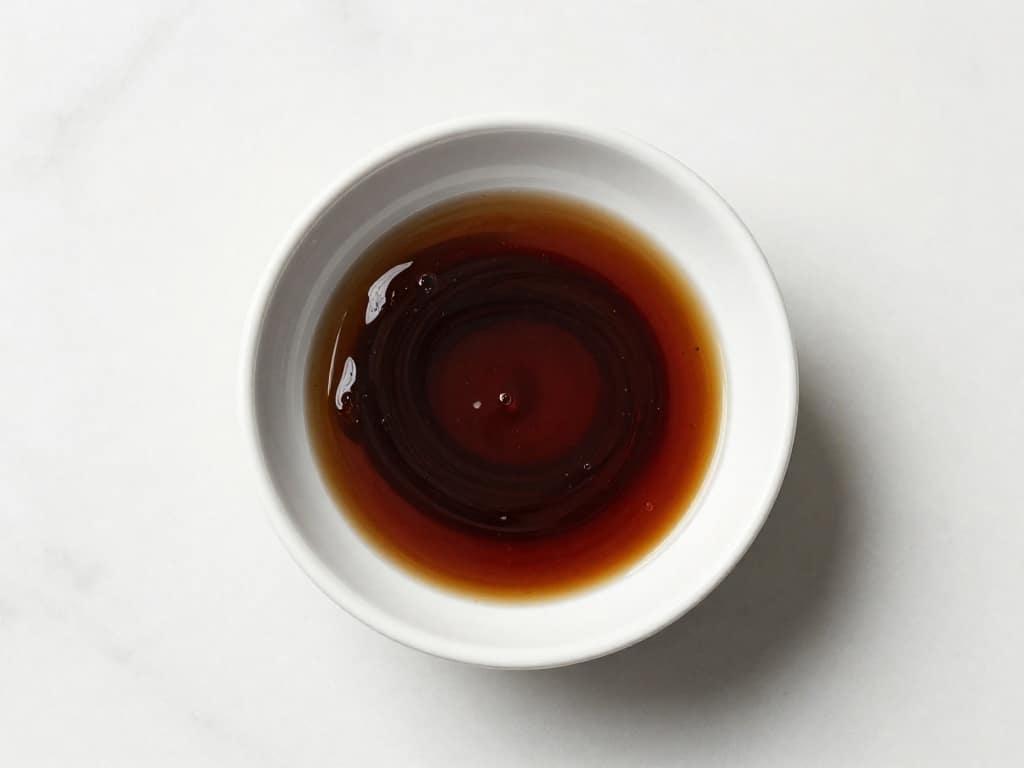
Balsamic vinegar is the boldest starting point on this list. It is naturally dark, slightly sweet, and aged, which gives it a complexity that echoes Chinkiang's depth more convincingly than most Western vinegars.
The problem is that balsamic is also more aromatic and intense, so it needs taming before it goes into Asian-style dishes.
The working ratio is 1 part balsamic, 1 part sugar or honey, and 1 part water, adjusted to taste after mixing. The water cuts the intensity and drops the overall acidity to a level closer to Chinkiang's gentle bite.
Honey brings a floral softness that sugar does not, and it can be the better choice in reduction sauces where the liquid cooks down and concentrates. For baking, lower-glycemic sweetener swaps can replace the sugar in the ratio if needed.
This substitute is best in reductions, glaze finishes, and rich sauces where a dark, sweet component is central to the dish. Think roasted duck glazes, braised short ribs, or a pan sauce that needs a dark finishing note.
The balsamic provides a glossy, viscous texture that looks and behaves like a reduction even before cooking, which is a genuine advantage for finishing plates.
Avoid this substitute in delicate dishes like cold sesame noodles or light steamed fish, where the grape-derived aroma of balsamic will clash. Also keep in mind that balsamic varies widely by brand; a cheap balsamic is sharper and thinner, while an aged variety is sweeter and thicker.
Adjust your water addition based on which bottle you are using. The comparison between fruit-forward vinegars is a helpful reference if you are deciding between balsamic and other options.
Balsamic can overpower delicate dishes quickly. Always test this substitute in a small batch before committing it to the full recipe.
4. White Vinegar with Molasses for Maltiness
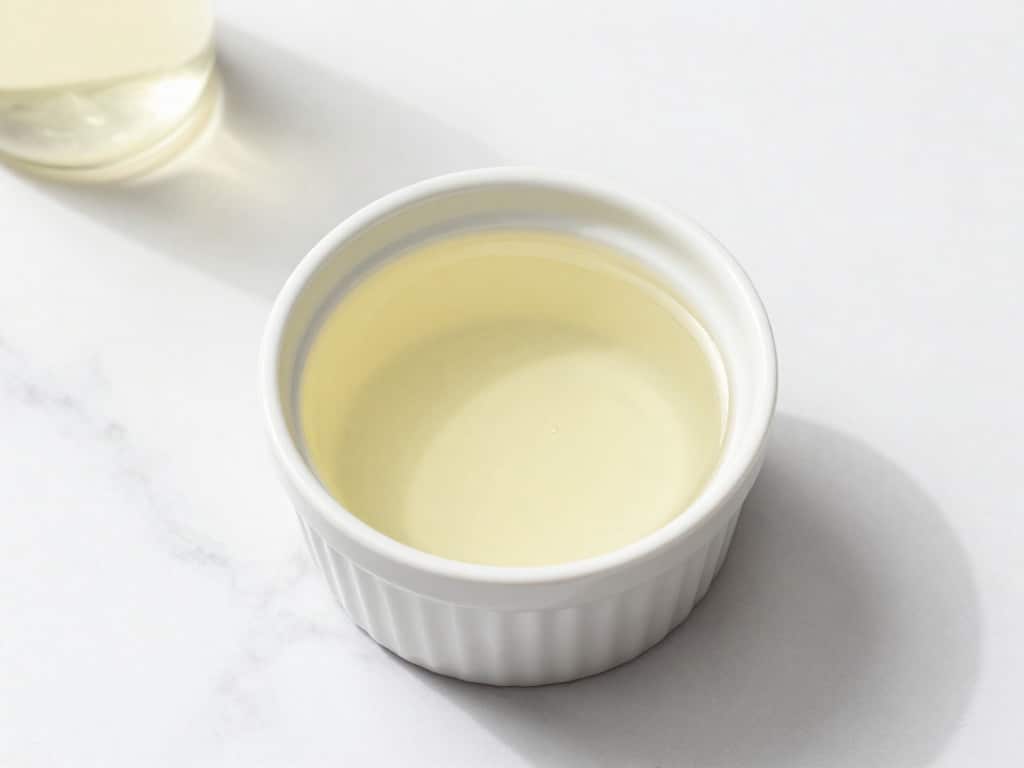
This combination is the most direct attempt to recreate Chinkiang's malty character from scratch. Molasses is a byproduct of sugar refining with a deep, slightly bitter sweetness that genuinely mimics the fermented malt note in black rice vinegar.
White vinegar provides a clean, sharp acidity as the base.
Start with a 2 parts white vinegar to 1 part blackstrap molasses ratio, then add a small splash of water to soften the acidity. Blackstrap molasses is the most intense variety, so if your dish is on the lighter end, regular molasses gives a gentler result.
Mix thoroughly before tasting because molasses does not incorporate instantly into vinegar and can read as too sweet at first spoonful.
This substitute is best for bold sauces, thick marinades, and dishes where a deep, almost smoky malty note is desirable. It holds up well in hearty preparations like grain-based dishes where robust flavors are already present.
Do not use this in dipping sauces meant to be served fresh, as the raw combination can taste unintegrated without cooking to mellow it.
The color is excellent. Molasses turns the liquid a convincing deep brown that matches Chinkiang closely for visual purposes.
The acidity is higher than Chinkiang, however the water addition and the molasses sweetness together bring it back toward a reasonable approximation. Always taste before serving and add a pinch of sugar if the sharpness is still noticeable after adjusting the water ratio.
Start with 2 parts white vinegar to 1 part molasses, then add water in small amounts and taste after each addition. Stop when the sharpness softens without the molasses going flat.
5. Diluted Balsamic with Soy for Color and Umami
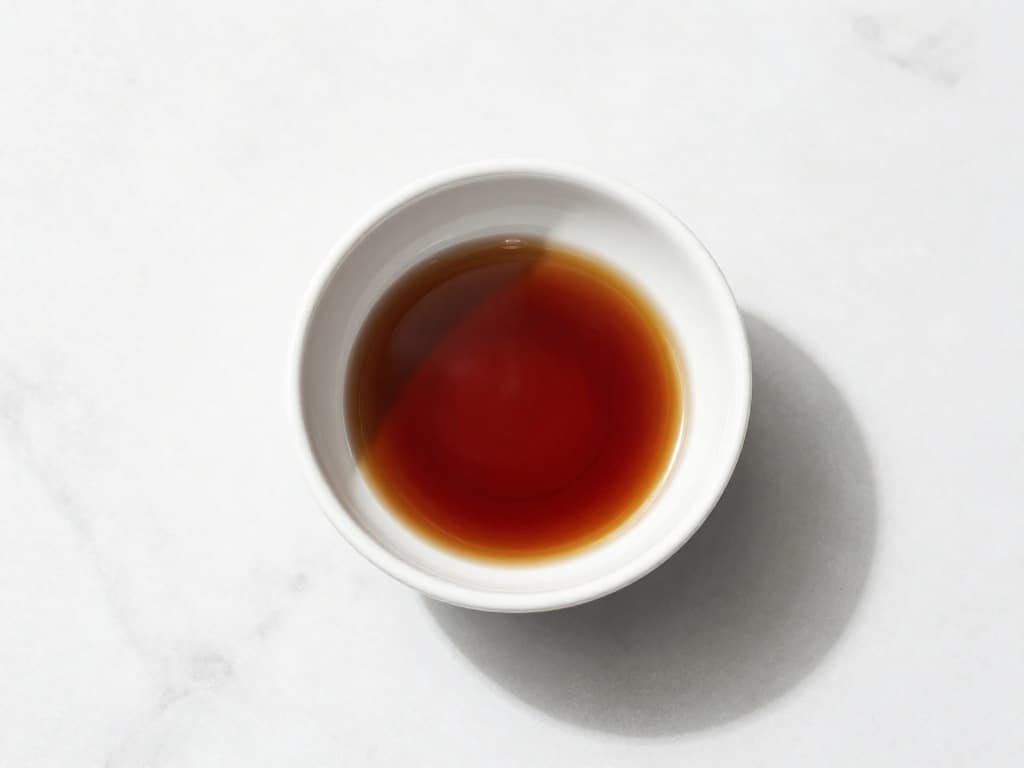
This is the most complex substitute on the list and the one that comes closest to matching Chinkiang's full profile of color, sweetness, acidity, and umami simultaneously.
Balsamic brings the dark color and gentle sweetness; soy adds the savory depth and salt; water keeps the intensity from becoming overwhelming.
The ratio is 1 part balsamic, 1 part soy sauce, and 1 part water, adjusted based on the sodium level you need for the dish. If the recipe already includes soy elsewhere, cut the soy in this blend to half a part.
The water is not optional; undiluted balsamic and soy together are too heavy for most recipes and will darken a dish beyond recognition. Dilution ratios for acidic liquid substitutes follow a similar logic in other contexts, which shows how widely the principle applies.
Use this substitute for rich, savory braises, glossy finishing sauces, and any preparation where you want a dark, lacquered look on the final dish. It reduces beautifully in a pan and coats proteins with a shiny, slightly thickened glaze that looks restaurant-quality.
Cold applications are possible, however the combination reads better after a few minutes of heat, which softens the balsamic's sharper aromatic edge.
Soy sauce brands vary significantly in saltiness, so always taste the blend before adding it to a hot pan. Dark soy will deepen the color further but is much saltier, while regular soy stays in a more manageable range.
For dishes that call for grain-based bases, this substitute pairs especially well as a sauce component alongside the starch.
Do not exceed 1 tablespoon of balsamic per 2 tablespoons of other liquid in delicate dishes. Exceeding this ratio pushes the grape flavor into territory that reads as Italian rather than Chinese in character.
Frequently Asked Questions
Can I substitute Chinkiang vinegar in baking using these ratios?
Yes, however use the rice vinegar blend at reduced soy (half a part) to avoid excess sodium. Balsamic-based options work in spiced bakes at the 1:1:1 ratio.
Will substituting alter texture in sauces?
Molasses and balsamic add viscosity, so sauces may thicken slightly faster. Reduce cooking time by 1-2 minutes or add an extra tablespoon of water to compensate.
Which substitute closest matches Chinkiang vinegar's aroma?
The diluted balsamic and soy blend (Substitute 5) comes closest, combining dark color, sweetness, and umami in one mix that approximates Chinkiang's layered fermented aroma.
How do I adjust for acidity differences in substitutions?
Chinkiang has lower acidity than white vinegar. Add water in small splashes to any substitute that tastes sharp, or increase sugar by half a teaspoon at a time until balanced.
Can these substitutes be frozen or stored long-term?
Yes. Pre-mixed blends store well in a sealed jar for up to 2 weeks refrigerated. Freezing is possible but can alter the soy's salt concentration once thawed; stir well before using.
Savory Tweaks: 5 BEST Chinkiang Vinegar Substitutes
Ingredients
Method
- Choose your substitute based on the dish type and desired flavor match.
- Prepare the substitute as directed: adjust ratios and prep as noted for each option.
- Apply the substitution ratio carefully. Start with the stated amount and adjust to taste.
- Taste and adjust seasoning. Some substitutes shift flavor or texture slightly.
Notes
- Always taste the blended substitute before adding it to a hot pan; soy brands vary significantly in saltiness.
- Water is a key adjustment tool in every ratio here. Add in small amounts to soften acidity without losing depth.
- For baking applications, reduce or halve any soy component in the blend to avoid excess sodium in the final bake.
Tried this recipe?
Let us know how it was!
Carrie is a food writer and editor with more than 15 years of experience. She has worked for some of the biggest names in the food industry, including Bon Appétit, Food & Wine, and Martha Stewart Living.
As the Editor in Chief of EpicureDelight, Carrie oversees all of the content on the site. She also manages the team of contributing writers and editors, who help to create delicious recipes, helpful tips, and informative articles that you’ll find on the site.
A native of the Chicago area, Carrie is passionate about all things food. She loves trying new restaurants and experimenting with new recipes in her kitchen. She’s also a graduate of the Culinary Institute of America, so she knows a thing or two about food!