
Canola oil sits in most pantries for good reason. It has a neutral flavor, a smoke point around 400°F (204°C), and a light texture that disappears into baked goods, dressings, and stir-fries without leaving a trace.

When you run out mid-recipe, or when dietary needs push you toward a swap, knowing which oil to reach for makes the difference between a successful dish and a greasy mess.
The biggest mistake people make when swapping oils is ignoring the smoke point. Use an oil with too low a smoke point in a hot skillet and you get acrid, burnt-tasting food.
Use one with a strong flavor in a delicate vanilla cake and the result is off-putting.
Good news for most cooks: light olive oil, avocado oil, grapeseed oil, sunflower oil, and peanut oil all swap in at a 1:1 ratio by volume.
That said, each brings its own flavor profile, fat composition, and heat tolerance, so the "right" choice depends on what you are cooking.
Emulsions need special attention. Mayo and vinaigrettes rely on oil's ability to bind with water-based ingredients.
Oils with a very light, clean body, like grapeseed oil, perform best here because they emulsify smoothly without breaking the texture.
This guide covers five reliable canola oil substitutes with exact ratios, smoke point data, flavor tradeoffs, and the cooking scenarios where each one earns its place.
The five best canola oil substitutes are light olive oil, avocado oil, grapeseed oil, sunflower oil, and peanut oil. All substitute at a 1:1 ratio by volume. Choose based on smoke point, flavor neutrality, and the cooking method. Peanut oil requires an allergen check before use.
Canola Oil Substitutes in Detail
All five substitutes swap in at 1:1 by volume for canola oil, so no math is required in most cases. Smoke points vary enough that you should match the oil to your cooking method, especially for high-heat frying.
Some oils also carry flavor, so a quick check of the flavor column below will save your cake batter.
| # | Substitute | Ratio | Best For | Taste Match |
|---|---|---|---|---|
| 1 | Light Olive Oil | 1:1 | Baking, light sautés | Close |
| 2 | Avocado Oil | 1:1 | High-heat frying, sautéing | Close |
| 3 | Grapeseed Oil | 1:1 | Emulsions, dressings, baking | Close |
| 4 | Sunflower Oil | 1:1 | All-purpose, roasting, baking | Close |
| 5 | Peanut Oil | 1:1 | Frying, stir-fries, savory dishes | Mild difference |
Save This for Later
Pin this savory tweaks: 5 best canola oil substitutes guide so you always have it when you need it.
Pin This GuideEach substitute below includes a practical breakdown of ratio, best-use scenarios, and the key tradeoff to know before you commit to the swap.
1. Light Olive Oil
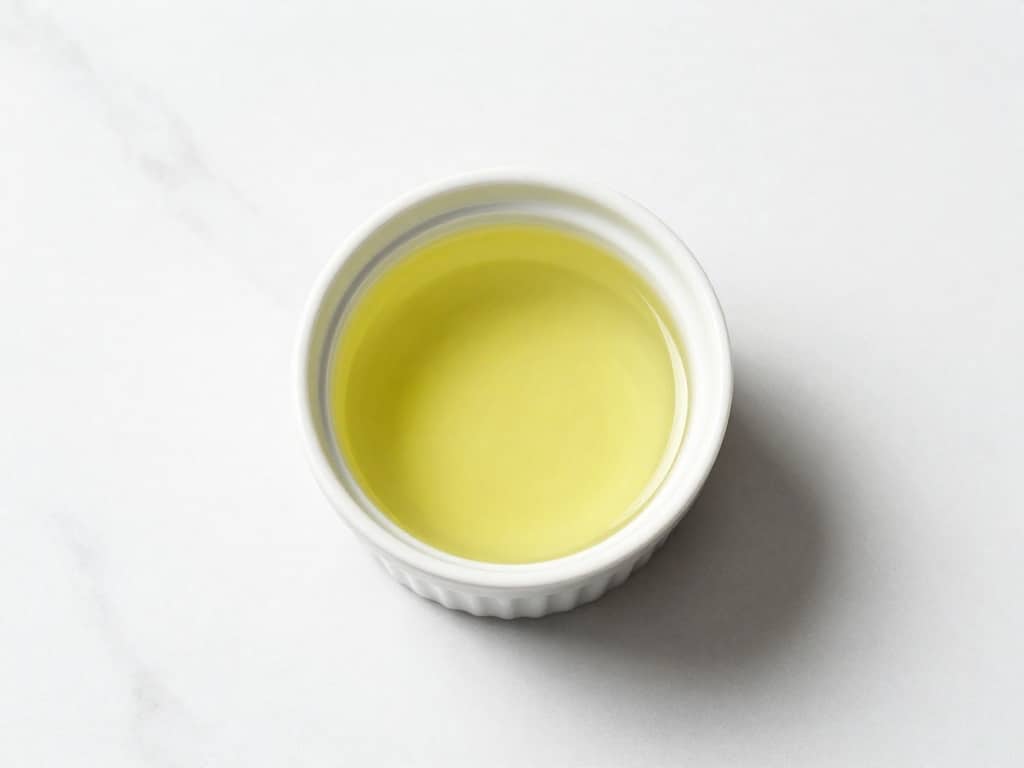
Light olive oil is the most accessible swap for canola oil in baking and everyday cooking.
It has a milder flavor than extra-virgin olive oil because it goes through additional refining, which strips out most of the grassy, peppery notes that make extra-virgin polarizing in baked goods.
The smoke point sits at around 465°F (240°C), which comfortably covers most sautéing and roasting tasks. In cake batters and quick breads, it integrates cleanly and keeps the crumb moist without leaving a detectable olive taste.
You may notice a very faint fruitiness in plain or lightly flavored baked goods, though most recipes mask it completely.
Use it at a straight 1:1 swap. For vinaigrettes and mayonnaise-style emulsions, light olive oil performs reliably because its viscosity is close to canola's.
It does cost slightly more than canola, so it is worth reserving for recipes where the mild flavor edge is an asset rather than just a workaround.
- Best Use: Cakes, muffins, quick breads, light sautés, and vinaigrettes where a hint of fruitiness is acceptable.
- Tradeoff: Slight fruitiness can come through in very plain recipes; costs more than standard canola oil.
Light Olive Oil
✅ Neutral enough for baking, smoke point of 465°F covers most cooking tasks, widely available in most grocery stores.
⚠️ Faint fruitiness may show in plain recipes; extra-virgin olive oil is not a good swap here - only use the light or pure variety.
2. Avocado Oil
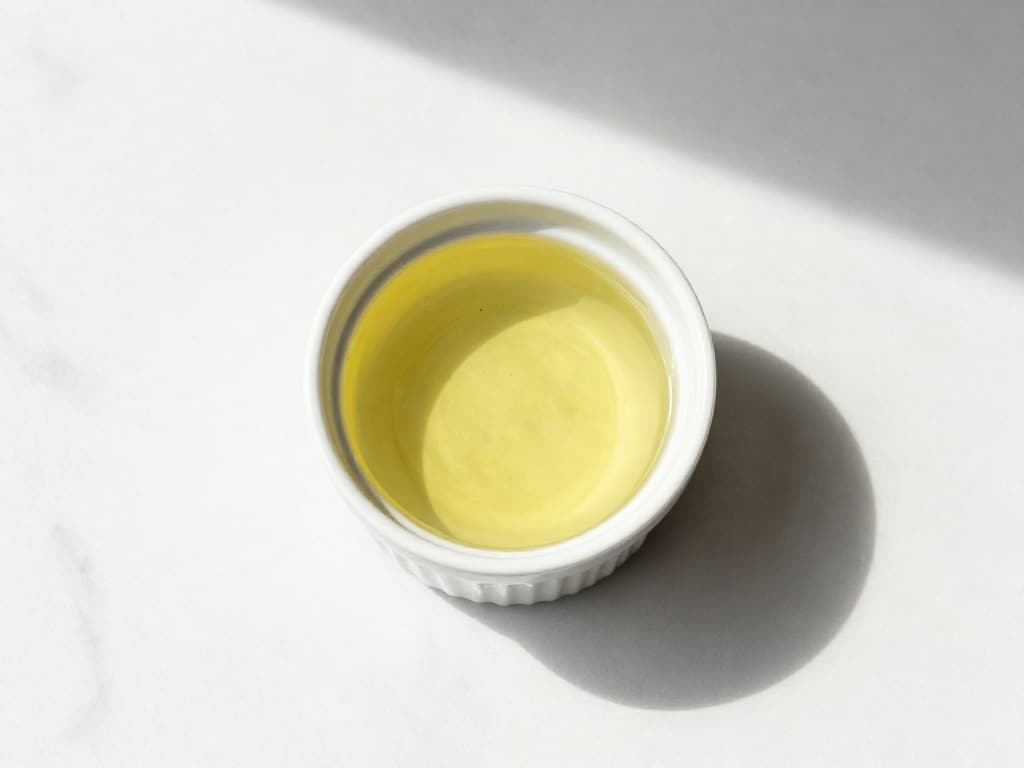
Avocado oil is the strongest performer when high heat is the priority. Its smoke point reaches around 520°F (271°C), which is well above canola's 400°F, making it safe for deep frying, searing, and wok cooking where temperatures spike fast.
The flavor is mild to neutral with a very faint buttery undertone that most dishes absorb without issue. In emulsions like mayo or aioli, avocado oil gives a clean, smooth mouthfeel that closely mimics what canola oil provides.
It swaps in at 1:1 in every cooking context, from roasting vegetables at 450°F to whisking into a salad dressing.
The main tradeoff is cost. Avocado oil is noticeably more expensive than canola, so using it for everyday batch cooking can add up.
For special meals, high-heat cooking, or recipes where you want the cleanest possible oil flavor, it is worth the price. You can also find safflower oil substitutes as a more budget-friendly high-heat alternative if avocado oil is outside your budget.
- Best Use: Deep frying, searing, stir-frying, emulsions, and any recipe where heat stability matters most.
- Tradeoff: Higher price point; may not be practical for large-volume cooking.
Avocado Oil
✅ Highest smoke point of the five at 520°F, clean mouthfeel in dressings and emulsions, virtually no flavor interference in most recipes.
⚠️ Costs significantly more than canola; refine cost vs. benefit for large-batch cooking.
3. Grapeseed Oil
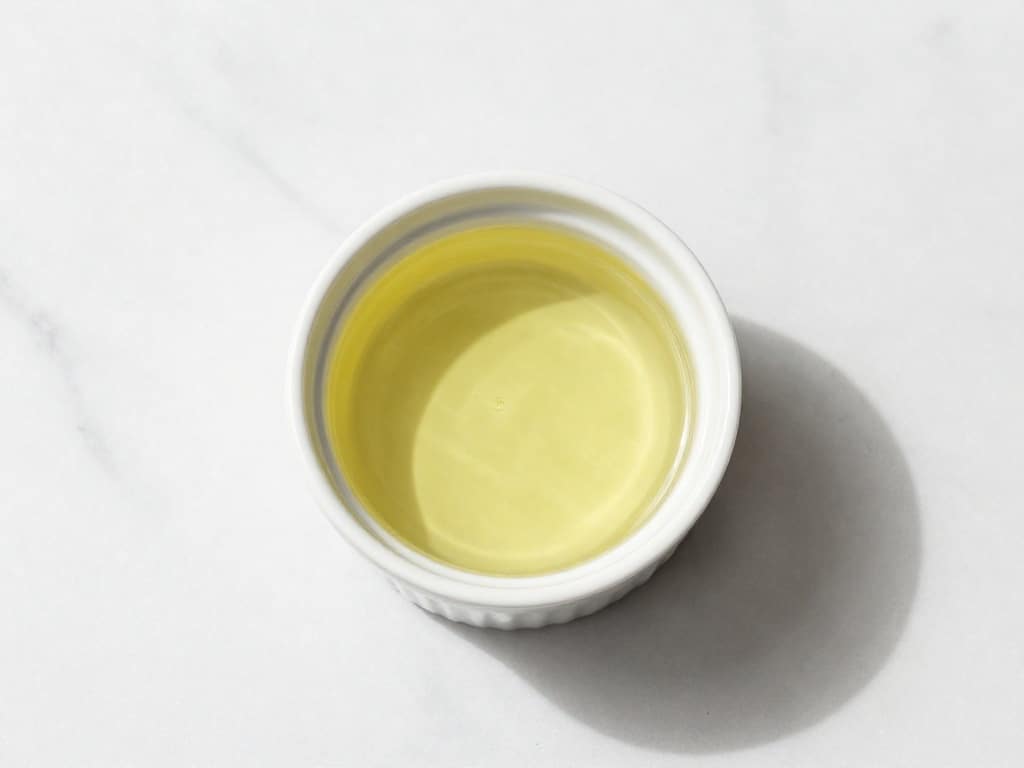
Grapeseed oil is pressed from grape seeds, a byproduct of winemaking, and it produces an oil with a light, clean flavor that won't clash with baked goods or delicate sauces.
It is one of the most neutral-tasting options on this list, sitting very close to canola in its ability to disappear into a recipe.
The smoke point is around 420°F (216°C), which handles moderate sautéing and oven roasting well. Where grapeseed oil really earns its place is in emulsions.
Its light body and low viscosity help it bind smoothly in dressings, homemade mayo, and compound sauces, making it a reliable pick for any recipe where emulsification matters. It also works in hazelnut oil substitutes contexts when you need a neutral base to dilute a flavored oil.
Grapeseed oil is also a solid choice for baking. It integrates into batters without leaving any residual flavor, which means vanilla cakes, chiffon cakes, and delicate sponges stay true to their intended taste.
Use it at 1:1 with no adjustments needed.
- Best Use: Salad dressings, mayonnaise, light baking, and recipes that demand a truly neutral flavor base.
- Tradeoff: Smoke point is lower than avocado oil, so avoid it for deep frying at very high temperatures.
Grapeseed Oil
✅ Exceptionally neutral flavor, excellent for emulsions and baking, readily available and reasonably priced.
⚠️ Smoke point of 420°F is lower than avocado oil; skip it for recipes that require sustained very high heat like deep frying at 450°F+.
4. Sunflower Oil
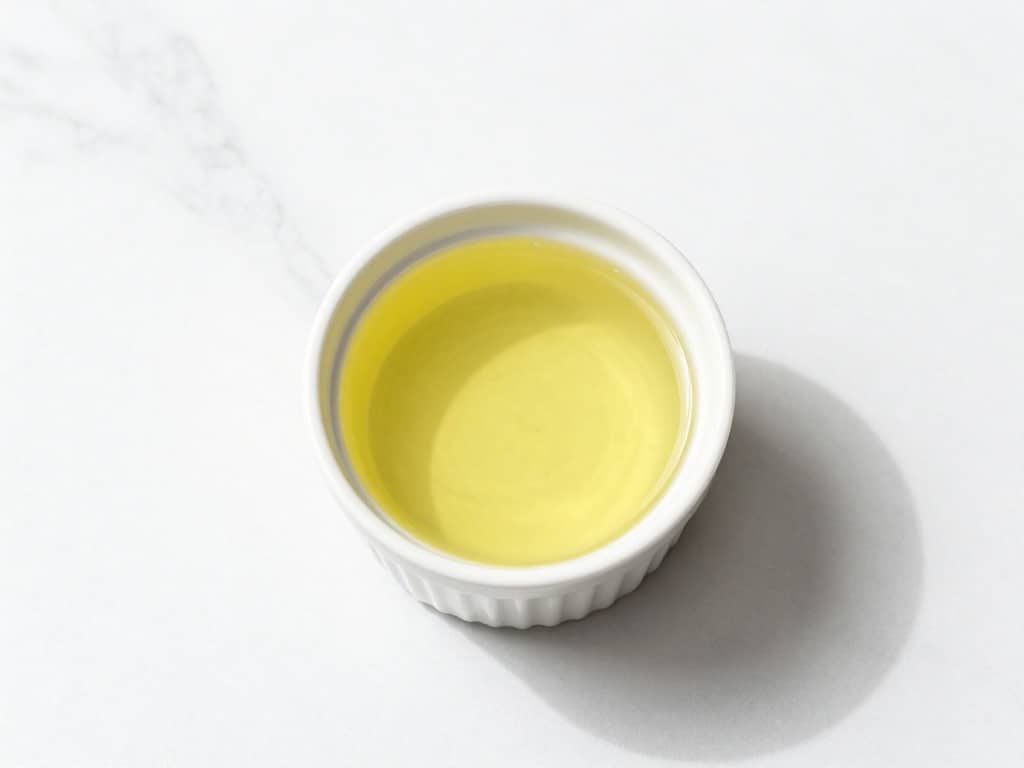
Sunflower oil is a straightforward, widely available substitute that mirrors canola's mild flavor and light texture with very little fuss. Standard sunflower oil has a smoke point around 450°F (232°C), which covers sautéing, roasting, and most frying tasks.
The high-oleic variant is worth knowing about. High-oleic sunflower oil has a higher proportion of monounsaturated fats, which makes it more stable under heat and extends its shelf life compared to standard versions.
If you plan to reuse frying oil or do extended cooking at high heat, high-oleic is the smarter pick. You can also explore annatto oil substitutes if you need a mild oil that also adds color to a dish.
In baking, sunflower oil is one of the easiest swaps. It has almost no flavor of its own, integrates into batter the same way canola does, and keeps baked goods moist for the same amount of time.
Swap it in at 1:1 with full confidence across cakes, muffins, and quick breads.
- Best Use: All-purpose cooking, baking, roasting, and frying, especially when using the high-oleic variety for extended heat exposure.
- Tradeoff: Standard sunflower oil is less stable than high-oleic at sustained high heat; check the label before buying.
Sunflower Oil
✅ Mild flavor nearly identical to canola, 450°F smoke point covers most cooking, high-oleic version offers superior frying stability.
⚠️ Standard (non-high-oleic) sunflower oil breaks down faster at sustained frying temperatures; choose your variant intentionally.
5. Peanut Oil
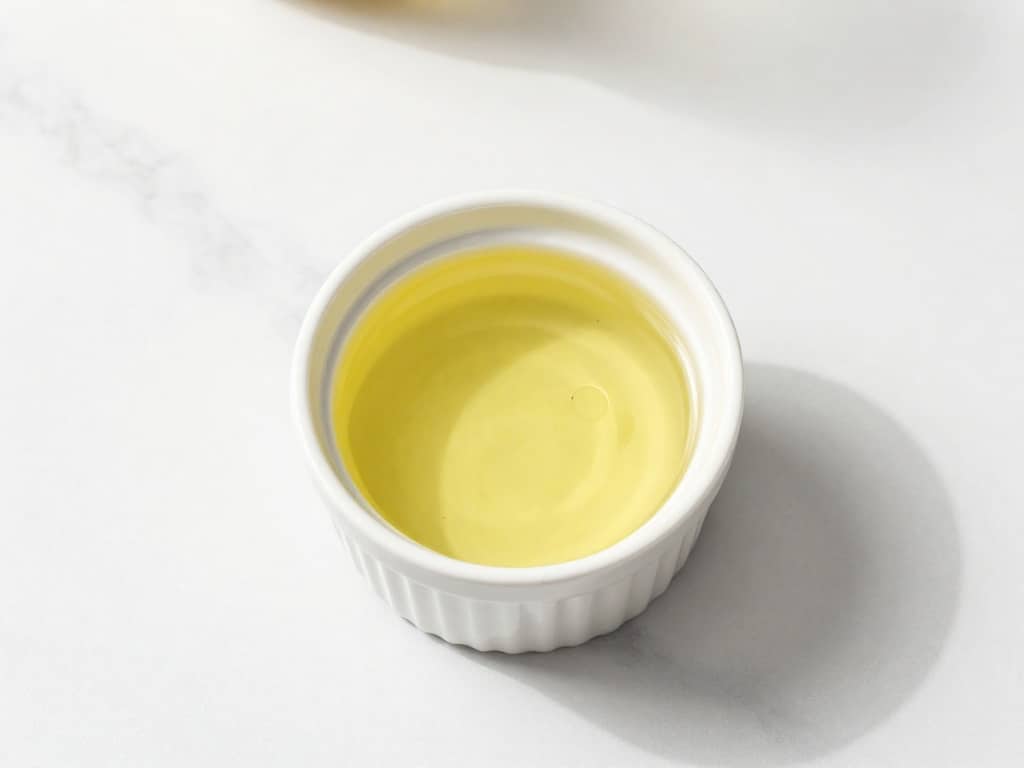
Peanut oil is a dependable frying oil with a smoke point around 450°F (232°C) and a body that holds up well at high heat.
It is a common choice for deep-frying turkey, chicken, and French fries because it stays stable and does not transfer off-flavors to the food during a long fry.
The flavor is not fully neutral. Peanut oil carries a distinct, mild peanut character that works well in Asian stir-fries, fried rice, and dishes where a savory, slightly nutty background is welcome.
In neutral-flavored baked goods or creamy dressings, that peanut note can stand out in a way that reads as "off" rather than complementary. If you cook with specialty oils often, reviewing mustard oil substitutes and sesame oil substitutes can give you a broader sense of how flavored oils interact with different dish profiles.
The most important consideration with peanut oil is allergens. Peanut allergy is one of the most common and severe food allergies. Refined peanut oil has most of the allergenic proteins removed, however unrefined versions can trigger reactions.
Always check with guests before cooking with peanut oil.
- Best Use: Deep frying, stir-fries, and savory Asian-inspired dishes where a mild peanut undertone is acceptable.
- Tradeoff: Not suitable for those with peanut allergies; flavor shows in delicate or sweet recipes.
Peanut Oil
✅ Excellent heat stability at 450°F, holds up through long frying sessions, adds a savory depth to stir-fries and fried foods.
⚠️ Peanut allergy risk is serious; mild peanut flavor clashes with sweet baked goods and neutral dressings.
Why These Substitutes Matter - Quick Decision Guide?
Choosing the right substitute is less about finding a "perfect match" and more about identifying which property matters most for your specific recipe. The three factors that drive the decision are heat level, flavor sensitivity, and dietary needs.
For cakes and cookies, aim for neutral flavor and reliable moisture. Grapeseed oil and sunflower oil are the safest picks because they vanish into the batter.
Light olive oil works in most cases too, with only a faint fruitiness at the edge. For high-heat frying, avocado oil and peanut oil (allergen check required) both handle sustained heat without breaking down.
For dressings and emulsions, grapeseed oil's clean, light body gives you the smoothest results. If you need a mild oil for a specialty dish, pumpkin seed oil substitutes or linseed oil substitutes are worth reading before you commit to a less familiar swap.
- Baking (cakes, muffins, quick breads): Use grapeseed oil or sunflower oil at 1:1 for the most neutral result.
- High-heat frying (above 400°F): Avocado oil at 520°F or peanut oil at 450°F are the top picks.
- Emulsions and dressings: Grapeseed oil emulsifies cleanly; light olive oil also works with mild fruitiness.
- Allergen-sensitive cooking: Peanut oil is off the table; all other four are generally allergen-safe.
- Budget-conscious swapping: Sunflower oil is the most affordable of the five and performs across all methods.
Match smoke point to your cooking temperature first, then consider flavor. A substitute that can't handle your heat will fail the dish before flavor even matters.
Choosing the Right Substitute
Use this section as a fast reference when you need a decision in under 30 seconds. The core rule is simple: 1:1 by volume for all five.
After that, let heat tolerance and flavor impact narrow the field. Consider heat tolerance and flavor impact first, then check for allergen concerns before you pour anything into the pan.
- Need a neutral baking swap right now? Reach for grapeseed or sunflower oil first. Both disappear into batters and require zero adjustments.
- Frying at high heat? Avocado oil is the safest pick for temperatures above 450°F. Peanut oil works at 450°F for savory dishes if allergies are not a concern.
- Making a vinaigrette or mayo? Grapeseed oil produces the cleanest emulsion. Light olive oil is a solid backup with mild fruitiness.
- Vegan baking? All five substitutes are plant-based and work at 1:1. No adjustment needed for vegan recipes that already use canola.
- On a budget? Sunflower oil covers almost every method at a price closest to canola. High-oleic sunflower oil adds extra stability for frying.
If you use a flavored oil like annatto oil regularly in your cooking, remember that switching to a neutral substitute will also remove any color or aroma that flavored oil was contributing. Account for that gap separately with spices or other ingredients.
Frequently Asked Questions
Can I mix two substitutes to mimic canola oil more closely?
Yes. A 50/50 blend of grapeseed oil and light olive oil produces a very neutral result with a smoke point around 440°F, close to canola's performance profile.
Do these substitutes alter baking times?
No adjustment to baking time is needed. All five substitutes have similar fat content and viscosity to canola, so oven times and temperatures stay the same.
Which substitute is best for keto or paleo diets?
Avocado oil is the top pick for both keto and paleo. It has a high monounsaturated fat content, no carbs, and is considered a minimally processed fat source.
How do I store opened oils to maximize shelf life?
Store all opened oils in a cool, dark place with the cap tightly sealed. Grapeseed and sunflower oil keep for about 6 months; avocado oil lasts up to 12 months once opened.
Can I substitute solid fats like butter in oil-based recipes?
Melted butter swaps in at ¾ the amount of oil called for, since butter contains water and milk solids. It adds richness but changes both texture and flavor noticeably.
Savory Tweaks: 5 BEST Canola Oil Substitutes
Ingredients
Method
- Choose your substitute based on the dish type and desired flavor match. Consider smoke point for frying or heat neutrality for baking.
- Prepare the substitute as directed: adjust ratios and prep as noted for each option. All five substitutes use a 1:1 ratio by volume.
- Apply the substitution ratio carefully. Start with the stated amount and adjust to taste, particularly when using peanut oil in neutral-flavored recipes.
- Taste and adjust seasoning. Some substitutes shift flavor or texture slightly, especially peanut oil in sweet or delicate dishes.
Notes
- Always check allergen status before using peanut oil, especially when cooking for guests.
- High-oleic sunflower oil offers greater stability for sustained high-heat frying compared to standard sunflower oil.
Tried this recipe?
Let us know how it was!
Carrie is a food writer and editor with more than 15 years of experience. She has worked for some of the biggest names in the food industry, including Bon Appétit, Food & Wine, and Martha Stewart Living.
As the Editor in Chief of EpicureDelight, Carrie oversees all of the content on the site. She also manages the team of contributing writers and editors, who help to create delicious recipes, helpful tips, and informative articles that you’ll find on the site.
A native of the Chicago area, Carrie is passionate about all things food. She loves trying new restaurants and experimenting with new recipes in her kitchen. She’s also a graduate of the Culinary Institute of America, so she knows a thing or two about food!



