
Dry sherry is one of those ingredients that quietly does a lot of work. It adds a nutty aroma, a medium body, and a clean dry finish to pan sauces, soups, and braises.

When you reach for the bottle and find it empty mid-cook, you need a reliable plan fast.
The good news is that dry sherry is replaceable. Its density sits at around 0.98 g/mL, and a solid substitute needs to match three things: acidity, a hint of sweetness, and some form of body.
Alcohol presence also shapes aroma, so whether you can use wine or need to skip it entirely changes which swap you reach for.
There are five substitutes that cover every cooking scenario. Some are closest in flavor, some are non-alcoholic, and one is ideal for Asian-inspired dishes where sherry brings umami depth.
Each comes with an exact ratio so you are not guessing at proportions.
If you regularly cook with wine-based ingredients, you may also run into situations where Chinese cooking wine substitutes become useful, since many of the same acidity and body principles apply.
This guide walks through all five substitutes in detail, then gives you a quick decision framework so you can choose the right one in seconds.
The five best dry sherry substitutes are dry white wine, dry vermouth, chicken or vegetable stock with lemon juice, white grape juice with lemon juice, and dry sake or rice wine. Most swap in at a 1:1 ratio. Choose based on whether alcohol is allowed and how much body and acidity you need.
Dry Sherry Substitutes in Detail
Before reading through each substitute in detail, this table gives you the fast reference you need. A 1:1 substitution is common for most recipes, and the key to a convincing swap is matching acidic balance to imitate sherry's dry finish.
Each option below has a specific use case. Some work best in deglazing, others in soups or non-alcoholic dishes.
Use this to narrow your choice before committing.
Use the quick-reference table to decide in seconds which option to choose based on your pantry.
| # | Substitute | Ratio | Best For | Taste Match |
|---|---|---|---|---|
| 1 | Dry White Wine | 1:1 | Pan sauces, braises, reductions | Close |
| 2 | Dry Vermouth | 1:1 | Deglazing, creamy pan sauces | Close with herbal notes |
| 3 | Stock + Lemon Juice | 1 cup stock + 1-2 teaspoon lemon | Soups, alcohol-free reductions | Mild, savory |
| 4 | White Grape Juice + Lemon | 2:1 grape juice to lemon, or 1:1 with dash of vinegar | Wine-free or family-friendly dishes | Fruity, lighter |
| 5 | Dry Sake or Rice Wine | 1:1 | Asian-inspired sauces, stir-fries | Clean, mild umami |
Save This for Later
Pin this savory tweaks: 5 best dry sherry substitutes guide so you always have it when you need it.
Pin This Guide1. Dry White Wine - 1:1
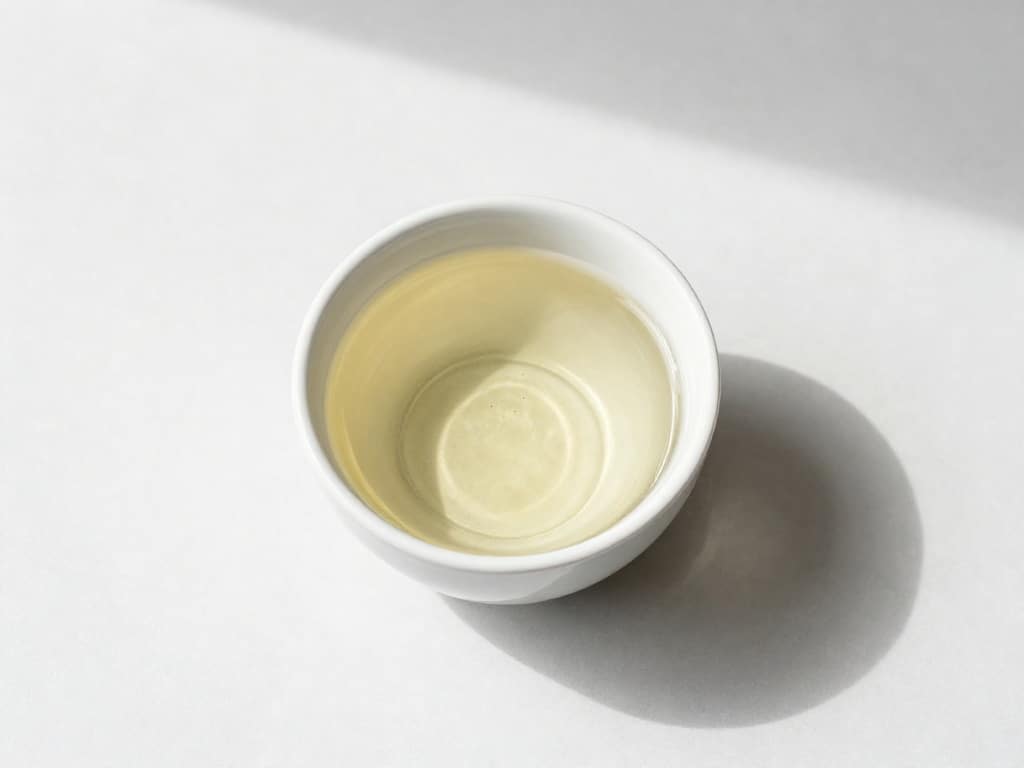
Dry white wine is the easiest swap in most Western cooking. Varieties like Sauvignon Blanc or Pinot Grigio work well because they share sherry's dry finish and medium body without adding sweetness that will throw off a savory sauce.
The alcohol content is slightly lower than sherry, which is a fortified wine, so the aroma will be a touch lighter. In a quick pan sauce that does not reduce much, you will barely notice the difference.
When the sauce reduces significantly, the wine's acidity concentrates. If your recipe calls for more than ¼ cup of dry sherry in a dish that simmers down, taste the sauce at the halfway point and add a pinch of salt to balance any sharpness.
The salt rounds out the acidity that becomes more pronounced as liquid evaporates.
Dry white wine does not contain the oxidized, nutty quality that aged sherry carries. For most weeknight recipes, that difference is negligible.
For dishes where sherry is a primary flavor, not just a deglazing agent, you may notice the sauce tasting slightly brighter and less complex.
- Ratio: Use 1 cup of dry white wine for every 1 cup of dry sherry.
- Best context: Pan sauces, braises, mushroom dishes, and any recipe where sherry is deglazed into fond.
- Adjustment: Add a splash of malt vinegar alternatives if you need extra acidity in a high-reduction dish.
- Avoid: Very sweet white wines like Riesling or Moscato, which will push the sauce toward sweet.
Dry white wine mimics sherry's dryness and body more closely than any other substitute, making it the top choice for pan sauces and braises.
2. Dry Vermouth - 1:1
Dry vermouth is a fortified wine infused with aromatics including herbs and spices, which makes it structurally closer to sherry than plain white wine. It shares sherry's fortified character and adds a subtle botanical edge that works especially well in pan sauces and cream-based dishes.
If you are deglazing a pan after searing chicken or pork, dry vermouth performs nearly identically to dry sherry. It lifts the fond, adds body, and brings a winey, herbal note that most diners cannot distinguish from sherry in a finished sauce.
The herbal infusion in vermouth is light, not overpowering. It does not turn a sauce into something that tastes like gin.
In dishes where sherry is used in small amounts, 2 tablespoons or less, vermouth is almost indistinguishable from the real thing.
For more background on when you might need to swap vermouth itself, the guide on dry vermouth substitutes covers those scenarios in full detail.
- Ratio: 1 cup of dry vermouth for every 1 cup of dry sherry.
- Best context: Deglazing, pan sauces, risotto, and cream sauces with mushrooms or shallots.
- Color note: Dry vermouth is pale straw-colored and will not darken a sauce or change its color in any meaningful way.
- Sweetness: Dry vermouth has minimal residual sugar, so it does not add noticeable sweetness to savory dishes.
Dry vermouth is the best choice for sauces where a winey, herbal note is welcome, and it is the closest structural match to sherry among fortified options.
3. Chicken or Vegetable Stock + Lemon Juice
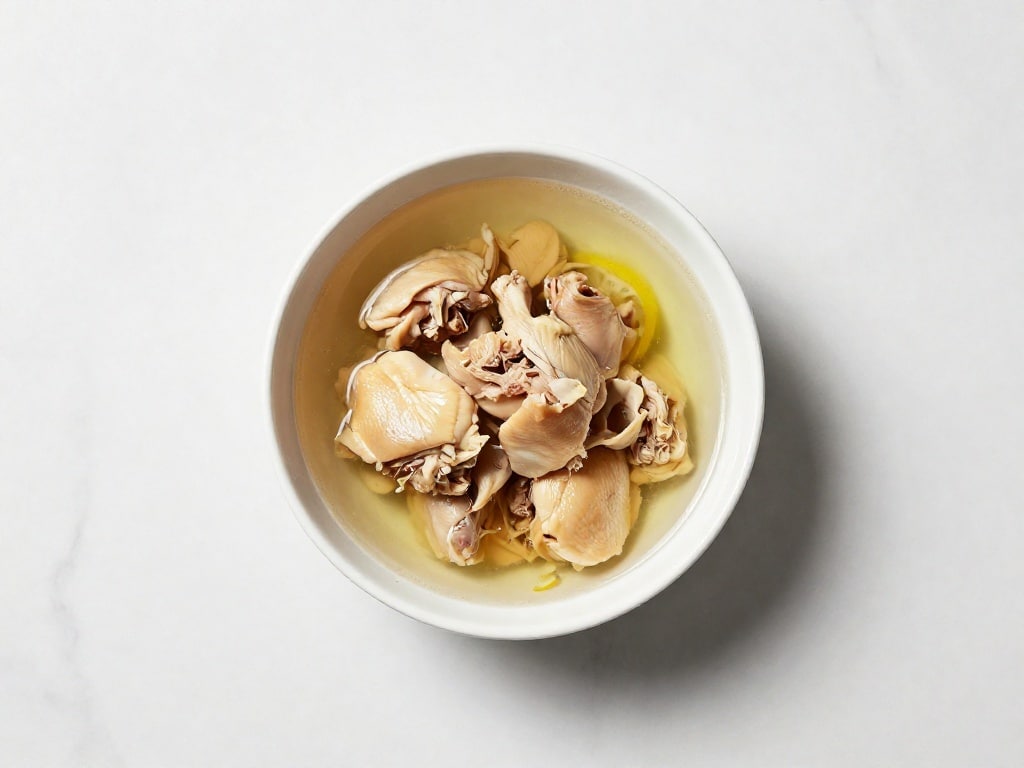
This combination is the go-to non-alcoholic option when you need body and acidity without wine. Stock provides the savory depth that sherry adds to soups and braises, while lemon juice or white wine vinegar mimics the dry, tangy finish.
The ratio is straightforward: for each cup of dry sherry, use 1 cup of stock plus 1-2 teaspoons of lemon juice or white wine vinegar. Start with 1 teaspoon and taste before adding more, since acidity builds quickly in a warm pan.
The main tradeoff here is aroma. Stock and lemon do not carry the nutty, oxidized note that sherry brings.
The sauce will taste savory and balanced, however it will miss that distinctive sherry character entirely. For dishes where sherry is used in large quantities, this gap becomes noticeable.
Chicken stock reduces faster and adds more richness than vegetable stock. If your dish is vegetarian, vegetable stock works fine, though the final body will be slightly thinner.
Either way, watch your salt levels carefully since stock already contains sodium.
- Ratio: 1 cup stock plus 1-2 teaspoons lemon juice per cup of sherry.
- Best context: Soups, stews, and braises where sherry is one of several flavor components.
- Salt adjustment: Reduce added salt in the recipe by a pinch when using salted stock, and taste before seasoning at the end.
- Vinegar option: White wine vinegar produces a slightly sharper acidity than lemon; use it at 1 teaspoon per cup of stock.
Stock plus acid adds more savory depth than sherry but misses its aroma entirely. Use this swap when sherry is a background note, not the headline flavor.
4. White Grape Juice + Lemon Juice
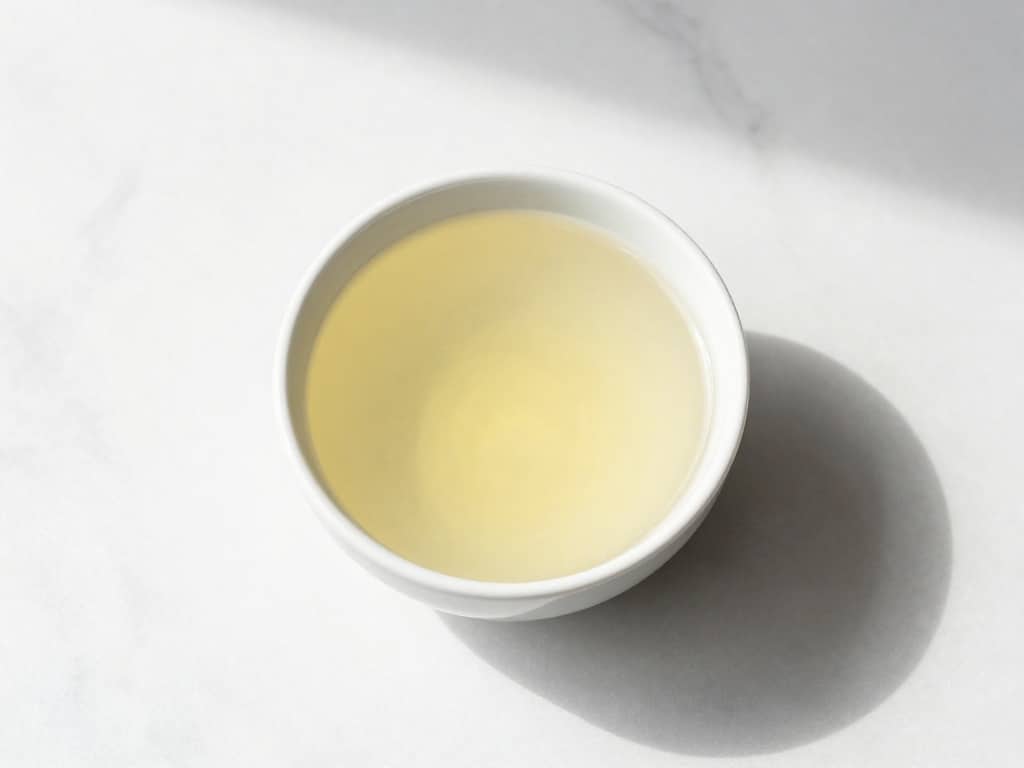
White grape juice is a strong non-alcoholic base for replacing dry sherry because it carries natural sweetness, body, and mild fruitiness that wine-based substitutes naturally have.
The problem is that straight grape juice is too sweet for a savory dry-sherry role, so acidity adjustment is essential.
Add a splash of white wine vinegar or lemon juice to bring the flavor to dry-sherry territory. Use a ratio of 2 parts white grape juice to 1 part lemon juice, or use 1:1 with a small dash of white wine vinegar for a sharper edge.
Taste before adding to the pan, since the balance varies between juice brands.
The resulting flavor profile is lighter and fruitier than sherry. It works well in dishes that are already slightly sweet or where a fruity note fits naturally, like a chicken piccata-style sauce or a pork tenderloin glaze.
It does not perform as well in heavily savory reductions where wine's dryness is structural.
If the sauce tastes too sweet mid-cook, reduce it a little longer to concentrate the acid and pull back the sweetness. A tiny pinch of sugar-level balance can also help calibrate the finish if needed.
- Ratio: 2:1 grape juice to lemon juice, or 1:1 with a dash of vinegar.
- Best context: Non-alcoholic cooking, wine-free households, lighter poultry or pork dishes.
- Fruitiness: Yes, this substitute adds a mild fruity note. In most cooked applications it mellows, however it stays present in raw or lightly cooked sauces.
- Reducing tip: Simmer the sauce an extra 2-3 minutes if the sweetness is too forward.
White grape juice with lemon juice is the best choice for non-alcoholic cooking or wine-free households, preserving sweetness and acidity without any wine character.
5. Dry Sake or Rice Wine - 1:1
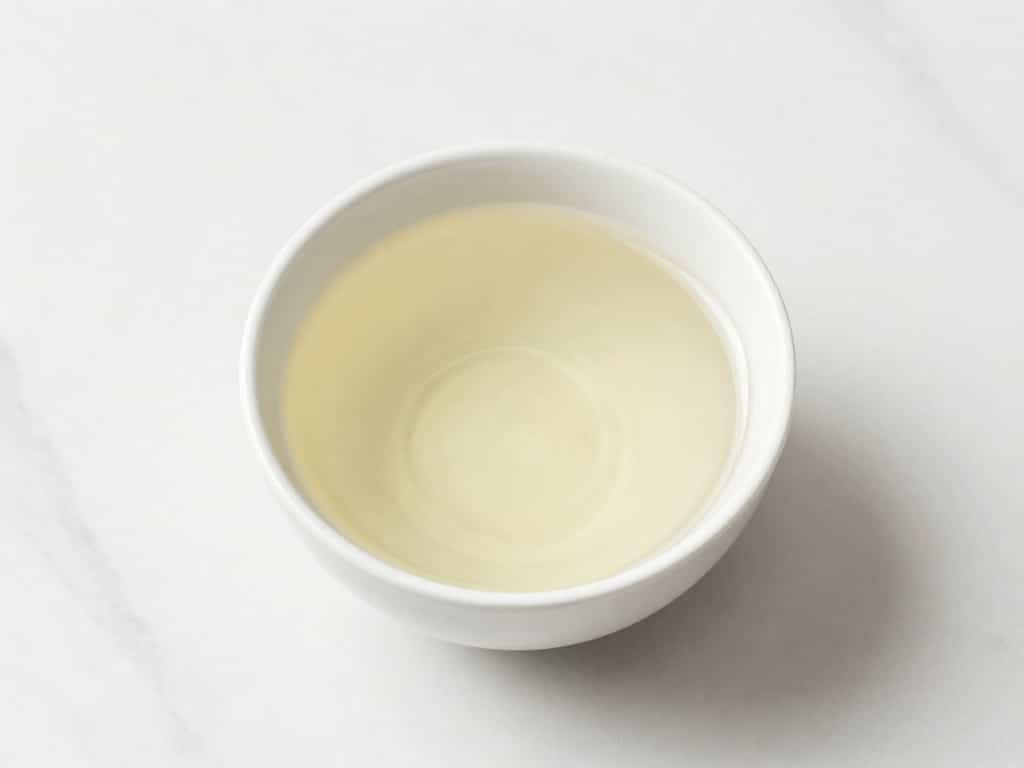
Dry sake has a moderate acidity, clean finish, and mild umami that makes it a natural replacement for dry sherry in Asian-inspired dishes.
It is lighter in body than sherry and lacks the nutty oxidized character, however in stir-fries and dipping sauces that distinction barely registers.
Use it at a 1:1 ratio, the same way you would use white wine. In reductions, add it sparingly, since sake's clean profile can become sharp if it reduces too aggressively.
Add it in stages if the recipe calls for more than ¼ cup.
Sake does not change the color of a sauce. It is clear to very pale gold and will not darken a light broth or cream sauce.
Alcohol content in cooking sake is typically 14-16%, close to dry sherry's 15-17%, so reduction times and flavor concentration stay consistent.
Mirin is a related option sometimes suggested as a sherry substitute, however it is much sweeter than dry sherry and will noticeably sweeten savory dishes. Stick to dry sake or dry rice wine, not sweet rice wine.
For dishes drawing on similar Asian pantry flavor profiles, the Chinkiang vinegar guide covers another essential ingredient in that flavor family.
- Ratio: 1 cup of dry sake or dry rice wine for every 1 cup of dry sherry.
- Best context: Stir-fries, ramen broths, teriyaki glazes, and Asian-style braises.
- Avoid: Sweet mirin or cooking sake labeled with added sugar, which will oversweeten the dish.
- Alcohol note: Cooking burns off most alcohol within a few minutes of simmering, so the final dish contains minimal alcohol by volume.
Dry sake or rice wine is the best option for Asian-inspired sauces or stir-fries where sherry would bring clean umami without heavy sweetness.
Quick Decision Guide
Picking the right substitute comes down to three quick questions: Do you have alcohol available? What flavor profile does the dish need?
How much does the sauce reduce? Alcohol presence influences aroma, and non-alcoholic options lose that nutty, wine-forward note entirely, so be honest about what the dish actually requires.
Use this framework to choose in under a minute:
- Closest dry-sherry flavor: Reach for dry white wine or dry vermouth at 1:1. Both are fortified or wine-based and match sherry's dryness and body most closely.
- Herbal, winey sauce: Dry vermouth is the better of the two if you want a slightly more complex, aromatic pan sauce.
- No alcohol allowed: White grape juice with lemon juice preserves fruitiness and acidity. Stock plus lemon juice adds savory body with less sweetness.
- Asian dish: Dry sake is the clear choice. It fits the flavor context and behaves the same way sherry does in a wok or braise.
- Pantry is nearly empty: Stock plus lemon juice uses ingredients most cooks already have on hand, making it the most practical fallback.
For dishes where a spice or condiment substitution is also in play, make sure you are adjusting one variable at a time. Swapping multiple ingredients simultaneously makes it harder to identify what needs correction.
When building a plate around a substituted sauce, simple sides help. A straightforward rice or grain base lets the sauce stay the focal point without competing flavors.
Similarly, a dish anchored by hot paprika or smoked spice may need less acidity from the sherry substitute since those spices already provide forward flavor.
For the closest dry-sherry flavor, use dry white wine or dry vermouth at 1:1. For a non-alcoholic swap, use white grape juice with lemon juice or stock plus acid.
Frequently Asked Questions
Can all recipes use these substitutes interchangeably?
Not perfectly. Recipes where dry sherry is a primary flavor, such as sherry reduction sauces, will show more difference than recipes using sherry as a background deglazing agent.
How does substitution affect reducing time or thickness?
Stock-based swaps reduce faster and thicken slightly more than wine. Wine substitutes reduce at nearly the same rate as dry sherry due to similar alcohol and water content.
Are there substitutes that won't work in dessert dishes?
Chicken or vegetable stock is not suitable for desserts. White grape juice with lemon juice is the safest non-wine option for sweet applications where sherry appears.
Which substitute preserves the most authentic aroma?
Dry vermouth comes closest to sherry's fortified aroma. Its botanical infusion echoes sherry's complexity better than plain dry white wine in most cooked sauces.
How do I adjust salt when substituting?
When using stock, reduce added salt by half a teaspoon per cup of liquid and taste before final seasoning. Wine-based substitutes do not require a salt adjustment.
Savory Tweaks: 5 BEST Dry Sherry Substitutes
Ingredients
Method
- Choose your substitute based on the dish type and desired flavor match.
- Prepare the substitute as directed: adjust ratios and prep as noted for each option.
- Apply the substitution ratio carefully. Start with the stated amount and adjust to taste.
- Taste and adjust seasoning. Some substitutes shift flavor or texture slightly.
Notes
- For closest flavor match, use dry white wine or dry vermouth at a 1:1 ratio.
- When using stock-based substitutes, reduce added salt by half a teaspoon per cup to avoid over-seasoning.
Tried this recipe?
Let us know how it was!
Carrie is a food writer and editor with more than 15 years of experience. She has worked for some of the biggest names in the food industry, including Bon Appétit, Food & Wine, and Martha Stewart Living.
As the Editor in Chief of EpicureDelight, Carrie oversees all of the content on the site. She also manages the team of contributing writers and editors, who help to create delicious recipes, helpful tips, and informative articles that you’ll find on the site.
A native of the Chicago area, Carrie is passionate about all things food. She loves trying new restaurants and experimenting with new recipes in her kitchen. She’s also a graduate of the Culinary Institute of America, so she knows a thing or two about food!



