Rosemary is a woody evergreen herb with a distinctive pine-like aroma and resinous bite that few ingredients replicate exactly. It anchors Mediterranean roasts, hearty stews, and even certain breads with an unmistakable depth.

When you run out mid-recipe, the dish does not have to suffer.
The good news is that several pantry staples come surprisingly close. Common substitutes include thyme, sage, oregano, marjoram, lemon zest blends, and parsley with garlic, each covering a different slice of what rosemary does.
The challenge is knowing which substitute fits which dish. A swap that works beautifully in a slow-braised lamb shank may flatten the flavor of a lemon-herb roasted chicken.
Matching the substitute to the cooking method and flavor direction is what separates a seamless result from a noticeable change.
This guide gives you five proven swaps with exact ratios and best-use contexts so you can make a confident decision fast. If you enjoy exploring ingredient alternatives like these, our article on pesto sauce substitutes covers similar ground for sauce-based swaps.
Each substitute below includes a ratio, a flavor profile, and the dishes where it shines or falls short.
Thyme is the closest match for rosemary in most savory dishes. Sage, oregano, dried thyme blends, lemon zest, and parsley with garlic cover the remaining use cases. Start with a 1:1 ratio of fresh herb to substitute and adjust to taste from there.
Rosemary Substitutes in Detail
Before stepping through each substitute in detail, this table gives you the fast answer. Thyme is closest in piney notes but milder, making it the safest default swap.
Lemon zest brightens rosemary's resinous notes without adding herbal flavor, which makes it the right call for delicate dishes. The table below covers ratio, best use, and how closely each substitute tracks rosemary's flavor.
Use the "Best For" column as your first filter. If your dish is a long braise, reach for sage or dried thyme.
If you are finishing a light sauce, lemon zest or parsley with garlic will serve you better.
| # | Substitute | Ratio | Best For | Taste Match |
|---|---|---|---|---|
| 1 | Fresh Thyme | 1:1 | Roasts, potatoes, meat rubs | Close |
| 2 | Fresh Sage | 1:1 | Poultry, pork, butter sauces | Mild |
| 3 | Dried Thyme or Oregano Blend | ⅓ to ½ the fresh amount | Soups, braises, long cooks | Close (concentrated) |
| 4 | Lemon Zest or Lemon Juice | ½ teaspoon zest per 1 sprig rosemary | Seafood, vegetables, light sauces | Different (bright, aromatic) |
| 5 | Parsley + Garlic | 1 tablespoon parsley + ½ teaspoon garlic per sprig | Soups, stews, pasta | Mild (herbaceous without pine) |
For dishes where acid balance matters as much as herbal note, the same logic that applies to malt vinegar substitutes holds here: match the dominant function first, then fine-tune the secondary notes.
Save This for Later
Pin this 5 best rosemary substitutes for recipes guide so you always have it when you need it.
Pin This Guide1. Fresh Thyme - The Close Match
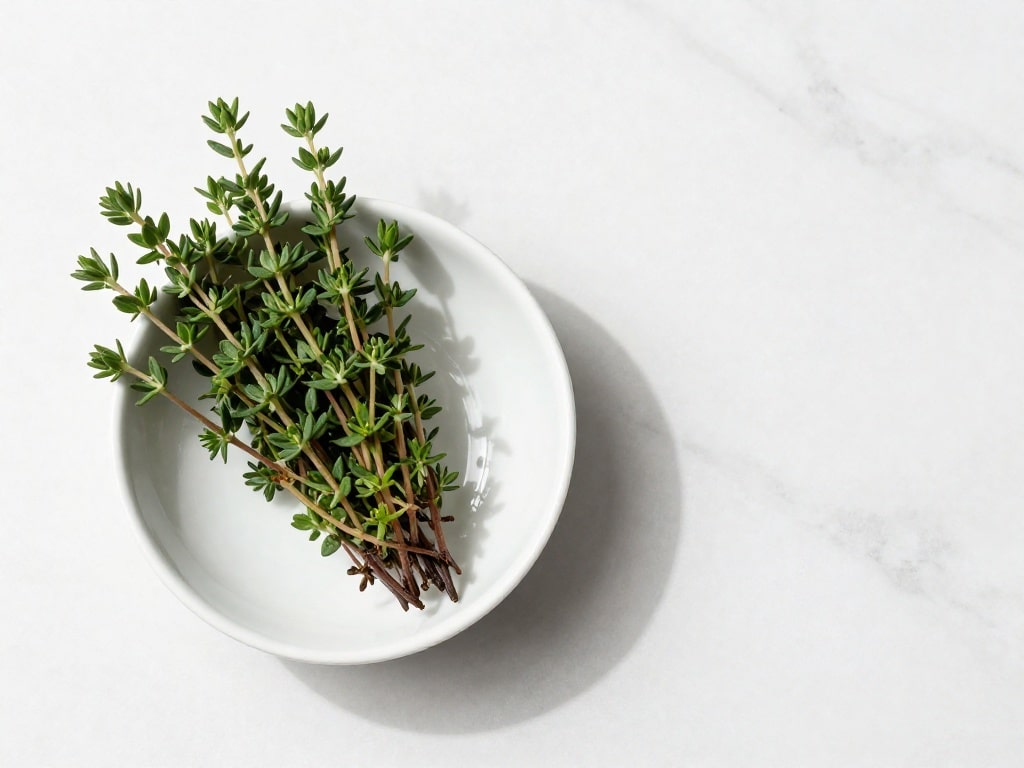
Thyme shares the piney, earthy notes of rosemary but is gentler in intensity and less resinous on the palate. Use a 1:1 ratio of fresh thyme for fresh rosemary in almost any savory application, from roasted potatoes to pan sauces to focaccia dough.
Because thyme is milder, it will not dominate the dish the way rosemary can. That is an advantage in recipes where rosemary sometimes risks overpowering other aromatics.
In a complex herb blend, thyme integrates quietly and lets garlic, lemon, or fond-based sauces carry more weight.
The one area where the swap is slightly noticeable is in meat rubs where rosemary's resinous oils form a visible crust. Thyme still builds a beautiful crust, just with a softer, less piney edge.
For long braises, the difference shrinks further as both herbs mellow in heat.
- Ratio: 1:1 fresh thyme for fresh rosemary in all cooking applications.
- Best dishes: Roast chicken, lamb, roasted root vegetables, bread doughs, and herb-infused oils.
- Tradeoff: Less resinous punch; you may want to add a small extra pinch to compensate in bold dishes.
- Dried thyme note: If using dried thyme in place of fresh rosemary, reduce to one-half the called-for amount.
Fresh thyme is the strongest default swap for meat rubs and roasted potatoes, where rosemary dominates the aroma but thyme will not overwhelm other flavors. It is the substitute to reach for first when you have no other options.
2. Fresh Sage - Earthy, Slightly Sweet
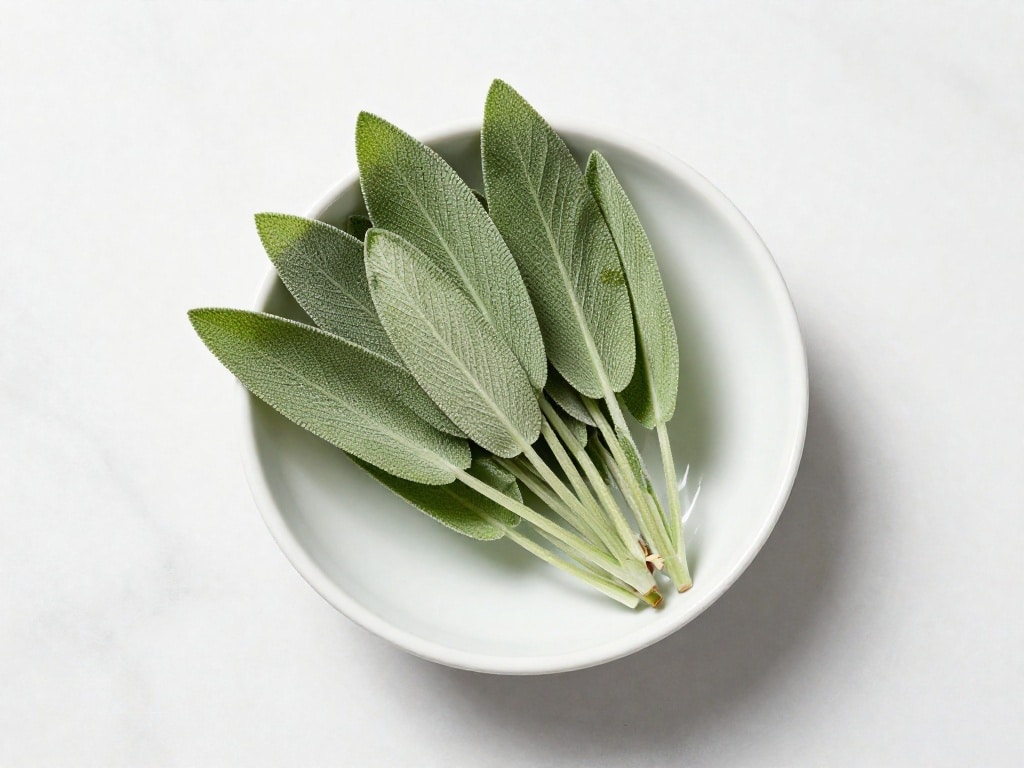
Sage has a deeper, earthier profile than rosemary and can bring warmth to poultry and pork in a way that few other herbs match.
Use a 1:1 ratio for fresh rosemary, though tasting early is important because sage can veer bitter if it overcooks without enough fat in the pan.
The key to a successful sage swap is fat. Butter-basted chicken thighs, pork shoulder with rendered fat, or sage browned in olive oil all allow the herb to bloom without turning harsh.
Sage also pairs well with garlic and lemon, so it slots naturally into any recipe that already has those aromatics. Dishes that rely on rosemary's brightness, however, will land differently with sage's more musky, camphor-like edge.
- Ratio: 1:1 fresh sage for fresh rosemary; pull back by 20% in dishes with delicate flavors.
- Best dishes: Roast turkey, pork tenderloin, brown butter pasta, stuffing, and white bean soups.
- Tradeoff: More pungent and slightly sweet; can turn bitter if used in high-acid, low-fat environments.
- Dried sage note: Dried sage is potent; use about one-third of the fresh equivalent and add early in cooking.
When building layered herb profiles in braises, the same principle applies as when using dry sherry substitutes in sauces: match the underlying warmth first, then adjust the top notes.
Sage is not ideal in dishes where bright, piney rosemary is the primary aromatic. Use it in small amounts and taste as you go, especially in recipes that lack fat or include high-acid ingredients like tomatoes or citrus.
3. Dried Thyme or Oregano Blends - Dried, Dense Substitutes
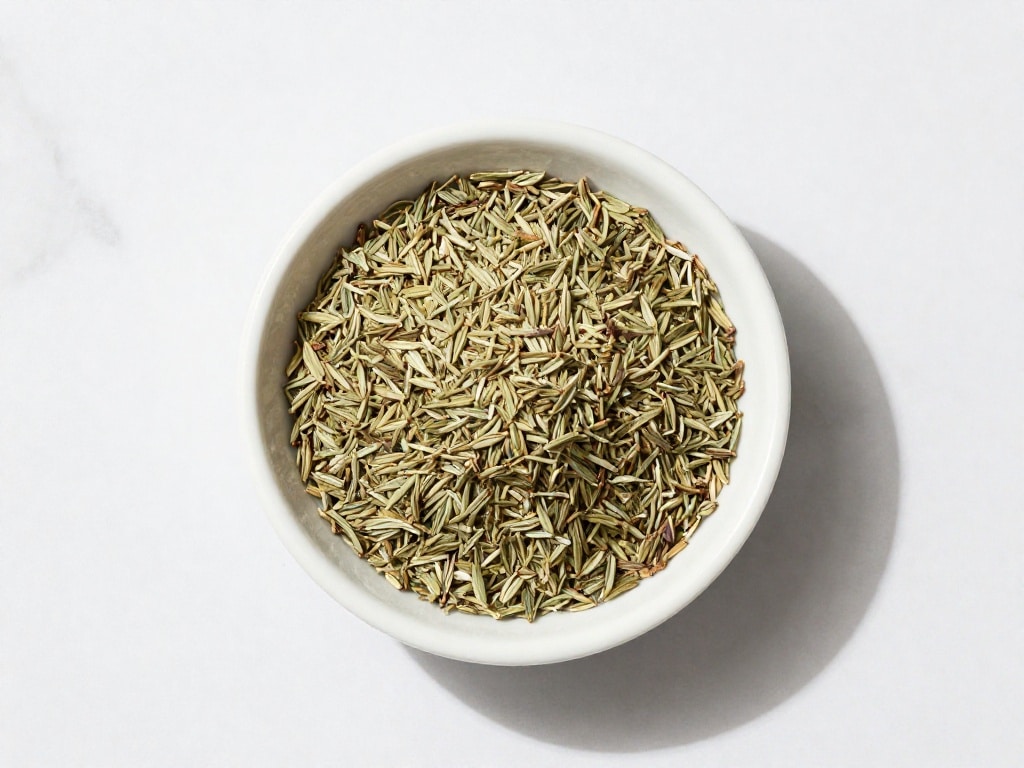
Dried herbs are more concentrated than fresh; reduce the quantity by about one-third to one-half when substituting for fresh rosemary.
A recipe calling for 1 tablespoon of fresh rosemary needs only 1 teaspoon of dried thyme or 1 teaspoon of a dried thyme-oregano blend to hit a comparable intensity.
Dried oregano brings a slightly more peppery, Mediterranean character than dried thyme, so a 50/50 blend of both often gives the most balanced result.
Both tolerate long cooking well, which makes them excellent in soups, braises, and tomato-based sauces where fresh herbs would lose their potency anyway.
- Ratio: Use ⅓ to ½ teaspoon of dried herb for every 1 teaspoon of fresh rosemary.
- Best dishes: Slow-cooked stews, bean soups, tomato sauces, pizza dough, and roasted vegetables.
- Dried thyme alone: Closest to rosemary's piney note; best for chicken and potato dishes.
- Dried oregano alone: Slightly bolder and more aromatic; best for tomato-based and Mediterranean dishes.
- Tradeoff: No fresh brightness; texture can be slightly gritty if added too late in cooking.
For baked goods that call for fresh rosemary, like flatbreads or savory scones, the dried substitution still works. Just rub the dried herbs between your palms before adding to activate the oils.
The same technique of reactivating dried ingredients applies when working with whole wheat pastry flour substitutes in baked recipes where texture release matters.
Use ⅓ to ½ the amount when substituting dried herbs for fresh rosemary. Adding too much dried herb is one of the most common seasoning errors, and it is harder to fix than under-seasoning.
4. Lemon Zest or Lemon Juice - Bright, Aromatic Lift
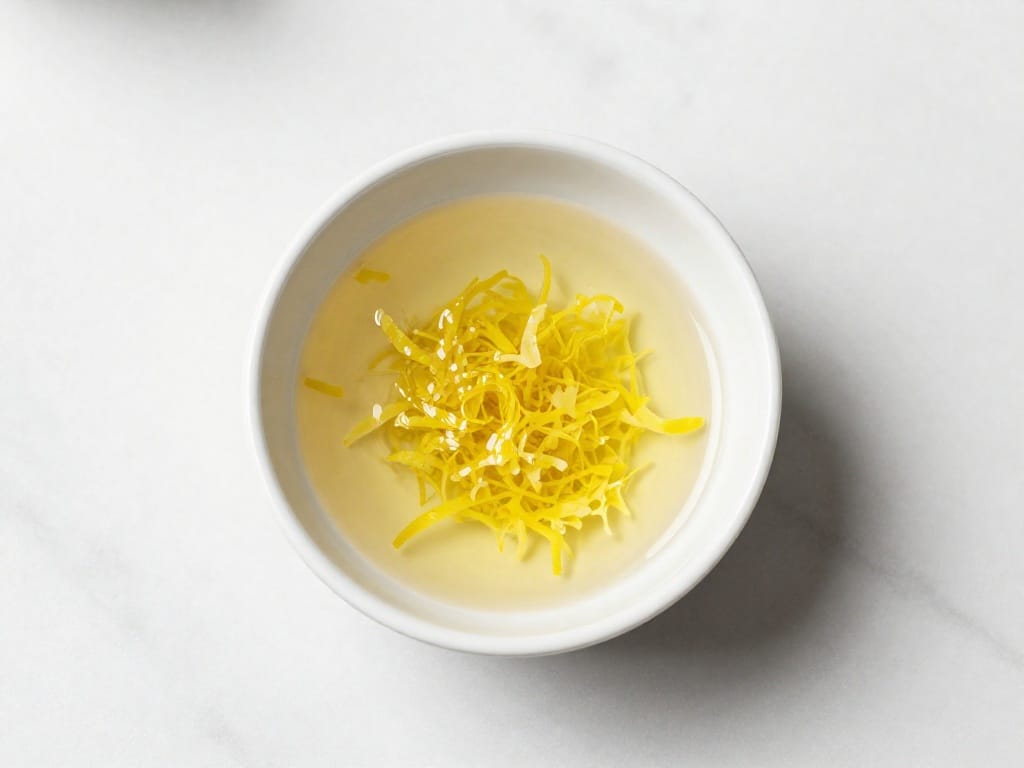
Lemon zest adds aromatic oils, and lemon juice adds acidity; both mimic some of the aromatic lift that rosemary provides in lighter dishes.
They are not herbal, so this swap works best when rosemary is used for brightness rather than piney depth, such as in a finishing drizzle over grilled fish or a vinaigrette for roasted vegetables.
For every sprig of fresh rosemary a recipe calls for, use about ½ teaspoon of lemon zest to replace the aromatic quality. If you also want a light acid balance, add a small squeeze of juice (about 1 teaspoon) alongside the zest.
Avoid using lemon as the sole rosemary substitute in slow-cooked meat dishes, where it will fade and leave the dish under-herbed. This swap works best added near the end of cooking or as a finishing touch.
- Ratio: ½ teaspoon lemon zest per sprig of fresh rosemary; add juice only if acidity is welcome.
- Best dishes: Grilled seafood, roasted asparagus, light pasta, pan sauces, and vinaigrettes.
- Combine with thyme: Pairing lemon zest with a small amount of fresh thyme gets closest to rosemary in seafood dishes.
- Tradeoff: No herbal depth; entirely wrong for red meat braises and rosemary-forward bread.
The logic of using acid as a flavor bridge is similar to choosing among vinegar substitutes in cooking and canning, where the goal is matching the functional role first.
Lemon zest is the best rosemary substitute for light sauces, seafood, and roasted vegetables where brightness and aroma are the goal. Add it near the end of cooking to preserve its fragrant oils.
5. Fresh or Dried Parsley + Garlic - Herbaceous Lift without Rosemary
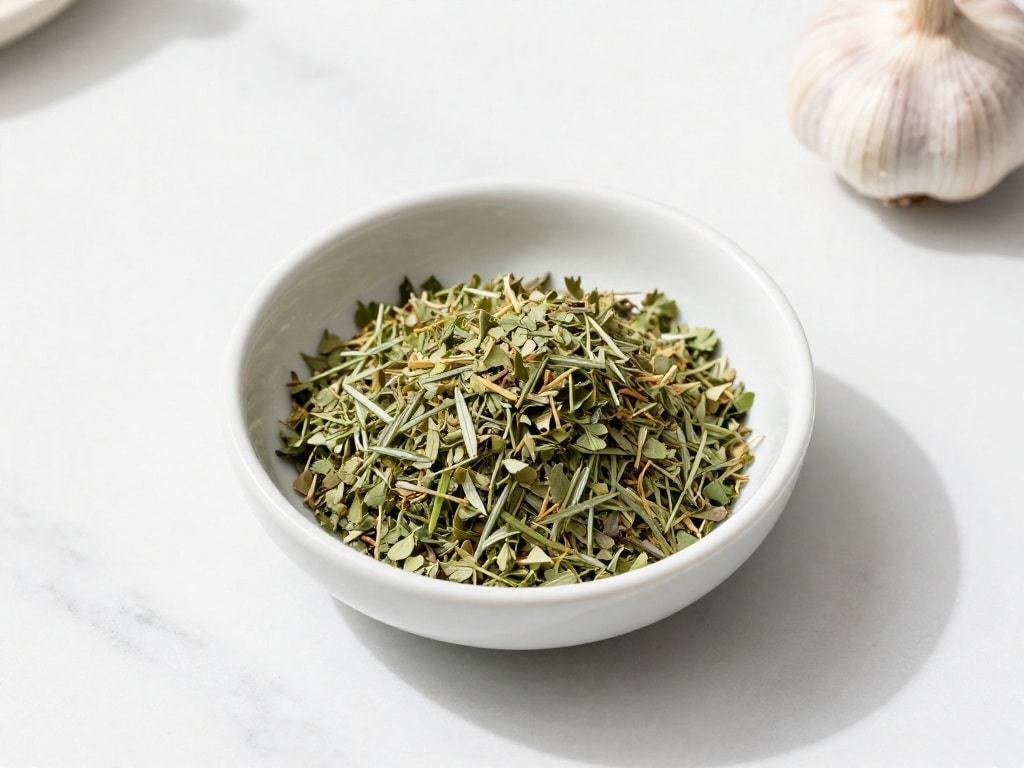
Parsley brightens and garlic adds warmth; together they approximate the herbal aroma of rosemary without its resinous, pine-forward notes. This combination works especially well in soups, stews, and pasta sauces where rosemary is one of several background herbs rather than the star of the dish.
Use 1 tablespoon of fresh parsley plus ½ teaspoon of minced garlic per sprig of rosemary called for. For dried parsley, reduce to 1 teaspoon.
Add garlic early and parsley late to layer the aromatic effect across the cook time. This is one of the more flexible swaps because both parsley and garlic are pantry staples that rarely need a special trip to the store.
- Ratio: 1 tablespoon fresh parsley + ½ teaspoon garlic per rosemary sprig; 1 teaspoon dried parsley for dried rosemary.
- Best dishes: Minestrone, lentil soup, tomato braises, pasta aglio e olio, and roasted chickpeas.
- Garlic timing: Add garlic at the start of cooking; add parsley in the final 5 minutes to keep it fresh.
- Tradeoff: No piney note at all; the dish will taste herby and savory but not distinctly rosemary-adjacent.
This pairing also works well in dishes that originally included a splash of something acidic alongside the rosemary. If you need to match the bright edge that rosemary sometimes adds, a small amount of a mild acid substitute alongside the parsley-garlic blend fills the gap.
For dessert applications that call for a sweetened rosemary syrup, stevia as a sugar substitute combined with a light citrus zest can approximate the sweet-herbal profile.
The parsley-garlic combo is the best choice for long-cooked dishes where a layered herbal note is desired without rosemary's resinous character. It is especially reliable in soups and tomato-based braises that already have complex base flavors.
Quick Decision Map
Choosing the right substitute comes down to three factors: the dish type, where in the cooking process the rosemary goes in, and the flavor direction you are aiming for. This map cuts the decision to under a minute.
By dish type: Use thyme for roasting, sage for poultry and pork, parsley with garlic for simmered soups and stews, dried herb blends for long braises, and lemon zest for finishing light dishes.
- Roasting (high heat, short time): Fresh thyme at 1:1 is safest. Sage works for pork and chicken. Avoid lemon zest at high heat - it burns.
- Simmering (long cook, liquid-based): Dried thyme or oregano blend holds up best. Parsley with garlic added in two stages (garlic early, parsley late) also works well.
- Finishing (added at end, off heat): Lemon zest shines here. Fresh parsley with a pinch of garlic is also ideal for brightness without bitterness.
- Piney flavor direction: Fresh or dried thyme is the only real option. Marjoram (not listed in the main five) is a distant second.
- Earthy flavor direction: Sage is the clear choice. Use it with fat and keep the heat moderate.
- Bright flavor direction: Lemon zest, or a lemon-thyme pairing, gives the most aromatic lift without heaviness.
For baked goods that use a pastry brush alternative to apply herb-infused oil, fresh thyme is the most reliable herb to brush on just before baking when rosemary is unavailable.
Match the substitute to the cooking stage first, then match flavor direction. A wrong-stage substitution (like lemon zest in a 3-hour braise) will underperform no matter how accurate the ratio is.
Decision Guide
Run through these three steps before committing to a substitute. They are ordered to narrow the field quickly so you spend less time guessing and more time cooking.