
Peychaud's bitters is one of those ingredients that seems minor until it's missing. A Sazerac without it tastes flat.

A Vieux Carré loses its floral, anise-tinged backbone. The bitters bring a specific combination of gentian root, angelica, and anise notes along with a distinctive pinkish hue that no other single bottle replicates exactly.
The good news is that five solid substitutes can preserve the aroma and balance of your drink when Peychaud's isn't on the shelf. Each one covers different ground, from citrus brightness to herbal depth to a quick DIY tincture you can make at home.
Peychaud's contains gentian, angelica root, and anise, and its typical aromatics include cardamom, clove, and a subtle cherry-like finish. That profile is what you're trying to approximate with any substitute.
Some options hit closer on the botanical side; others trade one note for another.
All five substitutes work at a 1:1 ratio to Peychaud's unless you adjust for strength or sweetness. Start there, taste, and correct from that baseline rather than guessing upfront.
If you bake or cook with anise-forward ingredients regularly, you already know how much that single flavor thread can anchor an entire recipe. The same principle applies in cocktails.
The five best substitutes for Peychaud's bitters are Angostura Bitters, Regans' Orange Bitters, Chocolate Bitters, a DIY anise tincture, and Amaro-based blends. All work at a 1:1 ratio. Each covers a distinct flavor angle, so the right pick depends on your cocktail's spirit base and desired finish.
Peychauds Bitter Substitutes in Detail
Every substitute below works at a 1:1 ratio to Peychaud's in standard cocktail recipes. The table highlights primary flavor notes and the contexts where each substitute performs best, so you can match the right option to your drink before you start mixing.
Peychaud's sits in a specific flavor lane: light-bodied, mildly sweet, anise-led, with floral and cherry undertones. No substitute nails every one of those qualities, but each one covers enough of the profile to hold a drink together.
Use the notes column to spot the main tradeoff before committing.
| # | Substitute | Ratio | Best For | Taste Match |
|---|---|---|---|---|
| 1 | Angostura Bitters | 1:1 | Sazerac, Martinez, classic aromatic cocktails | Close on botanicals, spicier and darker |
| 2 | Regans' Orange Bitters | 1:1 | Whiskey cocktails, Manhattan variants | Mild - citrus-forward, less anise |
| 3 | Chocolate Bitters | 1:1 | Dessert cocktails, coffee-spiked drinks | Different - cacao-forward, richer sweetness |
| 4 | DIY Anise Tincture | 1:1 | Any cocktail requiring close botanical match | Close - customizable anise and herbal depth |
| 5 | Amaro-based Blend | 1:1 | Craft cocktails, aperitif-style drinks | Mild - herbal-caramel, sweeter undertones |
Save This for Later
Pin this gourmet hacks: 5 best peychaud's bitters substitutes guide so you always have it when you need it.
Pin This GuidePeychaud's Bitters Substitutes in Detail
1. Angostura Bitters
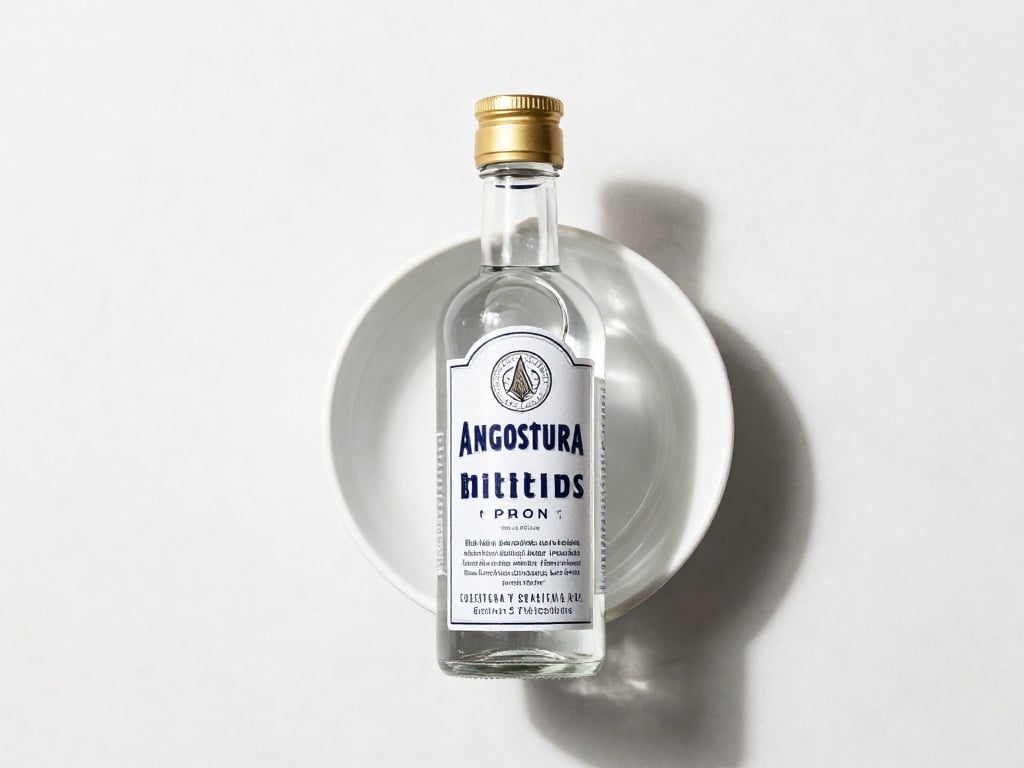
Angostura is the most widely available aromatic bitters on the market, and it covers the most ground as a Peychaud's replacement.
It uses a blend of gentian and several botanicals, including clove, cinnamon, nutmeg, and vanilla, which gives it broad aromatic depth that lands close to Peychaud's core bitterness.
The main tradeoff is color and spice intensity. Angostura runs amber to dark brown, so your Sazerac or Martinez variant will look deeper rather than the soft pink Peychaud's produces.
The spice profile also skews warmer and drier, which reads as slightly more assertive in the glass.
Use Angostura at a straight 1:1 swap. If the cocktail calls for two dashes of Peychaud's, use two dashes of Angostura.
For drinks that rely on a lighter, more floral finish, consider splitting the difference: one dash Angostura and a small measure of simple syrup to approximate the mild sweetness Peychaud's carries.
Angostura works especially well in spirit-forward cocktails where the bitters are one voice among many. Whiskey, rye, and cognac all absorb its spice profile cleanly.
For more options beyond this bottle, the Angostura bitters substitutes guide covers additional alternatives worth keeping nearby.
One area where Angostura shows its limits is in New Orleans-style drinks where the anise thread is prominent. It lacks the anise and subtle cherry notes that define Peychaud's character, so a Sazerac made with Angostura alone tastes spicier and less floral than the original.
Use Angostura at 1:1 for classic aromatic cocktails like the Sazerac or Martinez. Expect a spicier, darker result with less anise presence. It's the most reliable off-the-shelf option.
2. Regans' Orange Bitters
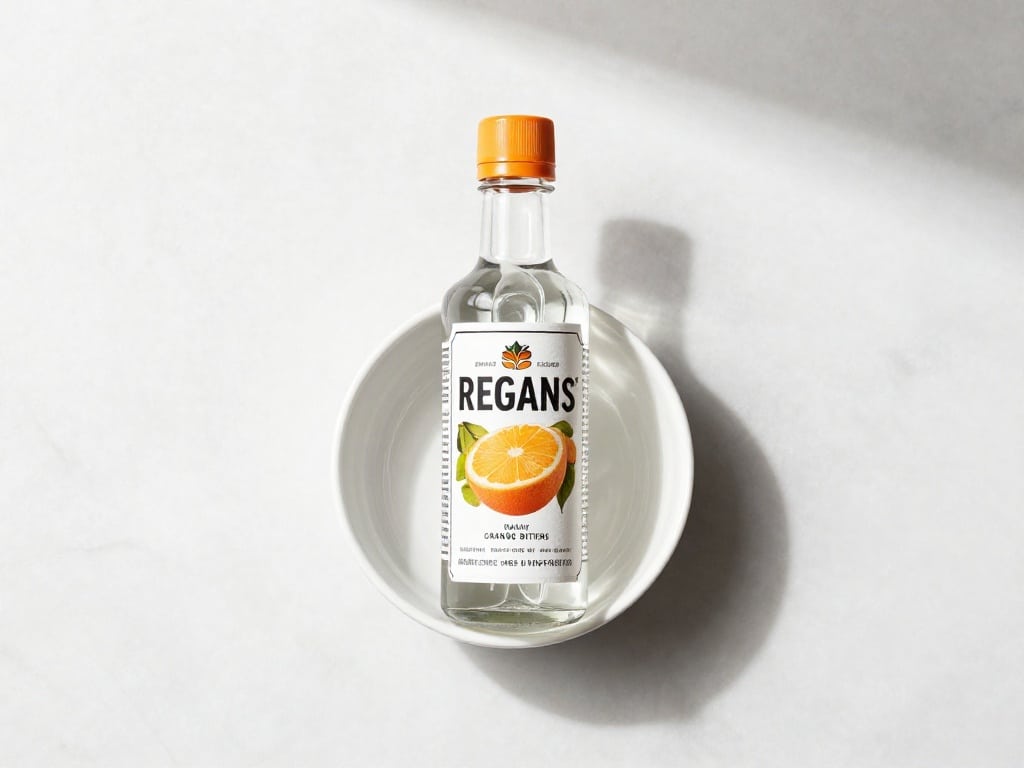
Regans' Orange Bitters brings a citrus-oil brightness that mimics the lighter, more aromatic lift Peychaud's provides in cocktails. The formula emphasizes sweet orange peel and coriander with gentle spice, which creates a clean, zesty foreground rather than a deep botanical base.
This substitute shines in whiskey-forward cocktails. A Manhattan or Old Fashioned built with Regans' picks up a bright citrus edge that keeps the drink from tasting too heavy.
The orange-peel note integrates well with aged spirits, especially bourbon and rye, where the grain sweetness complements the citrus oil.
The key caveat is what Regans' does not bring. There is no anise character here, and no fermented or cherry-like finish.
If your cocktail depends on that anise thread for its signature note, Regans' will shift the profile noticeably toward orange-citrus rather than botanical-floral.
Use it at 1:1 for drinks where you want citrus lift over botanical depth. It pairs particularly well with drinks that include a citrus garnish, like an orange twist or lemon peel, because the flavors align rather than compete.
Regans' also handles lower-ABV spirit bases, like dry vermouth-heavy cocktails, without overwhelming the glass.
If your recipe calls for a dry, fortified base similar to dry sherry substitutes, Regans' Orange Bitters can help bridge the citrus gap in drinks that need brightness without additional sweetness.
Regans' Orange Bitters works best in whiskey cocktails needing citrus lift. Use at 1:1, and note that anise and fermented fruit notes will not carry through.
3. Chocolate Bitters
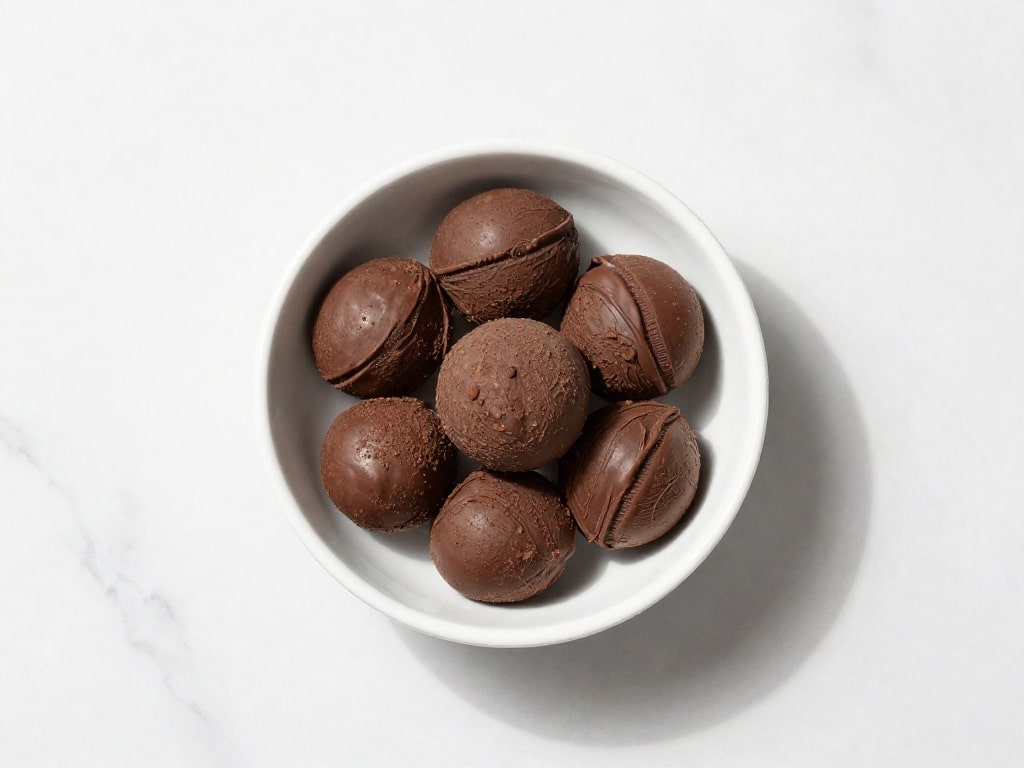
Chocolate bitters occupy a different lane than the other substitutes here, and that is exactly their value. They work as a flavor bridge for dessert-forward cocktails where cocoa, coffee, or vanilla are already present in the drink or the spirit.
Common chocolate bitters pair well with rye, mezcal, or aged rum, which happen to be three spirits that also work alongside Peychaud's in more complex recipes.
The substitution logic here is about complementing the drink's sweetness rather than replicating Peychaud's botanical profile. In a cocktail where the base spirit already carries warming spice, chocolate bitters layer in a roasted, slightly sweet depth that reads as richness rather than bitterness.
The main tradeoff is that cacao-forward bitters can skew the sweetness of your drink upward. If the recipe already has a sweet liqueur, flavored syrup, or sweetened vermouth, adding chocolate bitters risks tipping the balance.
Taste after one dash before committing to the full swap.
For a mezcal cocktail or a rye-based Old Fashioned built with vanilla notes, chocolate bitters add a richness that Peychaud's cannot quite provide. In those contexts, the swap is not just acceptable.
It is an intentional upgrade. Think about pairing with flavors similar to white chocolate substitutes in dessert drink recipes where sweetness calibration is already part of the build.
Skip chocolate bitters in drinks that depend on a dry, low-sweetness finish. A Sazerac built with chocolate bitters will taste noticeably dessert-like, which is a significant departure from the original profile.
Chocolate bitters at 1:1 work best in dessert cocktails with rye, mezcal, or aged rum. Watch sweetness levels - add one dash first and taste before using the full amount.
4. Anise-Forward DIY Peychaud-Inspired Tincture
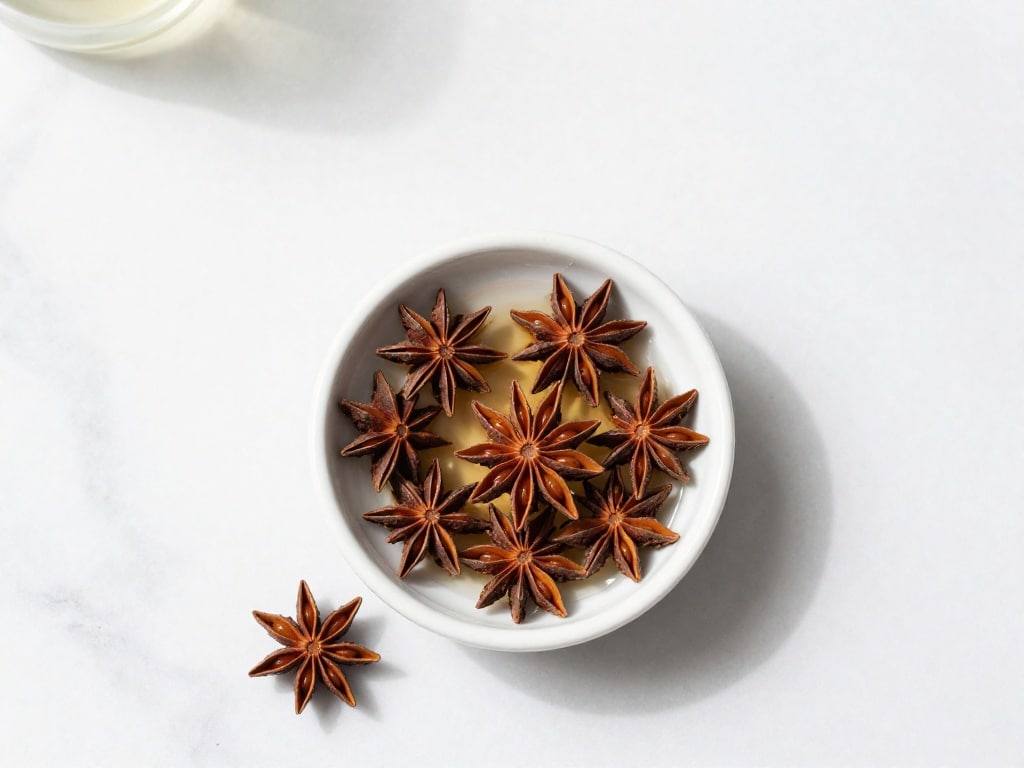
A DIY tincture is the closest you can get to Peychaud's actual flavor profile without buying the bottle. The goal is to mimic anise and botanical complexity without overpowering the cocktail, which means keeping the ratios lean and the steeping time disciplined.
To make the tincture, combine in a small jar: 1 cup of neutral high-proof alcohol (vodka or Everclear works), 1 teaspoon of anise seed, half a teaspoon of dried gentian root, a small cinnamon stick, and a few pieces of dried cherry bark or dried tart cherry. Seal the jar and steep at room temperature for two to three weeks, shaking once daily.
Strain through a fine mesh or cheesecloth before using.
Prep takes about five minutes, and the steeping does the rest. The two-to-three week window allows the botanicals to fully release their oils into the alcohol without going bitter or astringent.
Steeping shorter than two weeks produces a thinner result. Beyond three weeks, the cinnamon can start to dominate.
Store the finished tincture in a sealed dark glass bottle away from heat and light. It stays stable for up to six months.
Use it at 1:1 in any recipe calling for Peychaud's. Because you control the ingredient ratios, you can adjust the anise level up or down depending on whether you prefer a more forward anise note or something more balanced and herbal.
The rum extract substitutes section offers parallel logic for working with alcohol-based flavor extracts in cocktails and cooking.
This option requires planning ahead, so it is not a same-day solution. However, once the batch is ready, it outperforms every commercial substitute in terms of flavor match to the original.
DIY tincture takes five minutes to prep and two to three weeks to steep. Make a batch in advance and use it at 1:1 as a near-exact Peychaud's stand-in.
5. Amaro or Amaro-Based Blend
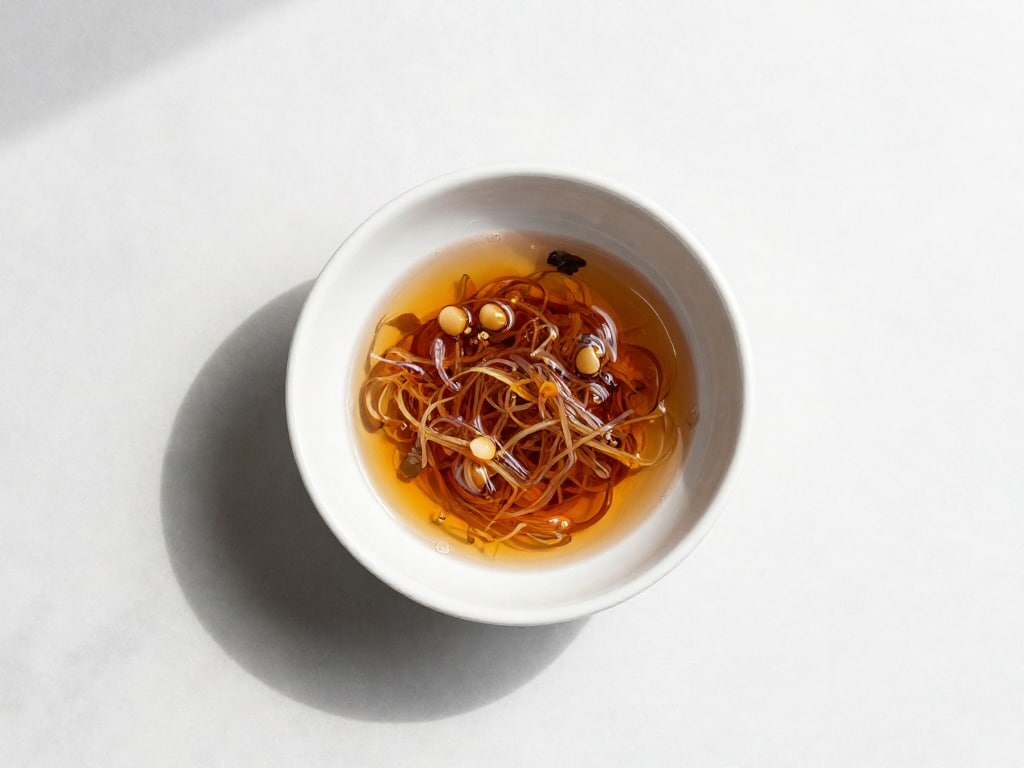
Amaro brings bitter herb complexity and sweeter undertones that can fill the aromatic role Peychaud's plays in cocktails requiring depth and balance.
Amaro Averna is a practical starting point: it carries a herbal-caramel profile with licorice-adjacent notes that overlap with Peychaud's anise character without replicating it directly.
The substitution works best in craft cocktails where you want herbal richness rather than a precise botanical match. Aperitif-style drinks, low-ABV builds, and cocktails with sweetened vermouth all absorb the amaro's additional sweetness without losing their structure.
In those contexts, an amaro blend at 1:1 adds a pleasant layered bitterness that reads as intentional complexity.
The tradeoff is real: amaro shifts the sweetness and bitterness balance more than any other substitute on this list. It has measurable sugar content that other bitters do not, so cocktails built with simple syrup or sweet liqueurs may need adjusting.
If the recipe already leans sweet, reduce any added sugar by half when using amaro as your Peychaud's swap.
Amaro also has significantly more volume per dash than a standard bitters bottle, so the 1:1 ratio works when the recipe calls for a small amount. For recipes calling for more than four dashes total, start at three-quarters of the stated amount and adjust up.
A useful reference for managing sweetness adjustments is the stevia sugar substitutes guide, which covers how to recalibrate sweetness in recipes without adding volume.
Skip amaro in dry, spirit-forward cocktails where bitterness needs to stay tight and controlled. Its sweetness can blur the edges of a properly built Sazerac or Vieux Carré.
Amaro at 1:1 suits craft cocktails needing herbal depth. Reduce other sweet elements by half, and start at three-quarter measure if the recipe calls for more than four dashes.
Decision Guide: Which Substitute to Use
The right substitute depends on what job the bitters are doing in your specific drink. A quick scenario check gets you to the right answer faster than trying to memorize every flavor profile.
- Classic Sazerac: Angostura bitters at 1:1 is the safest swap. It covers the aromatic depth and gentian backbone, even if it runs spicier and darker than the original.
- New Orleans-style drinks needing anise character: The DIY anise tincture is the closest match. It takes planning but delivers the most accurate flavor.
- Whiskey cocktails with citrus garnish: Regans' Orange Bitters adds brightness and citrus-oil lift without competing with the spirit base.
- Dessert or after-dinner cocktails: Chocolate bitters at 1:1 add richness and cocoa depth that pairs well with aged rum or rye.
- Aperitif or low-ABV craft builds: An amaro blend provides herbal-caramel complexity, but reduce sweetness elsewhere in the recipe.
If you are working with a recipe that also calls for pungent or spiced elements, treating bitters the same way you would treat hot paprika substitutes is useful. Match the intensity first, then correct for color or sweetness as a secondary step.
Frequently Asked Questions
What is the closest substitute for Peychaud's bitters in a Sazerac?
Angostura bitters at a 1:1 ratio is the closest commercially available option, covering the gentian and botanical depth. The result will be spicier and darker than the original.
Can I use orange bitters instead of Peychaud's?
Yes, Regans' Orange Bitters works at 1:1 for citrus-forward cocktails. It will not replicate the anise or cherry-like notes, so expect a brighter, less floral result.
How long does a homemade Peychaud's tincture last?
A properly strained DIY anise tincture stored in a sealed dark bottle stays stable for up to six months at room temperature away from heat and light.
Does amaro work as a drop-in replacement for Peychaud's in cocktails?
Amaro works at 1:1 for small-measure recipes, but its added sugar shifts the drink's balance. Reduce other sweet ingredients by half when using it as a swap.
Are chocolate bitters too sweet to replace Peychaud's?
Chocolate bitters are richer and slightly sweeter, so start with one dash and taste before using the full amount. They work best in dessert cocktails, not dry classics.
Gourmet Hacks: 5 BEST Peychaud's Bitters Substitutes
Ingredients
Equipment
Method
- Choose your substitute based on the dish type and desired flavor match.
- Prepare the substitute as directed: adjust ratios and prep as noted for each option.
- Apply the substitution ratio carefully. Start with the stated amount and adjust to taste.
- Taste and adjust seasoning. Some substitutes shift flavor or texture slightly.
Notes
- All substitutes work at a 1:1 ratio to Peychaud's unless sweetness or spice adjustment is needed.
- For the DIY tincture, steep for the full 2-3 weeks for best botanical complexity. Shorter steep times produce a thinner result.
Tried this recipe?
Let us know how it was!
Carrie is a food writer and editor with more than 15 years of experience. She has worked for some of the biggest names in the food industry, including Bon Appétit, Food & Wine, and Martha Stewart Living.
As the Editor in Chief of EpicureDelight, Carrie oversees all of the content on the site. She also manages the team of contributing writers and editors, who help to create delicious recipes, helpful tips, and informative articles that you’ll find on the site.
A native of the Chicago area, Carrie is passionate about all things food. She loves trying new restaurants and experimenting with new recipes in her kitchen. She’s also a graduate of the Culinary Institute of America, so she knows a thing or two about food!



