
Half and half is that familiar carton in the back of the fridge, used in everything from morning coffee to creamy pasta sauces and rich soups. It sits at roughly 10-18% milkfat, which gives it that slightly silky weight without the full richness of heavy cream.

Replacing it with something plant-based is very doable, and most swaps work better than you might expect.
The tricky part is matching both the fat content and the neutral flavor. Half and half is not sweet, not tangy, and not heavy.
A good vegan swap needs to hit that same middle ground.
Where it gets harder is in sauce applications that need a smooth, stable emulsion at high heat. Some plant milks split when simmered too long, so the right pick depends on how you are using it.
The five options below cover coffee, baking, soups, and sauces. Each one has a real use case and a clear tradeoff.
The best vegan substitutes for half and half are full-fat coconut milk, oat milk creamer, cashew cream, soy milk with oil, and almond milk creamer. Each swap matches the fat content and neutral body of half and half reasonably well. Full-fat coconut milk is the most consistent all-purpose pick for cooking and baking.
Vegan Half and Half Substitutes in Detail
All five options below use a 1:1 ratio, so no math is required. The main differences come down to flavor impact and how each one behaves under heat.
| # | Substitute | Ratio | Best For | Taste Match |
|---|---|---|---|---|
| 1 | Full-Fat Coconut Milk | 1:1 | Soups, sauces, baking | Close (slight coconut note) |
| 2 | Oat Milk Creamer | 1:1 | Coffee, light sauces | Close |
| 3 | Cashew Cream | 1:1 | Creamy soups, pasta sauces | Very close |
| 4 | Soy Milk with Oil | 1:1 | Baking, savory cooking | Close |
| 5 | Almond Milk Creamer | 1:1 | Coffee, light desserts | Mild difference |
Save This for Later
Pin this 5 best vegan substitutes for half and half guide so you always have it when you need it.
Pin This GuideEach substitute below works differently depending on the recipe. Read the tradeoffs before committing to one, especially for cooked applications.
1. Full-Fat Coconut Milk
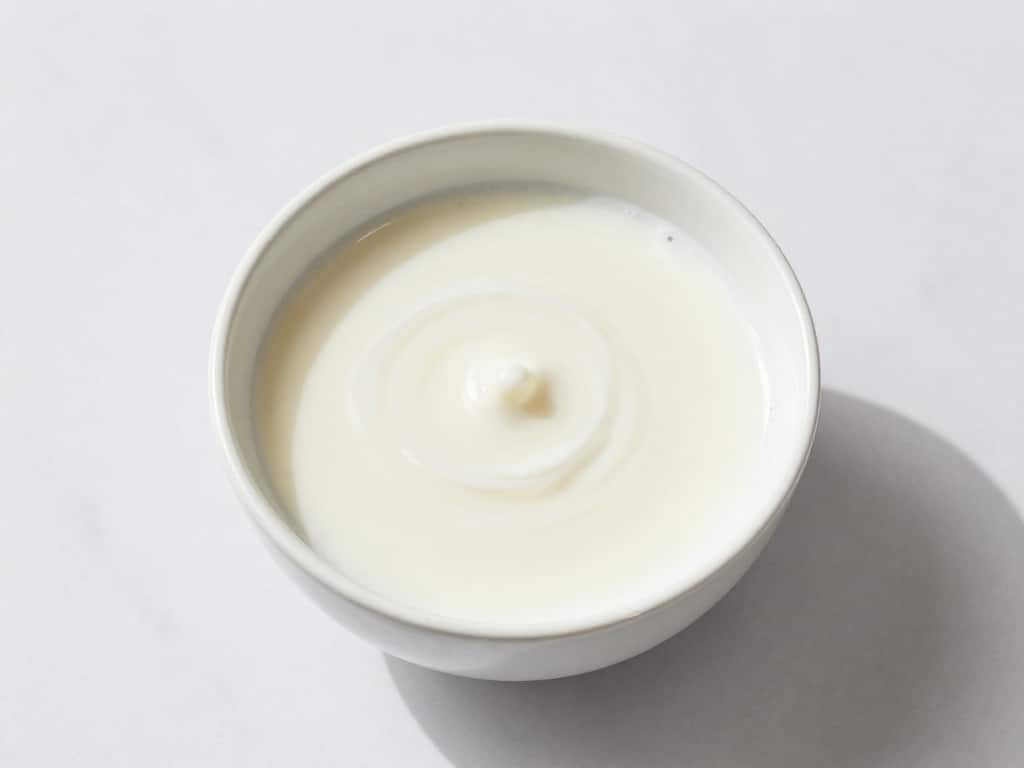
Full-fat coconut milk from a can is the most reliable all-purpose swap for half and half in cooked dishes. It has roughly 17-22% fat depending on the brand, which puts it squarely in the same fat range as half and half.
It also stays stable when simmered, making it a strong pick for soups, curries, and cream-based pasta sauces.
The tradeoff is a mild coconut flavor that shows up in neutral or delicately seasoned dishes. In heavily spiced recipes, you will not notice it at all.
For coffee, it works acceptably well if you do not mind a subtle tropical note. Shake the can before opening, as the fat separates when chilled.
Full-Fat Coconut Milk
✅ High fat content matches half and half closely. Stays smooth under heat and does not split during long cooking.
⚠️ Adds a distinct coconut flavor in lightly seasoned dishes. Not ideal for recipes where a completely neutral base is needed.
2. Oat Milk Creamer
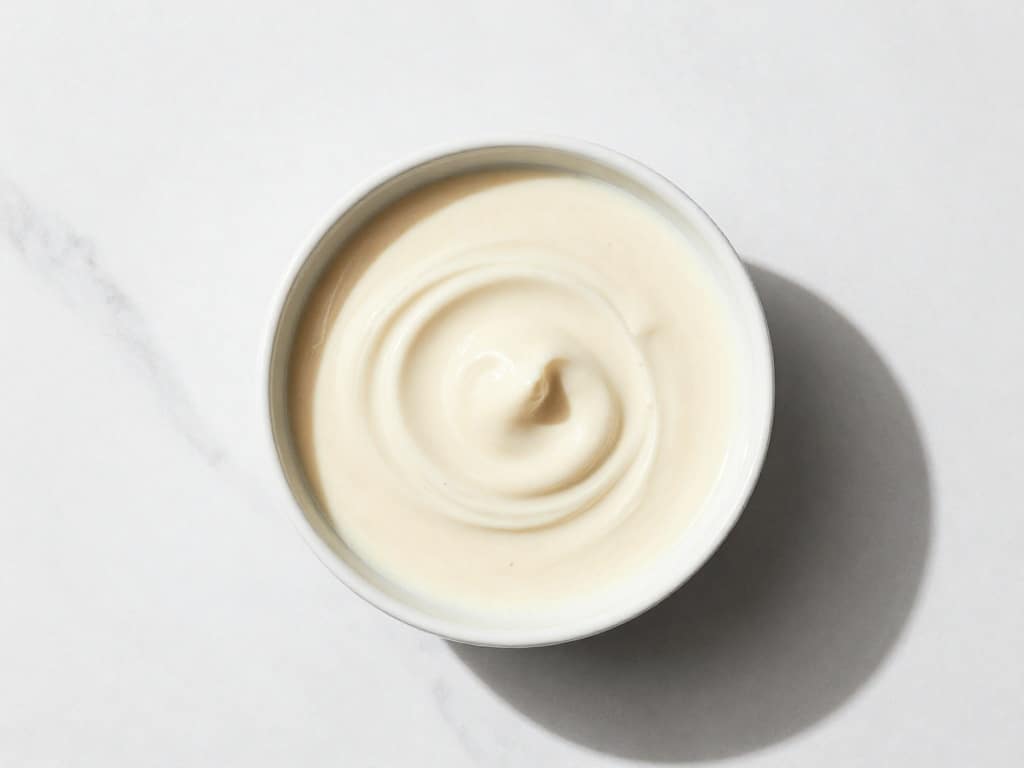
Oat milk creamer is one of the best options for coffee and warm drinks. Unlike plain oat milk, the creamer version is formulated with added oils to increase fat content and reduce curdling when poured into hot liquid.
Brands like Oatly Barista or Califia Farms Oat Barista Blend are specifically designed to behave the way dairy does in hot beverages.
In light sauces and soups, oat milk creamer performs adequately, though it is lower in fat than coconut milk or cashew cream. It has a very mild, slightly sweet flavor that blends into most recipes without standing out.
For baking, it can replace half and half in quick breads and muffins without any detectable difference.
Oat Milk Creamer
✅ Minimal flavor impact and very smooth texture. Barista-style versions resist curdling in hot coffee and tea.
⚠️ Lower fat than half and half in most formulations. Sauces may turn out slightly thinner unless you reduce the liquid a bit.
3. Cashew Cream
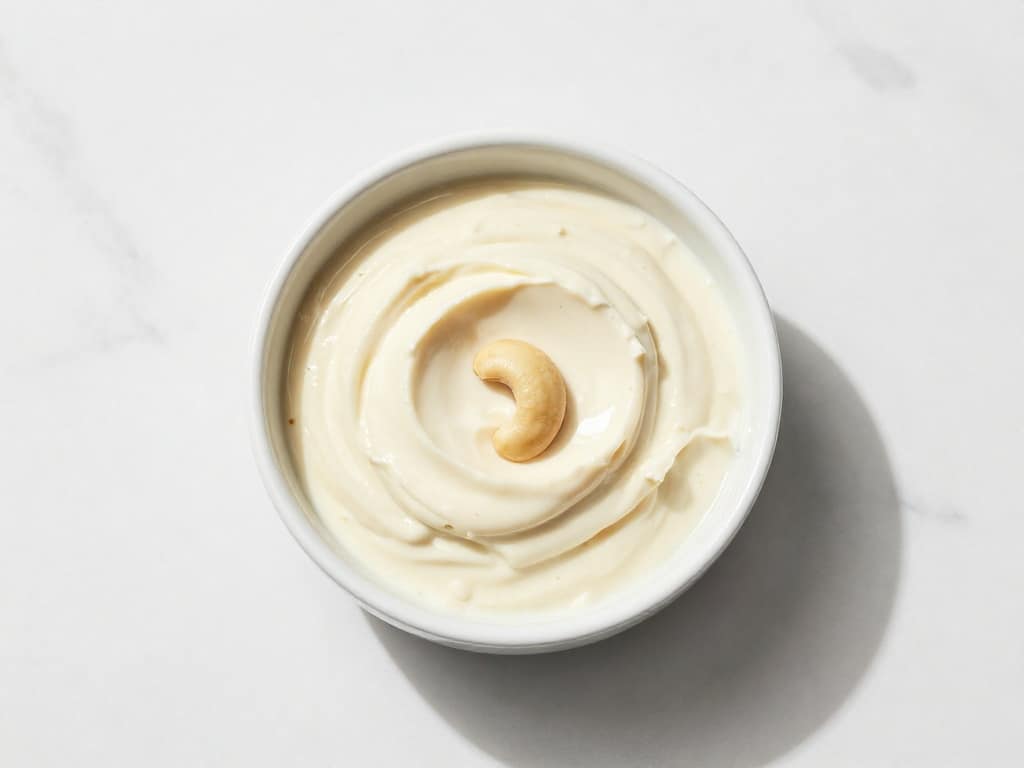
Cashew cream is made by blending soaked raw cashews with water until completely smooth. A ratio of one cup cashews to one cup water produces a consistency very close to half and half.
The flavor is neutral with a subtle nuttiness that disappears almost entirely in savory cooking.
It is the top pick for creamy soups and pasta sauces where texture matters most. Cashew cream thickens slightly as it cooks, which can actually improve a sauce rather than hurt it.
The downside is prep time: cashews need to soak for at least four hours, or thirty minutes in hot water if you are short on time. A high-speed blender gives the smoothest result.
For those who often swap specialty ingredients in cooking, the same planning mindset applies when sourcing alternatives to Medjool dates or other less common pantry items.
Cashew Cream
✅ Closest texture match to half and half in cooked applications. Nearly flavorless in savory dishes and thickens naturally as it simmers.
⚠️ Requires advance soaking and a blender. Not suitable for anyone with tree nut allergies.
4. Soy Milk with Oil
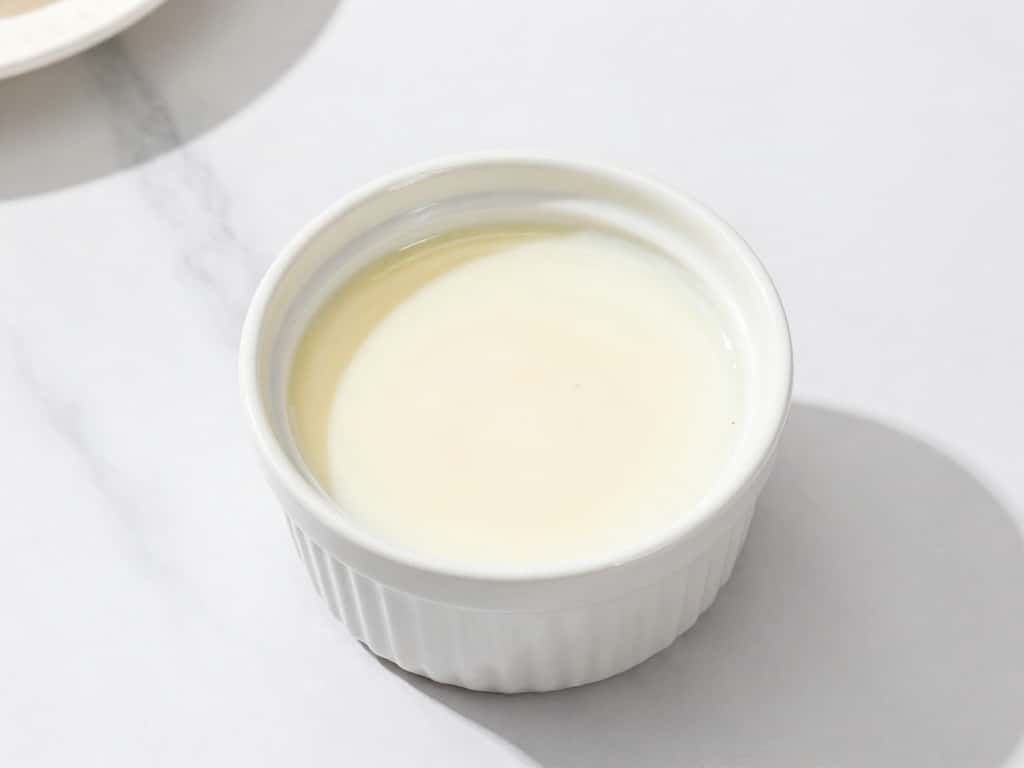
Plain soy milk on its own is a bit thin, but mixing one tablespoon of neutral oil per cup of soy milk brings the fat content up to a level that mimics half and half. Use a light oil like avocado, refined coconut, or sunflower.
The resulting mixture blends easily into batters, custards, and savory sauces without separating.
Soy milk has the highest protein content of any plant milk, which means it behaves more like dairy in baking. It emulsifies well with fats and contributes to a tender crumb in cakes and quick breads.
The flavor is very mild, slightly beany in some brands, though this is largely undetectable once baked or cooked into a sauce. Just as you might adapt a recipe when swapping onion flakes for fresh onion, a small ratio adjustment here goes a long way.
Soy Milk with Oil
✅ High protein content supports good baking results. Fat-adjusted mixture performs close to half and half in most recipes.
⚠️ Slight beany flavor in some soy milk brands. Avoid in recipes where a completely clean, neutral flavor is essential.
5. Almond Milk Creamer
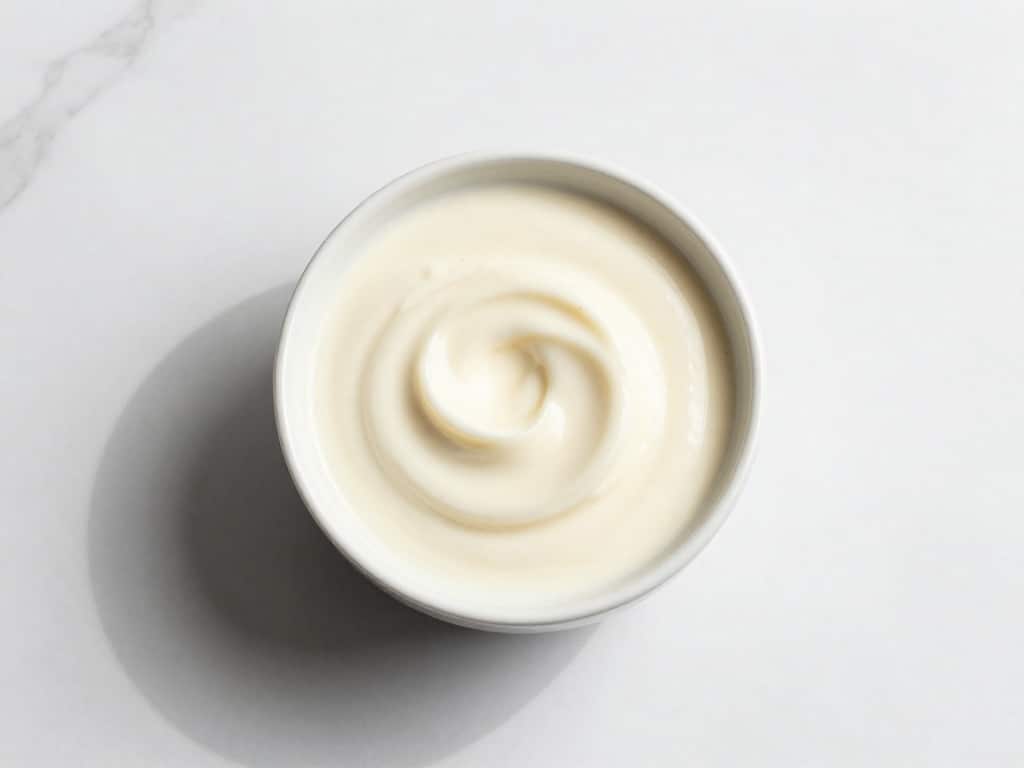
Almond milk creamer is best suited for coffee, tea, and light desserts where a rich, thick liquid is not critical. Like oat milk creamer, the creamer versions of almond milk are fortified with oils and stabilizers to prevent separation in hot drinks.
Brands like Califia Farms and Silk both produce almond-based creamers that pour and blend smoothly.
The main limitation is fat content. Almond milk creamer is lighter than the other options on this list, so it is a weaker choice for heavy cream-style sauces or recipes that rely on fat for structure.
In coffee, cookies, and simple cakes, the difference is nearly unnoticeable. It is also widely available and tends to be one of the lower-calorie swaps on this list.
Similar swap logic applies to fruit-based recipes: knowing your ingredient's role helps, the same way it does when finding alternatives to apricot jam in a glaze.
Almond Milk Creamer
✅ Very smooth in coffee and cold drinks. Widely available and has a mild, neutral flavor that does not overpower recipes.
⚠️ Lower fat content than half and half. Not ideal for rich sauces or recipes that need body and thickness from fat.
How to Choose the Right Substitute?
The right pick comes down to one question: are you adding it to something hot and cooked, or something light and uncooked? For soups, sauces, and braised dishes, fat content and heat stability matter most.
For coffee, baked goods, and dressings, flavor neutrality and texture are the deciding factors.
- Richest texture for cooking: Full-fat coconut milk or cashew cream are the most structurally similar to half and half in hot applications.
- Best for coffee and drinks: Oat milk creamer or almond milk creamer resist curdling and blend smoothly without separating in hot liquid.
- Best for baking: Soy milk with oil closely mimics the fat-to-protein ratio that makes half and half effective in custards and quick breads.
- Neutral flavor priority: Cashew cream and oat milk creamer have the least flavor impact in savory dishes.
- Quick pantry fix: If you have soy milk and a neutral oil on hand, the soy-plus-oil mix works immediately with no blending or prep beyond a quick stir.
Match the substitute to the fat demand of your recipe. A coffee swap needs curd resistance. A sauce swap needs fat content. No single option wins every situation, so keep two or three on rotation.
If you regularly cook without dairy, it is also worth knowing how other ingredient swaps behave in similar recipes. Swapping acidic or bitter ingredients follows similar decision logic, the way grapefruit substitutes require you to balance tartness against the dish's overall flavor.
For braised greens or vegetable-heavy sides, the richness of coconut milk or cashew cream can round out a dish beautifully. If you have ever used dairy in a pot of collard green preparations, full-fat coconut milk is a direct, no-fuss replacement.
Baking projects with glazes, doughs, or pastries may also call for a brushing liquid.
A thin cashew cream or oat milk creamer works well here, much like you would approach pastry brush alternatives when adapting a recipe for tools or ingredients you do not have on hand.
For slow-cooked dishes like chili where liquid depth matters, oat milk creamer or soy milk with oil both integrate well, similar to how beer substitutes in chili shift the flavor profile only minimally when chosen carefully.
Full-fat canned coconut milk is the single most versatile vegan swap for half and half. It handles heat, matches fat content, and works across soups, sauces, and baked goods with minimal flavor disruption in well-seasoned recipes.
Frequently Asked Questions
Can I use coconut milk in coffee as a vegan half and half replacement?
Yes. Full-fat coconut milk works in coffee and adds a mild coconut flavor. For a more neutral cup, use an oat milk barista blend instead.
Does cashew cream need to be cooked before using it as a substitute?
No cooking is needed. Soak raw cashews for at least 4 hours, then blend with equal parts water until completely smooth before using.
What is the best nut-free vegan substitute for half and half?
Oat milk creamer and soy milk with oil are both nut-free and work well in coffee, baking, and light sauces at a 1:1 ratio.
Will vegan half and half substitutes work in creamy pasta sauce?
Full-fat coconut milk and cashew cream both hold up well in pasta sauces. They stay smooth when simmered and do not break the way thin plant milks can.
Can I make my own vegan half and half at home?
Yes. Blend one cup of full-fat coconut milk with one cup of unsweetened soy milk for a neutral, homemade vegan half and half with roughly 10% fat.
5 Best Vegan Substitutes for Half and Half Substitutes: Best
Ingredients
Method
- Choose your substitute based on the dish type and desired flavor match.
- Prepare the substitute as directed: adjust ratios and prep as noted for each option.
- Apply the substitution ratio carefully. Start with the stated amount and adjust to taste.
- Taste and adjust seasoning. Some substitutes shift flavor or texture slightly.
Notes
- Full-fat coconut milk is the most versatile option and works across cooking, baking, and coffee applications.
- For a homemade vegan half and half, blend equal parts full-fat coconut milk and unsweetened soy milk for roughly 10% fat content.
Tried this recipe?
Let us know how it was!
Carrie is a food writer and editor with more than 15 years of experience. She has worked for some of the biggest names in the food industry, including Bon Appétit, Food & Wine, and Martha Stewart Living.
As the Editor in Chief of EpicureDelight, Carrie oversees all of the content on the site. She also manages the team of contributing writers and editors, who help to create delicious recipes, helpful tips, and informative articles that you’ll find on the site.
A native of the Chicago area, Carrie is passionate about all things food. She loves trying new restaurants and experimenting with new recipes in her kitchen. She’s also a graduate of the Culinary Institute of America, so she knows a thing or two about food!



