
Galangal powder has a sharp, citrus-forward bite with distinct piney undertones that set it apart from most spices on a pantry shelf. It belongs to the ginger family, yet tastes noticeably different from common ground ginger.

That combination of warmth, zest, and resin-like depth is exactly what makes it hard to replace.
The problem is availability. Galangal powder is a staple in Thai, Indonesian, and Malaysian cooking, yet it rarely appears in standard grocery stores outside of specialty shops.
This guide covers five substitutes that hold up in soups, curries, marinades, and other Southeast Asian-style dishes where galangal is called for. Each substitute comes with an exact ratio by weight so you can swap without guessing.
Weight-based ratios matter here because volume can vary widely between dried spice brands.
None of these swaps are perfect. Galangal's profile is distinct enough that some flavor drift is expected.
The goal is to stay as close to the original intent as possible while working with what you have.
The five best galangal powder substitutes are fresh galangal, ground ginger, ground turmeric, ginger powder combined with lime zest, and lemongrass powder. All ratios are 1:1 by weight for straightforward swapping in soups, curries, and marinades.
Use this quick-start: swap at 1:1 by weight and taste as you go. Most adjustments are small once you pick the right substitute for your dish type.
Galangal Powder Substitutes at a Glance
Fresh galangal is the closest flavor match when available, but the five options below cover the most practical scenarios. The table below shows each substitute, its substitution ratio, and the dish types it handles best.
| # | Substitute | Ratio | Best For | Taste Match |
|---|---|---|---|---|
| 1 | Fresh galangal (if available) | 1:1 | Authentic Southeast Asian dishes | Close |
| 2 | Ground ginger | 1:1 | Stews, curries, and soups needing warmth and zing | Mild |
| 3 | Ground turmeric | 1:1 | Colorful curries where color shift is acceptable | Different |
| 4 | Ginger powder + lime zest | 1:1 (ginger powder) + pinch of lime zest | When lime brightness is desired | Mild |
| 5 | Lemongrass powder | 1:1 | Citrus-forward soups and poultry marinades | Mild |
Save This for Later
Pin this 5 best galangal powder substitutes to consider guide so you always have it when you need it.
Pin This GuideGalangal Powder Substitutes in Detail
1. Fresh Galangal (Best-for Context)
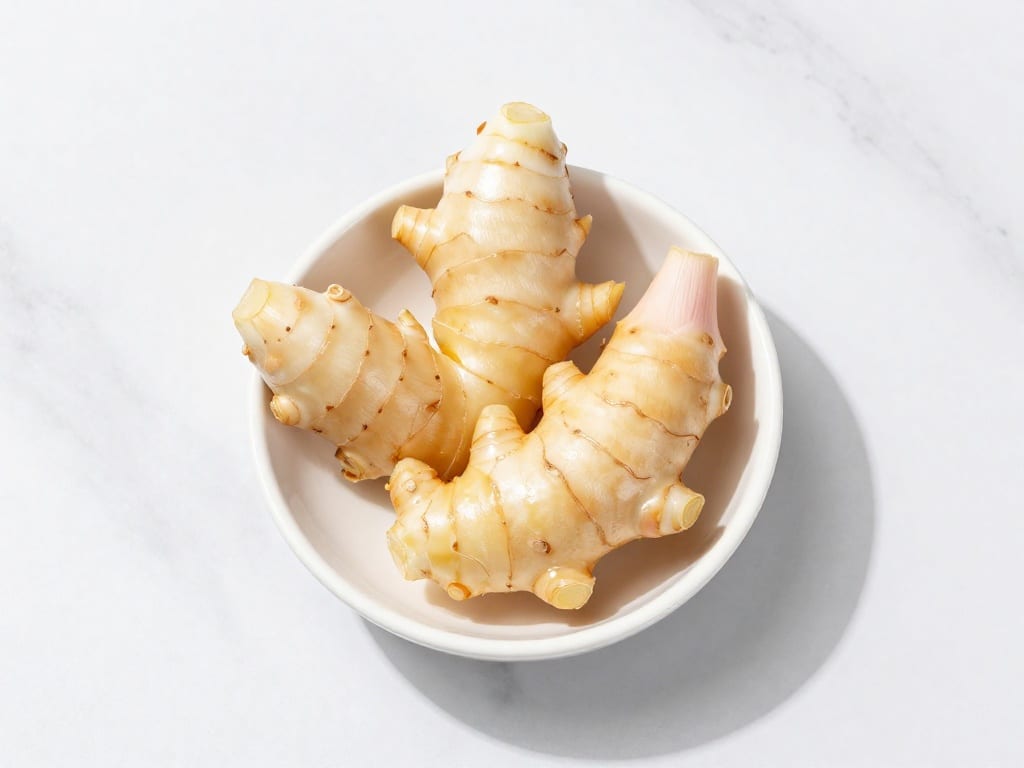
Fresh galangal has a brighter, zestier profile than the dried powder, with piney undertones that come through clearly in the finished dish. When you can find it at an Asian grocery store, it is worth using over any dried alternative.
To substitute for galangal powder, peel and grate or finely mince the fresh root. Use the same weight as the powder called for in the recipe.
Fresh galangal contains more moisture, so add it early in the cooking process to let that moisture cook off and the flavor integrate fully. This works especially well in aromatic broths and umami-forward soups where the raw edge of fresh root can soften into the liquid.
The texture of fresh galangal is considerably harder than ginger root, so a sharp grater or a strong blender is helpful. Do not skip the peeling step; the outer skin is fibrous and does not break down during cooking.
Fresh galangal gives the most authentic aroma and texture. Use it whenever you want the closest possible match to galangal powder in traditional recipes.
2. Ground Ginger (1:1 Substitute)
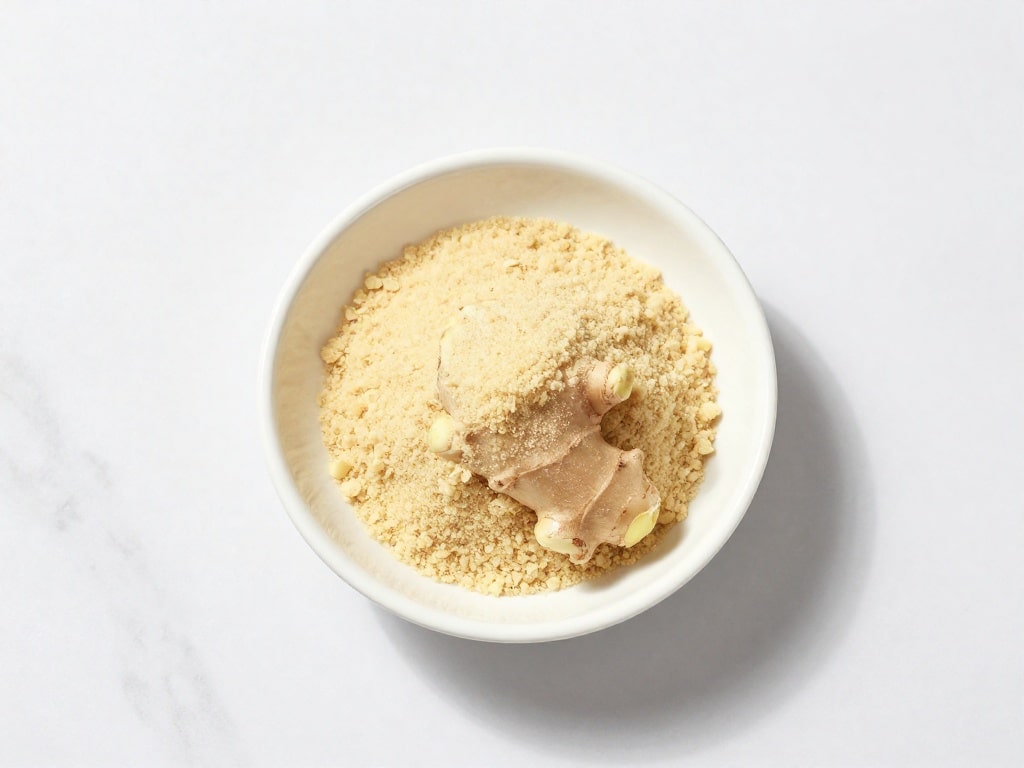
Ground ginger is milder and sweeter than galangal powder, and it can shift the overall heat and aroma profile of a dish toward a more familiar warmth.
The piney citrus edge that galangal brings is mostly absent here, so the result will taste slightly different, particularly in dishes where galangal is a dominant spice rather than a background note.
That said, ground ginger is the most accessible substitute available in most pantries. Swap it at a 1:1 ratio by weight and taste the dish partway through cooking.
Understanding ginger paste versus ground ginger is useful here since the dried powder form holds up better in dry rubs and spice blends than paste does. Ground ginger dissolves evenly into sauces and soups without adding extra liquid, which makes it a clean swap in most applications.
It performs well in Thai green and red curries, lemongrass soups, and ginger-heavy marinades.
The sweetness it brings is not out of place in any of these dishes, though you may want to add a small pinch of black pepper to approximate the sharper edge of galangal.
Ground ginger is a great all-around substitute. It works well in curries, soups, and marinades where a warm ginger note is welcome and galangal's piney citrus quality is secondary.
3. Ground Turmeric (Color-Forward Substitute)
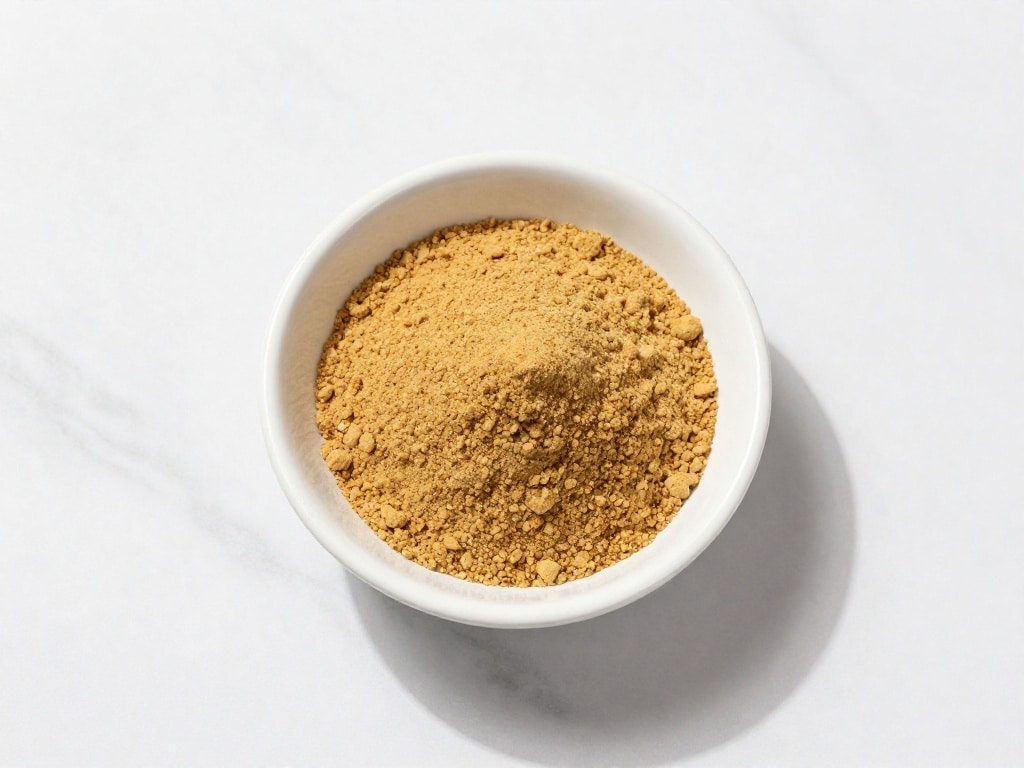
Turmeric adds earthy notes and a yellow-orange color to any dish it enters. Its flavor is milder and more earthy than galangal, with none of the citrus brightness or piney depth.
As a substitute, it works best when the recipe already has other aromatics carrying the primary flavor load.
Use it at a 1:1 ratio by weight, knowing that the substitution is primarily practical rather than flavor-accurate. Turmeric shines in vibrant, color-forward curries where its golden hue adds visual appeal alongside other warm spices.
It also pairs naturally with coconut milk-based dishes, where its earthiness blends into the richness of the base. If the dish is pale or white by design, such as a clear Thai broth, skip turmeric entirely.
One useful aspect of turmeric is that it adds body and visual depth without competing with other spices. If you are using it as a galangal replacement, consider adding a small amount of black pepper alongside it.
Black pepper increases turmeric's absorption and adds a mild heat that partially compensates for galangal's missing sharpness.
Color change is expected and significant with turmeric. The flavor also differs considerably from galangal, so use this swap only when both a color shift and an earthier profile are acceptable in the dish.
4. Ginger Powder + Lime Zest (Flavor Brightening)
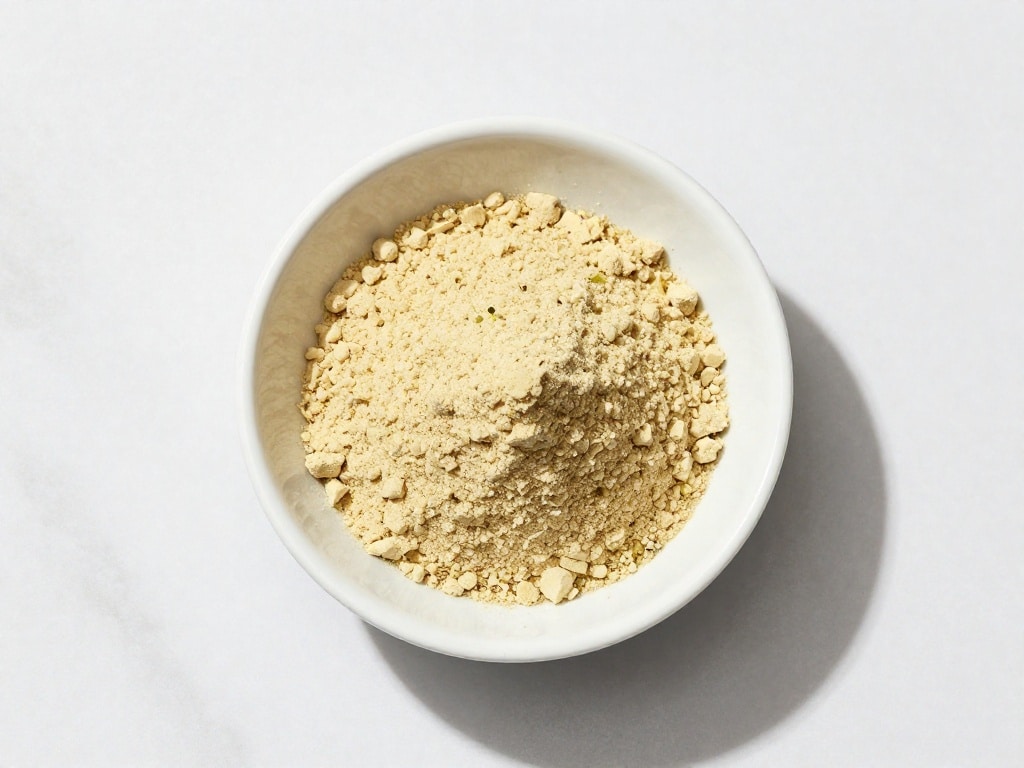
This combination substitute is the most deliberate attempt to reconstruct galangal's layered profile using common pantry ingredients. Ginger powder provides the warm, spicy backbone, while lime zest adds the citrus lift without introducing any extra moisture into the dish.
Balance is key: too much zest and the lime dominates; too little and you lose the brightness that makes galangal distinctive.
Use ginger powder at a 1:1 ratio by weight relative to the galangal powder called for, then add a small pinch of freshly grated lime zest. Start conservatively, roughly half a teaspoon of zest per tablespoon of ginger powder, and taste before adding more.
This pairing holds up well in aromatic spice blends and thickened sauces where multiple flavors are already layered together. It also works well in poultry marinades where the citrus note brightens the meat without overpowering the other spices.
Dried lime zest is a useful option if fresh limes are not on hand. It has a more concentrated flavor, so use about half the amount you would use of fresh zest.
Avoid lime juice here; the added liquid can thin sauces or cause dry rubs to clump.
Use this combination when you want a citrus lift without losing the warm ginger note. Adjust the lime zest by small increments until the brightness feels right for your dish.
5. Lemongrass Powder (Citrus-Forward)
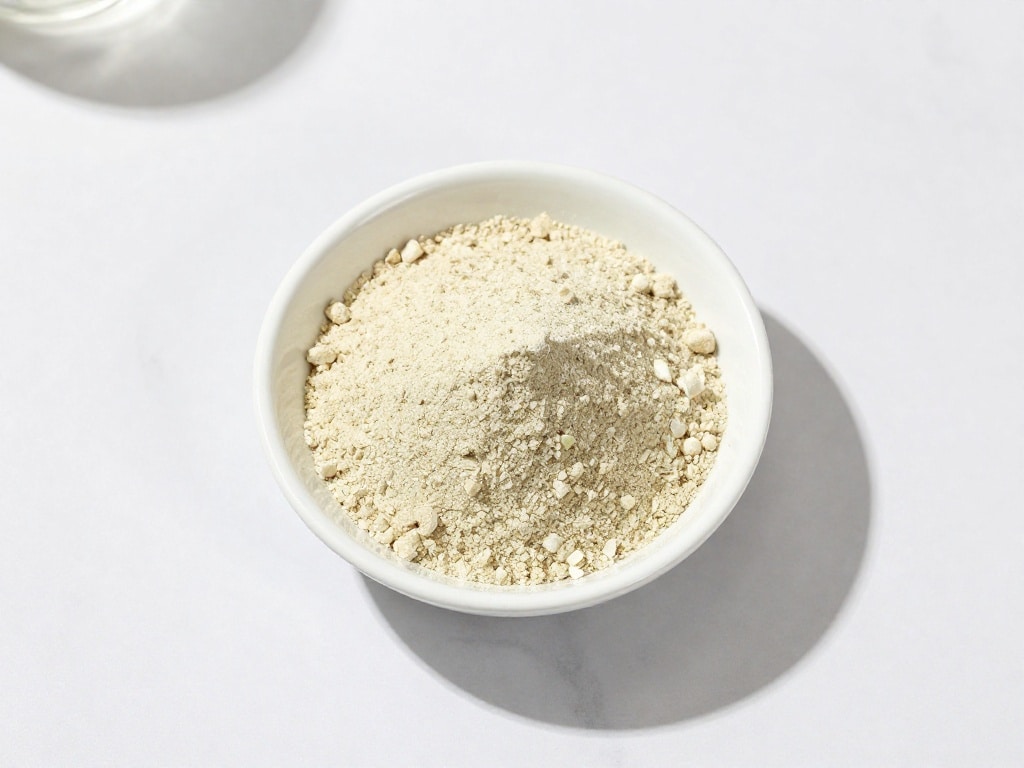
Lemongrass powder offers bright lemony notes with a grassy, floral quality, but it lacks the ginger warmth and piney edge that galangal carries. It shifts a dish toward a lighter, more citrus-forward character, which works well in certain recipes and falls short in others.
Swap it at a 1:1 ratio by weight in soups and poultry marinades where a clean citrus aroma is the primary goal. It performs particularly well in spice blends where multiple powders work together to build depth.
Tom kha-style soups, lemongrass chicken, and lighter Southeast Asian broths are all good candidates. In heavier, meat-based stews where galangal's piney depth anchors the dish, lemongrass powder will feel too light and may read as one-dimensional.
Because lemongrass powder can vary in intensity by brand, start with three-quarters of the called-for weight and taste before adding the rest. Some commercial lemongrass powders are quite concentrated and can tip the dish into an overly floral direction.
Pairing a small amount of concentrated flavor powders carefully is a skill that applies across many spice substitutions, and lemongrass is no exception.
Lemongrass powder is best when a bright citrus profile is the priority. Use it in lighter curries, clear soups, and poultry marinades where galangal's earthier qualities are less critical.
Decision Guide: Which Substitute to Choose?
The right substitute depends on three factors: dish type, desired aroma, and color constraints. Authenticity versus practicality is the core tension here.
Fresh galangal is the best option when you want the closest match; ground ginger and lemongrass powder offer the most convenient and broadly compatible alternatives.
- Authentic Southeast Asian dish: Use fresh galangal if you can source it. No other substitute fully replicates the piney citrus depth at this level.
- Everyday curry or stew: Ground ginger is your most reliable swap. It integrates cleanly and is available in almost every pantry.
- Color matters and earthiness is fine: Ground turmeric works here. Add black pepper to sharpen the profile slightly.
- Citrus brightness is the priority: The ginger powder and lime zest combination or lemongrass powder are both strong choices. Use the combo when you want warmth alongside citrus; use lemongrass alone for a cleaner, lighter result.
- Dry rub or spice blend: Stick to powders only. Fresh galangal adds moisture that can clump or affect the texture of a dry mix. Lemongrass powder or other fine-ground powder substitutes blend more evenly in these applications.
When color is not a concern and flavors are already complex in the dish, layering mild powder substitutes can help compensate for missing notes.
No single swap will replicate galangal exactly, so focus on matching the dominant character of your dish rather than chasing a perfect one-to-one flavor copy.
If authenticity is critical, choose fresh galangal. If convenience is the priority, ground ginger or lemongrass powder will carry the dish without significant compromise.
Frequently Asked Questions
Can I use galangal powder substitutes in a one-to-one ratio?
Yes. All five substitutes in this guide swap at 1:1 by weight. Start with the stated amount and adjust by taste after that.
Will substitutions affect the dish texture?
No powder substitute changes texture significantly. Fresh galangal adds minor moisture, so add it early in cooking to let the liquid cook off.
Which substitute best preserves Southeast Asian flavor profiles?
Fresh galangal is the closest match. If unavailable, the ginger powder and lime zest combination best approximates galangal's layered citrus and warmth.
Are there substitutes for galangal in vegan recipes?
All five substitutes are plant-based and vegan-friendly. Lemongrass powder and ginger powder work especially well in vegan curries and coconut-milk soups.
How do I adjust salt or sour elements when substituting galangal?
Ground ginger and turmeric are neutral on sourness, so no acid adjustment is needed. When using lime zest, reduce any added lime juice in the recipe by half to avoid over-brightening.
5 Best Galangal Powder Substitutes to Consider
Ingredients
Method
- Choose your substitute based on the dish type and desired flavor match. Use the decision guide to narrow your options by aroma priority and color constraints.
- Prepare the substitute as directed: grate and mince fresh galangal, measure powders by weight, or combine ginger powder with a pinch of lime zest for the flavor-brightening option.
- Apply the substitution ratio carefully. Start with the stated 1:1 amount by weight and taste before adding more.
- Taste and adjust seasoning. Some substitutes shift flavor or texture slightly; add black pepper with turmeric or reduce lime juice when using lime zest.
Notes
- All ratios are by weight for accuracy; volume measurements can vary significantly between spice brands.
- Lime juice adds moisture and can clump dry rubs; use lime zest instead when a citrus note is needed in a dry application.
- Turmeric stains surfaces and clothing; handle carefully and consider color impact before using in pale-colored dishes.
Tried this recipe?
Let us know how it was!
Carrie is a food writer and editor with more than 15 years of experience. She has worked for some of the biggest names in the food industry, including Bon Appétit, Food & Wine, and Martha Stewart Living.
As the Editor in Chief of EpicureDelight, Carrie oversees all of the content on the site. She also manages the team of contributing writers and editors, who help to create delicious recipes, helpful tips, and informative articles that you’ll find on the site.
A native of the Chicago area, Carrie is passionate about all things food. She loves trying new restaurants and experimenting with new recipes in her kitchen. She’s also a graduate of the Culinary Institute of America, so she knows a thing or two about food!



