
Cashew milk has a naturally creamy texture and a mild, neutral flavor that makes it easy to use across baking, cooking, and beverages. When you run out or need a dairy-free alternative that behaves differently, finding the right swap matters more than grabbing whatever is closest.

The wrong substitute can thin a sauce, add unwanted sweetness, or leave a metallic aftertaste in your coffee.
This guide covers five well-tested cashew milk substitutes, each with exact ratios, flavor notes, and honest tradeoffs.
Any substitute worth using should replicate cashew milk's creaminess and mouthfeel as closely as possible. Fat content and base liquid are the two biggest factors that determine how well a substitute performs.
Most options work at a 1:1 ratio in baking, though color and flavor can still shift.
The picks here cover everything from the nut-based options to grain-based milks, so you have a reliable answer regardless of your pantry, your other cashew-based ingredient needs, or your allergen situation.
Read straight through for full detail, or jump to the at-a-glance table to find your swap in under a minute.
The five best cashew milk substitutes are almond milk, oat milk, soy milk, light coconut milk, and rice milk. Most work at a 1:1 ratio in baking, though fat content, sweetness, and allergen profile vary enough to matter in sauces, beverages, and desserts.
Substitutes at a Glance
Before going deep on each option, this table gives you a fast comparison across ratio, use-case, and tradeoffs. Use it to narrow down your choice before reading the detailed sections below.
Each substitute performs differently depending on heat, acidity, and fat content. Allergen concerns are also worth checking before you commit to a swap, especially for guests or dietary restrictions.
| # | Substitute | Ratio | Best For | Taste Match |
|---|---|---|---|---|
| 1 | Almond Milk | 1:1 (3:4 in thick sauces) | Baking, beverages | Close |
| 2 | Oat Milk | 1:1 (4:5 in heavy sauces) | Beverages, desserts | Mild |
| 3 | Soy Milk | 1:1 (1:0.9 in custards) | Baking, cooking | Close |
| 4 | Light Coconut Milk | 1:1 (1:0.75 for less flavor) | Sauces, rich desserts | Different |
| 5 | Rice Milk | 1:1 (add starch for sauces) | Light baking, beverages | Mild |
Save This for Later
Pin this 5 best cashew milk substitutes to consider guide so you always have it when you need it.
Pin This GuideCashew Milk Substitutes in Detail
1. Almond Milk
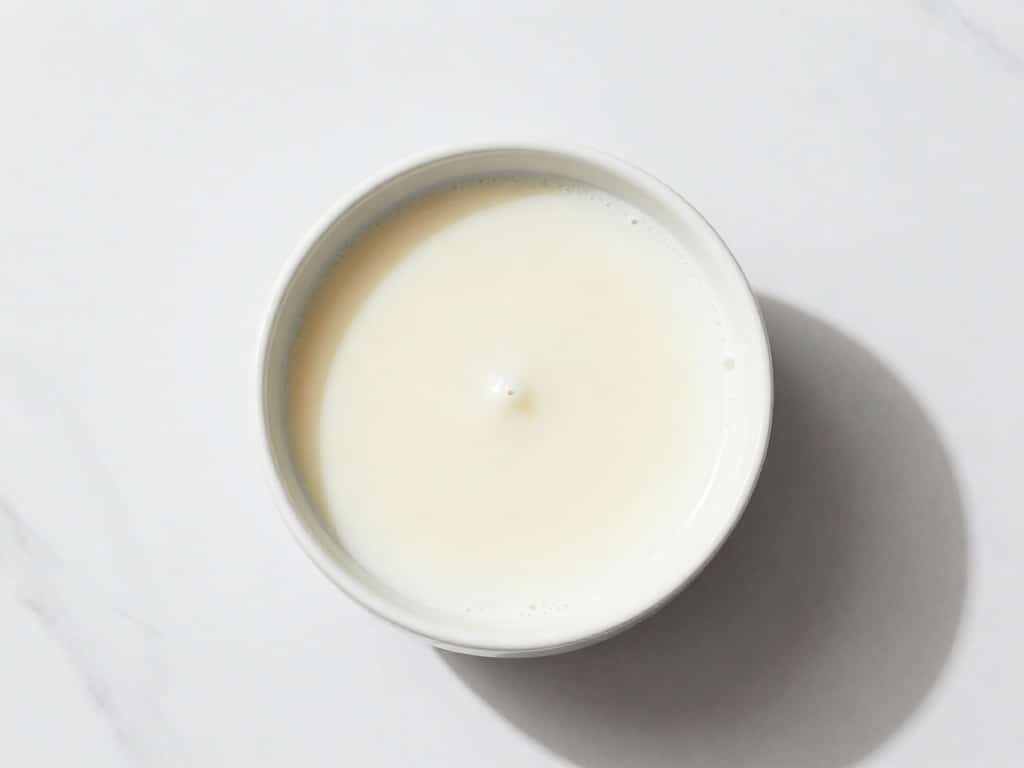
Almond milk is the most straightforward swap for cashew milk. It has a light, slightly nutty flavor and a texture that is thinner than cashew milk but close enough for most baking and beverage applications.
Use it at a 1:1 ratio for recipes like smoothies, pancakes, muffins, and overnight oats.
In ultra-creamy sauces where cashew milk adds body, reduce the ratio to 3:4 (almond milk to cashew milk) and thicken with a small cornstarch slurry. Almond milk is peanut-free and widely available year-round, which makes it a reliable pantry staple.
The main tradeoff is that it will thin sauces if used straight without a thickener, and the nuttiness can be noticeable in delicate desserts. If you regularly cook with almond milk substitutes, the same thickening principles apply here.
- Best ratio: 1:1 for baking and beverages; reduce to 3:4 in thick, creamy sauces.
- Flavor impact: Mild nuttiness that mostly disappears in baked goods but is detectable in beverages.
- Texture: Thinner than cashew milk; add a half-teaspoon of cornstarch per cup to compensate in sauces.
- Allergen note: Tree nut allergen; peanut-free, gluten-free, and dairy-free.
Almond milk also has a relatively neutral color, so it does not shift the appearance of white sauces or light-colored baked goods. Pair it with neutral almond-based oil alternatives in recipes that need both fat and liquid components.
Almond milk is a great all-around swap for beverages and baking at 1:1. Watch for thinner texture in sauces and thicken as needed.
2. Oat Milk
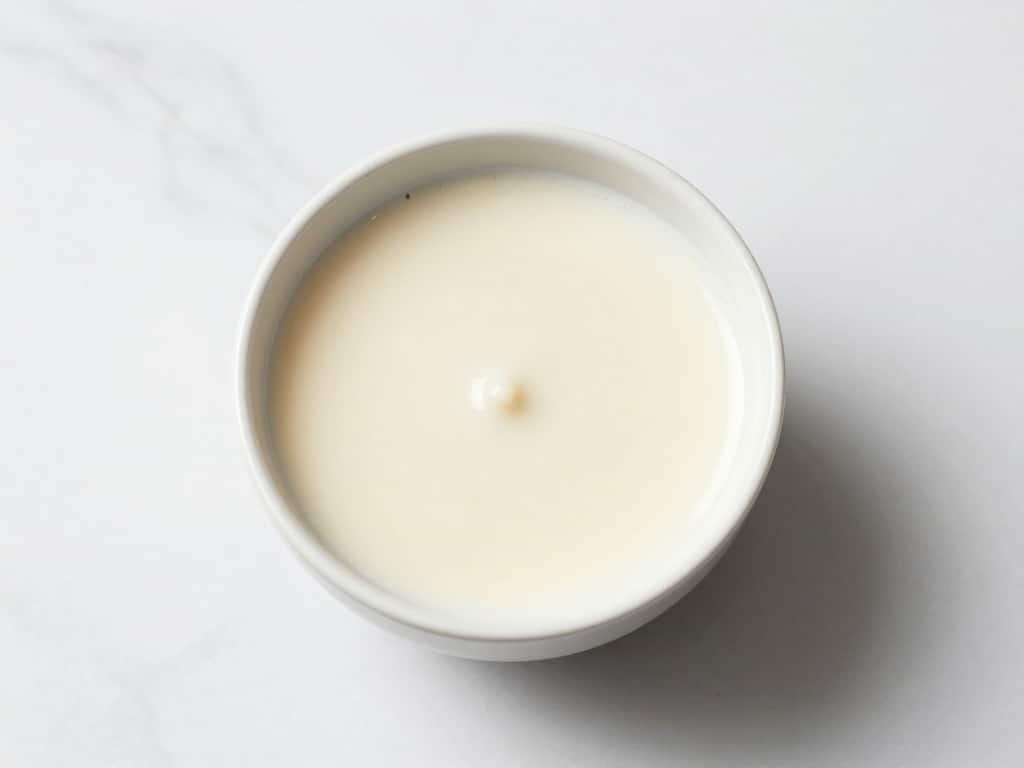
Oat milk has a slightly sweet, barley-like flavor that blends well into beverages and desserts. It has more body than almond milk and foams reasonably well, which makes it a popular choice for coffee drinks and lattes.
Use it at a 1:1 ratio in most beverages, smoothies, and baked goods.
In heavier sauces, drop the ratio to 4:5 (oat milk to cashew milk) to account for oat milk's lower fat content and its tendency to separate when heated. If a sauce breaks, a pinch of sunflower lecithin whisked in before heating keeps it stable.
Some brands also carry meaningful differences between oat beverages and traditional oat milk in terms of fat and sugar content, so checking the label before using in a savory dish is worth the extra second. Certified gluten-free oat milk is available if cross-contamination is a concern; standard oat milk may be processed in facilities that handle wheat.
- Best ratio: 1:1 for beverages and desserts; 4:5 in thicker sauces.
- Flavor impact: Subtle sweetness that works well in desserts; can add unintended sugar to savory dishes.
- Texture: Medium body; holds up in beverages better than rice milk but less rich than coconut milk.
- Allergen note: Gluten-free only if labeled; soy-free, nut-free, and dairy-free.
Check sugar content on the label if you are using oat milk in a savory sauce. Some brands add cane sugar or rice syrup that will push a dish sweeter than intended.
You can also explore how oat milk tastes compared to other plant milks if you are new to using it in cooking.
Oat milk is best for creamy beverages and desserts. Always check the sugar content in commercial brands before using in savory sauces or low-sugar recipes.
3. Soy Milk
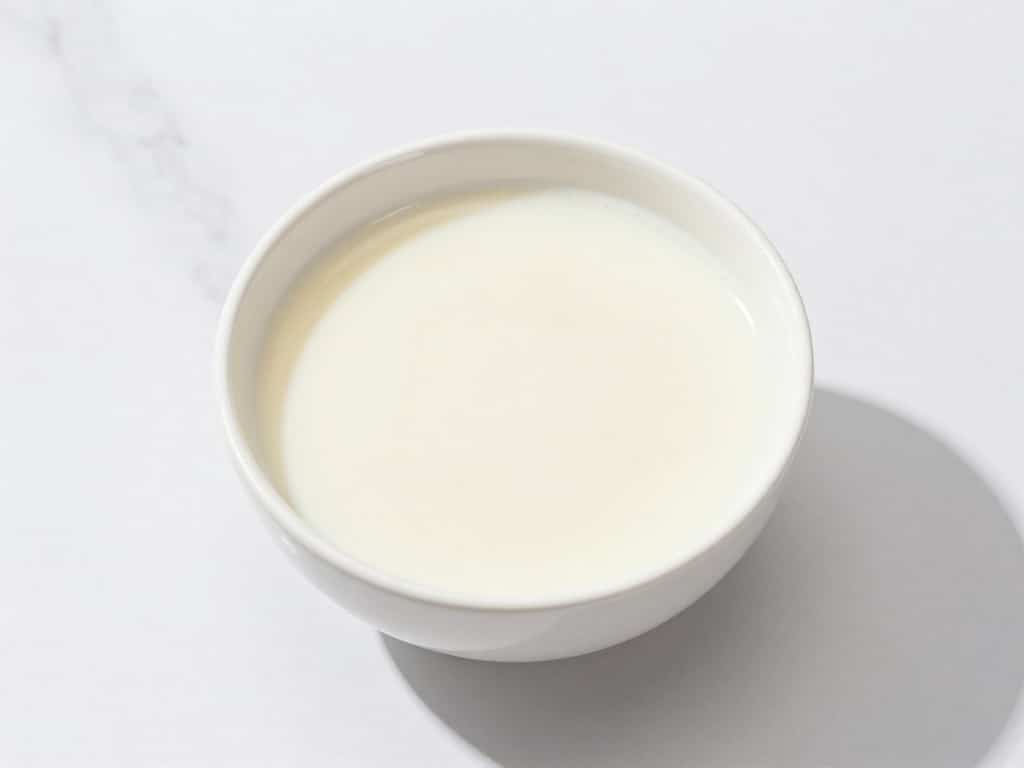
Soy milk is the closest match to cashew milk in terms of protein content and overall creaminess. It has a mild, slightly beany flavor that is most noticeable in low-fat varieties and almost undetectable in full-fat versions used in baked goods.
Use unsweetened soy milk at a 1:1 ratio for nearly all applications.
In custards and puddings, pull the ratio back slightly to 1:0.9 (soy milk to cashew milk) for better stability during setting. Soy milk curdles less easily than some plant milks when combined with acidic ingredients, which makes it a reliable pick for lemon-based sauces and vinegar-dressed dishes.
For savory applications, soy milk substitutes follow the same unsweetened-first rule. Soy is a top-eight allergen, so it is not the right pick for soy-sensitive diets despite its otherwise strong performance.
- Best ratio: 1:1 for most uses; 1:0.9 in custards for firmer results.
- Flavor impact: Mild and nearly neutral in full-fat form; beany notes appear in low-fat varieties.
- Texture: Closest body to cashew milk among all five substitutes.
- Allergen note: Soy allergen; dairy-free, nut-free, and available gluten-free.
Soy milk also holds up well in coffee without curdling, as long as the coffee is not extremely acidic. Unsweetened varieties pair well with herb-forward sauce bases where a neutral liquid is needed to thin without adding flavor.
Soy milk is a solid all-purpose substitute. Select unsweetened to keep control of sweetness in both savory and sweet recipes.
4. Light Coconut Milk
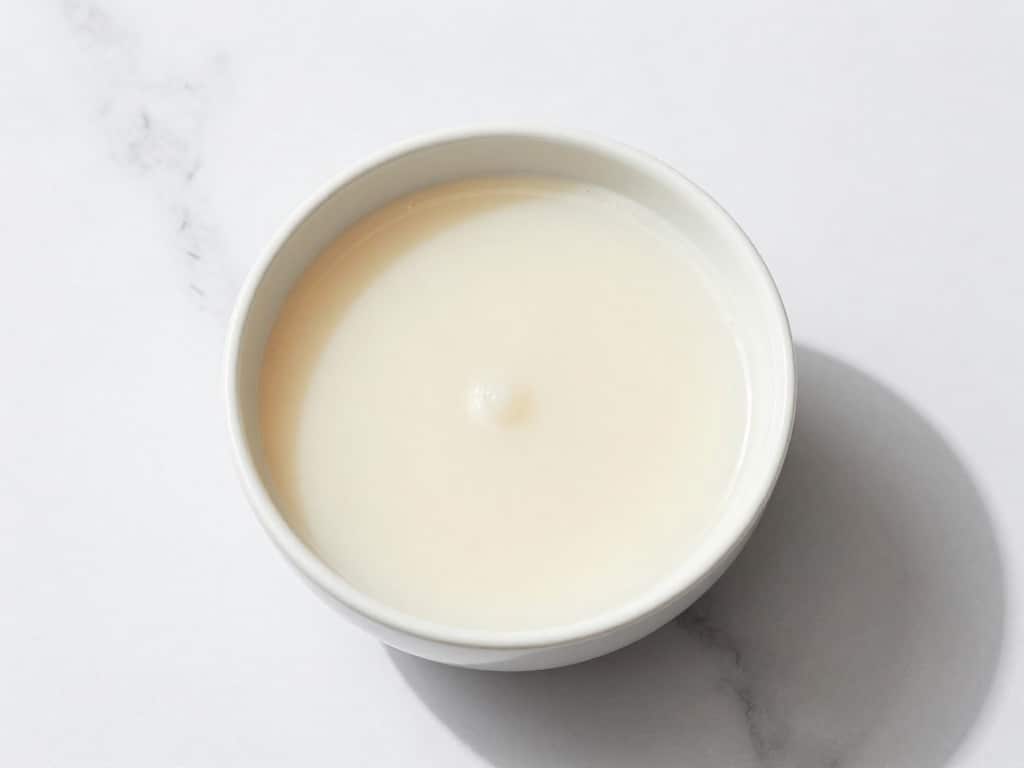
Light coconut milk, whether from a carton or a diluted canned version, brings higher fat content and a distinct coconut flavor to any dish. It is the richest substitute on this list, making it ideal for creamy sauces, tropical desserts, and dairy-free curries.
Use it at a 1:1 ratio in recipes where a coconut note is welcome.
When you want the fat without the strong coconut flavor, reduce to a 1:0.75 ratio and round out with a neutral plant milk to hit your total liquid volume. Coconut milk can separate or curdle at very high heat, so add a teaspoon of cornstarch or tapioca starch when making high-heat pan sauces.
If you regularly work with coconut-based ingredients, knowing how coconut butter alternatives behave in fat-forward recipes helps you plan the full fat profile of your dish. Avoid light coconut milk in white or pale sauces where the yellowish tint will shift the final color.
- Best ratio: 1:1 for rich sauces and desserts; 1:0.75 to soften the coconut flavor.
- Flavor impact: Noticeable coconut taste; adds sweetness and a tropical quality.
- Texture: Richest of the five; closest to full-fat cashew cream in body.
- Allergen note: Tree nut (coconut); dairy-free, soy-free, gluten-free.
For recipes that need a coconut flavor with more nuance, consider how coconut extract alternatives can add aroma without the extra liquid volume. Light coconut milk stays well-emulsified in cold preparations but needs stabilization in hot ones.
Light coconut milk is ideal when a tropical note is welcome in the dish. Avoid it in recipes where a pale color or neutral flavor is required.
5. Rice Milk
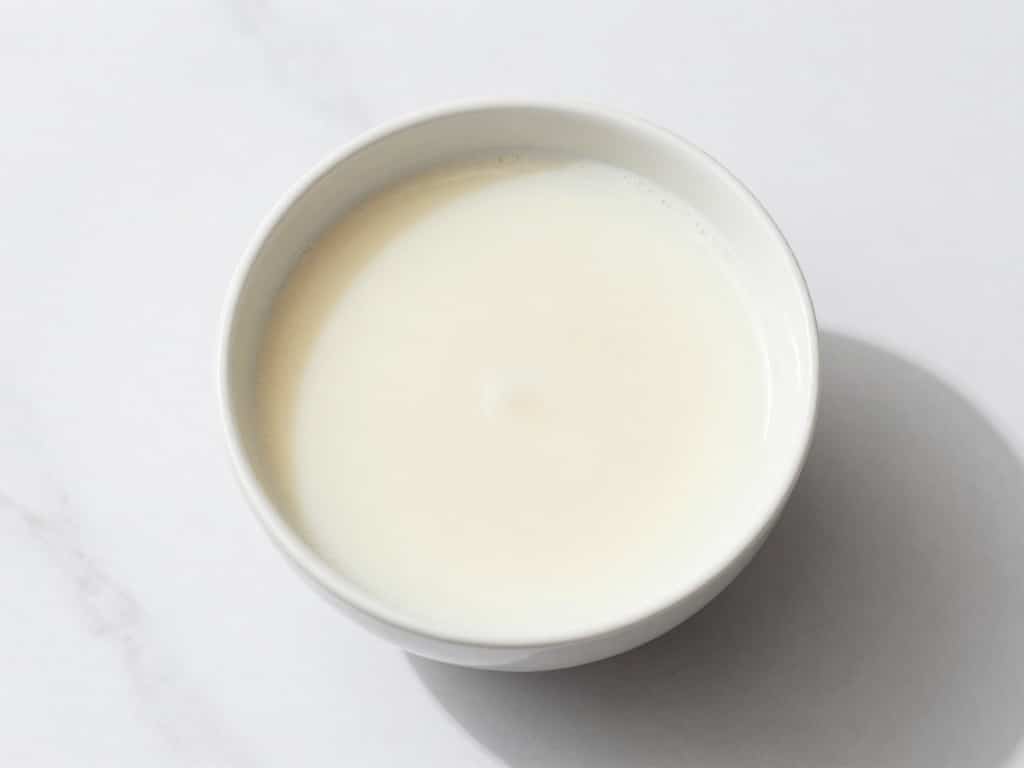
Rice milk is the most hypoallergenic option on this list. It is free from nuts, soy, and gluten, making it the safest pick for households with multiple dietary restrictions.
The flavor is mild and slightly sweet, with a watery consistency that is thinner than any other substitute here.
Use rice milk at a 1:1 ratio in beverages, light baked goods, and thin batters. In sauces, it needs help: a starch slurry (one teaspoon of arrowroot or cornstarch per cup) simmered for two to three minutes will bring it closer to cashew milk's body.
Rice milk has lower protein than soy or oat milk and will not provide the same structural support in custards or egg-based desserts. For savory recipes that depend on a nut-based thickness, rice milk alone will not replicate the mouthfeel without added thickeners.
- Best ratio: 1:1 for beverages and light baking; add a starch slurry for sauces.
- Flavor impact: Neutral and mildly sweet; does not compete with other flavors.
- Texture: Thinnest of the five; requires thickening for creamy applications.
- Allergen note: Top allergen-free; suitable for nut, soy, gluten, and dairy-free diets.
Rice milk works well in light desserts like rice pudding, simple cakes, and fruit smoothies where creaminess is not the priority. Its neutral character also makes it compatible with low-sugar sweetener adjustments in beverages without compounding flavors.
Rice milk is not the creamiest option on this list. Always add a starch thickener in sauces and desserts that rely on body, or the result will be too thin.
How to Choose the Right Substitute?
Picking the best swap depends on three quick decisions: fat content needed, flavor tolerance, and allergen profile. Higher-fat substitutes like light coconut milk work best in sauces and rich desserts.
Lighter options like almond milk and rice milk suit beverages and everyday baking where heavy body is not required.
Use this quick decision flow to narrow it down fast.
- Need a neutral flavor: Choose soy milk or rice milk. Both are mild enough to disappear into most recipes.
- Need maximum creaminess: Light coconut milk leads here, followed by soy milk. Both add body without starch.
- Avoiding common allergens: Rice milk is the safest pick. It is free from nuts, soy, and gluten.
- Making coffee or a latte: Oat milk foams well and has enough body to hold in a hot beverage without curdling.
- Baking a pale or white dessert: Avoid coconut milk. Use almond milk or soy milk to keep the color clean.
- Watching sugar intake: Compare labels on oat milk brands. Some add sweeteners that push a recipe off-balance. Unsweetened low-sugar liquid alternatives can also offset added sweetness in savory dishes.
Match fat content to the job first, then check allergens and sweetness. That two-step filter eliminates most wrong choices before you even measure anything.
Decision Guide
This section walks you through five quick filters to land on the right substitute in under two minutes. Work through each step in order.
Use higher-fat substitutes (coconut milk, soy milk) for sauces and rich desserts. Choose lighter options (almond milk, rice milk) for beverages and everyday baking. Soy milk is the most versatile pick if allergens are not a concern.
Step 4 - Flavor impact: If the substitute's flavor will be detectable in the finished dish, factor that in early. Coconut milk has the most assertive taste.
Oat milk adds sweetness. Soy and almond milk are relatively neutral in full-fat forms.
Step 5 - Pantry check: The best substitute is the one you already have. Almond milk and oat milk are the most commonly stocked plant milks in most households.
Rice milk stores well and has a long shelf life, making it a useful backup option.
Use higher-fat substitutes for sauces and lower-fat ones for beverages. That single rule covers the majority of swaps without needing to think through every other variable.
Frequently Asked Questions
Can I use any substitute 1:1 in all cashew milk recipes?
Most substitutes work at 1:1 in baking, however sauces may need ratio adjustments or added starch to match cashew milk's natural creaminess and body.
Which substitutes are best for whipping or foaming applications?
Oat milk foams best among the five, followed by soy milk. Both have enough protein and fat content to hold a stable foam in lattes and whipped toppings.
Do any substitutes affect color in sauces or desserts?
Light coconut milk adds a yellowish tint that shifts pale sauces and white desserts. Almond and soy milk are the most color-neutral options for light-colored dishes.
Are there substitutes to avoid for dairy-free baking?
All five substitutes here are dairy-free. However, rice milk's low protein content can weaken structure in egg-based bakes like custards and soufflés.
How should I adjust sweeteners when swapping for cashew milk in beverages?
Oat milk and rice milk are naturally sweeter than cashew milk, so reduce added sugar by about 25% when using either in a sweetened beverage recipe.
5 Best Cashew Milk Substitutes to Consider
Ingredients
Method
- Choose your substitute based on the dish type and desired flavor match. Use higher-fat options like coconut or soy milk for sauces, and lighter options like almond or rice milk for beverages.
- Prepare the substitute as directed: adjust ratios and prep as noted for each option. Add a starch slurry if your substitute is thinner than cashew milk and the recipe requires body.
- Apply the substitution ratio carefully. Start with the stated amount and adjust to taste. For sauces, start conservative and add more liquid gradually.
- Taste and adjust seasoning. Some substitutes shift flavor or texture slightly, particularly oat milk (adds sweetness) and coconut milk (adds tropical flavor).
Notes
- Always choose unsweetened varieties of soy milk and oat milk for savory applications to avoid adding unintended sweetness.
- Rice milk is the safest allergen-free option, but it requires added starch thickeners to achieve creaminess in sauces and desserts.
Tried this recipe?
Let us know how it was!
Carrie is a food writer and editor with more than 15 years of experience. She has worked for some of the biggest names in the food industry, including Bon Appétit, Food & Wine, and Martha Stewart Living.
As the Editor in Chief of EpicureDelight, Carrie oversees all of the content on the site. She also manages the team of contributing writers and editors, who help to create delicious recipes, helpful tips, and informative articles that you’ll find on the site.
A native of the Chicago area, Carrie is passionate about all things food. She loves trying new restaurants and experimenting with new recipes in her kitchen. She’s also a graduate of the Culinary Institute of America, so she knows a thing or two about food!



