
Alfredo sauce is one of those recipes that sounds simple until you run out of heavy cream mid-week or realize a guest is dairy-free. The classic sauce rests on a fat-plus-starch foundation: cream, butter, and Parmesan lock together to form that glossy, velvety coating that clings to pasta.

When even one of those components is off the table, the whole sauce can fall apart.
The good news about substituting Alfredo is that the structure is predictable. Every reliable swap mirrors that fat-plus-starch logic, just with different ingredients filling each role.
Ratios matter more than the specific ingredient. A substitute that works at 1:1 in a stovetop pasta may thin out or over-thicken in a baked casserole, so knowing the right ratio for your context is half the battle.
This guide covers five tested substitutes, each with a precise ratio, a defined best-use case, and a clear tradeoff.
If you have ever wondered about swapping heavy cream in rich sauces, the same principles apply here across pasta, baked dishes, lighter weeknight meals, and fully dairy-free builds.
Every option below holds up to heat, coats pasta evenly, and can be adjusted for salt and thickness without rebuilding the dish from scratch.
The five best Alfredo sauce substitutes are cream cheese Alfredo, heavy cream and butter, a milk and cream cheese blend, coconut milk or cashew cream, and a Parmesan-flour slurry. Each replicates the fat-plus-starch base at ratios from 1:1 to 2:1, covering pasta, baked dishes, lighter meals, and dairy-free needs.
Alfredo Sauce Substitutes in Detail
Before going deep on each option, this table gives you a fast comparison across all five substitutes. Use it to match your substitute to the dish at hand, whether you need a straight swap, a lighter build, or a fully plant-based sauce.
The ratio column reflects volume-based measurements. A 1:1 ratio means equal parts substitute to the liquid or dairy component Alfredo calls for.
A 2:1 means you use twice the lighter ingredient to one part of the richer one, which is common in lower-fat builds where you want body without heaviness.
| # | Substitute | Ratio | Best For | Taste Match |
|---|---|---|---|---|
| 1 | Cream Cheese Alfredo | 1:1 (cream cheese to milk) | Weeknight pasta, lighter texture | Close |
| 2 | Heavy Cream + Butter | 1:1 (cream, plus extra butter) | Decadent pasta, baked casseroles | Very Close |
| 3 | Milk + Cream Cheese Blend | 2:1 (milk to cream cheese) | Lower-fat pasta, weeknight meals | Mild |
| 4 | Coconut Milk or Cashew Cream | 1:1 (in place of cream) | Dairy-free pasta, vegan baking | Different |
| 5 | Parmesan + Flour Slurry | 1:1 (Parmesan to milk, plus slurry) | Cheese-forward quick sauces | Close |
Save This for Later
Pin this savory tweaks: 5 best alfredo sauce alternatives guide so you always have it when you need it.
Pin This Guide1. Cream Cheese Alfredo Substitute
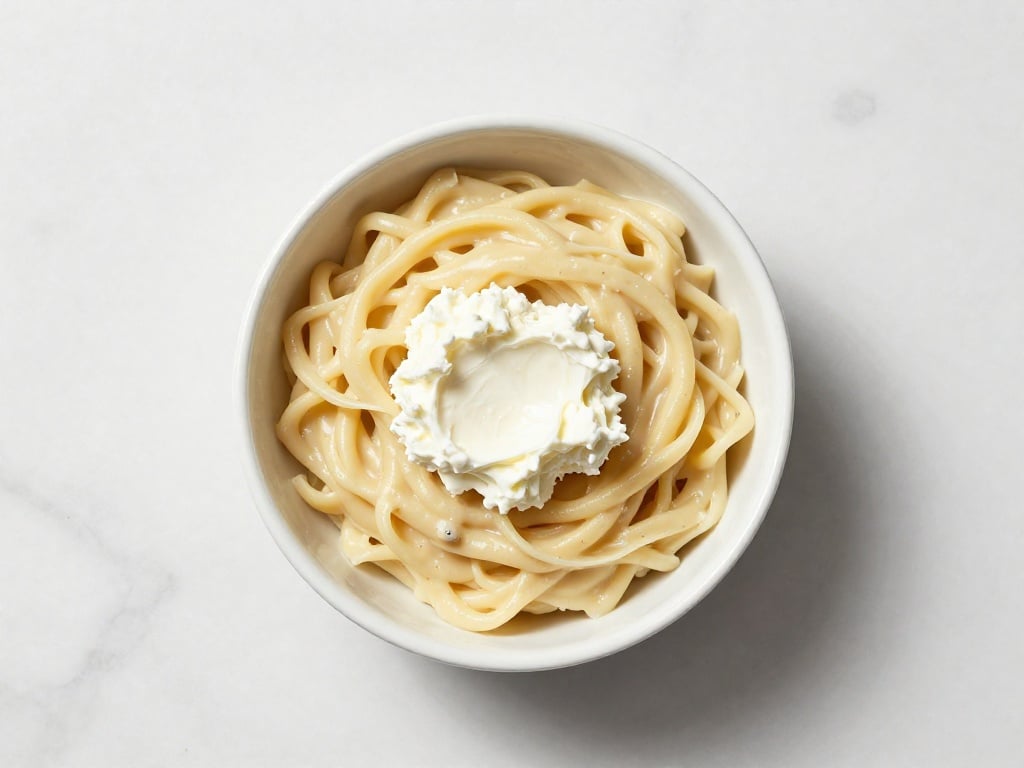
Cream cheese is one of the most practical Alfredo stand-ins because it brings both fat and a mild tang that mirrors the richness of the original. The ratio is straightforward: 1 cup cream cheese to 1 cup milk, warmed together over medium-low heat until fully smooth.
Stir constantly at first, since cream cheese clumps if it hits milk that is too cold or heat that is too high.
This substitute performs best on weeknight pasta, where a silky, slightly thicker sauce is welcome. The texture is denser than a traditional Alfredo built on heavy cream, so it coats fettuccine or penne without pooling at the bottom of the bowl.
For dairy-free cream cheese alternatives, the same 1:1 ratio applies with plant-based cream cheese and unsweetened oat or almond milk.
In baked dishes, cream cheese Alfredo holds up well because the fat content stabilizes during oven time.
Use it at the same 1:1 ratio in casseroles; however, add 2 tablespoons of grated Parmesan to the mix before baking to reinforce the cheesy depth that can fade slightly at high temperatures.
Salt adjustment is important here. Cream cheese carries its own sodium, so taste the sauce before adding any extra salt.
Most batches need only a pinch, if anything, especially when Parmesan is already in the dish.
Use a 1:1 ratio of cream cheese to milk for weeknight pasta. The sauce stays creamy and thick without heavy cream, and comes together in under 10 minutes over medium-low heat.
2. Heavy Cream + Butter Alternative
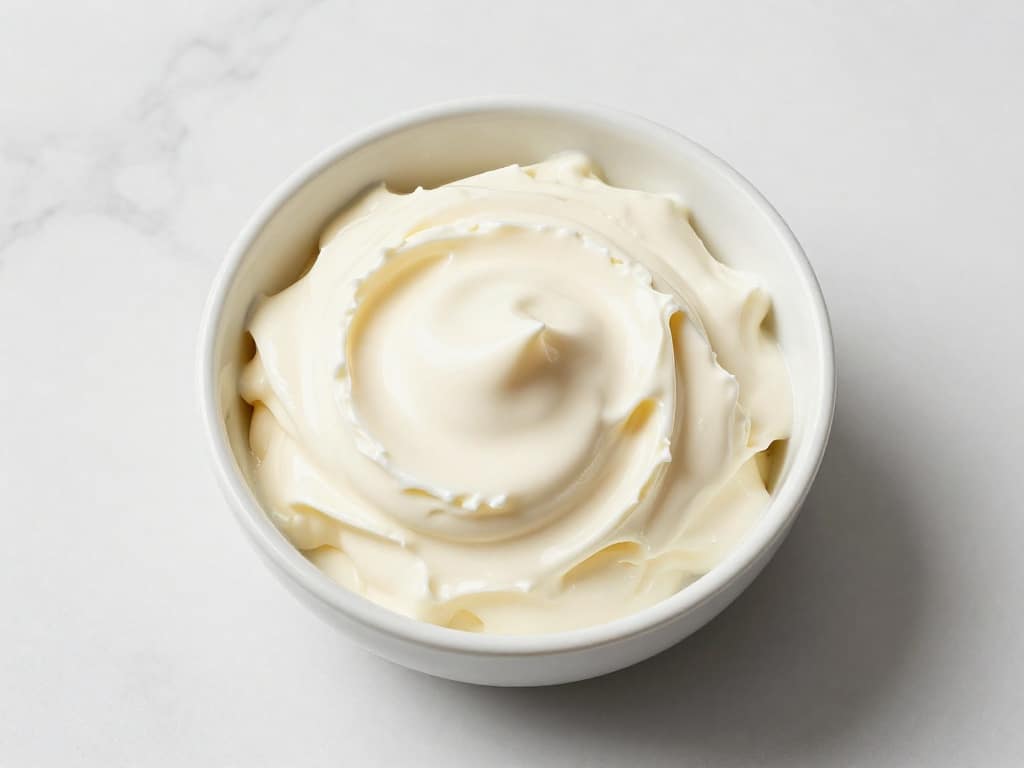
When you want to stay as close to the original Alfredo as possible, heavy cream with extra butter is the clearest path. The base ratio is 1 cup heavy cream plus 2 tablespoons of butter, which produces a richer, more golden sauce than cream alone.
The butter increases the fat percentage slightly, giving the finished sauce that glossy sheen Alfredo is known for.
This combination melts Parmesan cleanly and evenly. Cheese meltability improves with higher fat content in the liquid base, so a cream-and-butter sauce incorporates grated Parmesan with almost no risk of graininess.
Add the cheese off direct heat and stir in slowly, about a quarter cup at a time, for the smoothest result.
For baked pasta dishes, this is the most reliable option. The high fat content prevents the sauce from drying out in the oven, and the butter helps the top of a casserole develop a lightly golden edge.
If you want a slightly thinner consistency, replace 2 tablespoons of cream with an equal amount of chicken or vegetable stock without losing the richness.
If the sauce is too thin after adding cheese, a flour-based thickener like a simple flour slurry works quickly.
Whisk 1 teaspoon of flour with 2 teaspoons of cold water, then stir it into the simmering sauce and cook for 2 minutes to eliminate the raw flour taste.
Heavy cream plus 2 tablespoons of butter at a 1:1 replacement ratio is the closest match to traditional Alfredo. Use it for decadent pasta nights and baked dishes where sauce stability under heat is non-negotiable.
3. Milk + Cream Cheese Blend (Lower Fat)
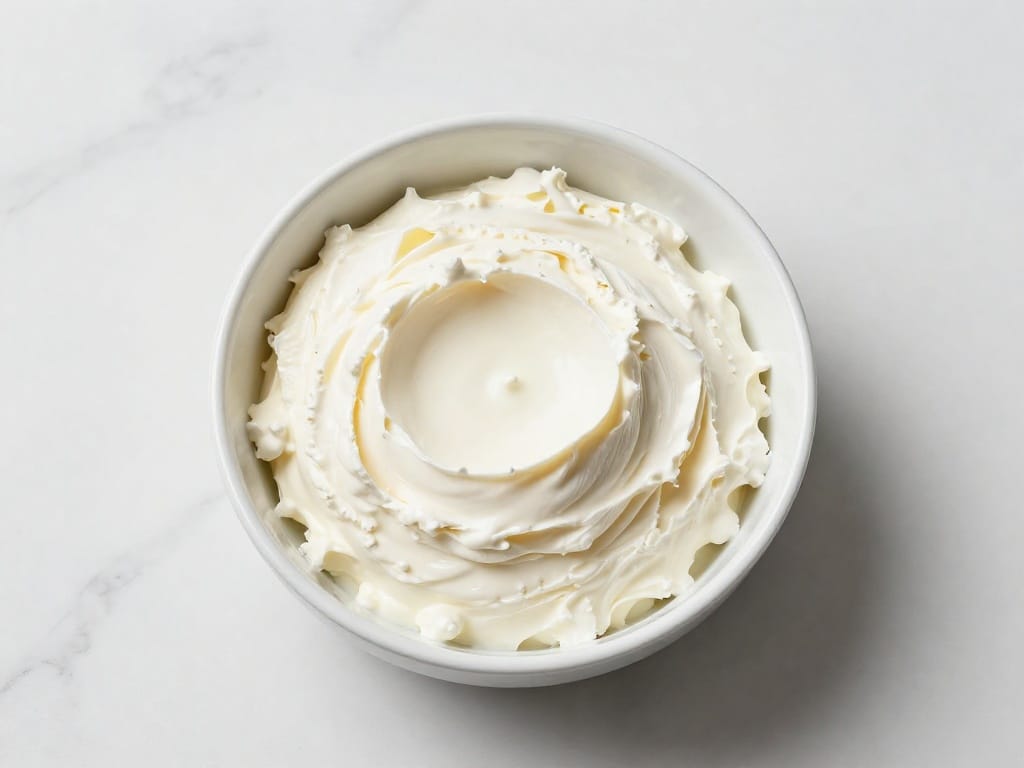
For a lighter weeknight sauce that still delivers creaminess, combining milk with a smaller portion of cream cheese is a practical middle ground.
The working ratio is 2 parts milk to 1 part cream cheese by volume, which produces a sauce noticeably lower in fat than the classic but still stable and smooth when handled correctly.
The key is temperature control. Warm the milk in a saucepan over medium heat until it steams, then add the cream cheese in small spoonfuls, whisking as you go.
Do not let the milk boil before adding the cream cheese, or the sauce will separate. Once combined, simmer gently for 3 to 4 minutes until the sauce coats the back of a spoon.
This blend works particularly well with skim or 2% milk. Whole milk adds a touch more body, which is useful if the sauce feels too thin after the cream cheese fully dissolves.
You can also adjust texture by adding 1 tablespoon of grated Parmesan, which tightens the sauce without adding significant fat.
In terms of flavor, this substitute is milder than a full cream cheese or heavy cream Alfredo. A pinch of garlic powder, a little white pepper, and a grating of nutmeg bring it much closer to the classic profile.
For pasta shapes like rigatoni or shells that trap sauce, the 2:1 milk-to-cream-cheese ratio provides enough volume to coat a full pound of pasta without feeling heavy.
Use a 2:1 milk-to-cream-cheese ratio for a lighter Alfredo sauce ready in under 15 minutes. Whisk the cream cheese into warm (not boiling) milk for a smooth, lump-free result every time.
4. Coconut Milk or Cashew Cream Base
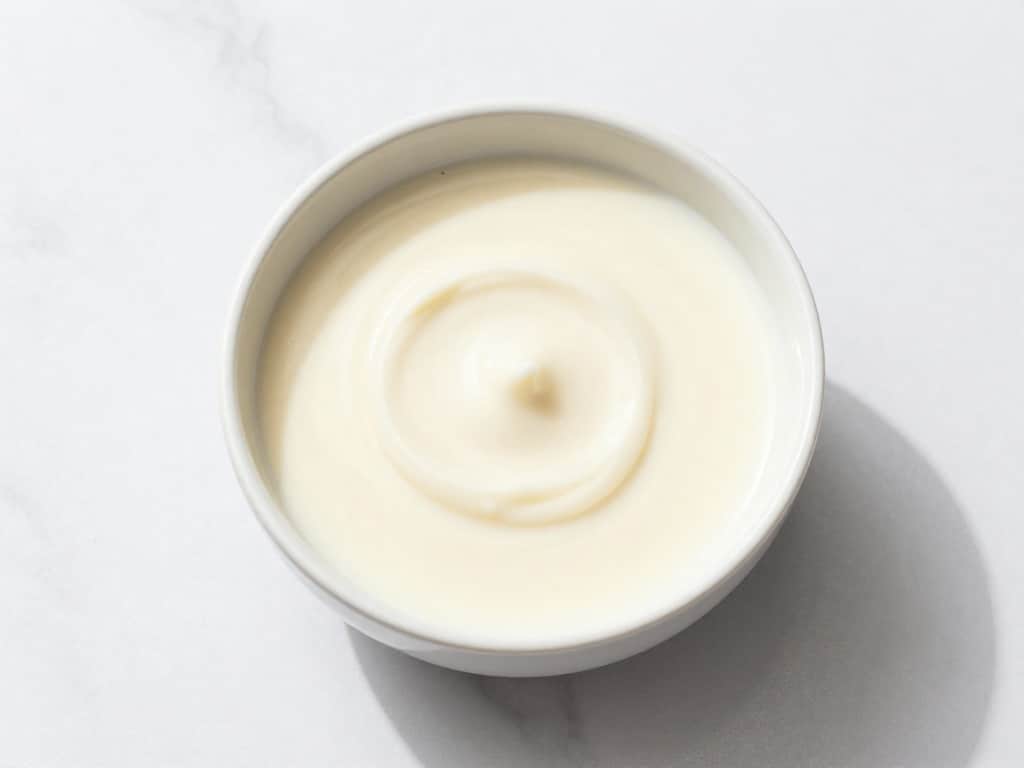
For a fully dairy-free Alfredo, full-fat coconut milk and cashew cream are the two strongest options, each with distinct flavor profiles and prep requirements. Cashew cream made from 1 cup soaked cashews blended with ½ cup water yields a silky, neutral base that mimics heavy cream in both consistency and color.
Coconut milk delivers comparable thickness from a can, with no prep required beyond shaking it well.
Cashew cream has a mild, buttery flavor that takes on garlic, Parmesan (or nutritional yeast for vegan builds), and white pepper without pushing any competing notes into the sauce. Use it at a 1:1 ratio in place of heavy cream.
Soak raw cashews in cold water for at least 4 hours, or in hot water for 30 minutes, then blend until completely smooth before adding to the pan.
Full-fat coconut milk works at the same 1:1 ratio, though the coconut flavor is present in the finished sauce. It pairs well with dishes that already include bold aromatics, garlic, or lemon, where the coconut note blends into the background.
Those familiar with coconut cream alternatives will recognize that full-fat coconut milk from a can is very close in fat content to coconut cream and behaves similarly in sauce applications.
Both dairy-free options need lower heat than cream-based sauces. Simmer at medium-low to prevent splitting.
If the cashew cream thickens too much during cooking, thin it with a splash of pasta water or unsweetened plant milk, one tablespoon at a time.
For dairy-free Alfredo, keep the heat at medium-low throughout cooking. Both coconut milk and cashew cream will split or turn grainy at a rolling boil, which no amount of stirring will fully reverse.
5. Cheese-Only Thickener (Parmesan + Flour Slurry)
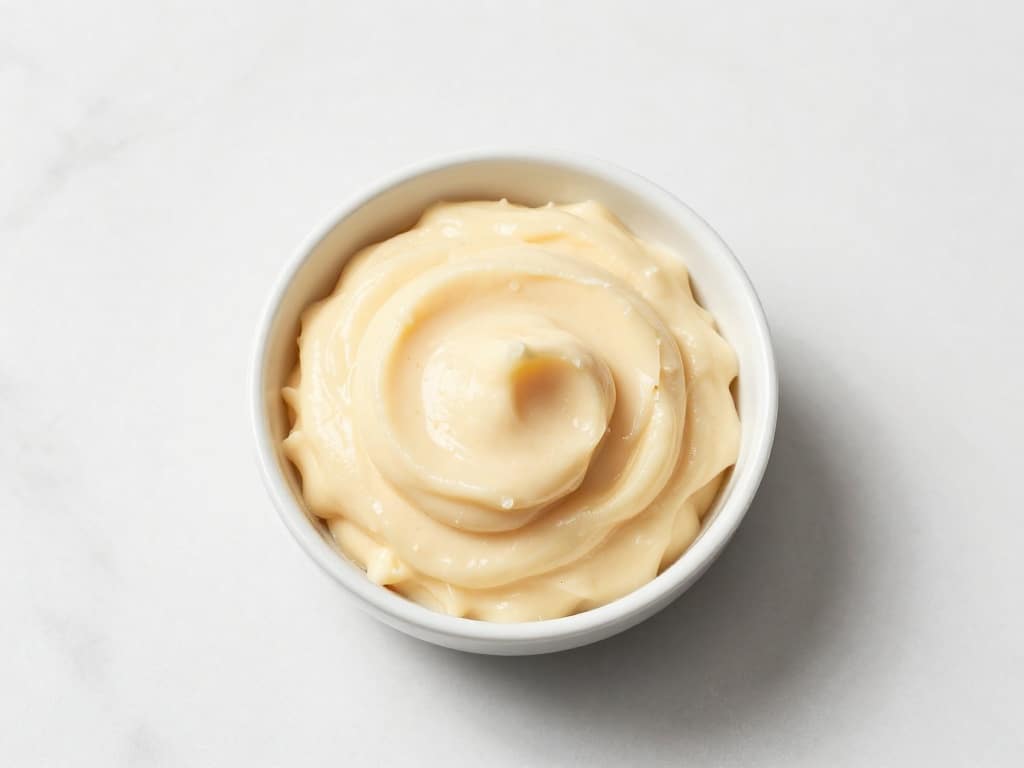
If you want a sauce that leads with cheese flavor rather than cream richness, a Parmesan-and-flour-slurry method produces a surprisingly satisfying Alfredo-style result.
The ratio is 1 cup grated Parmesan combined with a slurry of 1 tablespoon flour whisked into 1 cup of milk, simmered together until the sauce thickens and the cheese fully melts in.
Start by warming the milk over medium heat, then whisk in the flour slurry and cook for 2 minutes until the raw flour smell disappears. Reduce the heat to low, then add the Parmesan gradually, a few tablespoons at a time.
Adding cheese too fast to a hot liquid base causes it to clump instead of melt smoothly.
This method produces a sauce that is thinner than cream-based Alfredo but noticeably cheesier and lower in fat. It is well-suited to pasta dishes where you want Parmesan to be the dominant flavor rather than a supporting note.
For gluten-free builds, brown rice flour or another gluten-free thickener works in place of all-purpose flour at the same 1 tablespoon to 1 cup milk ratio.
Salt management is critical here because Parmesan is already salty. Taste the sauce before adding any additional seasoning, and hold off on salting the pasta water as aggressively as you normally would.
A squeeze of lemon juice at the end brightens the cheese flavor and makes the sauce taste more complete without extra sodium. If you cook with other bold condiments that carry salt, the same logic used for high-sodium sauce swaps applies: taste first, season last.
Use 1 cup Parmesan with a 1 tablespoon flour slurry in 1 cup of milk for a quick, cheese-forward Alfredo alternative. Add the Parmesan off high heat to keep the sauce smooth and prevent graininess.
How to Choose the Right Substitute?
The best substitute depends on three factors: what the dish needs structurally (thin coating versus thick bake), any dietary restrictions at the table, and how much the flavor profile can shift before the dish stops tasting like itself. Heavy cream with butter is the closest match for traditional Alfredo in both taste and behavior.
Cream cheese at 1:1 is the best quick-swap for weeknight pasta. The 2:1 milk-and-cream-cheese blend suits lighter everyday cooking.
For dairy-free needs, cashew cream is the most neutral option, and coconut milk is the most convenient. Parmesan with a flour slurry is best when you want cheese to carry the sauce rather than cream.
- Traditional pasta dish: Heavy cream plus butter at 1:1 is the closest to original Alfredo and handles Parmesan most smoothly.
- Quick weeknight swap: Cream cheese at 1:1 with milk is fast, stable, and needs no specialty ingredients.
- Lower-fat goal: The 2:1 milk-to-cream-cheese blend cuts fat significantly while keeping a creamy texture.
- Dairy-free or vegan: Cashew cream is the most neutral; coconut milk works well with bold aromatics where its flavor blends in. Both pair naturally with garlic-forward sauce builds.
- Baked casserole: Heavy cream plus butter or cream cheese Alfredo hold up best under oven heat without drying out or separating.
- Cheese-forward preference: The Parmesan-plus-flour-slurry method lets the cheese flavor lead, with milk providing just enough body to coat the pasta.
Frequently Asked Questions
Can I freeze Alfredo substitutes?
Cream-based and cream cheese sauces tend to separate after freezing and thawing. Cashew cream freezes better than dairy options; reheat it slowly over medium-low heat and whisk to re-emulsify.
Which substitutes work best with baked pasta casseroles?
Heavy cream plus butter and cream cheese Alfredo are the most stable under oven heat. Both maintain texture at 350°F for up to 30 minutes without drying out or breaking.
Do substitutes affect texture when reheated?
Yes. Milk-based sauces thin slightly on reheating; add a tablespoon of pasta water or milk to restore consistency. Coconut milk and cashew cream can thicken significantly when chilled.
How do I adjust salt when using substitutes with salty ingredients like Parmesan?
Taste the sauce before salting any component separately. Parmesan adds roughly 400 mg of sodium per ounce, so undersalt pasta water and add final seasoning only after tasting the combined dish.
Which substitutes are vegan-friendly and how do I keep the sauce glossy?
Cashew cream and coconut milk are fully vegan. Stir in 1 teaspoon of olive oil or vegan butter at the end of cooking to restore the glossy finish that dairy fat naturally provides.
Savory Tweaks: 5 BEST Alfredo Sauce Alternatives
Ingredients
Method
- Choose your substitute based on the dish type and desired flavor match.
- Prepare the substitute as directed: adjust ratios and prep as noted for each option.
- Apply the substitution ratio carefully. Start with the stated amount and adjust to taste.
- Taste and adjust seasoning. Some substitutes shift flavor or texture slightly.
Notes
- Keep heat at medium-low for dairy-free bases like cashew cream and coconut milk to prevent splitting.
- Taste before salting when using Parmesan-heavy substitutes, as the cheese adds significant sodium on its own.
Tried this recipe?
Let us know how it was!
Carrie is a food writer and editor with more than 15 years of experience. She has worked for some of the biggest names in the food industry, including Bon Appétit, Food & Wine, and Martha Stewart Living.
As the Editor in Chief of EpicureDelight, Carrie oversees all of the content on the site. She also manages the team of contributing writers and editors, who help to create delicious recipes, helpful tips, and informative articles that you’ll find on the site.
A native of the Chicago area, Carrie is passionate about all things food. She loves trying new restaurants and experimenting with new recipes in her kitchen. She’s also a graduate of the Culinary Institute of America, so she knows a thing or two about food!



