That bittersweet-orange warmth at the bottom of a glass of Amaro Nonino is one of the harder things to fake. But you can get close - closer than you'd expect - if you know which amaro to reach for and how to tune it.
Amaro Nonino substitute hunting starts with understanding what you're matching: sweet herbal bitterness, a bright orange-peel top note, and a clean gentian-like snap at the finish. Once you've mapped those three targets, most quality amaros will get you 80-90% of the way there.
The best amaro Nonino substitutes are Amaro Ramazzotti (closest all-around body), Amaro Averna (darker herbal depth), and Amaro Montenegro (orange-citrus + spiced bitterness). All work at a 1:1 ratio; fine-tune with orange zest or a small dilution to match Nonino's signature brightness.
5 Best Amaro Nonino Substitutes (Pantry Swaps) - Quick Reference
Taste match comes first in this table - look at the flavor profile column before the ratio. A 1:1 swap is always the starting point; adjust with citrus or dilution after the first sip.
| # | Substitute | Best For | Ratio | Key Note |
|---|---|---|---|---|
| 1 | Amaro Ramazzotti | Both | 1:1 | Closest herbal body |
| 2 | Amaro Averna | Both | 1:1 | Add orange zest for lift |
| 3 | Amaro Montenegro | Both | 1:1 | Bold citrus-spice finish |
| 4 | Cynar | Cocktails | 1:1 | Add orange twist or juice |
| 5 | Amaro Sibona | Both | 1:1 | Adjust citrus brightness |
For deeper context on how these bitter liqueurs behave in cocktails versus neat pours, understanding what cynar tastes like - and how it compares to other Italian amaros - is a useful frame before you shop.
1. Amaro Ramazzotti
Ramazzotti is the most reliable all-purpose stand-in for Nonino. It has the same sweet-bitter structure and a herbal backbone that doesn't overpower the other ingredients in a stirred drink or digestif.
The orange character is present but softer than Nonino's. You won't get the same sharp citrus lift on the first sip, but the overall balance reads very similarly - especially when served over a single large ice cube.
- Bitterness level: Similar to Nonino - moderately bitter with a smooth exit
- Orange note: Milder; add a wide orange peel expressed over the glass to close the gap
- Best applications: Stirred cocktails, Paper Planes, Jungle Bird variations, neat digestifs
- Adjustment tip: If the drink feels syrupy, reduce the Ramazzotti by 10% and add a small splash of soda or extra citrus
Amaro Ramazzotti
Works for: Stirred cocktails and after-dinner sipping where herbal bitterness is the anchor flavor
Skip if: Your recipe depends on a strong, upfront orange-peel character - Ramazzotti runs quieter on citrus than Nonino
2. Amaro Averna
Averna is darker and richer than Nonino - think caramel-herb rather than fresh-citrus-herb. The amaro averna taste leans into licorice and dark fig notes, which makes it a strong digestif on its own but a slightly heavier swap in cocktails.
Use it 1:1, then compensate for the missing brightness by adding a strip of orange zest directly to the drink. Two or three drops of fresh orange juice also work in shaken builds.
- Flavor match: Strong on herbal bitterness and body; weaker on citrus top note
- Best for: Recipes where caramel-like herbal roundness is welcome - Black Manhattan, stirred whiskey builds
- Orange fix: Express a wide orange peel over the glass and drop it in, or add 3-4 drops of fresh juice
- Skip if: Your recipe needs a distinct, clean orange-peel lift - Averna will make the drink taste noticeably darker
3. Amaro Montenegro
Montenegro is probably the closest thing to Nonino's citrus-forward character. The amaro montenegro flavor is built on orange peel and vanilla with a drier spiced finish - which puts it squarely in Nonino's neighborhood.
- Bitterness: Slightly more aggressive spice than Nonino; can feel punchy in lighter cocktails
- Citrus character: Strong - probably the closest orange-peel presence of all five options here
- Ratio: Start 1:1; if it overwhelms, reduce the amaro by 10-15% and rebalance with mixer or a small water dilution
- Skip if: Bold spice notes bother you - Montenegro's spiced backend is more assertive than Nonino's clean finish
Knowing how long amaro Montenegro keeps once opened is worth checking if you're buying a full bottle as a Nonino replacement and won't use it fast.
4. Cynar
Cynar works as a Nonino swap because the bitter-herbal structure is genuinely there - it's a proper, full-flavored amaro rather than a lightweight digestif. What it lacks is the orange sweetness.
Artichoke is the dominant flavor here, which pushes the drink toward savory and earthy rather than bright and citrusy.
The fix is simple: use it 1:1, then drop in an orange twist or add 4-5 drops of fresh orange juice. A tiny bump of simple syrup (about ¼ teaspoon per drink) also helps if the artichoke bitterness feels too stark.
- Herbal bitterness: Strong and genuine - it does the structural job well
- Orange note: Essentially absent; you must add citrus to compensate
- Best for: Low-sugar cocktails or digestifs where deep herbal bitterness is the goal
- Skip if: Your recipe depends on Nonino's orange-peel sweetness as a flavor driver - Cynar will taste noticeably different
5. Amaro Sibona
Amaro Sibona is a grappa-based amaro like Nonino, which gives it a similar structural elegance. The herbal complexity is broad rather than citrus-focused, but the base spirit character aligns more closely with Nonino than most wine-based amaros.
| Use | Ratio | Notes |
|---|---|---|
| Neat digestif | 1:1 | Sibona; add orange zest if top note feels flat |
| Stirred cocktail | 1:1 | Sibona; reduce by 10% if sweetness dominates |
| Pilot pour (tasting test) | ½ oz | Taste neat first, then adjust bitterness or dilute |
Because grappa-based amaros carry a drier, more precise finish than grain-spirit or wine-based versions, Sibona tends to mimic Nonino's clean exit even when the herb blend differs.
- Base spirit match: Grappa base aligns closely with Nonino's structure
- Citrus: Mild; add orange brightness if your drink relies on it
- Skip if: You can't find a grappa-based amaro - a wine-spirit Sibona alternative will behave differently
Making Your Amaro Nonino Substitute Taste Right
The single most useful rule is taste before you serve. Every amaro substitute will diverge from Nonino somewhere - usually in citrus brightness, spice intensity, or body - and a quick pilot pour tells you exactly where to adjust.
For reference on how individual amaros behave when open for extended periods, knowing what cynar tastes like after it's been open a while can help you calibrate freshness before using it as a swap.
- Bitterness too high: Add a small splash of mixer (soda, tonic, or water) or reduce the amaro measure by 10% and rebalance other ingredients
- Sweetness too high: Reduce the amaro slightly and increase your citrus component - a squeeze of lemon or more orange juice usually corrects this
- Orange note missing: Express a wide orange peel over the glass before dropping it in, or add 3-5 drops of fresh orange juice directly to the build
Frequently Asked Questions
Amaro Ramazzotti is the closest all-around match. It has the same sweet-bitter herbal structure and swaps in at 1:1 with minimal adjustment needed in most cocktails and digestifs.
Amaro Montenegro is the strongest match for Nonino's citrus-forward profile. Its orange-peel and vanilla notes land closer to Nonino's top note than any other common substitute.
Add a small splash of mixer or a few drops of simple syrup. Alternatively, reduce the amaro measure by 10% and increase your citrus or soda component to dilute the bite.
Pull the amaro back by about 10-15% and increase your citrus component. A squeeze of lemon or a longer orange peel expression cuts sweetness quickly without changing the drink's character.
Yes, but add an orange twist or a few drops of fresh juice - Cynar is artichoke-forward and lacks Nonino's citrus brightness. The herbal bitterness holds up; the orange note doesn't.
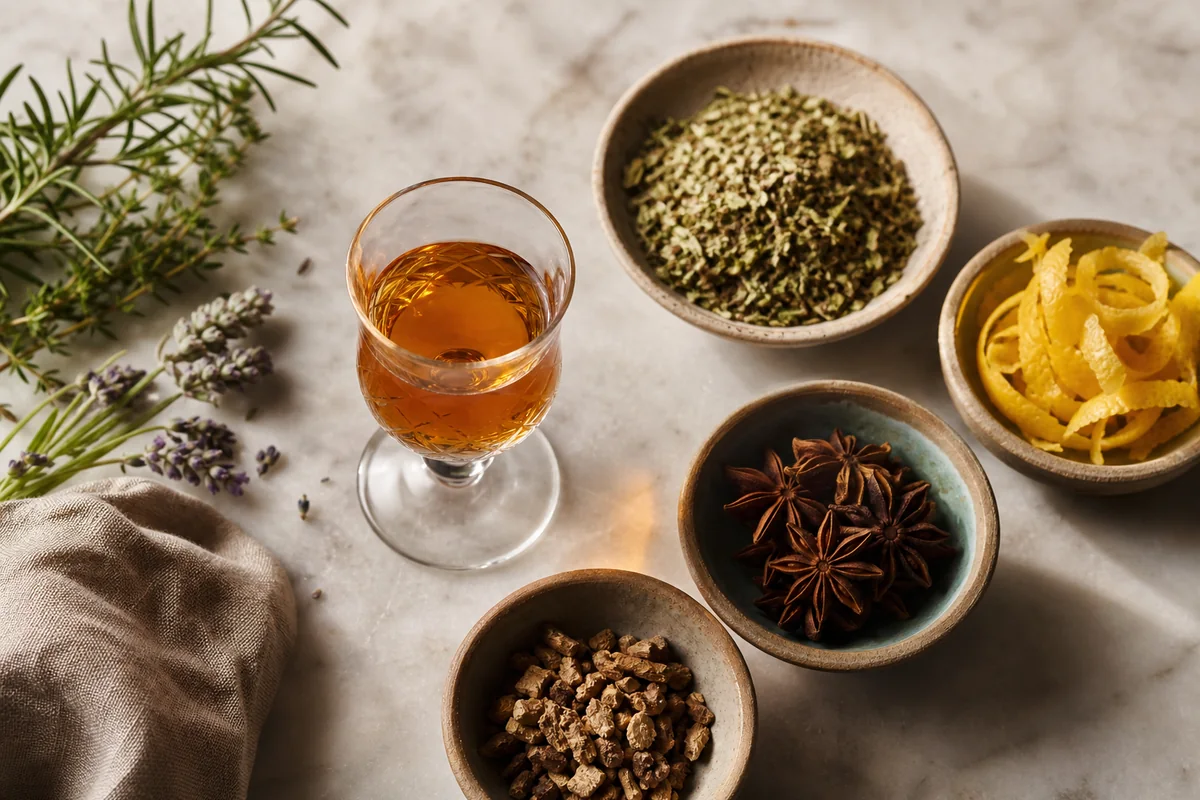
5 Best Amaro Nonino Substitutes (Pantry Swaps)
Ingredients
Equipment
Method
- Identify the drink you’re making (stirred, shaken, or digestif) and note whether you want the swap to keep orange brightness or just the bitterness.
- Choose the substitute from the list based on profile match (orange-citrus + herbal bitterness for closest behavior).
- Start with a 1:1 ratio, then adjust: if it’s too bitter, dilute with a splash of orange juice or syrup; if too sweet, reduce the amaro and increase your mixer.
- Taste and lock it in before serving—amaro differences show up fastest in the first sip, especially in cocktails.
Notes
- Use 1:1 as your default swap ratio; adjust sweetness and citrus brightness with small mixer changes.
- If your recipe relies on Nonino’s orange character, add a twist or a few drops of orange juice when using less-citrusy amari.
Tried this recipe?
Let us know how it was!
Carrie is a food writer and editor with more than 15 years of experience. She has worked for some of the biggest names in the food industry, including Bon Appétit, Food & Wine, and Martha Stewart Living.
As the Editor in Chief of EpicureDelight, Carrie oversees all of the content on the site. She also manages the team of contributing writers and editors, who help to create delicious recipes, helpful tips, and informative articles that you’ll find on the site.
A native of the Chicago area, Carrie is passionate about all things food. She loves trying new restaurants and experimenting with new recipes in her kitchen. She’s also a graduate of the Culinary Institute of America, so she knows a thing or two about food!