Green beans almondine are the best side for beef Wellington because they add snap, fresh color, and a light toasted flavor without competing with the beef, mushroom duxelles, or puff pastry. Add one modest root vegetable or puree if you want a fuller dinner, then keep the sauce portion small.
A sharp salad, glazed carrots, celeriac puree, or roasted broccolini can also work. The best choice depends on how rich the filling is and whether you are serving a wine sauce.

Pair beef Wellington with one green vegetable and one restrained starch. Green beans almondine give the strongest mix of color, crunch, and easy timing for a dinner party.
What Does the Beef Wellington Plate Still Need?
Beef Wellington already brings tender meat, buttery pastry, and deeply browned mushrooms. The plate usually needs freshness, a firm texture, and a clear color contrast more than it needs another rich element.
The pastry also counts as a starch. A large potato gratin can make the meal feel heavy before guests reach the center of the Wellington.
| What the main provides | What the side should add | Good direction |
|---|---|---|
| Buttery pastry | Acid and green flavor | Lemon vegetables or vinaigrette salad |
| Soft beef and duxelles | Snap or crisp edges | Green beans, broccolini, or radishes |
| Earthy mushrooms | Sweet or sharp contrast | Carrots, beets, or celeriac |
| Red wine sauce | A mild surface for the sauce | Small puree or roasted roots |
If the duxelles layer is thick, avoid mushroom risotto and balsamic mushrooms. Repeating the same earthy note makes the vegetables disappear beside the main.
A sauce changes the starch decision. A glossy red wine reduction needs only a spoonful of celeriac puree, while a Wellington served without sauce can support roasted potatoes.
Color matters at a formal table. Bright beans, carrots, or broccolini make the rosy beef and brown pastry look deliberate rather than muted.
Think about the first course before settling on a side. A creamy soup calls for salad and green vegetables, while a light starter leaves room for puree or fondant potatoes.
The cut of each Wellington portion also affects the plate. A thick center slice needs fewer accompaniments than a narrow end piece because pastry and duxelles make up a larger share of the smaller serving.
What Are the Best Sides for Beef Wellington?
Choose one side from the top five for most dinners. Add a second only when it contributes a different texture and can be prepared without crowding the oven.
| Rank | Side dish | Best for | Prep |
|---|---|---|---|
| 1 | Green beans almondine | Best overall balance | 20 min |
| 2 | Honey thyme carrots | Color and gentle sweetness | 35 min |
| 3 | Celeriac puree | Red wine sauce | 40 min |
| 4 | Lemon broccolini | A lighter plate | 18 min |
| 5 | Watercress pear salad | Sharp, cold contrast | 15 min |
| 6 | Fondant potatoes | Formal dinner | 50 min |
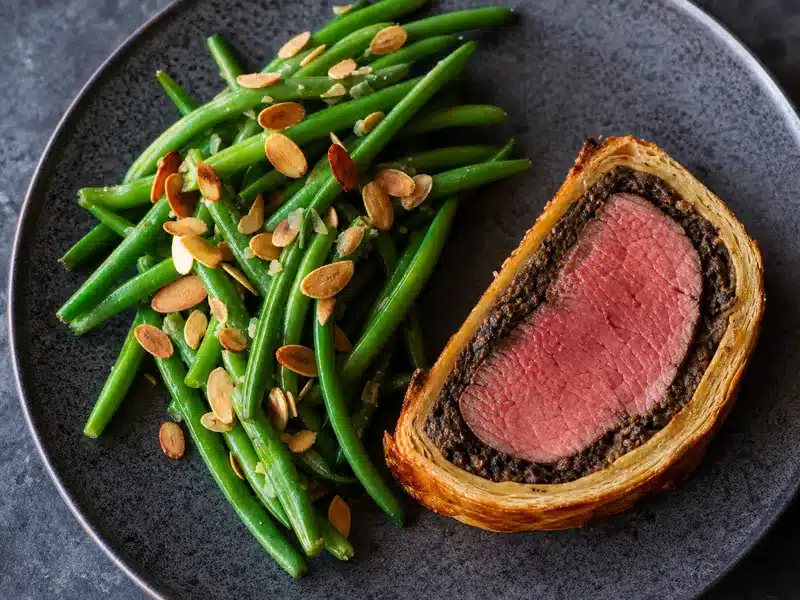
1. Green Beans Almondine
Blanched green beans keep a clean snap against the soft beef and mushrooms. Toasted almonds echo the pastry's nutty brown flavor without adding another creamy sauce.
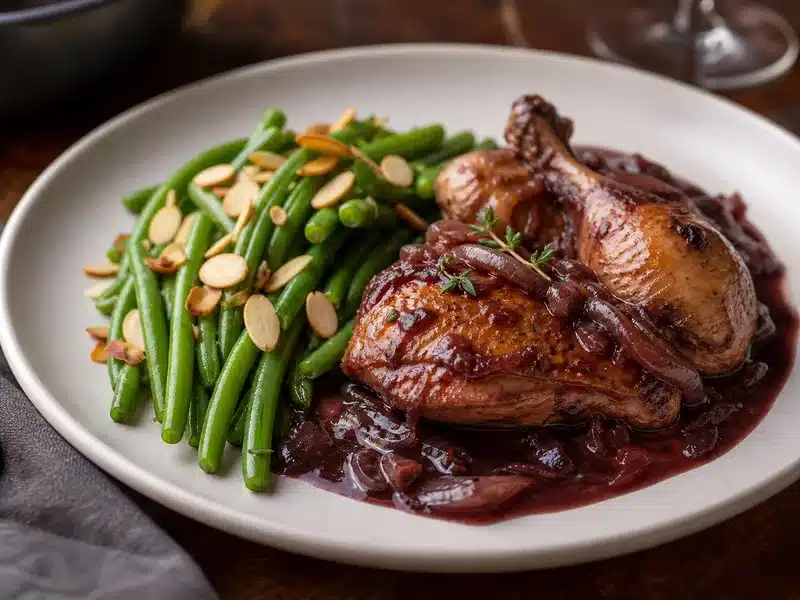
Finish the beans with lemon juice and a small amount of butter. Use this side when you need the safest dinner-party choice and only one burner is free.
2. Honey Thyme Carrots
Carrots add orange color and a mild sweetness that suits beef tenderloin. Thyme connects them to the savory filling, while a little cider vinegar keeps the glaze from tasting sticky.

Roast them before the Wellington enters the oven, then rewarm them during the resting period. Thin carrots hold better than thick rounds and need less last-minute attention.
3. Celeriac Puree
Celeriac has a gentle celery aroma and less familiar sweetness than mashed potatoes. Its smooth surface catches red wine sauce, so one small spoonful feels complete.
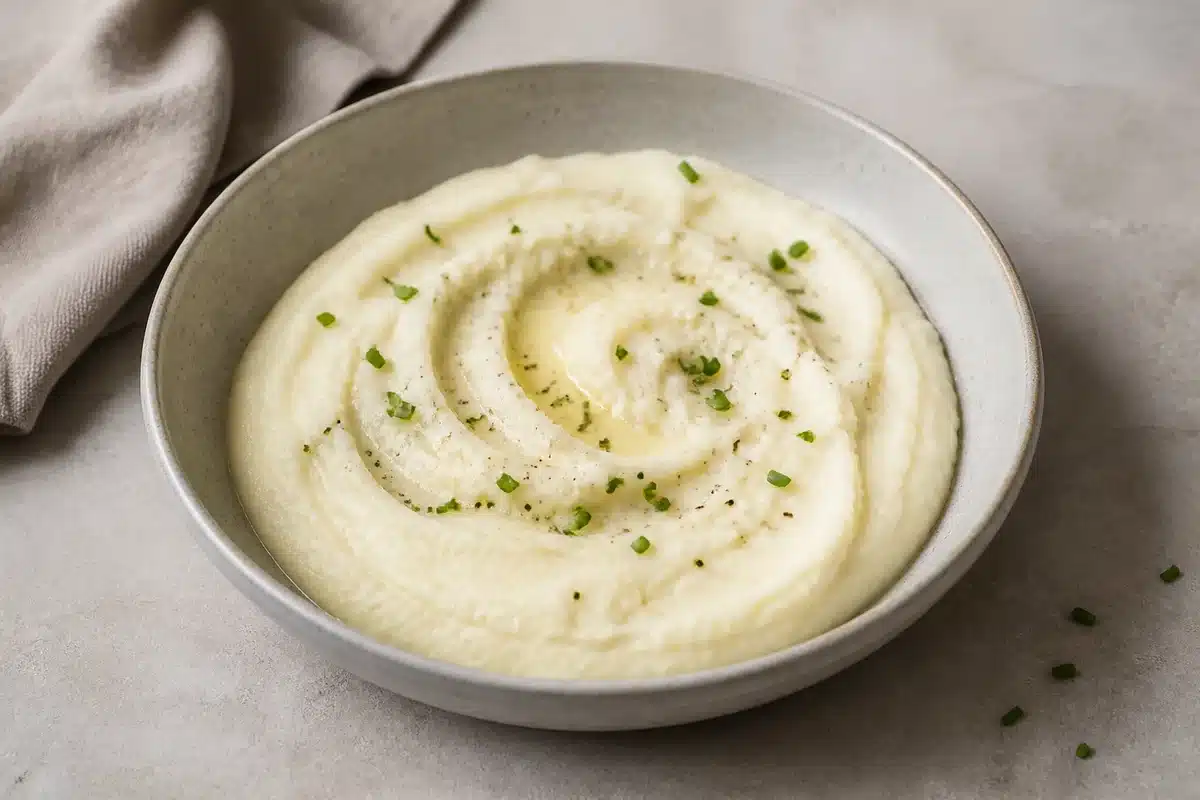
Make it several hours ahead and reheat it over low heat with milk.
Keep the texture loose enough to spread under the beef rather than forming a heavy mound.
4. Lemon Broccolini
Broccolini brings charred tips, green bitterness, and stems with a firm bite.
Lemon zest wakes up a plate that includes a rich pâté or prosciutto layer. Sear it in a wide pan while the Wellington rests.

Garlic should stay restrained because strong raw garlic can cover the tenderloin's mild flavor.
5. Watercress and Pear Salad
Peppery watercress and crisp pear give a cold break between bites of pastry. A mustard vinaigrette supplies enough acid to handle both butter and beef fat.
Dress the leaves immediately before serving. This is a strong pick when the rest of the menu already includes potatoes or a creamy first course.
6. Fondant Potatoes
Fondant potatoes give a crisp golden face and a soft center that absorbs sauce.
Their clean cylinder shape works well for a plated holiday dinner.
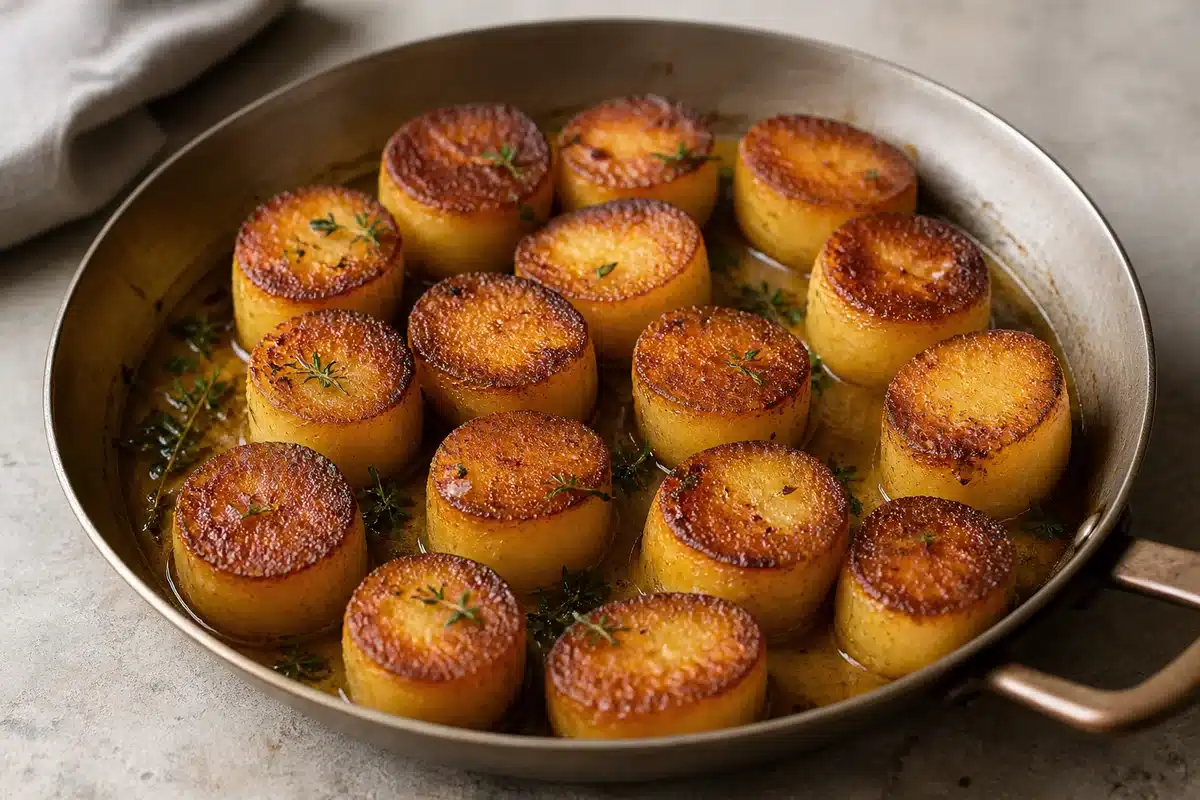
They need their own pan and about 50 minutes, so finish most of the cooking before the Wellington goes in.
Serve one small piece per person because the pastry has already supplied plenty of starch.
7. Roasted Beet and Orange Salad
Earthy beets connect with the duxelles, while orange adds the brighter note the plate needs. A few bitter leaves keep the combination from leaning sweet.
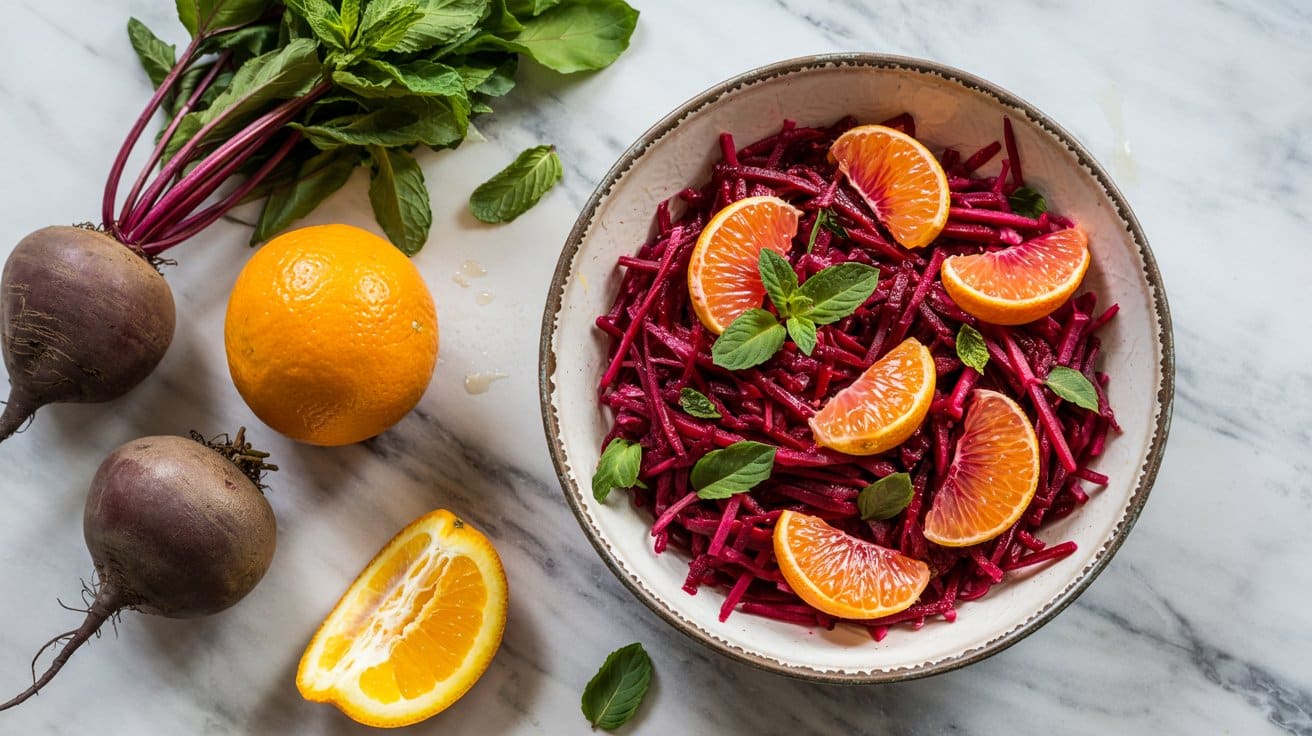
Roast the beets a day ahead and serve them at cool room temperature. Their deep red color looks best beside a plain green vegetable rather than glazed carrots.
8. Shaved Fennel Salad
Raw fennel stays crisp and carries a light anise flavor.
Lemon, parsley, and a small amount of Parmesan create a side that feels polished without taking an oven rack. Slice the fennel as thinly as possible and salt it just before service.
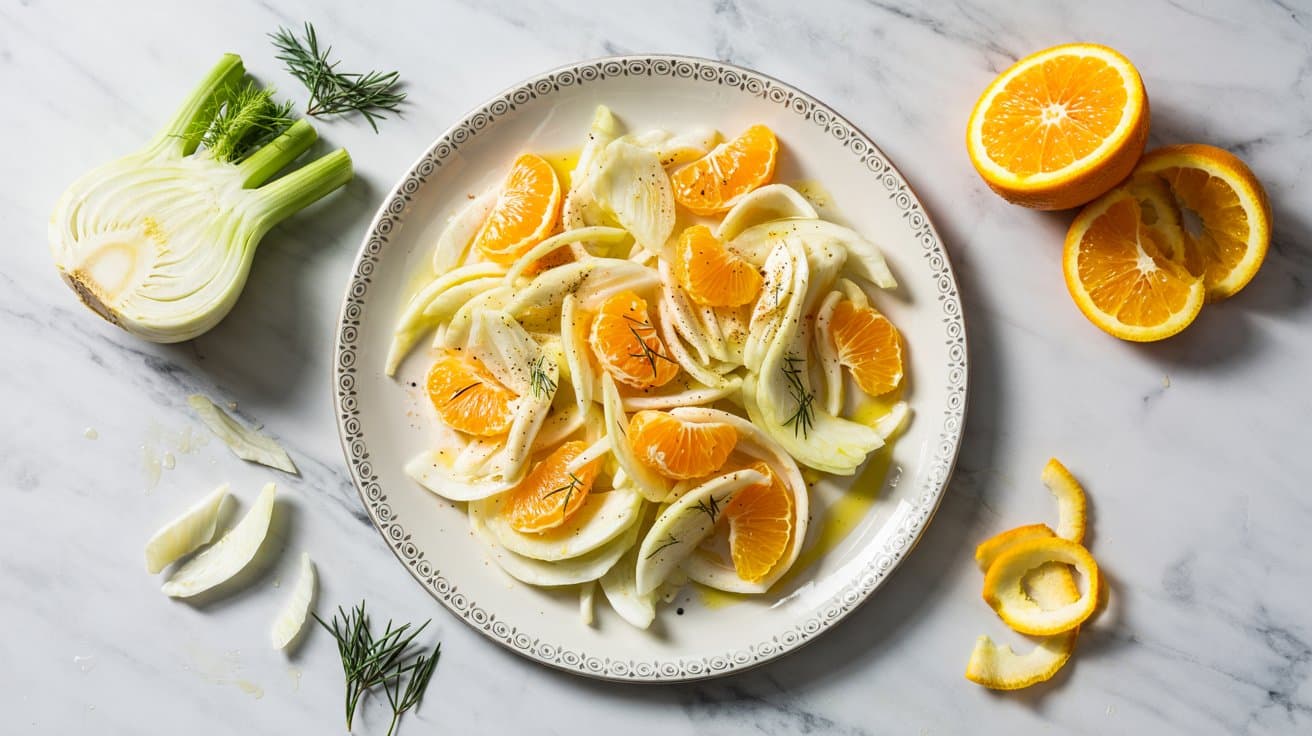
Early salting draws out water and weakens its crunch.
9. Roasted Shallots
Whole roasted shallots turn sweet and silky while keeping enough shape for a neat plate. They suit a Wellington served with mustard or a sharp wine sauce.

Use two small shallots per person and roast them in advance. A spoonful of vinegar added at the end prevents their natural sugar from dominating the meal.
10. Parsnip Mash
Parsnips give a sweet, earthy puree that works with a peppercorn sauce.
Mixing them with an equal amount of potato keeps the flavor measured and the texture stable. This mash can hold warm for 30 minutes in a covered bowl.

Skip it if you already chose glazed carrots because the two sides occupy the same sweet root-vegetable space.
11. Roasted Radishes
Roasted radishes lose much of their sharp heat and become juicy with browned edges.
Their pink skins add color without the sweetness of carrots or beets.
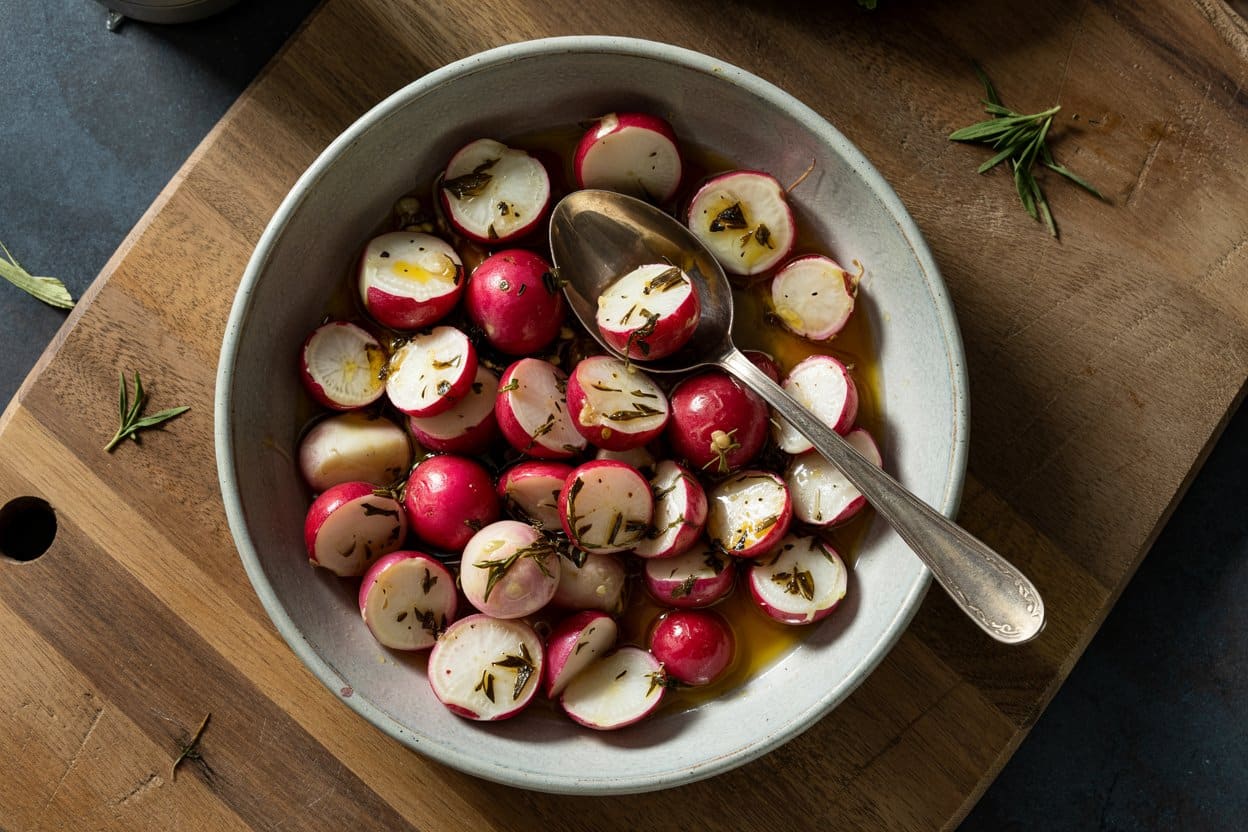
They cook in about 20 minutes at high heat.
Roast them before the main, then return them to the oven for the last few minutes of the resting window.
12. Braised Leeks
Leeks become tender and mildly sweet when braised in stock. Mustard vinaigrette on top gives them enough edge to stand beside puff pastry.
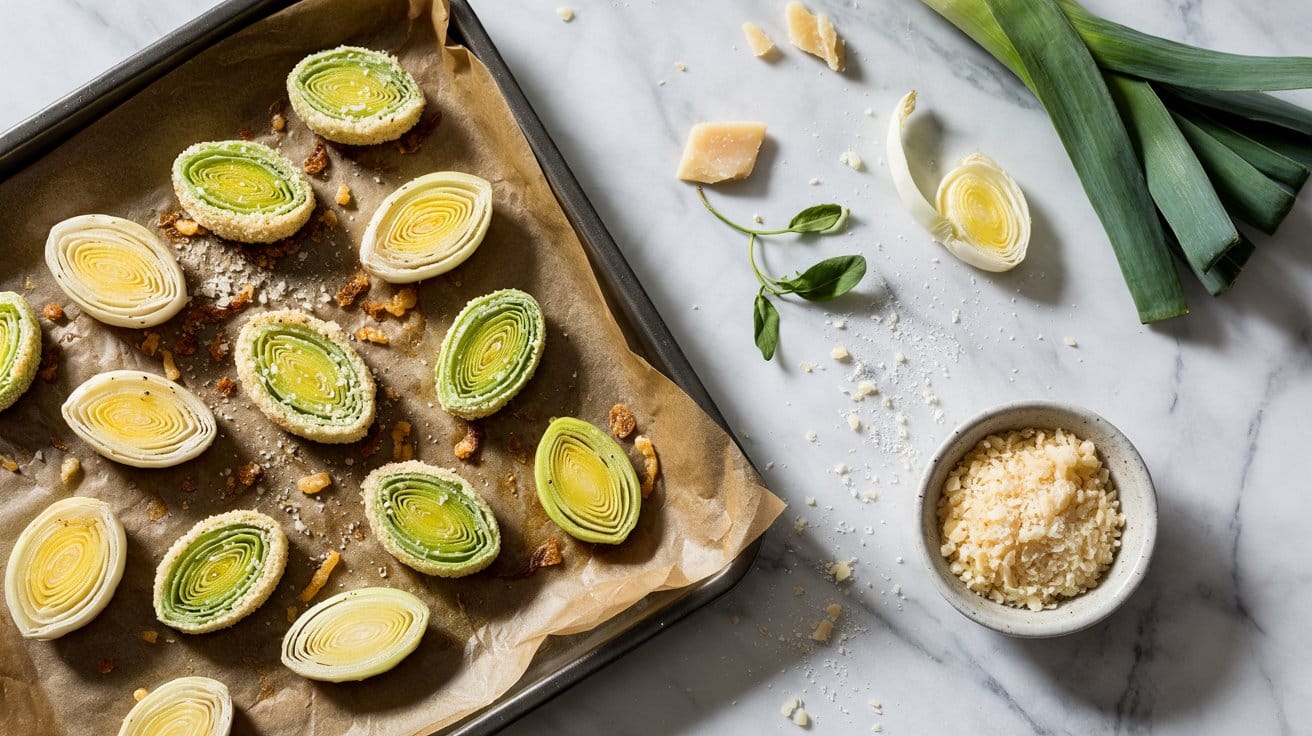
Serve one short leek section per person. This option fits a meal with no cream sauce and pairs well with green beans for a vegetable-led plate.
13. Peas With Mint
Peas cook quickly and bring a vivid green color. Mint and lemon keep their sweetness fresh, which helps when the Wellington has a salty prosciutto wrap.

Use frozen peas for reliable timing and cook them during the rest. Crushing only a quarter of them creates body while leaving most peas intact.
14. Yorkshire Pudding
Yorkshire pudding belongs on the list when you want a British-style feast and a generous amount of gravy. Its crisp shell catches sauce, but it also adds another pastry-like element.

Choose it only when the other side is a plain green vegetable. A potato dish beside it makes the plate too starch-heavy.
15. Cauliflower With Mustard Crumbs
Roasted cauliflower has browned edges and a mild center that will not compete with tenderloin. Mustard crumbs add a sharp crunch without a creamy cheese sauce.

Keep the crumb layer light and roast the florets on a preheated sheet pan. This side works well for guests who want vegetables instead of a second starch.
How Do You Time the Sides With Beef Wellington?
The Wellington needs an uncrowded oven and a quiet 10-minute rest. Plan the sides around those two limits rather than trying to cook everything at once.
- Finish cold work first. Wash salad leaves, toast nuts, and mix vinaigrette up to four hours ahead.
- Cook roots before the main. Roast carrots, beets, or potatoes until almost done, then hold them loosely covered.
- Use the baking window. Reheat puree over low heat while the Wellington bakes.
- Use the resting window. Sauté beans or broccolini and return roasted vegetables to the oven for five minutes.
Do not cover crisp roasted vegetables tightly. Trapped steam softens their browned surfaces before the beef reaches the table.
Carve the Wellington only after its rest, then plate quickly. Warm plates give you a little extra time and keep a small serving of puree or sauce from cooling on contact.
When serving family style, carve the Wellington in the kitchen and pass vegetables in warmed bowls. Keep salad on a separate cool platter so heat from the main does not wilt the leaves.
Reserve extra sauce at the table instead of flooding every plate. Guests can add more while the pastry around each slice remains crisp.
Save These Beef Wellington Side Ideas
Keep this list for your next holiday dinner or special meal.
Yes. Serve a small portion and choose a sharp green vegetable as the second side so the pastry and potatoes do not dominate the plate.
Watercress with pear and mustard vinaigrette works especially well. The peppery leaves and acid cut through butter while the pear suits the beef.
A small amount of red wine or Madeira sauce is enough. Pour it beside the pastry so the crust stays crisp.
Carrots, beets, braised leeks, and roasted shallots all reheat well. Beans and broccolini are better cooked during the resting window.
Two sides are enough for most dinners. Choose one green vegetable and either a salad, root vegetable, or small puree.

Carrie is a food writer and editor with more than 15 years of experience. She has worked for some of the biggest names in the food industry, including Bon Appétit, Food & Wine, and Martha Stewart Living.
As the Editor in Chief of EpicureDelight, Carrie oversees all of the content on the site. She also manages the team of contributing writers and editors, who help to create delicious recipes, helpful tips, and informative articles that you’ll find on the site.
A native of the Chicago area, Carrie is passionate about all things food. She loves trying new restaurants and experimenting with new recipes in her kitchen. She’s also a graduate of the Culinary Institute of America, so she knows a thing or two about food!