
Butter extract is one of those small-bottle ingredients that does a disproportionate amount of flavor work. It isn't fat, it isn't structure.
It is pure aroma, that warm, slightly sweet buttery scent that makes a sugar cookie smell like something your grandmother baked.
Finding a good butter extract substitute is simpler once you accept that no single swap covers every recipe equally. A forgiving cookie batter can handle a ghee-and-vanilla combo or even crushed butter crackers.
A delicate white cake needs something closer in character, something that blends in without changing texture or moisture.
The best butter extract substitute is a butter-flavored emulsion at a 1:1 ratio. Ghee plus vanilla is a strong second for home kitchens. Browned butter adds nutty depth. Melted unsalted butter, butter cookie crumbs, vanilla with salt, or a butter flavor concentrate all work depending on how much buttery aroma your recipe needs.
5 Best Butter Extract Substitutes Ranked by Flavor Closeness
These five options are ranked by how closely they reproduce butter extract's aroma and flavor in a bake. Use the table below for quick ratios, then read each section for dosing details.
| # | Substitute | Best For | Ratio | Key Note |
|---|---|---|---|---|
| 1 | Butter-Flavored Emulsion | Both | 1:1 | Closest flavor match |
| 2 | Ghee + Vanilla Extract | Both | 1:1 | No added water |
| 3 | Browned Butter + Vanilla | Baking | ¾:1 | Cool before using |
| 4 | Unsalted Butter (Melted) | Baking | 1:1 | Watch moisture level |
| 5 | Butter Cookie Crumbs + Vanilla | Baking | ½:1 | Grind very fine |
Start at the listed ratio, then taste after baking and scale up in small steps. If you want to understand what butter extract actually contributes before you swap it out, reading about how butter extract behaves in baked goods will help you pick the right substitute faster.
1. Butter-Flavored Emulsion
A butter-flavored emulsion is the single closest swap for butter extract in baking. It is water-based like extract, carries nearly the same aroma compounds, and drops into batter without changing fat content or moisture balance.
- Ratio: Start at 1:1; if the label says "extra strength" or "concentrated," start at ½ teaspoon per 1 teaspoon called for.
- Flavor outcome: Clean butter aroma, slightly sweeter than pure extract, bakes without bitterness.
- Adjustment tip: Taste the raw batter; if it smells faintly buttery, that is exactly where you want it before the oven amplifies it.
Skip if: The recipe depends on browned-butter flavor for its character, because emulsions deliver buttery aroma but none of the toasted, nutty depth that comes from browning actual fat.
2. Clarified Butter (Ghee) + Vanilla Extract
Ghee carries an almost pure butter aroma because most of the water has been removed during clarification. That means it adds buttery flavor without the extra moisture that melted whole butter would bring.
Pair it with a small amount of vanilla for roundness. The ghee versus lighter fat choice matters here because olive oil or vegetable oil can't offer the same dairy-forward scent.
- Ratio: Use 1 teaspoon ghee for every 1 teaspoon butter extract called for; add ¼ teaspoon vanilla for every 1 teaspoon of that ghee.
- Mixing method: Melt the ghee gently if solid, let it cool to room temperature, then stir with vanilla before adding to wet ingredients.
- After baking: The result is mildly buttery with a quiet warmth; not quite as sharp as extract, but natural and clean-tasting.
Skip if: Your recipe is extremely moisture-sensitive, think very thin macarons or custards where any extra fat throw-off matters and you cannot reduce another liquid to compensate.
3. Browned Butter + Vanilla
Browned butter goes further than butter extract in one direction: it adds a toasted, almost nutty note that extract simply does not have. That is a gain in some recipes and a distraction in others.
Butter Extract
Works for: Clean buttery aroma in delicate cakes, light frostings, pale batters
Skip if: You want depth or nutty complexity in the final bake
Browned Butter + Vanilla
Works for: Cookies, pound cakes, muffins where nutty richness improves the overall flavor
Skip if: You cannot cool the browned butter fully before mixing in, or the recipe batter is pale and delicate
- Ratio: Use ¾ teaspoon browned butter per 1 teaspoon butter extract; add a tiny splash of vanilla, roughly ¼ tsp, for extra roundness.
- Cooling requirement: Cool the browned butter until it is completely solid or just softened. Warm fat added to cold batter can melt sugar crystals and affect rise.
- Best recipe types: Chocolate chip cookies, banana bread, and spiced muffins, anywhere the nutty note blends into the overall flavor.
Skip if: You need the butter flavor to stay clean and light, or you are short on time and cannot wait for the browned butter to cool.
4. Unsalted Butter (Melted)
Melted unsalted butter is the most universally available swap, but it comes with a tradeoff. It adds real butter flavor, yes.
It also adds fat and water, which shifts how the batter behaves compared to a few drops of extract.
Recipes that already call for choosing your fat base carefully may show the most noticeable texture change. For most everyday cookies or quick breads, the difference is small enough to ignore on the first bake.
- Ratio: Use 1 teaspoon melted butter per 1 teaspoon butter extract; if the batter feels looser than expected, reduce another added liquid by 1 teaspoon next time.
- Moisture note: Whole butter is about 16-18% water. That small amount can affect spread in thin cookies, so watch the first bake closely.
Skip if: Your recipe already contains a significant amount of melted butter and adding more risks making the dough too soft or spread-prone on the baking sheet.
5. Butter Cookie Crumbs + Vanilla
This swap borrows butter aroma from cookies that are already loaded with it. Finely ground butter cookies, think shortbread or Pepperidge Farm Chessmen, carry a concentrated butter scent that releases into batter when ground fine enough.
| Use | Ratio | Notes |
|---|---|---|
| Cake batter (dry mix) | ½ teaspoon crumbs per 1 teaspoon extract | Sift into flour to avoid lumps |
| Cookie dough (dry mix) | ½ teaspoon crumbs per 1 teaspoon extract | Works best in thick doughs |
| Quick bread batter | ½ teaspoon crumbs per 1 teaspoon extract | Add with dry ingredients, not wet |
- How to grind: Pulse in a food processor until the crumbs are powder-fine, no visible grit, then sift once through a fine mesh strainer.
- Where to add: Blend into dry ingredients before combining with wet; crumbs disperse unevenly if you stir them into wet batter directly.
- Texture expectation: Very finely ground crumbs add almost no detectable texture to thick batters, but they can create slight graininess in thin or smooth ones like custard.
Pair with ¼ teaspoon properly stored vanilla per teaspoon of butter extract called for; vanilla that has aged past its peak carries less aromatic punch and won't round out the flavor the same way.
Skip if: You cannot grind the crumbs completely smooth, because even small gritty bits will show up in frostings and fine-crumb cakes.
Making Your Butter Extract Substitute Taste Right
The biggest mistake with these swaps is adding the substitute all at once at full dose. Flavor compounds in extracts and emulsions intensify during baking, so what tastes mild in the raw batter can taste sharp once the oven does its work.
Start at the listed ratio, bake a small test batch if the recipe matters, and adjust from there in increments of ¼ teaspoon at a time. For fat-based swaps like vanilla-forward alternatives, temper or cool the fat completely before folding it in, and add a pinch of fine salt to boost "richness" perception if the flavor reads flat after baking.
- Wet placement: Extracts, emulsions, and liquid fats all blend most evenly when stirred into eggs, milk, or other wet ingredients before the dry ingredients go in.
- Crumb placement: Crumb-based swaps go into the dry mix, not the wet, to prevent uneven clumping and ensure even flavor distribution.
- Adjust after baking: If flavor is flat, add ¼ teaspoon more next bake. If it tastes artificial, reduce by ¼ teaspoon and add a pinch of salt to round the edge.
Frequently Asked Questions
Yes, a 1:1 swap works well in most cookie recipes. If the emulsion label says concentrated, start at ½ teaspoon per 1 teaspoon and taste the dough before baking.
Not exactly. Browned butter adds nutty depth that extract doesn't have, and it changes fat and moisture levels. It works better in dense cakes than in delicate white or chiffon cakes.
Reduce another added liquid by 1 teaspoon to compensate. Ghee has less water than whole butter, so looseness usually means another wet ingredient was already on the high end.
Crumbs work poorly in most frostings because even fine grit shows up in smooth finishes. Stick to thick batters and doughs where texture is less critical.
Start at half the listed dose and scale up after tasting the baked result. Adding a pinch of fine salt also helps mask synthetic edges in butter-flavored concentrates.
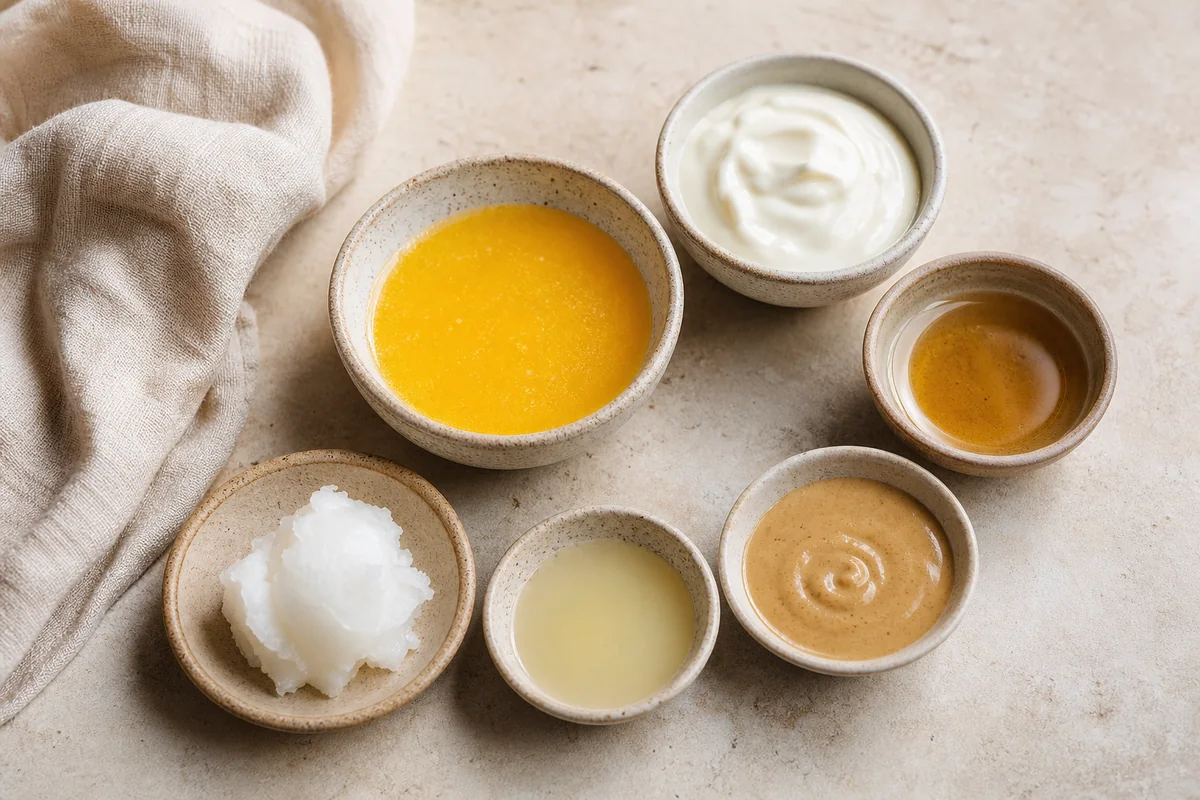
5 Best Butter Extract Substitutes That Taste Right
Ingredients
Equipment
Method
- Identify what your recipe needs butter extract for: aroma only (finish), or flavor structure (cookies/cakes).
- Pick the closest substitute from the ranked list, then use the ratio as a starting dose (extracts are easiest to match 1:1).
- If your substitute is liquid fat (ghee/browned butter/melted butter), reduce any extra added liquid by a small amount to keep batter consistent.
- Mix the substitute in with the wet ingredients (or blend crumbs into dry) and bake as written.
- Taste after baking and adjust next time: add a small extra amount if flavor feels flat, or add salt if it lacks “buttery richness.”
Notes
- Start low with strong concentrates/emulsions to avoid an artificial aftertaste.
- For crumb-based swaps, grind very finely to reduce graininess.
Tried this recipe?
Let us know how it was!
Carrie is a food writer and editor with more than 15 years of experience. She has worked for some of the biggest names in the food industry, including Bon Appétit, Food & Wine, and Martha Stewart Living.
As the Editor in Chief of EpicureDelight, Carrie oversees all of the content on the site. She also manages the team of contributing writers and editors, who help to create delicious recipes, helpful tips, and informative articles that you’ll find on the site.
A native of the Chicago area, Carrie is passionate about all things food. She loves trying new restaurants and experimenting with new recipes in her kitchen. She’s also a graduate of the Culinary Institute of America, so she knows a thing or two about food!



