Crickets are showing up in snack aisles, protein bars, and restaurant menus with increasing regularity. If you have ever paused at a bag of roasted crickets and wondered what you were actually signing up for, this article gives you a straight, sensory answer.

No hype, no squeamishness coaching, just an honest description of what crickets taste and feel like.
The short version: nutty, lightly savory, and surprisingly familiar.
Cricket flavor is not fixed. Species, diet, and cooking method all shift the taste profile in meaningful ways.
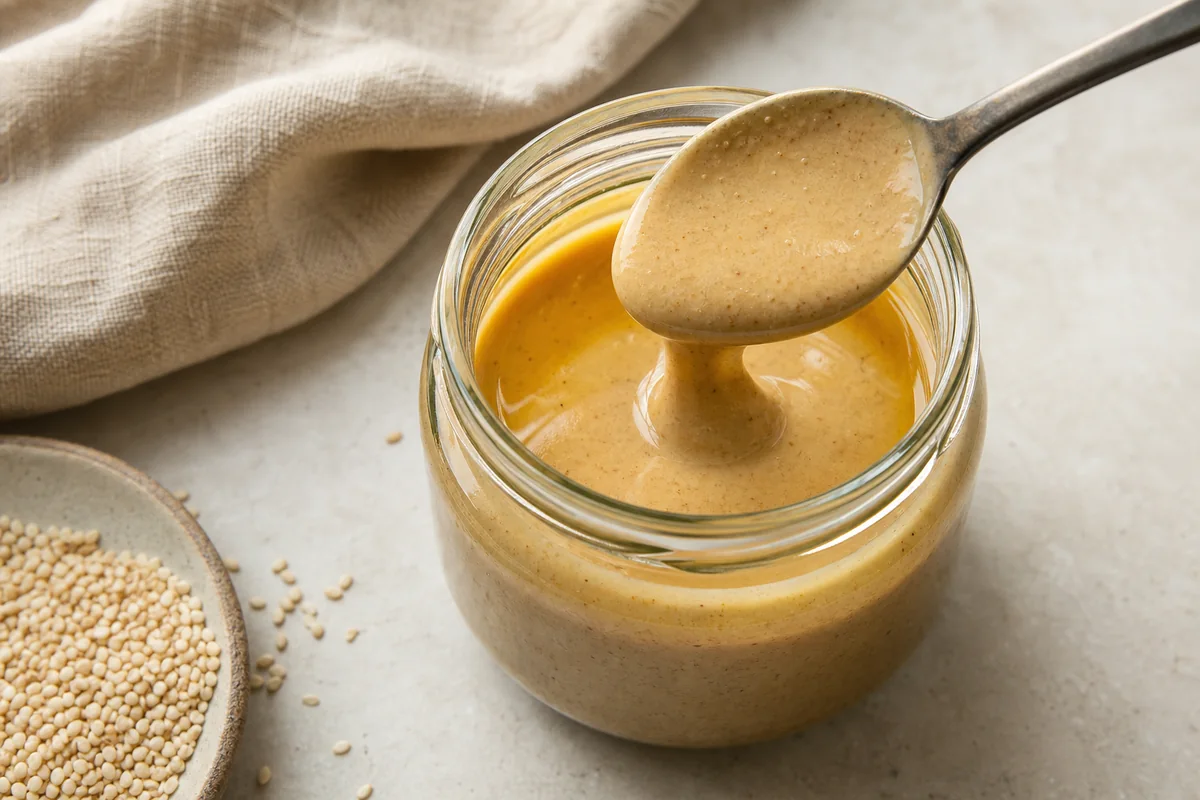
Black sesame has a similar toasted, nutty depth that many tasters reach for when describing roasted crickets, which gives you a useful mental anchor before your first bite.
This article maps cricket flavor section by section, from core taste notes through texture, species differences, and practical pairings. By the end, you will have a repeatable tasting framework you can use at home.
Crickets taste nutty, mildly savory, and faintly grassy when roasted, with a popcorn-like finish that surprises most first-time tasters. Flavor shifts with species, diet, and cooking method. Texture ranges from crackly exoskeleton crunch to smooth and creamy when ground into flour.
What Do Crickets Taste Like? The Core Flavor?
The dominant notes in a well-roasted cricket are nutty and savory, with a quiet popcorn-kernel finish that lingers at the back of the palate.

Roasted Acheta domesticus, the most common edible species, tastes like toasted nuts with a slight popcorn kernel note that is both familiar and unexpected.
Beneath those top notes sits a delicate umami undercurrent. Some tasters pick up roasted seaweed or mushroom here, especially on the exhale.
Secondary flavor hints include toasted sesame, a thread of faint sweetness, and occasionally a mild grassiness that reads more like popcorn hull than lawn. None of these are aggressive.
Crickets are not a bold ingredient in the way that blue cheese or anchovies are bold.
Raw or fresh crickets are noticeably different. They are milder and more vegetal, almost bland by comparison.
Roasting or frying concentrates aromas by driving off moisture and triggering Maillard browning, which is the same reaction that makes roasted coffee smell the way it does.
- Nutty: The most consistently reported note; closest to roasted peanut or sunflower seed.
- Umami: A background savory quality similar to roasted seaweed or dried mushroom.
- Popcorn-like: A toasted grain note on the finish, especially noticeable in dry-roasted batches.
- Faint sweetness: A brief caramel edge that appears when roasting hits the higher end of the temperature range.
For the clearest flavor experience, start with plain dry-roasted Acheta domesticus with no seasoning. That single prep method captures the nutty, savory, popcorn-like core that makes crickets worth understanding as an ingredient.
Save This for Later
Pin this what do crickets taste like? exploring the flavor guide so you always have it when you need it.
Texture After Cooking: Crunch to Cream
Texture is where preparation method has the biggest impact. The exoskeleton and legs deliver the crunch you hear and feel first, while the body interior is softer and more yielding.
Get the heat right and both parts harmonize into a satisfying bite.
Roasting at 350-400°F (175-205°C) yields crunchier exoskeletons with a nutty aroma that fills the room in the last few minutes of cooking. Frying produces the most pronounced crispness overall, though lower frying temperatures pull back toward a more tender, almost chewy result.
Grinding whole roasted crickets into a flour-like powder removes the crunch entirely. Incorporated into batter or dough, ground cricket creates a smooth, creamy sensation and adds a subtle toasted note without any textural surprise.
This is the format most people tolerate if they are texture-hesitant.
- Dry roasted (350-400°F): Crisp exoskeleton, tender interior, ideal for snacking.
- Deep fried: Maximum crispness throughout; legs become glassy and snap cleanly.
- Sautéed: Softer bite with some chew; good for stir-fry applications.
- Ground into powder: No detectable crunch; smooth and creamy when mixed into batters or sauces.
Dry heat equals crunch. Any added moisture, whether from a sauce, batter, or steaming, moves texture toward a softer, chewier bite. Decide which you want before you choose your cooking method.
Flavor Variations by Diet and Species
Not all crickets taste the same, and the differences are meaningful enough to notice side by side. Two variables drive most of the variation: what the crickets ate before harvest and which species you are eating.
Acheta domesticus raised on grain-forward diets often exhibit stronger nutty notes. The grain comes through in a way that is genuinely comparable to roasted sunflower seeds or a mild nut butter.
Gryllodes sigillatus fed greens tends to present brighter, grassy hints, closer to the flavor of toasted pumpkin seeds with a fresh green edge.
Processing method layers on top of diet. Toasted versus non-toasted amplifies aroma without changing the core flavor dramatically, so you get more intensity of the same notes rather than new ones.
A grain-fed cricket tastes more intensely nutty when toasted; it does not suddenly taste grassy.
- Acheta domesticus, grain-fed: Strongest nutty profile; roasted peanut or sunflower seed comparisons hold up well.
- Acheta domesticus, mixed diet: Balanced nutty-umami; slightly more complex with a muted savory finish.
- Gryllodes sigillatus, green-fed: Noticeably grassy and brighter; reminds some tasters of toasted pumpkin seeds.
- Gryllodes sigillatus, grain-fed: Milder than Acheta domesticus, with a faint floral note that disappears on the finish.
For a side-by-side tasting, source one bag of grain-fed Acheta domesticus and one of green-fed Gryllodes sigillatus, both plain roasted. Taste them on a neutral cracker with water between samples to map the nutty-to-grassy spectrum clearly.
How to Taste: Practical Pairings and Uses?
The most useful way to understand cricket flavor is to taste it alongside ingredients that either echo or contrast its core notes. Familiar pairings help your palate lock onto what is already there instead of searching for something unfamiliar.

Citrus or acid is a reliable first pairing. A squeeze of lime over roasted crickets brightens and freshens the nutty notes the same way acid lifts a rich nut butter.
Steelhead trout has a similar relationship with citrus, where acid cuts richness and highlights savory depth.
Creamy cheeses, especially aged Gouda or a mild Brie, emphasize the creamy mouthfeel of ground cricket preparations. Dark chocolate amplifies the roasted, caramel-like sweetness in crickets.
That pairing is less strange than it sounds once you think of both as roasted, Maillard-forward ingredients.
- Citrus (lime, lemon): Brightens nutty notes; cuts any residual earthiness for a cleaner finish.
- Dark chocolate (70%+): Amplifies caramel-roasted sweetness; works especially well with cricket brittle or energy balls.
- Aged or creamy cheese: Emphasizes the soft, creamy texture of ground cricket in dips or spreads.
- Miso or soy-based dips: Echoes the umami undercurrent and deepens the savory dimension without masking it.
For a simple at-home tasting, line up three bites: plain roasted cricket, one with a drop of citrus, one with a small piece of dark chocolate. That sequence maps the flavor range in under five minutes.
A Quick, Practical Tasting Plan
A repeatable tasting routine removes the guesswork and lets you track how your perception shifts across different batches, species, or preparations. You do not need specialized equipment.
A notebook, a glass of water, and a neutral cracker are enough to start.
Use a simple 0-1-2 scale for each attribute: 0 means not present, 1 means noticeable, 2 means dominant. Score aroma, first impression, mid-palate, aftertaste, texture, and overall balance.
Running that log across two or three sessions reveals patterns you would miss from a single tasting.
- Step 1 - Aroma check: Smell the cricket before tasting. Note grain, grass, smoke, or neutral.
- Step 2 - Dry first bite: No seasoning, no pairing. Let the cricket sit on your tongue for three seconds before chewing.
- Step 3 - Mid-palate and finish: Chew slowly and note when the nutty note appears and how the aftertaste fades.
- Step 4 - Paired bite: Repeat with one pairing (citrus, cheese, or chocolate) and score again for comparison.
Keep spice additions minimal until you know the base flavor. Green tea has a similarly subtle, layered character that rewards a bare, unadorned first sip before you add anything else, and crickets are best approached the same way.
Do not season your first tasting batch with anything stronger than a pinch of salt. Heavy spice blends mask the base flavor entirely, and you will lose the reference point you need to evaluate future preparations.
Frequently Asked Questions
Are crickets safe to eat for someone with shellfish allergies?
Crickets and shellfish share similar proteins, so people with shellfish allergies have a meaningful risk of reacting to edible insects. Consult a doctor before trying crickets if you have a confirmed shellfish allergy.
Can cricket flavor change with different cooking oils or fats?
Yes. Neutral oils like refined coconut or avocado let cricket flavor come through cleanly. Strongly flavored oils like sesame or extra-virgin olive oil layer additional notes over the base taste.
Is there a notable difference between roasted and fried crickets in terms of taste?
Roasted crickets emphasize nutty, dry, popcorn-like notes. Fried crickets add a richer, fatty quality from absorbed oil and produce a more pronounced crispness that lingers slightly longer on the palate.
Do feeding practices affect taste to the point of consumer preference?
Consistently, yes. Grain-fed batches score higher for nuttiness in informal tastings, while green-fed batches appeal more to tasters who prefer lighter, less rich flavor profiles similar to pumpkin seeds.
What is the best way to store crickets to preserve flavor between tastings?
Store roasted whole crickets in an airtight container at room temperature for up to two weeks, or freeze for up to three months. Moisture is the main enemy of both crunch and flavor integrity.

Carrie is a food writer and editor with more than 15 years of experience. She has worked for some of the biggest names in the food industry, including Bon Appétit, Food & Wine, and Martha Stewart Living.
As the Editor in Chief of EpicureDelight, Carrie oversees all of the content on the site. She also manages the team of contributing writers and editors, who help to create delicious recipes, helpful tips, and informative articles that you’ll find on the site.
A native of the Chicago area, Carrie is passionate about all things food. She loves trying new restaurants and experimenting with new recipes in her kitchen. She’s also a graduate of the Culinary Institute of America, so she knows a thing or two about food!