Eden cheese has a creamy, mild, slightly salty character that makes it hard to replace exactly. But the right eden cheese substitute gets you close enough that most recipes won't miss a beat.
The key is matching it to the job. Spreading cold, mixing into a filling, and melting under heat all call for different things from a substitute.
Pick wrong and you get a grainy sauce or a soggy layer.
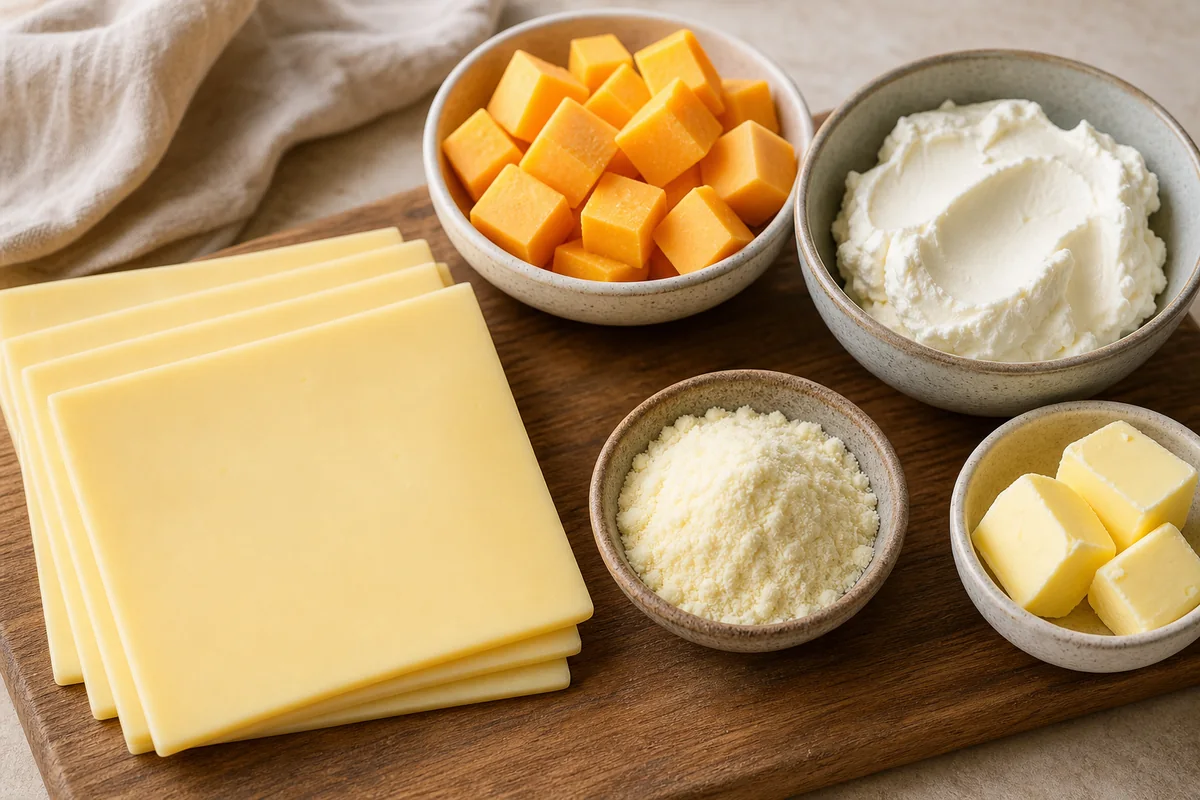
The best eden cheese substitutes are cream cheese, goat cheese, ricotta, queso fresco, and cottage cheese. All swap in at a 1:1 ratio. Match your pick to the job: use cream cheese for melting, ricotta or cottage cheese for lighter fillings, and goat cheese when you want noticeable tang.
5 Best Eden Cheese Substitutes Ranked by Use
Before reading each section, scan the table below. It maps every substitute to its ratio, best use, and one thing to watch for.
| # | Substitute | Best For | Ratio | Key Note |
|---|---|---|---|---|
| 1 | Cream Cheese | Both | 1:1 | Smooth melt, mild flavor |
| 2 | Goat Cheese | Both | 1:1 | Tangier, blend for melt |
| 3 | Ricotta | Baking | 1:1 | Drain before using |
| 4 | Queso Fresco | Topping | 1:1 | Softens, won't fully melt |
| 5 | Cottage Cheese | Fillings | 1:1 | Blend smooth, strain if loose |
Starting with the 1:1 ratio is correct for all five. The adjustments come after: drain for moisture, soften for melt, or thin for spreadability.
1. Cream Cheese
Cream cheese is the easiest swap when you need something that behaves like the mild, creamy spread Eden cheese is known for. It melts smoothly into fillings, holds together in baked layers, and doesn't compete with other flavors.
- Ratio: 1:1 by weight; for a thinner consistency, stir in 1-2 teaspoon warm water per 1 cup
- Baking: Bakes without turning grainy when the oven stays below 375°F
- Spreads: Let it soften at room temperature 20-30 minutes for easy spreading
- Skip if: You need a tangy, assertive flavor-cream cheese reads milder than some aged or fresh options
If you're weighing your options for a swapping into cheesecake territory, cream cheese is almost always the right call at 1:1.
2. Goat Cheese
Soft goat cheese has real creaminess, but it comes with a distinct tang that Eden cheese doesn't. That tang works beautifully when you want the flavor of the cheese to be noticeable, like in a savory tart or a baked dip.
- Ratio: 1:1; blend with 1-2 tablespoon warm broth per cup for a smoother melt
- Savory baking: Works well in quiches, galettes, and stuffed vegetables
- Smooth texture: Pulse 30-45 seconds in a food processor before folding into hot fillings
- Skip if: You want neutral flavor-goat cheese will register noticeably tangier in every bite
If you decide goat cheese isn't the right fit, swapping soft cheeses covers a range of similar creamy options worth trying.
3. Ricotta
Whole-milk ricotta is lighter than Eden cheese, which makes it ideal for layered baked dishes where you don't want a dense, heavy filling. Always drain it before using-place it in a fine-mesh strainer for 15-20 minutes and press gently to shed excess liquid.
At a 1:1 ratio, drained ricotta holds its shape in lasagna-style layers and baked dips without making them watery. It also folds into warm sauces without breaking, which keeps pasta dishes cohesive.
Skip if you need something sliceable or structurally firm. Ricotta stays soft and delicate even after baking, so it won't hold a clean edge when cut.
4. Queso Fresco
Queso fresco has a fresh, mild tang that sits close to Eden cheese's flavor profile, but its melt behavior is different. It softens and becomes slightly creamy under heat, but it doesn't flow or stretch the way cream cheese does.
Properly stored soft cheese of any kind lasts longer than most people expect-so keeping queso fresco on hand as a backup is practical.
Queso Fresco
Works for: Toppings, baked dishes where partial softening is fine, crumbled into hot components
Skip if: You need a fully smooth, melt-through texture with stretch or flow
- Ratio: 1:1; crumble directly into hot dishes and stir gently rather than expecting it to melt in
- Best use: Scatter over baked eggs, warm grain bowls, or enchiladas where mild tang is welcome
- Moisture: Pat dry if the block feels wet before crumbling to avoid extra liquid in the dish
5. Cottage Cheese
Blended cottage cheese is the most budget-friendly substitute here. On its own, the curds are too lumpy to act like Eden cheese, but 45-60 seconds in a blender turns it silky enough for spreads, dips, and thick baked fillings.
The fresh, mild dairy base takes on other flavors easily, which means it's easy to season up with salt, a pinch of garlic powder, or a small splash of lemon.
| Use | Ratio | Notes |
|---|---|---|
| Spread or dip | 1:1 | Blend 60 sec, strain 5 min if loose |
| Baked filling | 1:1 | Blend and strain 10 min before mixing in |
| Pasta sauce base | 1:1 | Blend smooth, add warm pasta water to thin |
- Ratio: 1:1 by weight after blending
- Straining: Drain through cheesecloth for 5-10 minutes if the blend looks loose
- Skip if: The dish is a delicate dessert where cottage cheese's mild but distinct flavor will show through
Making Eden Cheese Substitutes Work
The single biggest reason substitutes fail is moisture. Ricotta, cottage cheese, and Greek yogurt all carry more water than Eden cheese, and that extra liquid loosens fillings, thins batters, and can make baked dishes slide apart.
If you're picking a tangy dairy swap, drain or strain it first before deciding how much to add.
- Moisture control: Drain ricotta and cottage cheese 15-20 minutes; strain Greek yogurt 30-60 minutes for a thick, spreadable consistency before use
- Heat sensitivity: Fold yogurt-based swaps into warm dishes off the heat-direct high heat causes separation and graininess
- Melt expectations: Cream cheese and goat cheese soften and blend smoothly; queso fresco will only soften, not flow, so adjust your dish to suit that behavior
Frequently Asked Questions
Cream cheese or neufchâtel work best for smooth, creamy melt in baked dishes. Use 1:1 by weight and keep oven temperature at or below 375°F for best results.
Blend it smooth first, then strain 5-10 minutes if the mixture looks loose. Use at 1:1 by weight and the texture will be close enough for most fillings.
Cream cheese, neufchâtel, or strained Greek yogurt all spread cleanly from cold. Soften cream cheese 20 minutes at room temperature for the easiest texture.
Fresh cheeses like queso fresco soften rather than melt fully. Crumble them into hot dishes and don't expect any stretch or flow.
Yes. Drain ricotta 15-20 minutes and strain Greek yogurt 30-60 minutes for proper thickness. Skipping this step makes fillings and batters noticeably looser.
5 Best Eden Cheese Substitutes (with Ratios)
Ingredients
Equipment
Method
- Identify how you’re using Eden cheese: spread (cold), filling (mixed), topping (softened), or baked melt.
- Pick the substitute with the closest job: use cream cheese for creamy melt/spread, goat cheese for tangy creaminess, or ricotta/cottage cheese for lighter fillings.
- Swap using the 1:1 ratio (measure by weight if possible, especially for baking).
- If your substitute is wetter (ricotta or cottage cheese), drain or blend/strain so the final texture doesn’t turn runny.
- Taste and adjust for tang/salt: add a pinch of salt for bland brands or a small splash of lemon to sharpen when needed.
Notes
- For best results, match by function first (spread vs. filling vs. melt) before matching by flavor.
- Melting behavior varies: cream cheese melts smoothly; fresh cheeses like queso fresco soften more than they melt.
Tried this recipe?
Let us know how it was!
Carrie is a food writer and editor with more than 15 years of experience. She has worked for some of the biggest names in the food industry, including Bon Appétit, Food & Wine, and Martha Stewart Living.
As the Editor in Chief of EpicureDelight, Carrie oversees all of the content on the site. She also manages the team of contributing writers and editors, who help to create delicious recipes, helpful tips, and informative articles that you’ll find on the site.
A native of the Chicago area, Carrie is passionate about all things food. She loves trying new restaurants and experimenting with new recipes in her kitchen. She’s also a graduate of the Culinary Institute of America, so she knows a thing or two about food!