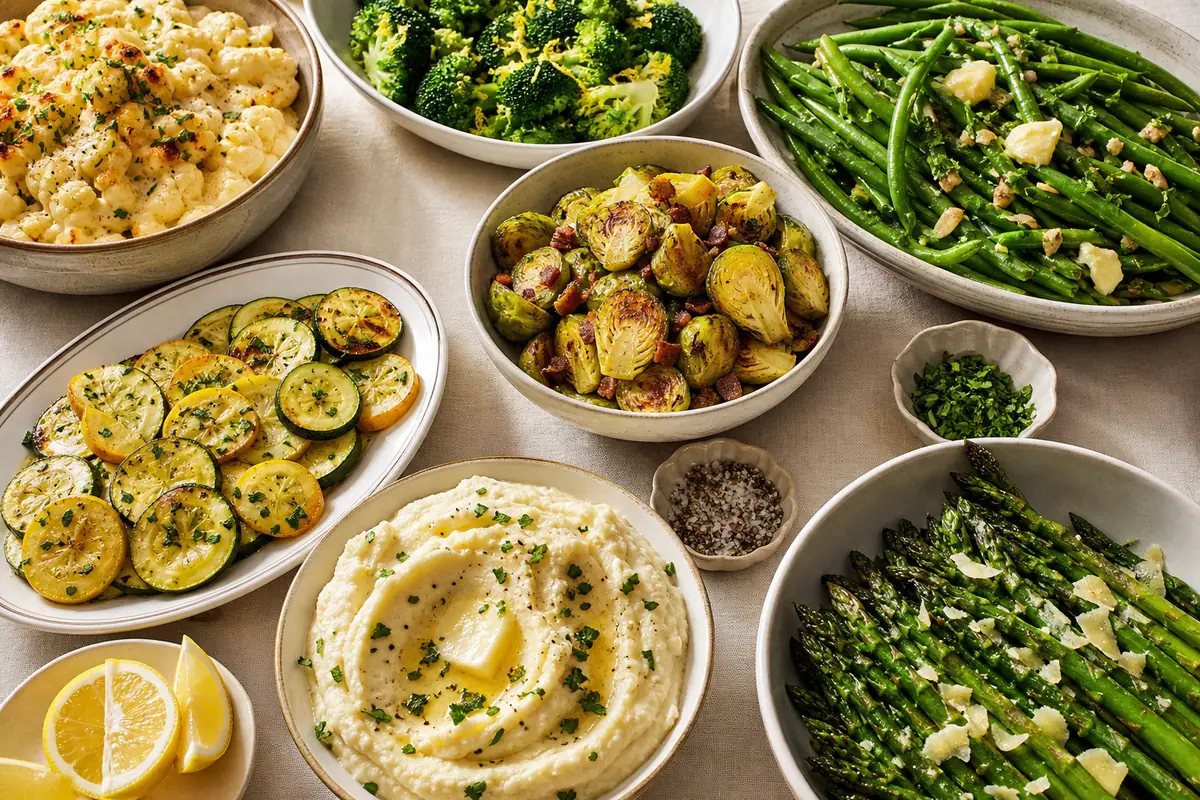
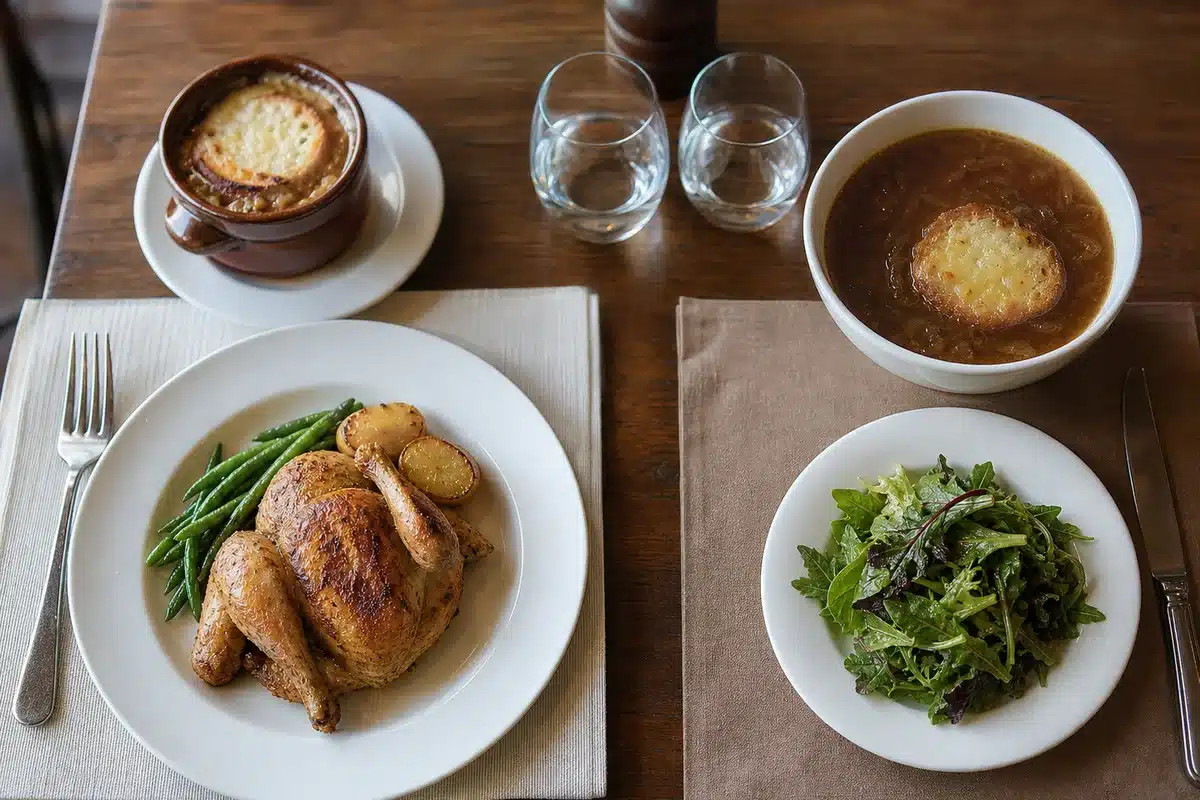
Serve French onion soup with a crisp bitter salad, lemony green vegetables, roast chicken, or simple fish. The soup already brings sweet onions, broth, bread, and melted cheese, so the side should add freshness or protein rather than repeat those rich parts.
Use a small soup bowl when it starts the meal. If the soup is dinner, add one protein or substantial salad and keep the rest of the plate light.

Endive and apple salad is the best side for French onion soup. It adds cold crunch, bitterness, and acid to a bowl that is hot, sweet, soft, and rich with Gruyère.
Decide Whether the Soup Opens or Anchors the Meal
The portion controls every choice that follows. A small starter introduces the onion and broth, while a dinner-size bowl already covers much of the plate with bread, cheese, and liquid.
| Soup role | What to add | What to limit |
|---|---|---|
| Small starter | Protein main and green vegetable | Another rich first course |
| Dinner-size main | Large sharp salad | Extra bread and cheese |
| Vegetarian soup | Beans, salad, or egg-free gougères | Meat cooked in the same broth |
| Soup without croûton | Small baguette or gougère | Heavy potato casserole |
The classic version described by France's tourism authority uses deeply browned onions, beef stock, toasted bread, and Gruyère. Each of those elements already has a job, so a good side supplies what the bowl lacks.
For vegetarian choices, confirm that the broth is vegetable based before choosing the rest of the menu. White bean salad, green beans, or a large fennel salad can add substance without a meat course.
When soup starts the meal, clear the bowls before serving the main protein. A dinner-size soup works better with its side on a separate small plate, which keeps vinaigrette and cold leaves away from the hot crock.
The 14 Best Sides Fill Only What the Bowl Lacks
The ranking starts with cold salads, moves through modest proteins and green vegetables, then ends with starches that belong only when the soup portion leaves room.
| Rank | Side | Why it fits | Best for | Prep |
|---|---|---|---|---|
| 1 | Endive apple salad | Bitter crunch cuts cheese richness | Best contrast | Easy |
| 2 | Lemon arugula salad | Peppery leaves sharpen sweet onions | Fast dinner | Easy |
| 3 | Fennel citrus salad | Crisp fennel refreshes rich broth | Rich cheese top | Easy |
| 4 | Cucumber herb salad | Cool herbs lighten a hot bowl | Mild weather | Easy |
| 5 | Herb-roasted chicken | Crisp skin adds contrasting texture | Starter bowl | Medium |
| 6 | Lemon white fish | Clean fish follows a rich starter | Lighter protein | Medium |
| 7 | Mustard pork tenderloin | Lean meat suits beefy broth | Formal dinner | Medium |
| 8 | White bean herb salad | Beans make a vegetarian meal substantial | Vegetarian meal | Easy |
| 9 | Mustard green beans | Mustard acid lifts sweet onions | Warm vegetable | Easy |
| 10 | Lemon asparagus | Lemon keeps roasted spears bright | Quick finish | Easy |
| 11 | Vinegar Brussels sprouts | Vinegar balances cheese and onions | Winter dinner | Medium |
| 12 | Comté gougères | Airy pastry controls extra richness | Small starter | Medium |
| 13 | Small baguette piece | Useful only without a cro?ton | Soup without croûton | Easy |
| 14 | Crisp roasted potatoes | Crisp edges suit a small starter | Holiday starter | Medium |
1. Endive and Apple Salad
Endive has a firm bite and clean bitterness that stands up to caramelized onions. Tart apple brings juice and a small amount of sweetness without copying the soup's long-cooked flavor.
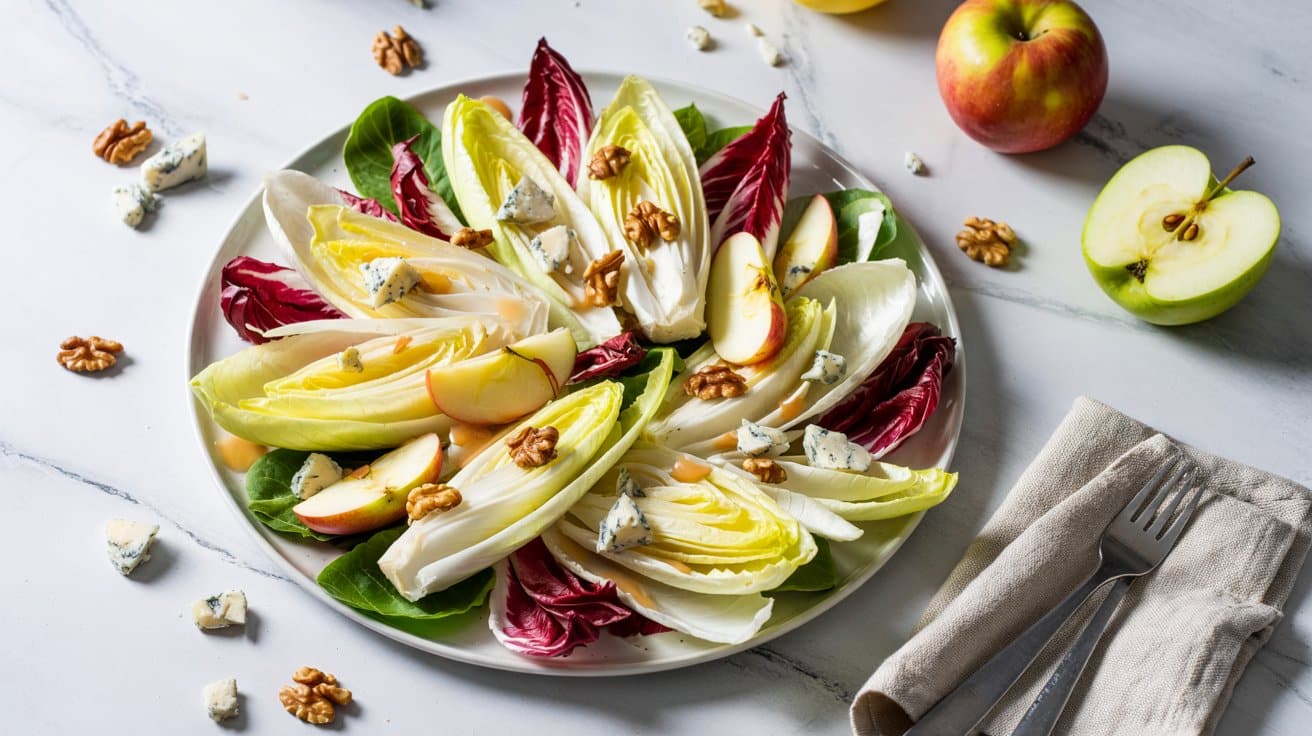
Use cider or mustard vinaigrette and add walnuts only if the rest of the meal is light. Dress the leaves moments before serving so they remain crisp.
2. Lemon Arugula Salad
Arugula offers peppery flavor with very little preparation. Lemon cuts the melted cheese, while shaved radish adds a sharper crunch.
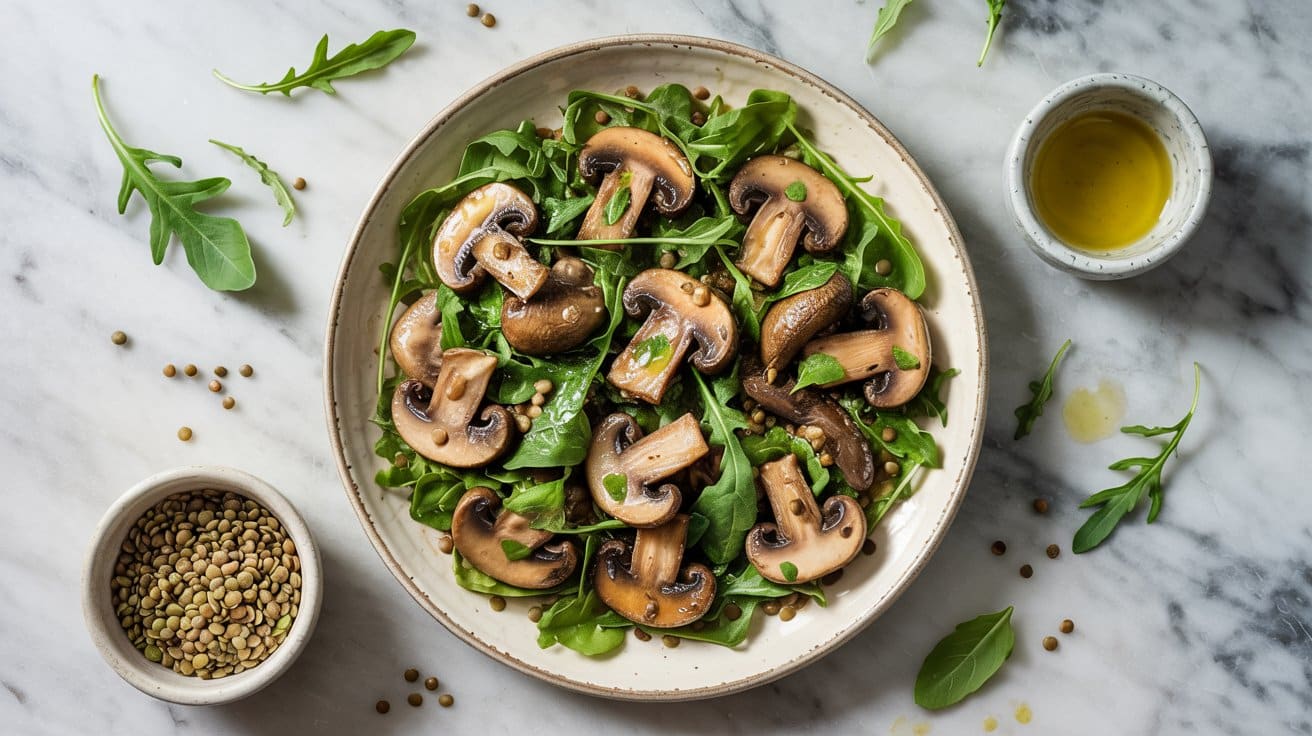
Leave Parmesan out of this salad because Gruyère already fills the cheese role. A plain olive oil dressing keeps the contrast clear.
3. Fennel Citrus Salad
Thin fennel gives the meal a cold snap, and orange or grapefruit gives it fresh acidity. This is a strong choice when the soup has a dark beef stock and a thick cheese top.
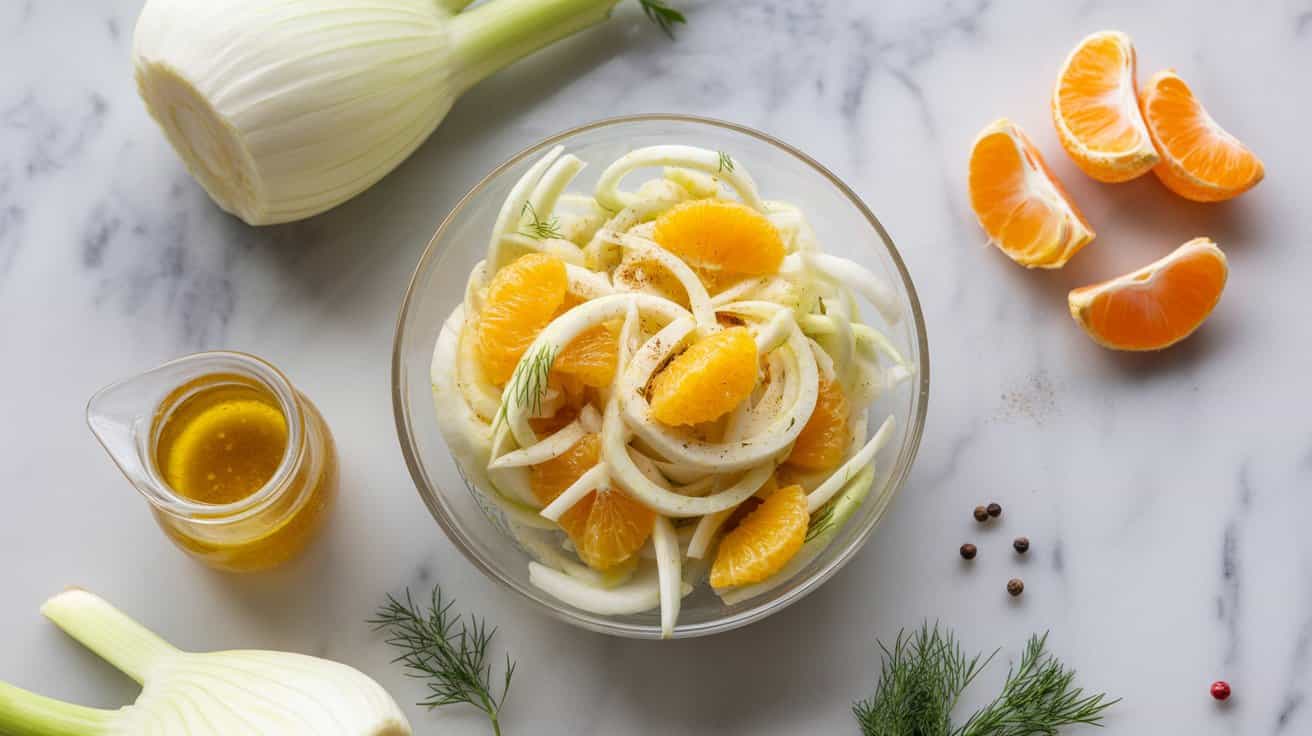
Salt the salad at the table. Early seasoning pulls water from fennel and weakens its texture.
4. Cucumber Herb Salad
Cucumber works when the soup is especially salty or the weather is mild. Dill, parsley, or chives connect the salad to the savory bowl without adding another cooked onion flavor.

Choose vinegar over a creamy dressing. Sour cream or mayonnaise beside melted cheese makes the meal feel heavier.
5. Herb-Roasted Chicken
Roast chicken turns a small bowl of onion soup into the first course of a full dinner. Thyme and parsley fit the broth, while crisp skin provides a texture the soup lacks.
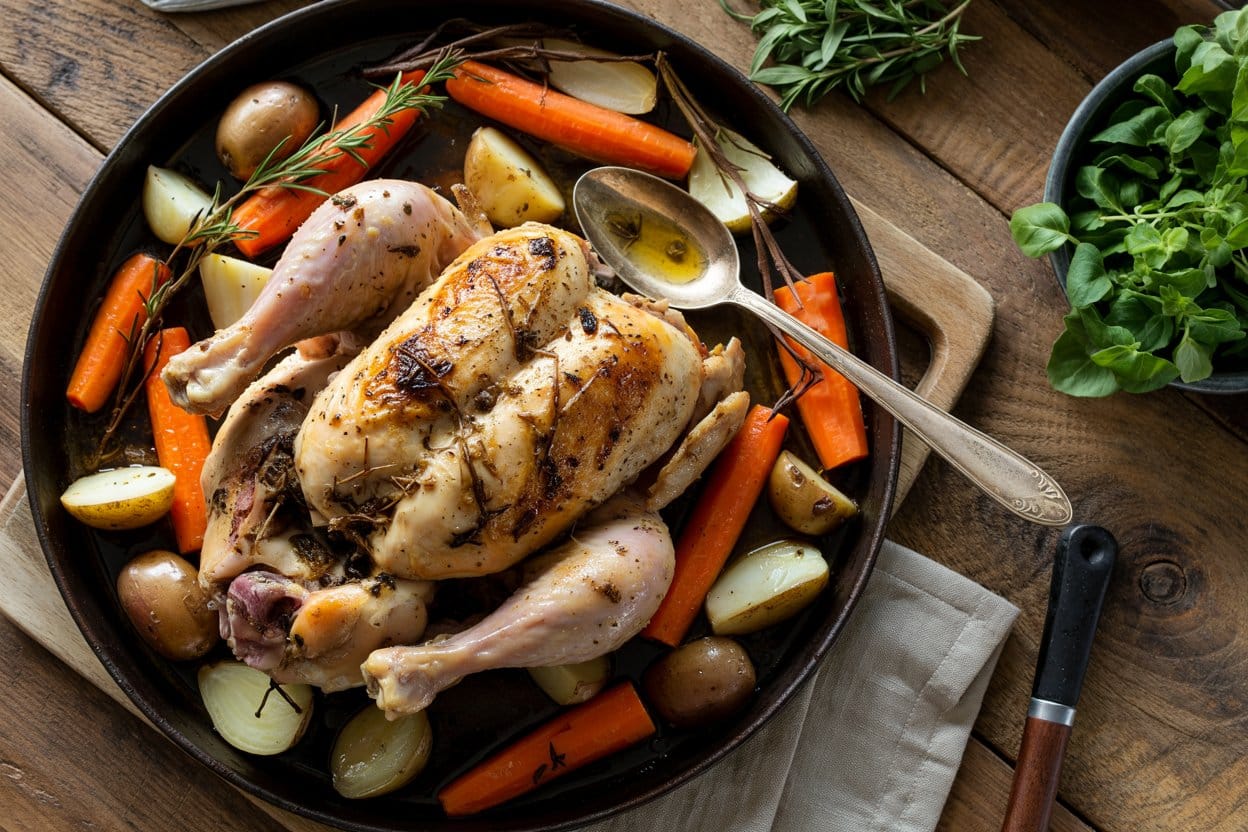
Use a modest portion and keep the pan sauce light. A second heavy gravy competes with the soup rather than supporting it.
6. Lemon White Fish
Cod, haddock, or sole gives the menu a lighter protein. Lemon and herbs pull the meal toward freshness after the sweet onions and melted cheese.

Roast or pan-sear the fish with little butter. Cream sauce would repeat the richness already in the bowl.
Choose Chicken
Use chicken for a traditional multi-course dinner when the soup portion is small and the table needs a firm main course.
Choose Fish
Use white fish when the soup is larger or the cheese layer is thick. Lemon keeps the second course clean.
7. Mustard Pork Tenderloin
Pork tenderloin has enough savory flavor for beefy broth without the fat of a large chop.
Mustard adds a sharp note that links the meat to an endive or green bean side.

Slice it thin and serve two or three pieces per person.
A huge portion makes the soup starter feel unnecessary.
8. White Bean Herb Salad
White beans add protein to a vegetarian or small dinner. Celery, parsley, lemon, and red onion keep the soft beans lively.
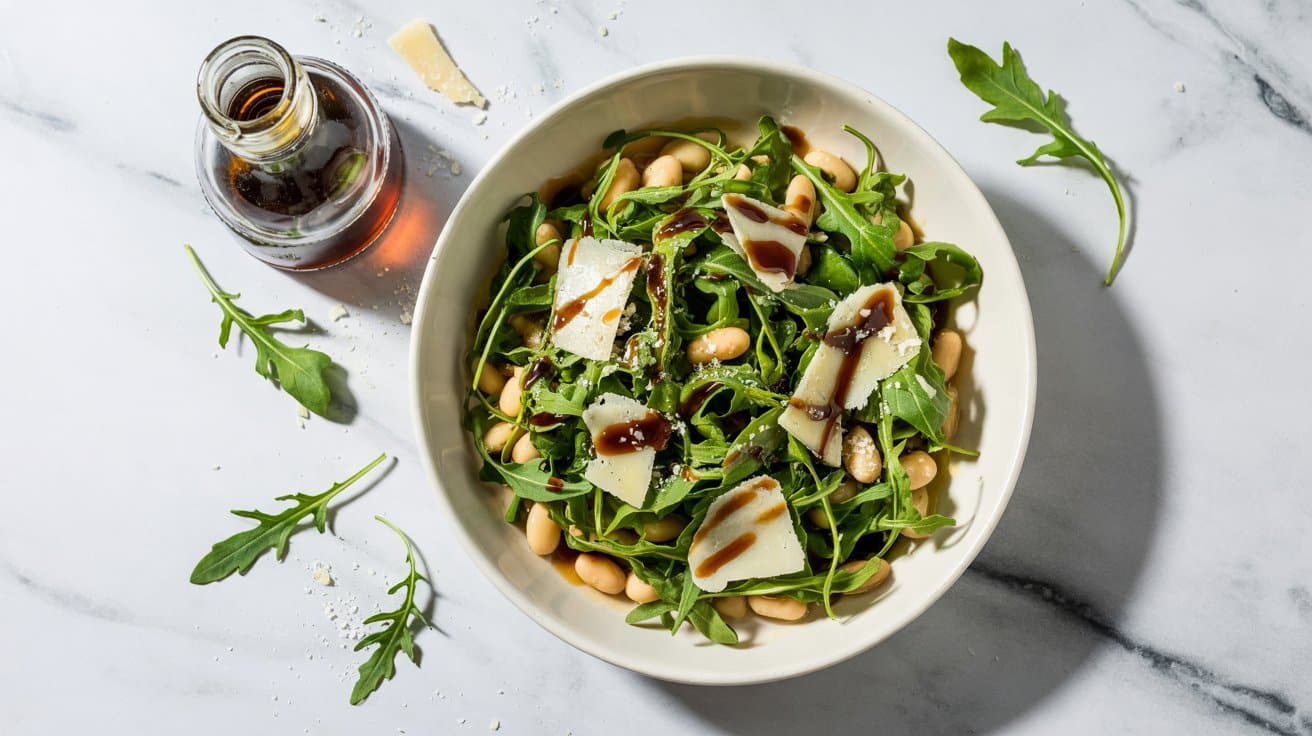
Serve the salad at room temperature and drain it well. Cold oily beans can dull the hot broth and leave liquid around the soup bowl.
Warm green sides are most useful when the soup starts the meal. They can cook or reheat while the croûton browns under the broiler.
- Prepare vegetables early. Blanch beans or trim asparagus before the soup is hot.
- Gratinate the soup last. Bread and cheese need the shortest wait.
- Finish vegetables on the stovetop. Lemon and vinaigrette go on after heat.
9. Green Beans With Mustard Vinaigrette
Green beans keep their snap and carry acid in every bite.
Mustard vinaigrette fits the French flavor profile and counters both sweet onion and cheese. Blanch them ahead, then serve cool or warm.

This side frees the broiler for the soup.
10. Roasted Asparagus With Lemon
Asparagus adds a grassy, slightly bitter flavor and cooks quickly. Thick spears stay firm enough to contrast with the soft onions and soaked edge of the croûton.

Roast them before the bowls go under the broiler, then finish with lemon.
Keep grated cheese off the asparagus.
11. Brussels Sprouts With Vinegar
Brussels sprouts suit a winter dinner because their browned leaves match the season while their bitterness opposes onion sweetness. A splash of sherry vinegar brightens the pan.
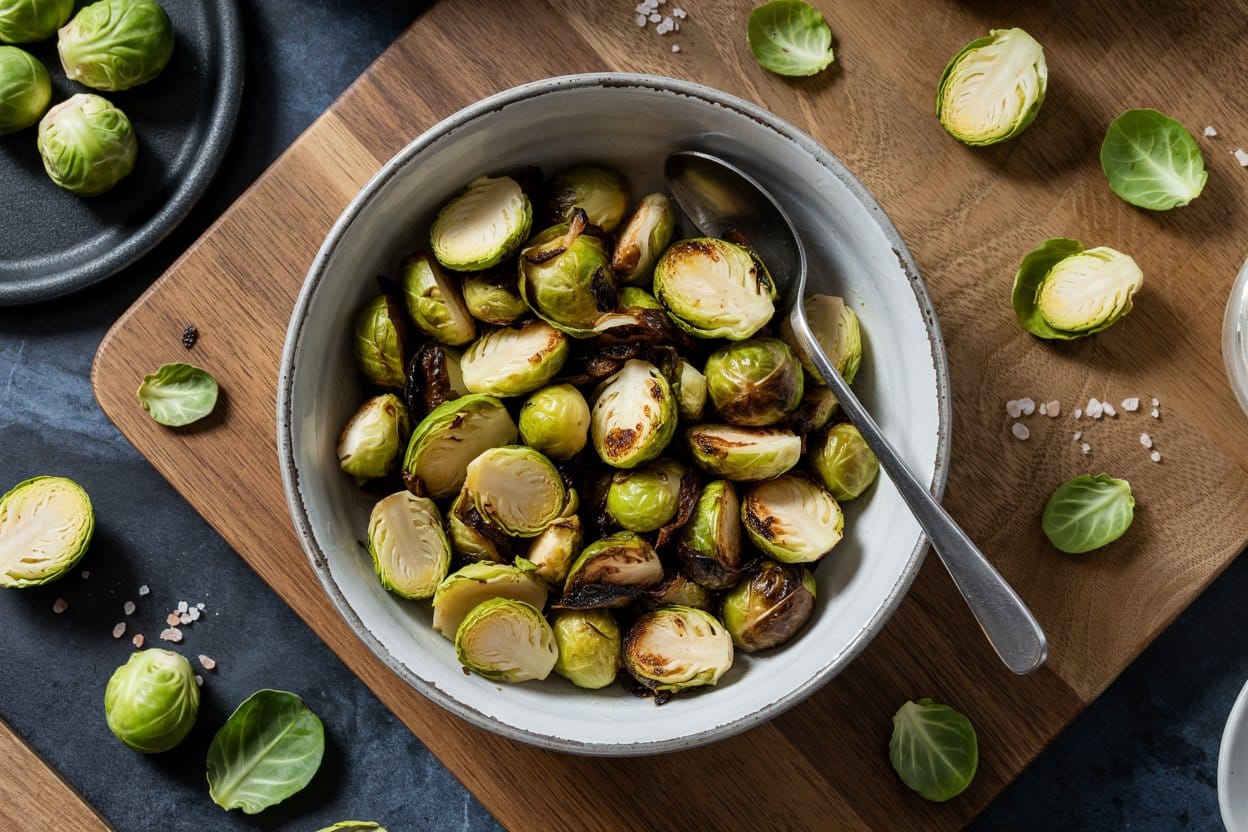
Skip bacon when the soup uses beef stock and a heavy cheese cap. The sprouts do more useful work as a bitter vegetable.
Use bread and cheese only where the bowl leaves a gap.
12. Comté Gougères
Gougères are airy cheese puffs with a crisp shell, so one small puff can accompany a starter bowl without the weight of another sandwich. France's tourism site describes them as a Burgundy aperitif made from warm choux pastry and cooked cheese.

Serve one per person before the soup or beside a bowl with very little cheese. More would repeat the Gruyère too strongly.
13. A Small Piece of Baguette
Baguette makes sense when the soup has no bread topping or only a thin croûton.
A dry slice lets diners catch onions and broth left at the bottom.
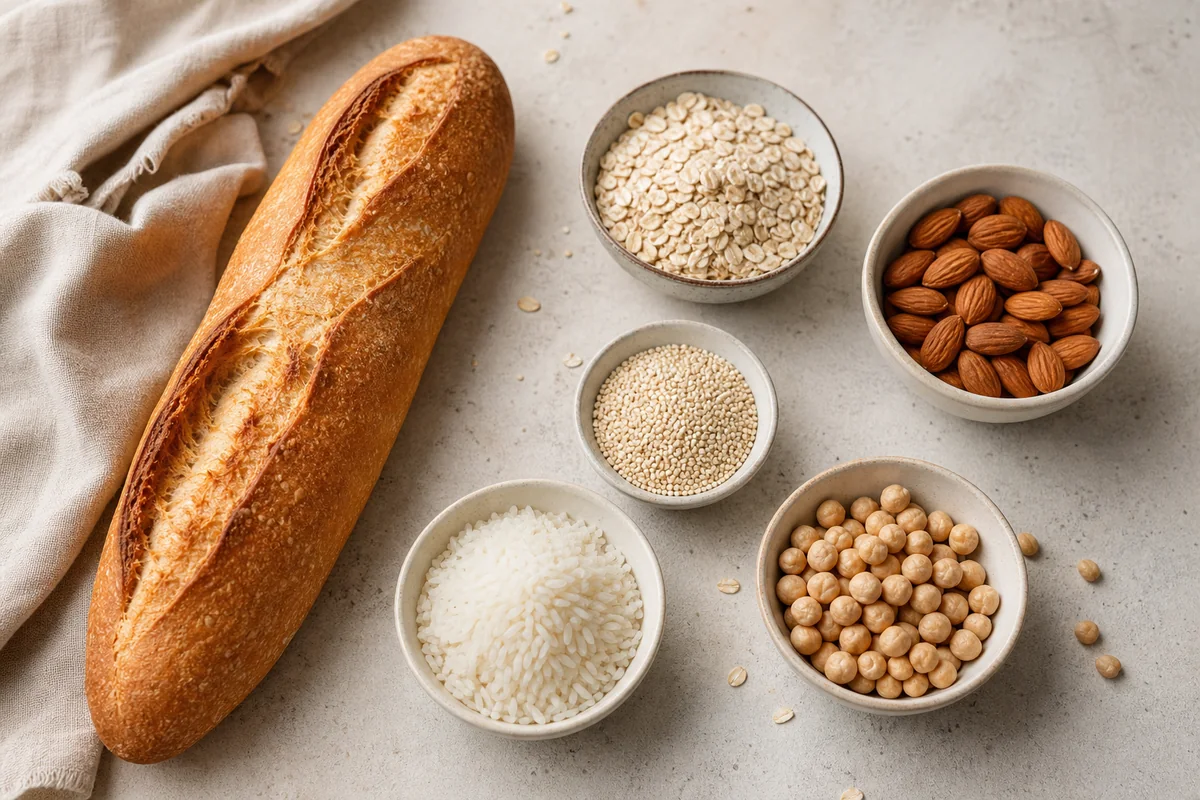
Do not add a bread basket automatically.
A large cheese toast plus several slices of baguette turns the meal into bread with a side of soup.
14. Crisp Roasted Potatoes
Roasted potatoes fit when a small soup begins a holiday dinner and the main protein needs a starch. Their dry browned edges differ from the soaked croûton.
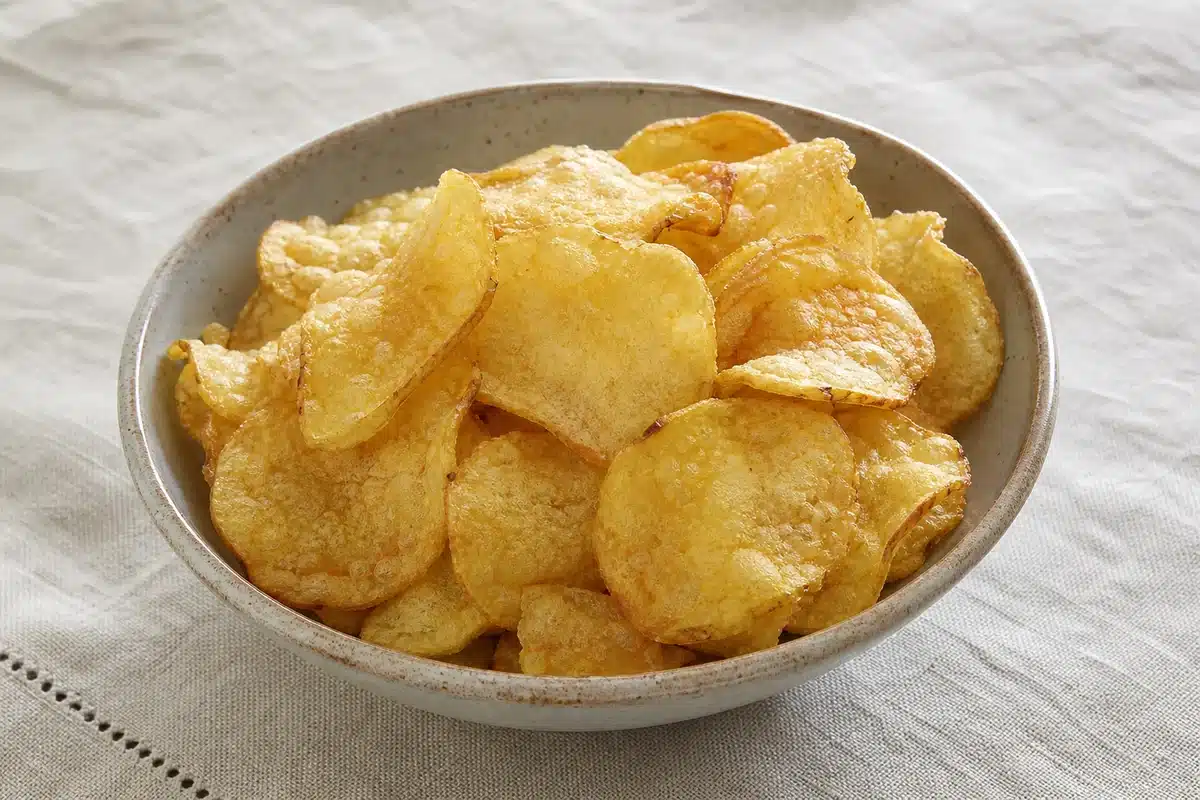
Keep the seasoning simple with thyme, pepper, and salt. Creamy gratin repeats the soft, rich character of the soup.
Serve the Croûton at Its Crispest Point
Bring every side to the table before the bowls leave the broiler. The cheese stays hot, yet the croûton begins absorbing broth at once, so French onion soup should never wait for a late salad.
Set the salad, vegetables, and protein on the table first. Ladle the soup, add the toasted bread and cheese, then broil and serve one tray of bowls at a time.
This sequence shortens the wait between browned cheese and the first spoonful.
Use heat-safe underplates because the crocks remain very hot after broiling. Place salad on a separate plate rather than crowding cold leaves against the bowl, where radiant heat wilts them.
If the soup has been made ahead, reheat the onion broth before assembling the croûton. Bread added during storage absorbs too much liquid and cannot regain a dry center under the broiler.
Save These French Onion Soup Sides
Keep the starter-versus-main guide and all 14 pairings for your next bistro-style meal.
Sources
Frequently Asked Questions
What is the best salad with French onion soup?
Endive and apple salad is the strongest match because it brings bitterness, cold crunch, and enough acid to balance the cheese.
Can French onion soup be a main course?
Yes. Serve a dinner-size bowl with a large sharp salad or white bean salad and skip extra bread or rich potatoes.
What meat goes with French onion soup?
Herb-roasted chicken and mustard pork tenderloin fit a small starter bowl. Keep sauces light so they do not compete with the broth.
Does fish go with French onion soup?
Mild white fish works when cooked simply with lemon and herbs. Its clean flavor is useful after a rich cheese-topped soup.
Should you serve bread with French onion soup?
Serve extra bread only when the bowl lacks a large croûton. A full cheese toast already supplies both bread and richness.

Carrie is a food writer and editor with more than 15 years of experience. She has worked for some of the biggest names in the food industry, including Bon Appétit, Food & Wine, and Martha Stewart Living.
As the Editor in Chief of EpicureDelight, Carrie oversees all of the content on the site. She also manages the team of contributing writers and editors, who help to create delicious recipes, helpful tips, and informative articles that you’ll find on the site.
A native of the Chicago area, Carrie is passionate about all things food. She loves trying new restaurants and experimenting with new recipes in her kitchen. She’s also a graduate of the Culinary Institute of America, so she knows a thing or two about food!