
That tiny pop of sweetness when a green pea hits your tongue is harder to replace than it looks. Green peas bring mild sweetness, a tender-but-intact bite, and a bright green color that lifts almost any dish.
Choosing the right green pea substitute comes down to one question: do you need that whole-kernel pop, or just green color and soft texture?
For soups and stews, creamier swaps like lima beans hold up fine. For stir-fries and salads, you want something that stays firm under heat.
The guide below is organized by that logic.
Frozen sweet peas are the closest match for flavor and bite. Sugar snap or snow peas give a similar crunch with a fresh green taste. Edamame holds up well in hot dishes. Lima beans work in soups and casseroles. Spinach is an emergency color swap only.
Green Pea Substitute Options (Match by Texture)
Scanning the table below will tell you which swap fits your dish before you read a word of detail. Each substitute is rated by use case, ratio, and one thing to watch.
| # | Substitute | Best For | Ratio | Key Note |
|---|---|---|---|---|
| 1 | Frozen Sweet Peas | Both | 1:1 | Add late; closest flavor |
| 2 | Sugar Snap / Snow Peas | Both | 1:1 | Slice thin for fast cook |
| 3 | Edamame (shelled) | Cooked | 1:1 | More savory; season up |
| 4 | Lima Beans | Cooked | 1:1 | Drain well; goes soft fast |
| 5 | Chopped Spinach | Cooked | ¾:1 | Squeeze dry; color swap only |
5 Best Green Pea Substitutes Ranked by Texture and Taste
1. Frozen Sweet Peas
Frozen sweet peas are the single best green pea alternative because the flavor and texture gap is nearly zero. They are picked and frozen at peak ripeness, so that mild sweetness stays intact.
If your recipe calls for fresh or frozen peas, understanding pea flavor profiles helps confirm this is the right lane.
- Ratio: 1:1, no adjustment needed
- For soups: Drop in after you turn off the heat; residual warmth is enough
- For stir-fries: Add in the final 90 seconds and toss just until bright green
- Thawing: Skip thawing for hot dishes; thaw and pat dry for salads or cold sides
Skip if: you need a crunchy, raw-friendly texture-frozen peas soften faster than snap peas and won't hold a crisp bite in cold dishes.
2. Sugar Snap Peas (or Snow Peas), Sliced
Snap peas and snow peas bring a fresh green flavor with a light crunch that softens quickly under heat. They look bright and appealing in the dish.
The pod gives you a slightly grassy note, which is a bit louder than the mild sweetness of a shelled pea, but it works naturally in stir-fries, salads, and quick soups. If you're choosing a pod swap, snap peas hold their shape better than snow peas when heat is brief.
- Ratio: 1:1 sliced (halve or cut on the bias for shorter pieces)
- For stir-fries: Add in the last 2 minutes; pull from heat while still bright green
- For soups: Stir in after the broth has simmered; simmer only 1-2 minutes
- For salads: Slice thin and use raw-they hold up well without any cooking
Skip if: your recipe needs whole pea kernels for a specific look-pods will change the visual and give a different bite.
3. Edamame (Shelled, Cooked)
Shelled edamame is about the same size as a pea and holds its shape under heat better than almost any other swap on this list. The flavor is slightly more savory and bean-like, which is where this buttery legume differs most from a sweet pea.
A small squeeze of lemon or a pinch of sugar after cooking closes that gap noticeably.
Late-Add (Last 2 Min)
Works for: stir-fries, fried rice, sautéed dishes where a firm bite matters
Skip if: your dish needs the edamame fully tender, as it will stay slightly firm
Cook Longer (4-6 Min)
Works for: soups, stews, and casseroles where a softer texture is welcome
Skip if: texture is a priority-extended simmering dulls edamame's clean pop
- Ratio: 1:1 with shelled, fully cooked edamame
- From frozen: Simmer 2-4 minutes in salted water, then drain before adding to your dish
- Flavor fix: Finish with a small squeeze of lemon juice or a light splash of soy sauce
Skip if: your dish depends on mild, sweet pea flavor-edamame reads savory and bean-forward, which won't disappear with seasoning alone.
4. Lima Beans (Cooked, Well-Drained)
Lima beans work best instead of green peas when your recipe can handle a creamier texture. Think casseroles, chunky soups, and pot pies where a softer bite actually blends in.
The flavor is earthy and mild, not sweet, so they won't replicate pea sweetness-but they fill space and add body in a way that works. For more on what sets these apart, creamy bean flavor notes explain what to expect before you commit.
Drain canned or cooked lima beans very thoroughly. Any extra liquid thins your sauce quickly.
- Ratio: 1:1, but drain well and pat dry if possible
- Heat tip: Warm gently for 2-3 minutes maximum; long simmering turns them to mush
- Best dishes: Casseroles, minestrone, chicken pot pie, and thick grain bowls
Skip if: you're making a stir-fry or any dish where a firm, bouncy kernel is the point-lima beans will go soft and disappear into the sauce.
5. Edamame + a Pea-Brightener
When edamame is your only option and you want to close the flavor gap, a small seasoning move makes a real difference. The idea is simple: swap edamame at 1:1, then add a pea-brightener right after cooking.
That brightener is either a pinch of sugar (for sweetness) or a squeeze of lemon juice (for lift), or both. Reading up on bean-based swaps can help if you're also out of edamame and need to go a step further.
- Sweetness boost: Stir in ¼ teaspoon sugar per cup of edamame after cooking
- Acid lift: Squeeze ½ teaspoon lemon juice per cup, tossed in at the end
- Savory dishes: Use salt and acid together; skip the sugar if the dish is already rich
- Ratio: 1:1 edamame, then season to taste
Skip if: you're serving a delicate dish where extra seasoning would overpower other flavors-plain steamed rice sides or lightly dressed salads don't benefit from the boost.
Making Your Green Pea Substitute Work
The single biggest mistake when swapping peas is adding the substitute too early. Most green vegetables-and nearly all the options on this list-overcook faster than you expect.
When timing a stir-fry correctly, late additions are what keep everything bright and textured. Spinach and beans also carry extra water, so draining before adding is as important as timing.
- Timing: Add snap peas, edamame, or frozen sweet peas in the last 2 minutes of cooking; lima beans need 3 minutes max at a gentle simmer
- Draining: Squeeze spinach very dry before stirring in; drain lima beans and pat with a paper towel to prevent sauce thinning
- Flavor finish: Peas are mildly sweet-taste your dish after the swap and add a pinch of sugar or a few drops of lemon juice to match that brightness
Frequently Asked Questions
Frozen sweet peas are the closest match by far. They have the same mild sweetness and tender pop, and swap in at 1:1 with no recipe changes needed.
Yes-slice them thin and add in the last 2 minutes. They stay crisp-tender and give a similar green color, though the pod adds a slightly grassy note.
Not for hot dishes-residual heat from soups or stir-fries thaws them fast. Thaw and pat dry only if using them cold in salads or dips.
It can taste flat without adjustment. Add a small squeeze of lemon or a pinch of sugar after cooking to lift the flavor closer to pea sweetness.
Thaw completely, then squeeze with your hands until almost no liquid comes out. Stir in at the very end so it doesn't release more water into the sauce.
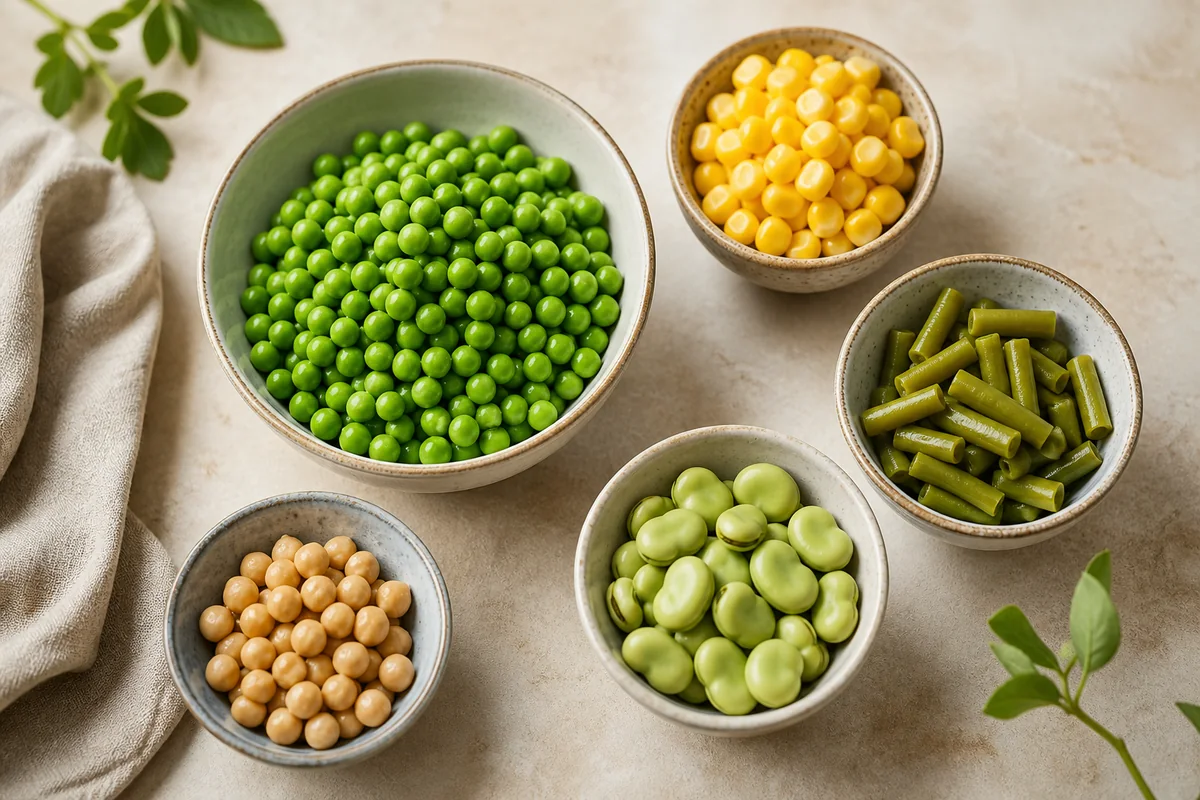
5 Best Green Pea Substitutes (That Actually Work)
Ingredients
Method
- Identify your dish type: soup/stew (needs hold), salad (needs fresh snap), or casserole/sauté (needs quick softening).
- Match texture first: use frozen sweet peas for the classic pea pop, or sugar snap/snow peas for a similar green bite.
- Measure with the listed ratio, then adjust cooking time: cook firmer swaps (edamame/beans) 2-4 minutes longer than you would peas.
- If your substitute is wetter (spinach or beans), drain and/or squeeze first so the dish doesn’t thin out.
- Taste and correct: peas are mildly sweet—add a pinch of sugar or a little salt/acid (lemon) to bring the flavor into line.
Notes
- For best results, thaw frozen items fully before draining in cold dishes.
- Avoid very starchy beans unless you’re okay with a creamier texture.
Tried this recipe?
Let us know how it was!
Carrie is a food writer and editor with more than 15 years of experience. She has worked for some of the biggest names in the food industry, including Bon Appétit, Food & Wine, and Martha Stewart Living.
As the Editor in Chief of EpicureDelight, Carrie oversees all of the content on the site. She also manages the team of contributing writers and editors, who help to create delicious recipes, helpful tips, and informative articles that you’ll find on the site.
A native of the Chicago area, Carrie is passionate about all things food. She loves trying new restaurants and experimenting with new recipes in her kitchen. She’s also a graduate of the Culinary Institute of America, so she knows a thing or two about food!



