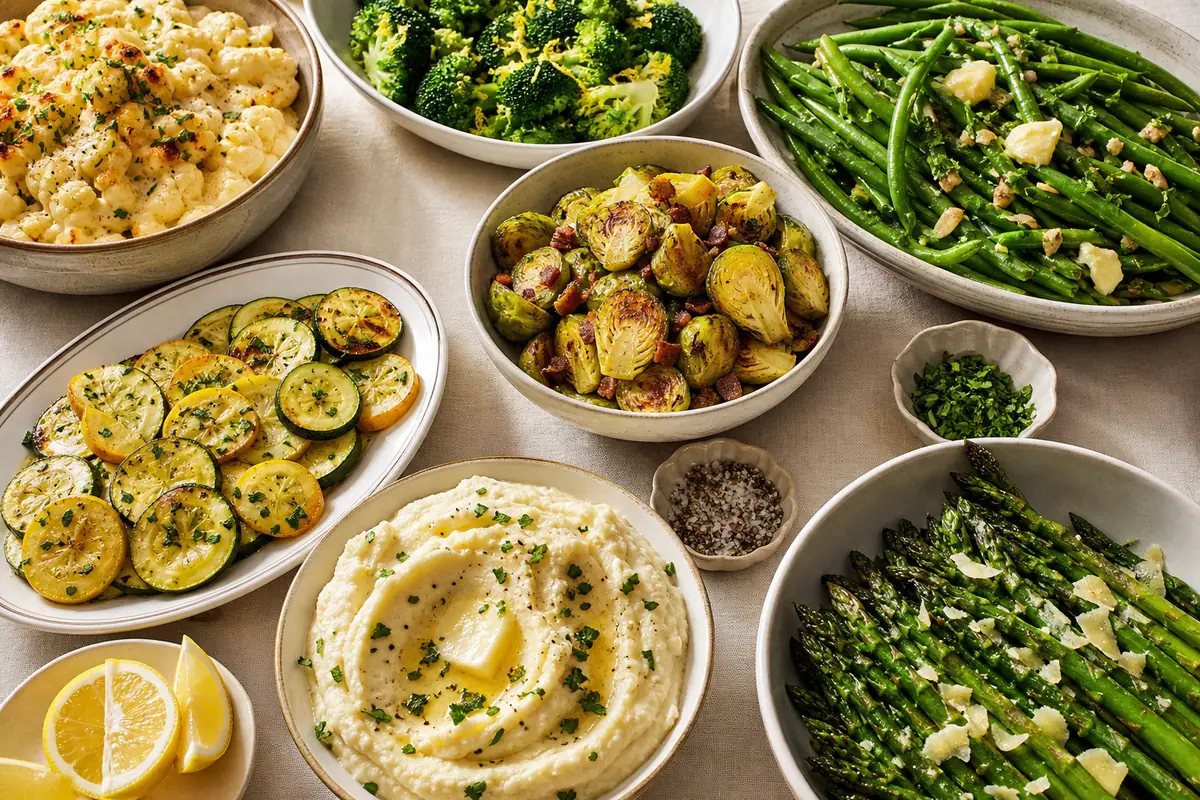
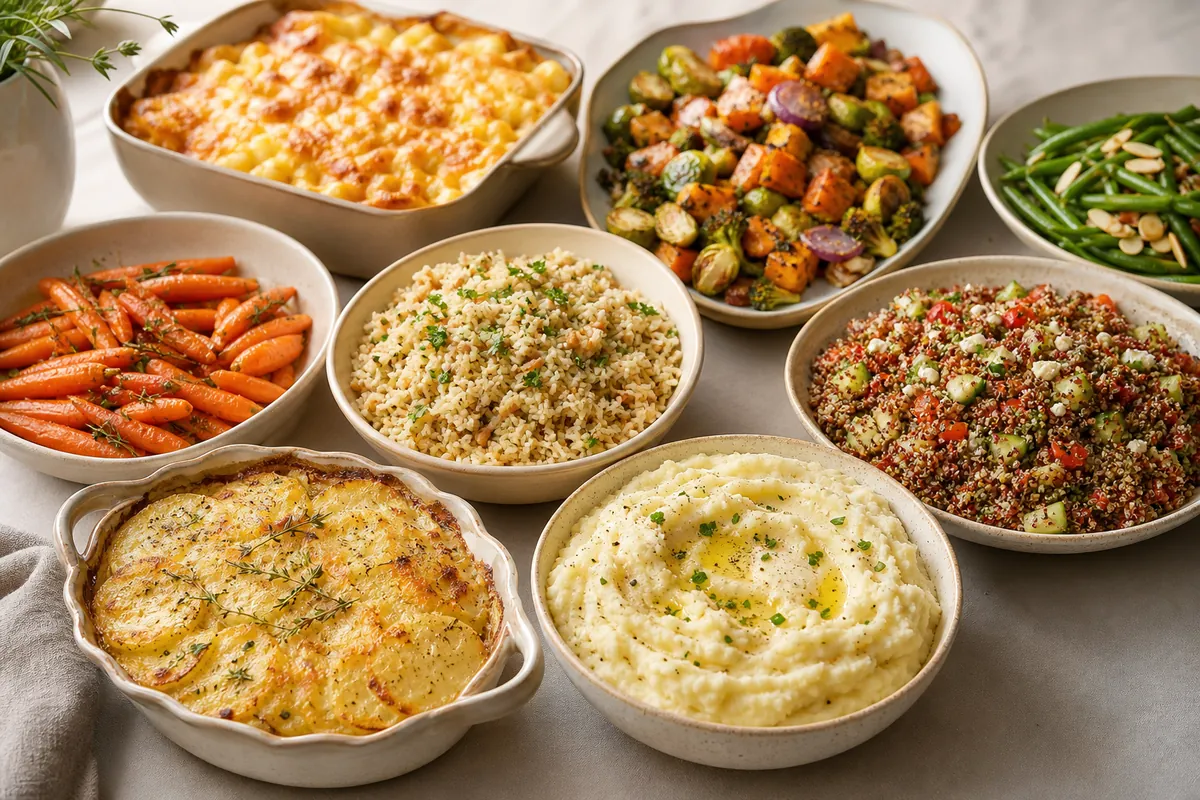
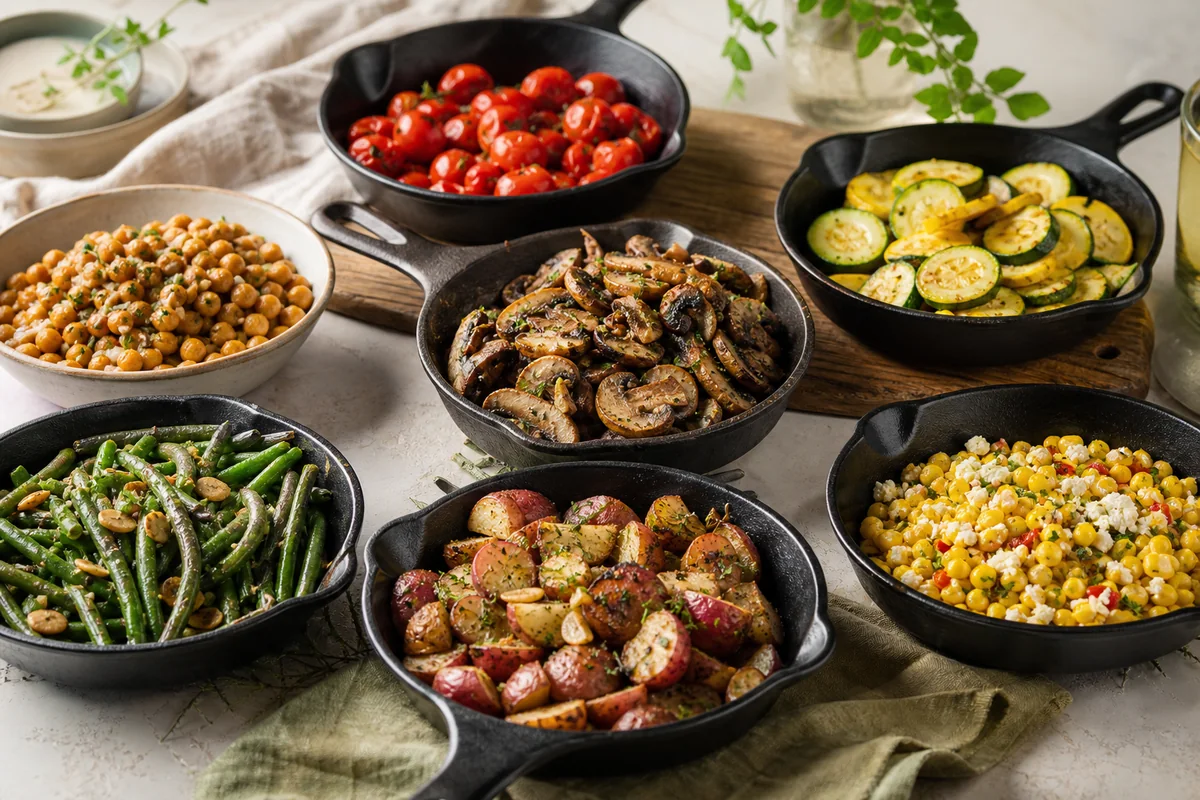
Serve lasagna with a sharp green salad, lemon asparagus, roasted broccoli, or crisp garlic bread.
The filling decides what the plate still needs, whether that is freshness, bitterness, crunch, or a little more substance.

Beet arugula salad is the best overall side because peppery greens and vinaigrette cut through soft noodles, cheese, and ragù. Add asparagus or broccoli during the resting window, and reserve garlic bread for lasagna with loose sauce.
A beef lasagna and a vegetable lasagna do not need the same support. Use the table to choose a direction, then check the detailed notes for portions and the combinations that become too heavy.
| Rank | Side | Why it fits | Best for | Prep |
|---|---|---|---|---|
| 1 | Beet Arugula Salad | Peppery greens and vinaigrette cut cheese and rich ragù. | best overall | Easy |
| 2 | Classic Garlic Bread | A thin, crisp slice catches loose sauce without doubling the meal. | sauce catcher | Easy |
| 3 | Lemon Asparagus | Its bitter snap and lemon lift tomato sauce or béchamel. | spring dinner | Easy |
| 4 | Lemon Roasted Broccoli | Browned florets correct the soft texture of layered pasta. | weeknight plate | Easy |
| 5 | Fennel Orange Salad | Raw crunch and citrus lighten a rich meat lasagna. | rich meat lasagna | Easy |
| 6 | Caprese Salad | Cool tomato, basil, and mozzarella suit a relaxed summer table. | summer table | Easy |
| 7 | Marinated Roasted Peppers | Vinegar and garlic add brightness in a make-ahead side. | make-ahead side | Easy |
| 8 | Skillet Green Beans | Blistered beans bring fresh snap in about ten minutes. | fast hot side | Easy |
| 9 | Garlic Sautéed Spinach | Fast-cooked greens add slight bitterness with one small pan. | small kitchen | Easy |
| 10 | Roasted Brussels Sprouts | Browned, bitter leaves balance a cool-weather cheese-heavy meal. | cool-weather meal | Easy |
| 11 | Garlic Mushrooms | Dry-browned mushrooms deepen savory flavor beside vegetable lasagna. | vegetable lasagna | Easy |
| 12 | Roasted Zucchini | A mild browned vegetable keeps a garden dinner simple. | garden dinner | Easy |
| 13 | White Bean Arugula Salad | Beans add protein while arugula freshens a lighter portion. | lighter lasagna | Easy |
| 14 | Greek Orzo Salad | The chilled grain holds well on a buffet. | buffet meal | Medium |
| 15 | Minestrone Cups | A light broth works as a small winter first course. | winter first course | Medium |
Let the Lasagna Rest While the Side Finishes
Lasagna cuts more cleanly after a short rest, so the side should use that window instead of creating another complicated oven schedule.
A 15-minute rest gives hot sauce and cheese time to settle between the noodles. Keep the pan uncovered, since foil traps steam and softens the browned top.
Use a sharp knife for the first cut and a thin spatula for the lift. Clean edges leave more room for the side instead of spreading sauce across the plate.
- Remove the lasagna. Set it on a heat-safe surface and leave it uncovered.
- Raise the oven heat. Finish broccoli, asparagus, or bread while the layers settle.
- Dress the salad. Toss tender leaves only when the hot side is ready.
- Cut and serve. Move wet vegetables to separate bowls so the slices stay neat.
15 Sides for Lasagna, Starting With the Lightest
1. Beet Arugula Salad
Beet arugula salad gives beef and cheese lasagna the sharp, fresh contrast it lacks. Peppery leaves interrupt the richness, while earthy beets connect with browned meat.
The salad also adds crisp volume without another cooked starch.

Dress the leaves with lemon or red wine vinegar only after the lasagna has rested. Sweet dressing can make tomato sauce taste cloying.
Serve about one cup beside a full slice. Keep it in its own mound so beet juice and vinaigrette do not run beneath the noodles.
2. Classic Garlic Bread
Classic garlic bread is useful when the lasagna has loose ragù or when a mixed-age table wants a familiar side. A thin, crisp slice catches sauce and adds dry crunch against soft noodles and cheese.
It fits vegetable lasagna especially well because the lighter filling leaves room for a small starch.

Toast one thin slice per person during the lasagna's resting time and serve it hot. Thick, soft pieces repeat the noodles' starch without adding useful texture.
Skip bread when the menu already includes soup, beans, or pasta salad. Pair it with a green vegetable so the plate does not become mostly flour, cheese, and sauce.
3. Lemon Asparagus
Lemon asparagus brings a clean green snap to beef, cheese, or creamy white lasagna. The spears' slight bitterness cuts through dairy, while lemon brightens both tomato sauce and béchamel.
Asparagus also cooks within the short window while the casserole settles.
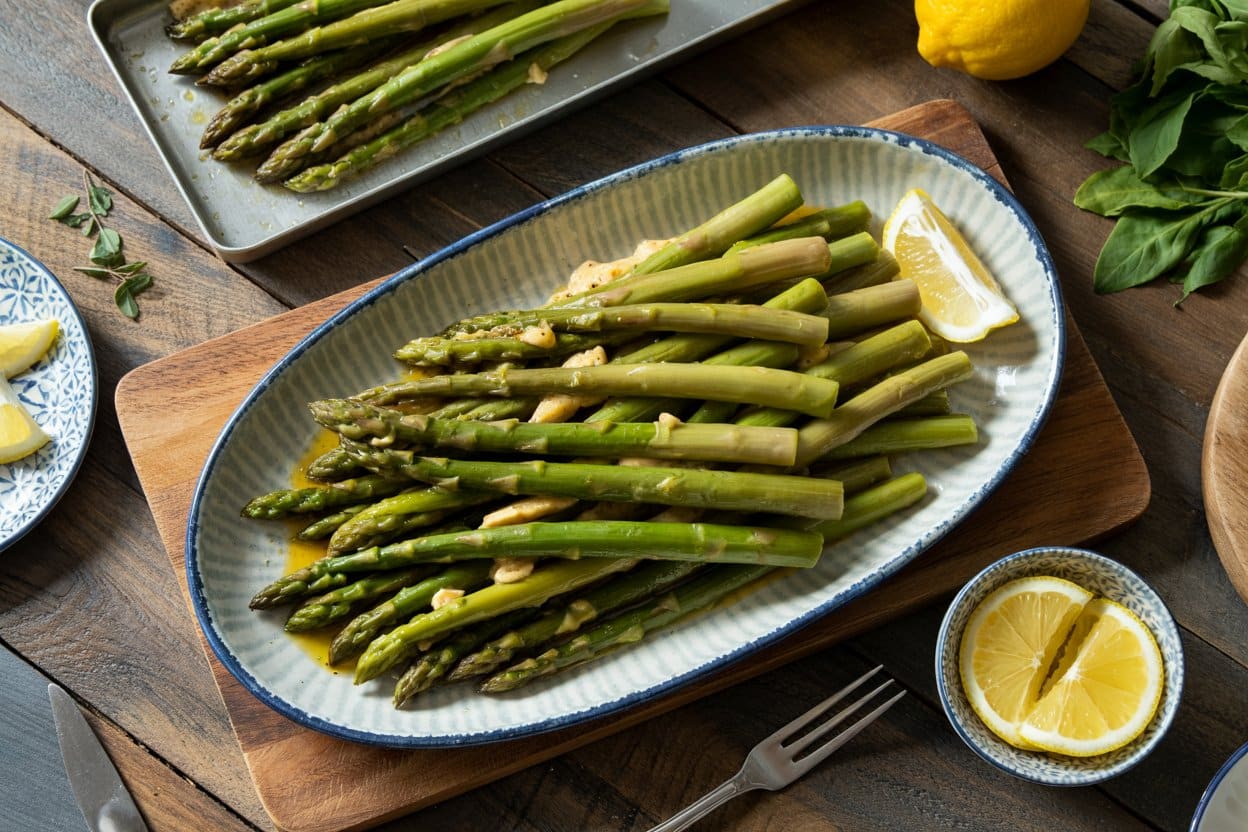
Roast or sauté four to six spears per person until just tender, then add lemon at the end. Serve them before the tips soften.
Cream sauce or a heavy parmesan topping duplicates the lasagna's dairy and hides the vegetable's crisp purpose. Keep cooking liquid away from the sliced casserole.
4. Lemon Roasted Broccoli
Lemon roasted broccoli stands up to tomato-heavy lasagna because its browned edges carry enough savory flavor to remain distinct beside ragù. The firm stems and crisp tips correct the plate's soft texture, while lemon keeps the vegetable from feeling as dense as the cheese and noodles.
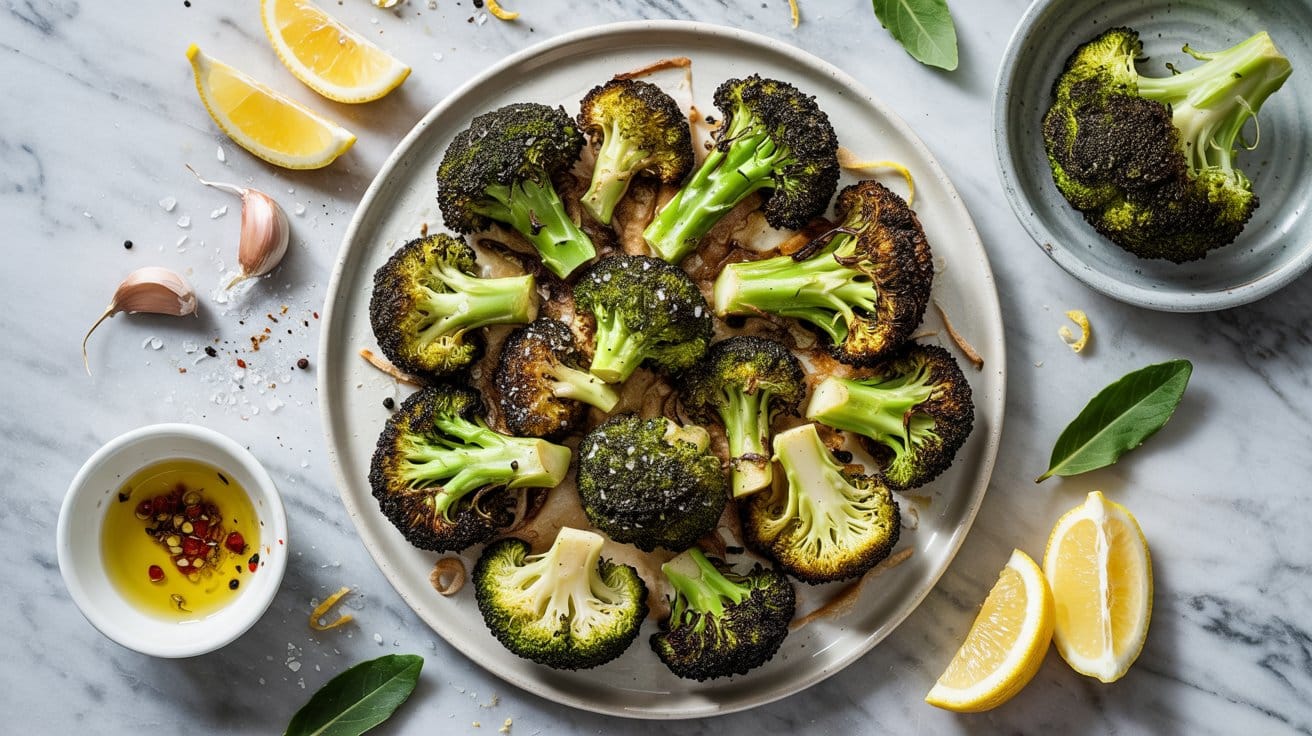
Spread the florets widely and roast them during the final part of the bake. Hold them uncovered while the lasagna rests.
Crowding steams the broccoli and makes the entire plate soft. Finish with lemon rather than cheese, which only repeats the casserole.
5. Fennel Orange Salad
Fennel orange salad is a strong partner for dense meat lasagna or a plate that also includes garlic bread. Raw fennel brings clean crunch, and orange lifts rich ragù without piling on more tomato.
The light salad leaves room for a large slice to remain the main event.
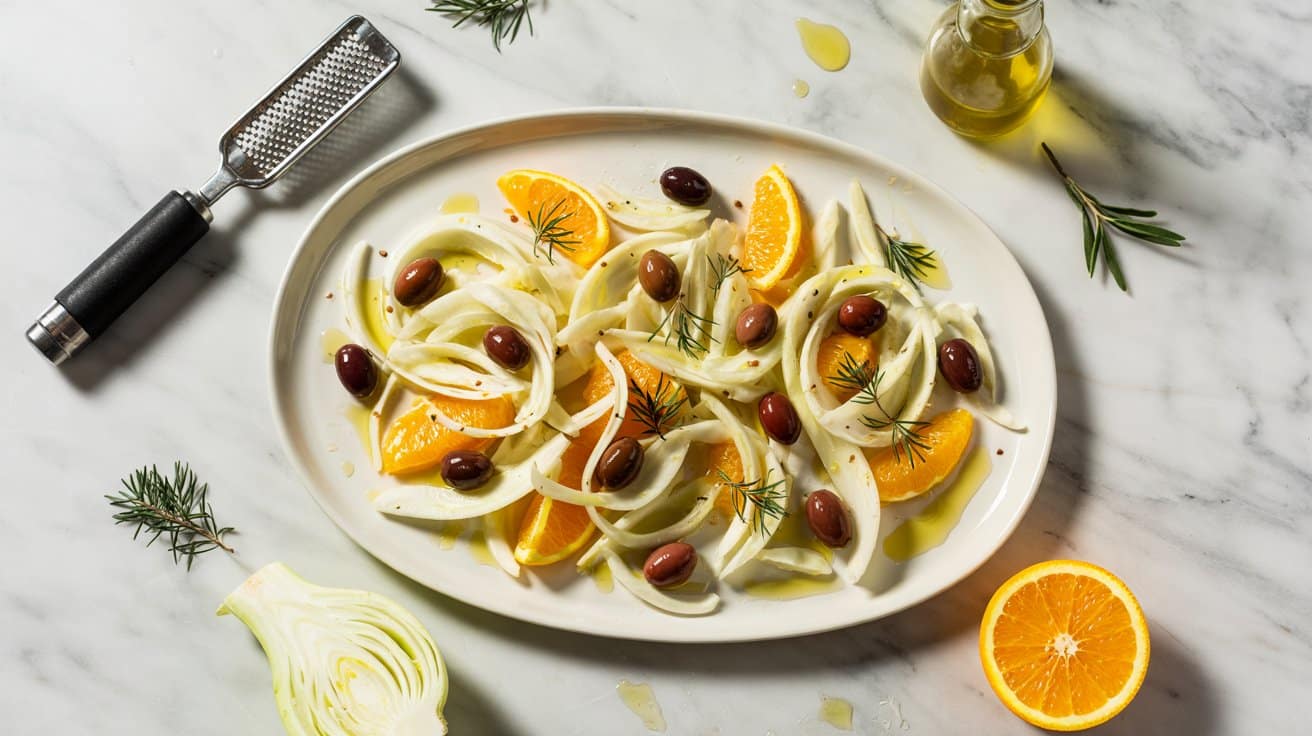
Slice the fennel thinly ahead, but combine it with citrus and dressing only after the casserole leaves the oven. This keeps the slices crisp through service.
Use olives sparingly because cured meat, parmesan, and mozzarella may already supply plenty of salt. Keep the dressing tart beside tomato sauce.
6. Caprese Salad
Caprese salad fits a lighter vegetable lasagna at a summer meal. Cool tomato and basil freshen the baked casserole, while a modest amount of mozzarella connects the flavors.
Firm tomatoes also add juiciness without the weight of a cooked sauce.
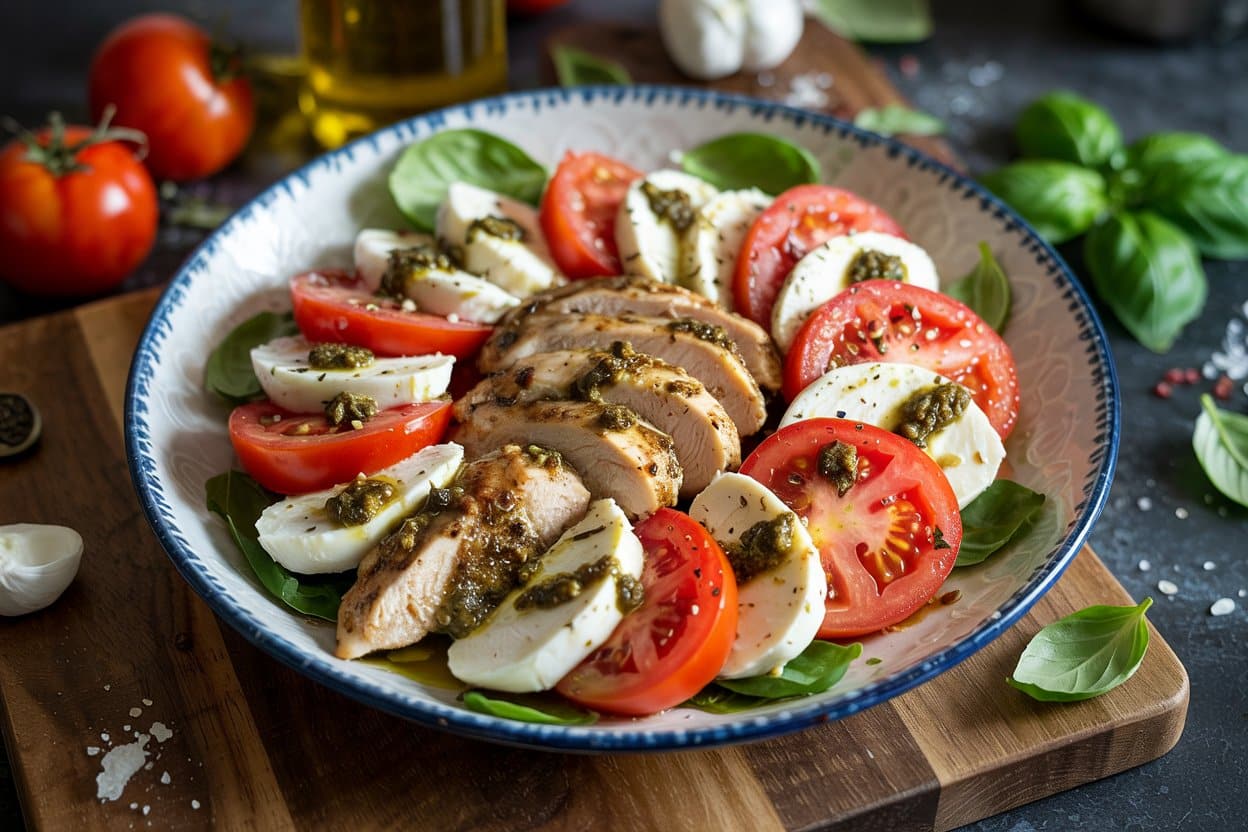
Slice the tomatoes shortly before dinner, drain excess juice, and use less cheese than tomato. Caprese adds little contrast to beef lasagna packed with mozzarella and tomato sauce.
Choose bitter greens for that pan. Reserve caprese for a filling based on spinach, zucchini, or other vegetables.
7. Marinated Roasted Peppers
Marinated roasted peppers suit beef or sausage lasagna because vinegar cuts through meat and cheese while the peppers' sweetness rounds out a strong tomato sauce. Served cool or at room temperature, they also create a temperature contrast and free the oven for the casserole.

Prepare the peppers a day ahead, then lift them from the marinade and drain them again before plating. Loose oil spreads under the noodles and makes a rich slice feel greasy.
Serve a small tangle rather than a large scoop. When the lasagna contains fatty sausage, let vinegar lead the marinade.
8. Skillet Green Beans
Skillet green beans are an easy hot vegetable for meat or cheese lasagna when asparagus is out of season. Their firm snap contrasts with tender pasta, while mild lemon and garlic brighten the sauce.
They also finish quickly while the lasagna rests.

Blanch the beans ahead, dry them well, and finish them in a wide skillet after the pan leaves the oven. Leave them uncovered so they stay firm.
Overcooked or wet beans lose the texture that makes this pairing useful. Add lemon at the end, but avoid cream or cheese.
9. Garlic Sautéed Spinach
Garlic sautéed spinach gives meat lasagna a dark green vegetable without adding another tray to a crowded oven. Its slight bitterness offsets beef and cheese, while the soft leaves occupy little space.
That small footprint helps in a crowded kitchen because the side needs one pan and a few minutes.
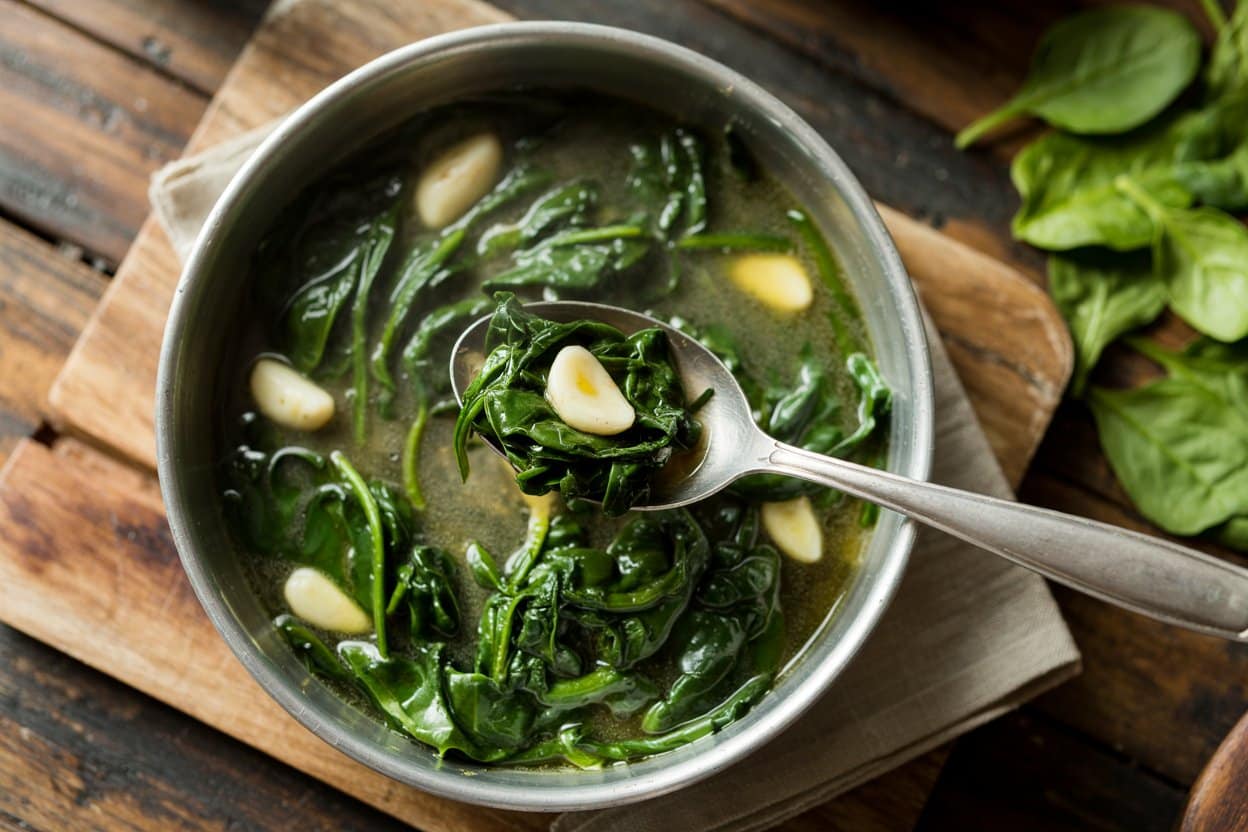
Sauté the spinach during the resting period and cook until all released liquid evaporates. A wet mound sends green water beneath the noodles, while creamed spinach makes the meal uniformly soft.
Use a modest portion with lemon or vinegar. The greens should provide relief, not become a second rich filling.
10. Roasted Brussels Sprouts
Roasted Brussels sprouts pair best with beef or sausage lasagna. Their bitterness checks rich meat and cheese, while deeply browned cut sides supply the crisp edges missing from noodles and sauce.
The vegetable remains distinct even beside a strongly seasoned ragù.
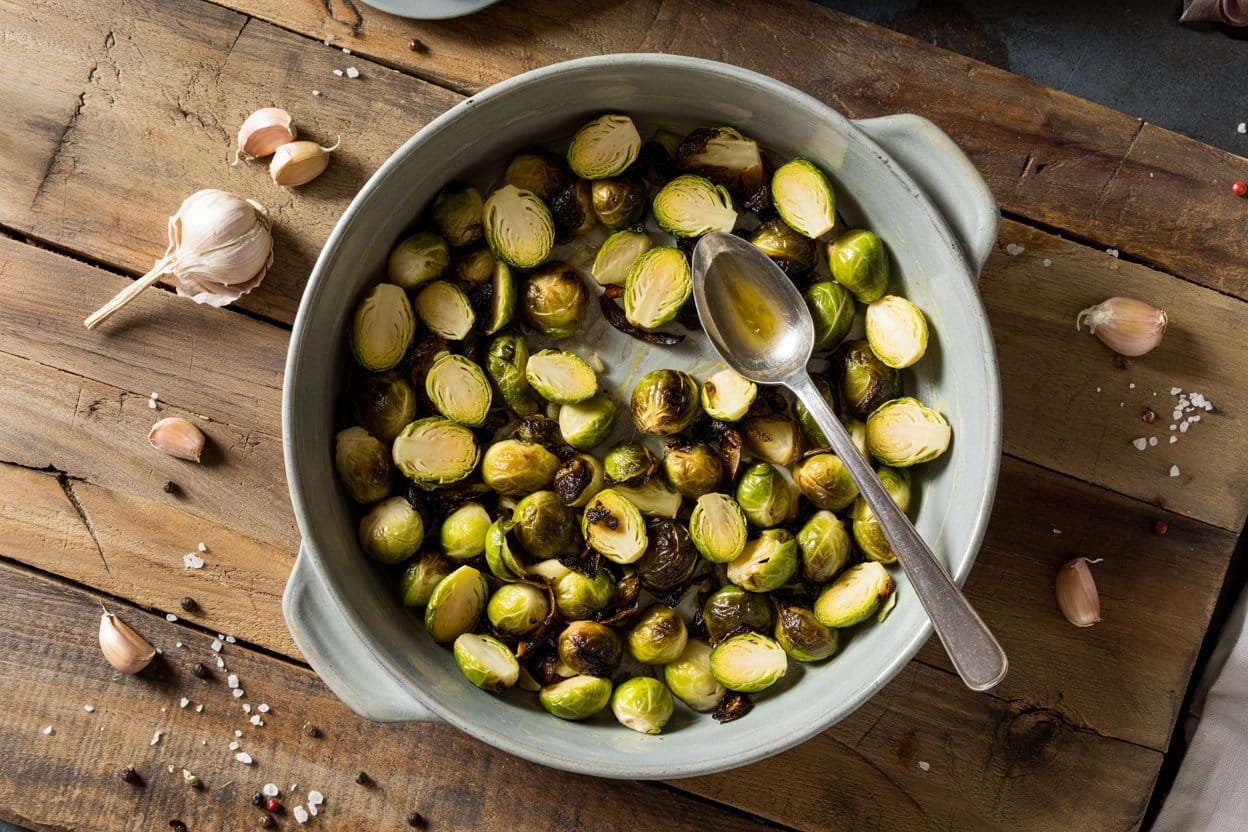
Halve the sprouts and roast them cut side down on a hot, wide tray so they brown instead of steam. Finish with lemon or vinegar after the lasagna leaves the oven.
Avoid honey or balsamic glaze because extra sweetness can make tomato sauce cloying. Skip bacon when sausage already fills the casserole.
11. Garlic Mushrooms
Garlic mushrooms add savory depth beside spinach, vegetable, or white lasagna that lacks a meat filling. Their browned flavor makes a lighter casserole feel complete, while firm edges add useful contrast.
They do less beside beef lasagna because ragù already fills the earthy, savory role.

Brown the mushrooms in batches and salt them near the end so their liquid can evaporate. A crowded skillet produces a wet side that runs into the casserole.
Serve about half a cup with herbs and garlic. Avoid cream because the mushrooms should add roasted depth, not become a second sauce.
12. Roasted Zucchini
Roasted zucchini works beside meat lasagna when the filling contains few vegetables and the plate needs a mild green component. High heat gives the squash browned edges that connect with the baked top of the casserole, while its clean flavor does not compete with tomato or herbs.
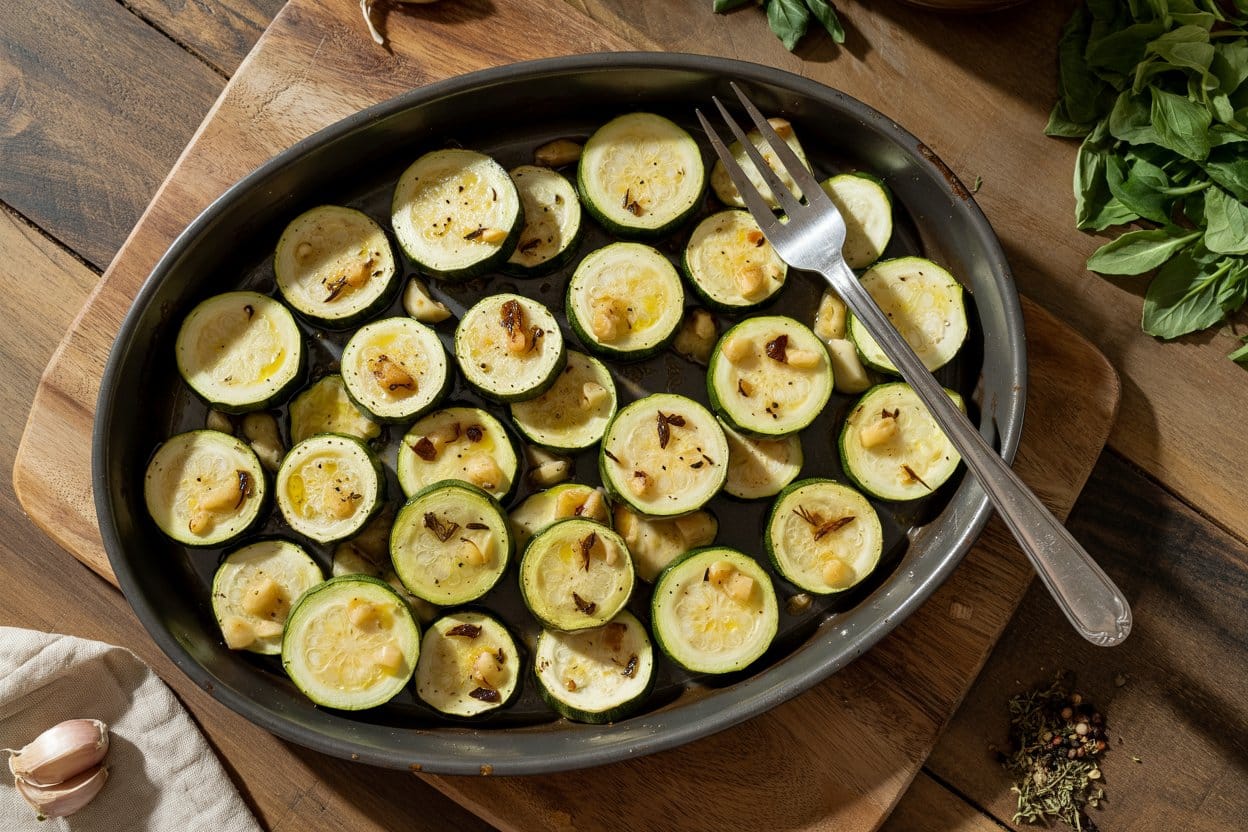
Cut thick pieces, spread them apart, and roast until the surfaces color before the centers collapse. Crowding makes zucchini watery and leaves both foods soft.
Skip this side with zucchini or mixed-vegetable lasagna because it repeats the filling. Broccoli or a raw salad gives those pans clearer contrast.
13. White Bean Arugula Salad
White bean arugula salad makes a small slice of vegetable lasagna more filling without losing freshness. Beans add substance, while peppery greens and sharp vinaigrette keep them from reading as another dense starch.
The combination works best when the casserole itself is light on cheese.
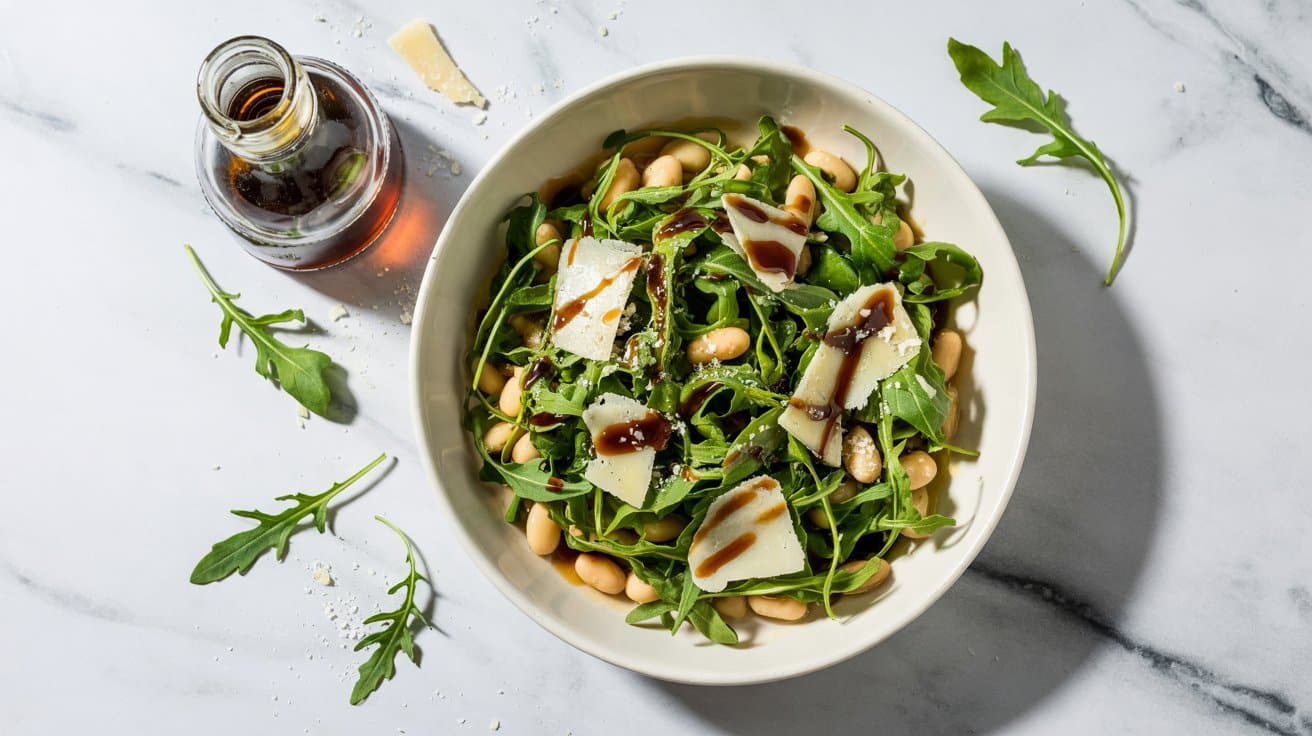
Rinse and dry the beans, then fold them gently with dressed arugula shortly before serving. Wet beans dilute the vinaigrette and flatten the leaves.
Limit the portion to about half a cup. Beside a large beef-and-cheese slice, use plain arugula instead because beans add unnecessary weight.
14. Greek Orzo Salad
Greek orzo salad is a buffet option for small lasagna squares rather than the default weeknight side. The cold pasta travels well, while cucumber, herbs, and lemon keep it lighter than a creamy salad.
It stretches a crowd meal when each piece of casserole is deliberately modest.
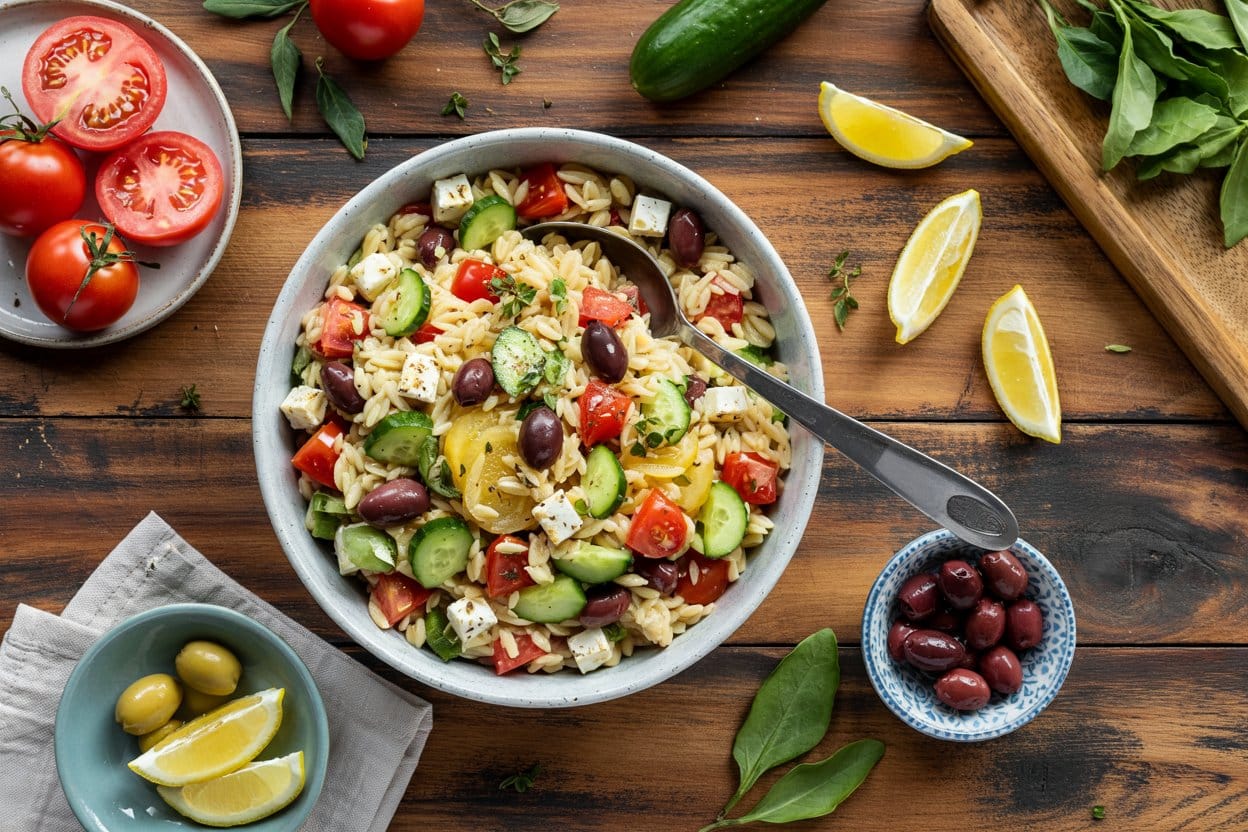
Cook the orzo until firm, cool it before adding vegetables, and keep feta and oil restrained. Serve no more than half a cup per person.
Skip it beside a thick, noodle-heavy slice because pasta next to pasta leaves little room for crisp vegetables. Do not add garlic bread when orzo already fills the starch role.
15. Minestrone Cups
Minestrone can begin a lasagna dinner with vegetables when the casserole portion is small. A broth-led soup adds warmth, beans, and mild acidity without the weight of cream.
Serving it first also keeps its soft texture off the lasagna plate.
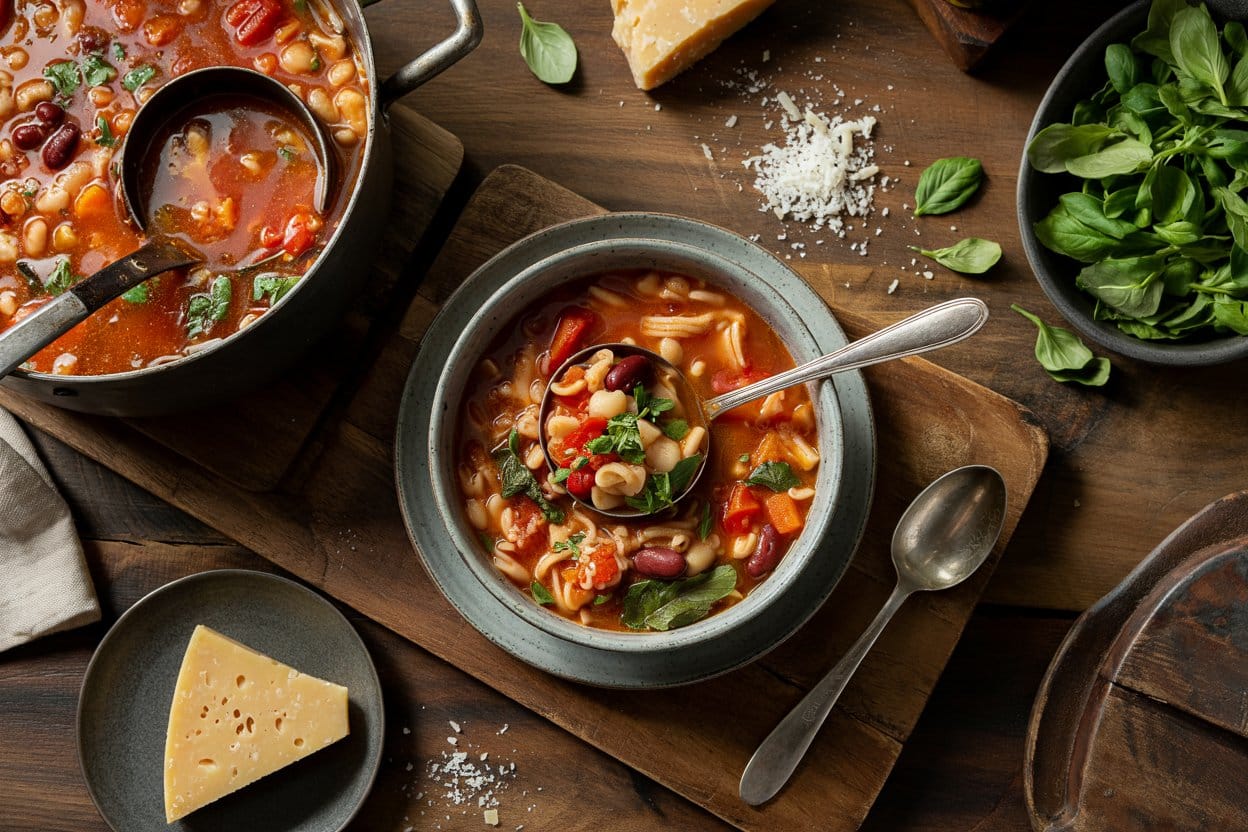
Use four-ounce cups and keep pasta, beans, and tomato modest so the soup remains an opener. A full bowl delays the main and repeats both starch and tomato.
Skip garlic bread when minestrone is on the menu. If the lasagna slice will be large, choose a green salad instead.
Sources
Frequently Asked Questions
What is the best side for lasagna?
A sharp arugula salad is the best overall choice for rich meat or cheese lasagna.
What vegetable should I serve?
Asparagus, broccoli, green beans, spinach, or Brussels sprouts all work well.
Is garlic bread too much?
No, if the portion is small and the rest of the plate stays vegetable-forward.
What side works with vegetable lasagna?
Garlic mushrooms, white bean salad, or crisp bread add substance.
Can I prepare sides ahead?
Roasted peppers, bean salad, soup, and salad components can be prepared early.

Carrie is a food writer and editor with more than 15 years of experience. She has worked for some of the biggest names in the food industry, including Bon Appétit, Food & Wine, and Martha Stewart Living.
As the Editor in Chief of EpicureDelight, Carrie oversees all of the content on the site. She also manages the team of contributing writers and editors, who help to create delicious recipes, helpful tips, and informative articles that you’ll find on the site.
A native of the Chicago area, Carrie is passionate about all things food. She loves trying new restaurants and experimenting with new recipes in her kitchen. She’s also a graduate of the Culinary Institute of America, so she knows a thing or two about food!