
Longhorn cheese has a personality that's easy to underestimate. It melts like a dream, carries a mild cheddar tang, and stays creamy without going greasy in the oven.
When your recipe calls for it and the dairy case comes up short, a good longhorn cheese substitute means matching both that melt behavior and the flavor before anything else.
The good news: several common cheeses hit very close. Sharp cheddar and Colby-Jack are the obvious neighbors.
But Havarti, Gruyère, and even Muenster all have a case depending on what you're making.
Sharp cheddar is the closest swap for longhorn's mild tang and even melt. Colby-Jack is milder and forgiving in casseroles. Monterey Jack adds creaminess. Gruyère or Swiss delivers nutty depth. Havarti melts silkiest. Use all at a 1:1 ratio by weight.
5 Best Longhorn Cheese Substitutes in Every Recipe
Longhorn behaves like a mild cheddar: steady melt, moderate tang, no greasiness. Every swap below uses a 1:1 ratio by weight, so shredding or slicing straight across is all the math you need.
| # | Substitute | Best For | Ratio | Key Note |
|---|---|---|---|---|
| 1 | Sharp Cheddar | Both | 1:1 | Closest cheddar tang |
| 2 | Colby-Jack | Both | 1:1 | Mild, reliable melt |
| 3 | Monterey Jack | Cooking | 1:1 | Creamy, less tangy |
| 4 | Gruyère / Swiss | Cooking | 1:1 | Nuttier, richer flavor |
| 5 | Havarti | Both | 1:1 | Buttery, smooth melt |
1. Sharp Cheddar
Sharp cheddar is the straightest line between longhorn and your pantry. It carries that mild-to-moderate tang, shreds cleanly, and melts evenly across both stovetop and oven dishes.
If you want to understand what makes longhorn's flavor distinct, that mild tang is worth a quick look before you commit to a swap. It helps you judge whether sharp cheddar's extra bite will fit your dish or push it too far.
- Baking: Use shredded sharp cheddar at 1:1; it melts into a smooth layer without separating at oven temps up to 375°F.
- Cooking: Stir into sauces over medium-low heat; it blends smoothly without going grainy if you keep the heat steady.
- Flavor balance: Start with mild sharp cheddar if your dish is delicate; full sharp can dominate in lighter recipes.
Skip if: you want a very gentle, non-tangy cheese. Reach for Colby-Jack or Monterey Jack in that case.
2. Colby-Jack
Colby-Jack sits right in the sweet spot: mild cheddar flavor without any sharp edge, and a melt that stays smooth even in high-heat baking. It is basically longhorn's closest cousin in the dairy case.
The cheddar-mild cheese comparison between Colby-Jack and Monterey Jack is worth reading if you're deciding between the two. Colby-Jack wins when you want a warmer, slightly more complex flavor.
- Sandwiches: Slice thin and use on grilled cheese; it melts fast and pulls without snapping.
- Casseroles: Shred and layer at 1:1; it holds its melt without releasing excess oil.
- Blend tip: Mix half Colby-Jack with half sharp cheddar if you want just a bit more tang than the straight swap gives.
Colby-Jack
Works for: grilled sandwiches, casseroles, baked dips, quesadillas
Skip if: your recipe needs extra nutty depth; choose Gruyère or Havarti instead
3. Monterey Jack
Monterey Jack is milder and creamier than longhorn, which makes it excellent for dishes where you want the cheese to melt into the background rather than stand forward. Think creamy pasta bakes, enchiladas, and white cheese sauces.
For recipes where you might also consider swapping the cheese out entirely, mild white cheese swaps can expand your options further. Use Monterey Jack at 1:1 by weight.
- Seasoning adjustment: Add a small pinch of salt and a few drops of hot sauce after melting if the dish tastes flat compared with longhorn.
- Baking: Works well in baked mac & cheese at 1:1; the creamier texture gives a silkier sauce than cheddar.
- Blending: Mix with 25% sharp cheddar if your recipe relies on tang to carry the dish.
Skip if: the cheese's flavor is the main event. Monterey Jack fades in dishes where longhorn's tang was doing real work.
4. Gruyère or Swiss
Gruyère brings a nutty, slightly sweet depth that longhorn doesn't have, and that extra complexity is often a good thing. Swiss is a little milder but melts just as reliably.
Both work at 1:1 by weight.
These are the right call when you want the cheese to feel intentional, not just functional. The nutty alpine character of Gruyère pairs especially well with potato gratins and baked sandwiches.
| Use | Ratio | Notes |
|---|---|---|
| Gratin / Baked potatoes | 1:1 | Gruyère; richer flavor than longhorn, melts evenly |
| Mac & cheese | 1:1 | Swiss; milder nutty note, very smooth sauce |
| Baked sandwiches | 1:1 | Gruyère; holds melt well under the broiler |
| Quesadillas | 1:1 | Swiss; neutral enough to pair with most fillings |
- Flavor intensity: Gruyère is noticeably nuttier than longhorn; reduce by 10-15% if you want a closer flavor match.
- Melt quality: Both melt without breaking at standard oven temps; no need to adjust technique.
Skip if: you want strictly mild cheddar character. Gruyère will pull the dish in a different flavor direction.
5. Havarti
Havarti is the smoothest melter on this list. It turns almost liquid in a hot oven and gives baked pasta and cheese sauces a buttery, rounded flavor.
The tang is softer than longhorn but the texture is exceptional.
If you want to know more about how it behaves before using it, this buttery Danish cheese has a flavor profile worth understanding. Use at 1:1 by weight, sliced or shredded.
- Baked pasta: Havarti creates a silk-smooth sauce layer with no graininess at 350°F.
- Grilled cheese: Slice thin; it melts in about 90 seconds per side on medium heat.
- Tang fix: Blend 75% Havarti with 25% sharp cheddar to bring the flavor closer to longhorn's profile.
Skip if: your dish needs a sharp, assertive cheddar note. Havarti on its own is too gentle for bold recipes.
Making Your Longhorn Cheese Substitute Taste Right
Swapping cheese is mostly about melt and tang, and both are easy to adjust after the fact. Shredding your substitute always beats slicing when melt consistency matters: shredded cheese melts faster and more evenly across a casserole or sauce. If you're using this mild semi-firm cheese or Monterey Jack and the dish tastes flat, the fix is usually a pinch of salt at the end, not more cheese.
When you reach for Muenster as a backup, knowing your best Muenster alternatives gives you a wider safety net if that's also unavailable.
- Select by use: Pick cheddar or Colby-Jack for flavor-forward dishes; pick Havarti or Gruyère when texture and melt are the priority.
- Adjust seasoning: Taste after melting. If tang is missing, add ¼ teaspoon dry mustard or a few drops of hot sauce per cup of cheese.
- Finish strong: For baked dishes, a small shred of sharp cheddar on top in the last 5 minutes adds color and a flavor boost without reworking the whole recipe.
Frequently Asked Questions
Sharp cheddar is the closest match for baking. It melts evenly and carries a similar mild tang at a 1:1 swap by weight.
Yes. All five substitutes in this list work at a 1:1 ratio by weight. Taste after melting and adjust salt or tang if needed.
Colby-Jack is the best pick for grilled cheese. It melts fast, pulls cleanly, and stays mild without overpowering the bread.
Milder cheeses like Monterey Jack or Havarti lack longhorn's tang. Add a pinch of salt or a tiny dash of dry mustard after melting to compensate.
Yes. Mozzarella stretches more and has less tang than longhorn. Blend it with a small amount of sharp cheddar to get closer to longhorn's flavor.
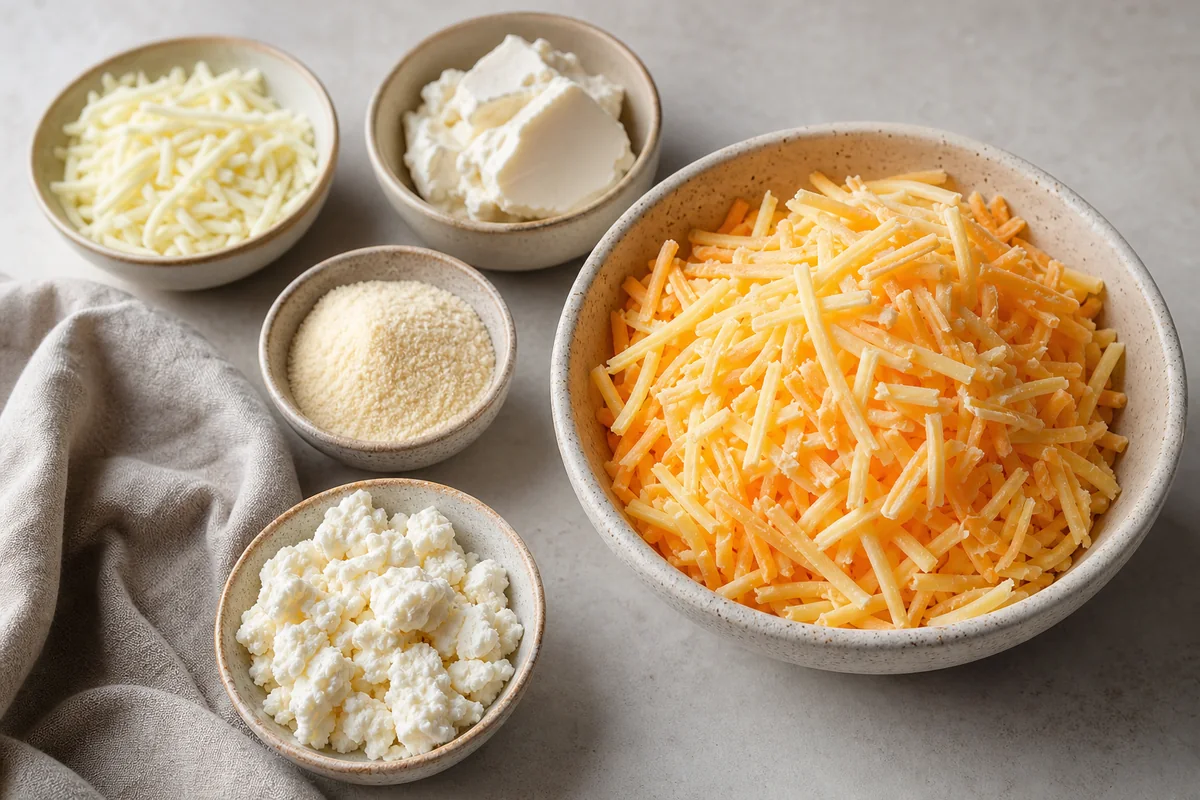
5 Best Longhorn Cheese Substitutes in Every Recipe
Ingredients
Equipment
Method
- Identify your use: sandwiches (slicing + mild bite) or baking (need stretchy, even melt).
- Choose the closest option from the table: cheddar/Colby-Jack for flavor match, Gruyère/Havarti for richer melt.
- Swap at the listed ratio (use equal weight if you’re shredding or melting).
- If the substitute is milder (mozzarella, muenster, Monterey Jack), add a small seasoning adjustment (salt or a tiny dash of mustard) before serving.
- Taste at the end: if it’s too sharp, blend with a mild cheese; if it’s not tangy enough, blend in a little cheddar.
Notes
- Longhorn is typically a mild, cheddar-style cheese—prioritize cheddar tang + easy melt.
Tried this recipe?
Let us know how it was!
Carrie is a food writer and editor with more than 15 years of experience. She has worked for some of the biggest names in the food industry, including Bon Appétit, Food & Wine, and Martha Stewart Living.
As the Editor in Chief of EpicureDelight, Carrie oversees all of the content on the site. She also manages the team of contributing writers and editors, who help to create delicious recipes, helpful tips, and informative articles that you’ll find on the site.
A native of the Chicago area, Carrie is passionate about all things food. She loves trying new restaurants and experimenting with new recipes in her kitchen. She’s also a graduate of the Culinary Institute of America, so she knows a thing or two about food!



