
That unmistakable richness of mackerel, oily and substantial, is harder to fake than most fish swaps. The right mackerel substitute keeps your dish satisfying.
The wrong one leaves it tasting flat and dry.
The key is matching oiliness first, then fishiness, then salt. Fresh fatty fish (salmon, trout) swap in closest for grilling and baking.
Canned or cured fish (sardines, herring) work well in spreads and mix-ins, but need rinsing. Lean pantry fish like tuna or cod need a fat boost to stay tender.
The best mackerel substitute depends on your cooking method. Use Atlantic salmon or trout for grilling or baking. Reach for sardines or herring in canned-style dishes (rinse first). When the pantry is bare, canned tuna with added olive oil or cod with butter and lemon will carry the dish.
5 Best Mackerel Substitutes for Every Cooking Method
The table below covers all five swaps at a glance. Use the ratio and "Best For" column to find your match fast.
| # | Substitute | Best For | Ratio | Key Note |
|---|---|---|---|---|
| 1 | Atlantic Salmon | Grill / Bake | 1:1 | Reduce cook time 10% |
| 2 | Trout | Bake / Pan-sear | 1:1 | Milder; season up |
| 3 | Sardines (canned) | Mix-ins / Spreads | ¾:1 | Rinse; reduce salt |
| 4 | Herring (cured) | Mix-ins / Salads | ¾:1 | Soak to reduce brine |
| 5 | Canned Tuna | Casseroles / Pasta | 1:1 | Add olive oil or butter |
1. Atlantic Salmon
Atlantic salmon is the cleanest 1:1 swap for mackerel in grilling and baking. Its fat content keeps the flesh moist under high heat, which is exactly what you need when mackerel's oil would normally do that job.
The salmon flavor profile is slightly richer and more distinct than mackerel, so a pinch of smoked paprika or extra lemon can bridge the gap. Pull the fish off heat the moment the center turns opaque; it overcooks faster than mackerel does.
Atlantic Salmon
Works for: grilling, pan-searing, baking, any recipe using a whole fillet
Skip if: you need a neutral or mild fish flavor, salmon's character is strong
- Ratio: Use 1:1 by weight; no reduction needed
- Cook time: Reduce by about 10% since salmon's fat conducts heat quickly
- Seasoning: Add smoked paprika or a little sea salt to echo mackerel's depth
- Skin-on works best: Keeps the fillet intact and adds a crispy layer
2. Trout
Trout is the gentler choice. It has a medium fat content and a clean, slightly sweet flavor that works well when you want the fish to stay in the background of the dish rather than lead it.
For baking, this mild, flaky fish is especially forgiving; it stays tender even if you're a minute or two over. Pan-searing with a little butter and dill gets it close to mackerel's character without any fuss.
- Ratio: 1:1 by weight or fillet size
- Seasoning tip: Add a touch of soy sauce or miso paste to deepen the savory note
- Best methods: Baking at 400°F or pan-searing over medium-high heat
- Skip if: Your recipe depends on bold, oily-fish aroma; trout is noticeably milder
3. Sardines (Canned, Drained)
Canned sardines are the most practical swap when the recipe calls for mackerel in a spread, pasta, or grain bowl. They are saltier and more pungent than mackerel, so treat them as a concentrated ingredient, not a straight replacement.
Drain well and rinse under cold water for 10 seconds if the brine is sharp. These pantry-ready tins hold for a long time, making them a dependable backup.
Use ¾ of the mackerel quantity the recipe calls for, then taste before adding any extra salt.
- Skip if: the dish is delicate or mild; sardines dominate sauces easily
- Rinse rule: A quick rinse cuts saltiness without washing away flavor
- Texture note: Mash gently; sardines break down faster than mackerel fillets
4. Herring (Cured, Soaked & Drained)
Cured herring sits closest to mackerel in flavor intensity and fat level. The problem is the salt and brine, which can easily overpower a dish if you skip the prep step.
Soak the herring in cold water for 20 to 30 minutes before using, then pat it completely dry. This swap works well in dishes where mackerel's boldness is expected, like grain salads or toast toppings.
If you're also working with soaking brined fish, the same soak logic applies.
Herring (Cured)
Works for: toast spreads, grain salads, potato dishes, anywhere mackerel's brine is welcome
Skip if: the recipe is delicate or you're short on time for the soak step
- Ratio: Start at ¾ of the mackerel quantity; add more after tasting
- Soak time: 20 to 30 minutes in cold water, then pat completely dry
- Salt check: Hold back any added salt in the recipe until the dish is assembled
- Texture fix: Slice thin; cured herring is denser and benefits from smaller pieces
5. Canned Tuna (in Water, Drained)
Canned tuna is the quickest pantry fix when you need a mackerel substitute fast. It is leaner and milder, so it won't match mackerel's fat and depth on its own, but one small adjustment closes most of the gap.
Stir in a teaspoon of olive oil per 100g of drained tuna before adding it to the dish. These long-life flaked fish tins are in most kitchens already, which makes them the easiest emergency swap for casseroles, pasta, and baked dishes.
- Ratio: 1:1 by volume; no reduction needed
- Fat boost: Add 1 teaspoon olive oil or a small knob of butter per 100g tuna
- Flavor lift: A squeeze of lemon and cracked black pepper bring it closer to mackerel
- Skip if: You need the dish to taste unmistakably oily-fish forward; tuna is noticeably lighter
Making Mackerel Substitutes Work
The fastest rule is this: match the fat level first, then adjust salt and acid. Oily swaps (salmon, trout) handle high heat without help.
Salty swaps (sardines, herring) need rinsing and a smaller quantity. Lean swaps (tuna, cod or haddock) need a fat addition, and this bright finishing acid ties the flavor together in any of those cases.
If you're swapping into a dish that also calls for this mild white fish, the same fat-and-acid logic keeps it from tasting flat.
- Oily fish swaps: Cook to internal 130-140°F and rest 2 minutes; they hold moisture well without added fat
- Salty/cured swaps: Rinse, soak if needed, use ¾ of the recipe quantity, and hold back added salt until you taste the finished dish
- Lean fish swaps: Brush or mix in 1 teaspoon olive oil or butter per 100g, finish with lemon juice, and pull off heat the moment the center flakes
Frequently Asked Questions
Yes, salmon works at a 1:1 ratio in most baked mackerel recipes. Reduce cook time by about 10% and check for doneness early, since salmon's fat conducts heat slightly faster.
Trout is the mildest option here. It has enough fat to stay moist but a much gentler aroma than mackerel, sardines, or herring.
Rinse canned sardines briefly under cold water to cut sharpness. Soak cured herring in cold water for 20 to 30 minutes, then pat dry before using.
Brush the fillet with olive oil or butter before cooking and pull it off heat the moment the center turns opaque. A squeeze of lemon right after cooking helps keep it tasting fresh.
Yes, it works well in both. Drain completely and stir in a teaspoon of olive oil per 100g to restore some of the fat that mackerel naturally provides.
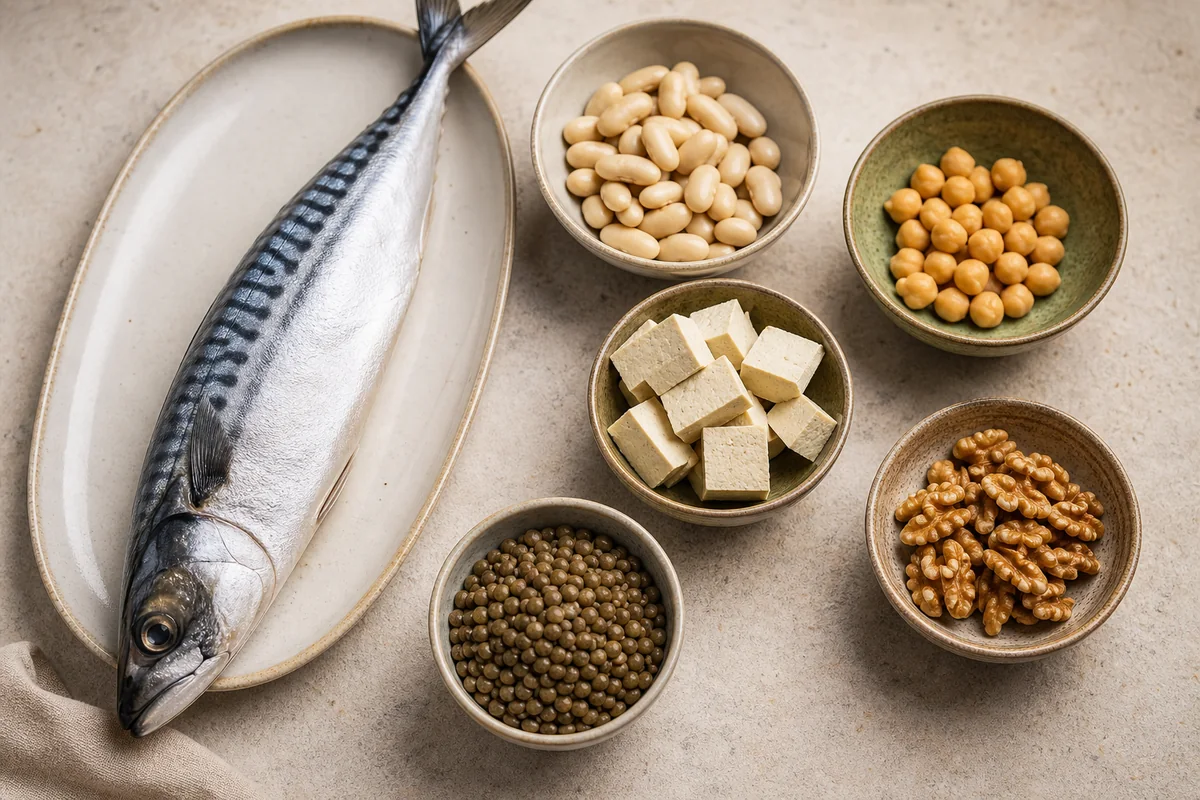
5 Best Mackerel Substitutes (Quick Swaps)
Ingredients
Equipment
Method
- Match the cooking method: oily, steak-like swaps for grilling/pan-searing; milder, flaky swaps for baking; canned options for mix-ins.
- Use the listed ratio for your recipe’s “1 portion” amount, then adjust seasoning (salt, lemon, and black pepper) to taste.
- If your substitute is lean (cod/haddock), brush or mix in a small amount of olive oil or butter to mimic mackerel’s richness.
- If your substitute is salty/strong (sardines/herring), rinse/soak and use the lower ratio so the dish doesn’t overpower.
- Cook by doneness: stop as soon as the center turns opaque and flakes easily, then rest 2 minutes to keep texture tender.
Notes
- For best results, weigh fillets if your recipe is precise; otherwise use the ratio guidance.
- Fishiness changes most with salt curing and canned brine—rinse/soak when needed before swapping.
Tried this recipe?
Let us know how it was!
Carrie is a food writer and editor with more than 15 years of experience. She has worked for some of the biggest names in the food industry, including Bon Appétit, Food & Wine, and Martha Stewart Living.
As the Editor in Chief of EpicureDelight, Carrie oversees all of the content on the site. She also manages the team of contributing writers and editors, who help to create delicious recipes, helpful tips, and informative articles that you’ll find on the site.
A native of the Chicago area, Carrie is passionate about all things food. She loves trying new restaurants and experimenting with new recipes in her kitchen. She’s also a graduate of the Culinary Institute of America, so she knows a thing or two about food!



