
That distinctive chew in a dark rye loaf or a glossy bagel? Malt syrup is behind it.
It is thick, subtly bready, and sweet in a way that no other single ingredient quite copies.
Still, a good malt syrup substitute gets you close enough that most people won't notice. The trick is deciding whether you need the texture (viscosity and stickiness), the color (deep amber and shine), or the flavor (that faint toasty, grain note).
Usually it's all three, but knowing which matters most in your specific recipe tells you which swap to grab.
Golden syrup is the closest all-around malt syrup replacement at a 1:1 ratio, offering similar viscosity and amber color. Light corn syrup matches the chew and gloss with less flavor. Honey and dark maple syrup work at ¾:1. Molasses and brown sugar syrup cover color and body in a pinch.
5 Best Malt Syrup Swaps for Baking (With Ratios)
Each substitute below is matched by role: texture first, then color, then flavor depth. The table gives you the fast scan, and the sections below give you the details you actually need before you start mixing.
| # | Substitute | Best For | Ratio | Key Note |
|---|---|---|---|---|
| 1 | Golden Syrup | Both | 1:1 | Closest color and body |
| 2 | Light Corn Syrup | Both | 1:1 | Best neutral texture swap |
| 3 | Honey (runny) | Baking | ¾:1 | Reduce for sweetness |
| 4 | Maple Syrup (dark) | Baking | ¾:1 | Distinct woody warmth |
| 5 | Molasses (mild) | Both | 1:1 | Strong; reduce if intense |
1. Golden Syrup
Golden syrup is the first place to look when you need a malt syrup replacement. It is thick, pourable, and has a mild caramel sweetness that sits close to malt syrup's profile without tipping into anything aggressively flavored.
The color is lighter, so very dark recipes may come out a shade paler. For cookies, flapjacks, and glazed breads, that difference is minor.
If you're already working with swapping maple-based syrups elsewhere in the recipe, golden syrup is the simpler anchor to keep things consistent.
Golden Syrup
Works for: cookies, flapjacks, glazed cakes, enriched breads, sticky buns
Skip if: your recipe needs a pronounced malty or bready depth that lighter syrups can't deliver
- Ratio: Use 1:1 in any recipe where malt syrup adds chew and gloss.
- Color note: Expect a slightly lighter amber; add a drop of molasses if you need darker color.
- Texture: Viscosity is almost identical, so no liquid adjustment is needed.
2. Light Corn Syrup
Light corn syrup is the texture-first swap. It matches malt syrup's stickiness closely and prevents crystallization in candy-style bakes and chewy cookies.
For anyone who wants to understand corn syrup flavor profile before committing, it is much milder and almost flavor-neutral compared to malt syrup.
- Ratio: Use 1:1 whenever chew and a glossy finish are the main goals.
- Flavor gap: Corn syrup is flat tasting, so it won't add the toasty grain note malt syrup does.
- Batter texture: If batter feels too loose, reduce other liquids by about 1 tablespoon per ¼ cup used.
- Best uses: Chewy cookies, caramel sauces, bread glazes, and any recipe where malt syrup's role is mostly structural.
Skip if: your recipe depends on malt's bready character, like a dark rye or a malt loaf. The flavor won't come through.
3. Honey (Runny)
Runny honey is a decent stand-in, but it is sweeter than malt syrup and noticeably more floral. Start at ¾ of the malt syrup amount and taste your batter before adding more.
That golden, floral sweetener also draws moisture, so baked goods can brown faster in the oven.
Drop your baking temperature by about 10°F and watch the color closely in the last few minutes. If your recipe already has added sugar, reduce that by 1 to 2 tablespoon to keep the balance right.
Skip if: the recipe is delicately flavored or pale. Honey pulls attention toward its own sweetness in a way that malt syrup doesn't.
4. Maple Syrup (Dark)
Dark maple has body and color that sit closer to malt syrup than light maple does. It pairs especially well in gingerbread, spiced cookies, and dark quick breads where its woody caramel notes actually improve the recipe.
Before you commit, checking out maple flavor notes helps you predict whether it will clash or blend.
- Ratio: Use ¾:1 to keep sweetness in check since maple is more intensely sweet.
- Color: Dark maple adds a warm amber that mimics malt syrup's depth reasonably well.
- Best uses: Gingerbread, spiced loaves, oat cookies, and any recipe with cinnamon or clove.
- Flavor impact: Expect a noticeable maple character; it won't taste like malt but it won't taste wrong either.
Skip if: you want a neutral malty backdrop. Maple announces itself clearly and will redirect the flavor.
5. Molasses (Mild/Light)
Molasses is powerful, and that's the whole point of reaching for it. It gives dark color, deep caramel bitterness, and thick body all at once.
Use mild or light molasses as your starting point. Picking the right molasses upfront matters because blackstrap can push a recipe into bitter territory fast.
The 1:1 swap works if the recipe is already robust in flavor, like dark gingerbread or brown bread. Reduce to ¾:1 if you taste even a hint of harshness in a test batch.
Molasses (Mild)
Works for: dark breads, gingerbread, spice cakes, cookies needing deep color and chew
Skip if: your recipe is light in flavor or relies on subtle sweetness-molasses overwhelms quickly
- Ratio: Start at 1:1; drop to ¾:1 if flavor is too intense.
- Type matters: Use light or mild only. Robust and blackstrap styles are too assertive for most swaps.
Making Your Malt Syrup Substitute Work
Match the role first. Malt syrup does three things at once: it holds moisture with its viscosity, darkens the crumb with caramel color, and adds a faint toasty note.
Choosing your swap in that order, sticky body before color before flavor, keeps you from chasing the wrong quality. If you are already navigating storing liquid sweeteners and wondering whether your corn syrup is still usable, check that before measuring.
A stale or crystallized syrup throws off texture regardless of your swap choice. For recipes where that deep, dark sweetener is essential for color, molasses or golden syrup will get you there faster than honey or maple.
- Step 1: Identify whether malt syrup is carrying chew and stickiness, color and shine, or flavor depth in your recipe, then pick the substitute that covers your primary need first.
- Step 2: If you use honey or dark maple at ¾:1, reduce other sugar in the recipe by 1 to 2 tablespoon to prevent over-sweetness in the finished bake.
- Step 3: After the swap, chill the batter for 10 to 15 minutes before baking if it feels looser than expected; this firms up spread and restores chew.
Frequently Asked Questions
Golden syrup is the closest 1:1 swap for most baked goods. It matches malt syrup's viscosity and amber color well, though the malty flavor note is milder.
Yes. Start with ¾ of the malt syrup amount and reduce added sugar by 1 to 2 tbsp. Honey is noticeably sweeter and more intensely flavored.
Yes, dark maple syrup works at ¾:1 in cookies. It adds warmth and color but brings a distinct maple character that works best with spiced or oat-based recipes.
Use mild or light molasses only, and start at ¾:1 rather than a full swap. Blackstrap molasses is too bitter for most malt syrup applications.
Light corn syrup is the best pick for shine and chew at 1:1. It keeps structure and gloss without adding competing flavors to your recipe.
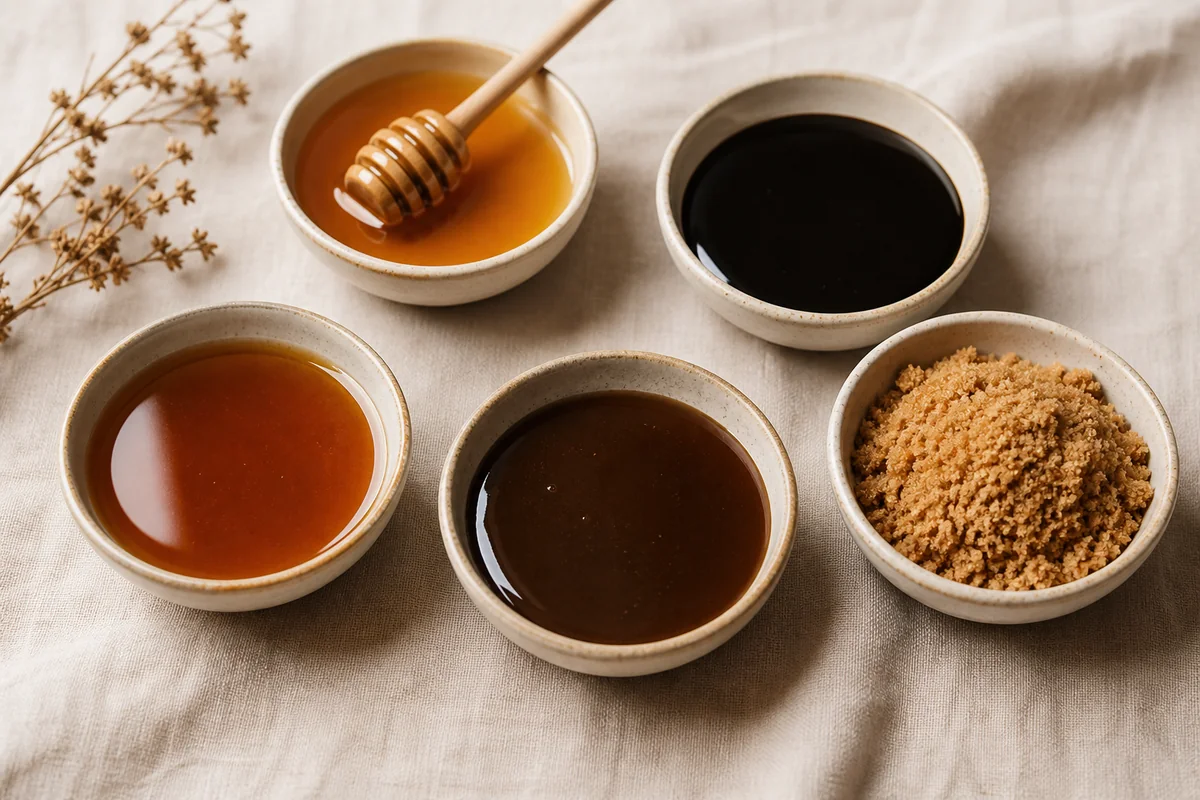
5 Best Malt Syrup Substitutes You Can Trust
Ingredients
Equipment
Method
- Check the role of malt syrup in your recipe: sweetness + chew (cookies/bars) or color/shine (glazes/breads).
- Start with the closest texture swap: use 1:1 golden syrup or light corn syrup for viscosity and glossy results.
- If using sweeter syrups (honey/maple), begin with 25% less than the malt syrup amount, then taste-adjust the final batter.
- If your substitute is thinner (honey) or you want extra chew, reduce the recipe’s added liquid slightly or chill batter 10–15 minutes before baking.
- For molasses, use it only if the flavor won’t clash—choose light/mild and reduce quantity if it tastes too intense.
Notes
- For baking, prioritize syrup thickness/chew first, then match color (light vs dark) and finally sweetness depth.
Tried this recipe?
Let us know how it was!
Carrie is a food writer and editor with more than 15 years of experience. She has worked for some of the biggest names in the food industry, including Bon Appétit, Food & Wine, and Martha Stewart Living.
As the Editor in Chief of EpicureDelight, Carrie oversees all of the content on the site. She also manages the team of contributing writers and editors, who help to create delicious recipes, helpful tips, and informative articles that you’ll find on the site.
A native of the Chicago area, Carrie is passionate about all things food. She loves trying new restaurants and experimenting with new recipes in her kitchen. She’s also a graduate of the Culinary Institute of America, so she knows a thing or two about food!



