
Maris Piper is the go-to potato in many British recipes, prized for its high starch content, floury texture, and reliable performance in the oven, pot, or fryer. It produces fluffy mash, crisp roast edges, and holds up surprisingly well in baked dishes.

The problem is that Maris Piper is not always easy to find outside the UK, and some regions carry it only seasonally.
The good news is that several widely available potatoes match its core qualities closely enough that most recipes come out nearly identical.
Starch level is the most important factor when choosing a replacement. High-starch potatoes like Russets behave the most like Maris Piper in mash and roast contexts, while waxier varieties like red potatoes are better for dishes where you need the pieces to hold together.
Understanding that difference lets you pick the right swap before you start cooking.
For dishes that move between techniques, such as a potato gratin that first gets boiled then baked, Yukon Gold potato substitutes often perform better than going straight to a Russet, because they tolerate both cooking methods without falling apart.
This guide covers five substitutes that have been tested across the most common Maris Piper use-cases. Each one comes with a clear ratio, specific cooking notes, and an honest rundown of tradeoffs.
The best substitutes for Maris Piper potatoes are Russet (fluffy mash and crisp roasts), Yukon Gold (creamy mash with structure), red potatoes (shape-holding dishes), sweet potatoes (sweeter baked and mashed dishes), and parsnips (a non-potato option for roasts and mash). All work at a 1:1 ratio in most applications.
Maris Piper Potatoes Substitutes in Detail
Maris Piper is a high-starch, floury potato variety used widely for mashing, roasting, and baking. Its low moisture content creates the light, dry interior that gives great mash its fluffiness and gives roasted wedges their crispy shell.
When substituting, the goal is to match that starch level as closely as the recipe allows.
All five substitutes below work at a standard 1:1 ratio for most applications. Roasting results may vary slightly depending on how waxy the substitute is, so texture preference can nudge the choice one way or another.
Use this table to make a fast call, then read the detailed notes for edge cases like high-heat baking or frying.
| # | Substitute | Ratio | Best For | Taste Match |
|---|---|---|---|---|
| 1 | Russet Potatoes | 1:1 | Mashing, roasting, frying | Close |
| 2 | Yukon Gold | 1:1 | Creamy mash, roasting | Close |
| 3 | Red Potatoes | 1:1 | Boiling, salads, shape-holding roasts | Mild |
| 4 | Sweet Potatoes | 1:1 | Baking, sweet-tolerant mash | Different |
| 5 | Parsnips | 1:1 | Roasting, mashed sides | Different |
Use the table above to pick one substitute fast. Switch to the detailed sections below for edge cases like high-heat baking, frying, or recipes where moisture balance is tight.
Save This for Later
Pin this savory tweaks: 5 best maris piper potatoes substitutes guide so you always have it when you need it.
Pin This GuideMaris Piper Substitutes in Detail
1. Russet Potatoes
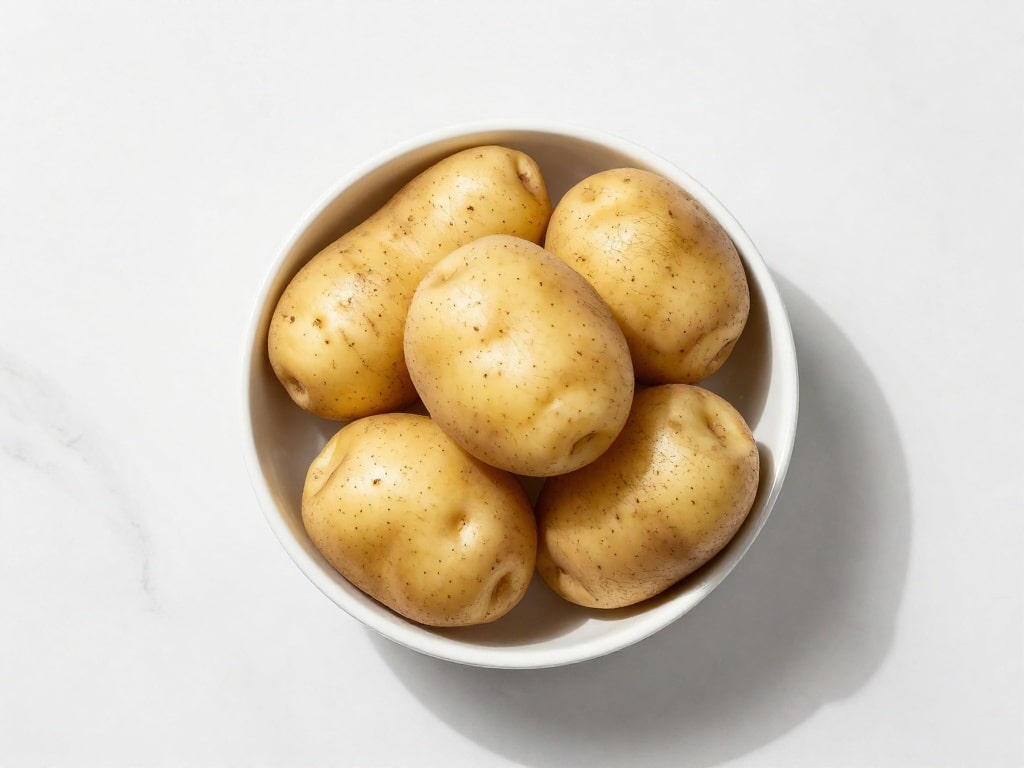
Russet potatoes are the closest structural match to Maris Piper available in most North American grocery stores. They carry high starch and low moisture, which produces the same fluffy, dry interior that makes Maris Piper so reliable for mash and roasting.
The swap is straightforward: use 1 Russet potato for every 1 Maris Piper called for in the recipe.
For mash, boil Russets until completely tender, then drain and let them steam dry for 2 minutes before mashing. That extra drying step removes residual moisture that can make mash gluey.
The difference between Russet and Idaho potatoes is minimal for most recipes, since Idaho is simply a regional designation for Russets grown in Idaho.
For roasting, Russets develop a beautifully crispy exterior when cooked at 425°F (220°C) for 25 to 35 minutes depending on cut size. Parboiling the cut pieces for 5 minutes before roasting and shaking them in the colander to rough up the edges gives you even crispier results.
The skin is thicker than Maris Piper, so leaving it on adds a bit more texture contrast.
- Mashing: Boil until fork-tender, steam dry, then mash with butter and warm cream for fluffy, light results.
- Roasting: Parboil, rough up edges, then roast at 425°F for 25-35 minutes until golden and crisp.
- Frying: High starch makes Russets excellent for chips and wedges with a crisp shell and soft center.
Russet potatoes are the best overall substitute for Maris Piper in fluffy mash and crisp roasts. The starch level and dry texture match closely enough that most diners will not notice the difference.
2. Yukon Gold
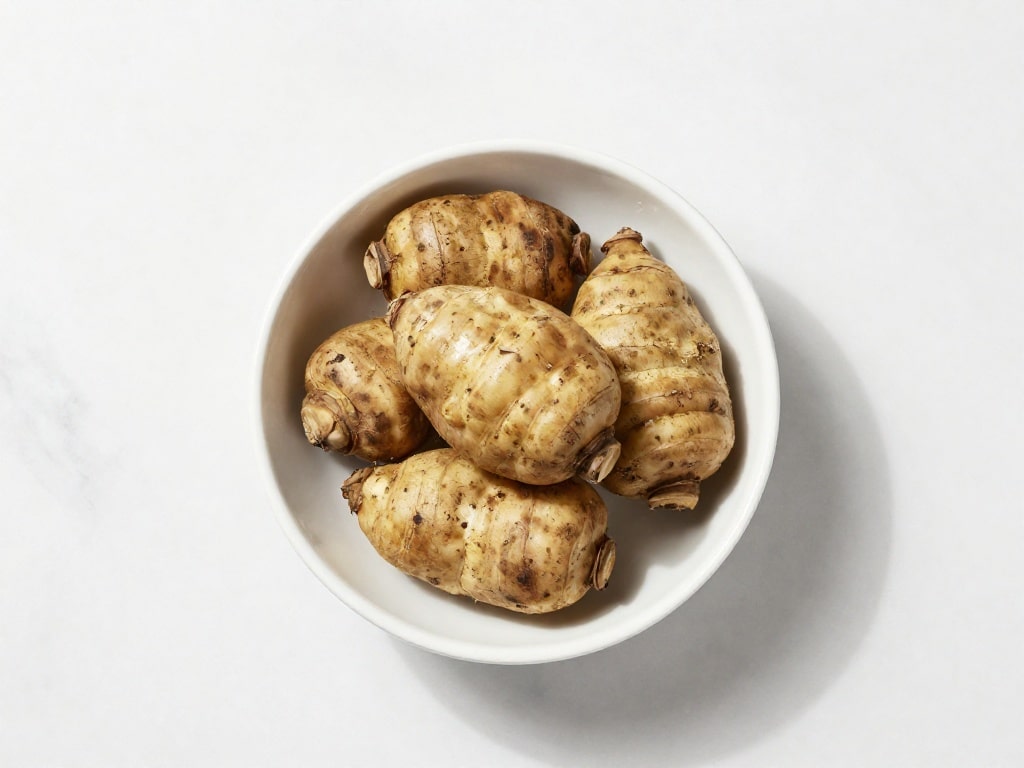
Yukon Gold potatoes sit at a medium starch level, between the high-starch Russet and the waxy red potato. That middle-ground starch content gives mashed Yukon Golds a naturally buttery flavor and a creamier body than a Russet produces.
They also hold their shape reasonably well during roasting, which makes them versatile across more than one cooking method.
The 1:1 ratio applies cleanly here. For very silky mash, you can reduce the quantity by about 10% and increase dairy slightly to hit the same volume, though most recipes do not need that adjustment.
Roasting Yukon Golds at 400°F (205°C) for 30 minutes yields a golden exterior with a creamy, tender interior rather than the fully fluffy bite a Russet or Maris Piper delivers. That difference is a plus in dishes where mouthfeel matters more than lightness.
If you regularly work with potato substitutes across different recipes, the full guide to Yukon Gold vs gold potato varieties covers how regional naming affects what you actually get at the store.
Yukon Golds also hold up well in gratins and potato bakes where you need slices to stay intact after long oven times.
- Creamy mash: Natural butterfat flavor means you can use slightly less butter without losing richness.
- Roasting: Produces a softer, creamier bite than Russet; best for dishes where texture contrast is not the main goal.
- Gratins and bakes: Holds slice shape through extended cooking better than high-starch varieties.
Yukon Gold is the best choice for creamy mashed potatoes with a touch of natural sweetness, and for roasted dishes where a creamier, slightly denser mouthfeel is preferred over pure crispiness.
3. Red Potatoes
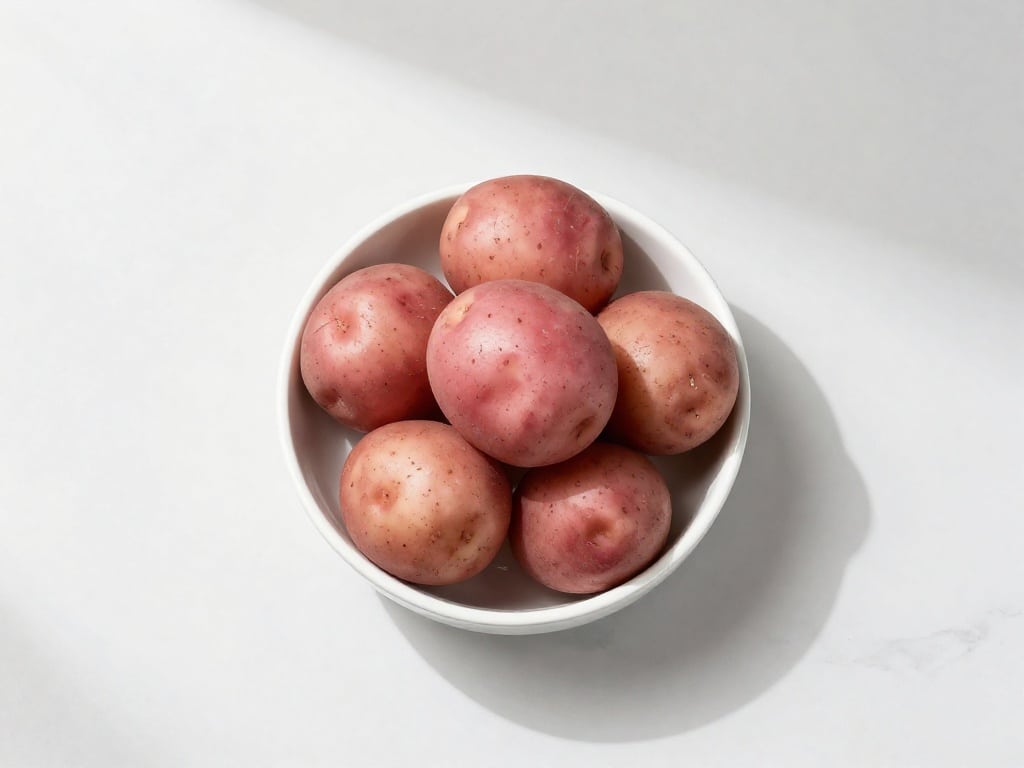
Red potatoes are a waxy, low-starch variety. That waxiness is both their strength and their limitation as a Maris Piper substitute.
They hold their shape through boiling and roasting far better than floury potatoes, making them ideal for potato salads, chunky roasts, and any dish where intact pieces matter. The 1:1 ratio works for these texture-preserving applications, though dense roast batches may need 5 extra minutes of cook time because the waxy flesh conducts heat more slowly.
For a side-by-side look at how red potatoes compare to gold-flesh varieties in everyday cooking, the gold vs red potato comparison breaks down starch levels, skin behavior, and best use-cases in detail.
Red potatoes roasted at 400°F (205°C) for 30 to 40 minutes develop a lightly crispy skin with a dense, creamy center rather than the fluffy interior Maris Piper produces.
They are not ideal for smooth mash. The waxy starch makes the texture gluey if you over-work the mash, and they do not absorb butter and cream as readily.
In baking applications, red potatoes can work for rustic gratins where texture variation is acceptable, however they are a poor fit for any recipe that depends on the potato breaking down and binding with dairy.
- Boiling: Stays firm and intact, perfect for potato salads or side dishes served chunky.
- Roasting: Dense, creamy center with a light crisp skin; add 5 extra minutes for larger cuts.
- Mashing: Only works for rustic, chunky mash; not suitable for smooth or silky preparations.
Choose red potatoes when you need pieces to hold their shape and deliver a lighter, denser bite. Avoid them in any recipe that depends on a fluffy or very smooth texture.
4. Sweet Potatoes
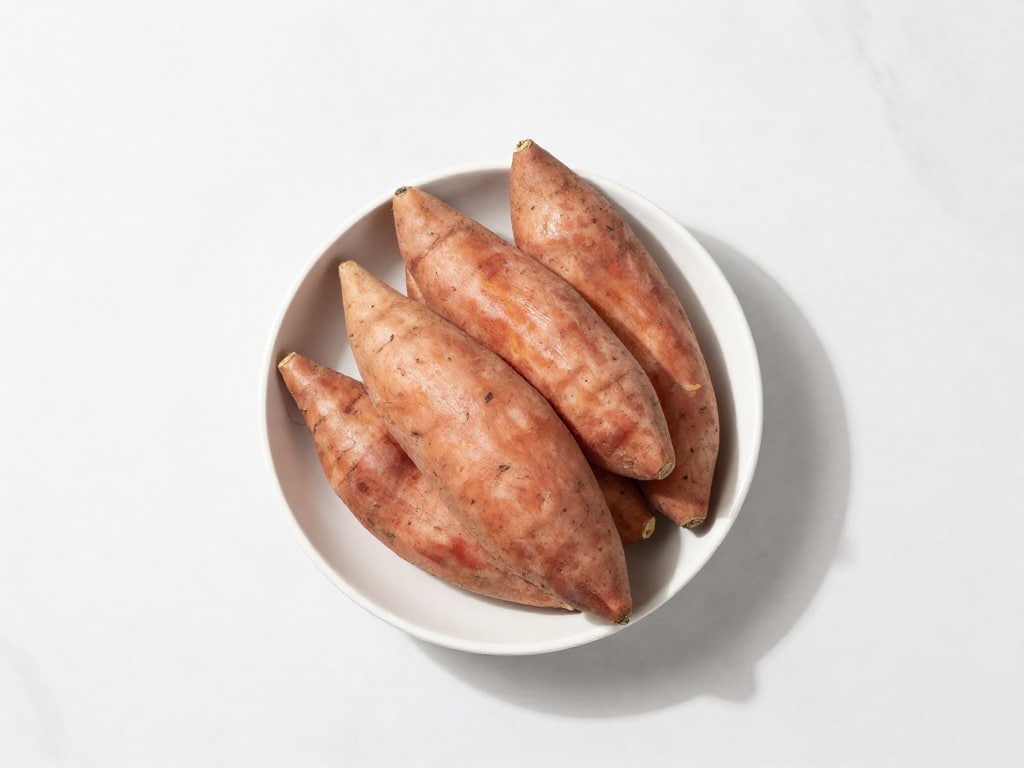
Sweet potatoes bring a different flavor profile to the swap. Their natural sweetness and orange flesh make them a clear departure from Maris Piper's neutral, earthy taste, which means they work best in recipes that already lean toward sweet or spiced profiles.
Think mashed sweet potato sides with cinnamon and butter, or baked wedges seasoned with smoked paprika and olive oil. In those contexts, the 1:1 ratio applies cleanly.
In savory mash, sweet potatoes can work if you balance the sweetness with salt, black pepper, and a splash of cream. They are denser than Maris Piper, so mashing takes a bit more effort and the final texture is thicker and slightly stickier.
Moisture content varies by the size and variety of sweet potato, so start with less cream and add more as needed. For roasting inspiration that pairs well with sweet potato sides, the sweet potato sides guide covers complementary flavors and cooking methods.
Baking times differ from standard potatoes. A medium sweet potato baked whole at 400°F (205°C) takes 45 to 55 minutes to become fully tender, compared to roughly 35 to 40 minutes for a same-size Maris Piper.
Cut wedges roast faster at 25 to 30 minutes at the same temperature. Just like with collard greens substitutes, adjusting cook time is often the single most important variable when swapping one ingredient for another in an established recipe.
- Baked whole: Cook at 400°F for 45-55 minutes; skin becomes lightly caramelized and easy to peel.
- Mashed: Balance sweetness with salt and pepper; use less cream initially, add to consistency.
- Roasted wedges: 25-30 minutes at 400°F gives tender, slightly caramelized edges.
Sweet potatoes are the best choice when a sweeter, creamier profile is acceptable or desirable. They shine in spiced mash, glazed roasts, and baked side dishes where the sweetness becomes an asset rather than a mismatch.
5. Parsnips (as a Non-Potato Option)
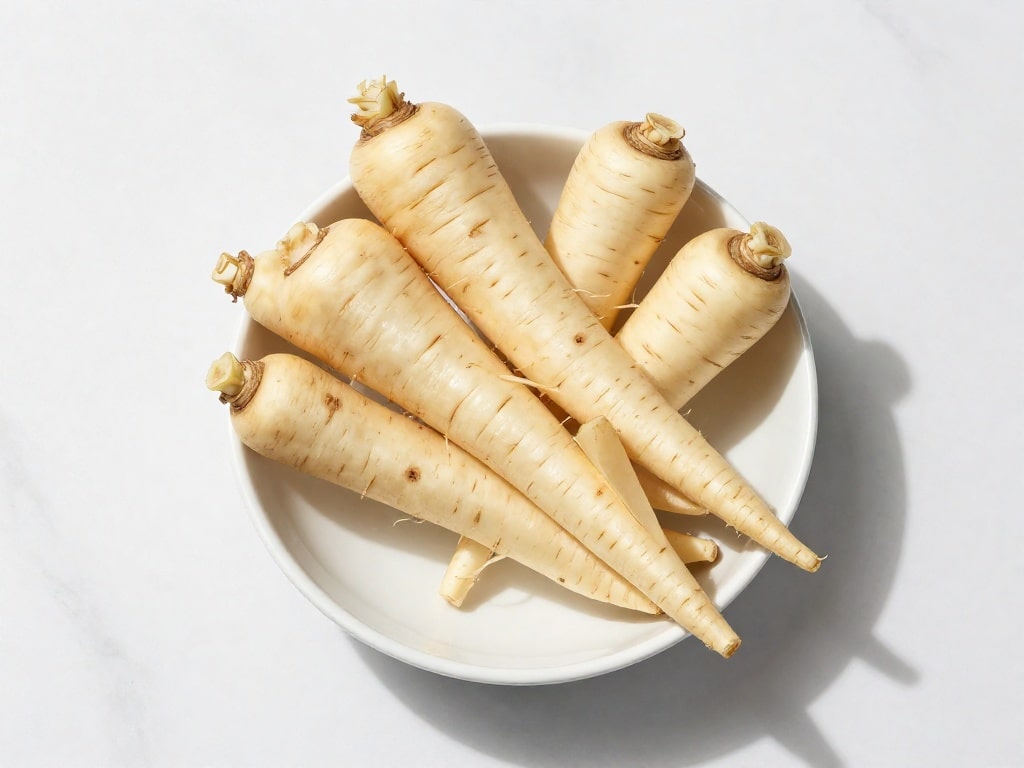
Parsnips are a root vegetable with a sweet, nutty, and slightly peppery flavor that sets them apart from every potato variety on this list. They are the right choice when you want to replace Maris Piper entirely with a non-nightshade option, or when you simply want a more interesting side dish.
One parsnip replaces one medium potato in roasting and mashing contexts, though flavor will be noticeably different from the first bite.
In roasted dishes, parsnips perform beautifully at 400°F (205°C) for 25 to 35 minutes. They caramelize along the cut edges and develop a lightly golden, tender interior that pairs well with butter, thyme, and a squeeze of lemon.
Their texture after roasting is softer than a Maris Piper, with less of the bite contrast between exterior crust and interior fluff.
For mashed parsnips, boil peeled and cubed parsnips until soft, about 15 to 20 minutes, then mash with butter and a small amount of cream. The result is looser and slightly stringier than potato mash, so passing it through a ricer or fine sieve gives a smoother finish.
Mixing parsnips with another substitute, such as a 50/50 blend with Yukon Gold, softens the sweetness while keeping some of the earthy complexity. Much like finding the right navy bean substitute for a soup, blending two options often produces a better result than going all-in on one replacement.
- Roasting: 400°F for 25-35 minutes; caramelizes well, pairs with thyme, honey, or mustard.
- Mashing: Boil 15-20 minutes, then ricer or sieve for smooth results; looser texture than potato mash.
- Blending: A 50/50 mix with Yukon Gold balances sweetness and creates a more neutral mash base.
Mix parsnips 50/50 with Yukon Gold when you want their earthy sweetness without overwhelming the dish. This blend roasts evenly and mashes smoothly, giving you a distinctive side without straying too far from familiar potato flavor.
How to Choose the Right Substitute?
The fastest path to the right swap is to ask one question: does this recipe need the potato to break down or hold together? High-starch options like Russet and Yukon Gold are the answer when breakdown is the goal, such as in mash or baked gratins.
Waxy options like red potatoes are the answer when the pieces need to stay intact, such as in salads or chunky roasts. Sweet potatoes and parsnips are best reserved for recipes where a distinct flavor shift is welcome, or where dietary needs make the non-potato option worth the flavor trade-off.
- For fluffy mash: Russet is the closest match to Maris Piper's light, dry texture.
- For creamy mash with more body: Yukon Gold produces a richer, slightly denser result with a natural buttery note.
- For shape-holding roasts and salads: Red potatoes stay intact better than any floury variety.
- For sweeter baked dishes: Sweet potatoes work at a 1:1 ratio when the recipe tolerates natural sweetness.
- For a non-potato side: Parsnips roast and mash well, especially blended with Yukon Gold for balance.
- For mixed-technique dishes: Yukon Gold handles boiling and baking in sequence better than pure high-starch varieties.
Frequently Asked Questions
Which substitute preserves creaminess best?
Yukon Gold preserves creaminess best, thanks to its medium starch and naturally buttery flavor. It produces a richer mash than Russet without turning dense or gluey.
Can I use a mix of substitutes?
Yes. A 50/50 blend of Russet and Yukon Gold, for example, gives you fluffy texture with added creaminess. Parsnip blended with Yukon Gold at equal parts also works well in mash and roasts.
Are Russets interchangeable for boiling?
Russets can be boiled, however their high starch content makes them prone to breaking apart. For boiling where shape matters, red potatoes are a better choice than Russets.
Will sweet potatoes work in savory mashed potatoes?
Sweet potatoes work in savory mash when seasoned aggressively with salt, pepper, and herbs. The natural sweetness remains detectable, so they suit recipes that lean toward warm spices like cumin or smoked paprika.
Does parsnip taste overpowering as a substitute?
Parsnip has a noticeable sweet and peppery flavor that some find strong on its own. Blending parsnip with Yukon Gold at a 50/50 ratio significantly softens the intensity while keeping the earthy complexity.
Savory Tweaks: 5 BEST Maris Piper Potatoes Substitutes
Ingredients
Method
- Choose your substitute based on the dish type and desired flavor match. High-starch options like Russet and Yukon Gold suit mash and roasts; red potatoes suit shape-holding dishes.
- Prepare the substitute as directed: adjust ratios and prep as noted for each option. For example, steam-dry Russets before mashing and parboil them before roasting for best results.
- Apply the substitution ratio carefully. Start with the stated 1:1 amount and adjust to taste, especially for sweet potatoes and parsnips where moisture and flavor differ from Maris Piper.
- Taste and adjust seasoning. Some substitutes shift flavor or texture slightly, particularly sweet potatoes and parsnips, which may require extra salt, pepper, or a splash of cream to balance.
Notes
- For fluffy mash, steam-dry Russets after boiling for 2 minutes before mashing to remove excess moisture.
- Blending parsnips with Yukon Gold at a 50/50 ratio softens the sweetness and creates a more neutral mash base.
Tried this recipe?
Let us know how it was!
Carrie is a food writer and editor with more than 15 years of experience. She has worked for some of the biggest names in the food industry, including Bon Appétit, Food & Wine, and Martha Stewart Living.
As the Editor in Chief of EpicureDelight, Carrie oversees all of the content on the site. She also manages the team of contributing writers and editors, who help to create delicious recipes, helpful tips, and informative articles that you’ll find on the site.
A native of the Chicago area, Carrie is passionate about all things food. She loves trying new restaurants and experimenting with new recipes in her kitchen. She’s also a graduate of the Culinary Institute of America, so she knows a thing or two about food!



