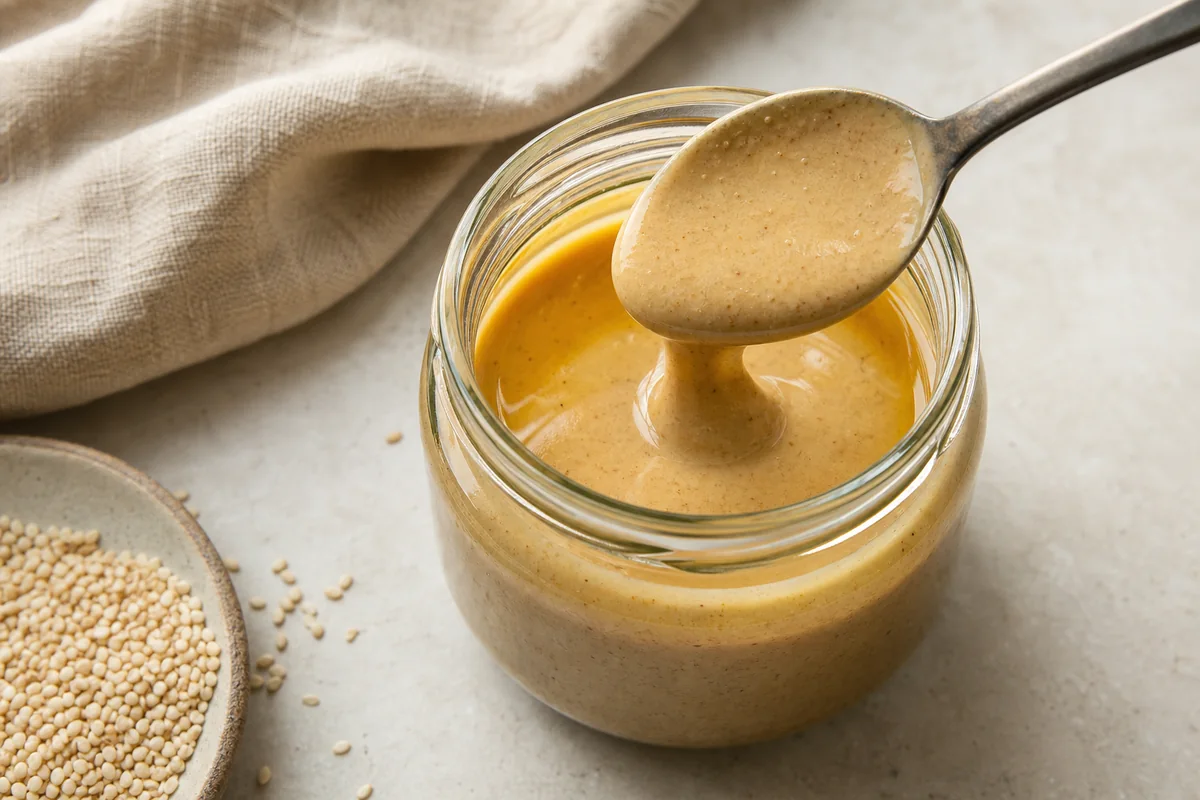
Mesquite is an acquired taste, as the flavors range from sweet, smoky, nutty, to even having hints of caramel or molasses.
In this comprehensive guide we'll explore this seductive and complex flavor by looking at the different types of mesquite and where it comes from.
We'll also provide techniques for incorporating mesquite into your cooking with some recipes that will tempt your tastebuds!
With a little curiosity, you can open up a world of extraordinary cooking experiences-so let's get started!
What is Mesquite?

Mesquite is a type of plant that belongs to the pea family, found in deserts and arid regions of North and South America.
Its wood has been used for various purposes, including cooking and building since ancient times.
Mesquite has a unique flavor with earthy, smoky, and slightly sweet notes.
The taste can vary depending on the type of mesquite, the soil, and the climate it's grown in.
It pairs well with other flavors, such as chili, lime, and chocolate, making it a flexible ingredient in cooking and baking.
If you want to use mesquite in your cooking, there are various ways to incorporate it.
You can use mesquite wood chips to add a smoky flavor to your grilled meats or use mesquite flour to add a nutty and sweet flavor to your baking.
Mesquite pods can also be brewed into a tea or used as a sweetener in place of sugar.
Pro tip: When using mesquite wood chips, soak them in water for at least 30 minutes before you grill to prevent the chips from burning and to release more smoke in the cooking process.
What Does Mesquite Taste Like?
Mesquite is a plant that grows in desert regions of North America and has a distinctive sweet and smoky flavor.
The flavor of mesquite can be described as bold, rich, and slightly sweet with a hint of molasses and a smoky finish.
It pairs well with grilled meats, vegetables, and even desserts like cakes and ice cream.
Mesquite wood is often used to smoke meats due to its strong aroma and flavor.
When using mesquite as a seasoning, a little goes a long way, as it can quickly overpower other flavors.
It's important to balance its sweetness and smokiness with other spices or ingredients.
Overall, mesquite adds a unique and delicious flavor to any dish, making it a popular ingredient in Southwestern and Tex-Mex cuisines.
Pro Tip: When using mesquite wood chips for smoking, be sure to soak the wood chips in water for at least 30 minutes beforehand to prevent them from burning too quickly.
Factors that Affect the Taste of Mesquite

Mesquite is a deciduous, leguminous tree native to the southwestern United States and Mexico.
The taste of mesquite, which is used for grilling, smoking, and flavoring varies greatly based on several factors.
Some factors that affect the taste of mesquite include:
Soil composition: The soil where the mesquite tree is grown affects its mineral content, which can influence the taste of the mesquite wood used for smoking.
Climate: Mesquite trees that grow in dry and hot climates produce a stronger, more flavorful wood than those grown in milder climates.
Harvesting and curing: The method used to harvest and cure the mesquite wood affects its moisture content and thus how well it burns and the intensity of its smoke flavor.
Storage: Proper storage of mesquite wood is important for its taste.
When stored properly, mesquite wood can retain its flavor and aroma for years.
However, if stored incorrectly, it can develop mold and an unpleasant taste.
Pro tip: To ensure that your mesquite wood retains its flavor, store it in a cool, dry place, away from moisture and direct sunlight.
1 - Type of Mesquite
Mesquite is a type of tree native to the southwestern United States and parts of Mexico.
There are two main species of mesquite: honey mesquite and velvet mesquite.
They both have a distinct flavor that is often described as sweet, nutty, and slightly smoky.
Mesquite has become a popular ingredient in many types of cooking, from barbecue to baking, thanks to its unique flavor.
When used as a seasoning, mesquite imparts a warm and earthy flavor that pairs well with grilled meats and vegetables.
Mesquite can also be used to infuse a smoky flavor into soups, stews, and sauces.
Overall, mesquite adds a rich and complex flavor to any dish it is used in, making it a go-to ingredient for many chefs and home cooks alike.
Pro tip: When using mesquite as a seasoning, start with a small amount and gradually increase to achieve the desired level of flavor.
2 - Growing Conditions
Mesquite is a deciduous tree that primarily grows in desert areas of North and South America, including Texas and Mexico.
The tree has adapted to the harsh desert environment and is known for its drought-tolerant qualities.
Mesquite wood is commonly used for smoking meats, imparting a unique smoky flavor to the food.
Mesquite has a naturally sweet and nutty flavor, but it can also have a slightly bitter aftertaste.
The intensity of the flavor depends on the part of the plant used, with mesquite beans having a stronger and more distinctive taste than the wood chips.
Mesquite is a popular flavoring for grilled and smoked meats, as well as for making marinades and sauces.
It is also used in baking, particularly for making bread and pancakes.
While mesquite has a pleasant and distinctive taste, it should be used in moderation to avoid overpowering other flavors in the dish.
3 - Age and Harvesting Time
Mesquite is a type of tree or shrub found commonly in desert areas.
It has a distinct flavor that varies depending on the harvest time and age of the plant.
Mesquite harvested from younger plants tends to have a more delicate and floral taste, as well as a lighter color.
Older mesquite plants have a stronger and richer flavor, with a darker color.
To get the best taste from mesquite, it is important to harvest it at the right time.
For the best flavor, mesquite should be harvested when the pods are dry and fully mature, which typically occurs in mid to late fall.
Mesquite has a sweet and slightly nutty flavor, with smoky and earthy undertones.
It is often used as a seasoning for meats, in marinades or rubs, and as a natural sweetener.
Mesquite is also popular as a flavoring in alcoholic and non-alcoholic beverages.
Pro tip: To get the most flavor out of mesquite, try grinding the pods into a fine powder and adding it to your favorite recipes.
Culinary Uses of Mesquite
Mesquite is a type of tree thriving in desert regions of the Americas, particularly in Mexico and the Southwest United States.
The wood from the mesquite tree is widely used as fuel for grilling and smoking meats, while the ground bean pods are used as a flour substitute.
The mesquite tree produces a sweet and nutty flavor with a hint of smokiness, making it a unique and flexible ingredient for adding flavor to a variety of dishes.
The flavor is described as a combination of caramel, molasses, and coffee.
Mesquite is most commonly used as a seasoning for grilled meats and vegetables, marinades, rubs, and sauces.
The flour made from mesquite pods can be used as a gluten-free alternative to traditional wheat flour for baking, or added to smoothies and other drinks for a slightly sweet, nutty flavor.
Pro tip: Mesquite wood should be used sparingly when smoking, as it can quickly overpower the flavors of the meat.
How to Cook with Mesquite to Enhance Its Flavor?

Mesquite is a type of wood that is commonly used for smoking and grilling to add a distinctive Southwestern flavor to dishes.
Mesquite wood has an earthy, smoky, and slightly sweet taste that compliments many different types of meats and vegetables.
It imparts a distinct flavor that sets it apart from other types of wood used in cooking.
Here are some tips for cooking with mesquite to enhance its flavor:
-Start by soaking the wood chips in water for at least 30 minutes before using them.
-Use mesquite wood sparingly, as it can easily overpower the dish.
-Pair mesquite wood with bold flavors like beef, pork, and lamb as they can hold up to its intense smokiness.
-Try using mesquite wood to smoke vegetables like corn, peppers, and zucchini for a unique and flavorful twist.
By following these tips, you can bring the distinct and delicious flavors of mesquite wood into your cooking.
Pro Tip: To avoid over-smoking your meat or vegetables, use mesquite wood in combination with other types of wood such as apple or cherry wood.
Where to Buy Mesquite and How to Store It?
Mesquite is a popular wood used for smoking meats, grilling, and cooking barbeque.
It offers a distinctive smoky and sweet flavor to foods and is available in various forms.
You can buy mesquite from different stores, including local hardware stores, online sellers, and grocery stores that stock wood chips or chunks.
It would be best to verify the quality and the source of mesquite before making a purchase.
Mesquite wood doesn't expire or rot, but it can absorb moisture and change its quality over time.
Therefore, proper storage is vital to keep it fresh and maintain its flavor.
Store mesquite wood in a dry, moisture-free, and well-ventilated area, away from direct sunlight.
Airtight containers or bags and keeping it at room temperature is ideal for long-term storage.
Remember to check the quality of your mesquite before use by smelling it like any other food product.
Pro tip: Avoid storing mesquite wood in damp or humid areas as it can lead to mold growth and spoil the wood.
Distinctive Taste Characteristics of Mesquite
Its wood and pods are highly valued for their smoky and sweet flavor, which is often used in grilling and smoking meats.
The flavor of Mesquite is unique and complex, with a strong smokiness and sweetness that can be overpowering if overused.
The pods have a molasses-like flavor and are often ground up into a powder or used as a coffee substitute.
Mesquite honey is also highly prized for its distinctive taste.
However, it is recommended to use it in moderation to avoid overwhelming the other flavors in your recipe.
More From EpicureDelight
The Complete Food Flavor Guide - your complete resource for this topic.
Read all flavor guides →Mesquite has a flavor that surprises many first-time tasters. It lands somewhere between [familiar comparisons], with a texture that plays a big role in the overall eating experience.
For some people, yes. The flavor is distinctive and can take a few tries to fully appreciate, especially if you're new to it. Starting with milder preparations often helps.
Texture plays a huge role in the eating experience. A [tender/crisp/creamy] texture reinforces the flavor perception - chewy textures can make flavors seem more intense, while tender preparations feel more subtle.
Most people try it for the first time in a [dish/preparation], where it's supported by familiar flavors. This is also the most forgiving way to experience it before enjoying it on its own.

Carrie is a food writer and editor with more than 15 years of experience. She has worked for some of the biggest names in the food industry, including Bon Appétit, Food & Wine, and Martha Stewart Living.
As the Editor in Chief of EpicureDelight, Carrie oversees all of the content on the site. She also manages the team of contributing writers and editors, who help to create delicious recipes, helpful tips, and informative articles that you’ll find on the site.
A native of the Chicago area, Carrie is passionate about all things food. She loves trying new restaurants and experimenting with new recipes in her kitchen. She’s also a graduate of the Culinary Institute of America, so she knows a thing or two about food!