
Molasses is the dark, thick sweetener that gives baked beans their signature depth, color, and that slightly bitter edge that balances the savory sauce. Run out mid-recipe, and it is tempting to skip it entirely.

Do not. The right swap keeps your beans rich, glossy, and complex without a trip to the store.
A 1:1 molasses substitution is rarely perfect because molasses contributes sweetness, viscosity, and a dark color all at once. Most substitutes nail one or two of those jobs and need a small adjustment to cover the rest.
Typical baked bean recipes call for 1 to 2 tablespoons of molasses per 4 servings, so the quantities involved are small. That is good news: small amounts mean you have room to experiment without risking an entire pot of beans.
This guide covers five reliable substitutes, plus one flexible technique using stock and sugar when your pantry is nearly bare. Each entry includes an exact ratio, the flavor tradeoff, and which bean style it suits best.
If you want a broader overview of molasses swaps beyond baked beans, the general molasses substitutes guide covers desserts, marinades, and more.
The five substitutes covered here are dark corn syrup, dark maple syrup, brown sugar with balsamic, honey with enhanced depth, and white sugar with blackstrap molasses.
Molasses provides sweetness, dark color, and depth in baked beans. When it is unavailable, dark corn syrup, dark maple syrup, brown sugar with balsamic, honey, or white sugar with blackstrap molasses each work at roughly a 1:1 ratio with minor adjustments for sweetness balance and color intensity.
Substitutes at a Glance
Use this table as a quick reference before you start cooking. Each substitute is matched to its best use case in baked beans so you can decide fast.
| # | Substitute | Ratio | Best For | Taste Match |
|---|---|---|---|---|
| 1 | Dark Corn Syrup | 1:1 | Mild, glazed, budget-friendly beans | Mild |
| 2 | Dark Maple Syrup | 1:1 | Smoky pork-and-bean combos | Close |
| 3 | Brown Sugar + Balsamic | 2 tablespoon sugar + 1 teaspoon balsamic per 2 tablespoon molasses | Classic deep-glazed profiles | Close |
| 4 | Honey + Depth Booster | 1:1 honey, plus pinch of cocoa or dark sugar | Thick, dense glaze beans | Mild |
| 5 | White Sugar + Blackstrap | 1 tablespoon white sugar + 1 teaspoon blackstrap per 2 tbsp | Robust, tangy classic beans | Close |
Save This for Later
Pin this savory tweaks: 5 best molasses substitutes in baked beans guide so you always have it when you need it.
Pin This GuideMolasses Substitutes in Detail
Each substitute below works differently depending on your bean recipe's flavor direction. Read the tradeoffs carefully before you commit to a swap.
1. Dark Corn Syrup
Dark corn syrup is the most pantry-friendly swap and the easiest to use at a straight 1:1 ratio.
It has a mild caramel flavor and a similar viscosity to molasses, which means your sauce will still cling to the beans and hold a glaze through baking.
The color impact is less intense than molasses, so your beans may come out a shade lighter. You can close that gap by adding a teaspoon of brown sugar or a small drizzle of brown rice syrup to push the color and depth a little further.
Use dark corn syrup when your beans need moisture and a deep glaze without a strong iodine-like off-flavor that some people detect in cheaper molasses brands.
This option works particularly well in lighter baked bean styles, such as navy beans with a mild tomato base.
For heavily smoky recipes with liquid smoke or smoked paprika, the caramel sweetness of corn syrup holds up fine but does not add any additional smokiness on its own.
Understanding the light vs dark corn syrup comparison matters here because light corn syrup will not give you the color or depth you need. Always reach for the dark version.
Use dark corn syrup at a 1:1 ratio and add one teaspoon of brown sugar per tablespoon of syrup to compensate for the reduced color intensity.
2. Dark Maple Syrup
Dark maple syrup is a strong substitute when you want a swap that brings its own character to the dish. It provides a robust sweetness with herbal and woodsy notes that mimic some of molasses's complexity, even if the flavor direction is slightly different.
Use it at a 1:1 ratio as your starting point.
The body and viscosity of maple syrup are lower than molasses, so your glaze may be slightly thinner. If a thick, sticky glaze matters to you, consider reducing the beans uncovered for an extra 10 minutes near the end of cooking, or add a small spoonful of a thicker malt syrup substitute to help the sauce set.
Maple pairs especially well with bacon or smoked paprika in baked beans, making it an excellent match for pork-and-bean combos.
Avoid dark maple syrup if your recipe calls for a very strong, borderline bitter molasses flavor. The maple profile is sweeter and more perfumed.
In that case, pair it with a small amount of brown sugar to add bulk sweetness without making the beans taste like a pancake topping.
You can read a full breakdown in this maple syrup vs molasses comparison if you want to understand how the two sweeteners behave across different recipes beyond baked beans.
Dark maple syrup is the top choice for smoky pork-and-bean recipes. Pair it with smoked paprika and bacon fat for a glaze that does not miss the molasses at all.
3. Brown Sugar + A Splash of Balsamic
This two-ingredient combination is the closest match to molasses's full flavor profile. Brown sugar supplies molasses-like caramel notes and familiar sweetness, while balsamic vinegar adds caramelized depth and tang that pushes the result toward that darker, more complex taste molasses delivers.
Use 2 tablespoons of brown sugar plus 1 teaspoon of balsamic vinegar for every 2 tablespoons of molasses called for in your recipe.
The key here is restraint with the balsamic. One teaspoon is the ceiling for most recipes; go beyond that and the acidity can take over, making your beans taste more like a vinaigrette than a slow-cooked glaze.
If you are working with a recipe that already includes mustard or apple cider vinegar, cut the balsamic to half a teaspoon.
Balsamic does deepen the color noticeably, especially if you use a thicker, aged balsamic rather than a thin supermarket version. The result is a glaze that is dark, glossy, and closer in appearance to molasses-based beans than almost any other substitute option on this list.
Use this combination when you want a deep glaze without an overtly molasses-like flavor, or when the beans are going to a gathering and appearance matters. If you are experimenting with brown sugar substitutes as well, note that coconut sugar works in place of brown sugar here and adds a slightly earthier finish.
Brown sugar paired with balsamic also holds up well in slow-cooker recipes, where long cooking times caramelize the sugar and mellow the vinegar naturally.
Too much balsamic vinegar overpowers the whole pot. Stick to 1 teaspoon per 2 tablespoons of molasses replaced, and taste before adding more.
4. Honey + Depth Booster
Honey is a reliable substitute because it is thick, sweet, and almost always in the pantry. Use it at a 1:1 ratio in place of molasses.
The flavor is noticeably more floral, so it works best when the recipe already includes strong savory elements like mustard, onion, or smoked meat that can anchor the sweetness.
To bring the honey closer to molasses in character, add a pinch of unsweetened cocoa powder per tablespoon of honey used. Cocoa powder introduces a subtle bitterness and earthy depth that floral honey alone cannot provide.
A small amount of dark brown sugar stirred in alongside the honey also helps build the texture and color you would normally get from molasses.
This substitute is best when you want a denser glaze rather than a pure molasses flavor. Honey reduces and thickens well during baking, so the glaze on your beans will be sticky and glossy.
The tradeoff is sweetness: honey is sweeter than molasses gram for gram, so reduce any other sugar in the recipe by about 1 teaspoon per tablespoon of honey used.
Be careful with sweetness balance to avoid oversweetened beans. The honey-plus-cocoa approach also pairs well with pomegranate molasses substitutes if your recipe leans toward a tangy-sweet direction and you want to layer flavors.
Mix 1 tablespoon of honey with a pinch of cocoa powder and half a teaspoon of dark brown sugar. Stir well before adding to the beans for an instant depth booster.
5. White Sugar + Blackstrap Molasses
This combination sounds counterintuitive if you are out of regular molasses, but blackstrap molasses is a separate product that many pantries stock for its health reputation.
White sugar provides the baseline sweetness, while a small amount of blackstrap molasses supplies the robust depth, bitterness, and dark color that regular molasses would otherwise deliver.
The starting ratio is 1 tablespoon white sugar plus 1 teaspoon blackstrap molasses for every 2 tablespoons of regular molasses you are replacing. This produces a flavor that is strong and slightly more bitter than regular molasses.
If your recipe leans sweet and mild, start with half a teaspoon of blackstrap and taste as you go.
Blackstrap molasses is significantly more bitter and robust than the regular variety, so use it sparingly to avoid overpowering the beans. A touch of apple cider vinegar, about half a teaspoon per batch, helps neutralize the bitterness and brightens the overall sauce.
A small amount of prepared mustard does the same job if you do not have vinegar.
This substitute is excellent for classic baked-bean profiles with a hint of tang, such as Boston-style beans or Southern navy bean recipes. It also gives you the darkest color of any substitute on this list, which matters if presentation is a priority.
If you are making a pantry-raid version of baked beans and also need a paprika substitute, chili powder works at a 1:1 ratio and keeps the smoky balance intact.
Blackstrap molasses is a flavor tool, not a straight swap. Always pair it with white sugar and a touch of acid to keep the bitterness in check.
6. Stock-Sugar Blend
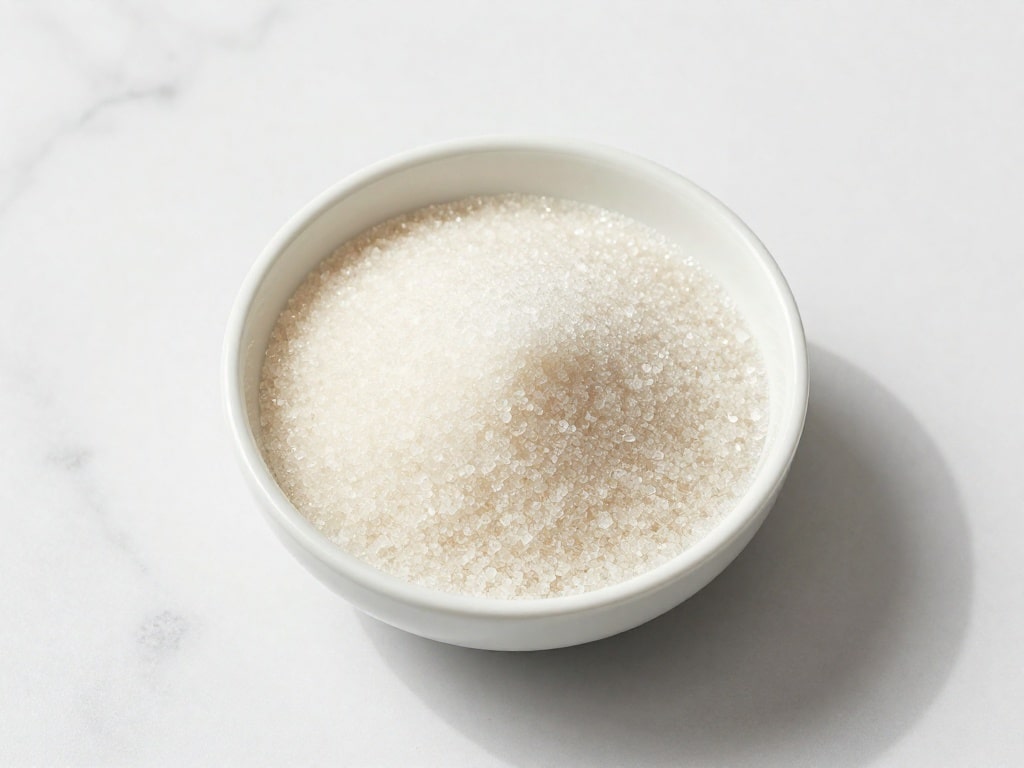
When the pantry is genuinely bare, a savory broth and sugar blend is a technique-first approach that still produces flavorful baked beans. This is not a direct molasses substitute in flavor, but it fills the structural role molasses plays in the sauce.
Using stock adds mouthfeel and depth that plain water cannot provide. Combine 2 tablespoons of a dark bean-cooking liquid or beef broth with 1 tablespoon of white sugar and half a teaspoon of brown sugar.
Reduce the mixture in a small pan for 2 to 3 minutes until slightly syrupy, then stir it into your beans in place of the molasses.
Balance the sugar with a pinch of salt, a few drops of acid such as apple cider vinegar, and a touch of smoke from smoked paprika or liquid smoke to mimic molasses's full flavor impact. This blend will not replicate the color as effectively as the other substitutes, so expect slightly lighter beans.
It works best as a method of last resort or when you are cooking for someone who dislikes the bitterness of standard molasses substitutes.
Decision Guide: How to Choose the Right Substitute
The right substitute depends on three things: the flavor direction of your recipe, what is actually in your pantry, and how much color and glaze thickness matter to the finished dish.
- Deep color and classic molasses sweetness: Reach for brown sugar plus balsamic or white sugar plus blackstrap molasses. Both deliver the darkest results, though the blackstrap version needs careful balancing with acid.
- Budget-friendly and quick: Dark corn syrup or dark maple syrup require no mixing and work at a straight 1:1 ratio with minimal adjustment.
- Smoky profile: Favor brown sugar plus balsamic and reinforce the smokiness with smoked paprika or liquid smoke. For paprika swaps in the same recipe, check the paprika substitutes guide for quick options.
- Thick glaze priority: Honey is the most viscous of all the substitutes and reduces well during baking. Add cocoa powder to deepen the flavor.
- Avoiding bitterness: Skip blackstrap and stick to dark corn syrup or maple syrup, both of which are mild and approachable in flavor.
Choose your substitute based on flavor goal, pantry availability, and color priority. For deep color, use brown sugar with balsamic or white sugar with blackstrap. For a quick pantry swap, dark corn syrup or maple syrup work at 1:1. For a thick glaze, honey is your best tool.
If you want deep color and a classic baked-bean taste, brown sugar plus balsamic vinegar at the 2:1 ratio is the most versatile and reliable substitute across all bean styles.
Frequently Asked Questions
Can I substitute molasses in baked beans with fruit juice?
Fruit juice is not ideal because it lacks the bitterness and viscosity molasses provides. Use it only in an emergency, and reduce it by half on the stovetop first to concentrate the flavor and minimize added liquid.
How do I adjust spices when using substitutes?
Increase salt slightly to compensate for the reduced mineral depth that molasses normally provides. A pinch of smoked paprika or a few drops of liquid smoke also helps restore the savory complexity the substitutes may soften.
Will substitutes affect cooking time?
No major change in cooking time is needed. However, watch the glaze thickness in the last 20 minutes; thinner substitutes like maple syrup may require an extra 10 minutes uncovered to reduce and set properly.
Are substitutes interchangeable in all bean styles?
Generally yes, with attention to sweetness balance. Delicate white bean recipes benefit from milder swaps like maple syrup, while heartier navy or pinto bean recipes can handle stronger options like white sugar with blackstrap molasses.
How do I store baked beans made with substitutes?
Store them exactly as you would standard baked beans: in an airtight container in the refrigerator for up to 5 days. Adding a small splash of apple cider vinegar before refrigerating helps maintain both color and acidity during storage.
Savory Tweaks: 5 BEST Molasses Substitutes in Baked Beans
Ingredients
Method
- Choose your substitute based on the dish type and desired flavor match. Consider color priority, glaze thickness, and your recipe's flavor direction before selecting.
- Prepare the substitute as directed: adjust ratios and prep as noted for each option. For the brown sugar and balsamic combination, stir together before adding to the pot.
- Apply the substitution ratio carefully. Start with the stated amount and adjust to taste, keeping in mind that blackstrap molasses and balsamic vinegar should be used conservatively.
- Taste and adjust seasoning. Some substitutes shift sweetness or color slightly; add a pinch of salt, a touch of acid, or a small amount of smoked paprika as needed to restore balance.
Notes
- Reduce other added sugars by about 25% when using honey or maple syrup to prevent oversweetening.
- Blackstrap molasses is far more bitter than regular molasses; always pair it with white sugar and a touch of apple cider vinegar to keep the bitterness in check.
Tried this recipe?
Let us know how it was!
Carrie is a food writer and editor with more than 15 years of experience. She has worked for some of the biggest names in the food industry, including Bon Appétit, Food & Wine, and Martha Stewart Living.
As the Editor in Chief of EpicureDelight, Carrie oversees all of the content on the site. She also manages the team of contributing writers and editors, who help to create delicious recipes, helpful tips, and informative articles that you’ll find on the site.
A native of the Chicago area, Carrie is passionate about all things food. She loves trying new restaurants and experimenting with new recipes in her kitchen. She’s also a graduate of the Culinary Institute of America, so she knows a thing or two about food!



