
Navy beans have a quiet power in recipes: they thicken soups without making them heavy, hold their shape in stews, and blend into silky purees that act as a base for sauces and fillings. When you run out of them, or simply cannot find them, the texture gap they leave behind is real.

The right swap depends on what role navy beans are playing in your dish.
Most navy bean substitutes fall into two camps: those that hold their shape through cooking, and those that break down into a creamy body. Knowing which camp your recipe needs is the first decision to make.
For hearty soups and dishes that pair well with leafy greens and bold Southern flavors, you want a substitute that can absorb broth without turning to mush.
For thick sauces and purees, you want the opposite: a bean or legume that dissolves smoothly into the base.
This guide covers five substitutes with exact ratios and context-specific guidance. Each one is matched to the cooking situation where it performs best, so you can swap with confidence rather than guesswork.
The five best navy bean substitutes are great northern beans, cannellini beans, chickpeas, red lentils, and white bean puree. Each one matches a specific function: texture, creaminess, protein, or binding. Use a 1:1 ratio for most swaps, adjusting liquid and salt based on the substitute you choose.
Navy Beans Substitutes in Detail
Navy beans are small, starchy, and mild. They carry liquid well, thicken soups naturally, and hold together in baked dishes without turning gummy.
Each substitute below fills one or more of those roles, with the ratio column giving you the exact starting point before you adjust to taste.
Canned beans swap directly into most recipes without soaking or pre-cooking. Dried beans need a 1:1.2 correction because they absorb more liquid as they hydrate.
The table below lays out the five substitutes by function so you can match the swap to the actual job navy beans do in your recipe.
| # | Substitute | Ratio (navy : sub) | Best For | Taste Match |
|---|---|---|---|---|
| 1 | Great Northern Beans | 1:1 (canned); 1:1.2 (dried) | Soups, stews, purees, fillings | Very Close |
| 2 | Cannellini Beans | 1:1; 0.9:1 for baked goods | Casseroles, baked dishes, dips | Close |
| 3 | Chickpeas (Garbanzo) | 1:0.9; 1:1 if minced | Hearty soups, stews, fillings | Mild Difference |
| 4 | Red Lentils | 1:1; 1:0.75 for thicker puree | Purees, thick soups, dal-style dishes | Mild Difference |
| 5 | White Bean Puree | 1:1 (pureed) | Thick sauces, gravies, creamy fillings | Close |
Save This for Later
Pin this savory tweaks: 5 best navy beans substitutes guide so you always have it when you need it.
Pin This GuideNavy Bean Substitutes in Detail
1. Great Northern Beans: The Creamy Stand-In
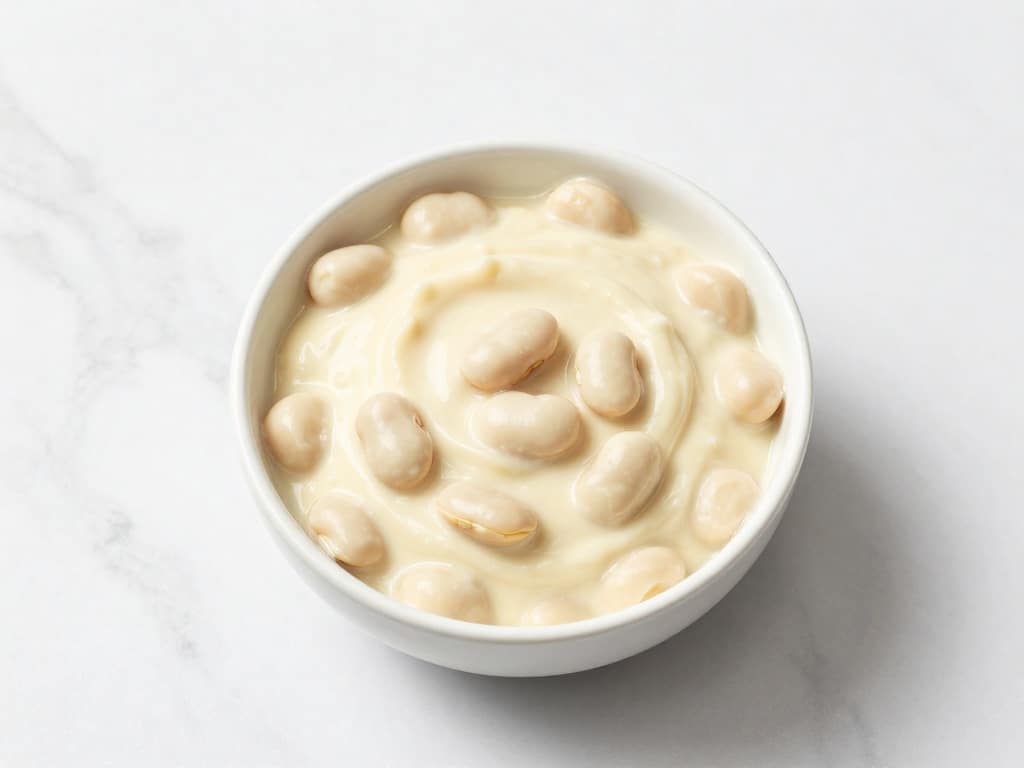
Great northern beans are the most direct swap for navy beans in nearly every cooking context. They are slightly larger, with a thin skin and a dense, creamy interior that behaves almost identically when simmered in broth.
Use a 1:1 ratio for canned beans, and bump to 1:1.2 when using dried great northern beans, since they absorb a bit more liquid during cooking.
In hearty soups and stews, great northern beans hold their shape through long, slow cooking without turning pasty. They are also excellent in blended fillings, where their creamy interior purées smoothly into dips, spreads, or stuffed pepper mixtures.
The flavor is noticeably mild, slightly more buttery than navy beans, which makes them easy to season from a neutral base. If your recipe uses aromatic vegetables like onion, celery, or bay leaf, great northern beans absorb those flavors at roughly the same rate as navy beans, so no timing adjustment is needed.
One practical note: great northern beans are softer than chickpeas but firmer than red lentils after cooking. If your recipe calls for whole beans in a finished dish rather than a pureed application, drain and rinse canned great northern beans before adding them in the last 15 minutes of simmering.
This keeps their texture intact. For recipes where a creamy, starchy base is the goal, great northern beans can be blended directly into the liquid without pre-draining.
Salt adjustment is minimal. Great northern beans have a slightly lower natural sodium content than many canned navy beans, so taste the dish after adding them and adjust accordingly.
A pinch of white pepper or a small amount of garlic powder can sharpen the flavor if the swap feels too neutral.
Great northern beans offer a creamy texture nearly identical to navy beans. They are ideal for purees, blended fillings, and long-simmered soups where a smooth, mild base is the goal.
2. Cannellini Beans: Mild, Smooth, and Adaptable
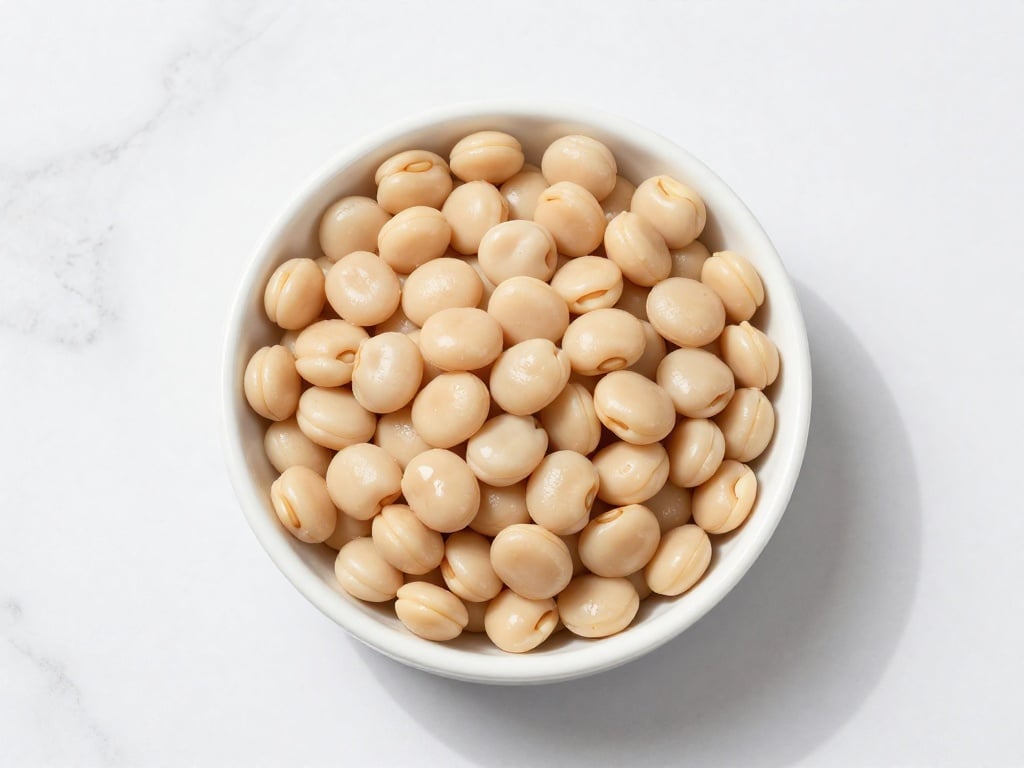
Cannellini beans are the Italian cousin of navy beans: larger, creamier, and with a flavor so gentle it rarely registers as "beany" in a finished dish. Use a 1:1 ratio for most recipes, including soups, casseroles, and dips.
For baked goods, pull back slightly to a 0.9:1 ratio (0.9 cups cannellini per 1 cup navy) to preserve firmness, since cannellini have a higher moisture content and can soften further under oven heat.
One practical concern with cannellini is color. The beans are ivory-white and slightly larger than navy beans, which means they are more visible in a finished dish.
In a dark, broth-heavy stew, this is a non-issue. In a lighter casserole or white bean gratin, the larger size changes the visual texture of the dish.
To minimize this, slice or roughly mash cannellini before adding them to baked preparations so they integrate more seamlessly with the surrounding ingredients.
Cannellini beans hold their shape well during moderate cooking times. They do not fall apart as quickly as red lentils, making them a better choice for dishes with heartier proteins where the beans serve as a starchy backdrop.
Drain and rinse them before use to remove excess starch from the can liquid, which would otherwise make the dish slightly cloudy.
For baked goods that use navy beans as a binding agent, such as white bean brownies or dense bean-based muffins, reduce the liquid in the recipe by about two tablespoons per cup of cannellini to account for their higher moisture level.
This keeps the batter from becoming too loose.
Cannellini beans have very light flavor and maintain creaminess without overwhelming other ingredients. In baked dishes, reduce the ratio slightly to 0.9:1 and cut back on added liquid by two tablespoons per cup.
3. Chickpeas (Garbanzo): Hearty, Dense Texture
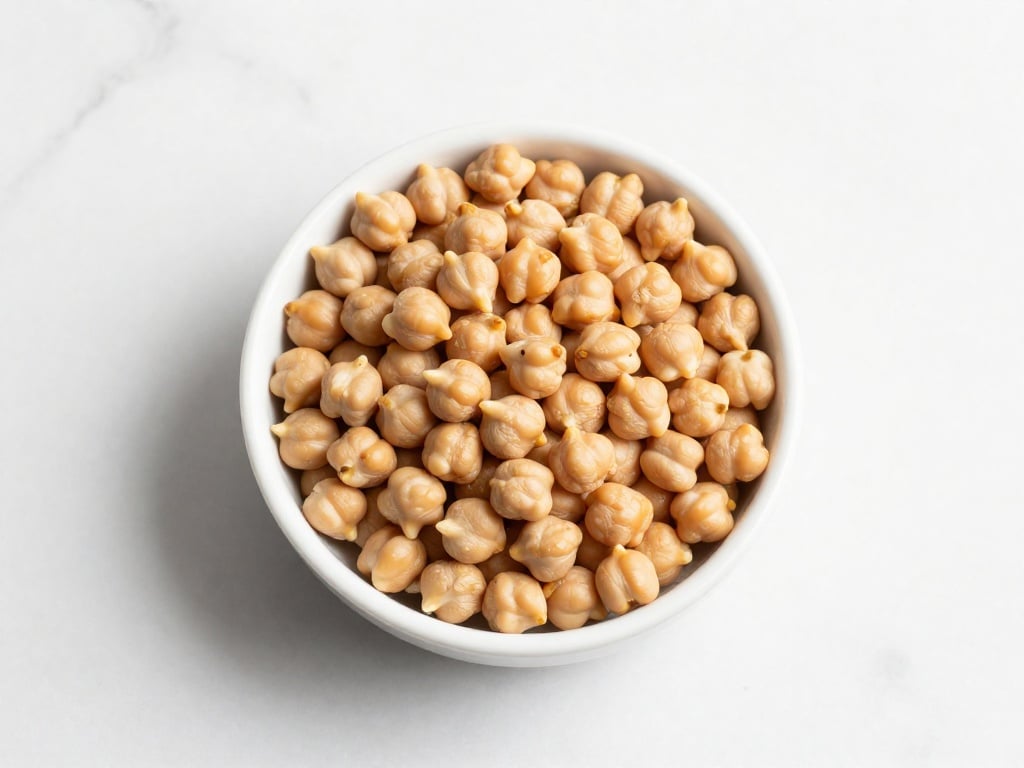
Chickpeas bring more bite and more protein than navy beans. Use 0.9 cups chickpeas for every 1 cup of navy beans to avoid overpowering the dish with their denser texture.
If you are using chickpeas in a filling where the beans will be minced or pulsed, a straight 1:1 swap works fine because the processing reduces the size difference.
In hearty soups and stews, al dente chickpeas hold their structure noticeably longer than navy beans, which is an advantage when you want distinct whole beans visible in the bowl. They do not break down naturally during simmering the way navy beans do, so do not expect them to contribute to thickening the broth on their own.
If your recipe relies on navy beans partially dissolving to build body, add a tablespoon of pureed chickpeas or a small amount of cornstarch to compensate.
The flavor shift with chickpeas is real but manageable. They have a slightly nutty, earthy profile that navy beans lack.
In well-seasoned dishes with bold aromatics or spicy elements, this difference is barely noticeable. In milder preparations like white bean soup with just herbs and broth, the nuttier flavor of chickpeas will come through more clearly.
Adding a small squeeze of lemon juice at the end of cooking helps brighten chickpeas and bring them closer to navy bean's cleaner flavor.
Canned chickpeas are ready to use immediately. Dried chickpeas require an overnight soak and a longer cooking time, around 45 to 60 minutes at a low simmer, before they are tender enough to substitute directly.
Chickpeas will not break down and thicken broth the way navy beans do. If your recipe needs that natural starch body, blend a small portion of the chickpeas separately and stir the puree back into the pot.
4. Red Lentils: Quick-Cooking, Silky Alternative
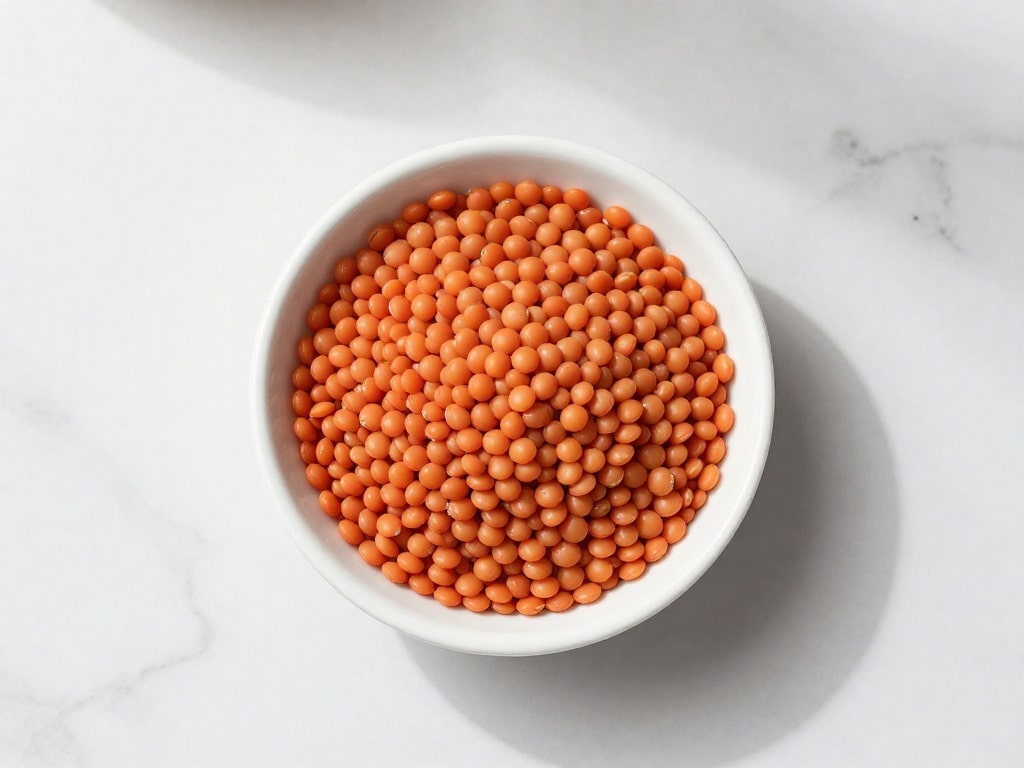
Red lentils are the fastest substitute on this list and the best one for recipes where a smooth, creamy texture is the end goal. Unlike whole beans, red lentils break down completely within 20 to 25 minutes of simmering, turning into a thick, velvety mass that blends seamlessly into purees, thick soups, and dal-style preparations.
Use a 1:1 ratio of red lentils to navy beans for a milder body; drop to 1:0.75 if you want a thicker, denser puree.
The key limitation is that red lentils do not hold their shape. If your recipe calls for whole beans you can spoon up in a broth, red lentils are the wrong swap.
They are the right swap when navy beans are doing structural work in a pureed sauce, a filling that gets processed anyway, or a thick soup where a smooth consistency is the target. For recipes built around soft, tender textures, red lentils integrate without any visual disruption.
Timing matters with red lentils. Add them to soups or stews earlier than you would add canned navy beans, roughly 20 to 25 minutes before the dish is done.
They cook down quickly and do not need pre-soaking. Rinse them under cold water first to remove surface starch, which can cause foaming in the pot.
The flavor is earthy and slightly sweet, with a gentle nuttiness that is less pronounced than chickpeas. In well-spiced dishes, the flavor difference is minimal.
In lighter preparations, a small pinch of cumin or smoked paprika can bridge the gap between red lentil's earthiness and navy bean's cleaner taste.
Red lentils cook in 20 minutes with no soaking required. For a fast puree base, simmer 1 cup of rinsed red lentils in 2 cups of broth until fully dissolved, then blend smooth before adding to your recipe.
5. White Bean Puree: The Cream-Center Swap
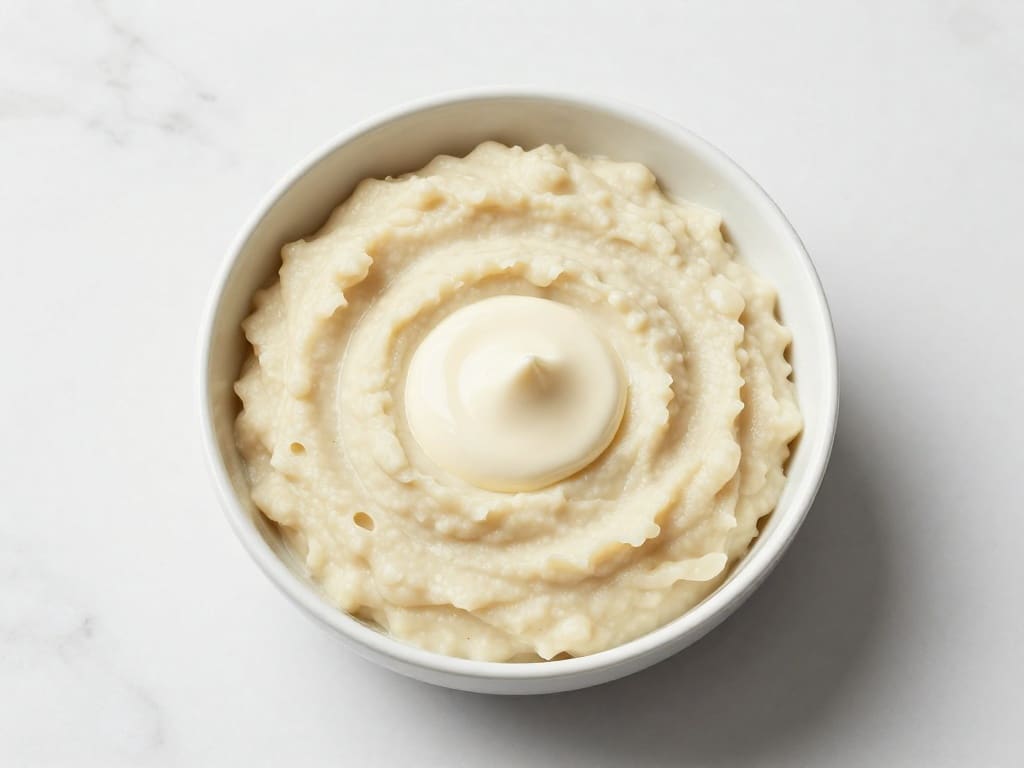
White bean puree is a specific technique rather than a single ingredient. You blend cooked white beans (cannellini, great northern, or any mild garbanzo blend) into a smooth paste, then use that paste as a direct stand-in for navy beans in recipes where creaminess and body are the primary goal.
Use a 1:1 ratio by volume, swapping one cup of navy beans for one cup of puree, and adjust the moisture level with broth or water to match the consistency of the original recipe.
This substitution works best in thick sauces, gravies, creamy fillings, and any preparation where the beans are supposed to disappear into the background. The puree adds starch, protein, and a neutral creaminess without the visual presence of whole beans.
For recipes where a smooth, umami-rich base is the target, white bean puree contributes a similar body without asserting a strong flavor of its own.
To make the puree, drain and rinse canned white beans, then blend them with a small amount of olive oil and a tablespoon or two of water until completely smooth. The puree should be thick enough to hold a spoon's shape but fluid enough to stir into a sauce without lumps.
If the puree is too thick, thin it with warm broth in one-tablespoon increments until you reach the right consistency.
One handling note: white bean puree can thicken significantly as it sits or heats. Stir it into hot dishes over medium-low heat rather than high, and add your liquid adjustment before the dish reaches a full boil.
This prevents the puree from seizing into a stiff paste at the bottom of the pan.
White bean puree is the best swap for sauces, gravies, and creamy fillings. It minimizes bean presence in both color and texture, giving you a smooth, neutral base that holds its body without clumping.
How to Choose the Right Substitute?
The fastest way to pick a substitute is to identify what navy beans are doing in your recipe before you start. Are they adding body to a broth?
Providing protein and bulk in a filling? Creating a smooth, creamy base for a sauce?
Each answer points to a different swap. For dishes where binding and starch structure matter, the texture-first substitutes outperform the flavor-first ones.
For mellow preparations where the bean flavor is part of the profile, a mild substitute like cannellini or great northern beans will preserve the dish's character better than chickpeas or lentils.
- Texture-first recipes (soups, stews with whole beans): Start with great northern beans or chickpeas. Both hold their shape through long cooking without breaking down into the broth.
- Flavor-first recipes (mild casseroles, white bean dips, light soups): Use cannellini or great northern beans. Their neutral flavor keeps the dish's original profile intact without introducing competing notes.
- Protein-first recipes (hearty fillings, protein-heavy stews): Chickpeas deliver more protein per cup than navy beans and hold up to bold seasoning without losing texture.
- Creamy base recipes (sauces, gravies, pureed soups): Red lentils or white bean puree dissolve or blend into smooth, velvety textures that navy beans would naturally provide.
When cooking, start with the texture target and adjust liquid and salt in the final steps. A substitute that is too thick needs a splash of warm broth; one that is too loose needs an extra two to three minutes of uncovered simmering to reduce.
Seasoning adjustments are small but worth making. Chickpeas benefit from a squeeze of lemon to cut their nuttiness.
Red lentils absorb seasoning fast, so salt toward the end of cooking rather than the beginning. Cannellini and great northern beans are close enough to navy beans that no adjustment is typically needed beyond tasting before serving.
For dishes with complex starch structures where moisture balance is critical, reduce added liquid by two tablespoons per cup when using high-moisture substitutes like cannellini.
Frequently Asked Questions
What is the closest texture substitute to navy beans?
Great northern beans are the closest match. They have a thin skin and dense, creamy interior that behaves nearly identically to navy beans in soups, stews, and pureed fillings.
Can I substitute canned beans directly 1:1?
Yes. Canned great northern, cannellini, and chickpeas all swap at 1:1 by volume with canned navy beans. Dried beans need a 1:1.2 ratio to account for liquid absorption during cooking.
Which substitution changes flavor the least?
Cannellini beans change the flavor least. Their taste is so mild that most tasters cannot distinguish them from navy beans in seasoned soups or casseroles.
Do chickpeas taste noticeably different from navy beans?
Chickpeas have a slightly nutty, earthy taste that navy beans lack. In well-spiced dishes the difference is minimal, however in mild preparations a small squeeze of lemon helps close the flavor gap.
Will red lentils hold their shape like navy beans?
No. Red lentils fully dissolve after 20 to 25 minutes of simmering, making them unsuitable for dishes that require whole visible beans. They work best in pureed soups, thick sauces, and blended fillings.
Savory Tweaks: 5 BEST Navy Beans Substitutes
Ingredients
Method
- Choose your substitute based on the dish type and desired flavor match. Use great northern or cannellini for mild flavor, chickpeas for protein and bite, red lentils for smooth purees, and white bean puree for creamy sauces.
- Prepare the substitute as directed: rinse canned beans before use, soak dried beans overnight, and blend white beans with olive oil and a small amount of water until completely smooth for the puree option.
- Apply the substitution ratio carefully. Start with the stated amount (1:1 for most canned swaps, 1:1.2 for dried) and adjust liquid levels up or down based on the consistency of your dish.
- Taste and adjust seasoning before serving. Add a squeeze of lemon to chickpeas to reduce nuttiness, salt red lentils at the end of cooking, and thin white bean puree with warm broth if it thickens too much during heating.
Notes
- For baked goods using cannellini, reduce the ratio to 0.9:1 and cut added liquid by two tablespoons per cup to prevent a loose batter.
- Red lentils dissolve completely during cooking and are not suitable for dishes that require whole visible beans. Use them only in pureed or blended applications.
Tried this recipe?
Let us know how it was!
Carrie is a food writer and editor with more than 15 years of experience. She has worked for some of the biggest names in the food industry, including Bon Appétit, Food & Wine, and Martha Stewart Living.
As the Editor in Chief of EpicureDelight, Carrie oversees all of the content on the site. She also manages the team of contributing writers and editors, who help to create delicious recipes, helpful tips, and informative articles that you’ll find on the site.
A native of the Chicago area, Carrie is passionate about all things food. She loves trying new restaurants and experimenting with new recipes in her kitchen. She’s also a graduate of the Culinary Institute of America, so she knows a thing or two about food!



