
Some recipes and cocktails call for non-alcoholic vodka, and the swap sounds simple until you're staring at a half-built mocktail with something that tastes flat and watery. The real challenge is that vodka, even the non-alcoholic kind, contributes more than just volume.

It adds a neutral carrier for esters and aroma, a clean mouthfeel, and a mild acidity that keeps cocktails crisp and savory dishes balanced.
Not every substitute mimics those qualities equally well. Esters and mouthfeel are two of the biggest gaps when swapping out alcohol-free vodka, and the wrong choice can make a cocktail taste thin or a sauce taste oddly sweet.
The five substitutes covered here come from bartending practice and home cooking alike: white grape juice with citrus, white grape juice concentrate, aloe vera juice, white tea infusion, and neutral non-alcoholic spirit substitutes.
Each works better in some contexts than others, and each carries a specific ratio and tradeoff worth knowing before you pour.
If you already rely on sour mix substitutes in your mocktail builds, you'll find the acidity logic here works the same way. The goal is always to maintain balance without letting one flavor take over.
By the end, you'll have exact ratios, clear best-use cases, and a quick-reference table to pick the right option fast, regardless of whether you're shaking a cocktail or deglazing a pan.
The five best non-alcoholic vodka substitutes are white grape juice with citrus, white grape juice concentrate, aloe vera juice, white tea infusion, and a neutral non-alcoholic spirit. Each has a specific ratio and works better in certain drinks or dishes. Match your substitute to the sweetness, aroma, and mouthfeel your recipe needs.
Substitutes at a Glance
These five substitutes cover the main categories: fruit-based liquids, plant-based neutral liquids, tea infusions, and purpose-built non-alcoholic spirit products. Each one lands differently depending on what role vodka is playing in your drink or dish.
Some preserve clarity and aroma; others bring body and a gentle sweetness that needs managing.
The table below maps each substitute to its ratio, primary use, and the tradeoff you'll most likely need to address. Think of it as your starting grid before you read the full breakdown for each option.
| # | Substitute | Ratio | Best For | Taste Match |
|---|---|---|---|---|
| 1 | White grape juice + citrus splash | 1:1 | Bright cocktails, light marinades | Mild |
| 2 | White grape juice concentrate + water | 2 parts concentrate : 3 parts water | Sangrias, berry cocktails, sauces | Mild to Close |
| 3 | Aloe vera juice (unflavored) + water | 1:1 | Savory drinks, high-salt cocktails | Different |
| 4 | White tea infusion + water | 1 part tea : 2 parts water | Tea-forward cocktails, cooking sauces | Different |
| 5 | Neutral non-alcoholic spirit (NA-NAS) | 1:1 | Nearly any cocktail or marinade | Close |
Sweetness is the most common problem across all five options. Fruit-based substitutes raise sugar levels, which can throw off a dry sherry substitute-style pairing or make a savory sauce taste dessert-adjacent.
Heat stability is the other variable: aloe vera and white tea hold up better in warm applications than grape juice, which tends to caramelize early.
Sweetness is the most common problem when swapping non-alcoholic vodka. Always taste before serving and add a squeeze of citrus or a pinch of salt to bring balance back.
Save This for Later
Pin this savory tweaks: 5 best non-alcoholic vodka substitutes guide so you always have it when you need it.
Pin This GuideNon-Alcoholic Vodka Substitutes in Detail
1. White Grape Juice + a Splash of Citrus
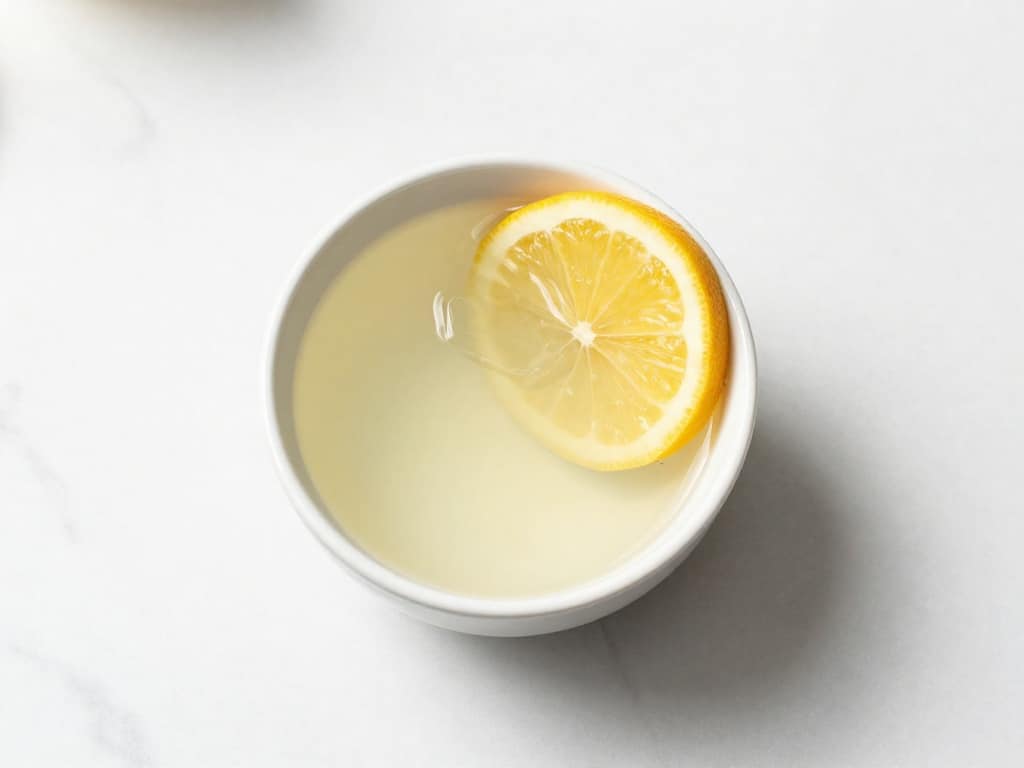
White grape juice is the most accessible starting point, and at a 1:1 ratio, it replaces non-alcoholic vodka volume for volume in cocktails and light marinades.
Use it straight from the bottle and add a small squeeze of lemon or lime, roughly a teaspoon per cup, to lift the flat sweetness and approximate the clean edge that vodka delivers.
This substitute works best in bright, crisp cocktails: think cucumber coolers, light sangrias, and white-wine-style mocktails. In savory marinades where alcohol flash-flavors are not essential, white grape juice also does well, carrying other aromatics like garlic, herbs, or ginger without competing.
The color stays pale gold, which is a visual match for most vodka-based drinks.
The main tradeoff is sugar. White grape juice contains natural sugars that standard vodka, alcoholic or not, does not carry.
In a drink that already includes simple syrup or fruit juice, that extra sweetness stacks up fast. You may need to reduce or skip any added sweetener in the recipe.
Acidity adjustment is almost always necessary: without the citrus splash, the juice reads sweet and flat rather than clean and neutral.
Color is a minor issue in clear drinks. White grape juice has a faint amber tint that can slightly muddy a crystal-clear mocktail, though it disappears entirely in blended or opaque drinks.
For an authentic look in a clear glass, dilute with a small amount of water, up to a quarter cup per cup of juice, to lighten both the color and the sweetness simultaneously. This substitute pairs well with recipes that also use malt vinegar alternatives as an acidic backbone.
White grape juice with a citrus splash is the most pantry-friendly option for bright, crisp mocktails. It needs acidity correction but delivers a clean, neutral base at no extra cost.
2. White Grape Juice Concentrate + Water (2:3)
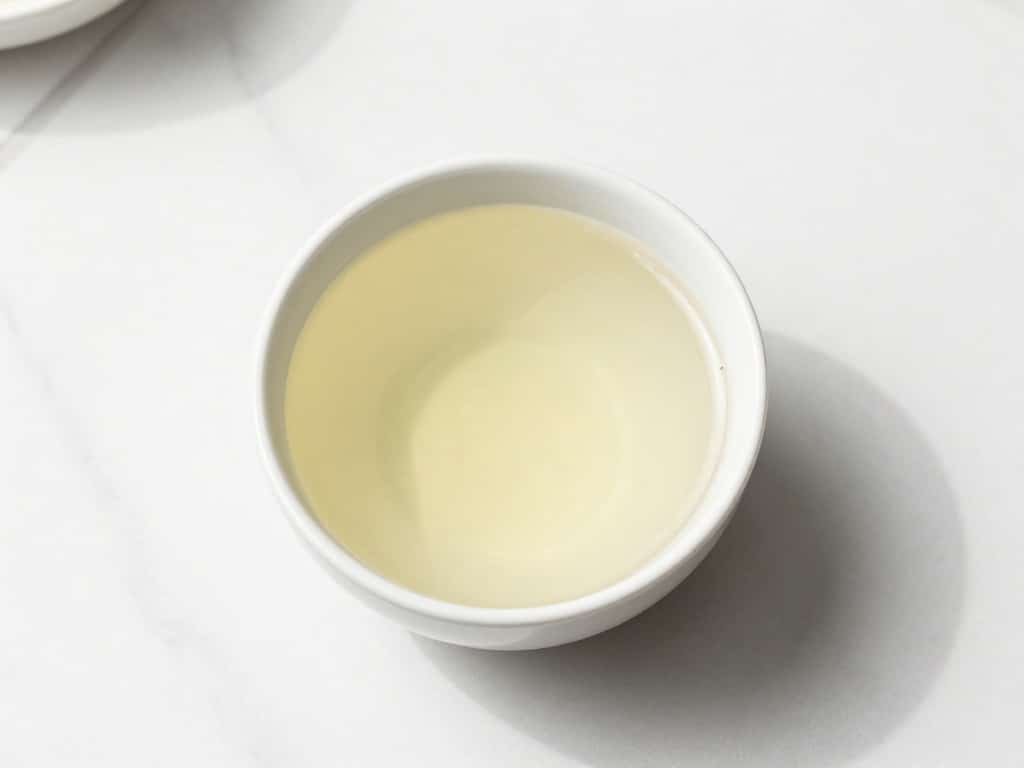
White grape juice concentrate is a more intense version of the juice above, and diluting it correctly is the whole game. The working ratio is 2 parts concentrate to 3 parts water to replace 1 part vodka.
This blend is slightly more viscous than plain juice, which gives it a small mouthfeel advantage in cocktails that need a bit of body.
This substitute shines in muddled berry cocktails, sangrias, and cooking sauces where you want a wine-like lift without actual wine. The concentrate carries more fruit depth than diluted juice, so it reads closer to a low-alcohol white wine base than a neutral spirit.
In sauce reductions, that depth is an asset; in a clean vodka soda-style drink, it can feel slightly too present.
Sweetness is the main concern, even more so than with regular white grape juice. At full concentrate strength, the sugar is very high.
Always dilute to the 2:3 ratio before adding to any recipe, and taste the mix before it goes into the glass or pan. A few drops of white wine vinegar or fresh lemon juice can balance the sweetness in cold drinks.
In warm sauces, the concentrate reduces and concentrates further, so add it earlier in the cook and monitor the flavor as it reduces.
Texture matters here. The slightly thicker consistency from the concentrate helps in shaken cocktails, where a thin liquid produces almost no foam or body.
It will not foam like egg white or aquafaba, however it does add a more satisfying weight to the finished drink. This option is also lower cost than purpose-built NA spirits and widely available in grocery stores.
For dishes that also call for vinegar-based acidity adjustments, the concentrate's sweetness can actually serve as a balancing counterweight.
Mix the concentrate the night before and refrigerate in a sealed jar. It stays ready for up to five days and dissolves evenly into cold cocktails straight from the fridge.
3. Aloe Vera Juice (Unflavored) + Water (1:1)
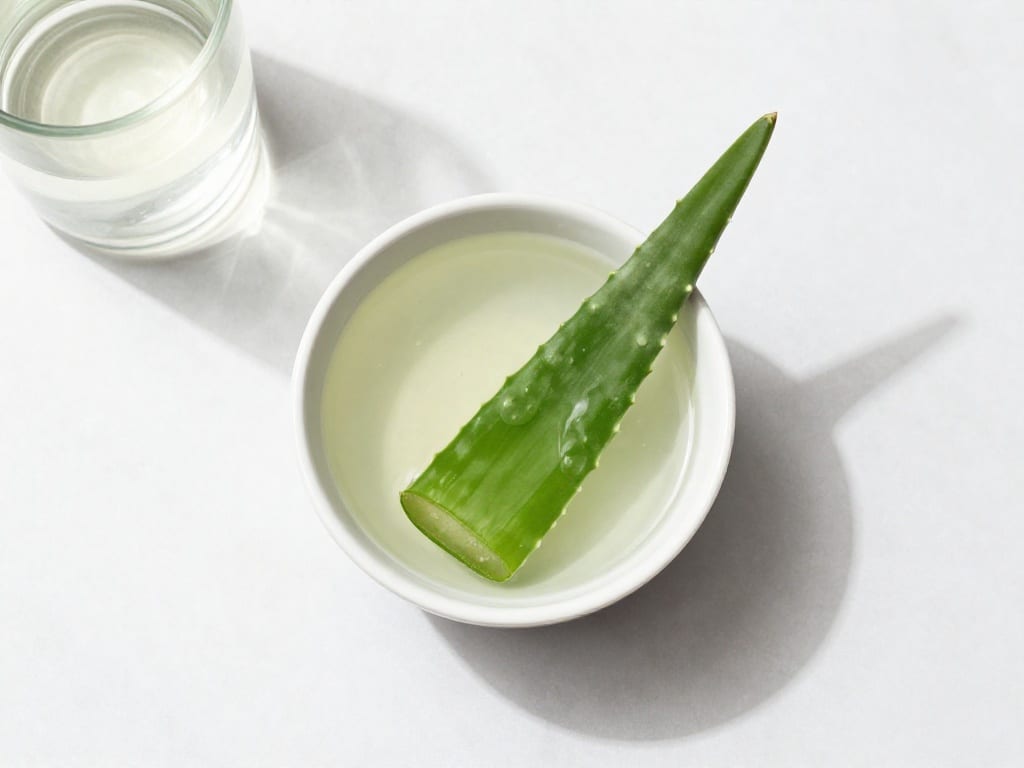
Aloe vera juice is the least intuitive substitute on this list, and also one of the most useful in the right context. Use unflavored, food-grade aloe vera juice at a 1:1 ratio with water to match the volume of vodka.
The result is a nearly clear, very lightly vegetal liquid with a subtle alkaline quality that sets it apart from fruit-based options.
That alkaline character is actually the point. In savory, high-salt cocktails, such as a non-alcoholic Bloody Mary or a salty dog-style mocktail, aloe's mild bitterness and smooth mouthfeel replicate the way vodka carries salt and umami without sweetening the drink.
It holds its own next to tomato juice, olive brine, or celery salt in a way that grape juice simply cannot. In light marinades for fish or chicken, aloe vera juice also adds a subtle tenderizing quality without competing with herbs or spices.
The tradeoff is flavor visibility. Low-quality or flavored aloe products taste strongly of the plant, which reads as bitter and odd in most cocktails.
Always choose a product labeled "unflavored" and "food-grade," and taste it straight before using. A small amount of fresh lime juice, about half a teaspoon per cup, counters any lingering bitterness without adding sweetness.
Color stays clear, which makes this a strong choice for visually clean drinks where grape juice would add unwanted color.
Aloe vera juice does not carry aroma the way even diluted grape juice does. If your cocktail depends on aromatic layers, add a small strip of citrus peel or a sprig of fresh herb to compensate.
In warm drinks, aloe holds up without breaking down or caramelizing, making it more heat-stable than fruit-based options. Pairing it with smoked paprika in a savory mocktail rub or rim salt adds a complexity that grape juice could never deliver.
Always use unflavored, food-grade aloe vera juice. Flavored or sweetened varieties will overpower savory cocktails and make marinades taste artificial.
4. White Tea Infusion (Cold) + Water (1:2)
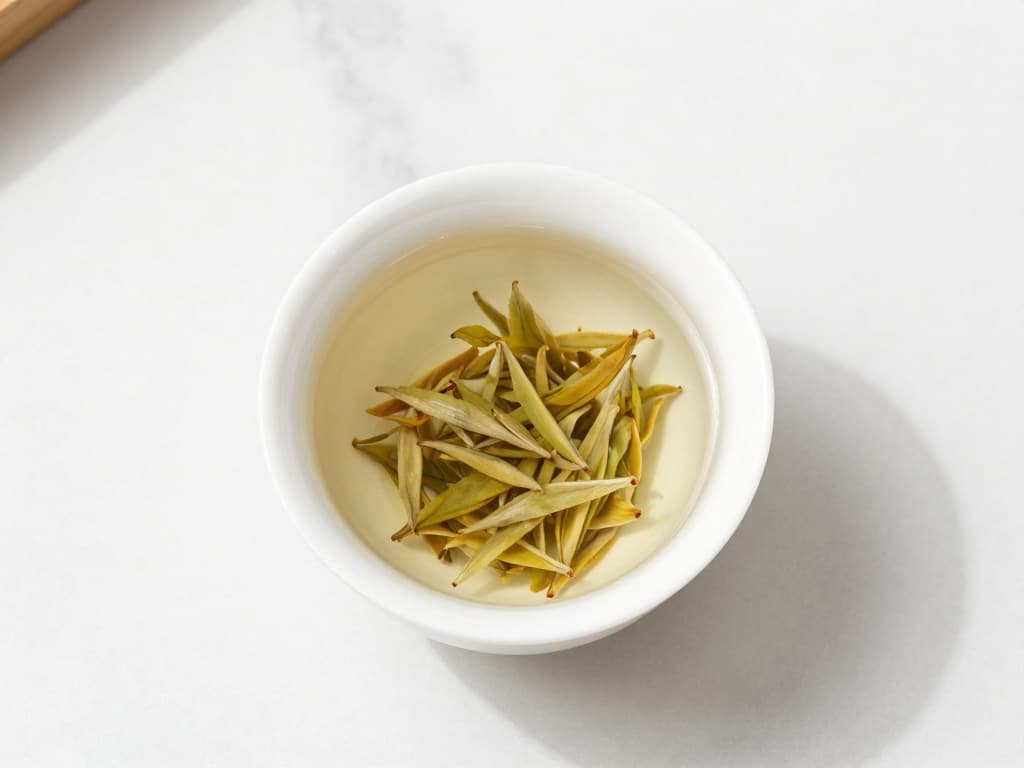
White tea, brewed cold and diluted, is one of the cleverest aroma proxies for non-alcoholic vodka because it introduces tannin structure and a faint floral note without sweetness or obvious flavor. The ratio is 1 part cold white tea infusion to 2 parts water to replace 1 part vodka.
Steep the tea cold in the fridge for 4 to 6 hours using 1 teaspoon of loose-leaf white tea per cup of cold water, then strain and dilute before using.
This substitute is best for tea-forward cocktails and cooking sauces that benefit from tannin notes, such as a non-alcoholic Earl Grey martini-style drink or a white wine reduction sauce. The tannins give the liquid a dry, slightly astringent edge that can approximate the way vodka cleans the palate between sips.
In a sauce, white tea adds complexity without the sweetness of juice concentrates.
The risk is over-steeping. White tea is delicate, however a steep that runs too long produces a bitter, tannic liquid that dominates everything else in the drink.
Stick to the 4-to-6-hour cold steep and never use hot water, which extracts tannins aggressively. After dilution, the infusion should taste light, faintly floral, and slightly dry, not obviously "tea." If it reads too strong, dilute with an extra splash of water and add a thin slice of cucumber or a twist of lemon to soften the edge.
Cloudiness is a minor concern. Cold-steeped white tea is almost perfectly clear, however if you steep for too long or use hard water, a faint haze can develop.
Strain through a fine mesh or coffee filter before use to ensure a clean, bar-quality appearance. This substitute is particularly effective in recipes where you already manage acidity carefully, much like working with flour swaps that need precise hydration control.
Scale for batch cocktails by multiplying the tea infusion volume and storing it sealed in the fridge for up to three days.
White tea infusion is the best aroma proxy for cocktails that need a dry, floral edge without sweetness. Cold-steep for 4 to 6 hours and dilute 1:2 before using.
5. Neutral Non-Alcoholic Spirit Substitute (NA-NAS) + Water (1:1)
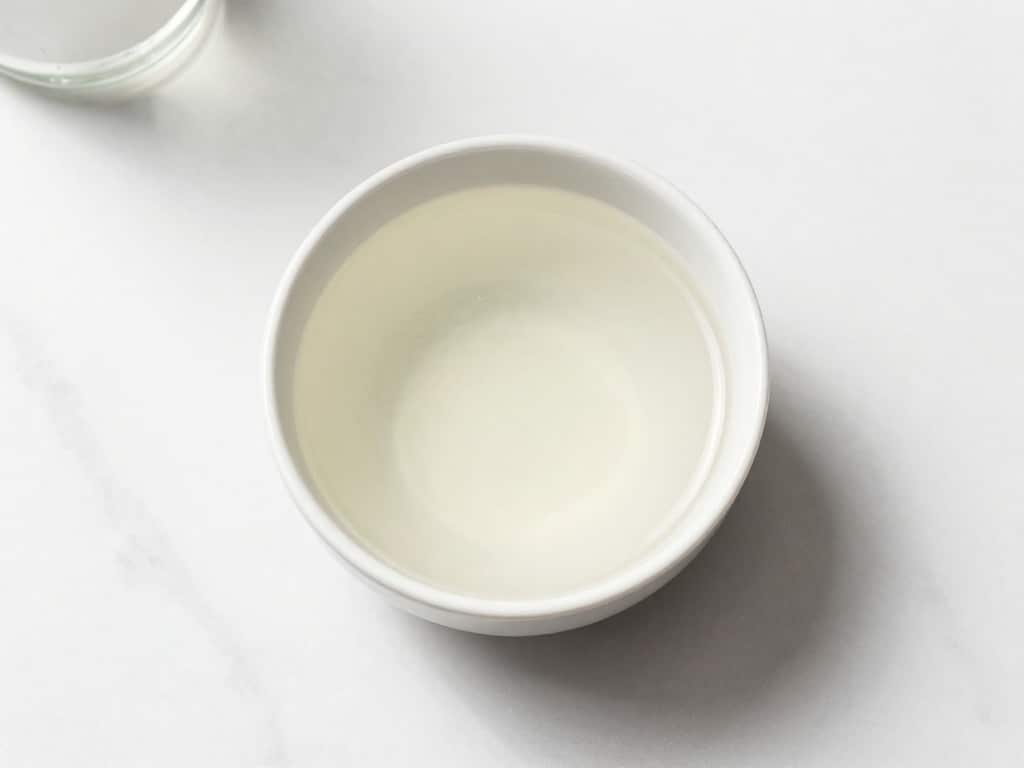
Purpose-built neutral non-alcoholic spirits are the closest available match to actual non-alcoholic vodka in both texture and mouthfeel. Use them at a 1:1 ratio with water to approximate the volume and viscosity of standard vodka.
These products are formulated specifically to replicate spirit-like qualities, including a slight burn sensation from botanical extracts or carbonation, which no fruit juice or tea can reproduce.
This substitute is the right call when you want minimal flavor intrusion and maximum flexibility across cocktail types. It works in nearly any mocktail or marinade calling for vodka, from a clean vodka tonic-style build to a pasta sauce deglaze.
The neutral profile means you do not have to adjust sweetness or acidity the way you would with grape juice or concentrate.
The main tradeoff is price and consistency. NA spirits vary significantly in quality and intensity by brand.
Some are genuinely neutral and spirit-forward; others carry strong botanical flavors that read more like gin than vodka. Read the ingredient list and choose products that specifically advertise a "neutral" or "vodka-style" profile.
Avoid heavily flavored botanical blends unless your cocktail can accommodate those notes. Aroma and that alcohol-free craft sensation vary between brands, so tasting before committing to a full batch is always the right move.
Calorie content varies too. Some NA spirits use added sugars or glycerin to build mouthfeel, which raises the calorie count above what standard non-alcoholic vodka would carry.
If you are making drinks for a health-conscious crowd, check the nutrition label. These products also tend to perform well in starchy, umami-forward dishes where you want neutral base flavor without the sharpness of acidic substitutes.
For a party crowd, NA spirits carry the closest visual and textural resemblance to the real thing, which matters when presentation is part of the experience.
When trying a new NA spirit brand, mix a small test batch first. Quality varies widely, and a 1:1 ratio that works perfectly with one product may need adjustment with another.
How to Choose the Right Substitute?
The decision comes down to three variables: sweetness, aroma, and color in your finished drink or dish. Fruit-based options add sweetness and require acidity correction.
Tea and aloe-based options stay neutral but may need aroma support from citrus peel or fresh herbs. NA spirits are the most plug-and-play, however quality and cost vary enough to make brand selection important.
Always taste and adjust with lemon, lime, or a pinch of salt after swapping, and store any prepared substitute in a sealed bottle in the fridge for up to five days.
- For clear, crisp cocktails: White grape juice with citrus or aloe vera juice keeps color minimal and flavor clean.
- For berry or wine-style drinks: White grape juice concentrate diluted 2:3 adds body and fruit depth without being overpowering.
- For savory drinks and marinades: Aloe vera juice or white tea infusion holds up better in high-salt or high-heat applications.
- For the most neutral swap: A purpose-built NA spirit at 1:1 is closest to the real thing and works across the widest range of recipes, including those that use neutral starch bases or lean on clean, unobtrusive flavors.
- For carbonated drinks: Use any substitute with caution. Add it to the glass before carbonated water and pour gently to preserve fizz.
Frequently Asked Questions
What is the best substitute for savory tomato-based cocktails?
Aloe vera juice at a 1:1 ratio with water is the best pick for Bloody Mary-style mocktails because it carries salt and umami without adding sweetness that fights tomato juice.
Can I replace vodka substitutes in hot drinks?
Yes. Aloe vera juice and white tea infusion are the most heat-stable options. White grape juice concentrates and caramelizes quickly, so add it late in any warm preparation.
Do substitutes affect freezing behavior of cocktails?
Fruit juice-based substitutes freeze more solidly than vodka because they lack alcohol's freezing-point depression. Dilute slightly more before freezing to maintain a scoopable texture.
Which substitutes work best in marinades?
White grape juice with citrus and aloe vera juice both work well in marinades. Aloe adds a mild tenderizing effect; grape juice carries aromatics like garlic and herbs cleanly without competing flavors.
Are substitutes legal in all regions for non-alcoholic labeling?
Fruit juices and teas carry no labeling restrictions, however purpose-built NA spirits are regulated differently by country. Check local guidelines before labeling any finished product as "non-alcoholic" for commercial use.
Savory Tweaks: 5 BEST Non-Alcoholic Vodka Substitutes
Ingredients
Method
- Choose your substitute based on the dish type and desired flavor match. Consider sweetness, aroma, and color in your final drink or dish.
- Prepare the substitute as directed: adjust ratios and prep as noted for each option. Cold-steep white tea 4 to 6 hours in advance; dilute grape juice concentrate to 2:3 before using.
- Apply the substitution ratio carefully. Start with the stated amount and adjust to taste, adding lemon juice, lime juice, or a pinch of salt as needed.
- Taste and adjust seasoning. Some substitutes shift flavor or texture slightly. Store any prepared substitute sealed in the fridge for up to five days.
Notes
- Always taste substitutes before committing to a full batch - quality and sweetness vary by brand and product.
- Add citrus juice or a pinch of salt after swapping to restore balance lost from the absence of alcohol's acidity and mouthfeel.
Tried this recipe?
Let us know how it was!
Carrie is a food writer and editor with more than 15 years of experience. She has worked for some of the biggest names in the food industry, including Bon Appétit, Food & Wine, and Martha Stewart Living.
As the Editor in Chief of EpicureDelight, Carrie oversees all of the content on the site. She also manages the team of contributing writers and editors, who help to create delicious recipes, helpful tips, and informative articles that you’ll find on the site.
A native of the Chicago area, Carrie is passionate about all things food. She loves trying new restaurants and experimenting with new recipes in her kitchen. She’s also a graduate of the Culinary Institute of America, so she knows a thing or two about food!



