
Pancetta is a cured pork belly product, typically salted and sometimes lightly seasoned with pepper or spices. It brings a fatty, savory richness to pasta, soups, and roasted dishes without the smokiness that bacon adds.

When you cannot find it at your local store, knowing what to reach for keeps your recipe on track.
Common substitutes include bacon, guanciale, speck, prosciutto (cooked), and mushroom-based umami for vegetarian options. Each one fits a different cooking context, so the right pick depends on your dish's heat level, desired fat content, and salt tolerance.
This guide maps each substitute to specific situations, from high-heat sautés to delicate cream sauces, with exact 1:1 ratios by weight and clear notes on what you will gain or lose with each swap.
You will also find guidance on adjusting salt and fat so the final dish holds its balance.
For cooks who regularly swap ingredients mid-recipe, having reliable soybean oil substitutes handy alongside pancetta swaps means fewer mid-cook surprises. The same logic applies here: understand what the ingredient does, and the replacement becomes obvious.
All five substitutes below are tested for both cooking and baking scenarios. Read through each one, note the tradeoffs, and use the decision guide at the end to land on your best option fast.
The five best pancetta substitutes are bacon, guanciale, speck, cooked prosciutto, and mushroom-based umami. All swap at a 1:1 ratio by weight. Bacon is the most accessible; guanciale is the closest in flavor. Adjust salt and fat based on which substitute you use.
Pancetta Substitutes in Detail
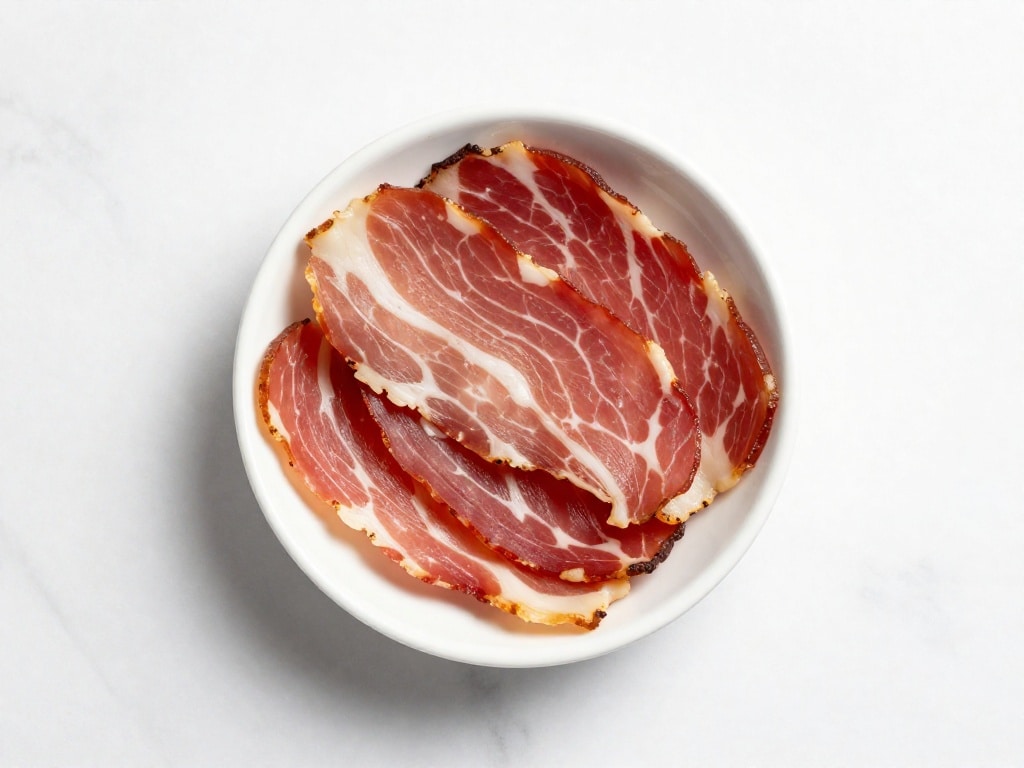
Ratios assume 1:1 substitution by weight unless noted. Salt level varies across these options, so always taste and adjust your recipe's seasoning after swapping.
This table gives you a fast reference before diving into the detail sections below.
| # | Substitute | Ratio | Best For | Taste Match |
|---|---|---|---|---|
| 1 | Bacon (pork) | 1:1 by weight | Cooking and baking | Close, with added smokiness |
| 2 | Guanciale | 1:1 by weight | Pasta, sautés | Very close, richer fat |
| 3 | Speck | 1:1 by weight | Cooking, robust dishes | Smokier, peppery |
| 4 | Prosciutto (cooked) | 1:1 by weight | Low-heat cooking, baking | Mild, leaner, saltier |
| 5 | Mushroom-based umami | 1:1 by weight + salt/fat adjust | Cooking and baking (vegetarian) | Different but savory |
Save This for Later
Pin this savory tweaks: 5 best pancetta substitutes guide so you always have it when you need it.
Pin This Guide1. Bacon (Pork), 1:1 Substitution
Bacon is the most accessible pancetta substitute in most supermarkets, and it swaps in at a straight 1:1 ratio by weight.
Bacon is typically salt-cured and smoked; it cooks faster and renders more fat than pancetta, so you will need to drain excess grease before building your sauce or filling.
The smokiness is the biggest difference. Pancetta is unsmoked, so bacon will add a deeper, campfire-like undertone to your dish.
In pasta sauces like carbonara or amatriciana, this flavor is noticeable. For heartier dishes, braised beans, potato soups, or baked casseroles, potato-based dishes that need a savory boost take well to bacon's extra smokiness without it overwhelming the overall flavor.
Reduce your added salt in the recipe by about 25% when switching to bacon, since most commercial bacon carries more salt than standard pancetta.
Cook it over medium heat and pull it before it crisps fully if the recipe calls for soft, rendered bits rather than crunchy lardons.
- Smoke level: Noticeably higher than pancetta; works best in robust, well-seasoned dishes.
- Fat render: Bacon releases more fat, so spoon off some before finishing the sauce.
- Salt adjustment: Cut added salt by roughly a quarter to avoid over-seasoning.
- Cook time: Slightly faster than pancetta; watch for early crisping.
Bacon is the best overall substitute when you want a similar salt and smoky profile with easy availability. It works in baking and cooking with minimal recipe adjustment beyond a small salt reduction.
2. Guanciale (Pork Jowl), 1:1 Substitution
Guanciale is the closest substitute to pancetta in terms of fat content and uncured richness. It is an unsmoked, fatty pork jowl cured with salt and spices, and it melts beautifully into sauces in a way that closely mirrors how pancetta behaves.
If you can find it, it is the premium swap.
The fat in guanciale is softer and more abundant than pancetta fat, which means it renders into a silkier base for pasta dishes. Roman classics like carbonara and amatriciana are traditionally made with guanciale rather than pancetta.
For a deeper look at how guanciale performs across different recipes, see our guide on guanciale substitutes, which covers the reverse scenario in detail.
Use guanciale at a 1:1 ratio by weight. Because it is fattier, you may want to render it a little longer than you would pancetta to drive off more moisture and get the edges lightly golden.
The seasoning profile, mainly salt, black pepper, and sometimes rosemary, means you usually need no additional spices.
- Availability: Less common than bacon; look in Italian specialty delis or online.
- Fat content: Higher than pancetta, so render longer for a clean base.
- Flavor match: The closest unsmoked option to pancetta available.
- Best dishes: Pasta sauces, risotto, and slow-cooked vegetable dishes.
Guanciale is the best option for recreating authentic Italian flavor in sauces. Render it slowly over low heat to release its fat before adding other ingredients.
3. Speck, 1:1 Substitution
Speck is a cured and smoked pork product from the Tyrol region of northern Italy and Austria, often seasoned with paprika, juniper, and black pepper.
It is firmer than pancetta and carries a more assertive flavor, so it pairs best with dishes that can absorb bold, smoky notes rather than delicate cream-based sauces.
At a 1:1 ratio by weight, speck swaps in cleanly for pancetta in roasted vegetable dishes, hearty pasta bakes, and braised meats. Its paprika seasoning adds a mild reddish color to rendered fat, which can deepen the color of a tomato sauce or a bean stew in an appealing way.
Recipes that already call for hot paprika substitutes will find that speck's built-in paprika note harmonizes well.
Speck is typically sliced thin, so dice or stack slices before rendering. It renders slightly less fat than pancetta, meaning you may want to add a small drizzle of olive oil to the pan first.
Because speck is saltier than pancetta, reduce your added salt by 20 to 30% and taste before seasoning further.
- Smoke level: Higher than pancetta but lower than most American bacon.
- Spice notes: Juniper and paprika add complexity, great for stews and bakes.
- Fat output: Leaner than pancetta; add a splash of oil when rendering.
- Availability: Found in specialty grocery stores and European delis.
Watch your salt level carefully when using speck. Its peppery smoke can shift seasoning fast, so hold back on added salt until the dish is nearly finished.
4. Prosciutto (Cooked), 1:1 Substitution
Prosciutto is dry-cured and often served sliced thin, and it is not ideal for high-heat renderings. At high temperatures, it can turn leathery and bitter rather than giving you the tender, fatty bits that pancetta produces.
However, added at the end of cooking or baked gently into a dish, it contributes a clean, lean saltiness that works well in lower-fat recipes.
Swap at a 1:1 ratio by weight, and reduce your added salt by at least a third since prosciutto is noticeably saltier than pancetta. It works particularly well wrapped around vegetables before roasting, layered into a quiche or frittata, or stirred into a finished pasta off the heat.
For baked dishes, tuck prosciutto between layers rather than crisping it on top, as it can over-dry. If you are already building a dish with white cheddar substitutes for a layered bake, prosciutto holds up better than pancetta under the gentle heat of a covered casserole.
Because prosciutto is lean, it does not provide the rendered fat that pancetta does. Add a tablespoon of olive oil or butter to the pan to replace the missing fat, especially in sauces that rely on pork fat for body and richness.
- Heat tolerance: Low to medium only; high heat toughens the texture.
- Salt level: Higher than pancetta; reduce added salt by 30 to 40%.
- Fat replacement: Add olive oil or butter to compensate for lean profile.
- Best uses: Baked dishes, quiches, finished pastas, and cold preparations.
Prosciutto is the best choice for adding saltiness without extra fat in dishes where sautéing is not the primary cooking method. Use it in baked or low-heat applications for the best result.
5. Mushroom-Based Umami (Vegetarian Option), 1:1 by Weight
For a meat-free swap, shiitake or cremini mushrooms browned thoroughly in olive oil deliver savory depth and a meaty texture that can stand in for pancetta in many recipes.
Mushrooms provide savory depth and texture when browned thoroughly, and the key word is thorough: underdone mushrooms turn soggy and bland rather than rich and savory.
Use at a 1:1 ratio by weight, and add a teaspoon of olive oil or butter for every 100 grams of mushrooms to replace the fat that pancetta would have rendered. Because mushrooms contain no inherent salt, season generously with salt and add a small splash of soy sauce or a pinch of lovage-based seasoning to push the umami further.
A teaspoon of white miso stirred in at the end also deepens the savory punch significantly.
This option suits baking and stovetop cooking equally. In a pasta sauce, bake, or soup, browned mushrooms hold their shape and add a pleasant chew.
They do not crisp up like pancetta lardons, so if you need textural crunch, finish the mushrooms under a broiler for two minutes before adding them to the dish.
- Best mushrooms: Shiitake for deepest umami; cremini for milder, meatier texture.
- Fat addition: Add 1 tablespoon of olive oil per 100g of mushrooms to replace rendered pork fat.
- Salt boost: Add soy sauce or miso to compensate for the absence of cured salt.
- Texture tip: Brown over high heat without crowding the pan for best results.
Mushrooms are the best vegetarian option for rich umami without meat. Brown them in batches so they sear rather than steam, then season aggressively with salt and a dash of soy sauce.
Decision Guide: How to Pick the Right Substitute
Your best swap depends on three things: cooking method, desired richness, and salt tolerance. High-heat cooking favors bacon or guanciale because both render well and hold up to direct pan heat.
Delicate sauces benefit from prosciutto or mushroom umami, which integrate quietly without adding smokiness or excess fat.
Follow this quick rubric before you decide:
- High-heat sauté or fry: Bacon (1:1) or guanciale (1:1); both render cleanly at high temperatures.
- Pasta sauce or risotto: Guanciale for the richest result; bacon if guanciale is unavailable.
- Baked casserole or quiche: Prosciutto (1:1) or mushrooms (1:1 with oil); both handle gentle oven heat well.
- Bold, robust stew: Speck (1:1) for added smoke and spice; reduce salt by 25%.
- Vegetarian dish: Mushroom-based umami with salt and oil adjustment; use shiitake for the deepest flavor.
For dishes that already use strong spices, check your paprika substitutes alongside speck choices so the seasoning stays balanced across the whole recipe.
Avoid substitutes that introduce overpowering smoke or salt when the dish requires subtlety. Speck and bacon can both overwhelm cream-based or egg-based dishes if you do not dial back the seasoning.
Adjusting Substitutions in Real Kitchens
Switching pancetta for any of these options mid-recipe means adjusting at least one variable: salt, fat, or cook time. Always taste and adjust salt after substitution before adding any seasoning called for in the recipe.
This single habit prevents the most common mistake, which is over-salting.
If the substitute is leaner than pancetta (prosciutto, mushrooms), add fat separately. A tablespoon of olive oil or a small knob of butter keeps the sauce from tasting hollow.
If the substitute is fattier (guanciale, bacon), render longer and spoon off what you do not need. For texture alignment, match the cut size: dice your substitute to the same size as the pancetta your recipe specifies, whether that is thin lardons or a rough chop.
Recipes using barley substitutes in grain-based soups, for example, benefit from diced guanciale or bacon cut to a similar size as the barley grains so every spoonful has an even mix of flavors and textures.
- Too salty after swapping: Add a raw potato chunk to the pot for 10 minutes to absorb excess salt.
- Too lean: Stir in olive oil or butter at the finish to restore richness.
- Too smoky: Balance with a squeeze of lemon or a splash of white wine to lift the flavor.
- Texture too soft: Finish the substitute under a broiler or in a dry pan for 2 minutes to firm it up.
Frequently Asked Questions
Can I substitute pancetta in baking without changing the bake time?
Yes. Most pancetta substitutes do not affect oven temperature or bake time. However, leaner swaps like prosciutto or mushrooms may release less moisture, so check doneness 5 minutes early.
Which substitute yields the closest texture to pancetta when fried?
Guanciale is the closest match. It renders into similar soft-but-slightly-crisp bits and carries comparable fat content to pancetta, making the textural swap nearly seamless in pan-fried applications.
How should I adjust salt when using a substitute with higher salt content?
Reduce the recipe's added salt by 25 to 40% upfront, then taste at the halfway point. Prosciutto and speck are the saltiest options and need the most aggressive salt reduction.
Are there substitutes suitable for vegetarian recipes that still mimic pancetta flavor?
Browned shiitake mushrooms with olive oil, salt, and a splash of soy sauce replicate pancetta's savory depth well. Adding a teaspoon of white miso deepens the umami further.
Is it okay to mix two substitutes in one dish to balance flavor?
Yes. Combining guanciale and a small amount of prosciutto, for instance, balances richness and salt cleanly. Use half quantities of each so the total weight still matches the pancetta called for.
Savory Tweaks: 5 BEST Pancetta Substitutes
Ingredients
Method
- Choose your substitute based on the dish type and desired flavor match. Use the decision guide to match cooking method, richness, and salt tolerance.
- Prepare the substitute as directed: adjust ratios and prep as noted for each option. Dice or slice to the same size as the pancetta specified in the recipe.
- Apply the substitution ratio carefully. Start with the stated 1:1 amount by weight and adjust fat by adding olive oil or butter if the substitute is leaner than pancetta.
- Taste and adjust seasoning. Some substitutes shift flavor or texture slightly, so reduce added salt upfront and re-season at the end of cooking.
Notes
- Always taste and adjust salt after substitution before adding any seasoning called for in the recipe.
- If the substitute is leaner than pancetta, add a tablespoon of olive oil or a small knob of butter to replace the missing rendered fat.
- For the closest texture to pancetta when fried, use guanciale rendered slowly over medium-low heat.
Tried this recipe?
Let us know how it was!
Carrie is a food writer and editor with more than 15 years of experience. She has worked for some of the biggest names in the food industry, including Bon Appétit, Food & Wine, and Martha Stewart Living.
As the Editor in Chief of EpicureDelight, Carrie oversees all of the content on the site. She also manages the team of contributing writers and editors, who help to create delicious recipes, helpful tips, and informative articles that you’ll find on the site.
A native of the Chicago area, Carrie is passionate about all things food. She loves trying new restaurants and experimenting with new recipes in her kitchen. She’s also a graduate of the Culinary Institute of America, so she knows a thing or two about food!



