
Alfredo sauce is unforgiving. It comes together in under five minutes, and if you reach for the parmesan only to find an empty container, you need a substitute that melts cleanly, holds the emulsion, and delivers that salty, nutty depth.

The wrong swap can break your sauce or leave it flat.
Parmesan does three things in Alfredo: it contributes umami, salt, and a binding quality that keeps butter and cream cohesive. Any substitute needs to cover at least two of those three jobs well.
The five substitutes in this article are organized from closest match to most different, so you can make a fast decision without guessing.
Each comes with an exact ratio, a note on how it shifts the salt level, and a warning if it changes the sauce texture.
Alfredo sauce is also a hot, fast sauce. Temperature matters.
A substitute that curdles or clumps at 180°F will ruin the dish even if the flavor is right. If you have ever swapped cheeses for provolone in a melted sauce application, you already know that melt behavior is the real test.
The substitutes below cover dairy and dairy-free needs, budget options, and blended approaches. Pick the one that fits your situation and move on to a great plate of pasta.
The 5 best parmesan substitutes for Alfredo sauce are Pecorino Romano (1:1, sharpest match), Grana Padano (1:1, mildest match), nutritional yeast (dairy-free, 2 tablespoon per 1 cup equivalent), aged cheddar (1:1, boldest flavor), and an Asiago-mozzarella blend (1:1 combined). Adjust salt for each.
Parmesan Cheese Substitutes in Alfredo Sauce Substitutes in Detail
Before you commit to a substitute, a quick scan of the options helps you match the right cheese to your specific situation. The table below covers all five substitutes, their ratios, how they change sauce texture, and the best use case for each.
Most hard cheese substitutes swap at 1:1 by volume in Alfredo. The main variables are saltiness and melt speed, not the quantity.
Nutritional yeast is the exception because it dissolves rather than melts, which means you control thickness differently.
| # | Substitute | Ratio | Best For | Taste Match |
|---|---|---|---|---|
| 1 | Pecorino Romano | 1:1 | Pan sauces, classic Alfredo | Close, sharper |
| 2 | Grana Padano | 1:1 | Creamy, mild Alfredo | Close, milder |
| 3 | Nutritional Yeast | 2 tablespoon per 1 cup equiv. | Dairy-free or vegan Alfredo | Different, umami-rich |
| 4 | Aged Cheddar | 1:1 | Bold, savory sauce | Mild, pungent |
| 5 | Asiago + Mozzarella blend | 1:1 combined | Creamy, cohesive sauce | Close, balanced |
Use Pecorino Romano for sharpness in a classic Alfredo. Use nutritional yeast for dairy-free creaminess without any melt requirement.
Save This for Later
Pin this 5 best parmesan cheese substitutes for alfredo sauce guide so you always have it when you need it.
Pin This GuideParmesan Cheese Substitutes in Detail
1. Pecorino Romano - the Closest Parmesan Alternative
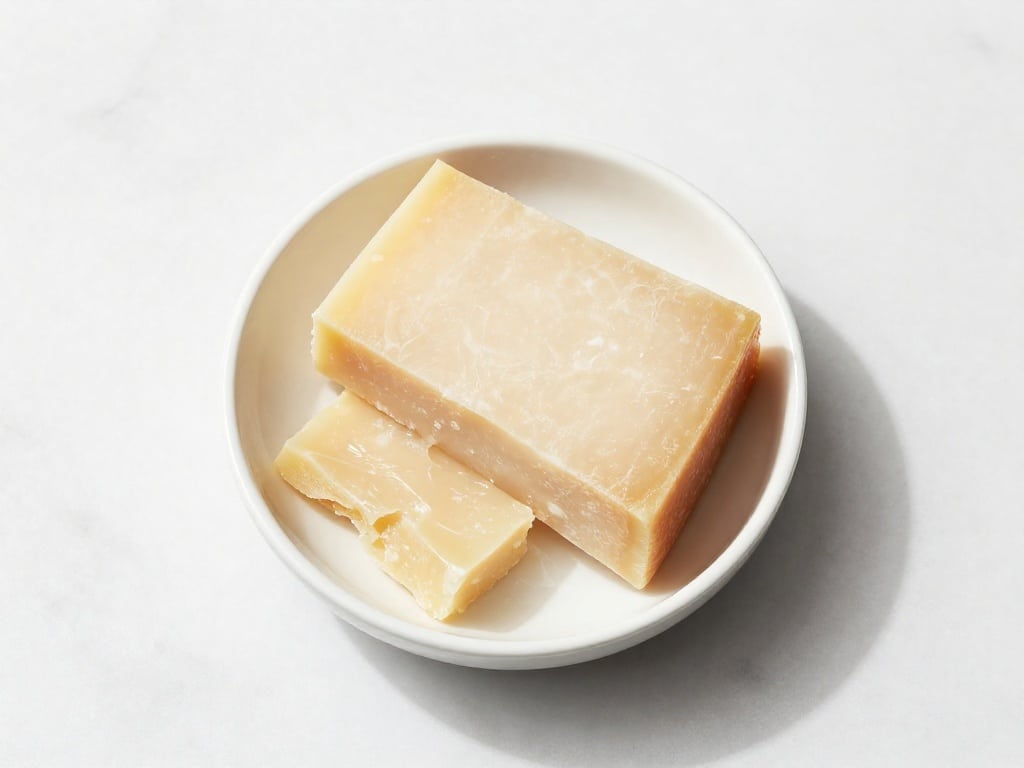
Pecorino Romano is made from sheep's milk, which gives it a sharper, saltier profile than cow's milk parmesan. In Alfredo, that sharpness reads as brightness rather than bitterness, and the melt is slightly firmer but still smooth when the sauce stays below a full boil.
Use it at a straight 1:1 ratio by volume. Because Pecorino Romano is noticeably saltier than parmesan, pull back on any added salt in the recipe until you taste.
This is not optional: a standard Alfredo recipe with full salt plus Pecorino can easily over-season in the first toss.
Younger Pecorino melts a little more smoothly than an aged wheel. If your block is on the older side, grate it finely to help it disperse into the butter-cream base before it seizes.
Similar grating guidance applies to manchego, another sheep's milk cheese that tightens with age.
The flavor shift is real but welcome. Your Alfredo will taste a little more assertive, closer to a cacio e pepe profile than a neutral cream sauce.
For most people who love parmesan, that is not a downgrade.
Pecorino Romano is the best substitute for a sharper Alfredo profile with quick melt. Reduce salt elsewhere in the recipe by at least half before tasting.
2. Grana Padano - Milder, Creamier Alternative
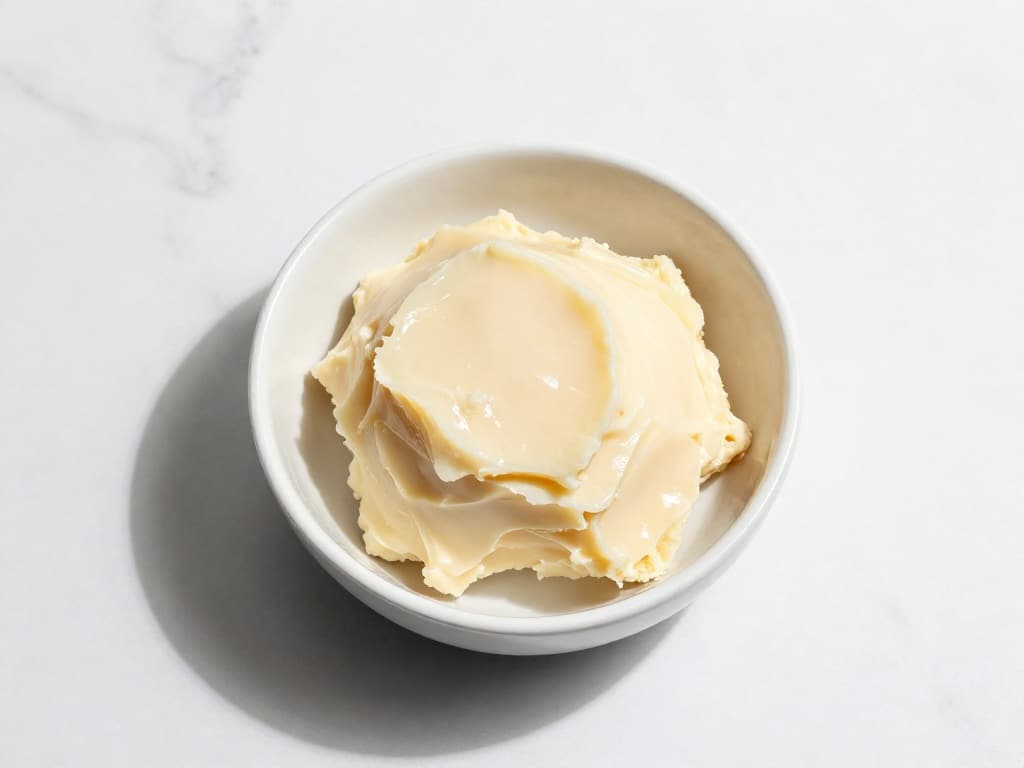
Grana Padano is produced in the Po Valley in northern Italy and aged for a minimum of 9 months, compared to parmesan's minimum of 12.
The result is a cheese that is milder, slightly less salty, and creamier-tasting than parmesan, which makes it one of the most natural swaps for Alfredo.
It swaps at 1:1 by volume and melts with almost identical behavior to parmesan.
The sauce will be a touch less assertive in flavor, which you can compensate for with a pinch more salt, a small grind of black pepper, or a little extra grated cheese added at the finish.
Grana Padano is also typically less expensive than parmesan by the wedge, which makes it a practical everyday choice. The texture once melted is smooth and cohesive, and it does not split easily even if you let the sauce simmer a moment too long.
If you are curious about other aged Italian-style cheeses that handle heat well, caciocavallo is another option worth knowing for pasta applications.
This is the substitute to reach for when you want a result that no one at the table will question.
Grana Padano is a great all-around substitute for a close parmesan-like melt without overpowering brightness. Add a pinch more salt to match parmesan's fuller flavor.
3. Nutritional Yeast - Dairy-Free, Umami-Rich Option
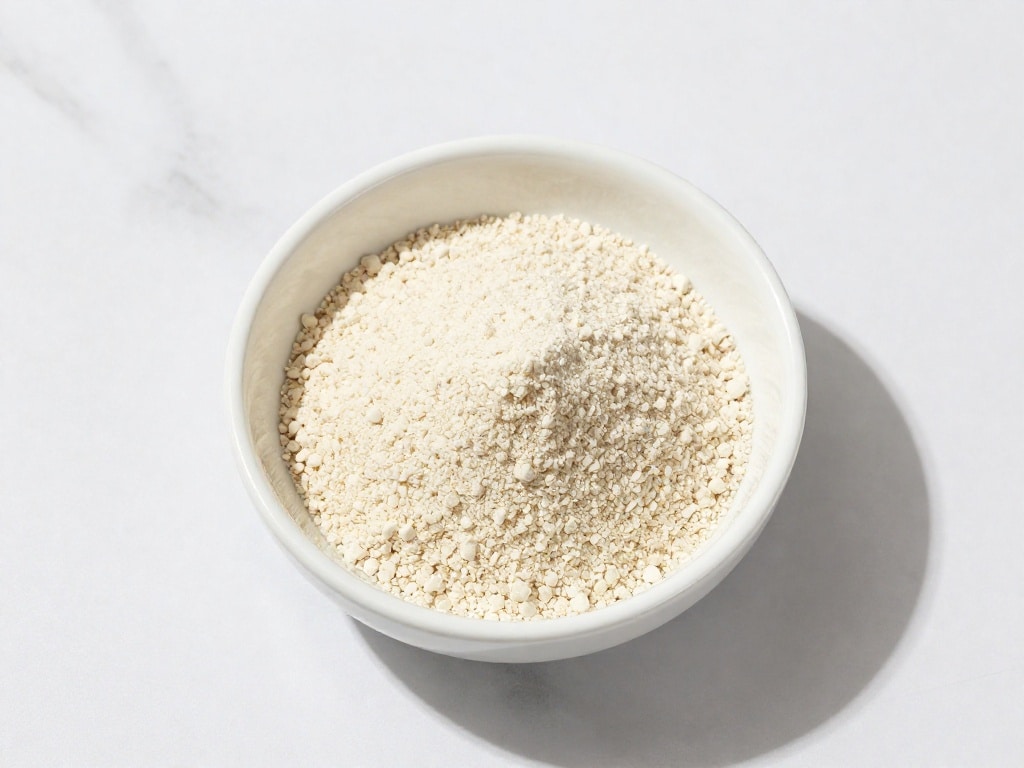
Nutritional yeast is a deactivated yeast sold in flake or powder form, and it delivers a savory, cheesy, umami-forward flavor without any dairy.
It does not melt like cheese because there is no fat or protein structure to emulsify, so you need to adjust how you build your Alfredo.
Start with 2 tablespoons of nutritional yeast per 1 cup of parmesan equivalent and adjust upward to taste. Because it dissolves into the sauce rather than melting, you maintain thickness by using a splash of pasta water to help bind the sauce.
Cashew cream or full-fat coconut cream works as the dairy-free base in place of heavy cream.
The flavor is genuinely cheesy, though it leans more toward a brothy umami than the sharp, aged depth of parmesan. It is also naturally salty, so taste before adding additional salt.
Goat cheese is another dairy option that some cooks explore when they want tang in a cream sauce, though it behaves very differently from nutritional yeast in terms of melt.
For a fully vegan Alfredo, nutritional yeast is the most reliable path. The texture will be slightly less glossy than a cheese-based sauce, however a good emulsification with pasta water brings it surprisingly close.
Nutritional yeast is best for dairy-free or vegan Alfredo. It adds salt and umami without dairy fat, and pasta water handles the binding that cheese would normally provide.
4. Aged Cheddar - Flavor-Packed, Melt-Friendly
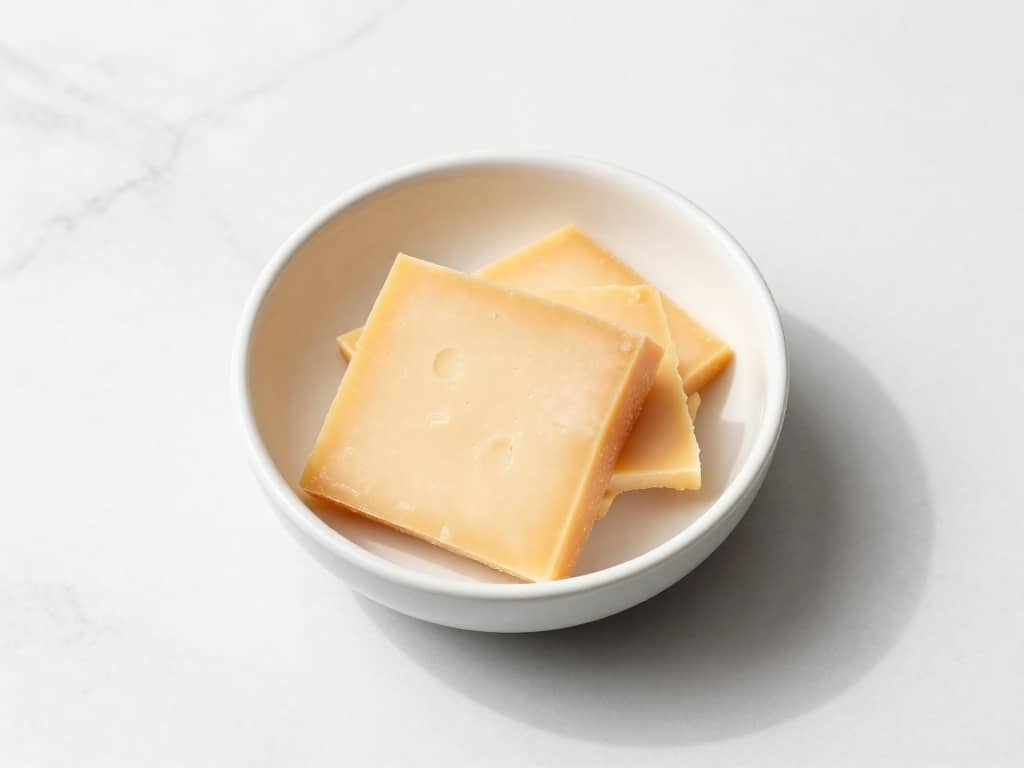
Aged cheddar melts well in a cream sauce and brings a bold, savory, slightly tangy flavor that is quite different from parmesan's clean nuttiness.
It works at a 1:1 ratio, however the sauce will taste noticeably different, deeper in color (pale yellow rather than white) and more assertive on the palate.
Use it when you want a richer, more indulgent sauce and do not need to replicate classic Alfredo exactly. Extra-sharp aged cheddar in particular brings a complexity that pairs well with pasta, chicken, or roasted vegetables.
The key is to keep the heat moderate, around 160-170°F, to prevent the fat from separating out of the sauce.
Because aged cheddar is more pungent than parmesan, use it sparingly at first and taste as you go. A half-and-half blend of aged cheddar and a mild white cheese, like low-moisture mozzarella, can soften the intensity without sacrificing the melt.
For a comparison of how sharp aged cheeses perform against milder options in sauces, blue cheese substitutes cover some of the same flavor-management territory.
Grate aged cheddar finely before adding to the warm sauce. Chunks will not incorporate smoothly and can leave stringy pockets.
Use aged cheddar when you want a bolder, savory Alfredo finish. Keep heat below a simmer and monitor sauce texture closely to prevent splitting.
5. Asiago + Mozzarella Blend - Parmesan-Free, Creamy Mix
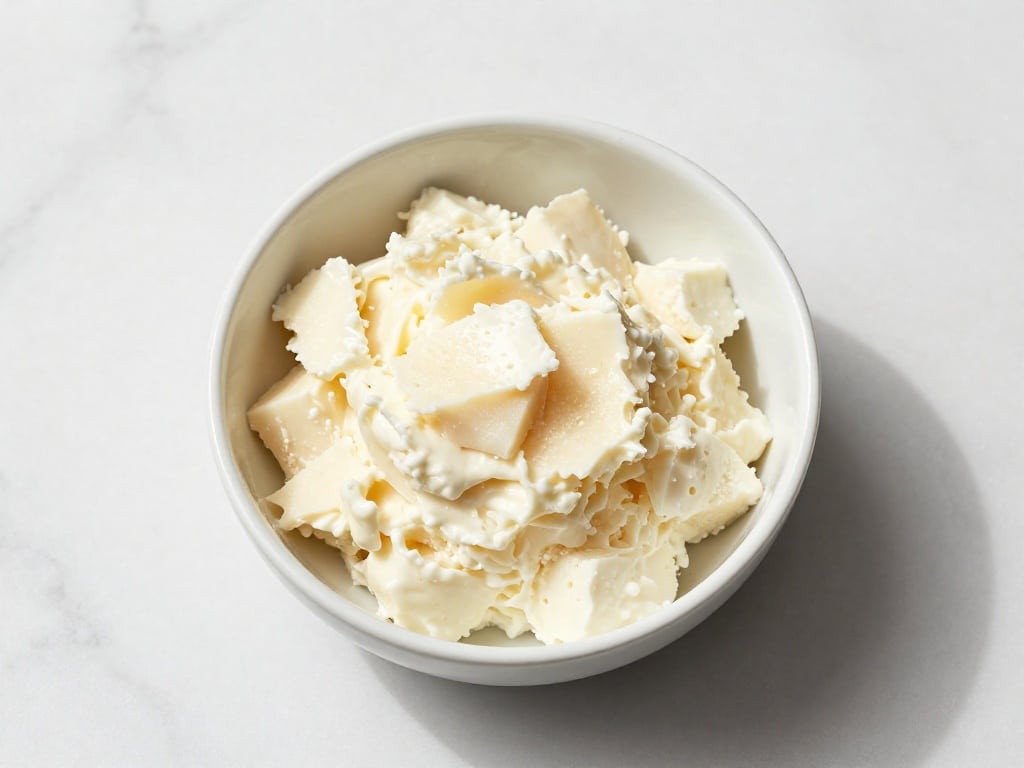
When neither a single substitute nor a full flavor change feels right, a blend of Asiago and low-moisture mozzarella gives you the best of two worlds: Asiago contributes sharpness and aged flavor, while mozzarella provides the melt and creaminess that keeps Alfredo cohesive.
Use this blend at a 1:1 ratio to parmesan by volume, split evenly between the two cheeses. So if a recipe calls for 1 cup of parmesan, use ½ cup of grated Asiago and ½ cup of shredded low-moisture mozzarella.
Add the mozzarella first so it melts into the cream base, then stir in the Asiago to build flavor.
Low-moisture mozzarella is essential here. Fresh mozzarella contains too much water and will make the sauce thin and separated.
Cheese curds have a similar high-moisture problem in sauce applications, which is why low-moisture options always perform more reliably in hot, fast sauces.
Asiago aged for 6 months or more works better than fresh Asiago, which has a mild, milky flavor that does not add enough punch. If you can only find fresh Asiago, increase the ratio slightly and add a small pinch of salt and white pepper to compensate.
This blend is particularly good for baked pasta as well as stovetop Alfredo, because it browns evenly and holds together under oven heat.
The Asiago-mozzarella blend is useful when you want a cohesive, creamy Alfredo with a touch of bite. Use low-moisture mozzarella only, and add Asiago last for best flavor layering.
How to Choose the Right Substitute?
The right substitute depends on four things: whether you need dairy-free, how sharp you want the sauce, your salt tolerance, and how much flavor difference you are willing to accept.
Running through those four questions takes about ten seconds and points you to a clear answer.
- Dairy-free: Nutritional yeast is the only substitute here that contains no dairy. Every other option is a real cheese with dairy fat and protein.
- Closest to parmesan flavor: Grana Padano is milder, Pecorino Romano is sharper. Both are closer to parmesan than any other substitute on this list.
- Salt sensitivity: Pecorino Romano is the saltiest substitute. Grana Padano and the Asiago-mozzarella blend are the most forgiving if you need to control sodium.
- Budget: Grana Padano is typically cheaper than parmesan. Nutritional yeast is inexpensive per serving. Aged cheddar varies but is usually accessible.
- Bold flavor preference: Aged cheddar adds the most distinct personality. Use it when you want the sauce to taste different, not just close.
If you are maximizing creaminess with minimal salt, Grana Padano plus a splash of extra cream is the cleanest path. For a quick visual reference on navigating similar decisions with other European-style cheeses, taleggio substitutes cover comparable melt-and-flavor tradeoffs.
If you are maximizing creaminess with minimal salt, Grana Padano plus a splash of extra cream is the most reliable combination for a smooth, balanced Alfredo.
Storage and Practical Tips for Substitutes
How you store and prepare your substitute matters as much as which one you pick. Grated cheese left in an open bag picks up moisture from the fridge, which causes clumping and uneven melt when it hits a hot sauce.
Store all grated substitutes in a sealed airtight container and use them within 1-2 weeks for the best melt performance.
- Pecorino Romano and Grana Padano: Keep refrigerated in a sealed container for up to 2 weeks once grated. Buy in blocks and grate fresh for the best melt.
- Nutritional yeast: Store in a cool, dry place in a sealed jar. It lasts several months at room temperature and does not require refrigeration.
- Aged cheddar: Keep in the fridge, wrapped tightly. Grate just before use; pre-grated cheddar contains anti-caking agents that can affect sauce texture.
- Asiago and mozzarella: Grate Asiago fresh and buy block low-moisture mozzarella to shred yourself. Pre-shredded mozzarella has coatings that reduce melt quality.
- Frozen substitutes: Hard cheeses like Pecorino and Grana Padano can be frozen up to 3 months. Thaw in the fridge overnight and re-grate before use, as the texture becomes crumbly after freezing.
For other cheese types that behave differently in storage, the principle is the same: grate fresh and keep moisture out. A dry, fine grate means a smooth, lump-free sauce every time.
Avoid high-moisture substitutes or pre-shredded bags with anti-caking powder. Both cause clumping and sauce separation when melted into hot cream.
Frequently Asked Questions
Can I use all substitutes interchangeably in Alfredo without adjustment?
No. Each substitute shifts salt, melt behavior, or both. Pecorino Romano requires a salt reduction; nutritional yeast requires a different thickening method using pasta water instead of cheese melt.
Which substitute yields the creamiest sauce without splitting?
Grana Padano is the most forgiving. It melts smoothly at moderate heat and stays emulsified even if the sauce simmers slightly longer than planned.
How do I prevent curdling when using substitutes with dairy?
Keep the sauce below 180°F and add cheese off direct heat, stirring constantly. Aged cheddar is the most prone to fat separation, so remove the pan from the burner before stirring it in.
Are there any substitutes to avoid for Alfredo sauce?
Avoid fresh mozzarella (too wet), ricotta (wrong texture entirely), and processed cheese slices, all of which either water down or fundamentally change the sauce structure.
How should I adjust seasoning when using substitutes with different salt levels?
Start with no added salt, incorporate your substitute, then taste. Pecorino Romano often needs zero extra salt; Grana Padano and the Asiago-mozzarella blend typically need a small pinch added at the end.
5 BEST Parmesan Cheese Substitutes for Alfredo Sauce
Ingredients
Method
- Choose your substitute based on the dish type and desired flavor match. Consider dairy preference, salt sensitivity, and melt behavior before selecting.
- Prepare the substitute as directed: adjust ratios and prep as noted for each option. Grate hard cheeses finely and use low-moisture mozzarella for the blend.
- Apply the substitution ratio carefully. Start with the stated amount and adjust to taste, keeping sauce temperature below 180°F to prevent splitting.
- Taste and adjust seasoning. Some substitutes shift flavor or texture slightly. Add salt only after tasting, especially with Pecorino Romano or nutritional yeast.
Notes
- Store all grated substitutes in a sealed airtight container and use within 1-2 weeks for best melt performance.
- Avoid pre-shredded cheese bags with anti-caking powder; they cause clumping and sauce separation in hot cream sauces.
Tried this recipe?
Let us know how it was!
Carrie is a food writer and editor with more than 15 years of experience. She has worked for some of the biggest names in the food industry, including Bon Appétit, Food & Wine, and Martha Stewart Living.
As the Editor in Chief of EpicureDelight, Carrie oversees all of the content on the site. She also manages the team of contributing writers and editors, who help to create delicious recipes, helpful tips, and informative articles that you’ll find on the site.
A native of the Chicago area, Carrie is passionate about all things food. She loves trying new restaurants and experimenting with new recipes in her kitchen. She’s also a graduate of the Culinary Institute of America, so she knows a thing or two about food!



