Do you ever have moments of confusion in the snack aisle, not knowing if that bag of peanuts has gone bad or when it's safe to eat?
We've all been there - and we understand your concern.
So if you want to find out all there is to know about these beloved snacks and when they should be taken off the shelf- read on!
What are Peanuts?
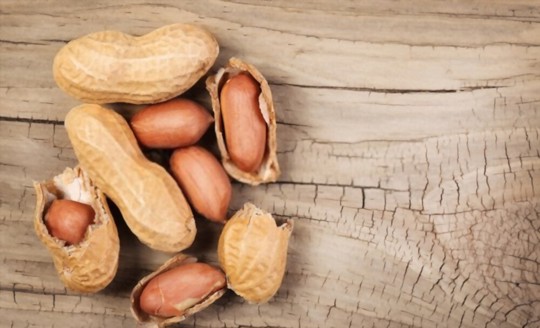
Peanuts are one of the most popular snacks around the world.
They are actually legumes and not nuts, making them a great source of protein.
Peanuts come in many forms including raw, roasted, boiled, and pressed into oil.
Their flavor can range from sweet to salty depending on how they are prepared.
They are often added to other dishes to give them texture and unique flavor, such as Asian stir fry dishes and Indian curries.
Peanut butter is also a favorite, made by grinding up peanuts until they form a paste.
Peanuts offer many health benefits including vitamins A and E, magnesium, phosphorus, zinc and dietary fiber.
How to Store Peanuts?
There are a few things you need to keep in mind.
Peanuts are best stored in a cool, dry place. This could be a pantry, cupboard or even the fridge.
If you're planning on storing peanuts for a longer period of time, it's best to put them in an airtight container or zip-top bag.
Peanuts can last up to six months if stored properly. The main thing you need to watch out for is moisture.
Peanuts are susceptible to mold and mildew, so it's important to make sure they're completely dry before storing them.
You also want to avoid storing peanuts in an area where they'll be exposed to sunlight or heat, as this can cause them to go bad more quickly.
By following these simple tips, you can enjoy fresh peanuts all year long.
How Long Do Peanuts Last?
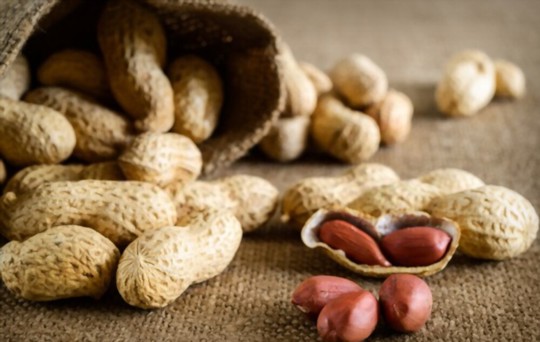
Peanuts are versatile, nutritious snacks that can be enjoyed in many ways.
They have an average storage life of 6-12 months when stored correctly.
To gain maximum shelf life, store them in an airtight container in a cool and dry place.
Unsalted peanut varieties tend to last longer than salted peanuts, as salt can cause more rapid deterioration of the nut.
Roasted peanuts also keep longer than raw ones, although these tend to lack some flavour as they do not retain their natural oils as much during roasting.
Regardless of what type you choose, consume your peanuts within their best before date to get the most out of them.
Can You Freeze Peanuts?
Yes, you can freeze peanuts. In fact, freezing is one of the best ways to store peanuts and extend their shelf life.
Peanuts are a very versatile food and can be used in many different recipes, both sweet and savory.
When freezing peanuts, it is important to make sure that they are properly sealed in an airtight container.
This will help to prevent freezer burn and keep the peanuts fresh for longer.
Peanut butter can also be frozen, but it may become slightly crumbly after being thawed.
Frozen peanuts will last for up to 6 months when stored properly.
Peanuts that have been frozen and then thawed should be eaten within a few days.
How to Tell If Peanuts are Bad?
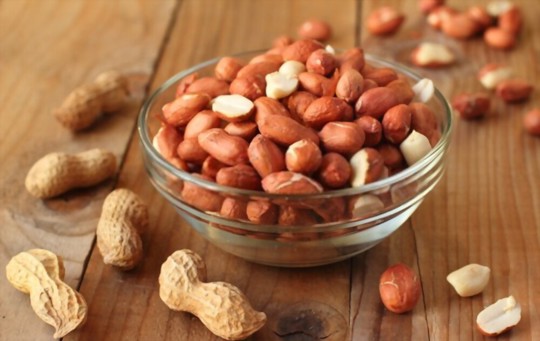
Do you have a jar of peanuts that's been sitting in your pantry for a while and you're not sure if they're still good? Here are some signs to look for that will tell you if it's time to toss them out:
The first thing to do is check the expiration date.
If the peanuts are past their "use by" date, then it's probably time to get rid of them.
Even if they're not expired, peanuts can go bad if they've been stored in an airtight container for too long.
The lack of oxygen can cause the peanuts to develop a rancid smell.
Another way to tell if peanuts have gone bad is by looking at the texture.
Peanuts should be dry and crispy, but if they're soft or mushy, then they've gone bad.
You may also notice some dark spots on the peanuts, which is another sign that they're no longer fresh.
If you take a closer look at your peanuts and notice any mold growing on them, then it's definitely time to throw them away.
Mold can grow on both raw and roasted peanuts, so it's best to err on the side of caution and get rid of them as soon as you see any signs of mold growth.
So, if your peanuts are past their expiration date, have developed an off-smell, are softer than usual, or have any mold growing on them, then it's time to toss them out.
Peanuts Shelf Life Overview
So, do peanuts go bad? Yes, they can.
But if you store them properly, they can last for a long time.
The key is to keep them in a cool, dry place. And if you can, store them in the fridge or freezer.
Just be sure to check them regularly for signs of spoilage.
If you're not sure, it's always better to err on the side of caution and throw them out.

Ingredients
Method
- Store your product in an labelled container in a cool, dark place like the pantry or fridge.
- If your food is frozen, allow it to thaw in the fridge before cooking.
- Make sure to look for signs that your food has gone bad before eating it.
Tried this recipe?
Let us know how it was!More From EpicureDelight
The Complete Food Storage Guide - your complete resource for this topic.
See all food storage guides →How Long Do Peanuts stays fresh for [timeframe] under proper conditions. How it's packaged, where it's stored, and whether it's been opened all affect how long it lasts.
Yes - How Long Do Peanuts should be refrigerated after opening or once it's been prepared. Leaving it at room temperature for more than two hours increases the risk of bacterial growth.
Cool leftovers within two hours, transfer to an airtight container, and refrigerate. Most leftovers are best consumed within 3-4 days for both safety and quality.
High humidity causes faster mold growth on produce and baked goods; low humidity dries things out. Store moisture-sensitive items in controlled environments - produce drawers help regulate this.

Carrie is a food writer and editor with more than 15 years of experience. She has worked for some of the biggest names in the food industry, including Bon Appétit, Food & Wine, and Martha Stewart Living.
As the Editor in Chief of EpicureDelight, Carrie oversees all of the content on the site. She also manages the team of contributing writers and editors, who help to create delicious recipes, helpful tips, and informative articles that you’ll find on the site.
A native of the Chicago area, Carrie is passionate about all things food. She loves trying new restaurants and experimenting with new recipes in her kitchen. She’s also a graduate of the Culinary Institute of America, so she knows a thing or two about food!