French onion dip sits in a refrigerator gray zone that trips up a lot of households. You open a container on game day, use half, press the lid back on, and then wonder three days later whether it is still good to eat.

The honest answer depends on two factors: whether the dip is homemade or store-bought, and how well it has been stored since opening.
Homemade dip typically lasts 3-5 days in the fridge, while an opened store-bought container gives you roughly 7-10 days before quality and safety drop off.
Dairy-based dips are especially time-sensitive because sour cream and cream cheese spoil faster than most pantry staples. Knowing the exact timeline for your dip type saves you from a guessing game every time you reach for a chip.
This guide covers refrigerator timelines, freezer options, and the spoilage signals worth knowing. For comparison, hummus dip follows different shelf-life rules because it lacks the dairy fat content that makes French onion dip so perishable.
French onion dip lasts 3-5 days in the fridge if homemade, and 7-10 days after opening for store-bought varieties. Unopened commercial dip can hold up to 1-2 months past its best-by date if properly sealed. Use the three-word check before every serving: smell, look, feel.
Save This for Later
Pin this how long does french onion dip last? shelf life guide so you always have it when you need it.
Shelf Life at a Glance: Refrigerated Dip Timelines
French onion dip timelines are not one-size-fits-all. The base ingredients, whether it is sour cream, cream cheese, or a mayonnaise blend, directly affect how fast bacteria can take hold once the seal is broken.
Homemade dip made with fresh sour cream or cream cheese has no preservatives to fall back on, which is why the 3-5 day window is firm. Store-bought versions contain stabilizers and preservatives that push the safe window out to 7-10 days after opening.
- Homemade dairy-based dip: Use within 3-5 days of preparation. The absence of preservatives means spoilage begins quickly even in a cold fridge.
- Opened store-bought dip: Safe for 7-10 days after opening when kept sealed between uses and stored below 40°F.
- Unopened store-bought dip: Can remain safe up to 1-2 months past the best-by date if the seal is intact and refrigeration is consistent.
- Frozen dip: Quality holds for 2-3 months in the freezer, though texture may become grainy or watery after thawing due to dairy separation.
- Dip left at room temperature: Discard any dip left out for more than 2 hours, or 1 hour if the ambient temperature is above 90°F.
The dairy content is the main variable to track. A dip heavy in sour cream will show spoilage signs earlier than one made with a higher proportion of mayonnaise, which is more shelf-stable.
Queso dip has a similar dairy-driven timeline and follows comparable discard thresholds once opened.
Homemade Sour Cream-Based Dip
✅ Typical fridge life is 3 to 5 days. Freezer life is about 2 to 3 months, though the texture usually comes back thinner and less smooth after thawing.
⚠️ No preservatives means the safe window is tight. Label it the day you make it and watch for separation, sour smell, or curdling.
Opened Store-Bought Dip
✅ Usually keeps 7 to 10 days in the fridge when resealed well. It can also freeze for 2 to 3 months if you need to stretch leftovers.
⚠️ Brand formulas vary, so the package date still matters. Keep it sealed between uses and do not leave it out on the counter after snacking.
Unopened Store-Bought Dip
✅ A sealed container can often stay safe for 1 to 2 months past the best-by date if refrigeration has been consistent the whole time.
⚠️ Freezing an unopened tub is not recommended. Once opened, treat it like any other opened dip and use it within about 7 to 10 days.
Heavy Cream Cheese Base
✅ Fridge life is still about 3 to 5 days after opening, and freezing can work for up to 2 months if portioned well.
⚠️ Cream cheese-heavy dips usually suffer the worst texture damage after freezing. Expect graininess, stiffness, or watery separation after thawing.
Room-Temperature Dip During Serving
✅ Keep it out for no more than 2 hours, or just 1 hour in very hot conditions. Small serving bowls help you rotate fresh portions safely.
⚠️ Do not freeze dip after it has been sitting out. Once it has spent too long above 40°F, the safest move is to discard it.
How to Store French Onion Dip?
Good storage is straightforward, and the steps you take in the first five minutes after opening make the biggest difference over the following week.
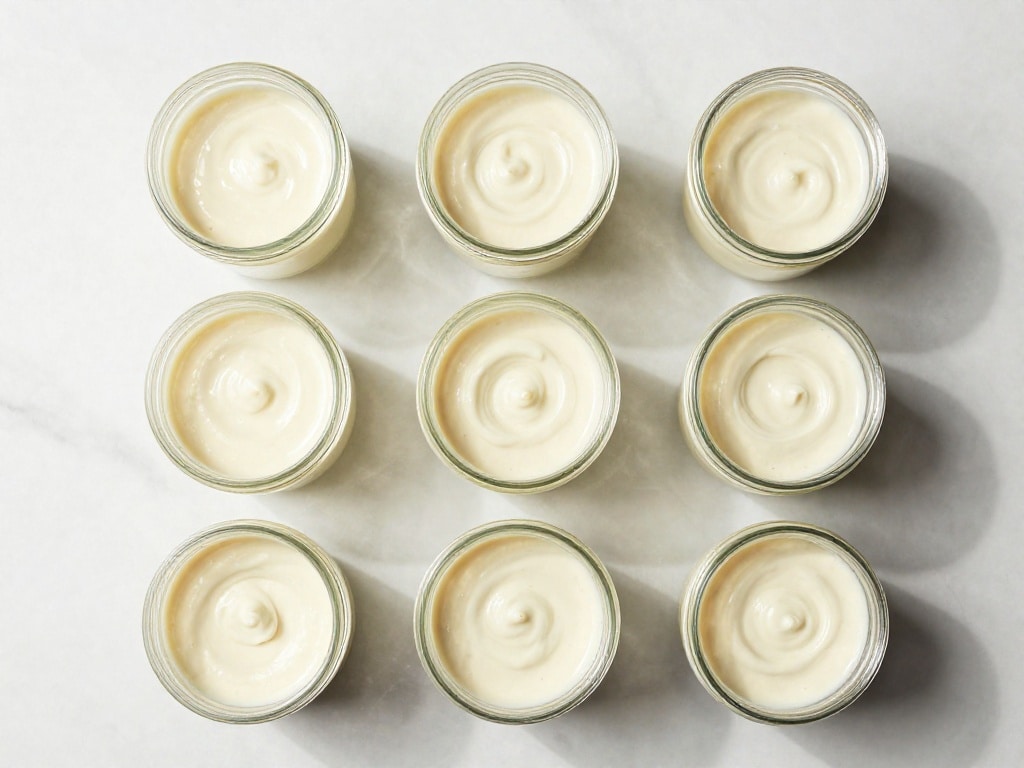
The target refrigerator temperature for dairy dips is 37-40°F (2.8-4.4°C). Above 40°F, bacterial growth accelerates, and your safe window shrinks fast.
- Use an airtight container: If the original packaging does not reseal tightly, transfer the dip to a glass or BPA-free plastic container with a firm lid. Loose lids allow air in, which speeds oxidation and contamination.
- Label with the open date: Write the date on the container lid with a marker. This removes the guesswork and prevents the "when did I open this?" problem entirely.
- Avoid double-dipping at the bowl: Backwash from chips or vegetables introduces bacteria directly into the container. Serve dip in a small bowl and refrigerate the main container separately.
- Do not stir in runoff liquid: If liquid accumulates on top after sitting, drain it carefully rather than stirring it back in. Stirring redistributes any surface bacteria through the whole batch.
- Freeze in small portions: If freezing, use airtight freezer-safe containers and portion the dip into single-use amounts. Avoid repeated thaw and refreeze cycles, which degrade both texture and safety.
Freezing works best with dips that are mayonnaise-heavy rather than sour cream-heavy. Sour cream tends to separate and turn grainy after thawing.
Spinach artichoke dip faces the same dairy-separation issue when frozen and reheated.
When thawing frozen French onion dip, move it from the freezer to the fridge and let it thaw overnight. Stir gently before serving to reincorporate any separated liquid.
Cold crab dip requires the same slow-thaw approach to preserve its texture after freezing.
Do not store dip in the fridge door. The temperature there fluctuates by several degrees with every opening, which shortens the safe life of any dairy-based product by a day or more.
Spoilage Signs to Watch For
French onion dip does not always announce spoilage with obvious mold. More often, it degrades quietly through smell and texture changes that are easy to overlook if you are not paying attention.
Run through three quick checks before serving any dip that has been in the fridge for more than two days.
- Smell: A sour, sharp, or fermented odor that goes beyond the normal tang of sour cream is a clear spoilage signal. Sour-marshmallow-like or yeasty odors mean the dip has turned and should be discarded immediately.
- Texture: A watery or separated surface layer that returns even after stirring indicates breakdown of the dairy emulsion. A curdled, chunky, or slimy consistency is another end-of-life sign.
- Color: Yellowing, darkened patches, or any visible mold growth (white, green, or black spots) are immediate discard triggers. Do not scoop around mold; discard the entire container.
- Taste: If smell and appearance pass but the dip tastes noticeably sour or off, stop eating and discard the rest.
Dips with jalapeño or cheese additions can mask off-smells behind strong aromatics, which makes the visual and texture checks even more important for those varieties.
Pimento cheese dip shows similar spoilage patterns, particularly the watery separation and color shift, making the same three-step check reliable across most dairy dips.
When in doubt, err on the side of safety and discard dip that shows any signs of spoilage. No dip is worth a foodborne illness, and the cost of tossing a half-used container is far lower than a sick day.
Practical Plan for Mixed Dip Scenarios
Household size and eating habits matter as much as storage rules when managing French onion dip. A family of five may finish an opened container in two days; a single-person household might not finish it before the 5-day mark.
For a small household, make or buy smaller batches weekly rather than storing a large container for extended periods. If you do freeze dip, thaw only the amount you plan to use and consume it within 3-5 days after thawing.
Never refreeze thawed dip.
- High-frequency households: A full store-bought container is fine since the 7-10 day window fits normal weekly use.
- Low-frequency households: Portion the dip into two smaller airtight containers on opening day, then freeze the second portion immediately.
- Party prep: Make homemade dip no more than 24 hours ahead for best flavor, and plan portions to avoid large leftovers. Rotel dip follows the same make-ahead timing logic for party planning.
- Rotation habits: Keep a labeled container in the fridge and use a first-in, first-out approach so older dip gets used before a fresh batch is opened.
Hot crab dip storage follows a comparable portioning strategy for households that do not consume large quantities in a single sitting.
Keep a labeled container in the fridge and rotate stock using a first-in, first-out approach. Opening a new container before finishing the last one is the most common reason dip goes to waste.
Frequently Asked Questions
How do you tell if French onion dip has gone bad?
Check for a sour or yeasty odor, a watery or curdled surface, or visible mold. Any one of these signs means the dip should be discarded immediately.
Can you freeze French onion dip?
Yes, French onion dip can be frozen for up to 2-3 months. Dairy-heavy versions may turn grainy after thawing, so stir well before serving and use within 3-5 days.
Does homemade dip last longer than store-bought?
No. Homemade dip lasts only 3-5 days because it has no preservatives. Store-bought dip, which contains stabilizers, stays safe for 7-10 days after opening.
What storage temperature is best for French onion dip?
Keep dip at 37-40°F (2.8-4.4°C). Temperatures above 40°F accelerate bacterial growth and shorten the safe life of any dairy-based dip significantly.
Is there a difference between dairy-rich and oil-based dips in terms of shelf life?
Yes. Dairy-rich dips spoil faster because sour cream and cream cheese are more perishable. Oil-based dips generally last 1-2 days longer under the same refrigeration conditions.

Carrie is a food writer and editor with more than 15 years of experience. She has worked for some of the biggest names in the food industry, including Bon Appétit, Food & Wine, and Martha Stewart Living.
As the Editor in Chief of EpicureDelight, Carrie oversees all of the content on the site. She also manages the team of contributing writers and editors, who help to create delicious recipes, helpful tips, and informative articles that you’ll find on the site.
A native of the Chicago area, Carrie is passionate about all things food. She loves trying new restaurants and experimenting with new recipes in her kitchen. She’s also a graduate of the Culinary Institute of America, so she knows a thing or two about food!