Serve pork schnitzel with warm German potato salad, dill cucumber salad, braised red cabbage, or parsley potatoes.
The cutlet already brings fat and crunch. A lemon wedge and one sharp side keep those qualities clear instead of burying them under sauce.

Warm German potato salad is the best classic pairing because mustard and vinegar cut through fried pork while waxy potatoes stay firm. Choose cucumber salad for a cooler plate or braised red cabbage when dinner needs a warm vegetable.
The table gives the fast choice. The notes below show which sides protect the crust and which ones need a sour partner.
| Rank | Side | Why it fits | Best for | Prep |
|---|---|---|---|---|
| 1 | Warm German Potato Salad | Firm potatoes and mustard vinegar balance the fried crust | classic pairing | Medium |
| 2 | Dill Cucumber Salad | Cold cucumber and dill give the clearest fresh contrast | cool contrast | Easy |
| 3 | Braised Red Cabbage | Sweet-sour cabbage follows pork while lemon cuts the coating | sweet-sour plate | Medium |
| 4 | Parsley Potatoes | Mild buttered potatoes keep lemon and pork in front | simple family dinner | Easy |
| 5 | Buttered Spätzle | Tender noodles catch sauce for a deliberately hearty plate | hearty dinner | Medium |
| 6 | Sauerkraut | Fermented cabbage supplies strong acid in a small portion | strongest acid | Easy |
| 7 | Beet Arugula Salad | Peppery greens and mustard dressing lighten fried pork | lighter meal | Easy |
| 8 | Roasted Carrots | Browned carrots offer a mild vegetable for cautious diners | mild vegetable | Easy |
| 9 | Unsweetened Applesauce | Tart apple connects with pork without wetting the breading | family classic | Easy |
| 10 | Skillet Green Beans | Hot blistered beans add snap without another starch | quick hot side | Easy |
| 11 | Roasted Cauliflower | Dry browned florets keep the plate low in starch | low-starch option | Easy |
| 12 | Garlic Mushrooms | Savory mushrooms suit cool weather when cooked dry | autumn dinner | Easy |
| 13 | Garlic Potato Wedges | Crisp potatoes make a casual crowd meal more filling | casual crowd | Medium |
| 14 | Cranberry Sauce | Tart fruit gives the apple-and-pork effect in condiment form | bright condiment-side | Easy |
Use the Lemon Wedge as the Pairing Test
A squeeze of lemon should brighten the pork and leave the breading crisp. If the side also needs a heavy cream sauce, the plate loses that clean finish.
Traditional potatoes and noodles still work, but they need cucumber, cabbage, sauerkraut, or greens beside them.
Cook pork cutlets to 145°F and rest them for three minutes. When frying in batches, keep the finished pieces on a rack so air reaches the underside and the coating does not steam.
14 Sides for Pork Schnitzel, From Classic to Light
1. Warm German Potato Salad
Warm German potato salad is the strongest classic side for pork schnitzel because it gives the plate a comforting starch and the acidity the fried cutlet needs. Waxy potatoes stay firm, while broth, mustard, and vinegar echo the lemon wedge without adding the cool heaviness of a mayonnaise dressing.

Toss the potatoes while warm so they absorb the dressing, then let excess liquid settle before plating. Serve about half a cup beside the schnitzel, never beneath it, because vinegar broth will soften the breadcrumbs.
That hearty pairing still needs cucumber or cabbage, not another potato or noodle side.
2. Dill Cucumber Salad
Dill cucumber salad creates the clearest temperature and texture contrast in the ranking.
Cold cucumber snaps against the hot crust, while vinegar and dill lift the mild pork without covering it. That clean contrast works best when the schnitzel is served with lemon instead of gravy.
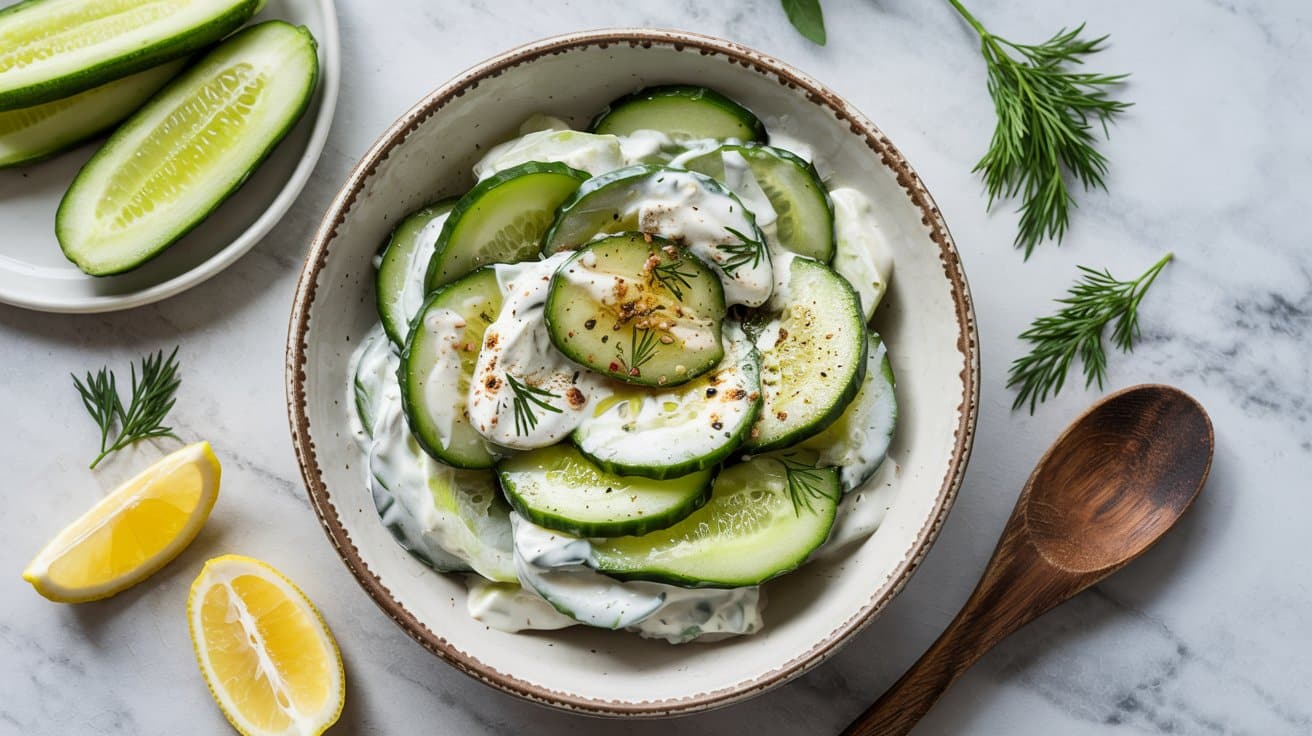
Salt the sliced cucumber, let it release water, and drain it before adding the dressing. You can mix the salad up to two hours ahead, but drain it again before serving and use a slotted spoon.
Cucumber liquid on the cutlet ruins the contrast.
3. Braised Red Cabbage
Braised red cabbage suits pork because its sweet and sour flavor follows the same logic as apple served with a roast. Vinegar cuts through the fried coating, while a small amount of apple brings out the meat's natural sweetness.
The purple cabbage also wakes up a plate that is otherwise golden and brown.

Braise the cabbage a day ahead, reduce the cooking liquid until it lightly coats the strands, and reheat it gently. Keep sugar restrained so the side stays tart enough to work with lemon.
Use a slotted spoon and place the cabbage beside the pork. Loose purple liquid quickly stains and softens the breading.
4. Parsley Potatoes
Parsley potatoes are a mild base for diners who want the schnitzel and lemon to remain the strongest flavors.
Small waxy potatoes hold their shape, and a light coating of butter connects them with the fried pork. Fresh parsley adds a clean herbal note without turning the side into another sauce.
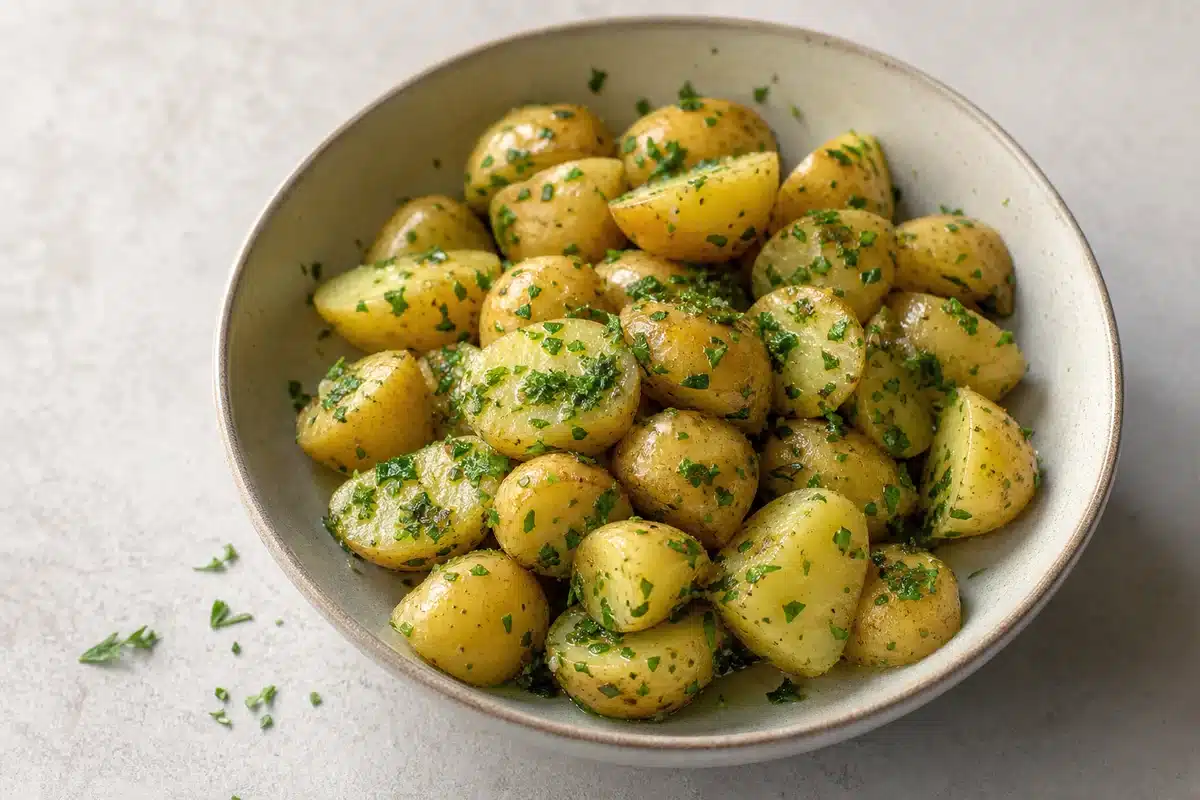
Drain the potatoes thoroughly and let surface moisture evaporate before adding butter and parsley. Three or four small potatoes are enough beside a full cutlet.
If gravy is served, spoon it onto the potatoes or into a small pool at the side. Gravy over the pork removes the crisp texture that defines schnitzel.
5. Buttered Spätzle
Buttered spätzle belongs with a thin schnitzel when the goal is a hearty Central European dinner. The tender egg noodles catch browned butter and pan juices, giving the plate a soft, savory base.
Soft noodles do not balance the crust. Cucumber salad, sauerkraut, or bitter greens must do that job.

Brown only a small amount of butter and keep the serving near half a cup.
Cream sauce makes both the noodles and pork feel heavy, while a second potato side adds too much soft starch. Keep the spätzle beside the cutlet so its butter cannot seep into the breadcrumbs.
6. Sauerkraut
Sauerkraut gives schnitzel a direct sour counterpoint with almost no added richness.
Its fermented flavor is stronger than lemon, so a small serving can refresh the palate after fried pork. The tender cabbage also stays distinct from the crisp crumb coating.

Warm the kraut gently and drain it well before serving a quarter to half cup per cutlet. Long cooking makes it limp and concentrates salt, while heavy rinsing removes useful acidity.
Add caraway only when guests enjoy it. Keep every drop of brine away from the crust.
7. Beet Arugula Salad
Beet arugula salad is the best full side for a lighter schnitzel plate.
Peppery arugula cuts through the fried coating, while earthy beets connect with the pork. A mustard vinaigrette supplies the acidity of cabbage or pickles, but the salad stays cool and leafy.

Roast the beets ahead and keep them separate from the greens until the cutlets are ready. Dress only the portion you will serve with lemon, mustard, or red wine vinegar.
A sweet bottled dressing turns the beets jammy and competes with the clean lemon finish.
8. Roasted Carrots
Roasted carrots give a schnitzel dinner a familiar vegetable and a gentle sweetness that naturally suits pork. Browning adds savory depth, while lemon and thyme keep the carrots from tasting flat beside the fried coating.
They are an easy choice for diners who avoid fermented cabbage and bitter greens.
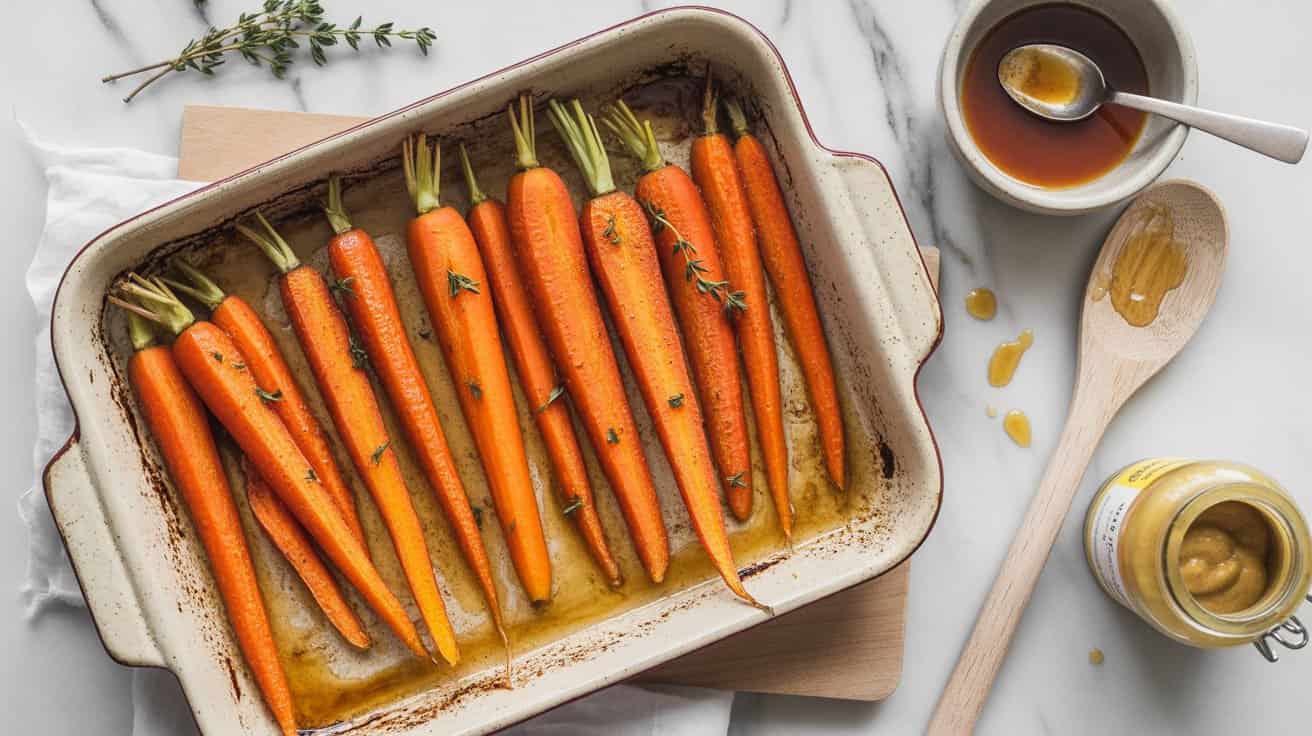
Cut the carrots into slim pieces so the centers become tender as the edges caramelize. Finish with lemon after roasting.
Skip a thick honey or maple glaze. A sticky coating hides the pork's mild flavor and weakens the sharp transition created by lemon.
9. Unsweetened Applesauce
Unsweetened applesauce is an accent rather than a full side, but apple and pork have a natural sweet and savory connection. Its cool fruit acidity softens the impression of fried richness and gives a plain schnitzel a small amount of moisture without requiring gravy.
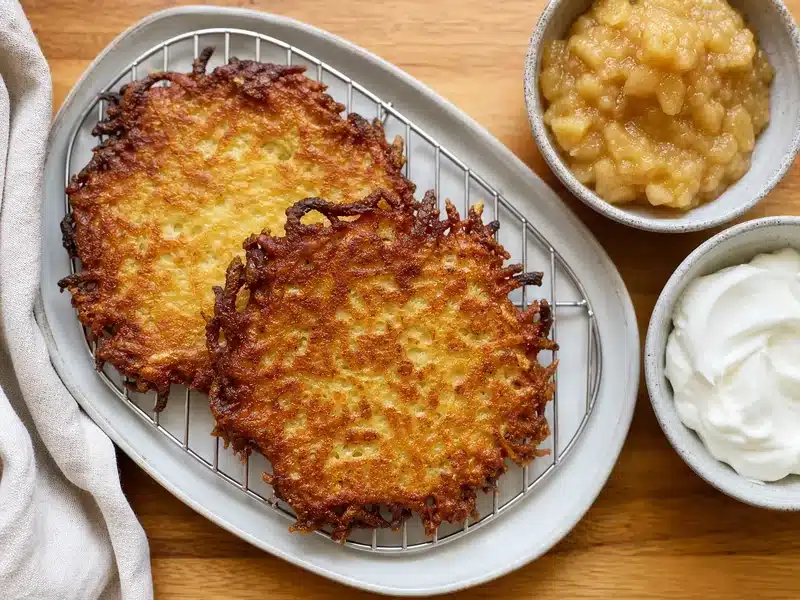
Offer one or two tablespoons in a ramekin so diners can add it to individual bites while keeping the crust dry. Choose an unsweetened or tart version because sugary sauce can overpower lightly seasoned pork.
Applesauce is only an accent. Add potatoes and a true vegetable for the crunch or freshness it cannot provide.
10. Skillet Green Beans
Skillet green beans are a clean hot vegetable when warm potato salad or spätzle already supplies the starch.
Their snap contrasts with tender pork, and blistered spots echo the toasted breadcrumbs without adding another fried food. Lemon at the end connects the beans to the cutlet's usual garnish.

Blister the beans in a wide skillet, cover them only long enough to finish the centers, then remove the lid so steam can escape. Add lemon after the heat is off and serve at once.
Do not hold them in a covered bowl. Trapped steam turns the skins limp.
11. Roasted Cauliflower
Roasted cauliflower creates a low-starch plate while still matching the schnitzel's toasted character. Deep brown edges bring a nutty, savory flavor that echoes the breadcrumbs, and the firm florets keep the meal from becoming a run of soft potatoes, noodles, and meat.
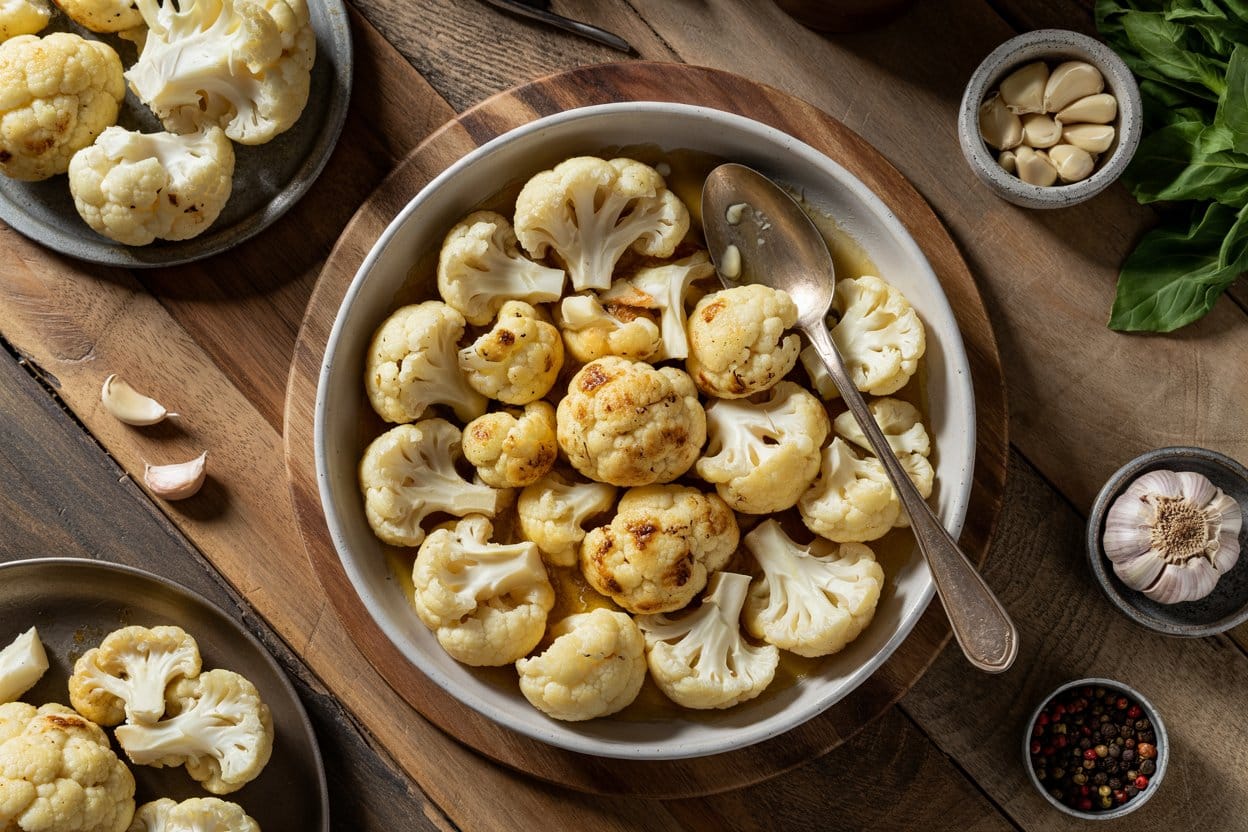
Roast the cauliflower on a preheated tray with space between the pieces, then finish it with parsley and lemon. Pale steamed florets are too soft to provide the same contrast.
Skip cheese sauce because it adds richness without helping the crust. Cucumber or arugula can supply the missing acidity.
12. Garlic Mushrooms
Garlic mushrooms are useful when schnitzel is served without gravy and the plate needs more savory depth.
Browned mushrooms reinforce the pork's meaty flavor, while thyme and garlic complete the pairing. Their pan juices act like a light sauce, so placement matters.

Brown the mushrooms in a wide skillet and salt them near the end so they sear instead of releasing a pool of water. Serve a small portion beside the pork, never under it.
If gravy is already present, choose a sharp vegetable. Mushrooms plus sauce make the plate wet and uniformly rich.
13. Garlic Potato Wedges
Garlic potato wedges fit a casual schnitzel meal where diners expect a crisp, familiar starch. Their browned surfaces echo the crumb coating, while fluffy centers make the plate more filling.
This pairing repeats crisp starch. The other side should be sour and fresh.
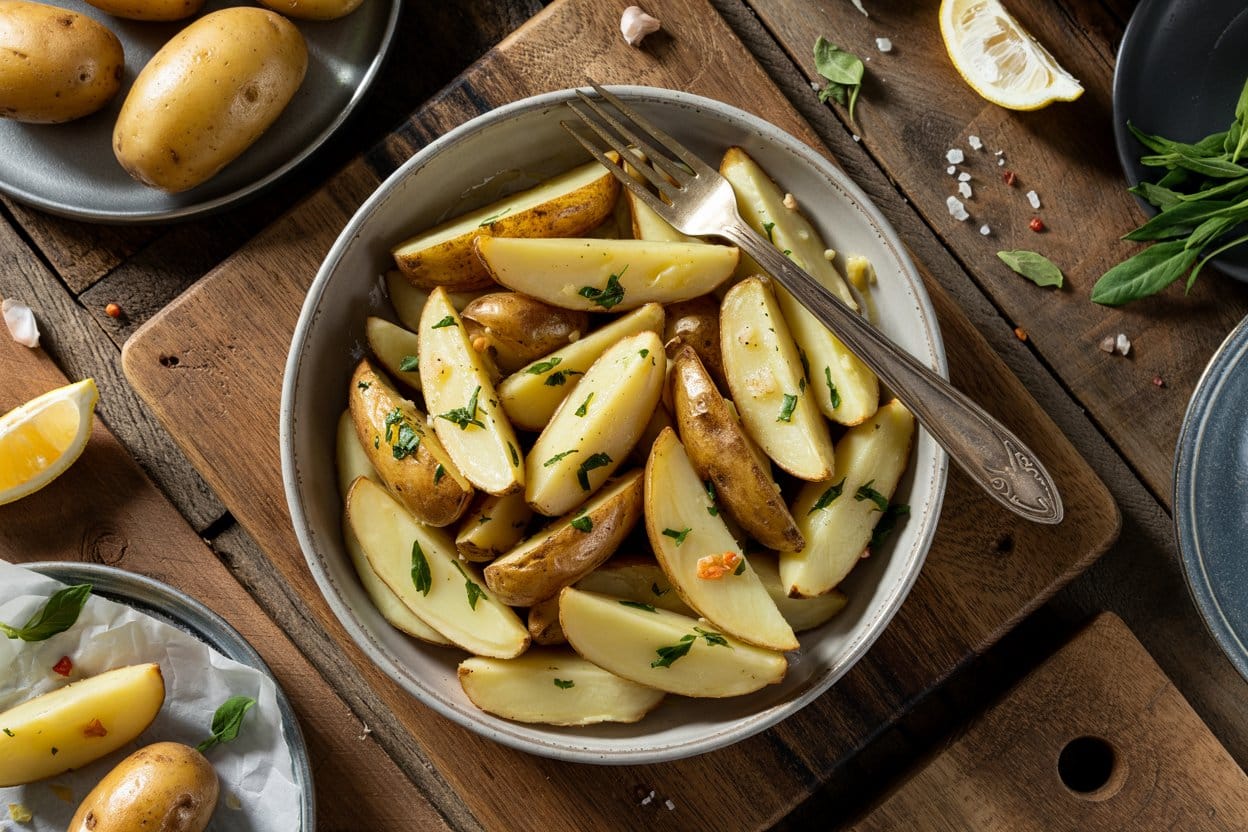
Roast the wedges until deeply browned and season them after baking so garlic does not burn.
Pair them with dill cucumber salad or sauerkraut, then skip spätzle, parsley potatoes, and potato salad. Two starches leave no room for the acidity and vegetable texture that fried pork needs.
14. Cranberry Sauce
Cranberry sauce gives pork the tart fruit contrast often provided by lingonberry preserves.
Its acidity brightens a plain cutlet, while the berry flavor adds interest without another cooked side. Strong gravy already supplies moisture and a competing flavor, so keep this pairing simple.
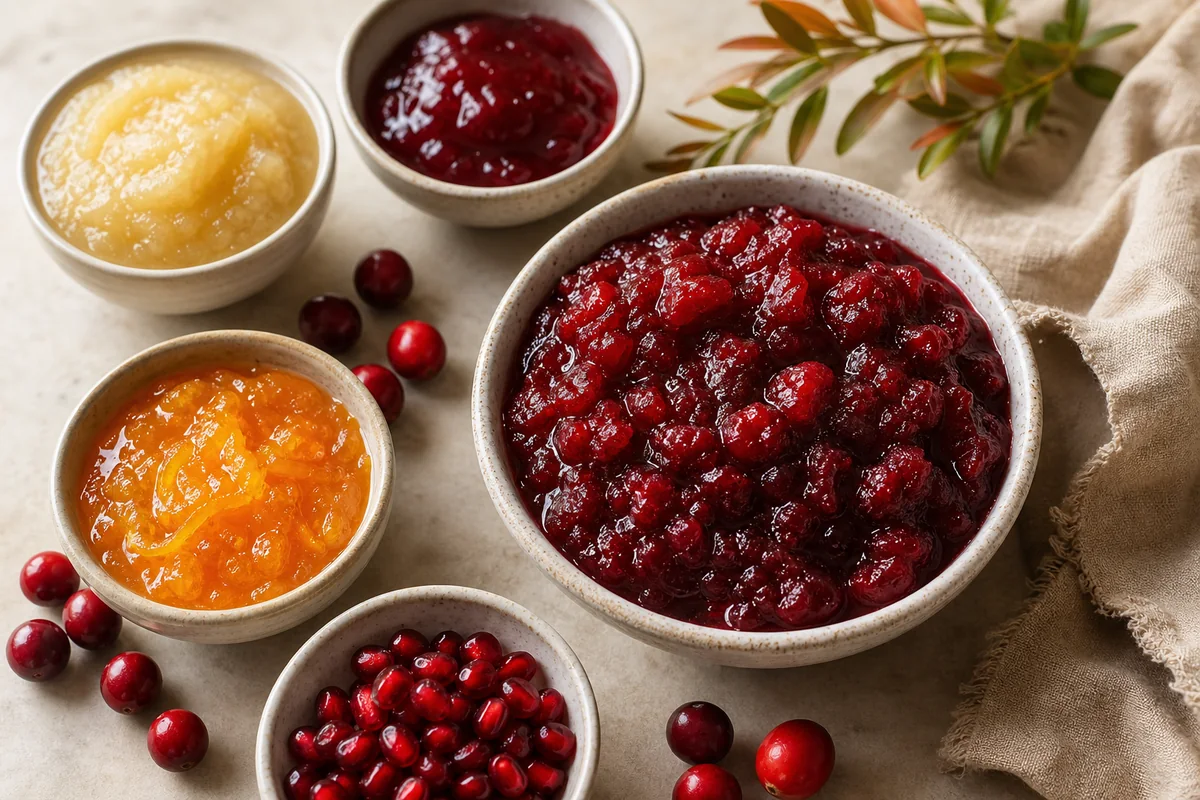
Choose an unsweetened or lightly sweetened sauce and serve one small spoonful cold or at room temperature. Keep it in a ramekin or at the edge of the plate so it does not soak the breading.
Cranberry is an accent. The meal still needs cabbage, cucumber, beans, or another true vegetable side.
Sources
- USDA Food Safety and Inspection Service, Safe Minimum Internal Temperature Chart
- Pairing Plates, What to Serve With Schnitzel
Frequently Asked Questions
What is traditionally served with schnitzel?
Potato salad, cucumber salad, parsley potatoes, red cabbage, and lemon are common choices.
Is spätzle good with pork schnitzel?
Yes, especially when a sharp cabbage or cucumber side balances the soft noodles.
What sauce should I serve?
Offer sauce on the side so the breadcrumb coating stays crisp.
Which side can be made ahead?
Red cabbage, cucumber salad, sauerkraut, and applesauce can be prepared early.
What is the lightest pairing?
Beet arugula salad with roasted cauliflower gives the plate freshness without another starch.

Carrie is a food writer and editor with more than 15 years of experience. She has worked for some of the biggest names in the food industry, including Bon Appétit, Food & Wine, and Martha Stewart Living.
As the Editor in Chief of EpicureDelight, Carrie oversees all of the content on the site. She also manages the team of contributing writers and editors, who help to create delicious recipes, helpful tips, and informative articles that you’ll find on the site.
A native of the Chicago area, Carrie is passionate about all things food. She loves trying new restaurants and experimenting with new recipes in her kitchen. She’s also a graduate of the Culinary Institute of America, so she knows a thing or two about food!