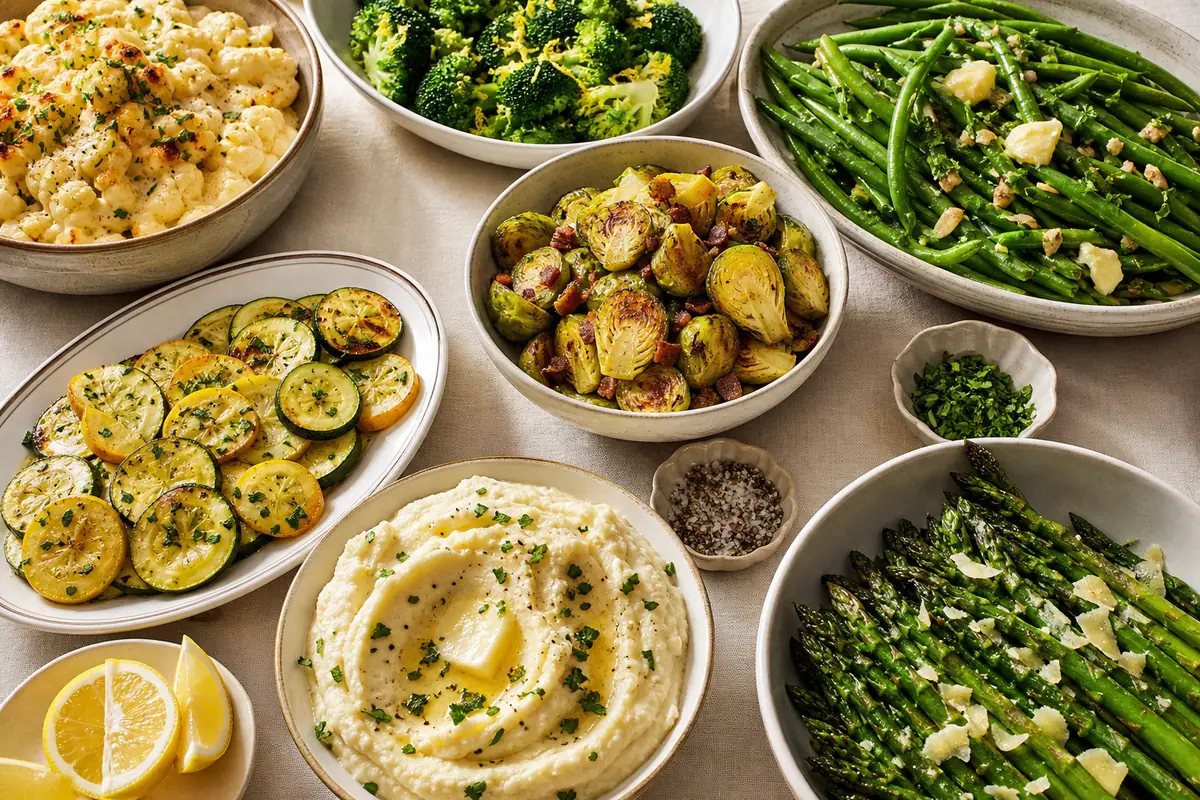
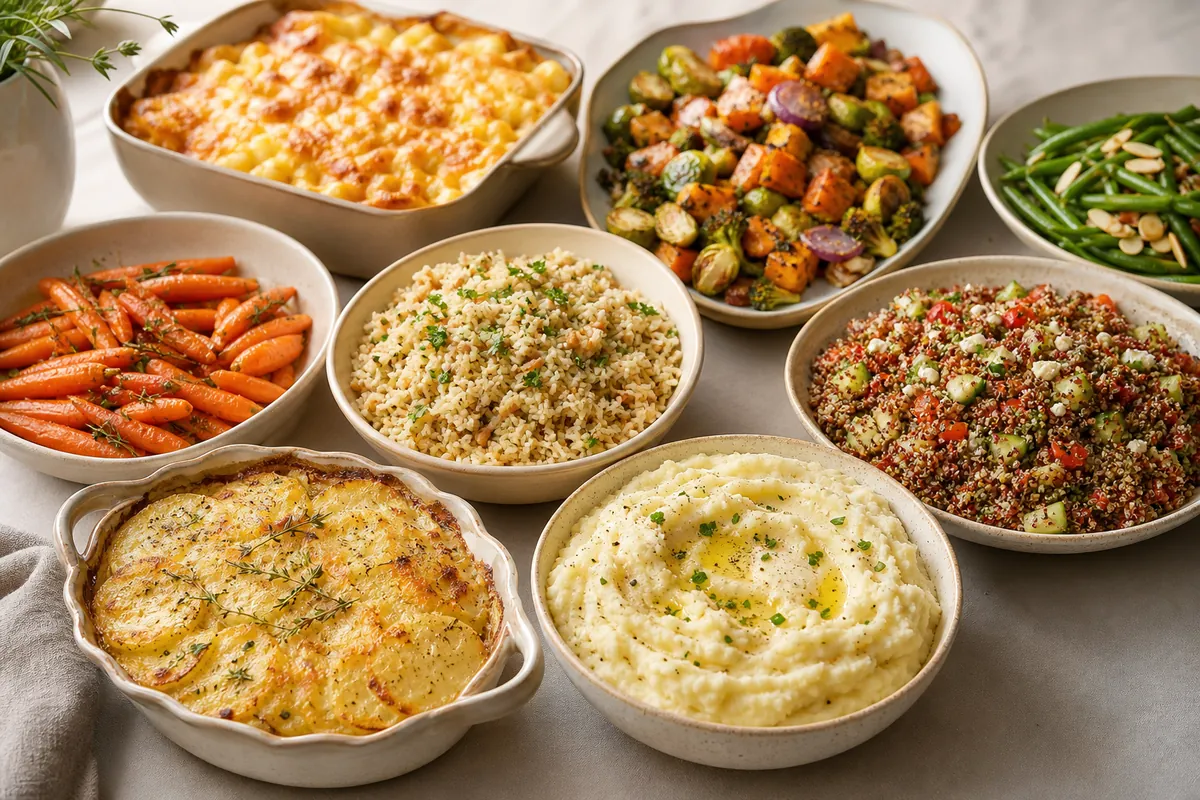
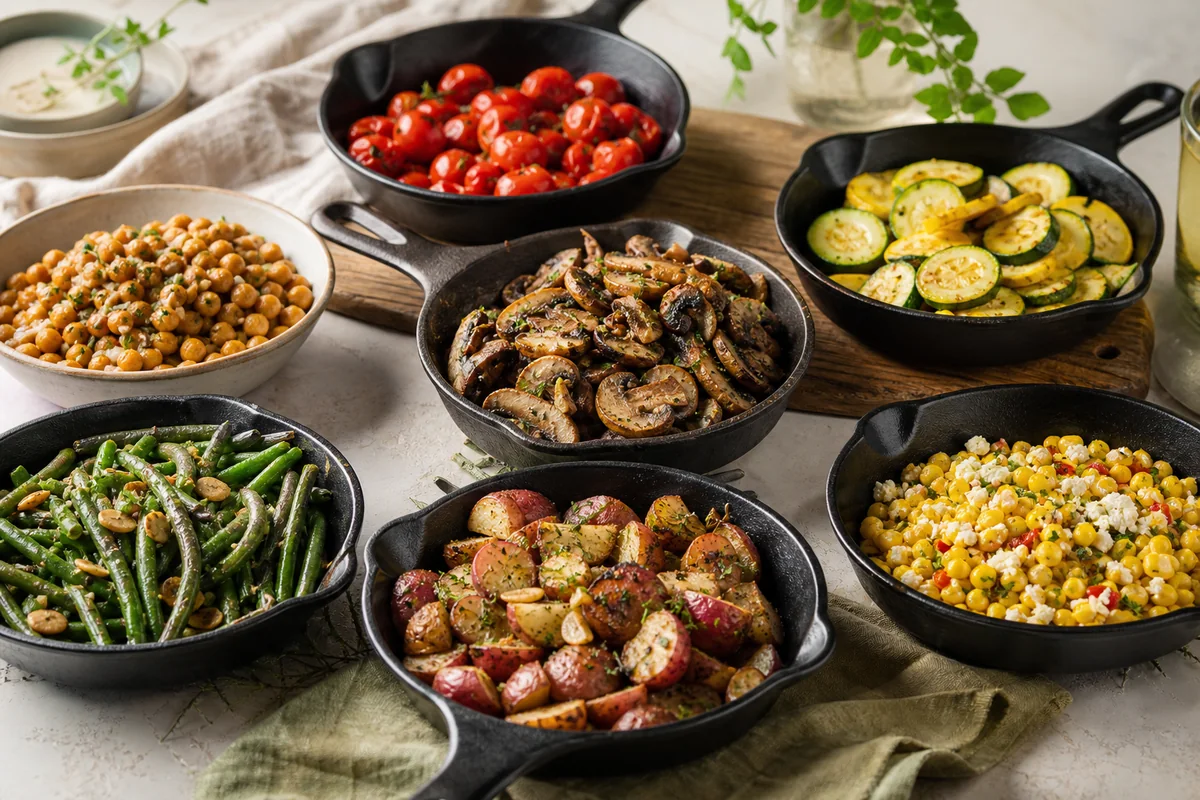
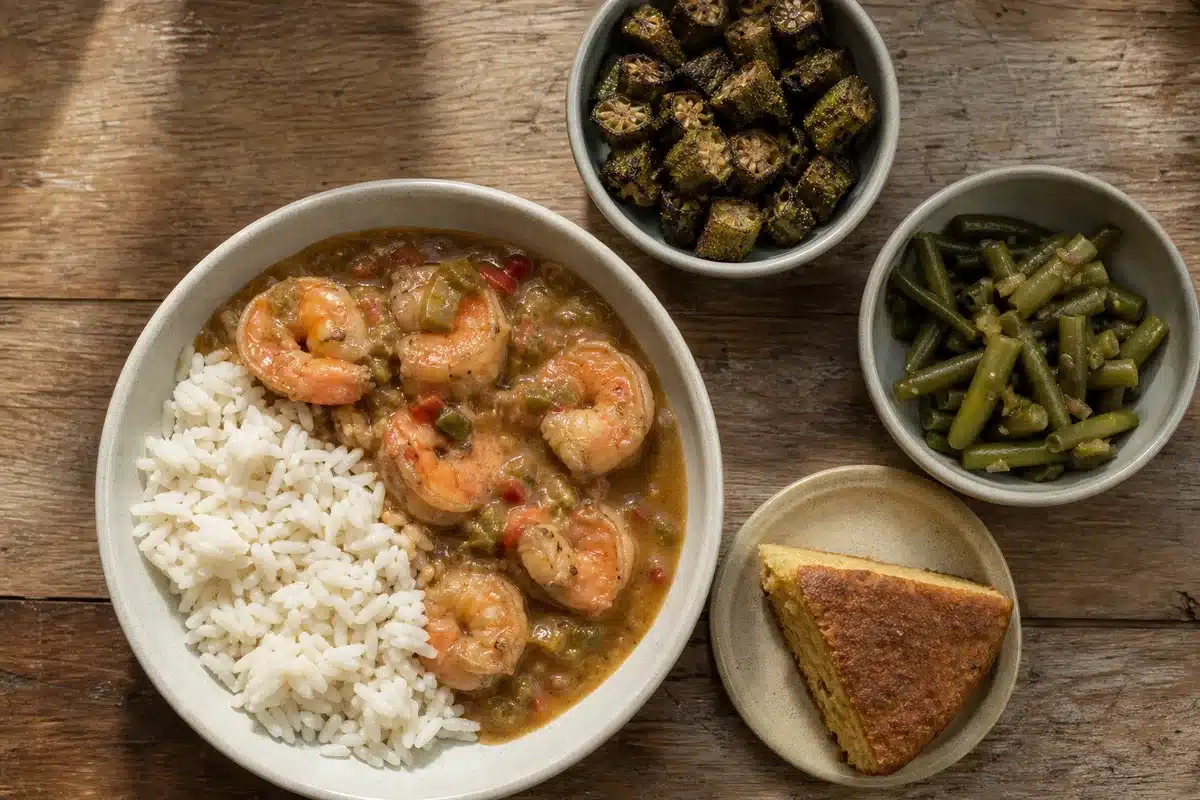
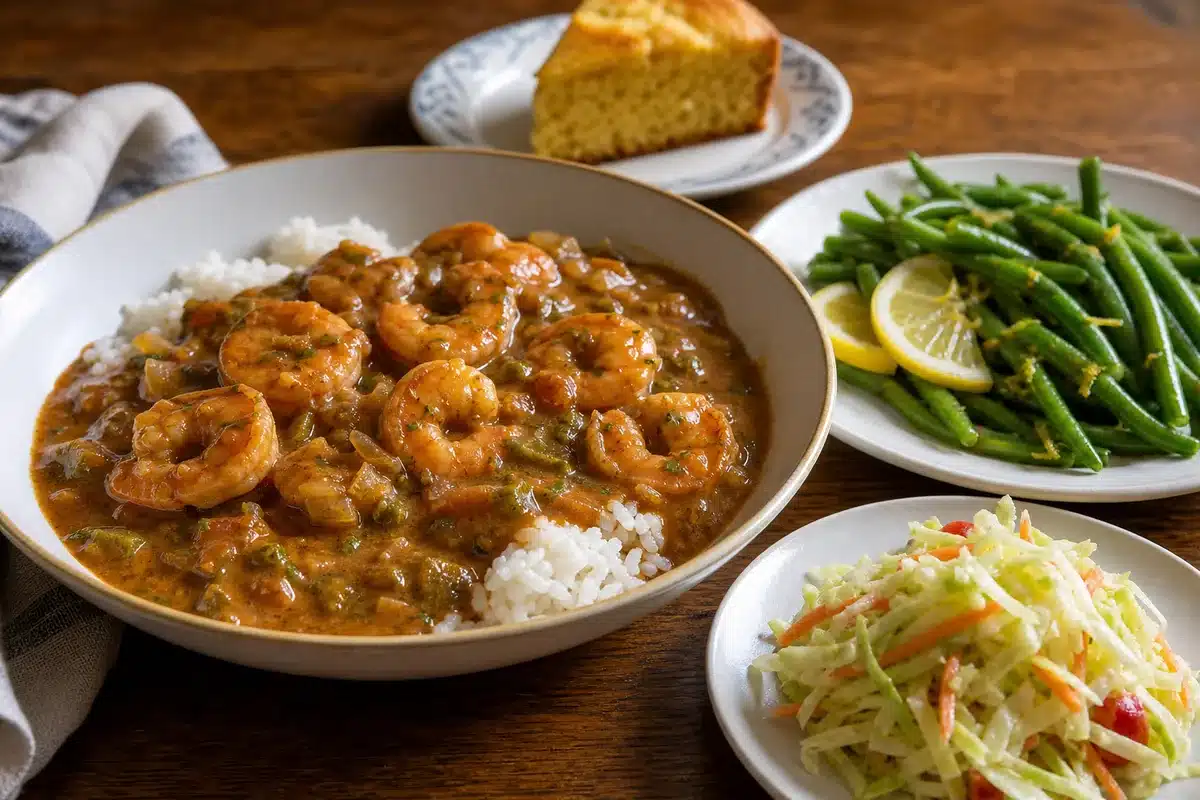
Serve shrimp étouffée with lemony green beans, bitter-leaf salad, roasted okra, vinegar slaw, or cornbread. The main bowl usually includes rice, shrimp, and a roux-thickened sauce, so the best sides add green color, acid, or crisp texture.
Choose only one extra sauce-catching starch.
A second stew, gumbo, or red beans and rice may fit a large Louisiana spread, but each acts more like another main dish. For a focused dinner, let the étouffée own the bowl.

Lemony green beans are the best overall side. Add a bitter or acidic vegetable to a rich roux, choose cooling produce for a spicy batch, and use cornbread only when the bowl contains a modest rice portion.
Read the Bowl Before Adding Another Dish
Shrimp étouffée already combines several meal elements. Rice supplies starch, shrimp supplies protein, and roux gives the sauce body.
Onion, celery, and bell pepper build flavor, but their softened texture does not replace a distinct vegetable side.
| Bowl state | Missing role | Best side direction |
|---|---|---|
| Full rice portion | Green texture | Beans, salad, or okra |
| Small rice portion | Sauce catcher | One cornbread piece |
| Dark rich roux | Acid and bitterness | Citrus greens or slaw |
| Spicy sauce | Cooling crunch | Cucumber or cabbage |
Rice quantity changes the whole menu. A deep bed of rice makes potatoes, dirty rice, and hush puppies redundant.
A shallow spoonful leaves room for cornbread, though vegetables should still take priority.
| Rank | Side | Best for | Prep |
|---|---|---|---|
| 1 | Lemony green beans | Best overall | Easy |
| 2 | Arugula fennel salad | Dark roux | Easy |
| 3 | Roasted okra | Traditional vegetable cue | Easy |
| 4 | Vinegar cabbage slaw | Spicy étouffée | Easy |
| 5 | Garlic collard greens | Rich sauce | Medium |
| 6 | Roasted broccoli | Easy weeknight | Easy |
| 7 | Cucumber radish salad | Hot weather | Easy |
| 8 | Charred zucchini | Mild roux | Easy |
| 9 | Mustard greens | Buttery sauce | Medium |
| 10 | Tomato corn salad | Summer dinner | Easy |
| 11 | Pickled vegetable plate | Small rich bowl | Easy |
| 12 | Oven-crisped potatoes | No rice service | Medium |
| 13 | Skillet cornbread | Small rice portion | Medium |
| 14 | Hush puppies | Large celebration | Medium |
The 14 Best Sides Start Green and End With One Starch
1. Lemony Green Beans
Green beans keep a clean snap beside soft rice and sauce. Steam or sauté them only until tender-crisp, then add lemon after cooking.
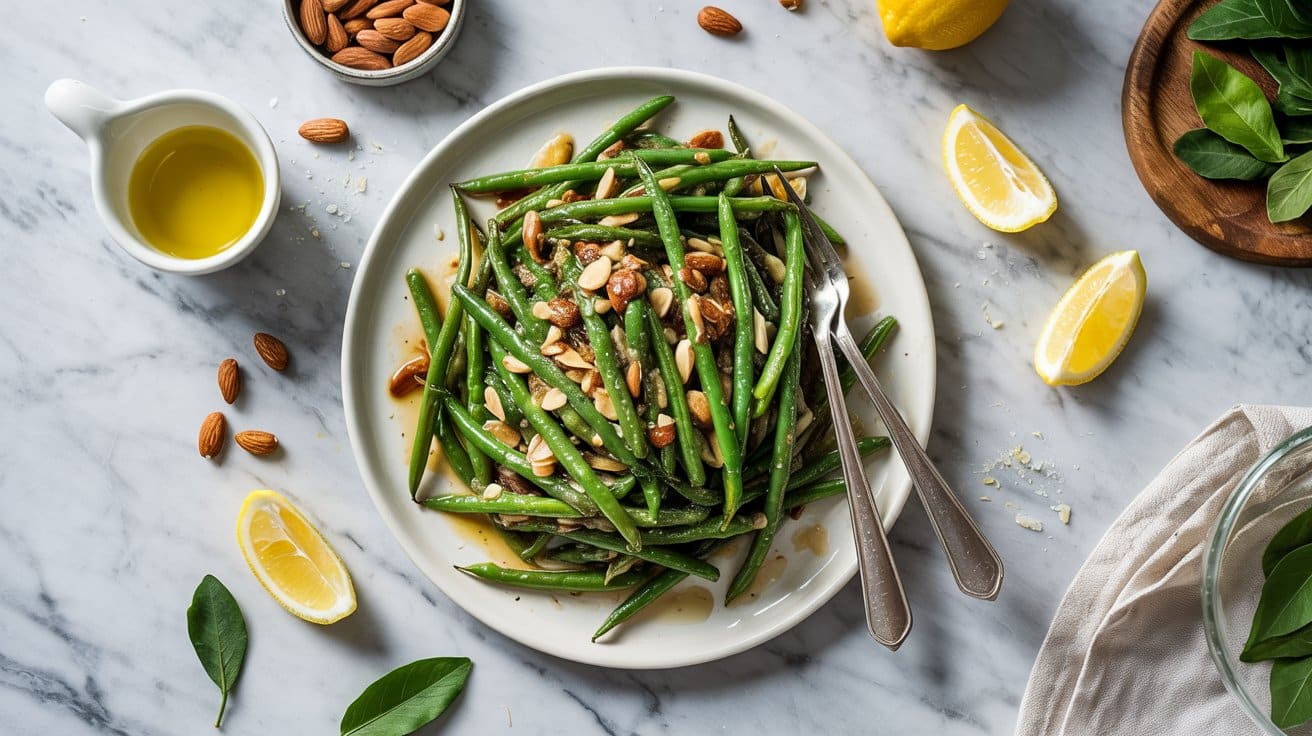
Butter is optional because the roux already provides richness.
Cut long beans in half for easier forkfuls beside the bowl. They can be blanched earlier and rewarmed in a dry skillet while the shrimp finish.
Add lemon zest before service and juice after the beans leave the heat. The zest keeps its aroma, while the juice supplies the sharp finish that separates each bite of roux from the next.
2. Arugula Fennel Salad
Arugula adds bitterness, while shaved fennel brings cool crunch and a mild anise note. This salad is especially useful with a dark roux.
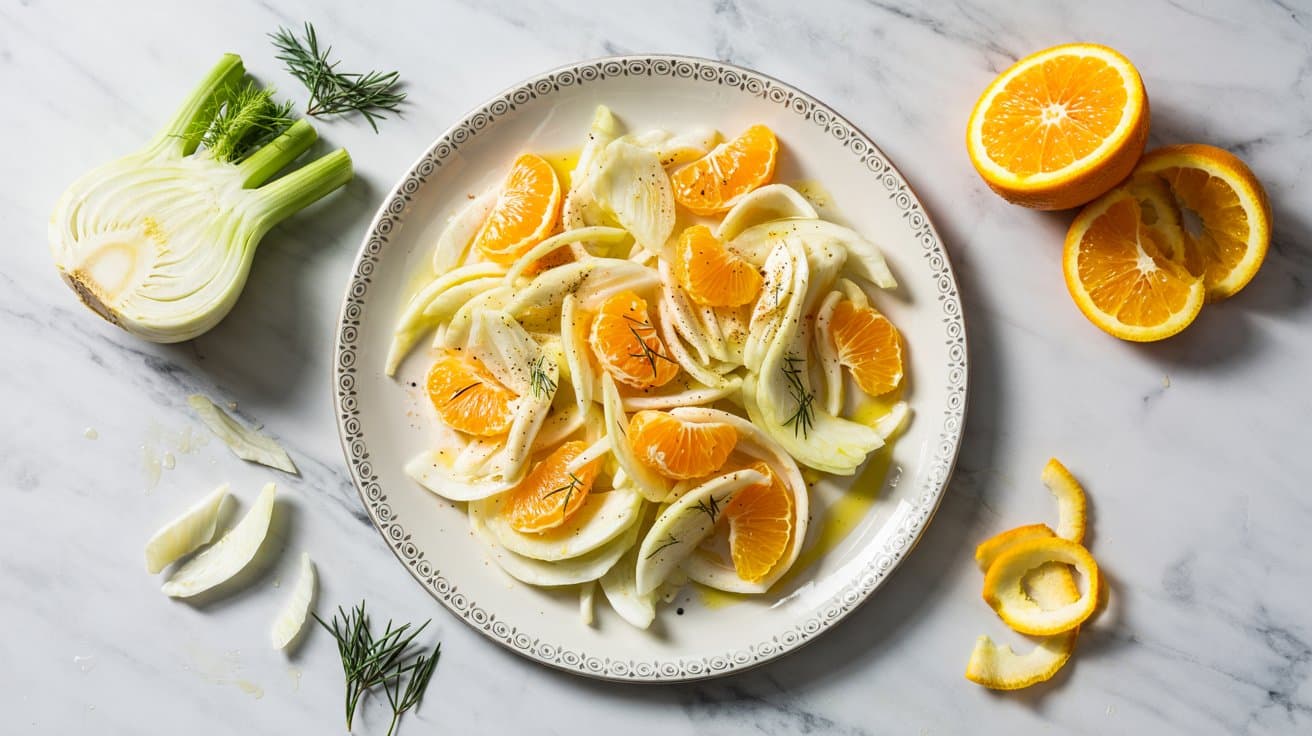
Dress it lightly at the last moment so the leaves remain firm.
Use lemon and olive oil rather than a creamy dressing. A small pile is enough because strong arugula can cover the sweetness of the shrimp.
3. Roasted Okra
High oven heat gives okra browned edges and a drier surface than stewing. That texture belongs beside étouffée rather than inside it.
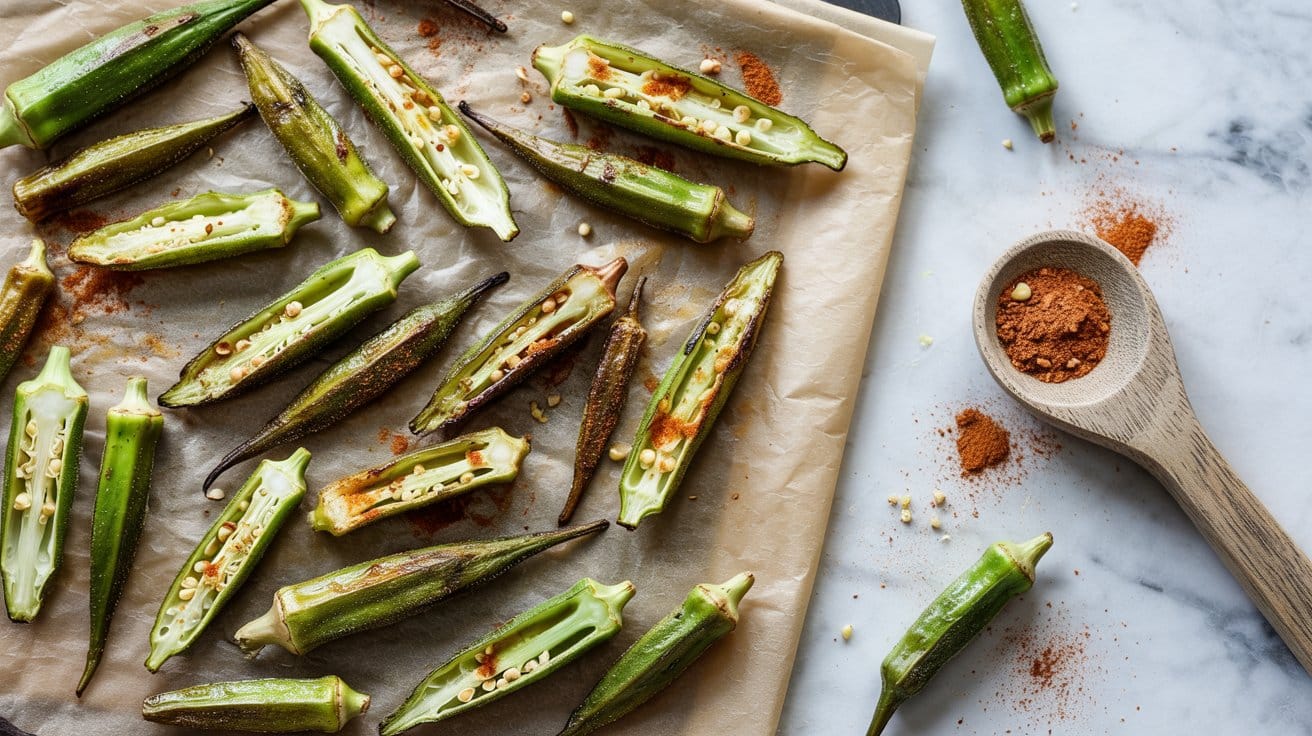
Split large pods lengthwise and season with black pepper and lemon.
Dry the pods thoroughly before roasting and leave room between them. Crowding traps steam and removes the crisp contrast this side is meant to provide.
Serve roasted okra on the plate rim or in its own shallow dish. Once it sits under the sauce, its browned edges soften and the side loses the reason it ranked this high.
4. Vinegar Cabbage Slaw
Cold slaw cools chile heat and cuts through butter. Use a vinegar dressing instead of a thick sweet one.
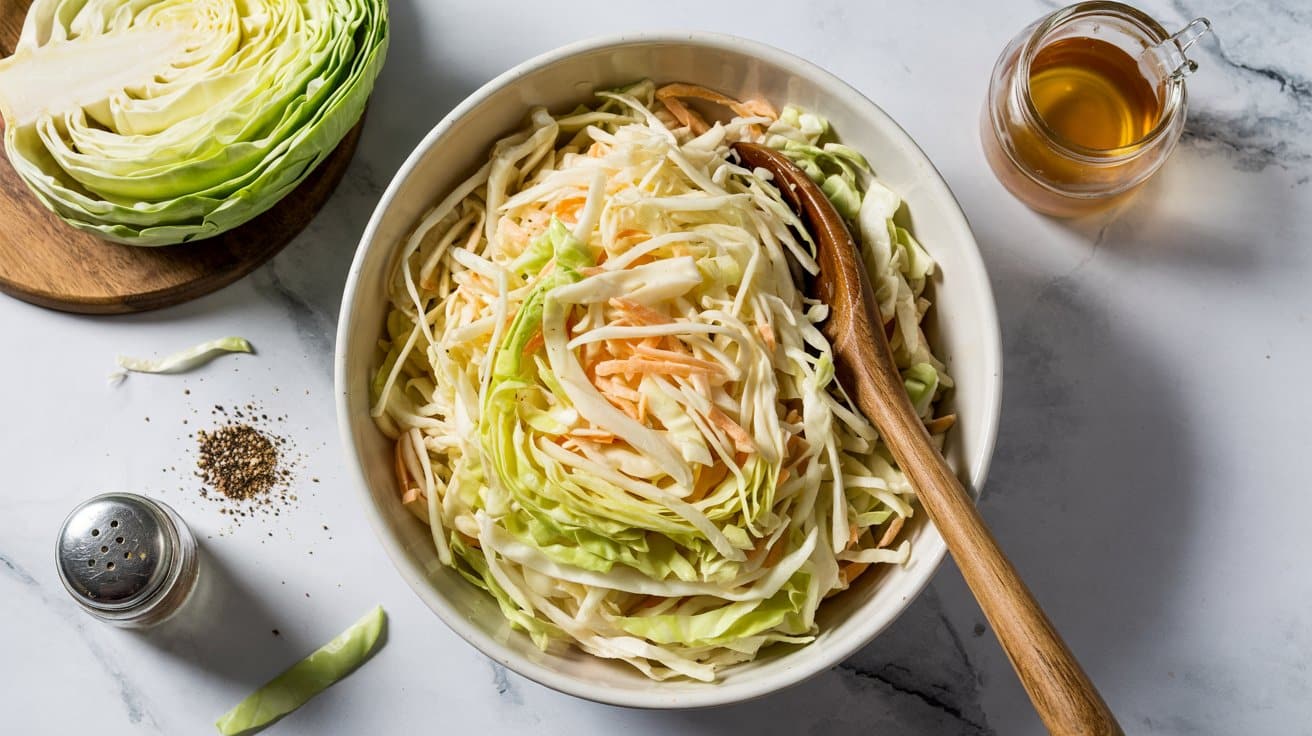
Drain the cabbage before it reaches the plate so the rice does not absorb slaw liquid.
Green cabbage holds longer than tender leaves during a large meal. Add herbs shortly before serving so cilantro or parsley stays bright.
5. Garlic Collard Greens
Collards bring mineral depth and slight bitterness to a rich shrimp bowl. Cook them until tender but keep the pot liquor restrained.

A wet mound beside étouffée creates two sauces that run together.
Serve collards in a small separate dish when they carry much liquid. Their deeper flavor fits medium or dark roux better than a delicate pale sauce.
Slice the leaves into narrow ribbons to shorten the cooking time. Finish with cider vinegar after the stems are tender, then taste before adding salt because the main sauce may already be well seasoned.
6. Roasted Broccoli
Broccoli is a practical weeknight option because its crisp edges remain distinct from the roux. Roast it while the rice cooks.
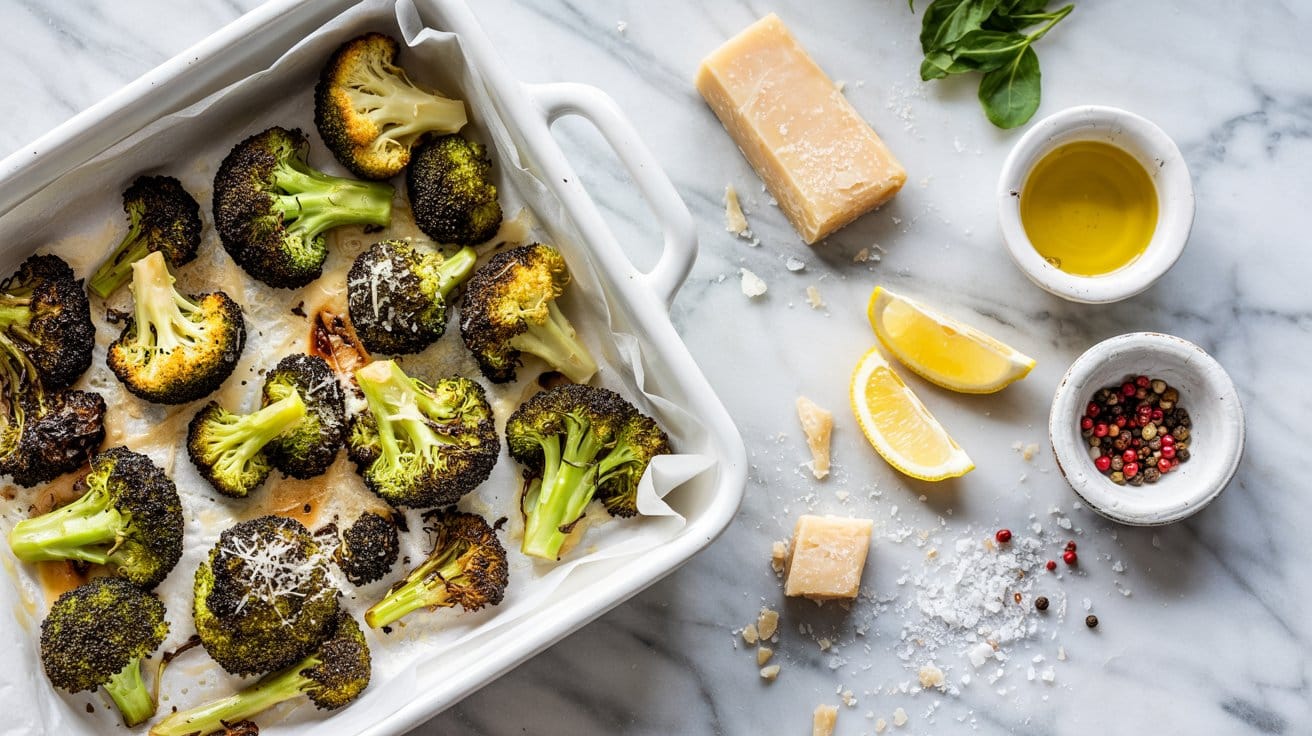
Lemon zest and garlic fit better than cheese sauce.
Cut the stalk into thin pieces instead of discarding it. The stalk adds crunch, while the florets catch just enough seasoning to remain interesting.
7. Cucumber Radish Salad
Cucumber and radish offer watery crunch for warm weather or a spicy batch. Salt them shortly before serving, or drain them after a brief rest.
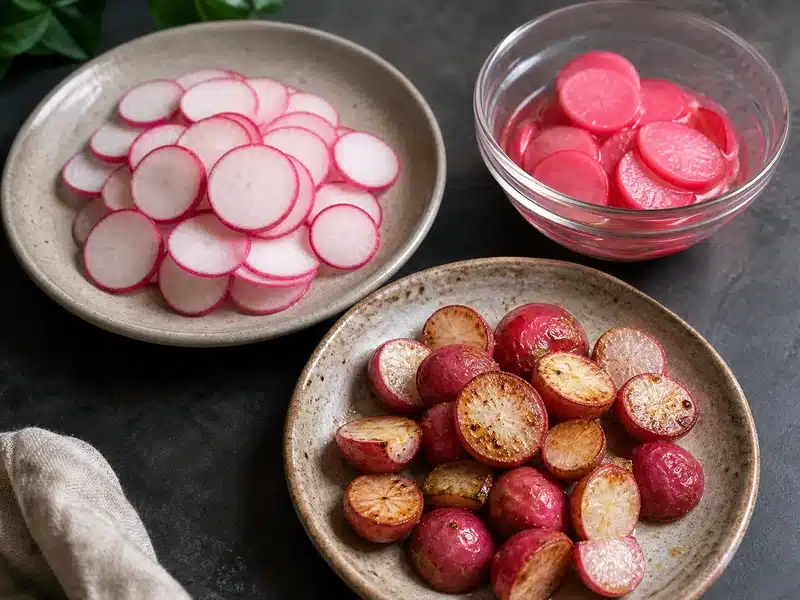
Their clean flavor keeps shrimp at the center.
Rice vinegar gives a softer acidity than a heavy lemon dressing. Keep chile out of this side when its job is to cool the main bowl.
Use equal amounts of cucumber and radish for a peppery salad, or double the cucumber when the étouffée carries cayenne heat. That small ratio change matters more than adding a creamy dressing.
- Prioritize acid when the roux is dark or butter-rich.
- Prioritize cool crunch when the sauce carries strong cayenne heat.
- Prioritize a dry roasted side when the bowl already contains plenty of sauce.
8. Charred Zucchini
Zucchini suits a pale or medium roux because char supplies flavor without heavy seasoning. Cut thick planks so the centers do not collapse.
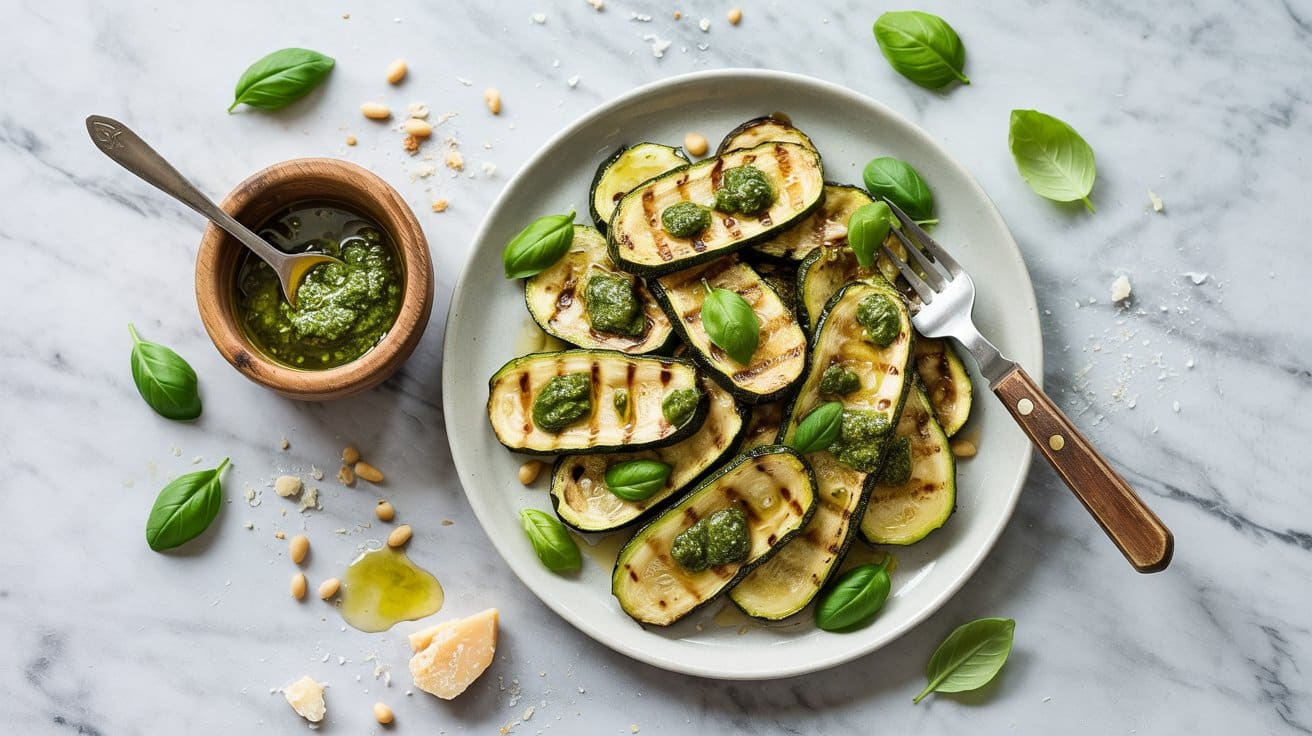
Serve on a separate edge of the plate.
Grill or sear the cut surfaces until browned, then salt. Early salting draws water and can leave the zucchini soft beside an already soft sauce.
9. Mustard Greens
Mustard greens have more bite than spinach and can stand up to a buttery sauce. Blanch or sauté them, then finish with vinegar.

Bacon is unnecessary when the meal already feels rich.
Remove thick stems from mature leaves or start them earlier in the pan. The finished greens should be tender without losing all structure.
A pale roux benefits most from this side because the greens supply the edge the sauce lacks. With a very dark roux, use a smaller portion so two strong bitter notes do not compete.
10. Tomato Corn Salad
Tomato and corn bring summer sweetness, color, and raw juiciness. Lime and scallion keep the salad bright.

Use a small portion with a sweet pale roux so the corn does not dominate.
Drain chopped tomatoes before combining the salad. Their juice belongs in the side bowl, not under rice where it thins the étouffée.
11. Pickled Vegetable Plate
Pickled carrots, green beans, and okra create intense contrast in a few bites. They work best with a small, rich serving.
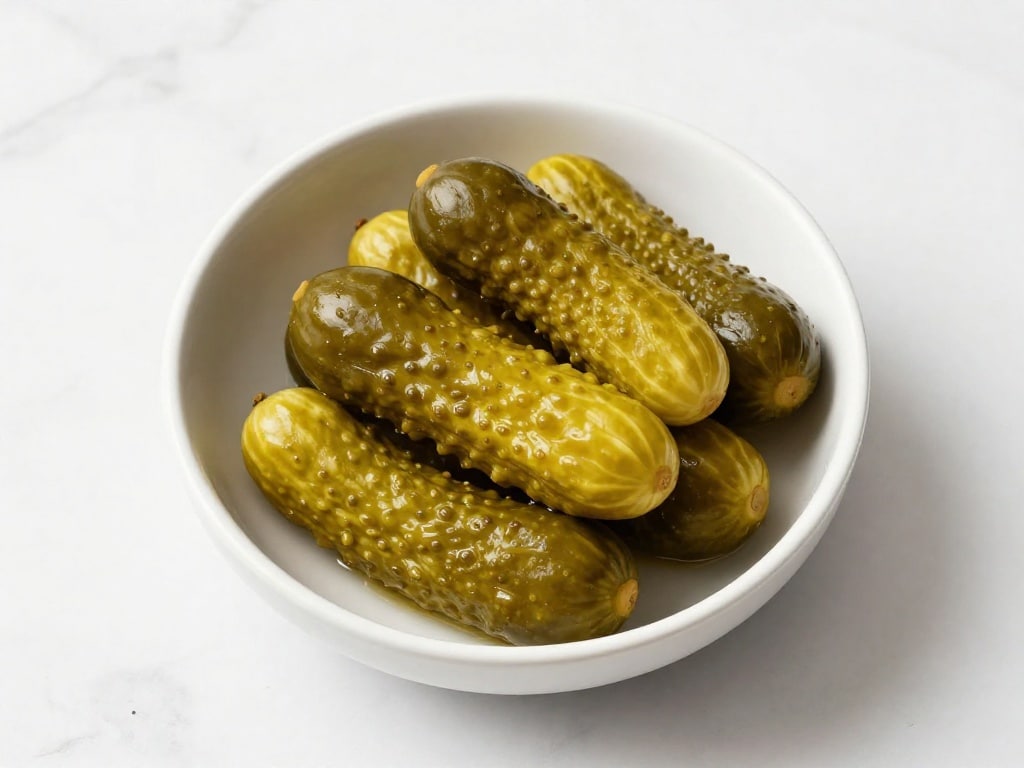
Rinse very salty commercial pickles and serve them drained.
Choose two pickles rather than an entire assortment. Too many strong acids can make the roux seem flat and hide the shrimp seasoning.
Plan two or three pieces per person instead of a full salad portion. Pickles act as a palate reset, and a small plate lets diners use them between spoonfuls without flooding the rice with brine.
12. Oven-Crisped Potatoes
Potatoes belong only when étouffée is served without rice or with a tasting spoonful. Crisp surfaces add useful texture, but a large potato portion beside a full rice bowl repeats starch.
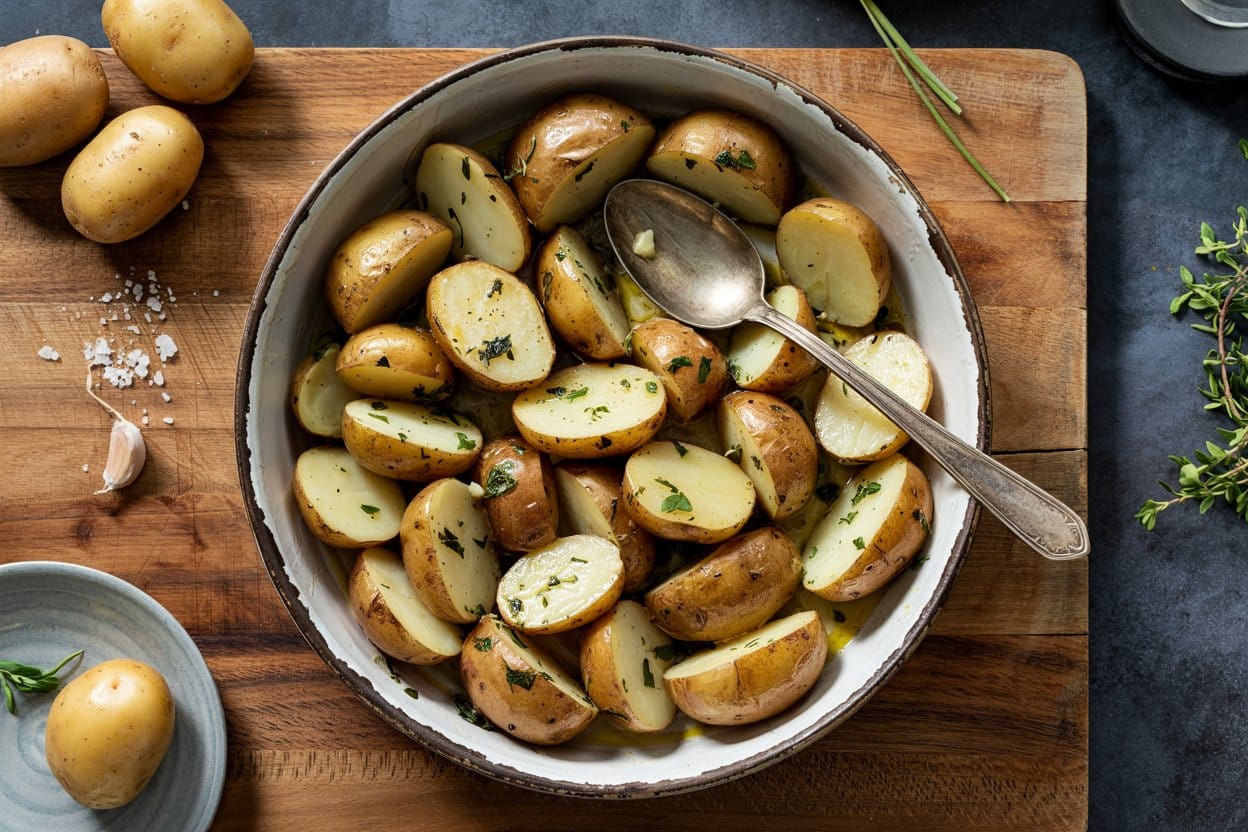
Parboil small cubes, roughen the edges, and roast them until deeply browned. Place the sauce beside the potatoes instead of over them.
If the sauce covers the crust, rice would have done the same job with less effort.
13. Skillet Cornbread
Cornbread catches sauce and gives the meal a dry, crumbly contrast. Cut a small wedge and keep it beside the bowl.

A sweet cake-like version can blur the savory finish, so use modest sugar.
Toast a day-old wedge to restore its edges. Fresh cornbread needs no butter when it will be dipped into a rich sauce.
14. Hush Puppies
Hush puppies fit a larger celebration where fried seafood and several mains share the table. They are the heaviest choice here.

Pair them with slaw and reduce the rice portion rather than stacking every starch.
Serve one or two small hush puppies per person while they are hot. A covered basket traps steam and softens the crust, so line a shallow tray with paper and refill it in batches.
Match the Side to the Roux and Heat Level
A pale roux tastes buttery and mild, so bitter greens or charred vegetables give it definition. A darker roux brings toasted flavor and may need a cleaner side such as lemony beans or cucumber.
Pale or Buttery Roux
Choose mustard greens, roasted okra, or broccoli with firm edges.
Dark Toasted Roux
Choose fennel salad, green beans, or drained pickles for a clean finish.
Spicy Sauce
Use cucumber or vinegar slaw and avoid adding more chile to every side.
Mild Sauce
Use lemon, bitter greens, and restrained char to keep the plate lively.
Roux color alone does not define the whole dish. Stock, butter, tomato, chile, and seasoning all change the final balance.
Taste the finished sauce, then choose the side property it lacks.
Serve the Crisp Side Last
Rice can wait covered for a short time, and most green vegetables can be prepped before the sauce is finished. Shrimp should not sit in bubbling étouffée for a long hold because continued heat tightens its texture.
The USDA safe-temperature chart lists 145°F for fish and shellfish. Once the shrimp are cooked, lower the heat and finish the side.
If the sauce thickens while standing, loosen it with a small amount of warm stock rather than covering the plate with more rice.
For a dark roux dinner, serve étouffée over a modest rice bed with lemony green beans. For a spicy summer bowl, use vinegar slaw and cucumber salad.
Plate cornbread or crisp vegetables last so neither absorbs steam before the first bite.
Save These Shrimp Etouffee Sides
Keep all 14 green, crisp, and sauce-ready choices for your next bowl.
Sources
- USDA Food Safety and Inspection Service, Safe Minimum Internal Temperature Chart
- LSU AgCenter, Southeast Regional Cookery Cookbook
What is the best side for shrimp etouffee? ▼
Lemony green beans are the best overall side because they add fresh snap and acid without another starch.
Does shrimp etouffee need rice? ▼
Rice is traditional and catches the sauce, but a small bowl can be served with cornbread instead.
What salad goes with shrimp etouffee? ▼
Choose arugula fennel salad, vinegar slaw, or cucumber radish salad with a light dressing.
Should gumbo be served as a side? ▼
Gumbo acts as another main dish. Serve it only as part of a larger multi-course spread.
What bread goes with shrimp etouffee? ▼
A small wedge of savory skillet cornbread catches sauce without competing with the shrimp.

Carrie is a food writer and editor with more than 15 years of experience. She has worked for some of the biggest names in the food industry, including Bon Appétit, Food & Wine, and Martha Stewart Living.
As the Editor in Chief of EpicureDelight, Carrie oversees all of the content on the site. She also manages the team of contributing writers and editors, who help to create delicious recipes, helpful tips, and informative articles that you’ll find on the site.
A native of the Chicago area, Carrie is passionate about all things food. She loves trying new restaurants and experimenting with new recipes in her kitchen. She’s also a graduate of the Culinary Institute of America, so she knows a thing or two about food!