Tangerines are a delicious and versatile citrus fruit.
They're perfect as part of an on-the-go snack, as a topping to salads or even juiced for a refreshing drink.
But with all this versatility comes the question: how long do tangerines last?
Do they go bad?
It's no secret that fresh fruits require some special care To maximize their shelf life, but tangerines can be tricky as well - especially since so many people are unfamiliar with when exactly is the right moment to enjoy them at their fullest flavor potential.
Whether you're putting out store-bought peeled slices or cutting up whole pieces from your fridge, it pays off to know what you should expect and how long your tasty treats will stay edible!
So join me as I take an in depth look into this perplexing issue and provide tips for storing tangerines from time of purchase until consumption.
What's Tangerine?

Tangerine is a citrus fruit known for its juicy, sweet-tart flavor.
It has an unmistakable orange rind that holds small segments filled with a tangy and refreshing juice.
Generally classified as an 'acid' or 'sour' citrus fruit, tangerines have been enjoyed by cultures around the world for centuries.
Found in varying sizes and colors, tangerine varieties are often distinguished based on their sweetness levels and the texture of their rinds, which range from loose to tight-skinned.
Nutritionally, tangerines are considered one of the healthiest fruits to eat, containing high amounts of fiber along with vitamins A and C and antioxidants helping boost immunity.
Whether eaten by themselves or as part of a favorite recipe, tangerines deliver a unique flavor sensation each time.
How to Store Tangerines?
Storing tangerines correctly can ensure they remain juicy and sweet.
A cool and dry place is the best environment for these citrus fruits.
Refrigerators are great storage places, but keep tangerines away from other produce.
Otherwise, the ethylene gas emitted by other fruits will cause them to ripen too quickly, leading to a loss of flavor or even spoilage.
If placed in the fridge in sealed plastic bags, fresh tangerines should last up to two weeks - an ideal way to preserve their deliciousness.
Store tangerine tree leaves separate from the fruit; otherwise they will accelerate ripening.
Keep unpeeled tangerines at room temperature for a few days before peeling and eating for the ultimate taste experience.
How Long Do Tangerines Last?

Tangerines are a type of citrus fruit that is closely related to oranges.
They are typically smaller and less acidic than oranges, with a thin skin that is easy to peel.
Tangerines are a popular snack fruit because they are sweet and easy to eat.
So how long do tangerines last? Fresh tangerines will last for about 1-2 weeks when stored properly in the fridge.
The key to storing tangerines is to keep them in a cool, dry place away from direct sunlight.
If you notice the tangerines starting to shrivel or develop brown spots, they should be eaten as soon as possible.
Tangerines can also be frozen for longer storage.
To freeze tangerines, simply peel and slice the fruit, then store in a freezer-safe container for up to 6 months.
When you're ready to eat, thaw the tangerines at room temperature or in the fridge.
Can You Freeze Tangerines?
Tangerines are a type of citrus fruit that is closely related to oranges.
They are typically smaller and less acidic than oranges, and have a sweeter taste.
Tangerines are a good source of vitamins A and C, as well as dietary fiber.
You can freeze tangerines whole, or you can juice them and freeze the juice.
To freeze whole tangerines, first wash them thoroughly and then remove any stems or leaves.
Next, dry the tangerines completely and place them in a freezer-safe container.
You can also wrap them individually in plastic wrap or aluminum foil before placing them in the container.
Freeze the tangerines for up to six months.
To make tangerine juice, simply peel and chop the tangerines and then place them in a blender or food processor.
Blend or process until the tangerines are liquefied.
Pour the juice into an ice cube tray and freeze for several hours.
Once frozen, transfer the cubes to a freezer-safe container or bag.
Use within six months for best quality.
How to Tell If Tangerines are Bad?
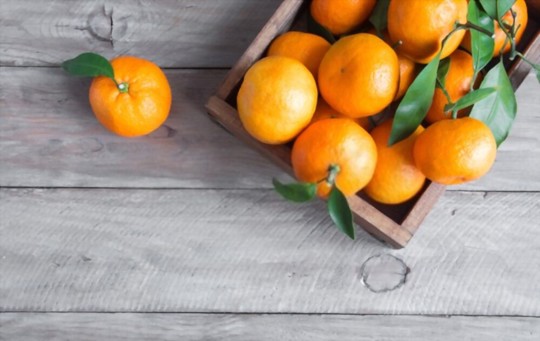
Knowing how to tell if tangerines are bad is an important part of making sure that you get the most out of your citrus.
The first thing to look at is the external appearance - tangerines should be bright and bright in color, with no discoloration or spots on the skin.
You can also check for firmness by gently squeezing the tangerine - it should feel firm, not squishy or overly hard.
If there's a sour smell emanating from the tangerine, this is a sure sign that it has gone bad and shouldn't be eaten.
Finally, look at any stems connected to the tangerine - if these are slimy, wilted or have dried up, these indicate that the fruit has passed its prime and certainly shouldn't be eaten.
Tangerines Shelf Life Summary
If tangerines start to go bad, they will usually get softer and their skin will start to wrinkle.
If you have any tangerines that are starting to go bad, you can always freeze them and use them for smoothies or other recipes.

Ingredients
Method
- Store your product in an labelled container in a cool, dark place like the pantry or fridge.
- If your food is frozen, allow it to thaw in the fridge before cooking.
- Make sure to look for signs that your food has gone bad before eating it.
Tried this recipe?
Let us know how it was!More From EpicureDelight
The Complete Food Storage Guide - your complete resource for this topic.
See all food storage guides →Stored correctly, How Long Do Tangerines remains safe to eat for [timeframe] in the fridge. Freezing extends this considerably, though texture may change slightly after thawing.
Use-by dates are a guideline, not an absolute - How Long Do Tangerines may still be safe shortly after, but quality degrades. Always check for spoilage signs before eating anything past its date.
Freezing preserves safety but may affect texture. Watery items like produce can turn soft after thawing. For cooked dishes, texture usually holds well once reheated from frozen.
Expiration dates indicate peak quality, not necessarily safety. Many foods remain safe beyond the printed date if stored correctly and show no signs of spoilage.

Carrie is a food writer and editor with more than 15 years of experience. She has worked for some of the biggest names in the food industry, including Bon Appétit, Food & Wine, and Martha Stewart Living.
As the Editor in Chief of EpicureDelight, Carrie oversees all of the content on the site. She also manages the team of contributing writers and editors, who help to create delicious recipes, helpful tips, and informative articles that you’ll find on the site.
A native of the Chicago area, Carrie is passionate about all things food. She loves trying new restaurants and experimenting with new recipes in her kitchen. She’s also a graduate of the Culinary Institute of America, so she knows a thing or two about food!